
2027 How Long Does It Take to Earn an Online Fashion Merchandising Degree?

Co-Founder and Chief Data Scientist
Online education offers unmatched flexibility for students pursuing careers in dynamic fields like fashion, enabling them to balance work and study effectively. According to the U.S. Bureau of Labor Statistics, employment in fashion-related occupations is projected to grow 8% from 2022 to 2032, reflecting sustained industry demand. Understanding how long does it take to earn an online fashion merchandising degree is crucial for planning. This article explores the average timeframes for program completion, key factors influencing duration, and criteria for selecting the right program length to suit individual goals and schedules. The goal is to empower readers to make informed, confident decisions about their education.
Key Benefits of Online Fashion Merchandising Degree
- Most online fashion merchandising degrees can be completed in 2 to 4 years depending on whether students attend full-time or part-time, offering flexibility to balance work and study.
- Accelerated programs allow motivated students to finish in as little as 18 months by taking more credits each term or enrolling year-round.
- Online formats generally offer asynchronous courses so learners can access materials anytime, making it easier for professionals to progress at their own pace without fixed schedules.
What is the Average Completion Time for Online Fashion Merchandising Programs?
Online fashion merchandising programs typically take anywhere from several months to four years to complete, depending on the degree level and the student's pace. To help you understand the typical durations associated with various credentials, here is a breakdown of average completion times by program type.
- Certificate programs: These are short-term options designed for rapid entry into the fashion merchandising field or for professionals seeking specialized skills. Most online certificate programs can be completed in as little as 6 to 12 months of full-time study, making them ideal for those looking to quickly gain foundational knowledge.
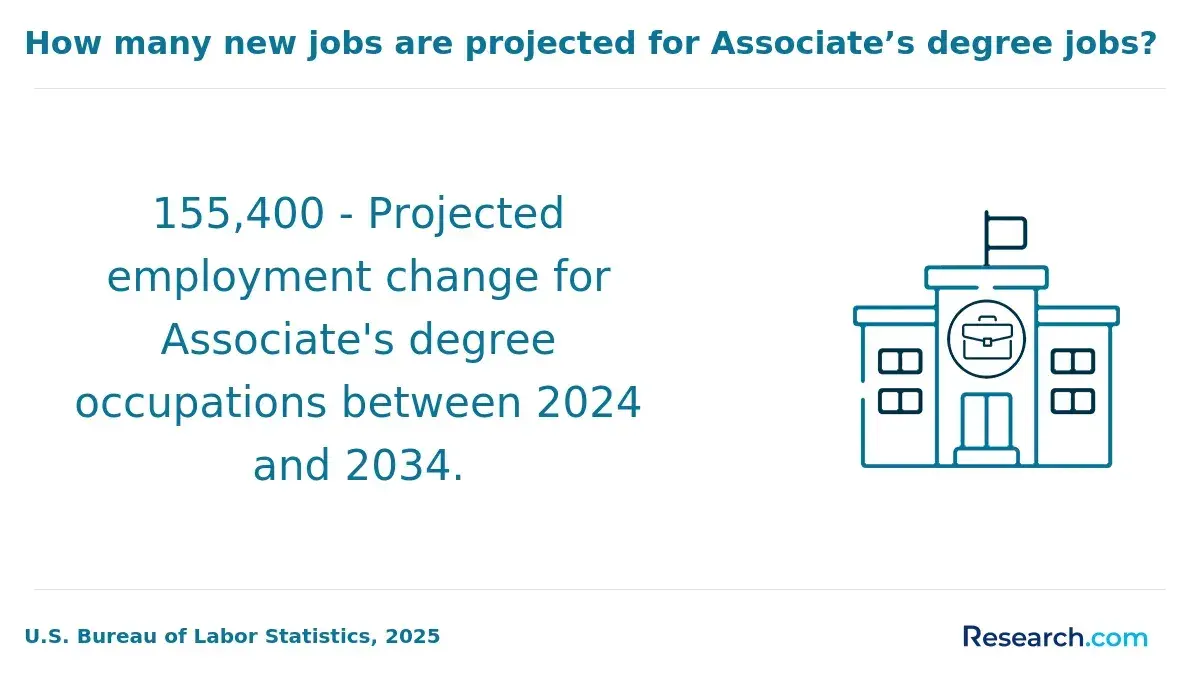
- Associate degree programs: Generally, an associate degree in fashion merchandising requires about two years of full-time enrollment. This program blends general education with focused coursework and prepares students for paraprofessional roles or further education. Some students take advantage of accelerated schedules such as the accelerated online associates degree options to finish sooner.
- Bachelor's degree programs: The most common credential, a bachelor's in fashion merchandising, typically takes around four years of full-time study. However, many programs offer accelerated courses or accept transfer credits, enabling motivated learners to complete their degree in as little as 2.5 to 3 years. Part-time students usually need more than four years depending on their individual pacing and commitments.
These timeframes reflect the flexibility and structure of online programs designed to accommodate diverse students' lives and goals, making it easier to plan how long it will take to earn an online fashion merchandising degree.
What Factors Can Affect How Long It Takes to Earn an Online Fashion Merchandising Degree?
The time required to earn an online fashion merchandising degree varies due to several important factors that influence how quickly a student can complete the program. Understanding these elements can help prospective students plan accordingly. Below are key factors affecting program length and how each can either shorten or extend the time needed to graduate.
Some of the primary factors that impact online fashion merchandising degree completion time include:
- Transfer Credits: Students with previously earned college credits can often transfer a significant portion, sometimes up to 75%, which greatly reduces the number of courses needed. This can cut the typical four-year timeline down to just one or two years depending on how many credits are accepted.
- Course Format and Scheduling: Accelerated courses offered in shortened terms, such as 7- or 8-week sessions, enable faster completion compared to traditional semester formats. Programs with such structures allow students to finish in as few as 2.5 years versus the standard duration.
- Full-Time vs. Part-Time Enrollment: Enrolling full-time, usually taking 12-15 credit hours per term, speeds up graduation, while part-time students take longer due to their lighter course load each semester.
- Prior Learning Assessment: Credits awarded for prior work experience or learning can further reduce program length. Some schools recognize previous achievements, lowering both costs and time to graduation.
- Self-Paced and Flexible Learning: Self-paced online coursework allows students to progress at their own speed, with motivated learners finishing sooner and those balancing other responsibilities taking more time.
- Internship and Capstone Requirements: Mandatory internships or capstone projects may extend degree duration if they require additional hours beyond regular classes or must be scheduled separately.
For students looking into this field, considering these factors alongside personal circumstances is essential. Additionally, exploring options among the easiest online degree programs can provide insight into flexible formats and quicker completion paths.
What Are the Different Types of Online Fashion Merchandising Programs Available?
Prospective students exploring online fashion merchandising programs will find a variety of specialized tracks designed to match diverse interests and career objectives. Below is an overview of the common types and concentrations available in these flexible online degree options that blend creative, technical, and business-focused coursework.
These program types cater to different talents and career goals, helping students acquire the skills needed for success in the fashion industry.
- General Fashion Merchandising Degree: This comprehensive option covers the fundamentals of buying, planning, retail management, supply chain, marketing, and product display. It suits students seeking broad-based skills applicable across retail, wholesale, or manufacturing sectors within fashion.
- Fashion Merchandising and Marketing: This track combines creative and analytical learning, emphasizing apparel sales, marketing strategies, and consumer behavior. Programs typically include business core courses, fashion forecasting, and hands-on projects such as internships and capstone plans.
- Fashion Merchandising and Design: Focusing on both merchandising and design, this specialization offers concentrations like product development, using technology such as CAD and 3D printing, and visual merchandising, which involves creating compelling retail presentations and virtual displays.
- Specialized Concentrations: Students can tailor their programs with options in creative design or fashion writing, blending core fashion merchandising courses with electives in communication, blogging, and social media relevant to the fashion world.
- Business Administration in Fashion Merchandising: This path integrates core business skills with fashion industry knowledge, preparing graduates for leadership roles in buying, retail management, and brand development through a Bachelor of Business Administration format.
- Digital Innovations and Retailing: Emerging programs focus on digital skills, including e-commerce, social media management, and digital marketing strategies to equip students for the changing retail environment influenced by technology.
How Many Credit Hours Are Required for an Online Fashion Merchandising Degree?
Most online fashion merchandising degree programs in the United States require a range of credit hours, typically varying by degree level and institution. Understanding these requirements can help students plan their academic journey effectively. Below is a breakdown of the average credit hour requirements for different degree levels in online fashion merchandising programs.
- Associate Degree in Fashion Merchandising: This level usually requires 60-65 credit hours. Full-time students often complete the program in about two years, while part-time learners may take three to four years. Completion times can vary if students transfer prior credits or enroll in accelerated course options.
- Bachelor's Degree in Fashion Merchandising: Bachelor's programs generally require around 120-122 credit hours. Full-time students typically finish in four years, though part-time study may extend this to five or six years. Many schools have flexible transfer policies, allowing students to shorten their time by applying previous college credits.
- Master's Degree in Fashion Merchandising: Graduate programs usually demand 30-36 credit hours. Full-time students might finish within one to two years, whereas part-time students could need up to three years. Thesis or capstone projects may influence credit hour requirements and program length.
- Doctoral Degree in Fashion Merchandising: These programs are rare and specialized, typically requiring 60 or more post-master's credit hours plus dissertation research. The timeline for completion varies widely, often ranging from three to seven years, depending on the scope of research and study pace.
One graduate of an online fashion merchandising degree I spoke with shared their experience of juggling a full-time job while completing the credit requirements. They recalled the challenge of balancing coursework deadlines amid fluctuating work hours and homeschooling their children. The flexibility of online courses allowed them to study late at night or early mornings, but the consistent accumulation of credit hours demanded discipline and perseverance. This journey, though tough, enriched their time management skills and ultimately made graduation a deeply rewarding milestone.
What Courses Are Included in a Standard Online Fashion Merchandising Curriculum?
A standard online fashion merchandising curriculum offers a blend of business fundamentals and creative skills tailored to prepare students for diverse roles in the fashion industry. Below are examples of core and specialized courses commonly offered in these programs, designed to equip students with the knowledge needed to thrive in this dynamic field.
- Fashion Merchandising Principles: This course covers essential merchandising concepts such as product selection, buying cycles, and inventory management. Students learn to analyze consumer trends and develop sales strategies, preparing them for careers as merchandisers, buyers, or retail managers.
- Fashion Marketing: Students explore marketing tactics tailored to the fashion industry, including branding, promotional campaigns, and digital marketing. This knowledge is crucial for positions in marketing management and brand development within fashion.
- Textiles and Fabric Analysis: This subject focuses on the properties and sourcing of fibers and textiles used in apparel. Understanding materials supports roles in product development, sourcing, and quality control.
- Visual Merchandising: Emphasizing store displays and product presentation, this course teaches design techniques applicable to brick-and-mortar and online retail environments. Graduates can pursue careers as visual merchandisers or stylists.
- Fashion Buying and Planning: Students learn about assortment planning, retail math, trend forecasting, and vendor negotiation. These skills prepare them for roles as fashion buyers or planners in wholesale and retail sectors.
- Product Development: Covering the process from concept to consumer, this course includes instruction in CAD and other industry technologies. It readies students for careers in product development and design coordination.
- Consumer Behavior: This course examines psychological and social factors influencing fashion purchases, helping students customize merchandising strategies for target markets. It benefits those interested in market analysis or retail management.
- Retail Management: Covering store operations, supply chain logistics, and customer relationship management, this class supports students aiming to lead retail teams or oversee retail operations.
- Fashion Forecasting: Students develop skills to predict trends, analyze market data, and apply forecasts strategically. This prepares them for jobs requiring trend analysis and merchandising planning.
- Internship or Capstone Project: Many programs include a practical internship or capstone project, allowing students to apply theoretical knowledge to real-world situations and build professional experience.
How Often Do Online Fashion Merchandising Programs Start During the Year?
Online fashion merchandising programs typically offer multiple start dates throughout the year, providing students with the flexibility to begin their studies at a time that best fits their personal and professional commitments. This scheduling adaptability is especially beneficial for working adults, career changers, and those looking to accelerate their education. Below is a summary of the most common start schedules you can expect from these programs.
- Traditional Academic Calendar: Programs following the standard semester system usually start in the Fall (August-September), Spring (January), and sometimes Summer (May-June). This schedule suits students who prefer a predictable, structured routine and plan around other responsibilities such as work or family.
- Multiple Term or Session Starts: Many online fashion merchandising degrees now offer accelerated courses with new sessions every 7 to 7.5 weeks, allowing for up to six start dates annually. This option benefits students seeking to progress quickly or needing flexibility to balance other commitments by choosing shorter terms.
- Rolling Admissions: Some schools permit enrollment almost anytime, with courses beginning shortly after admission is finalized. This setup is ideal for students ready to start immediately and not restricted by traditional academic calendars, though it is more common for certificates or continuing education than full degrees.
- Monthly or Quarterly Starts: Select certificate or professional development programs start new cohorts monthly or quarterly. This frequent scheduling allows professionals to upskill swiftly without waiting for conventional term dates, catering to those needing quick access to courses.
How Much Faster Can You Complete an Accelerated Online Fashion Merchandising Degree?
Accelerated online fashion merchandising programs significantly reduce the time required to earn a degree by compressing coursework and offering flexible scheduling compared to traditional, on-campus, or standard-paced online formats. These programs are designed to help motivated students finish their studies more quickly without sacrificing educational quality. Below are the most common ways accelerated online fashion merchandising programs enable faster graduation.
- Shorter Course Terms: These programs often feature academic terms lasting 5-8 weeks, instead of a traditional 15-week semester. This allows students to complete more courses within a year and speeds up progress toward the 120-credit requirement for a bachelor's degree.
- Year-Round Enrollment: Multiple start dates throughout the year let students begin classes when convenient instead of waiting for standard semester cycles. Continuous enrollment reduces downtime, helping students maintain momentum and finish sooner.
- Generous Transfer Credit Policies: Some schools accept up to 90 transfer credits, dramatically decreasing the number of courses students must take. This policy especially benefits those with previous college experience by shortening time to graduation to as little as one to two years.
- Credit for Prior Learning: Academic credits may be awarded for relevant work experience or professional certifications, cutting both time and cost. This option is ideal for students coming from related fields such as retail or business.
- Competency-Based Learning: Programs with competency-based formats allow learners to advance by demonstrating mastery at their own pace. Fast learners can move through course materials more quickly, potentially completing the degree ahead of the standard timeline.
Speaking with a graduate of an accelerated online fashion merchandising degree, they shared how the program's fast pace was both challenging and rewarding. Managing multiple 7-week courses required intense focus and strong time management, especially while balancing a part-time retail job.
They recalled nights spent developing marketing projects and days filled with interactive online discussions, which made learning dynamic despite the remote format. The ability to start new courses every two months kept their motivation high, as they could see tangible progress almost immediately. Ultimately, the graduate felt that these fast-paced terms pushed them to develop discipline and resilience, preparing them well for the fast-evolving fashion industry.
Does Finishing an Online Fashion Merchandising Degree Faster Save You Money?
Completing an online Fashion Merchandising degree faster can significantly reduce the overall education costs while providing financial benefits through earlier career advancement. Accelerated programs offer practical opportunities to save money and improve financial outcomes in several key ways.
Here are the main ways finishing an online fashion merchandising degree faster can help you save on tuition with faster fashion merchandising degree costs and related expenses:
- Lower Tuition Costs: Many accelerated online fashion merchandising programs charge tuition by credit hour, so completing required credits sooner means paying for fewer semesters. For example, programs like Liberty University's offer eight-week courses that allow students to transfer credits and finish faster, directly reducing the amount spent on tuition over time.
- Reduced Living Expenses: Spending less time in school means fewer months or years paying for housing, food, and transportation. While online students typically avoid campus housing fees, living costs still add up, so halving the program length can effectively cut these costs by half.
- Earlier Entry Into the Workforce: Graduating faster allows you to begin earning a salary sooner and gain valuable work experience. The advantage of starting your career earlier supports paying off any loans more quickly and boosts your overall financial situation, especially in fields where a master's degree that makes the most money can influence earning power.
- Less Time Off Work: Accelerated online degrees often let working students study without leaving their jobs, reducing lost income. Compact course schedules help maintain steady employment and minimize disruptions compared to traditional four-year programs.
How Soon Can Graduates Start Working After Earning Their Online Fashion Merchandising Degree?
Graduates can often start working soon after earning their online fashion merchandising degree, with many beginning their careers immediately or within a few months of graduation. The typical timeframe to secure a job varies based on the strength of the local fashion job market, the individual's prior work experience, and how well their skills align with current industry demands.
Many entry-level roles such as assistant buyer, merchandising coordinator, or visual merchandiser are accessible to new graduates, offering a practical entry point into the field. Those who complete accelerated online programs might start working even sooner, sometimes within 2.5 years rather than waiting for the traditional four-year timeline. The availability of various fashion merchandising career opportunities means that motivated graduates can often find positions aligned with their training without lengthy delays.
Online fashion merchandising programs are designed to help students smoothly transition into their careers by integrating practical experience throughout their studies. Many programs encourage or require internships, networking events, and hands-on projects, providing opportunities to start working in fashion merchandising even before graduation.
Students can build portfolios, connect with industry professionals, and gain exposure to real-world challenges, which enhances their employability. These programs also emphasize current trends, digital commerce, and sustainability, preparing graduates to meet modern market expectations. For those seeking efficient pathways, exploring quick high paying degrees may provide additional options to enter the workforce rapidly.
How Much Do Online Fashion Merchandising Graduates Earn on Average?
Online fashion merchandising degree graduates typically earn salaries ranging from $45,000 to over $130,000, depending on their career path, experience, and industry. Understanding the average salary for online fashion merchandising degree graduates can help prospective students gauge potential returns on their investment. Below is a breakdown of typical earnings by career level and specialization.
- Entry-Level Roles: Positions such as assistant buyers, purchasing agents, and junior merchandisers generally start with salaries between $45,000 and $65,000 annually. Pay at this stage varies based on employer size, location, and sector. Quick progression is possible with strong analytical skills and hands-on experience.
- Mid-Career Professionals: Buyers, account executives, and market research analysts often earn between $65,000 and $100,000 per year. Their responsibilities include product selection and vendor negotiations, with salary growth influenced by certifications and demonstrated success in decision-making.
- Specialized Positions: Roles like general manager, supply chain manager, and business analyst command salaries from $95,000 to $130,000. These jobs require advanced skills and are usually filled by those with several years of experience or advanced degrees.
- Leadership Roles: Purchasing managers and marketing managers can expect salaries from $98,000 to $131,000, combining leadership ability with education and industry expertise.
- Industry Variations: Salaries differ by sector, with fashion designers earning a median of $80,690. Luxury retail and brand management positions, particularly in major markets such as New York or California, often offer higher pay, reflecting regional fashion merchandising salary by state differences.
Graduates who want to reduce costs and enter the workforce sooner might consider pursuing the cheapest online bachelors degree options, which can help them start earning faster in the competitive fashion merchandising field.
Here's What Graduates of Online Fashion Merchandising Programs Have to Say About Their Degree
- Jasmine: "Completing my online fashion merchandising degree was a game-changer for my career. The flexibility to study while working allowed me to immediately apply what I learned to real-world retail challenges, which impressed my employer and helped me land a management role within a year. The coursework was comprehensive, covering everything from trend forecasting to supply chain logistics, which gave me confidence and a diverse skill set. It truly opened doors in a competitive industry and made me believe in my potential to grow even more."
- Matthew: "Enrolling in an online fashion merchandising program was initially daunting, but it became a deeply rewarding experience that enriched both my professional and personal life. The community of students and professors was supportive and diverse, inspiring me to think critically about sustainability in fashion and how I could contribute to more ethical consumer practices. This degree didn't just teach me technical skills; it helped me become a thoughtful leader ready to impact the industry positively. I'm proud to be part of a new generation pushing boundaries."
- Priya: "Pursuing an online fashion merchandising degree challenged me to adapt to remote learning and balance multiple commitments, but it ultimately enhanced my time management and communication skills. This program offered unique exposure to digital marketing strategies and data analysis tailored specifically for fashion, which positioned me ahead of my peers during job interviews. Since graduating, I've secured a position at a top retail brand where I'm able to influence buying decisions and brand development. It's been incredible professional advancement through a flexible and modern educational approach."
Other Things You Should Know About Online Fashion Merchandising Degree Programs
In 2027, earning an online Fashion Merchandising degree typically takes about 2 to 4 years. The duration depends on the student's pace, the program's structure, and if the student is enrolled full-time or part-time. Some accelerated programs offer faster completion within 18 months.
Many online programs incorporate internships or hands-on projects to provide real-world experience. These opportunities are often managed locally, allowing students to work with retailers or fashion companies in their area. Practical experience is essential to understand market trends and merchandising strategies effectively.
In 2027, an online Fashion Merchandising degree typically takes about three to four years to complete for a bachelor's level, assuming full-time enrollment. Part-time students might take longer, while accelerated programs may offer faster completion times for dedicated students.
References
- Vogue Retail Design & Visual Merchandising: Fashion & Luxury | Vogue College of Fashion https://www.voguecollege.com/courses/retail-design-visual-merchandising-fashion-luxury/
- Earning Capabilities and Career Growth as a Fashion Buyer or Merchandiser https://blog.portobelloinstitute.com/earning-capabilities-and-career-growth-as-a-fashion-buyer-or-merchandiser
- Fashion Development & Merchandising Degree - Siba https://siba.edu/fashion-development-merchandising/
- Fashion Merchandising https://online.odu.edu/academics/programs/fashion-merchandising
- Fashion Merchandising - AAS https://www.udc.edu/cc/programs-majors/fashion-merchandising-aas
- Fashion Design Course Length: How Long Does It Actually Take? https://itikargil.in/fashion-design-course-length-how-long-does-it-actually-take
- Fashion Merchandising and Management, AAS (Online) https://www.limcollege.edu/academics/degrees/fashion-merchandising-and-management-aas-online
- The Effect of Students’ Academic Majors on Practice of E-Shopping of Clothing https://www.scirp.org/journal/paperinformation
- Fashion Business Management One-Year AAS Degree Program https://catalog.fitnyc.edu/undergraduate/majors/oneyearassociatedegreeprograms/fashionmerchandisingmanagementmajor/


