
2027 How Long Does It Take to Earn an Online Urban Planning Degree?

Co-Founder and Chief Data Scientist
The convenience and flexibility of online education have made pursuing an urban planning degree more accessible than ever. According to the U.S. Bureau of Labor Statistics, employment in urban and regional planning is projected to grow 3% from 2024 to 2034, highlighting strong career demand in this field.
Understanding how long does it take to earn an online urban planning degree is essential for prospective students planning their academic journey. This article explores average program completion times, factors influencing duration, and guidance on selecting a program that fits individual goals and schedules. It aims to empower readers with the knowledge needed for confident, informed decisions.
Key Benefits of Online Urban Planning Degree
- Most online urban planning degrees can be completed in two to four years depending on whether you enroll full-time or part-time, offering flexibility for working professionals.
- The asynchronous course schedules allow students to balance studies with personal and work commitments, often enabling degree completion at an individualized pace.
- Accelerated programs and credit transfer options can shorten the timeline, with some students finishing in as little as 18 months by leveraging prior coursework or experience.
What is the Average Completion Time for Online Urban Planning Programs?
Online urban planning programs typically take between two and four years to complete, depending on the degree level and enrollment status. To help clarify the average time to complete online urban planning degree programs, below is a breakdown of expected durations by credential type.
- Bachelor's Degree: Most online bachelor's degrees in urban planning are designed for completion in about four years of full-time study. Students transferring credits or taking accelerated options, such as an accelerated bachelor's degree online texas, may finish sooner, while part-time students often require additional semesters.
- Master's Degree: The master's programs, such as online Master of Urban and Regional Planning degrees, typically last between two to three years. These programs often allow flexible pacing and asynchronous coursework to accommodate working professionals, with some institutions permitting up to four years to complete.
- Standalone Certificates and Non-Degree Courses: For learners seeking specific skills, online certificate programs or professional courses in urban planning can be completed within a few months to a year, depending on program intensity. These options provide a quicker pathway without committing to a full degree.
Understanding how long does an online urban planning degree take is crucial for prospective students balancing education with other commitments. The flexibility inherent to online programs means completion times vary, but these averages offer a reliable guideline for planning educational goals in urban planning.
What Factors Can Affect How Long It Takes to Earn an Online Urban Planning Degree?
Several factors influence how long it takes to earn an online urban planning degree, as the duration can vary widely depending on both program characteristics and personal circumstances.
To help understand the main elements that affect completion time, consider the following key factors that can either accelerate or extend your online urban planning journey:
- Enrollment Status (Full-Time vs. Part-Time): Enrolling full-time generally allows students to finish in about four years for bachelor's degrees by maintaining a standard course load. Part-time enrollment, often chosen to balance work or family responsibilities, can extend the time needed to graduate by several years.
- Course Scheduling and Flexibility: Programs with multiple start dates and accelerated terms, such as 7.5-week courses, enable faster progress. Conversely, traditional semester schedules with limited flexibility may slow completion, especially if students must reduce courses during busy periods.
- Transfer Credits and Prior Learning: Transfer credits can significantly shorten degree duration by reducing required coursework. Some programs permit transferring up to 50% of credits, allowing students to leverage previous academic work or professional experience.
- Capstone, Thesis, or Internship Requirements: These experiential components can add to the length of study depending on their complexity and the student's ability to manage time alongside other obligations.
- Personal and Professional Commitments: Employment, family, or other responsibilities impact course load capacity and pacing, often extending the timeline for degree completion despite the flexibility of online learning.
For those wondering what is the easiest bachelors degree in relation to managing study time effectively, understanding these factors is essential for planning your academic path in urban planning.
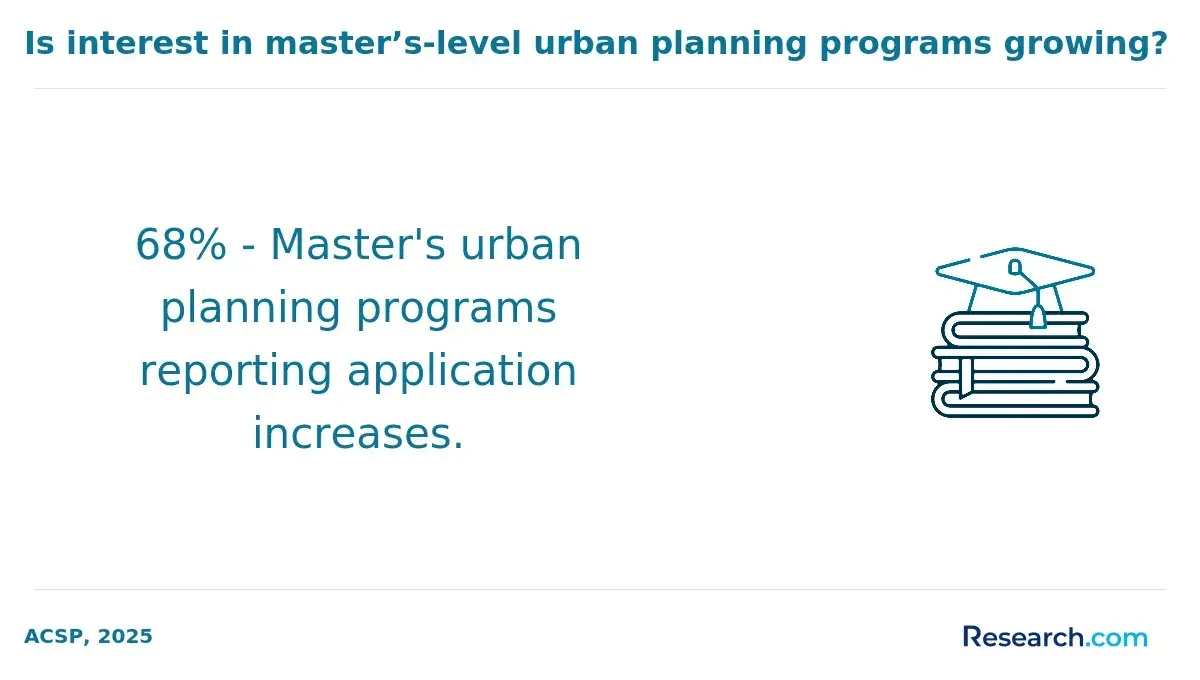
What Are the Different Types of Online Urban Planning Programs Available?
Online urban planning programs offer diverse options to match various interests and career goals, ranging from broad degree tracks to targeted specializations. Prospective students can choose from foundational degrees, advanced leadership programs, and focused concentrations that address specific aspects of urban development and policy.
Below are the main types and specializations commonly available in online urban planning education:
- Bachelor of Science in Urban Planning: This undergraduate degree provides essential knowledge in urban planning theory, research methods, and policy, with electives in areas such as economic development and environmental planning. It is designed for those seeking entry-level planning roles or preparing for graduate studies.
- Master of Urban Planning (MUP): Usually requiring about 48 credit hours over two years, the MUP offers advanced expertise through core courses, electives, and practical experiences like theses or internships. It prepares students for leadership positions in planning.
- Public Administration with Urban Planning Concentration: This Master of Public Administration (MPA) track combines public administration with urban planning topics like community economic development and GIS. It suits those interested in public-sector policy or management roles and offers thesis or elective options.
- Environmental and Sustainable Planning: Focused on sustainable development and climate resilience, this specialization addresses minimizing environmental impacts of urbanization. It is ideal for students targeting careers in environmental consulting or sustainability.
- Land Use, Infrastructure, and Transportation Planning: This area prepares students to manage spatial development and transportation systems, covering both public and private sector planning. Graduates often pursue roles as transportation planners or infrastructure specialists.
- Urban Design and Historic Preservation: These certificates or concentrations emphasize integrating design and preservation principles into urban planning, fitting students passionate about the cultural and historical dimensions of cities.
- Individualized or Customized Specializations: Many programs allow students to create tailored tracks by selecting electives across diverse planning topics, catering to unique interests and career aims.
How Many Credit Hours Are Required for an Online Urban Planning Degree?
Completing an online urban planning degree generally involves accumulating a set number of credit hours, which vary significantly depending on the academic level and program format. Understanding the typical credit hour requirements can help prospective students plan their education trajectory effectively.
Below is a detailed breakdown of credit hour expectations by degree level to guide those considering online urban planning studies.
- Associate Degree in Urban Planning: These programs are rare online but typically require around 60 credit hours. Full-time students may finish in about two years, while part-time attendance can extend the timeline. Some institutions allow transfer credits to reduce the total credit burden.
- Bachelor's Degree in Urban Planning: Bachelor's programs usually demand approximately 120 credit hours. Full-time students often complete their studies within four years, whereas part-time learners or working professionals might need more time. Transfer credits from community colleges or other universities can often shorten the timeframe.
- Master's Degree in Urban Planning: Most online master's programs require between 42 and 52 credit hours, with 48 credit hours being the most common standard. Full-time students typically finish in two years, though part-time and flexible study options exist. Program structure influences completion time and transfer credit applicability varies widely.
- Doctoral Degree in Urban Planning: Online doctoral programs are infrequent and generally require about 60 credit hours beyond the master's degree. Time to completion is highly variable because of research and dissertation demands, with part-time paths potentially adding several years to the process.
Reflecting on their experience, a graduate of an online urban planning degree shared how balancing professional responsibilities with coursework extended their timeline beyond full-time norms but deepened their learning.
They described navigating varying credit transfer policies between institutions as one of the more challenging aspects, alongside managing intensive project deadlines without on-campus support.
Despite these hurdles, the flexibility of online learning allowed them to progress steadily, building real-world skills that complemented academic credit hours and made each completed course highly rewarding.
What Courses Are Included in a Standard Online Urban Planning Curriculum?
Online urban planning curricula are designed to provide students with a comprehensive foundation in both theoretical concepts and practical skills needed for contemporary urban development challenges. This includes core subjects and specialized areas that prepare students for professional roles or advanced study in the field.
The following examples highlight typical core and elective courses you can expect in an online urban planning program, each contributing to a well-rounded educational experience.
- Introduction to Urban Planning: Covers the history and theories behind urban planning, helping students understand how cities evolve and the vital role planners play. This foundational course offers essential insights into urban development challenges and strategic responses.
- Urban Data Analysis and Research Methods: Focuses on qualitative and quantitative research techniques, data collection, and interpretation. Students develop skills to analyze demographic, economic, and spatial data that inform evidence-based planning decisions.
- Geographic Information Systems (GIS): Introduces spatial analysis and mapping technologies crucial for urban planning. Mastery of GIS enables students to evaluate land use, transportation, and environmental impacts effectively.
- Land Use Planning and Urban Design: Explores zoning, site planning, and design principles to create sustainable and functional urban spaces. This course prepares students for municipal planning and consulting roles focused on built environments.
- Public Policy and Administration: Examines government structures, policy-making processes, and legal frameworks influencing urban planning practice. Students gain an understanding of how public administration intersects with planning goals.
- Sustainable Development and Environmental Planning: Investigates strategies for promoting sustainable growth, including resource management and climate adaptation. This knowledge is essential for environmental impact assessments and sustainability projects.
- Transportation Planning: Focuses on designing and managing mobility systems within urban and regional areas. Students learn about multi-modal integration to improve accessibility and address urban transit challenges.
- Community and Economic Development: Covers economic strategies, housing policy, and community engagement techniques. This course prepares students to foster equitable growth and collaborate with diverse stakeholders.
- Planning Studio or Capstone Project: Provides hands-on experience through real-world projects where students apply their knowledge to complex planning issues, often working in teams. This practical component is highly valued by employers.
- Electives and Specializations: Includes options such as historic preservation, international planning, infrastructure management, and planning law. These allow students to tailor their studies to specific interests or regional challenges.
How Often Do Online Urban Planning Programs Start During the Year?
Online urban planning programs often offer multiple start dates throughout the year, providing students with the flexibility to begin their studies at times that best fit their personal and professional lives. This flexibility benefits working professionals and those with busy schedules by eliminating the need to wait for a single annual admission period.
Below is a summary of the most common start schedules for online urban planning programs.
- Traditional Academic Calendar: Many programs follow a standard academic calendar with start dates in the fall, spring, and sometimes summer semesters. For example, students may enroll in 16-week fall and spring terms or a shorter summer term, which appeals to those who prefer a structured timeline similar to a traditional university.
- Biannual or Semester-Based Starts: Several programs offer start terms twice a year, typically in fall and spring semesters. This schedule provides more flexibility than a single yearly intake and makes it easier for students to begin their studies without waiting an extended period.
- Monthly or Quarterly Starts: Some universities, especially those with an emphasis on online education, offer new course sessions frequently-sometimes every eight weeks. This option suits working professionals who need maximum flexibility, allowing them to start nearly any time of the year.
- Rolling Admissions: Less common in urban planning, rolling admissions allow applications to be reviewed continuously throughout the year. This enables students to apply and start their programs as soon as they're ready rather than restricting them to predefined start dates.
How Much Faster Can You Complete an Accelerated Online Urban Planning Degree?
Accelerated online urban planning programs significantly reduce the time required to earn a degree compared to traditional formats by utilizing flexible scheduling, condensed terms, and transfer credit opportunities. These programs are designed to help students finish their studies faster while maintaining quality education.
Below are some common ways accelerated online urban planning programs enable quicker graduation:
- Shorter Course Terms: Many accelerated programs use condensed course schedules, such as 7.5- or 8-week sessions instead of the standard 16-week semesters. This setup allows students to take more courses within a year, effectively shortening the total time to complete the degree.
- Year-Round Enrollment: Offering courses across fall, spring, and summer terms enables continuous study without extended breaks. This uninterrupted pace helps students maintain momentum and accumulate credits faster than programs with limited enrollment periods.
- Transfer Credits: Some universities permit transferring a substantial number of graduate-level credits from previous studies or other institutions. For instance, students can transfer up to 15 credits within the same university or 9 credits from outside, which may reduce time to graduation by a semester or more.
- Combined Degrees (Accelerated Bachelor's/Master's): Certain accelerated tracks allow students to earn both a bachelor's and master's degree within five years by starting graduate coursework during undergraduate studies. This integrated pathway cuts at least one year compared to pursuing degrees consecutively.
- Competency-Based Learning: By advancing through courses based on demonstrated mastery rather than fixed seat time, experienced professionals can move quickly through familiar material, shaving months off the standard completion timeline.
One graduate of an online accelerated urban planning degree shared their reflections: balancing a full-time job while navigating the intensive 8-week classes felt challenging but rewarding. They described the initial adjustment to the faster pace as overwhelming, especially managing multiple projects simultaneously.
However, the streamlined course focus and supportive online community helped them stay motivated. This student found that mastering real-world case studies and applying immediate feedback accelerated their learning and confidence.
Completing the degree ahead of schedule not only boosted their career prospects but also gave them a strong sense of accomplishment and time management skills they continue to use professionally.
Does Finishing an Online Urban Planning Degree Faster Save You Money?
Completing an online urban planning degree faster can significantly reduce the overall cost of education by shortening the time and expenses associated with earning the degree. Understanding how accelerated completion contributes to cost savings helps students make informed decisions about their study plans.
The main ways accelerated completion can lead to financial savings include:
- Lower Tuition Costs: Many programs charge tuition per credit hour or semester, so taking more courses each term or enrolling in summer sessions can lessen the total semesters needed. This reduces tuition paid over time and may also lower fees related to semester enrollment, leading to notable savings.
- Reduced Living Expenses: Although online learning cuts expenses like campus housing and commuting, students still incur living costs such as rent, utilities, and food. Finishing the program sooner means fewer months of these personal expenses, amplifying total financial savings.
- Earlier Entry Into the Workforce: Graduating faster allows for faster entry into the professional job market. The median salary for urban planners was $83,720 in 2024, so even one semester's earlier employment can translate into thousands of dollars in extra income and valuable work experience.
- Less Time Off Work: For working professionals, finishing faster reduces the length of time balancing reduced work hours or unpaid leave to accommodate coursework. This minimizes lost income and reduces the financial stress often associated with managing study alongside work.
For those exploring options, programs like an affordable online associates degree can also complement urban planning education, helping students reduce overall costs through accessible pathways.
How Soon Can Graduates Start Working After Earning Their Online Urban Planning Degree?
Graduates who earn their online urban planning degree can often start working soon after finishing their studies, though the exact time frame varies. Factors such as the specific field of study, the demand for jobs, and prior work experience play significant roles in how quickly graduates secure employment.
For example, those with a master's degree may find faster opportunities, especially in sectors like government or consulting, where skilled urban planners are highly sought.
The steady growth in urban planning positions, including urban planning job opportunities in California, supports a reasonably quick transition into the workforce. Additionally, certifications like the AICP can further enhance employment prospects and salary potential.
Online urban planning programs often provide students the flexibility to gain valuable work experience, build professional networks, and complete internships before graduation. This practical exposure allows students to combine academic knowledge with real-world applications, helping them transition more smoothly into their careers.
Many programs also support working professionals who want to leverage their current roles or shift to new positions, making how quickly can you work as an urban planner in California more achievable.
By integrating work and study, graduates become competitive candidates in areas such as sustainable development and transportation planning. Those interested in a quick degree that pays well will find that this balance of experience and education is key to a successful career start.
How Much Do Online Urban Planning Graduates Earn on Average?
Online urban planning graduates typically earn between $51,000 and $95,000 annually, with salaries varying based on experience, specialization, and industry.
Below is a breakdown of average earnings by career path and experience level for those with an online urban planning degree, offering insight into expected salary ranges and advancement opportunities.
Understanding the salary potential in urban planning is important for assessing the value of your degree and career trajectory.
- Entry-Level Roles: Graduates or professionals with less than one year of experience usually earn around $54,492. Geographic location plays a significant role, as urban centers typically offer higher wages for entry-level positions.
- Mid-Career Professionals: Those with four or more years of experience see average salaries rise to approximately $66,657, often between $62,879 and $95,000 per year. Career growth, market size, and credentials can all influence salary increments at this stage.
- Specialized Positions: Jobs requiring specialized skills like GIS, AutoCAD, or environmental planning tend to command higher pay, generally between $88,000 and $114,000. These roles often exist in private consulting firms where technical expertise is highly valued.
- Leadership Roles: Senior planners, project managers, or directors can earn from $100,000 up to $147,000, especially in large metropolitan areas or corporations. Experience and management responsibilities heavily affect pay levels here.
- Industry Variations: Urban planners in government positions enjoy stable salaries typically between $80,000 and $113,036 in cities like Los Angeles and San Francisco, whereas private sector roles may offer higher but more variable compensation depending on demand and project scale.
Finishing your online urban planning degree faster can reduce education costs and allow earlier entry into these earning tiers. For those curious about which trade school job pays the most and how urban planners compare, explore more detailed data at which trade school job pays the most.
Here's What Graduates of Online Urban Planning Programs Have to Say About Their Degree
- Jamal: "Completing my urban planning degree online gave me the flexibility to balance work and family while diving deep into subjects that truly matter for sustainable city development. The program's practical approach enabled me to gain hands-on experience remotely, which directly boosted my confidence as I entered the workforce. Now, I'm proud to contribute to green community initiatives that improve quality of life for residents. It's been a transformative journey that exceeded my expectations."
- Isabella: "The opportunity to study urban planning online allowed me to reflect critically on the social impact of design and infrastructure in underserved communities. It wasn't always easy juggling studies with a full-time job, but it honed my time management and self-discipline in ways I hadn't imagined. This degree deepened my commitment to equitable city policies, and today I'm actively shaping plans that uplift marginalized groups. It feels rewarding to combine personal growth with meaningful professional contributions."
- Manuel: "Starting my career with an online urban planning degree opened doors to professional advancement I hadn't anticipated. The coursework prepared me thoroughly for certifications and leadership roles, which helped me secure a promotion shortly after graduating. The program's focus on cutting-edge smart city technologies was especially exciting and positioned me as an innovative thinker in my office. Pursuing the degree online also expanded my network nationally, creating invaluable connections in the field."
Other Things You Should Know About Online Urban Planning Degree Programs
Online urban planning degrees in 2027 typically offer greater flexibility compared to traditional programs. They allow students to complete coursework at their own pace and are convenient for individuals balancing jobs or other commitments, making them ideal for those needing a more adaptable study schedule.
In 2027, online urban planning degrees typically offer the same core curriculum as traditional degrees. However, online programs provide more flexibility in terms of pace and scheduling, which can be beneficial for working professionals. Hands-on projects and interactions with peers may vary, but technology helps bridge these gaps.
Yes, many online urban planning degrees meet the educational requirements for certifications like the American Institute of Certified Planners (AICP). Graduates should verify that their program is accredited and recognized by relevant professional bodies.
In 2027, online urban planning programs are highly suitable for career changers. They offer flexibility in learning schedules and are often designed to accommodate diverse professional backgrounds, enabling individuals to transition into urban planning without traditional classroom constraints.
References
- Urban Planning Courses https://www.open.edu.au/study-online/architecture-construction/urban-planning
- How to Maximize Your Transfer Credits https://online.champlain.edu/blog/how-to-maximize-transfer-credits
- 5 Key Factors in Urban Planning https://www.eagleview.com/government/5-key-factors-in-urban-planning/
- Accelerated Masters Program | Ball State University Urban Planning | Ball State University https://www.bsu.edu/academics/collegesanddepartments/urban-planning/academic-programs/bachelors/accelerated-masters-program
- Bachelor of Science in Urban & Regional Planning - Texas A&M University https://www.arch.tamu.edu/academics/undergraduate-programs/majors/b-s-in-urban-regional-planning/
- Urban Planning Certificate Online - Claremont Lincoln University https://www.claremontlincoln.edu/programs/urban-planning-certificate/
- Accredited Courses | Championing the power of planning https://www.rtpi.org.uk/become-a-planner/study-at-university/england/
- List of Urban Planning Degree Programs https://www.gisdegree.org/programs/bachelors-in-urban-planning/


