
2027 How to Become a Dental Assistant: Education, Salary, and Job Outlook

Co-Founder and Chief Data Scientist
Becoming a dental assistant is a practical way to enter healthcare without spending years in school. The role suits people who want hands-on patient care, structured clinical work, and a team-based environment where accuracy matters every day.
Dental assistants help dentists deliver care safely and efficiently. Depending on the state and workplace, they may prepare treatment rooms, sterilize instruments, assist during procedures, take dental X-rays, update records, comfort anxious patients, and support front-office operations. With over 350,000 dental assistants employed nationwide, the field offers opportunities in general dentistry, specialty practices, public health clinics, hospitals, and dental schools.
This guide explains the credentials, skills, career paths, salary factors, internship options, advancement strategies, work settings, challenges, and fit questions you should consider before choosing dental assisting as a career.
What are the benefits of becoming a dental assistant?
- The dental assistant profession is expected to grow by 11% between 2021 and 2031, reflecting steady demand in healthcare and expanding dental services.
- The average annual salary for dental assistants is around $44,500, offering a competitive income with opportunities for specialization and advancement.
- This career provides a rewarding balance of patient interaction, technical skills, and job stability, making it an excellent option for those entering healthcare quickly.
What credentials do you need to become a dental assistant?
The credentials needed to become a dental assistant depend heavily on the state where you plan to work and the duties you want to perform. Some entry-level dental assistant roles require only employer-provided training, while other positions require formal education, certification, registration, or state approval for expanded functions such as dental radiography.
Before enrolling in a program, check your state dental board’s rules. The same job title can mean different legal responsibilities from one state to another.
- CODA accredited dental assistant program: Many students complete a dental assisting program through a vocational school, technical college, or community college. These programs usually last one year or less and cover chairside assisting, infection control, dental materials, radiography basics, anatomy, and office procedures. Programs accredited by the Commission on Dental Accreditation (CODA) are especially useful because they meet recognized education standards and may support eligibility for certification.
- Certification requirements: Many employers prefer or require national certification, especially for competitive roles. The Certified Dental Assistant (CDA) credential from the Dental Assisting National Board (DANB) is a widely recognized option. Eligibility often depends on graduating from an accredited program and holding current CPR certification or qualifying through sufficient work experience.
- Licensing and registration: State rules determine whether dental assistants must be licensed, registered, or approved for specific duties. For example, Iowa no longer mandates state registration for dental assistants as of 2025, though those performing dental radiography must pass a specific exam and meet age requirements. This is why state-by-state verification is not optional.
- Dental radiography authorization: Taking X-rays is commonly regulated. Even if a state does not require registration for all dental assistants, it may require a separate radiography exam, permit, or course completion before you can expose dental images.
- Continuing education: Continuing education may be required to maintain certification, licensure, or expanded-function authorization. It also helps dental assistants keep current with infection control standards, new equipment, digital imaging, and changing regulations.
If your goal is fast entry, compare short certificate programs with associate-level pathways. A fast track associate's degree online may help some students meet broader educational goals, but dental assisting programs with clinical or lab requirements often include in-person training. Always confirm whether a program meets your state’s dental assisting requirements before enrolling.
What skills do you need to have as a dental assistant?
A strong dental assistant combines clinical precision, patient communication, and the ability to anticipate what the dentist needs next. The work is fast-paced and detail-sensitive, so small errors in sterilization, charting, X-ray handling, or instrument setup can affect patient safety and office efficiency.
The most valuable skills fall into three areas: clinical support, patient care, and administrative accuracy.
- Dental radiography: Dental assistants may need to capture, process, and handle X-ray images while following radiation safety standards and state rules. Accuracy matters because poor images can delay diagnosis or require retakes.
- Chairside assisting: This includes preparing treatment areas, transferring instruments, suctioning, keeping the field clear, and supporting four-handed dentistry. Good chairside assistants stay organized and anticipate the next step instead of reacting late.
- Infection control and sterilization: Dental assistants must follow strict procedures for cleaning, disinfecting, sterilizing, packaging, and storing instruments. This skill protects patients, dentists, assistants, and other staff members.
- Dental impressions: Some roles involve taking or assisting with impressions used for appliances, crowns, bridges, retainers, and treatment planning. Precision affects comfort, fit, and downstream lab work.
- Basic life support certification: Dental offices can face medical emergencies, including allergic reactions, fainting, and cardiac events. Basic life support certification helps assistants respond appropriately while the team follows emergency protocols.
- Dental materials preparation: Assistants often prepare or handle cements, composites, bonding materials, impression materials, and temporary restorations. Timing, proportions, and cleanliness can affect the success of the procedure.
- Patient record management: Accurate charting, treatment notes, medical history updates, and HIPAA-compliant confidentiality are essential. Dental assistants often help ensure the clinical record matches what occurred during the visit.
- Patient communication: Many patients feel nervous in a dental chair. A calm explanation, respectful tone, and ability to notice discomfort can improve the patient experience and help the appointment run smoothly.
- Organization and time management: Dental assistants often prepare one room while cleaning another, update records, restock supplies, and support the dentist’s schedule. The best assistants keep the day moving without cutting safety corners.
What is the typical career progression for a dental assistant?
Dental assisting can be a long-term career or a stepping stone to other dental and healthcare roles. Career progression usually depends on state rules, additional credentials, clinical experience, and whether you want to stay chairside, move into leadership, or specialize.
- Start as a Dental Assistant or Registered Dental Assistant (RDA). Entry-level responsibilities often include preparing patients, sterilizing instruments, setting up trays, maintaining treatment rooms, supporting dentists during procedures, and updating records. This stage typically requires completing a dental assisting program-usually under a year-and obtaining certification like the DANB Certified Dental Assistant (CDA), depending on employer and state requirements.
- Build competence in core clinical duties. During the first stage of your career, focus on infection control, radiography rules, instrument identification, dental terminology, patient communication, and the workflow of common procedures. Reliability and speed matter, but accuracy matters more.
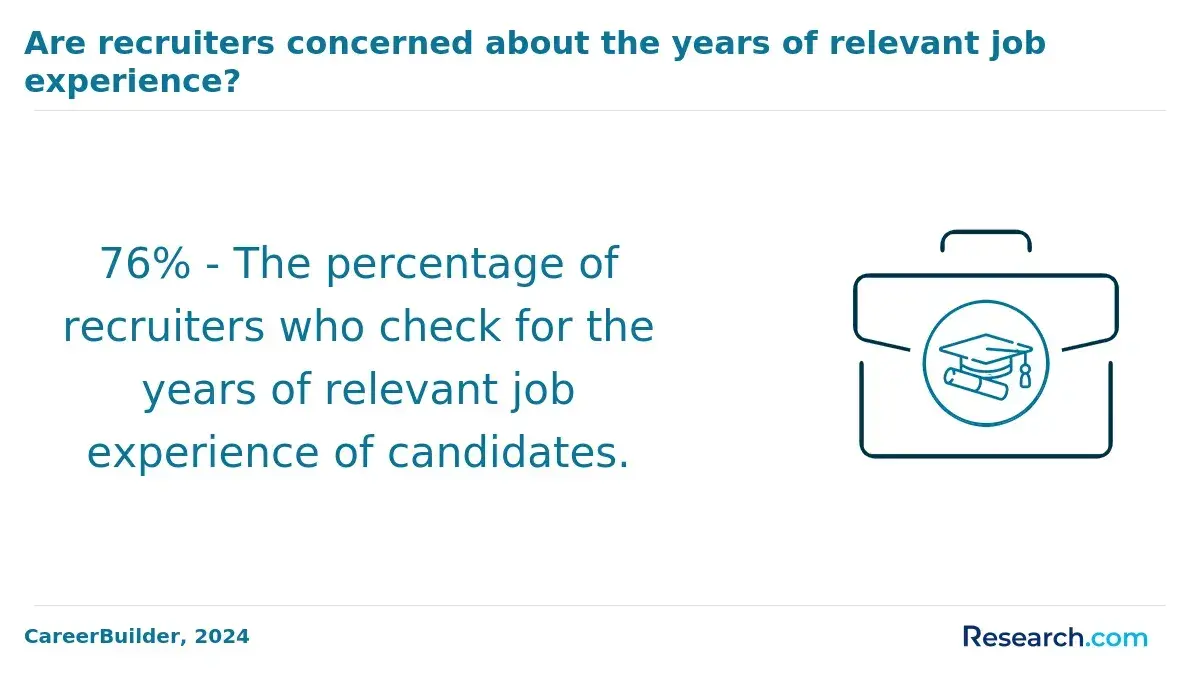
- Advance to mid-level roles such as Expanded Function Dental Assistant (EFDA). After gaining two to five years of experience and completing additional training, some dental assistants qualify for expanded duties. These may include more complex tasks such as placing fillings and applying sealants, depending on state laws and employer policies.
- Move into senior or leadership roles such as Lead Dental Assistant or Dental Office Manager. These jobs may involve training new assistants, managing supplies, coordinating schedules, improving workflow, tracking compliance, and supporting office operations. Several years of experience are usually expected, and formal education in administration can help.
- Specialize in orthodontics, oral surgery, pediatric dentistry, periodontics, or prosthodontics. Specialty roles can expose you to different procedures, tools, patient populations, and clinical protocols. Specialization is often a practical way to increase responsibility without leaving dental assisting.
- Transition into related careers. Some dental assistants later pursue dental hygiene, dental laboratory technology, dental sales, dental office administration, or teaching roles. If you already enjoy dentistry but want higher clinical autonomy or different earning potential, these pathways may be worth comparing.
A useful way to plan your progression is to decide whether you want more clinical responsibility, more administrative authority, or a pathway into another dental profession. Each goal requires a different mix of credentials, experience, and training.
How much can you earn as a dental assistant?
Dental assistant pay varies by state, city, credentials, specialty setting, and experience level. The role can offer a relatively quick entry into healthcare, but earnings are not uniform across the country. Location and certification often make a meaningful difference.
For the average dental assistant salary in the United States 2025, the median annual wage is about $49,120, roughly $23.62 per hour. Entry-level dental assistants earn around $36,850 per year, while experienced professionals can make $62,900 or more.
- Location: Geography strongly affects wages. Minnesota offers some of the highest pay at $63,680, whereas states like Alabama and Mississippi report figures closer to $39,000-$40,000 annually. Cost of living should be considered alongside salary.
- California wages: The dental assistant salary in California 2025 often exceeds the national median due to higher living costs and demand. However, higher pay does not automatically mean greater take-home value if housing, transportation, and other expenses are also higher.
- Certification: Certification as a Certified Dental Assistant (CDA) can improve earning potential because it signals validated knowledge and may qualify assistants for broader responsibilities.
- Specialty practice: Orthodontic and oral surgery practices generally command a premium over general dentistry offices because the procedures, instruments, patient flow, and clinical demands can be more specialized.
- Experience: Experienced dental assistants who can train others, manage complex chairside workflows, handle radiography confidently, and support compliance are often more valuable to employers.
If you are comparing dental assisting with other education options, include training costs, time to employment, commute, benefits, and advancement potential in the calculation. The shortest program is not always the best value if it does not qualify you for the duties or credentials required in your state. Students exploring healthcare later in life may also compare flexible training formats, including programs for older adults online.
What internships can you apply for to gain experience as a dental assistant?
Internships, externships, and clinical placements help dental assistant students move from classroom knowledge to real patient care. This experience is important because many dental assisting skills cannot be mastered through reading alone. You need to practice room setup, chairside positioning, infection control, patient communication, radiography workflow, and team coordination in a working dental environment.
When comparing dental assistant internship programs in Denver or any other location, look for placements that provide supervised clinical practice, exposure to common procedures, feedback from experienced staff, and a realistic view of the workday.
- General dentistry offices: These are the most common internship settings. Interns may observe or assist with routine exams, cleanings, fillings, crown placements, sterilization, treatment tray preparation, X-rays, and chairside support. This setting is ideal for learning the foundation of most dental assistant jobs.
- Specialized dental practices: Pediatric dentistry, orthodontics, oral surgery, and other specialty practices can help interns build focused skills. Depending on the site and state rules, interns may learn about alginate impressions, temporary crowns, matrix bands, extractions, root canals, and specialty-specific patient care.
- Front office and patient management: Some internships include scheduling, insurance communication, electronic health records, intake forms, and patient education. These skills are useful because many dental assistants work in offices where clinical and administrative duties overlap.
- Dental radiology experience: If your state regulates dental radiography, choose a program or placement that helps you understand the requirements. Do not assume every internship automatically prepares you for X-ray duties.
- Paid dental assistant internships for beginners: Some programs or employers offer paid training opportunities. These roles can help students earn while gaining experience and may lead directly to full-time employment if the practice has openings.
Before accepting a placement, ask what duties you will be allowed to perform, who will supervise you, whether the experience satisfies program requirements, and whether students are commonly hired after completion. If cost is a concern, understanding how much does it cost to get associates degree can help you compare education pathways and plan your budget.
How can you advance your career as a dental assistant?
Advancing as a dental assistant usually requires deliberate skill-building rather than simply staying in the same role longer. The strongest career moves are tied to credentials, expanded duties, specialty experience, leadership ability, and familiarity with modern dental technology.
- Earn recognized certification: Obtaining credentials like the DANB Certified Dental Assistant (CDA) can boost your hourly wage by an average of $3.50 compared to uncertified peers. It can also improve job stability, demonstrate professional commitment, and help you qualify for advanced responsibilities where state rules allow.
- Pursue continuing education: Dental offices increasingly use digital x-rays, 3D imaging, electronic records, and practice management software. Many 2025 courses focus on digital dentistry and software proficiency, which can make you more useful in modern practices.
- Train for expanded functions: If your state allows expanded-function dental assistants, additional training may let you perform higher-level tasks under supervision. This can increase your value to employers and may create a clearer path to higher pay.
- Specialize strategically: Orthodontics, oral surgery assistance, radiography, pediatric dentistry, and other focus areas can raise your earnings by 15-35%. Specialization is especially useful if you enjoy a particular patient population or procedure type.
- Build leadership skills: Lead assistants and office managers need more than clinical knowledge. They often handle scheduling, supply management, onboarding, compliance routines, and staff coordination. If you want management, practice solving workflow problems and documenting office procedures.
- Use networking and mentorship: Relationships with dentists, hygienists, office managers, instructors, and other assistants can lead to better jobs, specialty referrals, management opportunities, education roles, or dental product sales. Professional organizations, continuing education events, and temporary assignments can widen your network.
The best advancement plan starts with your desired next role. If you want higher pay while staying clinical, focus on certification, expanded functions, and specialty skills. If you want less chairside work over time, develop administrative, training, and management experience.
Where can you work as a dental assistant?
Dental assistants work in more settings than private dental offices. The best workplace for you depends on your preferred pace, patient population, schedule, specialty interests, and long-term goals. These settings reflect the range of Dental Assistant Career Opportunities Nationwide.
- Private Dental Offices: General and specialty dental practices are the most common employers. These offices often value assistants who can work efficiently with a small team, communicate clearly with patients, and keep rooms ready during a busy schedule. Metropolitan areas like Seattle or Newark may offer a larger pool of practices and specialties.
- Community Health Clinics: Federally Qualified Health Centers (FQHCs), such as Community Health Center, Inc., employ dental assistants to expand access to care in underserved communities. This setting may appeal to assistants who value public service and preventive care.
- Hospital Dental Departments: Large health systems including Kaiser Permanente and the Veterans Health Administration use dental assistants in oral surgery, pediatric dentistry, emergency care, and medically complex patient settings. These roles may involve more coordination with broader healthcare teams.
- Corporate Dentistry Chains: Organizations such as Heartland Dental and Western Dental often provide standardized protocols, multiple office locations, and defined career ladders. This environment can suit assistants who like structured systems and potential mobility across practices.
- Public Health or Government Agencies: Dental assistants may work with local health departments and the Indian Health Service to support screenings, outreach, education, and preventive programs. These roles can involve community-based work rather than a traditional office-only schedule.
- Dental Schools and Educational Institutions: Universities like NYU College of Dentistry hire assistants for teaching clinics. This setting can expose assistants to students, faculty supervision, advanced techniques, and academic dental care models.
- Temporary or staffing agency roles: Some assistants work part time, fill in across offices, or accept temporary assignments. This can provide schedule flexibility and exposure to different practice styles, though benefits and stability may vary.
Dental assistants seeking opportunities in major urban centers may find promising Dental Assistant Jobs in New York City, where demand remains strong due to population size and healthcare needs. When comparing employers, look beyond hourly pay. Consider benefits, commute time, training support, safety culture, scheduling expectations, and whether the office supports certification or continuing education.
If you need help financing your education, you may want to research what online schools accept fafsa while confirming that any dental assisting program you choose meets state and clinical requirements.
What challenges will you encounter as a dental assistant?
Dental assisting can be rewarding, but it is not an easy job. The role requires physical stamina, emotional composure, accuracy under pressure, and the ability to manage several tasks at once. Knowing the challenges in advance helps you decide whether the work fits your expectations.
- Modest compensation: Despite the level of responsibility, the average annual pay is near $45,000, with hourly wages typically ranging from $17 to $22. In some areas, this may feel low compared with the cost of living or with other healthcare roles that require additional education.
- Limited career growth without added training: Advancement is possible, but it is not always automatic. Moving beyond entry-level duties may require certification, expanded-function training, radiography approval, or additional education. Without a plan, some assistants can feel stuck.
- Physical strain: Dental assistants may spend long periods standing, leaning, reaching, or holding fixed postures during procedures. Repetitive movements can contribute to back, neck, shoulder, wrist, or hand discomfort if ergonomics are poor.
- Burnout and emotional stress: Dental offices can be fast-paced, and assistants often support anxious, uncomfortable, or frustrated patients. Managing patient emotions while keeping procedures on schedule can be draining.
- Lack of recognition: Dental assistants may feel undervalued when patients focus only on the dentist or when office teams overlook the assistant’s role in safety, preparation, and patient comfort. A strong workplace culture can make a major difference.
- Rigid scheduling: Many practices rely on full appointment books. Calling out, leaving early, or taking breaks can be difficult when the dentist and patients depend on chairside support.
- Need for continual adaptation: Regulations, infection control expectations, and dental technologies continue to change. Tools such as AI and digital scanning require assistants to stay current and comfortable with new workflows.
These challenges do not mean dental assisting is a poor choice. They mean you should choose training and employers carefully. Look for offices that follow safety protocols, support continuing education, respect assistants, and provide clear expectations for workload and advancement.
What tips do you need to know to excel as a dental assistant?
Excellent dental assistants are dependable, calm, organized, and precise. They make appointments run smoothly not by rushing, but by preparing well, communicating clearly, and noticing details before they become problems.
- Build clinical fundamentals first. Focus on sterilization, instrument identification, tray setup, suctioning, X-rays, charting, dental terminology, and procedure flow. These basics support every specialty and workplace.
- Pursue certification like the Certified Dental Assistant (CDA) credential through DANB if it supports your state requirements and career goals. The credential enhances credibility and typically increases earning potential by about $3.50 per hour.
- Keep learning through workshops, continuing education courses, and specialty exposure in orthodontics, pediatric dentistry, oral surgery, or radiography. The more procedures you understand, the easier it is to anticipate the dentist’s next step.
- Protect patient trust. Explain what you are doing in simple terms, listen for discomfort, respect privacy, and avoid dismissing dental anxiety. A patient may remember your tone as much as the procedure itself.
- Stay organized before the patient arrives. Review the schedule, prepare trays, check supplies, confirm room readiness, and understand the likely sequence of each procedure.
- Maintain professionalism. Arrive on time, keep the workspace clean, follow infection control rules, document carefully, and communicate problems early rather than hiding mistakes.
- Practice proactive teamwork. Ask dentists and hygienists how they prefer procedures to flow, learn office-specific systems, and support coworkers during schedule bottlenecks.
- Follow detailed instructions precisely. Dental assisting involves regulated tasks, patient safety, and clinical documentation. Guessing or improvising outside your scope can create risk.
- Network and seek mentorship. Experienced assistants, office managers, dentists, and instructors can help you identify better job opportunities, specialty paths, and skill gaps.
A practical way to improve quickly is to ask for feedback after procedures: what went well, what slowed the appointment, and what you should prepare differently next time. Consistent small improvements can make you stand out.
How do you know if becoming a dental assistant is the right career choice for you?
Dental assisting is a good fit for people who want direct patient interaction, hands-on clinical tasks, and a structured work environment. It may be less ideal for those who prefer solitary work, flexible independent schedules, or jobs with minimal physical demands. Before enrolling in a program, compare your strengths with the daily realities of the role.
- You like structured, detail-oriented work: Dental assistants must follow procedures closely, maintain sterile spaces, prepare instruments accurately, and document patient care. If you enjoy order and precision, this can be a strong match.
- You are comfortable with close patient contact: The role involves working near patients, assisting inside the oral care environment, and helping people who may be nervous or uncomfortable. Empathy and calm communication are essential.
- You can handle a fast-paced team setting: Dental assistants often move between rooms, procedures, records, supplies, and patient needs. The work rewards people who can stay composed while multitasking.
- You want a healthcare role with relatively short training: Many dental assisting programs are shorter than degree pathways for other clinical careers. However, state requirements and expanded duties may require additional steps.
- You value job stability but understand the physical demands: Dental assisting offers steady employment opportunities, but the work can involve standing, leaning, repetitive motion, and busy schedules.
- You are motivated by helping others: If you take pride in making patients feel safer and more comfortable, the work can feel meaningful. If you need highly independent or creative work every day, it may feel restrictive.
To test your fit, consider shadowing a dental assistant, speaking with instructors, reviewing your state’s requirements, and comparing program outcomes before committing. If you are exploring education options, research the best online universities with national accreditation while confirming that any program you choose matches your dental assisting goals and state requirements.
What Professionals Who Work as a Dental Assistant Say About Their Careers
- : "The opportunities for professional growth in dental assisting are impressive. After completing my certification, I was able to specialize and improve my earning potential, which fueled my motivation to keep learning and advancing within the dental industry. — Luka"
- : "I never expected how dynamic this field would be; each patient brings unique challenges that require both technical skill and empathy. The hands-on training programs really prepared me well, making me confident to handle complex procedures and contribute meaningfully to patient care. — Cruz"
- : "Working as a dental assistant has given me incredible job stability-dental care is always in demand, and the paycheck reflects that. Plus, the variety of workplace settings, from clinics to specialty offices, keeps every day interesting and rewarding. — Taylor"
Other Things You Should Know About Becoming a Dental Assistant
In 2027, dental assistant training programs typically last between 9 months to 2 years, depending on whether one chooses to pursue a certificate, diploma, or associate degree. The program duration varies based on the depth of study and curriculum requirements.
Licensing and registration requirements for dental assistants differ by state. While some states require passing an exam and maintaining registration, others only mandate certification if the assistant wishes to perform expanded duties. It is important to research local regulations to ensure compliance with state-specific legal requirements.
The projected employment growth for dental assistants in 2027 is driven by increasing demand for dental services due to population aging, expanding awareness of oral health, and advancements in dental technologies. These factors contribute to more opportunities in dental practices and promising career prospects for dental assistants.
References
- Dental Assistant Salary in Poland (2025) - SalaryExpert https://www.salaryexpert.com/salary/job/dental-assistant/poland
- Top Dental Assistant Skills Needed to Succeed https://www.chcp.edu/blog/top-dental-assistant-skills-needed-to-succeed/
- Dental Assistant Internship (Minnesota) - Health Sciences Education - Mayo Clinic College of Medicine & Science https://college.mayo.edu/academics/health-sciences-education/dental-assistant-internship-minnesota/
- 4 Tips To Help You Succeed as a Dental Assistant | Kwikly https://www.joinkwikly.com/blog/four-tips-to-help-you-succeed-as-a-dental-assistant
- Dental assistant - Wikipedia https://en.wikipedia.org/wiki/Dental_assistant
- 5 Dental Assistant Facts - Diverse and Rewarding Career https://pmi.edu/blog/5-facts-about-dental-assistants-2/
- How to Use Communication Skills to Excel As a Dental Assistant https://risiodental.com/how-to-use-communication-skills-as-dental-assistant/
- Is Becoming a Dental Assistant Worth It in 2025? Salary, Job Security, Training, and Long-Term Career Outlook — https://www.nysmda.com/ https://www.nysmda.com/dental-news/is-becoming-a-dental-assistant-worth-it-in-2025-salary-job-security-training-and-long-term-career-outlook
- Best Certifications for Dental Assistants in 2025 (Ranked) https://www.tealhq.com/certifications/dental-assistant
- 4 ways to improve your career as a dental assistant | Dentistry IQ https://www.dentistryiq.com/dental-assisting/career-enhancements/article/55270176/4-ways-to-improve-your-career-as-a-dental-assistant


