
2027 Behavioral Health Degree vs. Certificate: Which Should You Choose?

Co-Founder and Chief Data Scientist
Today's students and professionals face crucial decisions when choosing between earning a degree or a certificate in behavioral health. Both paths can significantly advance a career, but they differ in time commitment, depth of study, and credential recognition. Behavioral health degrees often require several years of study, while certificates offer quicker routes to skill development and job readiness.
For example, behavioral health degrees may open doors to clinical roles requiring licensure, whereas certificates focus on specialized skills for support positions. Understanding these distinctions helps learners align their education with career goals, work-life balance, and long-term plans. This article compares their key differences to guide the right educational choice.
Key Points About Behavioral Health Degree vs. Certificate Programs
- Behavioral health degrees typically require 2-4 years, offering deeper theoretical knowledge and broader career advancement opportunities compared to shorter certificate programs.
- Certificates focus on practical skills and can boost salary potential quickly, but generally offer less growth than degrees in clinical or supervisory roles.
- Degrees often lead to higher earning potential; for example, behavioral health counselors with bachelor's degrees earn 20-30% more on average than those with certificates.
What Are the Differences Between Behavioral Health Degree and Certificate Programs?
Both behavioral health degrees and certificate programs can open doors to meaningful careers, but they vary significantly in structure and outcomes. Knowing these differences can help students prioritize their educational investments according to their personal goals and available time. Below is a comparison highlighting the main distinctions between the two pathways.
- Career Advancement: Degree programs typically offer more comprehensive training, making them suitable for those aiming for roles with greater responsibility or leadership. Certificates are often ideal for individuals seeking to enter the field quickly or enhance specific skills without committing to a full degree.
- Depth of Learning: Degrees provide an in-depth exploration of behavioral health theories and practices, benefiting learners who want a thorough foundation. Certificate programs focus on practical, targeted knowledge, which suits professionals looking to update or specialize their expertise.
- Time Commitment: Degree studies require a longer time investment, appealing to those prepared for extensive education. Certificates offer shorter durations, accommodating students or professionals needing flexible, fast-track options.
- Scope of Curriculum: Degrees cover broader topics, including research methods and policy, which can enhance critical thinking and analytical skills. Certificates concentrate on essential techniques and applications relevant to immediate job functions.
How Long Does It Take to Complete a Behavioral Health Degree vs. a Certificate Program?
Completion time is a key factor for students deciding between a behavioral health degree vs. certificate. Understanding the typical duration and flexibility of each program helps prospective students choose the option that best fits their life circumstances and career goals.
- Typical Duration: A behavioral health degree program length generally spans about four years of full-time study, reflecting its comprehensive curriculum and credit requirements. In contrast, a behavioral health certificate program duration can be as short as nine months full-time, providing a quicker path to gaining targeted skills.
- Flexibility: Degree programs often require a full-time commitment but may offer part-time options and acceptance of transfer credits to shorten completion time. Certificate programs tend to have more flexible pacing with part-time and online delivery, ideal for working professionals seeking faster entry into the field.
- Factors Affecting Timeline: Program structure plays a major role: degrees include general education courses and core content, while certificates concentrate on specialized knowledge. Enrollment status affects pacing, with full-time students finishing faster. Prior experience or transfer credits can shorten degree duration but certificates usually have limited credit transfer opportunities. Institutional policies sometimes allow accelerated pathways or concurrent enrollment in both types.
For students interested in exploring accelerated pathways, many schools now offer options that can reduce time to completion. Additional information about these can be found among various quick degrees available in America. Choosing between a behavioral health degree program length and certificate program duration depends largely on one's need for depth of study versus speed and flexibility.
Can You Complete a Behavioral Health Degree or Certificate Entirely Online?
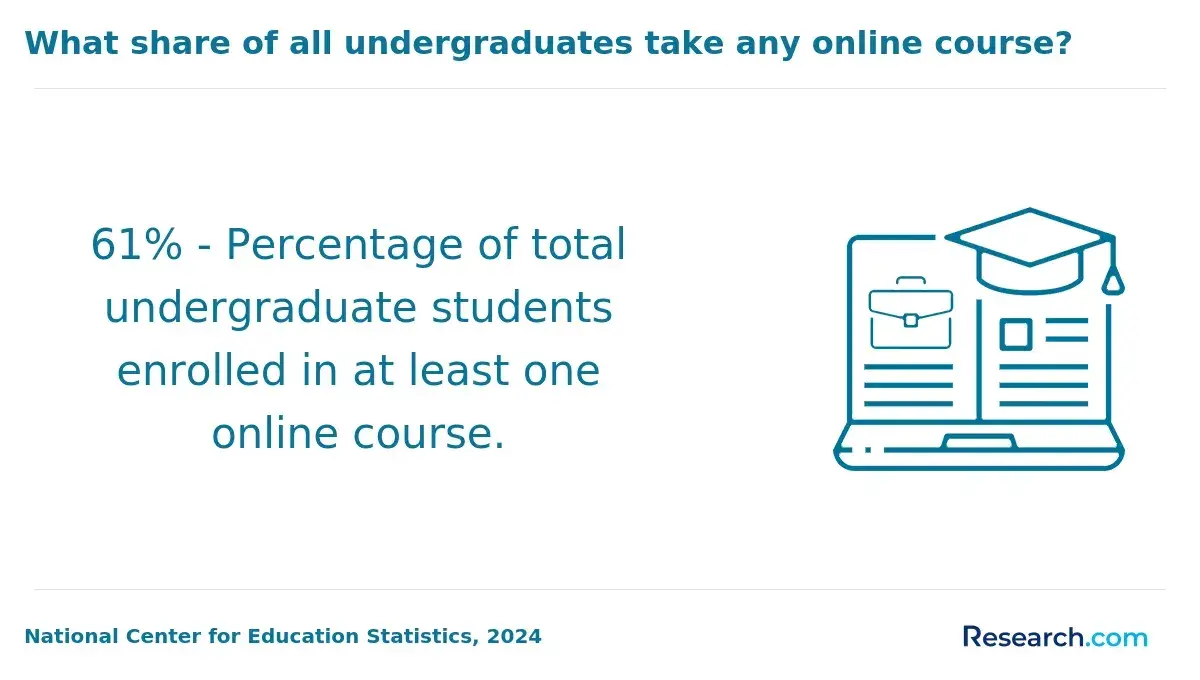
Online education in behavioral health has expanded notably, with numerous programs offering fully flexible, entirely online options. Institutions like Arcadia University provide a 100% online master's degree in behavioral health that can be completed in two years, featuring career-focused concentrations and graduate certificates. Likewise, Pennsylvania Institute of Technology offers an asynchronous online associate degree in psychology and behavioral health for students needing flexible schedules.
Many universities, including Loma Linda University and Arizona State University, also have behavioral health certificate online programs and degrees delivered completely online. However, prospective students should verify whether these are fully online or hybrid formats, as some programs maintain occasional in-person requirements.
While many online behavioral health degree programs exist, students must consider hands-on training, internships, or clinical practicum requirements essential for licensure. Accredited programs, such as those recognized by CACREP, may require supervised field experiences at approved local sites despite remote coursework. When choosing between online or hybrid formats, students should assess how each program aligns with their career goals, state licensure rules, and need for practical experience. For those seeking immediate entry into the workforce or flexible advancement, an online certificate may be ideal, while easy online degrees with internships suit advanced clinical roles.
What Are the Admission Requirements for a Behavioral Health Degree vs. a Certificate Program?
Admission requirements are a crucial factor when deciding between a behavioral health degree and a certificate program, as they determine your eligibility, preparation, and pathway toward a career in the field. Understanding these details helps you choose the most appropriate program for your background and professional goals. Below is a side-by-side comparison of admission requirements for both program types.
Admission Requirements for Behavioral Health Degree Programs
- Educational Background: Applicants typically need a high school diploma or GED for associate and bachelor's degrees, while graduate programs require a relevant bachelor's or master's degree.
- Minimum GPA: Many bachelor's programs mandate a minimum GPA around 2.5 to 3.0, with competitive programs sometimes requiring as high as 3.5.
- Standardized Test Scores: Undergraduate programs may request ACT or SAT scores, and some graduate programs require GRE scores, though this is not universal.
- Transcripts: Official transcripts from prior educational institutions are required to verify academic history.
- Letters of Recommendation: Most programs ask for two or three letters from academic or professional references.
- Personal Statement/Essay: Applicants usually submit a statement of purpose or essay outlining their interest in behavioral health and career goals.
- Resume/CV: Often required at the graduate level to present relevant experience.
- Interview: Some competitive or accelerated tracks include interviews with faculty or admissions committees.
- English Proficiency: International students must provide proof of English proficiency, such as TOEFL or IELTS scores.
Admission Requirements for Behavioral Health Certificate Programs
- Educational Background: Most certificate programs require only a high school diploma or GED; some may accept candidates with prior college coursework but generally do not require a degree.
- Minimum GPA: If specified, GPA requirements are usually lower than for degree programs or may be omitted entirely.
- Application Form: Submission of a completed application form is generally required.
- Transcripts: Some certificate programs ask for transcripts to confirm high school completion or previous college credits.
- References/Statement: Letters of recommendation and personal statements are rarely required.
- Interview: Interviews are uncommon and typically not part of the admissions process.
- English Proficiency: Non-native English speakers may need to provide proof of proficiency depending on the institution.
Overall, admission requirements for behavioral health degree programs tend to be more rigorous and comprehensive compared to behavioral health certificate program entry requirements, which focus on accessibility and faster entry into the field. For those considering advanced research degrees, options such as a doctoral degree without dissertation may also influence admission considerations.
How Many Credits Do You Need to Complete a Behavioral Health Degree vs. a Certificate?
Knowing the number of credits required for behavioral health programs can help students effectively plan their studies and manage their time. Understanding these credit demands also clarifies the different commitments involved in pursuing either a degree or a certificate.
Here's a straightforward comparison of typical credit expectations for both options:
- Behavioral health degree: Usually requires between 60 and 120 credits, covering general education, core subjects, and practical training. Associate degrees tend toward the lower end, while bachelor's degrees demand more extensive coursework.
- Behavioral health certificate: Generally involves 12 to 30 credits focused on essential skills and specialized knowledge, offering a shorter path to entry-level roles without broad general education requirements.
A student pursuing a behavioral health certificate shared that choosing this path felt like a practical way to quickly enter the workforce. He mentioned, "The certificate's focused credit load allowed me to concentrate on what really matters for my career goals without the stress of unrelated courses." Although managing course schedules alongside work was still challenging, he appreciated the clear structure and shorter timeline. Reflecting on the experience, he noted the sense of accomplishment that came with each completed credit, emphasizing how the program provided relevant skills in a condensed format. This student's experience highlights how credit requirements can influence educational choices based on individual needs and circumstances.
What Is the Average Tuition for a Behavioral Health Degree vs. a Certificate?
Tuition costs play a crucial role in deciding between a behavioral health degree and a certificate, as they affect affordability and the long-term return on investment. Comparing these costs helps students and professionals understand the financial commitment involved in each option.
Below is an overview of the average tuition ranges and key factors affecting tuition for behavioral health degree and certificate programs.
Average Tuition for Behavioral Health Degree Programs
- Tuition Range: Master's and doctoral programs in behavioral health commonly range from $10,000 to over $50,000 for the entire program, varying by degree level and institution.
- Public vs. Private Schools: Public universities generally have lower tuition, averaging about $10,988 for state residents and $19,552 for non-residents at the graduate level; private schools can exceed $50,000.
- Online vs. On-Campus: Online master's programs may offer lower costs, sometimes starting at $7,479 per year for in-state students, though private online programs might not always be cheaper.
- Program Length: Degree programs typically last 2-4 years, with longer doctoral degrees incurring higher costs; some Doctor of Behavioral Health (DBH) programs cost around $24,150 total.
- Additional Fees: Many programs charge extra for application, technology, and clinical placements, which can add hundreds to thousands of dollars to tuition.
Average Tuition for Behavioral Health Certificate Programs
- Tuition Range: Behavioral health certificate program tuition fees generally fall between $1,000 and $8,000, depending on the provider and program length.
- Program Length: Most certificates can be completed within six months to one year, keeping costs significantly lower than degree programs.
- Type of Institution: Community colleges and public universities often offer the most affordable options, while specialized private schools typically cost more.
- Online vs. In-Person: Online certificates can be especially budget-friendly, with some programs under $2,000; costs vary by curriculum depth and institution.
- Additional Expenses: Materials, technology fees, and certification exam costs may add a few hundred dollars, but overall remain far below degree tuition.
This comparison highlights significant tuition differences that influence career planning, particularly for those weighing the depth and duration of study alongside financial factors. For more details on affordable options relevant to behavioral health programs, exploring low tuition online colleges that accept FAFSA can be beneficial.
Can You Transfer Certificate Credits Toward a Behavioral Health Degree Later On?
Yes, certificate credits can often be transferred toward a behavioral health degree, but this depends largely on the policies of the receiving institution. Transfer acceptance varies because each college or university sets its own rules. Institutions accredited by recognized bodies, such as the Council for Standards in Human Services Education, are more inclined to accept credits from accredited certificate programs. Another important factor is the relevance of the certificate courses to the degree curriculum; credits are typically transferable if the coursework aligns closely with degree requirements. For example, some schools guarantee credit transfer when certificate and degree programs are directly connected.
Before enrolling, students should consider several key factors: many schools limit the number of transferable credits, and classes often must be completed with a C grade or higher to qualify. Articulation agreements between institutions can make transfer smoother and more reliable. It's crucial for students to contact admissions or registrar offices to confirm policies in advance. Verifying transfer options beforehand helps students make informed decisions that protect their time and financial investment.
Reflecting on this, a former certificate student shared her experience navigating credit transfer. She recalled feeling uncertain at first, unsure if her hard-earned credits would count toward her degree goals. After reaching out to the program advisors and registrar, she discovered that a substantial portion of her certificate credits was accepted, easing her path forward. She described the process as "a mix of patience and persistence" and felt encouraged that her certificate had practical value beyond its initial completion. Her journey highlights the importance of proactive research and communication in successfully leveraging certificate credits for degree advancement.
Are Certificate Programs Accredited the Same Way as Behavioral Health Degrees?
Certificate programs in behavioral health are generally not accredited in the same manner as behavioral health degree programs. Degree programs, particularly at the master's and doctoral levels, often hold accreditation from nationally recognized bodies like the Council for Accreditation of Counseling and Related Educational Programs (CACREP) or the Commission on Accreditation for Marriage and Family Therapy Education (COAMFTE).
These accreditors impose strict academic and professional standards, and in many states, graduation from a CACREP-accredited program is necessary for licensure. In contrast, behavioral health certificate programs rarely possess their own programmatic accreditation but may be offered through regionally accredited institutions. Some certificates, such as those for Certified Behavioral Health Technicians, might require approval from state or industry boards instead of national accrediting agencies.
Accreditation is important because it ensures educational quality, influences eligibility for financial aid, and affects credit transferability and employer acceptance. Proper accreditation also aligns with legal and ethical requirements and is often essential for licensure and career advancement.
When assessing programs, students should verify specialized accreditation for degrees and confirm institutional regional accreditation for certificates, alongside any relevant state or industry approvals. Additionally, prospective learners should inquire about curriculum rigor, graduate success, and professional recognition. Always verify accreditation status through recognized accrediting organizations prior to enrollment to ensure long-term career benefits.
What Jobs Can You Get with a Behavioral Health Degree vs. a Certificate?
Both behavioral health degrees and certificates can open doors to various career paths, though they tend to qualify graduates for different roles and levels of responsibility. Understanding the distinctions between the two can help you decide which credential aligns best with your career goals. Below is a comparison of potential jobs associated with each credential.
Jobs You Can Get with a Behavioral Health Degree
- Behavioral health coach: Guides clients in developing strategies to improve mental wellness through personalized support and goal-setting.
- Mental health technician: Assists healthcare professionals in monitoring and caring for patients in clinical or residential settings.
- Case manager: Coordinates care plans and resources for clients to help meet their mental health and social needs.
- Certified mental health worker: Provides direct support and interventions to individuals with mental health disorders, often in supervised environments.
- Program coordinator: Manages and oversees behavioral health programs, ensuring effective implementation and compliance.
- Entry-level healthcare administrator: Supports the operational aspects of healthcare organizations, focusing on behavioral health service delivery.
Jobs You Can Get with a Behavioral Health Certificate
- Peer support specialist: Offers lived-experience guidance and emotional support to clients navigating behavioral health challenges.
- Behavioral health technician: Provides basic care and assists with daily activities under supervision in clinical or community settings.
- Mental health aide: Supports clinical staff by observing client behavior and assisting with routine tasks.
- Case management assistant: Helps case managers with administrative tasks and client follow-ups to enhance service coordination.
- Research assistant (support roles): Assists in behavioral health studies, handling data collection and preliminary analysis.
- Medical secretary or receptionist: Manages front-office duties specific to behavioral health facilities, ensuring smooth patient interactions.
What Is the Average Starting Salary for a Certificate vs. Behavioral Health Degree Graduates?
Salary potential often varies significantly between behavioral health certificate holders and those with behavioral health degrees, affecting career choices and long-term earnings. Understanding the differences in starting salary can help prospective students make informed decisions.
Below is a comparison of the average starting salary ranges and influencing factors for graduates of each program type.
- Typical salary range for certificate holders: Behavioral health certificate holders typically start in entry-level roles such as mental health or psychiatric technicians, with salaries ranging from $36,000 to $44,000 annually.
- Behavioral health degree starting salary in the US: Those with a behavioral health degree-commonly bachelor's or master's degrees in psychology, counseling, or social work-usually begin with salaries between $54,000 and $64,000, with master's graduates and those holding advanced certifications earning above $70,000.
- Influencing factors: Education level and credentials strongly impact starting pay. Experience such as internships, location, and industry type (e.g., hospitals, government agencies, or private practices) also play crucial roles in salary offers.
- Career outlook: Both certificate and degree pathways are in demand due to growing mental health needs, but degree holders have broader opportunities for advancement and higher long-term earning potential.
- Additional resources: For those exploring early career options, consider reviewing trade school job options relevant to certificate programs.
Here's What Graduates of Behavioral Health Programs Say About Their Degree or Certificate
- Arthur: "Pursuing the behavioral health certificate allowed me to learn at a faster pace while managing costs effectively. The focused curriculum was perfect for quickly gaining practical skills, and the lower tuition compared to degree programs made it accessible. For anyone weighing certificate versus degree, consider how much time and money you can invest upfront."
- Roger: "Choosing the behavioral health degree program was a more immersive and comprehensive learning experience, though it required a longer commitment and a higher financial investment. The depth of education has significantly enhanced my career opportunities, especially for roles requiring advanced credentials. Reflecting on my choice, it's important to evaluate your long-term career goals versus the immediate benefits a certificate might offer."
- Miles: "Having completed both a behavioral health certificate and degree, I appreciate the distinct advantages of each. The certificate provided a quick introduction and immediate application, while the degree deepened my expertise and opened doors to leadership positions. The overall cost was substantially higher for the degree, but the professional growth made it worthwhile in the end. Weighing cost against career impact is key when deciding your path."
Other Things You Should Know About Behavioral Health Degrees
In 2027, continuing education is crucial for maintaining certifications and state licenses in behavioral health fields. It ensures professionals stay current with best practices and evolving standards. While not all certificates require ongoing education, most state licensure mandates periodic updates of professional knowledge and skills.
In 2027, behavioral health degree programs often include coursework that meets state licensure requirements, whereas certificate programs may not. A degree typically provides the comprehensive education necessary for licensure eligibility, while certificates may enhance skills but not directly qualify you for licensing exams.
Choosing a degree over a certificate typically offers broader career advancement opportunities in 2027. Degrees often provide comprehensive knowledge and skillsets, leading to senior roles, while certificates may lead to entry-level positions, offering faster entry into the workforce but potentially limiting long-term growth.
References
- Online Mental & Behavioral Health Certificates: Program Reviews https://www.edumed.org/online-schools/behavioral-mental-health-certificate/
- Behavioral Health Specialist Salary and Job Description https://www.warnerpacific.edu/blog/behavioral-health-specialist/
- Career Paths With a Certificate in Behavioral Health | Carson-Newman University https://www.cn.edu/cps-blog/careers-in-behavioral-health/
- Behavioral Health Certificate - Central Penn College https://www.centralpenn.edu/academics/behavioral-health-certificate/
- Behavioral Health Accreditation Comparison: CARF, COA and TJC - Dan Brown Consulting https://danbrownconsulting.com/2017/02/03/example-one-5-3/
- Certification vs Degree Programs – What’s the Best Fit for You? https://pmi.edu/blog/certification-vs-degree-programs-whats-the-best-fit-for-you/
- Behavioral Health Counseling Advanced Certificate https://www.ccbcmd.edu/Programs-and-Courses-Finder/Program/behavioral-health-counseling-advanced-certificate.html
- Online Certificate in Behavioral Health | George Fox University https://www.georgefox.edu/certificates/behavioral-health.html
- Careers in Behavioral Health: Roles and Responsibilities https://sunriseservicesinc.com/careers-behavioral-health-roles-responsibilities/
- How to Start a Career in Behavioral Health Without a Degree https://laitinenacademy.com/how-to-start-a-career-in-behavioral-health-without-a-psychology-degree/


