
2027 How to Compare Education Degree Programs Effectively

Co-Founder and Chief Data Scientist
Choosing the right education degree program can be daunting when each offers varied specializations, costs, and time commitments. Prospective students often struggle to identify which program aligns best with their career goals, especially as 65% of new teachers report that adequate preparation impacts their job satisfaction and retention. With growing demand for skilled educators, the selection process is more critical than ever. This article examines key factors such as curriculum quality, accreditation, financial aid, and job placement rates to guide readers in making informed, strategic comparisons among education degree programs.
Key Benefits of Comparing Education Degree Programs Effectively
- Verify program accreditation to ensure credibility; accredited programs align with professional standards, increasing licensure and employment chances in education fields.
- Examine curriculum focus and specializations to match career goals; 67% of graduates report higher satisfaction with programs tailored to specific educational sectors.
- Consider cost versus return on investment, assessing tuition against potential career outcomes and average educator salaries, which vary widely by region and role.
What Types of Accreditation Should a Education Degree Program Have?
Accreditation plays a vital role in helping prospective students assess the quality, credibility, and long-term value of education degree programs. Graduates from accredited institutions have significantly higher employment rates and better licensure opportunities, making accreditation a key factor in program selection. Here are the main types of accreditation to consider when comparing options:
- Regional Accreditation: This is the most recognized form of institutional accreditation in the United States, evaluating the overall quality and integrity of a college or university. It impacts credit transferability between schools and eligibility for federal financial aid, essential for students balancing cost and flexibility.
- Programmatic Accreditation: Focused on specific education degree programs, this accreditation ensures alignment with professional standards required for licensure. For example, the Council for Accreditation of Educator Preparation (CAEP) confirms that programs adequately prepare students for K-12 teaching credentials, a critical consideration for career changers and working professionals.
When researching education degree program accreditation standards in the United States, verifying both regional and national accreditation for education degrees helps ensure your program is recognized by employers and meets licensure criteria. For students exploring flexible learning options, considering accredited online MSW programs may provide additional pathways to advance their careers without sacrificing quality.
What Specializations Are Offered in Education Degree Programs?
Specializations in education degree programs help prospective students evaluate options based on career alignment and academic focus, ensuring their studies meet employer demands and personal goals. Employment for kindergarten and elementary school teachers, for example, is projected to grow by 7% from 2022 to 2032, indicating ongoing demand in foundational teaching roles. These specializations span a range of skills and career pathways, making it easier to select the right fit. Below are common specializations offered in education degree programs.
- Curriculum and Instruction: Focuses on developing effective teaching strategies and instructional design, equipping students with skills to improve classroom learning and assessment techniques.
- Special Education: Prepares educators to work with learners who have diverse needs, emphasizing individualized education plans and inclusive teaching practices.
- Educational Leadership: Trains students for administrative roles, building skills in school management, policy development, and leadership.
- Early Childhood Education: Centers on teaching young children, highlighting developmental psychology and age-appropriate pedagogy.
- Educational Technology: Integrates digital tools and media into learning environments, fostering skills in technology-enhanced teaching.
Exploring top education specializations and certification options is essential for career advancement in the field. Students interested in related areas might also consider an online counseling degree, which complements education careers by providing critical skills in student support and mental health.
How Can You Compare Courses Across Education Degree Programs?
Comparing courses across education degree programs helps prospective students assess program rigor, skill development, and alignment with career goals. Research indicates that comprehensive curricula with well-structured courses improve course completion rates by 15%, reflecting enhanced student engagement and success. To make informed decisions, consider the following strategies:
- Review Course Syllabi: Examine learning objectives, topics, and readings to gauge curriculum depth and relevance to your professional aspirations.
- Analyze Credit Hours and Workload: Comparing credit hours reveals expected time commitment and academic rigor, helping balance studies with personal schedules.
- Evaluate Skill Development: Identify courses focusing on practical teaching methods, classroom management, or educational technology to ensure they build applicable skills.
- Check Prerequisites and Progression: A logical course sequence suggests a well-designed program that effectively builds knowledge and supports licensure alignment in education degree programs.
- Investigate Assessment Methods: Understanding whether courses use projects, exams, or hands-on experiences clarifies how student learning is evaluated.
By carefully comparing these aspects, students can select programs tailored to their career goals and academic needs. Prospective students interested in specialized fields may also consider marriage and family therapy online programs accredited for alternatives in related educational disciplines.
What Scheduling Options Are Available in Education Degree Programs?
Flexible scheduling plays a vital role in helping students manage their time effectively while pursuing education degrees. This adaptability supports learners balancing academic goals with work, family, and personal commitments. Various scheduling formats cater to different lifestyles and priorities, including:
- Traditional In-Person: Classes typically occur on weekdays at set times on campus, ideal for students who prefer face-to-face interaction and can attend regularly during business hours.
- Online Asynchronous: Students access lectures and course materials on their own schedule without fixed meeting times, allowing maximum flexibility for those with unpredictable or busy routines.
- Hybrid Models: These combine online coursework with occasional in-person sessions, offering a balance that accommodates both remote study and direct faculty engagement.
- Part-Time Enrollment: Spreading coursework over a longer period reduces weekly class loads, enabling students to advance their education while managing professional or personal obligations.
- Evening and Weekend Classes: Intended for working adults, these classes take place outside traditional hours to accommodate busy daytime schedules without interrupting employment.
What Are the Pros and Cons of Online vs Campus-Based Education Degrees?
Choosing between online and campus-based education degree programs significantly impacts a student's schedule flexibility, learning experience, and professional development. Recent data shows that nearly 40% of U.S. higher education students have enrolled in at least one online course, highlighting a growing shift toward remote learning. The following comparison outlines the main benefits and drawbacks of each format.
Online Education Degrees
- Schedule Flexibility: Students can access course materials anytime, allowing them to balance studies with work or family commitments more easily.
- Accessibility: Locations are not a barrier, making education available to those who cannot relocate or commute.
- Limited In-Person Interaction: There are fewer opportunities for face-to-face engagement with instructors and classmates, which may affect collaboration and mentorship.
Campus-Based Education Degrees
- Networking Opportunities: Direct interaction fosters stronger relationships with peers and faculty, often leading to valuable professional connections.
- Immersive Learning: On-campus environments provide hands-on experiences and participation in group projects that enhance understanding.
- Time and Cost Constraints: These programs usually require fixed schedules and may involve commuting or relocation expenses.
When asked about his decision-making process, a graduate who completed an online education degree shared, "I weighed how flexible the online option was against the lack of traditional campus life. It was tough not having that in-person support, but managing my job and family was essential. I spent a lot of time comparing course content and advisor availability. Ultimately, the ability to study on my schedule made all the difference." This insight highlights the personal considerations behind choosing between online and campus-based education degrees.
How Do GPA Requirements Vary Among Education Degree Programs?
GPA requirements serve as a key benchmark for prospective students comparing education degree programs, reflecting academic readiness and program selectivity. The following points outline important aspects of how GPA expectations fluctuate across different programs:
- Variability in Thresholds: Some programs demand a minimum cumulative GPA of around 3.0 to remain competitive, while others are more flexible, accepting students with GPAs near 2.5 or those showing improvement over time.
- Holistic Review: Many admissions committees supplement GPA criteria with evaluations of professional experience, personal statements, and letters of recommendation, enabling candidates with lower GPAs but strong qualifications to be considered.
- Degree Level Differences: GPA standards often increase for advanced studies, with master's and doctoral education programs typically imposing stricter academic requirements than undergraduate tracks.
- Program Reputation and Selectivity: Highly regarded programs tend to maintain higher GPA cutoffs, whereas less selective programs may prioritize a broader range of applicant attributes.
- Admissions Flexibility: Several programs balance quantitative GPA metrics with qualitative factors, adjusting admission decisions to accommodate diverse educational and career backgrounds.
How Can You Compare Tuition Across Education Degree Programs?
Comparing tuition costs is vital for prospective students aiming to pursue education degrees without accumulating overwhelming debt. In 2022, the National Center for Education Statistics reported that the average annual tuition and fees at public four-year institutions reached $10,940, highlighting why a detailed cost comparison is necessary. Here are important factors to consider when evaluating different programs:
- Total Program Cost: Assess the full expense, including tuition, mandatory fees, and any additional charges spanning the entire duration of the degree to avoid unexpected financial burdens.
- Cost Per Credit: For part-time or transfer students, understanding the per-credit hour rate is essential, as it can vary by residency status or course type, influencing overall affordability.
- Additional Fees: Beyond tuition, factor in registration fees, technology charges, and materials, which can differ significantly across programs and impact final costs.
- Financial Aid: Investigate available scholarships, grants, and work-study options, which can greatly reduce out-of-pocket expenses and make certain programs more accessible.
- Employer Tuition Benefits: For working students, some employers offer tuition reimbursement or support, lowering the effective cost and making specific programs more affordable.
- Long-Term Value: Consider graduation rates, job placement statistics, and alumni success to weigh the return on investment and ensure the program supports career goals.
When asked about her experience comparing tuition costs while pursuing an education degree, a graduate shared that navigating financial options initially felt daunting: "I remember feeling overwhelmed by the numbers and hidden fees at first." She emphasized that patiently researching each program's full cost and available aid was crucial for making an informed decision. "It wasn't just about sticker price-I learned to dig deeper into what I'd actually pay and what support was offered." Her thoughtful approach helped her manage expenses effectively, reinforcing that careful tuition comparison can make a significant difference in pursuing an education career with confidence.
Does a Education Degree Meet Licensure Requirements?
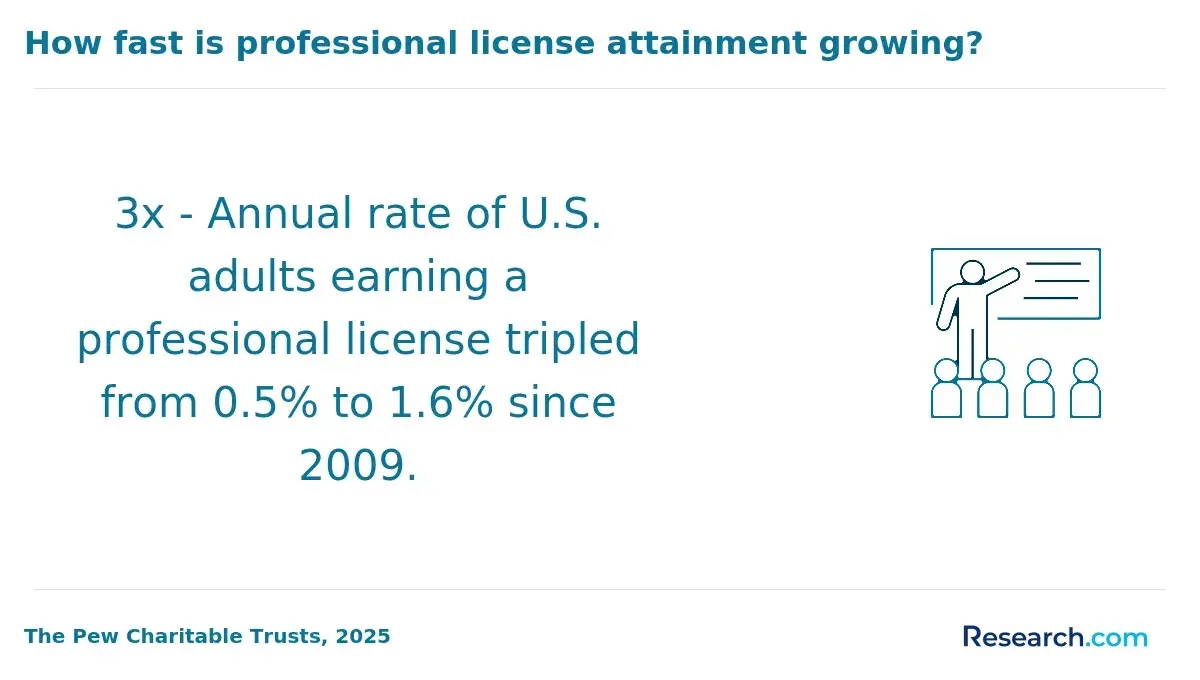
Aligning an education degree with licensure requirements is essential for students targeting regulated careers or professional transitions. Nearly 30% of U.S. occupations require certification or licensure, making it crucial to select programs that support these credentials. Consider the following factors when evaluating education degrees:
- Curriculum Alignment: Programs should cover the essential content specified by state licensure standards to ensure graduates meet knowledge expectations.
- Accreditation Status: Choosing a degree accredited by recognized agencies affects eligibility for licensing exams and credentialing, impacting career prospects.
- State Requirements: Since licensure rules vary widely among states, it's vital to confirm that the degree meets local criteria where you intend to practice.
- Supervised Experience: Many licenses mandate practical training such as student teaching or clinical hours; availability of these components within the program is critical.
- Exam Eligibility: Immediate qualification to take required licensing tests upon graduation prevents delays in entering the workforce.
Verifying that a degree satisfies both theoretical and practical prerequisites minimizes time and expense involved in achieving licensure and aligns education pathways with career ambitions.
Which Education Programs Have the Best Career Placement Rates?
Career placement rates offer a vital lens through which to evaluate education degree programs, as they demonstrate how effectively these programs prepare students for employment in the field. According to the National Center for Education Statistics, about 85% of graduates from top-tier education programs find relevant jobs within six months. Here are key factors to consider when assessing career placement rates:
- Employer Partnerships: Strong connections between programs and schools, districts, or educational organizations enhance job placement prospects. Evaluating these partnerships shows how actively programs collaborate with potential employers.
- Internship Pipelines: Practical experiences like internships or practicums bridge academic learning with real-world practice. These opportunities improve students' employability through hands-on training and professional exposure.
- Alumni Outcomes: Tracking employment rates and career advancement of graduates provides insight into how well a program supports long-term success beyond initial placement.
- Program Support Services: Comprehensive support-such as career counseling, job fairs, and resume workshops-facilitates smoother transitions from education programs to professional roles.
Prospective students seeking the best education schools with high job placement rates should investigate these indicators carefully. Combining academic rigor with practical pathways to employment is essential for career readiness. For those interested in degrees that make the most money, additional insights can be found at degrees that make the most money, which highlights fields with strong financial outcomes. Choosing among top education degree programs for career placement involves aligning one's personal goals and resources with programs that actively support graduate employment.
How Do Salaries Compare Across Education Degree Program Graduates?
Post-graduation salary outcomes are a crucial factor for prospective students comparing education degree programs because they indicate the potential financial return on investment. The median annual wage for education teachers in elementary, middle, and secondary schools was approximately $62,870 in 2022, highlighting the wage range graduates can expect. Several important factors influence these salary variations, outlined below.
- Role Specialization: Salaries differ significantly depending on the specialization within education. For example, special education teachers often earn wages distinct from general education teachers, while administrative or coordinator roles tend to offer higher compensation due to added responsibilities.
- Industry Sector: Public school teachers generally receive different salaries compared to those working in private schools or higher education settings. These sectors vary in funding models and salary scales, influencing overall earnings.
- Regional Differences: Geographic location heavily impacts salaries, with states like California and New York, known for their higher costs of living, providing higher average starting salaries of education degree holders by state than more rural or lower-cost areas.
- Experience Levels: Entry-level educators typically start with salaries around $40,000, while educators with a decade or more experience, especially in leadership positions, can earn upwards of $70,000 annually. Career advancement plays a key role in salary growth.
Prospective students should also explore a variety of online college programs that offer flexibility and affordability while preparing them for diverse education career paths.
What Graduates Say About Comparing Education Degree Programs Effectively
- Ada: "Before enrolling in an education degree program, I weighed the options between going straight into teaching or pursuing certificates that seemed less costly upfront. The average cost of attendance was a concern, but choosing this degree was a strategic investment. Since graduating, I've secured a stable role in a school district that values my credentials and practical knowledge, making every dollar spent worth it. "
- Sunshine: "Reflecting on my journey, the decision to pursue an education degree was heavily influenced by its affordability compared to alternative graduate programs, which often exceeded twice the cost. I considered the financial implications carefully, knowing that lower debt would allow me to focus on gaining experience rather than being burdened by loans. Completing the degree has deeply impacted my approach as a curriculum developer, validating that balance between cost and quality was crucial."
- Luka: "Professionally, obtaining an education degree transformed my career trajectory, but it wasn't a decision I took lightly. Before choosing this path, I explored other fields where tuition was significantly higher, which steered me toward education because of its reasonable average cost and strong job placement rates. Completing the program gave me credentials that opened doors to leadership roles within my school system, underscoring the tangible benefits of choosing an affordable yet comprehensive degree. "
Other Things You Should Know About Education Degrees
In 2027, program resources and support services are crucial for enhancing the educational experience. A robust support system, including library access, technology support, career services, and academic advising, can significantly impact student success. Evaluating these resources helps ensure students have the necessary tools for effective learning and career preparation.
When comparing education degree programs in 2027, evaluate faculty qualifications by examining their academic credentials, research interests, and professional experience in education. Qualified faculty can provide valuable insights, mentorship, and up-to-date knowledge critical for the quality of your educational experience.
References
- Do You Need to Have a Teaching Degree to Teach in California? https://www.nu.edu/blog/do-you-need-to-have-teaching-degree-to-teach-in-california/
- How to compare college tuition by major | Earnest https://www.earnest.com/blog/compare-colleges-by-degree-cost
- Online Vs On-Campus - What Are The Pros and Cons? https://notgoingtouni.co.uk/blogs/online-vs-on-campus-what-are-the-pros-and-cons-322
- Master of Education Programs Comparison https://www.wilson.edu/master-education-programs-comparison
- How to Compare Online Colleges: 7 Key Factors to Know https://exsci.cuchicago.edu/compare-online-colleges-guide/
- Complying with Professional Licensure Requirements: A Beginner’s Checklist https://wcetsan.wiche.edu/resources/complying-professional-licensure-requirements-beginners-checklist
- Do I Need a License to Teach in California? | Zen Educate https://www.zeneducate.com/us/resources/becoming-a-teacher/teacher-certification-california/
- Online vs in-person study: which one is right for you? https://www.ube.ac.uk/whats-happening/articles/online-vs-in-person-learning/
- Understanding State Licensure for Teaching https://gsep.pepperdine.edu/blog/posts/understanding-state-licensure-for-teaching.htm
- A Comprehensive Guide to Your Higher Education Options • Oxford Learning College https://www.oxfordcollege.ac/news/a-comprehensive-guide-to-your-higher-education-options/


