
2027 Return on Investment (ROI) of an Education Degree Program

Co-Founder and Chief Data Scientist
Many prospective students face uncertainty about the value of an education degree amid rising tuition costs and shifting job markets. For instance, only 35% of education graduates secure full-time teaching positions within a year of graduation, raising questions about employment stability. Despite this, the demand for qualified teachers is projected to grow by 4% over the next decade, driven by increasing student enrollment and teacher retirements. This article explores the roi of education degree programs by analyzing costs, employment trends, and salary outcomes, helping readers make informed decisions about investing in an education career path.
Key Things to Know About Education Degree ROI
- Graduates with an education degree have a median annual salary approximately 10-15% higher than those with only a high school diploma, reflecting enhanced earning potential.
- The degree supports career advancement into leadership or specialized roles, with 35% of education graduates moving into administrative positions within five years.
- Education careers typically offer strong job stability and steady salary growth, as public school employment often includes tenure and union protections.
How Is ROI Calculated for a Education Degree Program?
Return on investment (ROI) in higher education measures the financial benefits gained from completing a degree compared to the costs and time invested. It helps students compare how the value of a degree stacks up against its expense and duration, guiding informed decisions about their educational path.
Several key factors are used when calculating the education degree program return on investment calculation, including the following:
- Tuition and fees: This includes all direct costs such as tuition, textbooks, and other required educational expenses. Accurately totaling these expenditures reveals the initial financial outlay necessary for the degree.
- Opportunity cost: The income forfeited by attending school full-time or reducing work hours is a significant part of the total cost. Considering this lost salary ensures the true investment is recognized beyond just academic fees.
- Time to completion: The program's length directly impacts ROI since longer durations increase opportunity costs and postpone earning potential. Shorter programs can enhance returns by enabling quicker workforce entry.
- Post-graduation salary outcomes: Estimating average earnings after graduation measures the degree's financial impact. Comparing these figures to pre-degree wages indicates potential income growth.
- Career advancement and long-term earnings: ROI also reflects the degree's role in fostering promotions, job stability, and income growth over time, which maximizes overall value.
Students exploring options can also consider specialized programs like AI degrees online to understand how specific offerings align with return expectations and career goals. Knowing how to calculate roi for education degree options aids in selecting programs that best balance cost, timeline, and career benefits.
How Much Does a Education Degree Program Cost?
Accurately assessing the total cost of an education degree is vital when considering its return on investment, especially since U.S. student loan debt has now topped $1.7 trillion, with graduate programs contributing a substantial share. This financial backdrop underscores the need to analyze all expenses beyond tuition to determine whether the investment is worthwhile. Below are some primary factors that shape the overall cost and influence potential ROI:
- Tuition and fees: This often represents the bulk of expenses and can differ greatly based on institution type and program length, sometimes reaching tens of thousands annually.
- Books and materials: Required texts, software, and supplies can accumulate to several hundred dollars yearly, a cost many students tend to overlook initially.
- Living or relocation expenses: Moving to a new area for school can add significant costs, including rent, food, commuting, and utilities, dramatically increasing the total program price.
- Opportunity cost: Full-time study frequently means lost wages during the enrollment period, which can be a major financial sacrifice, particularly for those supporting families.
- Hidden or indirect costs: Fees related to technology, certification tests, and professional requirements like attire for field placements may quietly raise spending beyond initial expectations.
When asked about his perspective on program costs, a recent education degree graduate shared candid reflections. He described juggling part-time jobs to manage living expenses while maintaining full-time studies, remarking, "I underestimated how much moving closer to campus would affect my budget." He also noted the emotional strain of balancing finances with academic demands, saying that unexpected fees "sometimes felt overwhelming" but ultimately "worth it for the confidence I gained to advance my career." His story highlights that beyond measurable expenses, the hidden challenges and personal sacrifices contribute significantly to the cost equation for many students.
What Financial Aid Is Available for Education Degree Programs?
Financial aid significantly reduces the initial expenses of education degree programs, making the investment more affordable and enhancing long-term return on investment by limiting debt accumulation. Research shows that about 85% of graduate students utilize some form of financial support, demonstrating its vital role in financing advanced studies.
Common financial aid opportunities that can improve affordability and minimize borrowing include:
- Scholarships: These awards, based on merit or financial need, directly lower tuition fees without requiring repayment, boosting ROI by cutting upfront costs.
- Grants: Typically need-based and repayment-free, grants can offset tuition and related expenses, helping students reduce reliance on loans and ease financial burdens.
- Fellowships: Competitive funding often offered for graduate studies that may provide stipends, reducing living expenses and lessening the need for debt.
- Employer Tuition Assistance: Programs from employers can cover partial or full tuition, substantially decreasing out-of-pocket expenses and improving overall financial returns from the degree.
- Federal Loans: Although they require repayment, these loans usually offer lower interest rates and flexible terms, making it easier to finance education affordably compared to private loans.
How Long Does It Take to Complete a Education Degree?
The duration required to complete a education degree significantly impacts its overall return on investment (ROI) by influencing opportunity costs, potential earnings timeline, and cumulative expenses such as tuition and living costs. Finishing faster often means entering the workforce sooner, which can improve financial outcomes.
Several factors shape how long it takes to earn a education degree and affect its ROI in different ways:
- Enrollment pace: Full-time study generally leads to quicker graduation but demands more time and energy, while part-time students may take longer, postponing income from full-time employment.
- Program format: Online and accelerated degree options provide flexibility and can reduce the time and cost involved, enabling students to balance work and studies effectively.
- Transfer credits: Applying previous college coursework can shorten total study time and lower expenses, positively impacting ROI.
- Practical requirements: Internships, student teaching, or thesis projects may extend study duration but enhance professional skills and job prospects, potentially increasing long-term returns.
- Class scheduling: Evening or weekend classes accommodate working adults but might lengthen the path to completion compared to traditional daytime programs.
When discussing how long it takes to complete a education degree, a graduate shared her experience: balancing full-time work and school was a constant challenge, requiring late nights and careful planning. She appreciated the program's flexible evening classes, which allowed her to maintain employment while progressing steadily, though the added time did mean delaying full-time teaching roles. Her thesis project, while time-consuming, provided valuable skills and confidence that she credits for landing her first job. Reflecting on the journey, she noted, "It wasn't the shortest path, but the blend of work, study, and hands-on experience made the investment worthwhile." This blend of factors shaped not just the timeline but the degree's meaningful impact on her career and financial future.
Is ROI Higher for Online or On-Campus Education Programs?
Delivery format significantly impacts the return on investment (ROI) when comparing online versus on-campus education degree programs, influencing costs, flexibility, and career outcomes. Notably, online enrollment in U.S. higher education increased by 21% between 2019 and 2021, highlighting its growing role in academic pathways. Students considering an education degree often weigh these factors carefully to maximize both financial and career benefits.
Key points to consider include:
- Tuition and fees: Online programs generally have lower tuition and fees, which reduce upfront expenses and decrease overall debt. This can make an online education degree ROI comparison favorable for many students managing budgets.
- Opportunity cost: The flexibility of online study allows students to maintain employment or other commitments, reducing lost income during the program and enhancing affordability.
- Time to completion: Many online programs offer accelerated formats or flexible scheduling, potentially shortening the time needed to graduate compared to traditional on-campus tracks.
- Networking and career services: On-campus programs typically provide stronger networking opportunities and more comprehensive career support, which can play a critical role in securing employment and long-term career growth.
- Employer perception and earning potential: While acceptance of online credentials is expanding, some industries still favor traditional degrees, which might influence earning potential favoring on-campus graduates.
For working professionals exploring options, some may benefit from MSW accelerated programs that leverage online delivery while maintaining strong outcomes. When evaluating on-campus vs online education investment value, it is essential to align format choice with personal circumstances, career goals, and financial considerations.
What Is the Average Salary After Earning a Education Degree?
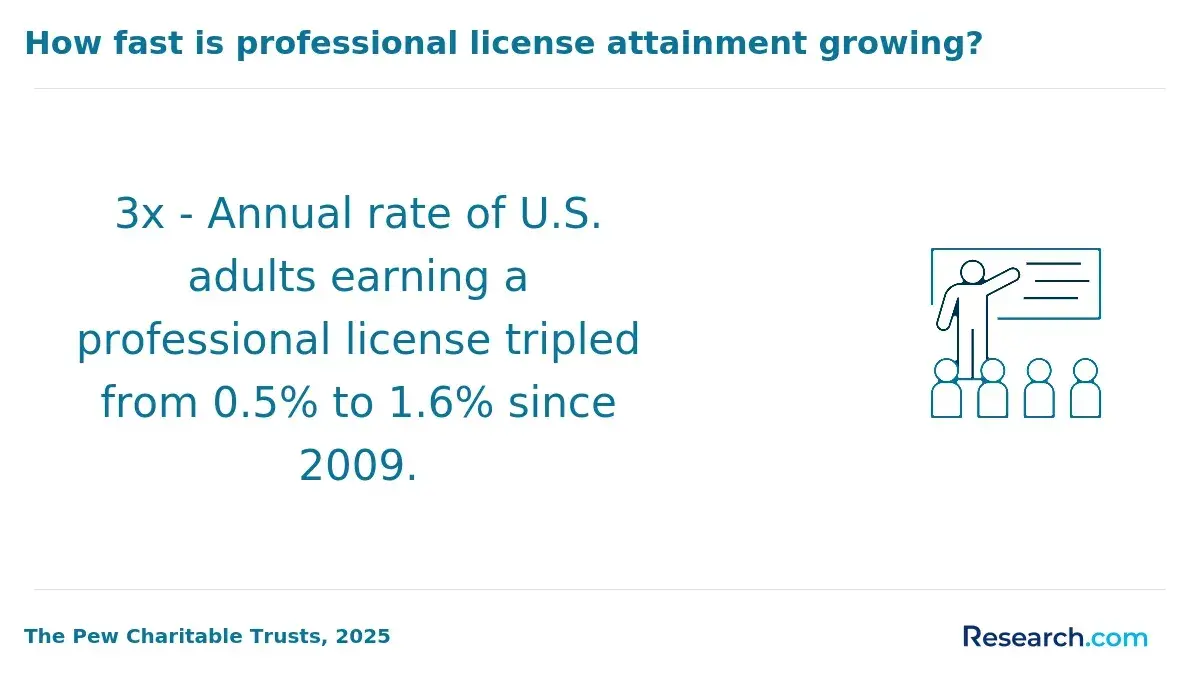
Post-graduation salary is a key driver of the return on investment (ROI) for an education degree, as it determines how quickly graduates can recoup tuition and living expenses. On average, education degree graduates in the US can expect annual salaries ranging from $40,000 to $60,000, a factor that plays a significant role in estimating education degree salary expectations in the US.
Several factors influence these salary outcomes, affecting the overall ROI of the degree:
- Industry: Salaries differ widely depending on whether graduates work in public K-12 schools, private institutions, or administrative roles, with private and administrative positions generally offering higher pay.
- Geographic Location: Urban areas and states with a higher cost of living typically offer increased salaries, boosting earning potential and enhancing ROI.
- Prior Experience: Candidates with teaching or related experience before or during their studies often start with higher salaries, which accelerates the financial benefits of the degree.
- Specialization: Concentrations such as special education, administration, or curriculum development tend to command better salaries compared to general teaching roles.
- Career Level: Entry-level positions usually pay less, while progression into leadership or specialist roles can significantly increase earnings and improve ROI.
Students considering a library science degree or other education-related qualifications should weigh these salary factors carefully when assessing potential financial returns.
Does a Education Degree Lead to Promotions?
Promotions significantly increase the return on investment (ROI) of an education degree by offering salary increases, broader responsibilities, and greater career mobility. These advancements often translate into enhanced financial and professional benefits over time. A notable trend in education career advancement is the growing preference for candidates with formal degrees or specialized credentials when filling leadership roles within schools and districts.
Below are key ways an education degree may influence promotion opportunities and improve ROI:
- Credential Requirements: Many leadership positions, such as principals or instructional coordinators, mandate formal education credentials. Earning an education degree meets these requirements and opens doors to higher-level jobs.
- Leadership Training: Education degrees often include coursework focused on educational leadership and administration, equipping graduates with skills needed to excel in supervisory or managerial roles.
- Employer Tuition Support: Some school districts offer tuition reimbursement or other professional development incentives, lowering the cost of obtaining degrees and enhancing ROI.
- Internal Promotion Policies: Institutions increasingly prioritize candidates with degrees for internal advancement, improving competitive standing among peers for limited leadership opportunities.
- Experience Complement: While experience is valuable, it is rarely sufficient alone for career progression. The combination of relevant work experience and a degree strengthens promotion prospects and long-term earnings.
For those assessing education degree career advancement, understanding these factors helps clarify how promotions relate to overall financial returns. Additionally, exploring degrees that pay well can provide further insight for prospective students evaluating the best educational investments.
Which Industries Offer the Best ROI for Education Graduates?
The return on investment (ROI) for education graduates varies significantly across industries due to differences in salary levels, career progression opportunities, and demand for specialized skills. This variation means that the best industries for education degree graduates often combine competitive pay with clear advancement pathways and sustained job demand.
Several industries commonly provide the highest ROI education careers in the US. These sectors leverage unique skill sets and offer strong potential for financial growth and career stability.
- Educational Technology: This rapidly growing sector rewards education graduates who possess tech-savvy and instructional design skills. With e-learning expanding, professionals here benefit from higher salaries and frequent promotion opportunities.
- Corporate Training and Development: Many companies prioritize talent development, providing education experts with roles featuring robust compensation and leadership potential across diverse industries.
- Higher Education Administration: These positions often come with competitive pay and clear promotion paths, making use of advanced knowledge in policy and educational management.
- Special Education Services: The high demand for specialists ensures stable employment and often enhanced pay, particularly for those with specialized certifications or advanced degrees.
- Government and Nonprofit Education Programs: These roles offer job security and meaningful opportunities to influence policy and community education, typically with steady income progression.
For prospective students evaluating whether the investment in an education degree is worthwhile, considering these industries is critical. Additionally, exploring options through cheap online colleges can help reduce educational costs while positioning candidates for successful careers in these sectors.
Does Accreditation Affect ROI for a Education Degree?
Accreditation is an official validation that an education degree program meets specific quality standards set by a recognized authority. It ensures that the curriculum, teaching staff, and institutional resources conform to professional and academic benchmarks.
This recognition plays a critical role in determining the return on investment (ROI) for students, as employers increasingly seek candidates with credentials from accredited programs. Additionally, accreditation often influences licensure eligibility, which remains a key factor in obtaining state certification and advancing in the education field.
Accreditation also enhances long-term ROI by fostering greater employer confidence in graduates' skills and preparedness, which can translate into improved job opportunities and salaries. It facilitates smoother transfer of academic credits between institutions, making continuing education more accessible.
Access to federal financial aid often depends on attending an accredited program, helping to ease the financial burden on students. Furthermore, accredited degrees support career flexibility by ensuring qualifications are widely recognized across regions and institutions, critical for education professionals planning to relocate or pursue advanced credentials.
Is a Education Degree Worth It?
Calculating the return on investment (ROI) for an education degree involves weighing several financial and career factors. Tuition and fees can vary substantially depending on the type and delivery format of the program, with most degrees requiring two to four years to complete.
Graduates often enter roles like teaching, instructional coordination, or educational administration, where median annual salaries typically range between $50,000 and $70,000 depending on location and experience. Nearly 85% of education graduates secure employment within a year, reflecting positive job placement rates despite starting salaries that may be lower than in other professional fields.
Whether pursuing an education degree is worth the investment depends on several factors. Regions facing teacher shortages may offer better pay and quicker salary growth, improving overall ROI. Online and part-time programs can help minimize opportunity costs, while scholarships and grants play a crucial role in reducing upfront expenses. Additionally, individuals aiming for specialized or leadership positions in education might experience higher long-term financial rewards compared to those focused solely on entry-level roles.
What Graduates Say About The ROI of Their Education Degree
- Talya: "Choosing to pursue an education degree as a traditional student was one of the best investments I've made. Yes, the average cost of attendance around $20,000 per year is not insignificant, but the long-term career benefits and job stability have far outweighed those expenses. Graduating has opened doors to leadership roles in my school district that I wouldn't have imagined before."
- Cruz: "As an online education degree student, I was initially concerned about balancing cost and quality. Considering that online programs can reduce some expenses, I found the tuition more manageable than typical on-campus degrees, which made the ROI much clearer to me. Completing my degree has allowed me to advance professionally while working full-time, proving the investment was worth every penny."
- Elphie: "Being a part-time education degree student meant stretching the cost over several years, which helped me financially. Although the cost averaged around $15,000 annually, the flexibility and the eventual career impact - securing a specialized teaching position - made it worthwhile. Reflecting back, this degree was essential in gaining credibility and confidence in my profession."
Other Things You Should Know About Education Degrees
In 2027, geographic location and school type significantly impact the ROI of an education degree. Graduates in areas with higher demand for teachers, like urban districts, usually see better returns. Additionally, alumni from prestigious institutions may receive higher starting salaries. These factors combine to affect overall ROI expectations.
Pursuing advanced degrees or certifications beyond the initial education degree typically increases ROI by qualifying graduates for higher-paying positions or specialized roles. This ongoing professional development can lead to salary increases, promotions, and expanded career opportunities that otherwise might not be accessible.
References
- Charted: Salary by Education Level in the United States https://www.visualcapitalist.com/charted-us-salary-by-education-level/
- All careers in education and early years https://nationalcareers.service.gov.uk/explore-careers/job-sector/education-and-early-years/view-all-sector-careers
- Education Degree Career Benefits & Opportunities | TMU https://truett.edu/blog/archive/education-degree-career-benefits/
- How Long Does It Take to Become a Teacher? https://www.macu.edu/blog/how-long-does-it-take-to-become-a-teacher/
- The ROI of Online Education: Is It Worth the Investment? - Paris American International University https://parisamerican.org/the-roi-of-online-education-is-it-worth-the-investment/
- The ROI of Accreditation: Why It Matters More Than Ever https://www.kramah.com/the-roi-of-accreditation-why-it-matters-more-than-ever/
- How Long Does It Take to Get a Master’s in Education? https://www.ndnu.edu/articles/education/how-long-does-it-take-to-get-a-masters-degree-in-education.html
- The Average Salary by Education Level - SmartAsset https://smartasset.com/retirement/the-average-salary-by-education-level
- The ROI of Your Business Degree: Why Your Education Matters https://www.sbs.edu/blog/roi-of-your-business-degree-education-matters/
- 10 Jobs for a Master of Education: Advance Your Teaching https://www.park.edu/blog/10-jobs-for-a-master-of-education-advance-your-teaching/


