
2027 Questions to Ask About Online Education Degree Programs Before You Enroll

Co-Founder and Chief Data Scientist
Many prospective students struggle to choose the right online education degree program amid a rapidly growing market. According to the National Center for Education Statistics, enrollment in education-related programs has increased by over 15% in the past five years, reflecting higher demand for qualified teachers and administrators.
However, not all programs provide the same level of career preparation or licensure support. This article outlines key questions to ask about program quality, career outcomes, costs, and licensure readiness. It aims to equip students with practical insights to make informed decisions before committing to an online education degree.
Key Benefits of Enrolling in Online Education Degree Programs
- Online education programs offer flexibility, allowing students to access courses anytime, accommodating diverse schedules and enabling continued employment during studies.
- They often reduce costs by eliminating commuting and housing expenses, making degree completion more financially accessible.
- Balancing work, study, and personal life becomes more manageable, supporting mental well-being and improving retention rates among adult learners.
Is the online education degree program accredited?
Accreditation plays a vital role in assessing online education degree accreditation because it assures that a program meets rigorous quality standards recognized by educational authorities. For students, attending an accredited program is essential for degree recognition by employers and other institutions, eligibility for teacher licensure, and access to federal financial aid.
According to the U.S. Department of Education, over 90% of states require candidates for teacher licensure to graduate from accredited programs, highlighting how accreditation directly influences career opportunities in education.
Key accrediting bodies include the Council for the Accreditation of Educator Preparation (CAEP), which focuses specifically on teacher preparation, as well as regional agencies such as the Higher Learning Commission (HLC) and the Middle States Commission on Higher Education (MSCHE).
Prospective students should learn how to verify accreditation for education programs by checking both the program's official website and trusted sources like the U.S. Department of Education or the Council for Higher Education Accreditation (CHEA). It is critical to confirm that both the institution and its education program hold appropriate regional and specialized accreditation to avoid investing in a degree that may not be recognized for professional advancement.
Because accreditation impacts your ability to pursue licensure and a successful teaching career, it should be prioritized before enrollment. Students interested in advanced credentials can also explore options such as EdD degrees, which require careful evaluation of accreditation status to ensure quality and licensure readiness.
What are the admission requirements for online education programs?
Carefully reviewing admission requirements is crucial for students comparing online education programs to ensure they qualify and can prepare all necessary documentation. This preparation helps identify whether a program aligns with their academic background and career aspirations.
Key criteria for how to qualify for online education programs include the following:
- Proof of High School Diploma or Equivalent: Most programs require this foundational credential to confirm that candidates have completed basic education and are ready for rigorous coursework.
- Official Transcripts from Previous Institutions: These verify academic performance, ensuring applicants meet prerequisites and possess the necessary knowledge base.
- Minimum GPA Standards: Establishing a benchmark GPA helps assess a student's academic readiness and likelihood of success in demanding online courses.
- Standardized Test Scores (if required): Some programs request SAT, ACT, or GRE scores to evaluate critical thinking and subject-specific skills relevant to education degrees.
- Letters of Recommendation: These provide insight into an applicant's character, work ethic, and potential for success in an education-focused environment.
- Statement of Purpose or Personal Essay: A chance for candidates to articulate motivations, career goals, and commitment to the teaching profession.
- Background Checks or Clearances (for licensure-related programs): Required to ensure suitability and safety in clinical, teaching placements, or other professional settings.
Meeting these requirements supports program quality and helps students achieve licensure readiness and successful career outcomes. Prospective students seeking affordable, reputable pathways may consider exploring options for an online business degree as an alternative or complementary credential within their educational planning.
What classes do you take in an online education program?
Evaluating the curriculum of online education programs is crucial for students aiming to compare options effectively, as it directly impacts career readiness and licensure success. Enrollment in online education courses has surged by more than 20% recently, reflecting increasing demand for accessible teacher preparation.
Programs typically offer a variety of course types designed to build essential knowledge and skills:
- Foundational Courses: These classes cover essential teaching principles, including learning theories, classroom management, and instructional design. They equip students with a deep understanding of how to create effective learning environments.
- Specialized Electives: Electives enable students to delve into focused areas like STEM instruction, literacy development, or technology use in education. These options allow customization to match personal interests and future teaching needs.
- Skill-Building Seminars: These sessions enhance competencies such as assessment strategies, communication for diverse learners, and educational law. They prepare students to navigate real-world challenges in education settings.
When I spoke with a student enrolled in an online education degree program, he shared that adapting to the mix of theoretical and applied coursework was both demanding and rewarding.
He mentioned, "The hardest part was managing time between intense reading assignments and preparing for participation in virtual discussions where concepts were debated deeply." Despite initial struggles, he found that the variety of classes challenged him to think critically and helped build confidence in his teaching abilities before entering the classroom.
Breakdown of Private Fully Online Nonprofit Schools (In Percentage)

How long does it take to complete an online education degree?
Knowing how long it takes to complete an online education degree helps students manage their time, finances, and career planning more effectively. Program length can significantly impact when students enter the workforce and meet licensure requirements.
Below are typical timelines for various online education degree formats to guide your expectations.
- Full-Time Programs: These generally take about four years to complete. Students enrolled full-time progress steadily through coursework and can expect to graduate within the traditional timeframe for a bachelor's degree.
- Part-Time Programs: Taking classes part-time often extends completion to five or six years or more. This option suits those balancing work, family, or other responsibilities but requires longer commitment.
- Accelerated Programs: Designed for faster completion, these intensive tracks allow finishing in two to three years by offering year-round courses. They demand significant dedication and a faster pace, which may not be ideal for all learners.
- Programs with Internships or Clinical Hours: Many education degrees include practical experiences essential for licensure and skill development. Fulfilling these requirements can add at least one semester or more to the timeline, so planning ahead is crucial.
Does an online education program require internships or practicums?
Most online education programs include internship or practicum components, essential for gaining real-world teaching experience that coursework alone cannot provide. These placements are usually coordinated near students' homes, allowing them to practice classroom management, engage with diverse student groups, and apply educational theories firsthand.
Such hands-on experiences are often a licensure requirement, making them vital for meeting state certification standards and enhancing job prospects. Prospective students should carefully assess how internships or practicums are incorporated, as these requirements can affect schedules, travel, and time commitments.
In fact, over 90% of accredited teacher preparation programs feature field experiences, underscoring their importance in preparing competent educators.
When I spoke with a graduate of an online education degree, she shared how challenging it was to balance her practicum with family responsibilities. "Coordinating the placement felt overwhelming at times because I had to arrange time at a local school while managing my kids and work," she recalled. Despite the hurdles, she emphasized that the support from her program's advisors made a significant difference.
"They helped me find a placement close to home and check in regularly, which kept me motivated," she said. Reflecting on her experience, she noted that the hands-on work was where theory truly came to life, providing confidence she wouldn't have gained from online lessons alone. Her journey highlighted the practical realities and rewards of fulfilling internship requirements in an online education pathway.
Can you get licensed with an online education degree?
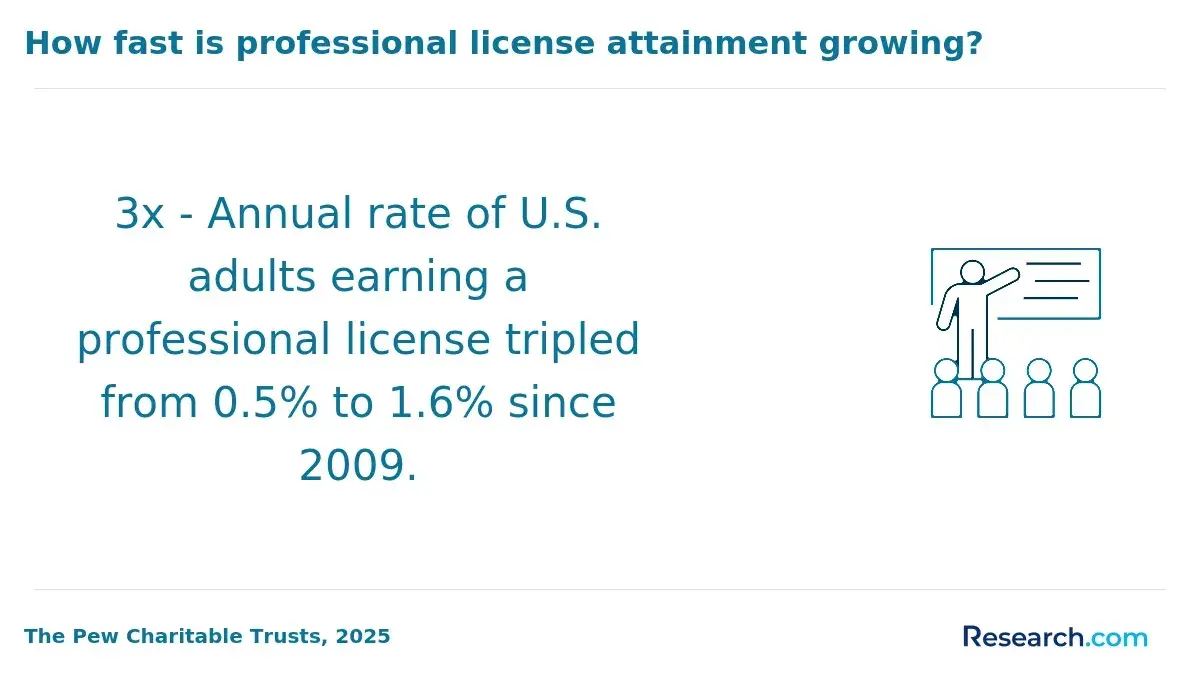
Graduates of accredited online education degree programs can obtain professional licensure, provided they meet state-specific requirements. These typically include completing a teacher preparation program, passing state certification exams, and fulfilling student teaching or practicum hours.
Many reputable online programs design their curriculum to align with these licensure requirements, often incorporating supervised field experiences in local schools to satisfy practical components. It is important for prospective students researching how to get teacher license with online degree options to verify that their chosen program supports these necessary steps.
Licensure is a critical factor because it directly affects eligibility to work as a certified teacher, influencing employment opportunities and career advancement in both public and private schools. Approximately 85% of teachers hold certification from accredited programs, highlighting the importance of selecting online programs that facilitate licensure preparation, including field placement assistance and exam support.
State approval of online degrees varies, so students should ensure their program is recognized in their intended employment location. Those interested in affordable online education pathways should consider programs like affordable online psychology masters as examples of accessible accredited degrees.
How much do online education programs cost?
Evaluating the cost of online education programs is crucial for prospective students as it significantly affects financial planning and the overall return on investment in their careers. With tuition and associated fees rising nationally, being informed helps students identify affordable online education degree programs that meet their budget and academic needs.
A recent trend shows that the average total cost for a fully online bachelor's degree in education has increased by 5% over the past five years, driven by tuition hikes and expanded digital resources. Below is an overview of typical expenses you can expect when comparing online education programs.
- Tuition per Credit: This is often the largest expense, varying between $200 and $600 per credit hour depending on the institution's prestige, program length, and format. Some schools may charge a flat rate per semester instead of per credit.
- Technology and Platform Fees: Many programs add fees ranging from $50 to $200 each term to support access to virtual learning environments and online resources, reflecting the growing investment in digital infrastructure.
- Textbooks and Study Materials: Additional costs may include textbooks, e-books, and specialized software required for coursework, which differ by program but can add several hundred dollars annually.
Considering these cost components alongside program quality and career outcomes is essential. Students interested in fields with strong job prospects might explore the easiest college majors with high pay for strategic planning. Factoring in expenses ensures a comprehensive understanding of the average cost of online education degrees and helps identify affordable online education degree programs aligned with personal and professional goals.
What financial aid is available for online education students?
Financial aid plays a vital role in helping prospective students manage the costs of online education degree programs. Nearly 85% of education students access some form of financial assistance, highlighting its significance in making higher education more affordable and accessible.
Several major financial aid options are available for online education students to reduce tuition and related expenses:
- Pell Grants: These need-based federal grants do not require repayment and are awarded based on income and enrollment status. Pell Grants can substantially lower the cost of attendance for students with demonstrated financial need.
- Federal Student Loans: Government-issued loans offer fixed interest rates and flexible repayment terms. Students must complete the FAFSA to determine eligibility, which is often the gateway to other federal aid opportunities.
- Scholarships: Merit- or need-based scholarships provide funds that don't require repayment and frequently focus on specific demographics or education specializations. These scholarships and grants for online teaching degrees can greatly alleviate financial burdens when successfully applied for.
- Work-Study Programs: With eligibility based on financial need, these programs enable students to work part-time while studying, providing additional resources to cover education-related costs without increasing debt.
To maximize available support, students should research and apply for all relevant financial aid options, starting by submitting the FAFSA. For students interested in accelerated paths, exploring options such as 1 year master's programs can further reduce overall time and expenses associated with earning advanced education degrees.
What jobs can you get with an online education degree?
Knowing which careers are accessible with an online education degree is essential for students assessing their options and the return on investment. The Bureau of Labor Statistics projects a 5% growth in teaching-related jobs over the next decade, reflecting stable demand. This information helps guide prospective learners toward informed decisions about their future.
The following careers are common outcomes for graduates of online education programs:
- Elementary or Secondary Teacher: Graduates often become licensed teachers in K-12 settings, responsible for lesson planning, classroom management, and student assessment. Advancement can include specialized roles or administrative positions.
- Special Education Teacher: This role focuses on adapting curricula and learning environments for students with diverse needs. The degree equips graduates with knowledge of educational strategies and individualized support.
- Instructional Coordinator: Professionals develop teaching standards and assess educational programs. A background in education theory and practice prepares graduates for curriculum planning and staff training.
- Educational Consultant: Consultants advise schools or districts on curriculum improvement, technology integration, or policy development. The degree fosters analytical and pedagogical skills vital for this role.
- Early Childhood Educator: Working with young children, these educators create foundational learning experiences. Graduates gain expertise in child development and age-appropriate teaching methods.
What is the average salary for online education graduates?
Knowing the potential salary is essential for students considering online education programs, as it helps evaluate the value of time and money invested. Recent data shows median annual wages for education professionals with bachelor's or master's degrees typically range between $50,000 and $65,000, reflecting steady growth in the field. Several elements shape these salary ranges and should be carefully reviewed before selecting a program.
- Level of Education: Holding advanced degrees such as master's or doctoral qualifications usually opens doors to higher-paying positions, particularly in leadership or specialized roles within education.
- Specialization: Certain areas, including educational leadership, curriculum development, or special education, often command better compensation compared to general teaching roles due to their targeted expertise.
- Experience: Accumulating years of professional practice generally leads to salary progression and eligibility for promotions, rewarding longer tenure in educational careers.
- Geographic Location: Salary levels vary widely depending on the state or district, influenced by regional cost of living and local funding, making location an important consideration.
- Work Setting: Pay scales differ across public schools, private institutions, colleges, and corporate training environments, each offering distinct financial incentives based on their operational budgets and priorities.
Evaluating these factors will help prospective students better anticipate their earning potential and align program choices with their career aspirations and financial plans.
What Graduates Say About Enrolling in an Online Education Degree
- Ali: "The online education degree was a perfect fit for me because it offered affordable tuition compared to traditional programs, making the investment manageable while I worked full-time. The coursework was challenging but engaging, and the flexibility allowed me to balance studies with my family life. Since graduating, I've confidently stepped into a leadership role at my school, thanks largely to the knowledge and skills I gained."
- Carmen: "I chose the online education degree after researching that the average cost was significantly lower than brick-and-mortar options, which eased my financial concerns. The self-paced nature forced me to develop discipline, and the support from instructors kept me motivated throughout. This program truly transformed how I approach teaching, making me a more innovative and thoughtful educator. "
- Danielle: "Deciding to enroll in the online education degree was a strategic move to advance my career without incurring enormous debt; the reasonable cost made it achievable. I appreciated the rigorous curriculum that mirrored in-person standards, providing a solid foundation despite the virtual format. Today, the degree has opened doors to district-level administrative opportunities that I once thought were out of reach. "
Other Things You Should Know About Education Degrees
In 2027, online education programs leverage advanced digital platforms to enhance student interaction and collaboration. Tools like virtual classrooms, discussion forums, and group project software allow students to engage actively and work collaboratively, replicating a traditional classroom experience. Institutions also offer synchronous sessions and meet-ups to foster community and interaction.
Online education programs generally require a reliable computer, high-speed internet access, and updated software or platforms specified by the institution. Some programs may also require specific hardware like webcams or headsets for participation in live sessions or practicums. Checking these technical specifications before enrolling helps prevent connectivity or compatibility issues during the coursework.
In 2027, online education programs increasingly offer virtual networking events, access to alumni networks, and career services. These resources help students connect with industry professionals, making it easier to transition into their chosen fields and enhance their career prospects after graduation.
References
- Online Education Licensure | Illinois College https://www.ic.edu/education-licensure
- How Online College Degree Programs Can Transform Your Life https://www.tuw.edu/school-news/online-degree-programs-transform-your-life/
- Practicums Vs Internships: A Complete Guide | Psychology.org https://www.psychology.org/resources/internships-and-practicums/
- Accreditation for eLearning Solution Providers https://www.qahe.org/accreditation-for-elearning-solution-providers/
- Online Learning Take regular Cornell courses online, study with university faculty, and earn up to 15 credits https://sce.cornell.edu/courses/programs/online
- A Guide to Online Degrees https://www.coursera.org/articles/online-degrees
- Can I get financial aid for an online degree? | edX https://www.edx.org/resources/can-i-get-financial-aid-for-an-online-degree
- Online learning | University of London https://www.london.ac.uk/study/where-study/online-learning
- Accredited Online Courses: How to Pick Programs That Actually Count https://www.upskillist.com/blog/accredited-online-courses-how-to-pick-programs-that-actually-count/
- Apply for online education accreditation https://www.gov.uk/guidance/apply-for-online-education-accreditation


