
2027 How to Compare Educational Policy Degree Programs Effectively

Co-Founder and Chief Data Scientist
Choosing the right educational policy degree program can be overwhelming given the diverse curriculum focuses and program formats across U.S. universities. Many students struggle to identify which program will best prepare them for careers in education reform, administration, or policymaking.
According to the National Center for Education Statistics, employment for education administrators is projected to grow 8% through 2030, reflecting increased demand for policy expertise. This article explores key factors such as specialization areas, faculty expertise, financial considerations, and scheduling flexibility to help prospective students compare programs effectively and select one aligned with their professional goals.
Key Benefits of Comparing Educational Policy Degree Programs Effectively
- Verify program accreditation to ensure credibility; accredited degrees generally lead to better job prospects and eligibility for certification in educational policy fields.
- Assess curriculum alignment with your career goals, prioritizing programs that offer specializations reflecting current educational policy challenges and innovations.
- Compare tuition costs against expected return on investment by researching average graduate salaries and employment rates within educational policy sectors.
What Types of Accreditation Should a Educational Policy Degree Program Have?
Accreditation is critical for effectively comparing educational policy degree programs as it confirms a program meets established quality standards and enhances its credibility and long-term value. Studies indicate that graduates from regionally accredited institutions have significantly higher employment rates than those from non-accredited schools.
This foundation helps you understand how different accreditations impact program quality and outcomes. Below are the key types of accreditation to consider when evaluating educational policy program accreditation standards:
- Regional Accreditation: This is the most recognized form of institutional accreditation in the U.S., assessing the entire institution including faculty qualifications, curriculum, and support services. Programs with regional accreditation generally offer transferable credits and qualify students for federal financial aid, increasing flexibility and accessibility.
- Programmatic Accreditation: Focused on specific programs or departments, this type includes accreditations such as those by the Council for the Accreditation of Educator Preparation (CAEP). It ensures the curriculum aligns with professional standards and licensure requirements, assuring employers and certification bodies of the program's rigor and relevance.
Attending an accredited educational policy degree program provides validation for career changers and working professionals that their education will be respected by employers and support the necessary certification or licensure. It also influences access to financial aid and ease of credit transfer, which are vital for balancing education with other life commitments.
For those exploring advanced options, a BCBA degree can offer additional career pathways.
What Specializations Are Offered in Educational Policy Degree Programs?
Specializations within educational policy degree programs allow prospective students to compare academic focus and career alignment effectively, ensuring their education supports specific workforce goals. With a projected 7% growth in areas such as education administration and policy analysis over the next decade, the demand for targeted expertise is increasing.
Below are common specializations that reflect key educational policy degree tracks and focus areas.
- Education Administration: Focuses on leadership, management, and organizational skills tailored for roles in school districts or educational agencies. This specialization prepares students to handle operational challenges and guide educational institutions effectively.
- Policy Analysis and Evaluation: Develops expertise in research methods, data analysis, and policy assessment techniques. Graduates influence education reform and legislative decisions by evaluating policy impacts.
- Higher Education Policy: Concentrates on governance, finance, and issues affecting accessibility within colleges and universities. This track addresses systemic challenges and promotes equity in postsecondary education.
- Urban Education Policy: Addresses educational challenges in diverse, high-need communities with an emphasis on equity and social justice. Students learn to develop policies that support underserved populations.
Prospective students considering degree programs can also explore related options such as an accelerated social work degree online which may complement their educational policy background, broadening both academic and practical career pathways.
Educational policy program specializations and concentrations provide critical insights into these focused areas, helping students align their academic pursuits with career needs.
How Can You Compare Courses Across Educational Policy Degree Programs?
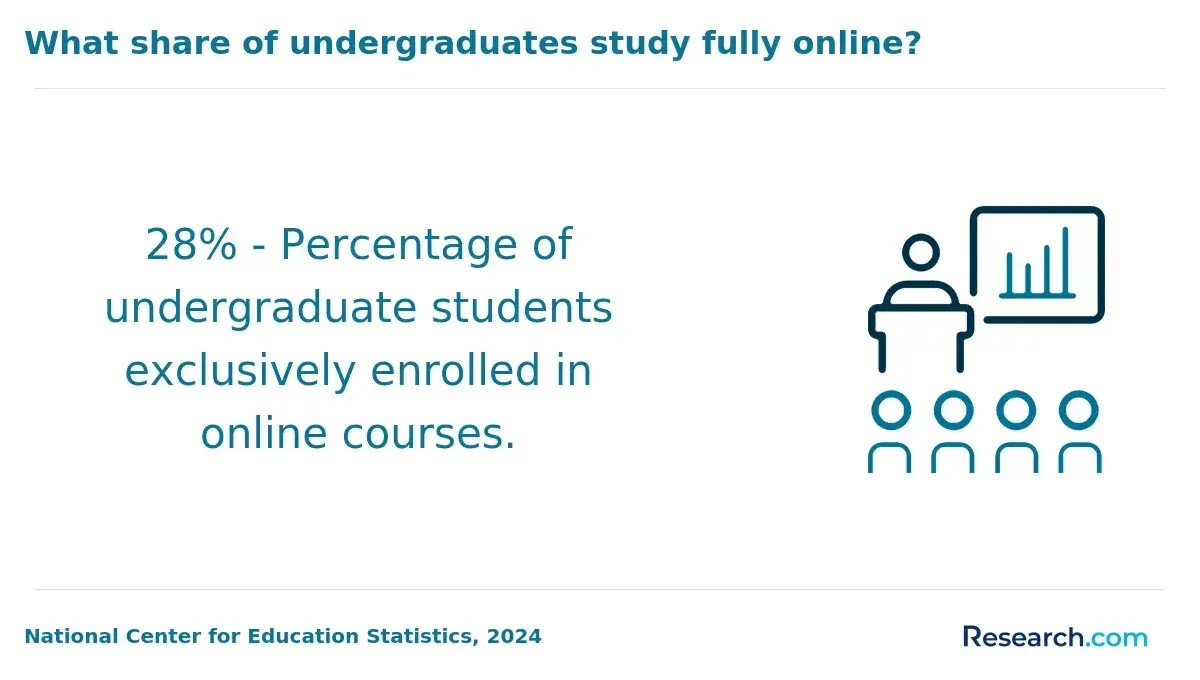
Comparing courses across educational policy degree programs is crucial for prospective students to assess program rigor, skill development, and how well the curriculum aligns with career goals. Research indicates that programs with comprehensive curricula and higher course completion rates experience a 15-20% greater job placement success within six months of graduation.
This makes careful evaluation of course content and structure vital. Consider these practical strategies when comparing courses:
- Course Descriptions: Analyze the topics covered and the depth of content to gauge academic rigor and relevance to educational policy debates.
- Required vs. Electives: Review the balance of mandatory and elective courses to determine program flexibility and opportunities for specialization that suit your professional objectives.
- Credit Hours and Workload: Compare credit requirements to understand time commitments and the intensity of coursework across programs.
- Skill Development: Look for courses emphasizing practical skills such as data analysis or policy evaluation that directly support career advancement in educational policy.
- Faculty Expertise: Consider faculty qualifications and research areas to ensure exposure to current issues and thought leadership in the field.
- Student Support Resources: Access to advising, internships, or applied projects can significantly enhance learning and career readiness.
In addition, evaluating cost and career outcomes in educational policy courses is essential for making informed decisions. For students balancing professional commitments and education, exploring options like an online executive MBA can provide insight into accessible and flexible programs related to educational leadership and policy management.
What Scheduling Options Are Available in Educational Policy Degree Programs?
Flexible scheduling plays a key role for students balancing education with work and personal commitments, making it essential when comparing educational policy degree programs. Various formats accommodate different lifestyles and learning preferences, including:
- Full-Time: Designed for students who can devote substantial hours to coursework, allowing for faster progression through the program. This format suits those with fewer external responsibilities who seek to complete their degree more quickly.
- Part-Time: Offers a slower pace with fewer courses per term, providing greater flexibility for working professionals or those with family obligations. It extends the duration but reduces stress by allowing manageable workloads.
- Evening Classes: Scheduled outside of traditional daytime hours to support students who work during the day. Evening offerings make it possible to engage fully in coursework without sacrificing job or family responsibilities.
- Weekend Classes: Another option for employed or busy students, weekend classes allow attendance during non-workdays, helping to maintain a balance between education and other life demands.
- Online Programs: Provide maximum flexibility by enabling remote and asynchronous learning. Students can access materials and complete assignments on their own schedules, ideal for those managing complex or unpredictable commitments.
What Are the Pros and Cons of Online vs Campus-Based Educational Policy Degrees?
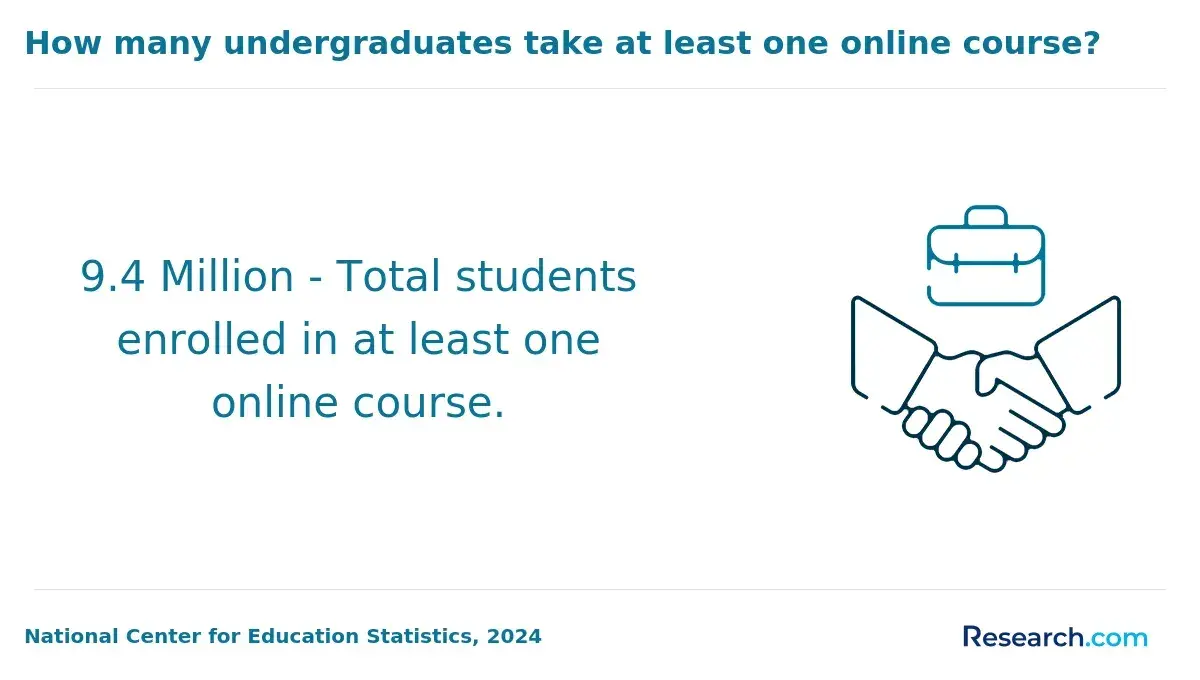
Choosing between online and campus-based delivery formats for educational policy degrees greatly influences flexibility, networking, and the overall learning experience. Recent data shows around 40% of graduate students have taken at least one online course, reflecting the rise in remote education.
Below is an overview of the benefits and downsides of each approach.
Online Programs
- Flexible Scheduling: Students can study at their own pace and schedule, making it easier to balance work and personal life.
- Accessibility: No need to relocate or commute, which is ideal for those with geographic or time constraints.
- Limited Interaction: Opportunities for spontaneous discussions and networking may be fewer, impacting collaborative learning.
- Cost-Effective: Often less expensive due to reduced travel and housing expenses.
Campus-Based Programs
- Personal Connections: Face-to-face interaction with faculty and peers enhances networking and mentorship.
- Structured Environment: Set class times and locations provide routine that some learners find motivating.
- Resource Access: Immediate availability of campus facilities supports hands-on learning and research.
- Less Flexible: Commuting or moving closer to campus may be necessary, which can limit outside commitments.
I spoke with a graduate who completed an online educational policy degree to gain insight into this dilemma. He explained that comparing programs involved weighing the convenience of remote learning against the desire for more direct interaction.
"I appreciated being able to work on assignments when it suited me, but I worried about missing out on informal conversations that happen naturally in person." He also mentioned feeling a bit isolated at times, which required proactive effort to connect with classmates and instructors.
Ultimately, he found that the self-discipline needed for online study helped him develop strong time-management skills, which benefitted his career after graduation.
How Do GPA Requirements Vary Among Educational Policy Degree Programs?
GPA requirements are a critical factor when comparing educational policy degree programs, reflecting the academic standards expected from applicants. These standards vary widely, influencing how programs assess potential candidates.
Consider these key aspects when evaluating GPA expectations:
- Variation in Thresholds: Some programs enforce firm minimum GPAs, commonly near 3.0 on a 4.0 scale, especially within competitive or research-focused tracks, setting a clear baseline for admission.
- Flexible Criteria: Other programs adopt leniency in GPA requirements, recognizing that academic performance alone does not capture an applicant's full potential, allowing for broader evaluation factors.
- Holistic Admissions: Many programs integrate a comprehensive review process, weighing professional experience, letters of recommendation, and personal statements alongside academic records, which can offset lower GPAs.
- Conditional Admission Options: Some schools offer pathways such as conditional acceptance or GPA waivers, providing opportunities for candidates who demonstrate strengths beyond their grade point average.
How Can You Compare Tuition Across Educational Policy Degree Programs?
Comparing tuition is vital for prospective students balancing immediate costs and long-term financial outcomes when selecting an educational policy degree program. With graduate tuition averaging around $12,410 annually at public institutions, understanding financial implications helps reduce debt burdens.
Consider these factors to evaluate programs effectively:
- Total Program Cost: Look beyond tuition by including mandatory fees and additional expenses. This comprehensive view reveals the actual financial commitment required to complete the degree.
- Cost Per Credit: Assess how much each credit hour costs since program credit requirements vary. This metric aids in comparing affordability relative to course load.
- Fees and Additional Charges: Identify non-tuition fees such as technology, activity, or lab fees. These can significantly affect the overall price and vary widely across institutions.
- Financial Aid Availability: Explore scholarships, grants, and assistantships specific to educational policy programs. These reduce net costs and may differ based on eligibility and program policies.
- Employer Tuition Benefits: Some employers provide tuition reimbursement or education benefits. Incorporating these can make certain programs more financially accessible, especially for working professionals.
- Long-Term Value: Consider the potential return on investment by evaluating career outcomes and salary growth after graduation, which helps justify upfront expenses.
When reflecting on how to compare tuition, a graduate who completed an educational policy degree shared her experience: "I remember feeling overwhelmed by the numbers at first-tuition, fees, and hidden costs all seemed like a maze.
I spent hours gathering data from multiple programs and reached out to financial aid offices for clarity. What helped most was creating a side-by-side spreadsheet showing total costs and factoring in my employer's tuition support. It made the decision more clear and less stressful."
She emphasized, "Taking time to understand every aspect saved me money and gave me confidence in my choice."
Does a Educational Policy Degree Meet Licensure Requirements?
Aligning an educational policy degree with licensure requirements is essential for students entering regulated fields or seeking to shift careers that depend on formal certification. Nearly 20% of U.S. occupations require licensing or certification, underscoring the need to choose programs that support these credentials.
Key factors to evaluate include the following:
- Curriculum Alignment: Ensure the program addresses the core skills and knowledge mandated by licensing boards or certification agencies, providing relevant and comprehensive coursework.
- Accreditation Standards: Verify that the degree comes from an institution accredited by recognized agencies, as this often influences eligibility for licensure in various states.
- State-Specific Requirements: Since licensing laws differ significantly by state, programs that offer flexibility or tailored content to meet local regulations give students a practical advantage.
- Supervised Experience: Many licenses require documented practicum hours or internships; therefore, it's important that the program facilitates or includes access to these supervised learning opportunities.
- Exam Eligibility: Prospective students should confirm the degree prepares them to sit for necessary licensing or certification exams to avoid surprises after graduation.
Focusing on these areas can help students select an educational policy program well-suited to both academic growth and licensure success.
Which Educational Policy Programs Have the Best Career Placement Rates?
Career placement rates are a vital measure when comparing educational policy degree programs, as they indicate how effectively a program equips graduates for success in the competitive job market. Over 85% of graduates from top-ranked educational policy degrees secured employment or enrolled in further education within six months, illustrating the strength of these programs.
Several key factors help prospective students evaluate these programs' placement success.
- Employer Partnerships: Strong collaborations with employers create direct pathways to internships and full-time positions, offering students seamless transitions into the workforce. These partnerships often enhance job availability and industry relevance.
- Internship Pipelines: Internship opportunities are crucial, providing practical experience and valuable industry connections. Programs that emphasize internships tend to have higher career placement rates because students gain hands-on skills and professional networks.
- Alumni Outcomes: Reviewing alumni career trajectories reveals how well a program supports long-term growth. Analysis of job titles, sectors, and geographic reach highlights the effectiveness of top ranked educational policy degrees for employment outcomes over time.
- Support Services: Programs with access to dedicated career counselors, resume workshops, and interview preparation tend to report stronger placement results. These resources are important for preparing graduates to navigate the job search effectively.
Prospective students should request up-to-date placement statistics directly from admissions offices and carefully assess how figures are compiled. This level of transparency is essential for making informed decisions aligned with personal career goals.
Additionally, exploring affordable online bachelor degree programs in educational policy can help students balance quality with budget and scheduling needs.
How Do Salaries Compare Across Educational Policy Degree Program Graduates?
Post-graduation salary outcomes are a key metric for prospective students assessing educational policy degree programs because they reflect real-world returns on investment. On average, educational policy graduates earn between $50,000 and $70,000 annually at entry level.
The following points detail how salaries compare based on multiple factors influencing earning potential.
- Role Variation: Salaries differ significantly by position. Graduates working in senior administrative or research roles tend to earn $90,000 to $120,000 annually, while entry-level positions, especially in nonprofits or government, generally start at the lower end of the salary spectrum.
- Industry Impact: Sector choice influences wages notably. Private education firms and consulting roles often provide higher starting pay compared to government jobs, reflecting differing funding streams and organizational priorities.
- Geographic Differences: Urban centers and regions with robust education funding, such as Washington D.C. and California, generally offer higher compensation. Conversely, rural areas or districts with limited budgets tend to have lower salary scales, affecting the average earnings of educational policy degree holders by region.
- Experience Level: Professionals with over five years of experience usually command higher salaries and may receive bonuses or leadership opportunities, further increasing their total compensation.
Students should also explore online degree programs that provide strong industry connections and job placement support to optimize their career and salary outcomes in educational policy fields.
What Graduates Say About Comparing Educational Policy Degree Programs Effectively
- Vance: "Before choosing the educational policy degree, I was torn between several graduate programs, mainly because of the hefty tuition fees I encountered, averaging around $20,000 per year. The cost-effectiveness of the educational policy program made my decision easier, and completing it has allowed me to confidently influence school reform initiatives at my organization. This degree truly transformed my professional path."
- Naomi: "Reflecting on my options, I initially doubted whether investing in an educational policy degree was worthwhile due to budget constraints. However, learning that the average cost was reasonably affordable helped me take the plunge. Since graduating, I've seen a marked improvement in my ability to draft and implement effective education strategies within the public sector. "
- Maja: "I approached my choice of graduate study with a clear focus on both quality and affordability, as the educational policy program offered a competitive cost compared to other fields, averaging much higher fees. The knowledge and credentials I gained have been instrumental in advancing my career in education advocacy and policy analysis. I'm proud that my investment paid off professionally. "
Other Things You Should Know About Educational Policy Degrees
To assess support services in 2027 educational policy programs, examine the availability of academic advising, career counseling, and mentorship opportunities. Check for tutoring, mental health services, and peer support networks, ensuring they align with your personal and educational needs for a holistic learning experience.
When comparing educational policy degree programs in 2027, consider faculty research interests, publications, and experience in policymaking. Faculty expertise influences course content and networking opportunities, impacting your academic and career growth.
Program alumni outcomes can provide insights into the career trajectories and success rates of graduates, helping prospective students evaluate the program’s effectiveness. Examine key statistics such as employment rates, average salaries, and notable achievements of alumni to gauge the program’s impact on career advancement.
References
- Master of Science inEducational Policy and Leadership Online or On Campus https://www.albany.edu/education/programs/ms-educational-policy-and-leadership
- Career earnings by college major - The Hamilton Project https://www.hamiltonproject.org/data/career-earnings-by-college-major/
- Complying with Professional Licensure Requirements: A Beginner’s Checklist https://wcetsan.wiche.edu/resources/complying-professional-licensure-requirements-beginners-checklist
- Labor Market | ELA https://ela.nauka.gov.pl/en/labor-market/who_earns_more_after_studies
- Educational Leadership and Policy Studies - MED https://www.uta.edu/academics/programs/educational-leadership-and-policy-studies-med
- Online Remote Learning vs On-Campus Courses: Fremont University | Cerritos, California https://fremont.edu/online-college-vs-on-campus-pros-and-cons/
- Professional Licensure & Location https://services.css.edu/TDClient/354/Portal/KB/ArticleDet
- Education Policy and Leadership (MEd) https://catalog.american.edu/preview_program.php
- Comparative Education | Education | Research Starters | EBSCO Research https://www.ebsco.com/research-starters/education/comparative-education


