
2027 Part-Time vs. Full-Time Educational Policy Degree Programs

Co-Founder and Chief Data Scientist
Students often face a tough choice between part-time and full-time study in educational policy programs due to competing demands like work, finances, and academic goals. Nearly 40% of educational policy students now opt for part-time formats, reflecting a growing trend toward balancing professional responsibilities while pursuing advanced degrees.
This article explores key differences between part-time and full-time educational policy programs, focusing on workload, flexibility, and career impact. Understanding these factors helps students select the path that aligns best with their personal and professional needs.
Key Benefits of Part-Time vs. Full-Time Educational Policy Degree Programs
- Part-time programs enable students to maintain employment, supporting career development while earning a degree, with 62% of graduates reporting enhanced job performance during study.
- Flexible scheduling in part-time studies helps balance professional and personal responsibilities, reducing stress and improving retention rates by 20% compared to full-time peers.
- Spreading tuition over a longer period aids financial planning, making educational policy degrees more accessible without incurring significant debt.
How Are Part-Time Educational Policy Programs Structured Compared to Full-Time Programs?
Choosing between part-time and full-time educational policy programs requires understanding their structural differences, as these impact scheduling, pace, and overall academic experience. Scheduling flexibility notably influences how students balance coursework with other priorities, which is crucial for many working professionals.
Part-Time Program
- Course Load: Typically ranges from 3 to 6 credit hours per semester, reducing weekly study demands.
- Weekly Time Commitment: Students usually dedicate 10 to 20 hours per week, making it manageable alongside work or personal responsibilities.
- Scheduling Flexibility: Classes often occur during evenings or weekends, and many programs offer asynchronous online options to increase accessibility.
- Format Preference: Approximately 60% of part-time students select online or hybrid formats, which supports paced learning without overwhelming time constraints.
Full-Time Program
- Course Load: Involves 9 to 15 credit hours each semester, resulting in a heavier academic schedule.
- Weekly Time Commitment: Students spend about 30 to 40 hours weekly on coursework, including lectures and assignments, requiring substantial dedication.
- Scheduling Flexibility: Primarily weekday, in-person classes that foster immersive engagement but limit adaptability.
- Learning Environment: Full-time study is more traditional, focusing on intensive coursework with less accommodation for outside commitments.
When evaluating an educational policy degree program duration and format comparison, these structural distinctions help students align their academic goals with personal circumstances. Those seeking insight into how fast can you get an associate's degree might also consider how program structure influences overall pacing and workload.
How Long Does It Take to Earn a Part-Time vs Full-Time Educational Policy Degree?
Understanding the typical duration of educational policy degree programs can help students plan their academic and career timelines effectively. Time to complete educational policy degree programs varies significantly depending on enrollment status and course load.
- Full-time: Typically, full-time programs take about two years to complete at the master's level, assuming a standard 9 to 12 credit hours per semester. This aligns with data from the National Center for Education Statistics, which reports that graduate students generally finish within two years.
- Part-time: Part-time formats usually extend completion time to three to four years. Most institutions allow enrollment between 3 and 6 credit hours per semester, providing flexibility for working professionals or those balancing other commitments. Factors influencing duration include availability of accelerated or summer sessions and program-specific requirements like internships or capstone projects.
- Transfer credits: Use of prior graduate coursework can shorten the overall timeline, depending on program policies. Students should consult advisors to understand all variables affecting their path.
Choosing between part-time vs full-time educational policy degree duration requires weighing flexibility against speed. Those seeking the easiest degree to get might consider options carefully based on these timeframes.
Are Admission Requirements Different for Part-Time vs Full-Time Educational Policy Programs?
Are admission requirements different for part-time vs. full-time educational policy programs? While both formats share core elements, they often differ in expectations reflecting students' varying commitments and backgrounds. Understanding these distinctions helps prospective students select the right path for their goals.
- GPA Expectations: Both part-time and full-time educational policy program entry requirements typically include a minimum undergraduate GPA around 3.0 on a 4.0 scale. Full-time tracks sometimes apply a slightly higher standard to ensure readiness for a more intensive academic pace.
- Prerequisite Coursework: Foundational courses in education, public policy, or social sciences are generally required. Part-time applicants may receive more flexibility if they possess relevant professional experience that compensates for fewer formal prerequisites.
- Professional Experience: Work experience in education or policy-related fields is valued more in part-time programs, which emphasize integrating practical insights with academic studies. Full-time programs often admit students with less experience, focusing on recent graduates or career changers.
- Standardized Tests: GRE scores or similar standardized test results are frequently required for full-time applicants. Many part-time programs waive this requirement if candidates demonstrate significant work experience or prior graduate coursework.
- Supporting Documents: Letters of recommendation, statements of purpose, and resumes are standard for both program types. Part-time admission may place additional weight on professional references to assess the applicant's ability to balance work and study.
When evaluating admission criteria for part-time educational policy programs or full-time educational policy program entry requirements, prospective students should also consider the long-term value of their degree. Exploring masters degrees with the highest roi can provide insight into which programs align best with career advancement and financial goals.
How Do Tuition Fees Differ for Part-Time vs Full-Time Educational Policy Programs?
Tuition costs for part-time and full-time educational policy programs vary mainly due to enrollment status and pricing structures. Full-time students generally pay a fixed semester fee covering a set credit load, while part-time students are charged per credit hour. This difference influences budgeting, program duration, and total expenses over time.
- Per-credit pricing: Part-time enrollment typically involves paying for each credit individually, often between $400 and $700 per credit. This approach offers flexibility but can lead to variable semester costs based on workload.
- Overall program cost: Full-time students usually face a flat rate around $12,000 to $15,000 per semester, which may result in faster completion and potentially lower cumulative tuition despite higher upfront payments.
- Financial aid considerations: Many scholarships and grants require full-time status, which can limit part-time students' eligibility and increase their out-of-pocket expenses.
- Additional fees: Standard charges for technology, activities, and administration generally apply equally to all students, regardless of enrollment intensity.
- Impact of enrollment intensity: While full-time students pay more each term, their shorter time to graduation may reduce total costs, including tuition and opportunity costs from lost earnings.
When I spoke with a graduate of a part-time educational policy program, she shared that managing tuition costs was a careful balancing act. "Paying per credit gave me control to fit classes around work," she explained, "but it sometimes felt like I was stretching finances over a longer period." She noted challenges like unexpected fees and occasional fluctuations in credit loads, which made budgeting harder.
Still, she valued the flexibility to progress without sacrificing income. Reflecting on her journey, she said, "The slower pace was tough, but it allowed me to stay employed and keep my family's support intact." Her experience highlighted that while part-time tuition requires careful financial planning, it can align better with personal circumstances and long-term goals.
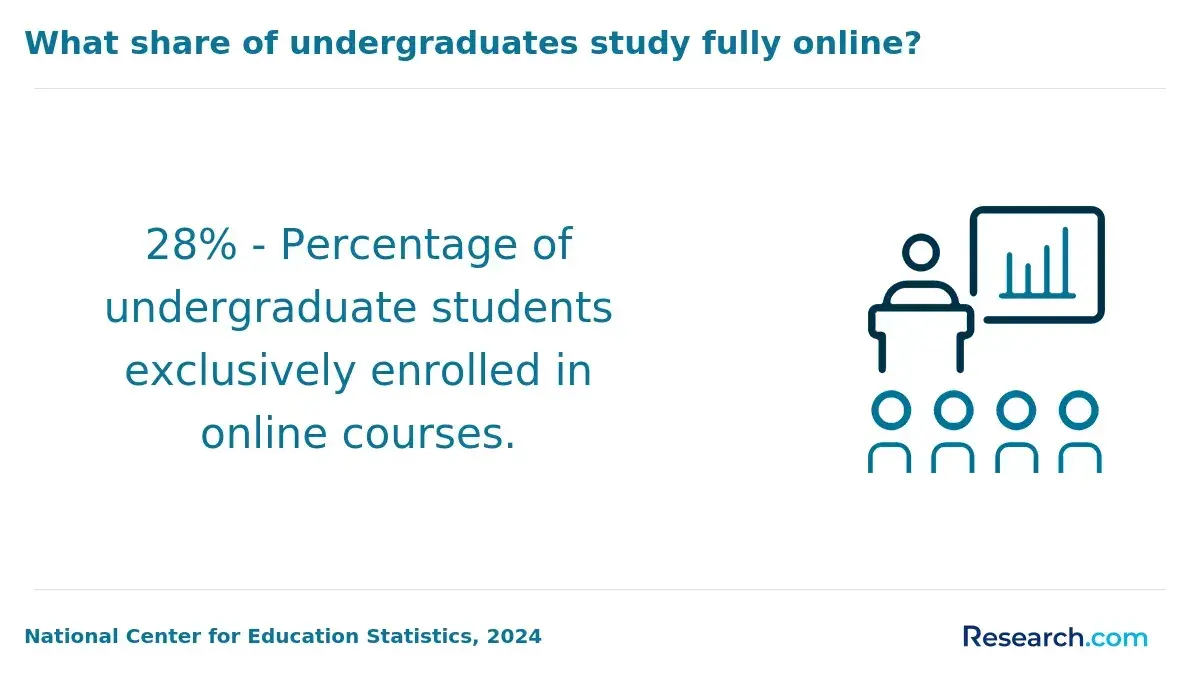
Which Educational Policy Degree Program Format Offers More Online or Hybrid Course Options?
Part-time educational policy degree programs generally provide more online and hybrid course options than full-time formats. This greater flexibility suits students balancing work and study obligations. Below are key distinctions in how each program format structures course delivery:
- Program Flexibility: Part-time tracks often include asynchronous and synchronous online classes to accommodate varied schedules, enabling students to study remotely without sacrificing work commitments.
- Student Demographics: Working professionals comprise the majority of part-time enrollments, creating demand for accessible course formats that fit around employment hours.
- Instructional Focus: Full-time programs prioritize in-person learning with fewer online sections, fostering cohort-based collaboration and face-to-face interaction.
- Institutional Scheduling: Universities typically schedule most full-time courses during daytime on-campus hours, with limited evening or weekend online alternatives.
- Educational Tailoring: Institutions customize program formats to meet distinct student needs, offering more blended and remote options in part-time settings versus traditional full-time structures.
Can Educational Policy Students Switch Between Part-Time and Full-Time Enrollment?
Most institutions permit students to switch between part-time and full-time enrollment in educational policy programs, though this often requires following specific policies and securing approval. Students usually need to be in good academic standing and must consult an academic advisor or program coordinator to ensure the change fits degree requirements and course schedules.
Before switching, it's important to consider how the change might affect financial aid qualifications, as some scholarships or loans mandate a particular enrollment status. Additionally, moving to full-time can shorten the time to graduation, while part-time may extend it. Course availability could also limit options, especially if certain required classes are only offered in one format.
There are often restrictions on how many times students can alter their enrollment status, with academic performance influencing approval. Financial aid repercussions and course scheduling challenges frequently shape the decision. Advisors typically review the request to balance student goals with program demands.
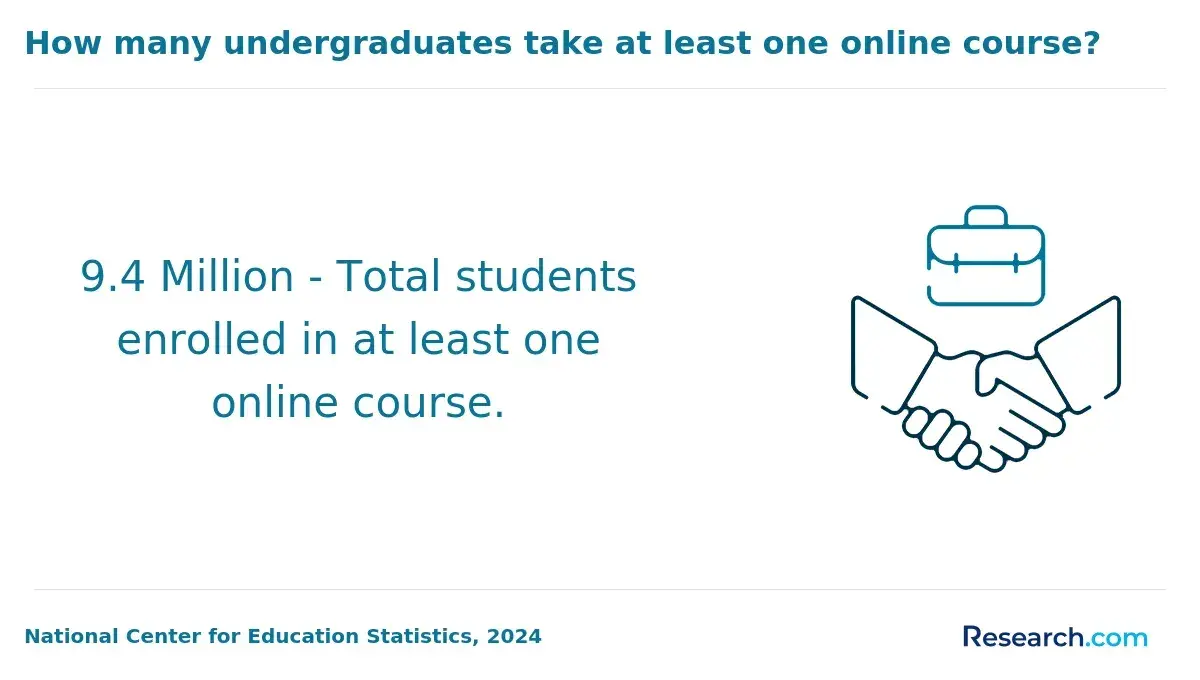
The switch can impact how quickly a student completes their degree, requiring careful planning. According to national data, nearly 40% of graduate students choose part-time enrollment, reinforcing the need for adaptable policies.
I spoke with a graduate who began in a part-time educational policy program but transitioned to full-time midway. He recalled feeling uncertain about managing the increased workload but appreciated the faster progress toward his degree.
"The initial challenge was adjusting my schedule and responsibilities," he said, "but having advisor support and clear guidelines made the process smoother." He also noted that switching allowed him to engage more deeply with coursework and campus resources, making the decision ultimately rewarding despite early concerns.
How Do Online, Hybrid, and Campus Educational Policy Program Delivery Formats Affect Part-time vs. full-time learning?
Delivery format significantly shapes the learning experience by determining the flexibility and structure suited to part-time versus full-time students. Understanding how online, hybrid, and campus options vary helps learners choose the right approach for their educational policy goals.
- Scheduling Flexibility: Online formats provide maximum scheduling flexibility, ideal for part-time learners balancing work and family. Full-time students benefit as well, but this flexibility mostly supports spreading coursework over an extended timeline, especially relevant in online vs campus educational policy programs.
- Workload Management: Hybrid educational policy degree part-time full-time programs blend online and in-person classes, offering structured schedules for full-time students with some adaptability. Part-time learners might struggle with on-campus demands but gain balance by minimizing campus visits.
- Accessibility: On-campus programs offer direct access to faculty and resources, benefiting immersive full-time study. Conversely, part-time students often face geographic or time limitations, making online delivery a preferable option that breaks down access barriers.
- Learning Pace: Full-time learners in campus or hybrid formats tend to complete degrees in 1-2 years, following accelerated paths. Part-time online students usually extend their studies to 3-5 years to accommodate personal and professional responsibilities.
- Student Support Services: Full-time on-campus students gain immediate benefits from advising, tutoring, and networking. Online and hybrid students rely more on virtual advising and peer forums, which can vary in quality but are essential for part-time learners.
Those interested in efficient options should explore fast degree programs that pay well, which often include various delivery formats suited to diverse schedules and goals.
Do Employers Prefer Full-Time Educational Policy Degrees Over Part-Time Degrees?
Employers' preferences between full-time and part-time educational policy degrees vary based on several important factors, including perceived program rigor, time management skills, and prior professional experience. Generally, full-time educational policy degrees are seen as more rigorous because of their intensive coursework and immersive learning environment, which can better prepare candidates for complex policy roles requiring sustained focus.
However, part-time students often develop strong time management abilities by balancing work, study, and personal life simultaneously, which many employers find valuable. This balance, combined with relevant work experience, means applicants from part-time programs can be equally competitive, especially when their practical expertise enhances their academic credentials. The debate over part-time vs full-time educational policy degrees job prospects often hinges on these subtleties in employer perception.
Industry-specific preferences further shape employer choices. Government agencies typically lean toward full-time graduates for entry-level analyst or research positions where intensive policy training is essential. In contrast, nonprofits and consulting firms may prefer part-time students who maintain ongoing professional involvement and have established networks.
K-12 school districts frequently emphasize practical experience linked to part-time study over program format. Recent surveys from the Education Policy Institute reflect that 60% of employers weigh professional experience as much or more than whether the degree was earned full-time or part-time. For those exploring career paths that fit their lifestyle and goals, it is useful to consider options related to top jobs for introverts as well.
Is a Part-Time or Full-Time Educational Policy Degree More Worth It for ROI?
Return on investment (ROI) plays a vital role for students deciding between part-time and full-time educational policy degree tracks. It weighs the overall expenses with the potential financial benefits, including future salary increases and career growth. Evaluating ROI involves examining tuition fees, program length, income forgone during study, and earnings after graduation.
Part-time studies typically mean lower upfront tuition and the ability to keep working, reducing immediate income loss. However, the longer duration can lead to higher cumulative costs and delayed salary improvements. Full-time programs demand greater time dedication and may require scaling back work, increasing short-term opportunity costs, but they often result in quicker advancement and higher salaries post-graduation.
- Program cost and duration: Part-time students often pay more tuition overall due to extended enrollment, while full-time students face higher short-term costs but finish faster.
- Opportunity cost: Part-time learners maintain income during study, minimizing lost wages; full-time students risk short-term income reduction by focusing fully on academics.
- Salary growth: Full-time graduates frequently experience faster, larger salary increases within two years compared to part-time peers.
- Career progression: Full-time completion supports quicker access to higher-level positions, whereas part-time may delay advancement.
How Do You Decide Between a Part-Time and Full-Time Educational Policy Degree Program?
Selecting the appropriate format for an educational policy degree program is essential to manage your academic pursuits alongside career aims and personal obligations. This choice affects how effectively you balance study, work, and other life responsibilities.
- Time availability: Full-time programs usually require a concentrated 1-2 year commitment with a demanding schedule. Part-time options spread out coursework over several years, ideal for those juggling jobs or family.
- Financial resources: Full-time students might access more scholarships but often lose income during study periods. Part-time learners can maintain employment, easing financial strain and minimizing debt.
- Career goals: Accelerated advancement favors full-time immersion. If skill development is gradual and continuous, part-time suits better.
- Learning style: Structured, immersive learning fits full-time formats, while part-time programs typically offer evening or weekend classes to accommodate various lifestyles.
- Program duration and flexibility: Full-time degrees tend to be shorter but less flexible, whereas part-time studies provide extended timelines with adaptable schedules.
What Graduates Say About Their Part-Time vs. Full-Time Educational Policy Degree
- Parker: "The full-time educational policy degree I completed offered a fast-paced, intensive environment that sharpened my analytical skills and expanded my network. While the cost was higher than I initially expected, the career opportunities and salary increase following graduation justified every dollar spent. I highly recommend this path for those ready to commit fully and advance quickly. "
- Marvin: "Opting for a part-time educational policy program allowed me to continue working while learning, which was crucial for managing costs and maintaining financial stability. The flexible schedule and focused classes made it possible to deepen my understanding without overwhelming my personal life. Reflecting on the tuition fees, I feel the program was a smart and manageable investment in my professional development. "
- Vance: "Pursuing my full-time educational policy degree was a transformative experience that balanced rigorous coursework with meaningful real-world application. Despite the average cost of attendance being significant, I found that the investment paid off quickly as I've advanced in my career, securing a leadership role in education reform. The comprehensive curriculum and supportive faculty made the expense worthwhile. "
Other Things You Should Know About Educational Policy Degrees
In 2027, most educational policy programs offer equal access to academic resources for both part-time and full-time students. Online libraries, faculty support, and research tools are generally accessible to all, although part-time students might have limited access to on-campus facilities due to scheduling constraints.
In 2027, full-time educational policy degree programs often require a larger upfront financial commitment due to higher tuition costs per semester. Part-time programs may spread costs over a longer period, sometimes resulting in higher total fees due to incremental payments and additional semesters needed to complete the degree.
In 2027, networking opportunities for part-time and full-time educational policy students vary primarily due to program structure. Full-time students often benefit from more in-person interactions and events, while part-time students might rely more on online platforms and evening events. Institutions are increasingly offering hybrid events to bridge this gap.
References
- Hybrid class vs. online: Choosing the best for your student https://www.asuprepdigital.org/blog/hybrid-class-vs-online/
- Flexible Hybrid Learning Models | Higher Education Strategy https://edutech.global/flexible-hybrid-learning-models-in-higher-education/
- Online vs. On-Campus: Which Mode of Learning Is Best for You? https://www.onlinemastersdegrees.org/student-resources/which-mode-of-learning-is-best/
- Admissions & Requirements, MEd Policy & Leadership | School of Education | American University, Washington, DC https://www.american.edu/soe/graduate/med/requirements.cfm
- Education Policy, M.S.Ed. https://www.gse.upenn.edu/academics/education-policy-msed
- Why attending college full-time is usually a better financial decision - FREOPP https://freopp.org/oppblog/should-you-attend-college-part-time-what-freopps-roi-analysis-says/
- Full-Time vs. Part-Time Education https://touchcampus.in/blog/full-time-vs-part-time-education-which-one-is-right-for-you
- Full-time, part-time, online - which study mode is right for you? https://www.studentspace.pl/en/blog/post/studia-stacjonarne-zaoczne-wieczorowe---ktory-tryb-wybrac
- Point of View: To be, or not to be, part-time in academia https://elifesciences.org/articles/106336
- Teaching and learning delivery modes in higher education: Looking back to move forward post-COVID-19 era https://pmc.ncbi.nlm.nih.gov/articles/PMC10067450/


