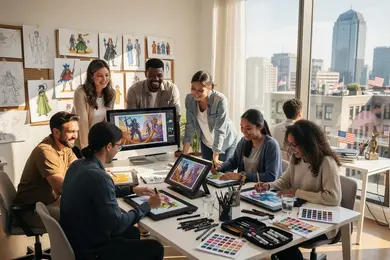
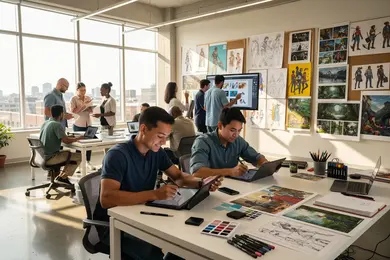
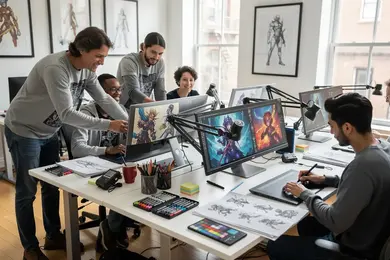
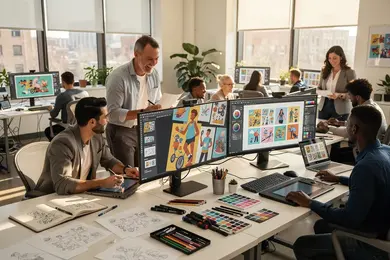
2027 Illustration Internship Requirements: Hours, Placements, and Supervision

Co-Founder and Chief Data Scientist
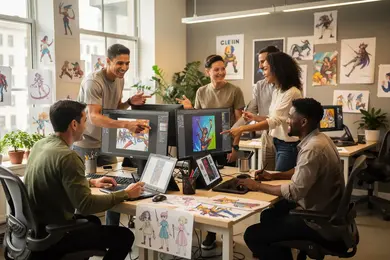
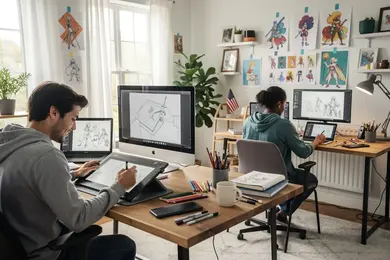
Many students entering an Illustration internship anticipate straightforward tasks but soon face complex scheduling and supervision demands. With nearly 65% of Illustration graduates reporting internships as critical to job placement, managing required hours and finding suitable placements is vital. Internships often occur in studios, publishing houses, or design agencies, where direct oversight ensures skill development while balancing creative freedom.
Understanding how programs structure these requirements helps students prepare effectively. This article explores Illustration internship hours, placement procedures, and supervision expectations to clarify what students must navigate and how to optimize their real-world learning experience.
Key Things to Know About Illustration Internship Requirements
- Internship hour requirements, often ranging from 120 to 200 hours, require careful scheduling to balance academic commitments and real-world experience.
- Placement availability varies by region and industry demand, with limited sites influencing where students can complete their internship.
- Supervision standards typically mandate qualified mentors and formal evaluations, ensuring constructive feedback and measurable learning outcomes.
Do All Illustration Degrees Require an Internship?
Internships are often integral to illustration curricula because they provide practical experience and a bridge between academic study and professional work. Approximately 65% of bachelor's degrees in illustration or related fields include an internship or practicum component as either a requirement or an elective. Several factors influence whether all illustration degrees require an internship, as outlined below.
- Program Type: Bachelor's degrees with a focus on professional development are more likely to mandate internships to help students gain industry exposure. Programs centered on theory or fine arts may offer internships as optional rather than required.
- Accreditation Expectations: Accrediting bodies encourage hands-on experiences, but regional or national standards do not always specify formal internships as a necessity within illustration degree programs.
- Specialization Tracks: Certain areas like medical or scientific illustration often require internships because of industry demands, while other specializations may allow alternative practical experiences.
- Alternative Experiential Learning: Some illustration programs permit students to fulfill experiential learning requirements through co-op placements, independent projects, or portfolio courses instead of traditional internships.
It is important for students to research their specific programs to understand internship requirements and opportunities, especially since not all illustration degrees in the US require internships. Exploring options can also align with preferences for more flexible pathways or complement the best easy degrees to get alongside illustration studies.
What Requirements Must Be Met Before Starting a Illustration Internship?
Internship programs establish prerequisites to ensure candidates possess the essential skills and knowledge to succeed professionally. According to the National Association of Colleges and Employers, 75% of providers consider academic performance a key factor when selecting interns. Below are common eligibility criteria students must meet before starting an illustration internship.
- Minimum GPA: Most programs require a minimum Grade Point Average, typically between 2.5 and 3.0, to confirm academic readiness. This standard demonstrates that students can manage professional responsibilities and complex projects.
- Completed Coursework: Candidates usually must have finished foundational classes such as drawing fundamentals, digital art techniques, or visual communication. This ensures interns bring the necessary technical skills and industry knowledge to their roles.
- Application Approval: Submission of a portfolio, resume, and occasionally letters of recommendation is often required. These materials allow coordinators to evaluate creativity, professionalism, and commitment before offering an internship placement.
- Background Checks: Some providers mandate background screening, especially when internships involve vulnerable populations. This process helps maintain a safe environment for both students and host organizations.
How Many Internship Hours Are Required for Illustration Degrees?
Internship hours are included in illustration degree programs to ensure students gain meaningful, practical experience alongside their coursework. Typically, these internships range from 100 to 300 hours, often translating to 3 or 4 academic credits. Below are some essential factors that influence the number of required internship hours in these programs.
- Credit Hour Conversion: Most programs equate one academic credit to roughly 40 to 60 internship hours. This means a course worth 3 credits usually demands between 120 and 180 hours of professional work, aligning internship participation with the broader credit system of the institution.
- Program Type: Full-time illustration programs tend to require a more concentrated internship schedule within a shorter timeframe, whereas part-time students might complete the hours over a longer period to accommodate their schedules.
- Accreditation Standards: Degree programs affiliated with art schools or accredited by professional bodies may enforce stricter hour requirements to ensure quality and compliance with industry expectations, often partnering with vetted internship providers.
- Institutional Variations: Different schools and departments set hour requirements based on curriculum design and academic policies, which can result in notable differences even between similar programs.
An illustration degree graduate recalled his internship experience as "both demanding and rewarding," describing how logging over 150 hours while balancing classes pushed his time-management skills to the limit. He noted that securing a placement aligned with his interests was "challenging yet crucial" for building his portfolio, and he appreciated that the structured hour requirements helped keep him accountable throughout the semester. The combination of hands-on work and academic rigor made the internship an invaluable part of his education.
Where Do Illustration Students Complete Internships?
Internship environments play a crucial role in shaping the practical skills of illustration students by exposing them to diverse professional settings. Over 60% of interns gain experience in private sector companies, highlighting the importance of industry variety for career readiness. The following points outline common internship placements illustrating this diversity.
- Corporate Organizations: These settings often involve marketing, publishing, and product design projects where students apply creative skills to real-world commercial challenges. Collaborating within such agencies helps students understand client expectations and workflow dynamics, including local illustration studios offering student internships.
- Government Agencies: Internship opportunities exist in cultural institutions, educational departments, and public communication offices. These experiences enable students to contribute to public-facing visual projects that promote education and community engagement.
- Nonprofit Organizations: Many nonprofits seek illustration interns to help develop outreach materials, educational content, and advocacy campaigns. This setting provides exposure to socially impactful art and builds networks within cause-driven creative work.
- Research Institutions: Focused on media or visual arts, these institutions emphasize innovative techniques and interdisciplinary collaboration. They offer environments where students can experiment and refine their artistic approaches with expert guidance.
Those interested in technical degrees related to visual arts may also consider programs offering a cheapest online computer engineering degree, blending creativity with technology to expand career opportunities.
How Are Internship Placements Assigned in Illustration Programs?
To ensure students gain meaningful professional experience, Illustration programs often establish structured placement procedures. These methods aim to align internships with student goals and industry expectations effectively. According to a 2023 industry survey, nearly 75% of Illustration students secure placements through coordinated program efforts. Below are common ways these placements are assigned:
- Faculty-Guided Matching: Academic advisors collaborate closely with students to identify internships that fit their portfolio strengths and career interests, often recommending opportunities within the program's network of partners.
- Student-Driven Applications: Some programs encourage students to independently research and apply for internships, with faculty providing feedback on applications and ensuring alignment with educational objectives.
- Centralized Placement Systems: A number of institutions operate dedicated career centers or online portals that manage available internships, matching student profiles with employers based on preferences and skills.
- Partnership-Based Assignments: Formal relationships between schools and creative organizations like agencies or publishers enable pre-arranged internships, where students are placed through established agreements.
An illustration degree student I spoke with described her placement experience as a mixture of excitement and uncertainty. She recalled how faculty guidance helped narrow down options, but she also had to proactively reach out to potential employers and tailor her portfolio for each application. "It wasn't just about getting an internship," she explained, "but finding one that genuinely connected to my artistic style and goals." She appreciated the balance between structured support and personal initiative, which ultimately made her feel prepared and confident entering the professional world.
Are Virtual or Remote Internships Available?
Remote work arrangements have become a significant feature of internship opportunities, with creative fields embracing virtual and hybrid formats more frequently. A 2023 survey by the National Association of Colleges and Employers found that over 45% of internships now incorporate some level of remote participation. This shift has notably broadened access for illustration students, removing some traditional barriers related to location and scheduling. Such changes are reshaping how internships are structured within illustration programs nationwide.
Virtual internships typically rely on tools like Slack, Zoom, Adobe Creative Cloud, and Trello to support collaboration and communication, enabling interns to engage with teams despite distance. This setup often allows for flexible scheduling, letting students work asynchronously while balancing academic and personal commitments. Remote formats also open doors to a wider variety of employers, including agencies and independent artists beyond local geographic limits. However, the availability of these opportunities strongly depends on the specific degree program and faculty preferences, with some schools favoring onsite internships to ensure direct mentoring and supervision.
Are Part-Time Internships Allowed for Working Students?
Many college students balance academics with part-time work, making traditional full-time internships difficult to manage. According to the National Association of Colleges and Employers, nearly 70% of college students hold part-time jobs. This reality has led illustration programs to develop flexible internship options to support working students. Below are key features commonly found in part-time illustration internships.
- Scheduling Flexibility: Internships often allow variable hours across weekdays or weekends. This helps students work around job commitments while gaining valuable professional experience.
- Employer Accommodations: Host organizations typically adjust deadlines and meeting times to fit part-time interns' availability, ensuring project goals remain achievable without demanding full-time presence.
- Academic Workload Balance: Programs coordinate with students to schedule internship hours that complement coursework and studio time, helping maintain steady progress in both areas.
- Program-Specific Policies: Some illustration departments require minimum weekly hours or limit consecutive off-days to preserve the educational value of the internship while still allowing flexibility.
These adaptable internship structures enable students to fulfill academic requirements and sustain employment simultaneously. By accommodating various schedules, illustration programs strive to make professional experience accessible without compromising students' financial or educational needs.
What Supervision Is Required During a Illustration Internship?
Supervision is a crucial element in illustration internship supervision guidelines, linking academic theory with practical experience and ensuring professional growth. Research shows that 87% of interns who receive consistent feedback report higher satisfaction and better learning outcomes. The following supervision components are vital to meet requirements for supervision during illustration internship programs.
- Faculty Oversight: Faculty members maintain regular communication with interns to align work tasks with educational goals. They review progress and encourage reflective learning to uphold academic standards alongside practical applications.
- Workplace Mentors: Experienced professionals provide daily guidance, sharing industry insights and helping interns navigate workplace dynamics. This mentorship fosters essential skills and professional responsibility.
- Performance Feedback: Structured and ongoing evaluations highlight strengths and opportunities for improvement. This feedback loop supports confidence-building and continuous skill development.
- Progress Monitoring: Regular meetings or digital tracking systems help supervisors objectively measure completed hours and accomplishments. This ensures internship objectives are met in a verifiable manner.
Students interested in more information about degree paths that integrate such supervisory practices might explore programs like the online construction management bachelor's degree, which exemplifies structured professional training with strong mentorship components.
How Are Illustration Internships Evaluated?
Evaluation of illustration internships is critical to ensure students gain measurable skills and insights during their placements. According to a 2021 survey by the National Association of Colleges and Employers, 79% of employers believe structured evaluation tools enhance intern engagement and learning outcomes. Below are key methods used in assessing student progress and performance in illustration internships.
- Supervisor Reviews: These provide direct feedback on an intern's technical skills, creativity, professionalism, and adherence to deadlines. Supervisors often use rating scales to assess competencies, offering valuable industry perspectives on student adaptability and real-world performance.
- Reflective Assignments: Interns submit portfolios or written reflections analyzing their learning process, challenges, and how theoretical knowledge was applied. This encourages self-assessment and deeper understanding of personal growth during the internship.
- Faculty Assessments: Academic advisors review supervisor reports and student submissions to assign grades or pass/fail outcomes, ensuring alignment with institutional standards and learning objectives within illustration internships.
- Performance Benchmarks: Programs set specific milestones or skill mastery goals to provide quantifiable targets. Tools like skills checklists or competency grids help track student progress methodically throughout the internship.
- Evaluation Criteria for Illustration Internships: Clear criteria such as technical proficiency, creativity, communication, and professionalism establish consistent assessment standards. These criteria guide both supervisors and faculty in evaluating intern development objectively.
For students seeking to complement their artistic expertise with leadership capabilities, pursuing an organizational development degree can offer valuable skills to manage projects and teams effectively within creative industries.
What Challenges Do Illustration Students Face During Internships?
Internships provide vital experience for illustration students but often come with significant demands. Research indicates that over 60% of interns report moderate to high stress levels due to workload and performance pressures. These challenges can impact students' ability to fully benefit from their internships. Below are common internship difficulties for illustration majors and some challenges faced by illustration internship students.
- Balancing Schedules: Many illustration students struggle to juggle time between demanding internship hours and their academic responsibilities, making it difficult to maintain steady progress in both areas.
- Adapting to Workplace Norms: Meeting deadlines, collaborating with team members, and adjusting to professional expectations can be overwhelming, especially when these demands differ greatly from classroom experiences.
- Financial and Transportation Strains: Unpaid or low-paid internships often require commuting, which adds costs and time burdens. These factors can create additional stress, particularly for students with limited resources.
- Managing Independence: For many students, internships are the first chance to handle professional responsibilities without constant supervision, leading to pressure in time management and self-motivation.
Despite these obstacles, internships remain essential for skill development and expanding networks. Students interested in affordable education opportunities may explore programs offered by non profit universities in USA, which often provide flexible paths aligned with illustration career goals.
What Graduates Say About Illustration Internship Requirements
- Azai: "During my illustration degree, the internship program required a solid commitment of 300 hours, which I found incredibly valuable in refining my time management skills. What stood out was how placements were tailored to match individual artistic styles, allowing me to work with a studio that truly complemented my vision. The supervised internships ensured I received constructive feedback, which has been instrumental in shaping my successful freelance career."
- Russell: "Reflecting on my internship experience in illustration, I appreciated the structured supervision throughout the placement, as it made me feel supported rather than overwhelmed. The diverse range of placements exposed me to both traditional and digital workflows, broadening my technical abilities. This combination of hands-on work and mentorship really paved the way for my transition into a full-time illustrator within a major publishing house."
- Christian: "My illustration internship was a pivotal experience; dedicating over 250 hours gave me a real sense of the professional pace expected in the industry. Being placed in a design agency allowed me to collaborate on commercial projects, which was eye-opening. The supervised nature of the internship provided clear guidance that boosted my confidence and directly influenced my successful entry into the animation field."
Other Things You Should Know About Illustration Degrees
Illustration internships are commonly offered by design studios, publishing houses, advertising agencies, and multimedia companies. Some students also find opportunities with freelance illustrators or nonprofit organizations that focus on educational or cultural projects. This variety allows interns to gain experience in different facets of the illustration industry.
Yes, many programs encourage or require interns to develop and update their professional portfolios as part of their internship experience. This process helps students document their practical work and demonstrates their skills to future employers. Portfolios often include a range of projects reflecting the intern's versatility in styles and techniques.
Illustration internships often involve collaboration with professionals from fields like graphic design, animation, and marketing. Such interdisciplinary projects help interns understand how illustration integrates with broader creative workflows. These experiences improve communication skills and provide insight into teamwork within creative industries.
In 2027, professional conduct during illustration internships includes punctuality, adhering to deadlines, clear communication, respect for company culture, and maintaining confidentiality. Interns are expected to be proactive, receptive to feedback, and demonstrate a professional approach in interactions with colleagues and clients.
References
- How to Start as an Illustrator: 6 Tips and Insights – The AOI https://theaoi.com/news/how-to-start-as-an-illustrator
- Remote Art Internships | The Intern Group https://theinterngroup.com/featured-roles/remote-art-internships/
- What careers can you do with an Illustration degree? | University for the Creative Arts https://www.uca.ac.uk/blogs/careers-with-an-illustration-degree/
- How to get a design internship and turn it into a job – without a degree https://biglemon.co.uk/blog/how-to-get-a-design-internship-and-turn-it-into-a-job-without-a-degree/
- Design Internship - Candlewick Press https://www.candlewick.com/careers/design-internship/
- Top 5 Internship Challenges and How to Tackle Them https://resources.twc.edu/articles/top-5-internship-challenges-and-how-to-tackle-them
- How to Become an Illustrator: A Complete Guide | Sessions College https://www.sessions.edu/notes-on-design/how-to-become-an-illustrator-a-complete-guide/
- Research on the Challenges and Countermeasures of Post Practice for Students Majoring in Design https://drpress.org/ojs/index.php/hiaad/article/view/20571
- Art, Graphics, and Animation Internships in Poland | YGI https://youllgetit.eu/internships
- Digital Arts Internships Abroad - Animation & 3D Modeling https://www.ceastudyabroad.com/job-description/visual-arts