
2027 Intelligence Degree vs. Certificate: Which Should You Choose?

Co-Founder and Chief Data Scientist
Students and professionals today face crucial choices when deciding between pursuing an intelligence degree or a certificate. Both credentials can significantly advance careers in intelligence analysis, security, and related fields. However, they differ in time commitment, depth of study, and career applicability. For example, a degree typically offers more comprehensive knowledge, while certificates provide focused, practical skills.
Understanding these differences is vital as the U.S. intelligence community increasingly values specialized training. Certificates may suit those seeking quick entry or upskilling, whereas degrees often align with long-term career development. This article explores key factors to help you decide which path best fits your professional goals and lifestyle.
Key Points About Intelligence Degree vs. Certificate Programs
- Degree programs offer comprehensive knowledge and critical thinking skills, often leading to higher average salaries-up to 30% more than certificate holders according to recent intelligence workforce data.
- Certificate programs focus on specialized skills with shorter completion times, enabling quicker entry or advancement in specific intelligence roles without extensive academic commitment.
- Degrees provide broader professional growth opportunities and eligibility for advanced positions, while certificates enhance targeted technical abilities valuable for rapid skill updates or niche expertise.
What Are the Differences Between Intelligence Degree and Certificate Programs?
Both intelligence degree programs and certificate courses offer valuable career pathways, yet they differ in several critical aspects. Understanding these differences can help prospective students determine which educational approach aligns best with their career goals and available time for study.
Below are key distinctions between intelligence degrees and certificate programs to consider:
- Depth of Learning: Intelligence degrees cover comprehensive, in-depth theories and concepts, ideal for those seeking a broad and deep understanding of the field. Certificates focus on specific skills and practical applications, suiting learners aiming for quick skill acquisition.
- Time Commitment: Degrees generally require a longer time investment, often spanning multiple years, which benefits students desiring extensive training. Certificates are shorter, designed for professionals seeking to boost their expertise rapidly.
- Career Advancement: Degree holders may access a wider range of roles and leadership positions due to their extensive education. Certificates often enhance current job performance or facilitate transitions to specialized roles without the commitment of a full degree.
- Cost and Accessibility: Certificates usually demand lower financial and time resources, making them more accessible. Degrees involve greater investment but provide a more substantial academic credential.
- Learning Style: Degree programs frequently involve theory, research, and critical analysis, benefiting those who enjoy academic study. Certificates emphasize hands-on training and immediate application, appealing to practical learners.
How Long Does It Take to Complete a Intelligence Degree vs. a Certificate Program?
Completion time is a crucial factor for students deciding between an intelligence degree vs. certificate. Understanding how long each program typically takes helps prospective learners match their education goals with their available time and career plans.
- Typical Duration: A bachelor's intelligence degree program duration in the US commonly takes about four years of full-time study. Master's degrees add one to two years, though some accelerated options shorten this to 12-18 months. In contrast, how long to finish an intelligence certificate program is generally much quicker, often between three to six months and rarely more than one year.
- Flexibility: Certificate programs usually offer highly flexible, part-time, or online study options, making them ideal for working professionals seeking rapid skill acquisition. Degrees demand a more structured schedule with consistent time commitments, which may extend completion times for those unable to study full time.
- Factors Affecting Timeline: Program structure, such as accelerated or intensive formats, prior experience, transfer credits, and mode of study impact completion times for both certificates and degrees. Online and part-time formats increase flexibility but may lead to longer durations, particularly for degree programs.
Ultimately, those prioritizing a quick entry into the workforce may explore 6 month online courses that pay well which are common among certificate programs. Meanwhile, degrees provide a more comprehensive education foundation for broader career opportunities, despite requiring a longer time commitment.
Can You Complete a Intelligence Degree or Certificate Entirely Online?
Online education has rapidly expanded, offering greater flexibility for students interested in intelligence careers. Many U.S. universities now offer intelligence degrees and certificates entirely online, including bachelor's and master's programs from institutions such as the University of New Hampshire, American Military University, Liberty University, Michigan State University, and the University of Maryland Global Campus.
These online intelligence degree programs deliver coursework through web-based platforms, enabling students to complete lectures, assignments, and discussions remotely. Although most programs promote a "100% online" format, some may include optional or required hybrid elements like in-person simulations or short campus residencies; it is important to review each program's details before enrolling.
For those wondering what's the easiest degree to get online, intelligence certificates often provide a more flexible path to earn an intelligence certificate online without lengthy on-campus commitments.
When choosing between an online intelligence degree or certificate, consider experiential learning requirements such as hands-on training, internships, or capstone projects that build practical skills for intelligence analysis or law enforcement. For instance, Michigan State University's online master's in law enforcement intelligence and analysis encourages internships for networking and real-world experience despite offering fully online coursework.
If licensure or specialized fieldwork support is needed, check whether in-person participation is mandatory. Selecting a fully online curriculum provides maximum flexibility, while hybrid programs may better suit those who prioritize direct professional connections or hands-on learning opportunities.
What Are the Admission Requirements for a Intelligence Degree vs. a Certificate Program?
Admission requirements are a key factor in evaluating your eligibility and preparedness for either an intelligence degree or certificate program. They help determine which option aligns best with your academic background, career objectives, and timeline.
Below is a side-by-side comparison of what to expect when applying to degree and certificate programs in intelligence.
Admission Requirements for Intelligence Degree Programs
- Educational Background: Most intelligence degree programs require a bachelor's degree from an accredited college or university, often in related fields such as political science, international relations, or STEM disciplines.
- GPA Minimum: Applicants typically need a minimum undergraduate GPA between 2.5 and 3.0, depending on the institution. For instance, the National Intelligence University requires a 2.5 GPA, while others may require 2.7 or 3.0.
- Transcripts: Submission of official transcripts from all previously attended institutions is standard to verify degree completion and academic standing.
- Security Clearance: Certain specialized programs connected to federal agencies require an active Top Secret/Sensitive Compartmented Information (TS/SCI) security clearance at application.
- Letters of Recommendation: Typically, two to three letters are required, preferably from academic faculty or professional supervisors for applicants who have been out of school for some time.
- Statement of Purpose: Applicants often must submit a statement detailing their educational and career goals and demonstrating readiness for graduate-level study.
Admission Requirements for Intelligence Certificate Programs
- Educational Background: Many certificate programs require at least a bachelor's degree, though some accept relevant work experience or prior coursework in place of a completed degree.
- GPA Minimum: These programs are generally more flexible but competitive certificates often expect a minimum GPA around 3.0, reviewing the applicant's full academic record instead of strict cutoffs.
- Professional Experience: Some certificate offerings favor or mandate related work experience, especially for advanced or post-baccalaureate tracks, which can substitute certain academic prerequisites.
- Transcripts: Official transcripts are typically requested to verify educational attainment and prior coursework.
- English Proficiency: International applicants may need to submit proof of English proficiency, such as TOEFL scores, to meet program requirements in the U.S.
Admission requirements for intelligence degrees tend to be more rigorous and comprehensive, reflecting the depth and duration of these programs. In contrast, certificate programs offer streamlined admission processes, appealing to professionals seeking rapid skills development.
For those exploring accelerated options, consider exploring fast paced master's degree programs that may align with your goals.
How Many Credits Do You Need to Complete a Intelligence Degree vs. a Certificate?
Knowing the credit requirements for intelligence degree and certificate programs is essential for planning how long your studies will take and how much coursework you'll handle each term. Understanding these distinctions helps students map out their academic and career goals effectively.
Here's a direct comparison of what to expect in terms of credit commitments:
- Intelligence degree credits: Typically range from 60 to 120 credits, depending on the level and institution. For example, associate degrees usually require around 60 credits, while bachelor's degrees can demand up to 120 credits or more, especially for specialized programs that may also include prior credit prerequisites.
- Intelligence certificate credits: Much lighter in workload, certificates generally involve 12 to 18 credit hours. These programs focus on concentrated learning and can normally be completed within a semester or two, providing a quicker path to gaining relevant skills.
What Is the Average Tuition for a Intelligence Degree vs. a Certificate?
Tuition costs play a critical role in deciding between pursuing an intelligence degree or a certificate, as they influence affordability, financial planning, and the return on investment for future career advancement. Comparing the average tuition cost for intelligence degree programs versus certificate options provides clarity for students to align education choices with their budgets and goals.
Below is a breakdown of average tuition ranges for intelligence degree programs compared to intelligence certificate programs, highlighting key considerations for prospective students.
Average Tuition for Intelligence Degree Programs
- Tuition Range: Master's degrees in intelligence or related fields typically range from $13,490 to $28,710 for the entire program, depending on the institution and program type.
- Public vs. Private Schools: Public universities generally offer lower tuition rates compared to private or highly ranked research universities, with some public programs costing less than $18,000 annually while private institutions can charge upward of $28,000.
- Online vs. On-Campus: Online master's degrees often come with reduced tuition and fees, making them more affordable; some online programs cost as low as $7,395 compared to on-campus degrees exceeding $25,000.
- Program Length: Most degree programs require about 30 credit hours and take 1-2 years to complete; longer enrollment or extra fees may increase total costs.
- Additional Costs: Expenses beyond tuition-such as university fees, health insurance, textbooks, and travel-can add several thousand dollars annually.
Average Tuition for Intelligence Certificate Programs
- Tuition Range: Graduate certificates in intelligence generally cost between $8,400 and $9,000 for the full program, making them a more affordable option.
- Program Length: Certificate programs usually involve 9-12 credit hours and can be completed within months to a year, lowering overall tuition and related expenses.
- Online vs. On-Campus: Most certificate programs are available online, which helps reduce additional costs such as housing and commuting.
- Public vs. Private Schools: Tuition is more consistent across institution types due to shorter durations and fewer credits required.
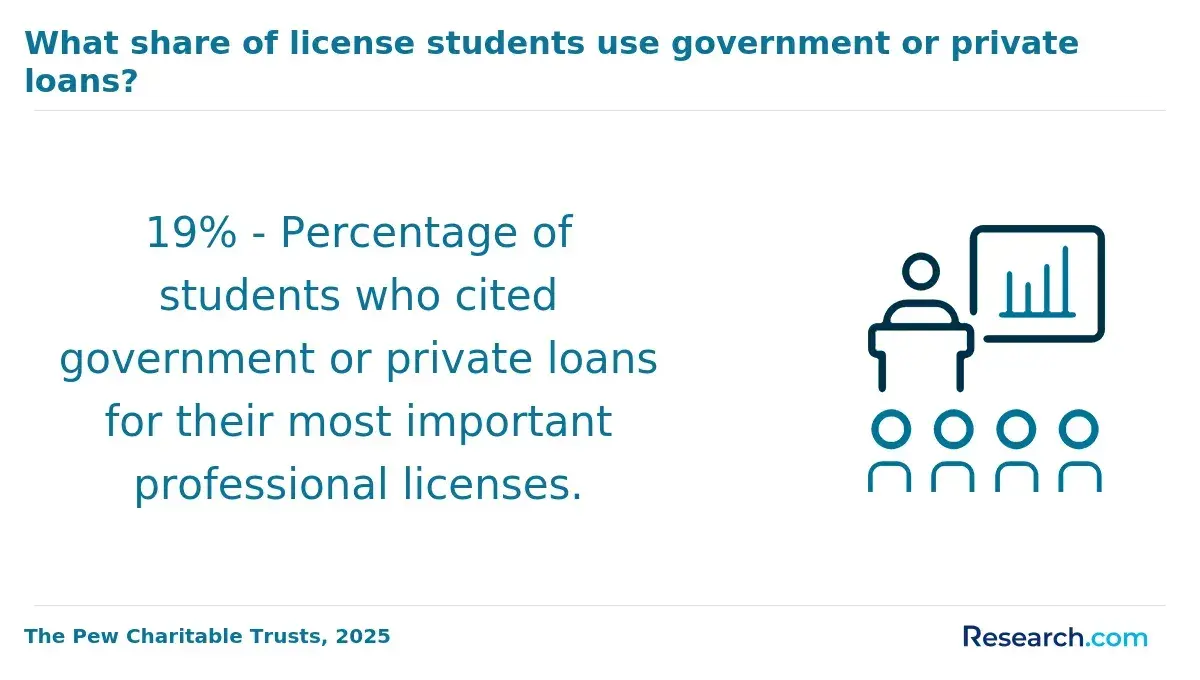
- Financial Aid: Students pursuing certificates may have limited scholarship and loan options compared to degree candidates, affecting out-of-pocket costs.
For those interested in expedited paths to advanced credentials, some students explore options like the 1 year online doctorate. Understanding these financial differences is key as you weigh the intelligence certificate program tuition comparison against investment in a full degree.
Can You Transfer Certificate Credits Toward a Intelligence Degree Later On?
Transferring credits earned from an intelligence certificate program toward an intelligence degree is often possible, but it depends on several factors. Transferability varies according to institutional policies, with schools typically allowing between 6 to 18 credits to count toward graduate degrees. Accreditation also plays a significant role, as credits from regionally accredited institutions are more readily accepted. Additionally, only courses that align closely in content and academic level with the degree requirements are usually eligible for transfer.
Key considerations include limits on the number of transferable credits and minimum grade requirements, often a B or higher, that must be met for acceptance. Since each university sets its own rules, confirmation of credit transfer policies before enrollment is essential to avoid unexpected issues. Students should actively verify these details to maximize their educational investment and ensure a smooth transition from certificate to degree programs.
Are Certificate Programs Accredited the Same Way as Intelligence Degrees?
Certificate programs in intelligence are not accredited in the same manner as intelligence degree programs. Degree programs-like bachelor's or master's degrees in intelligence studies-are typically accredited by established regional or national agencies that evaluate the overall quality of higher education institutions in the US. This comprehensive accreditation examines curriculum, faculty credentials, and resources, and is essential for federal financial aid eligibility and credit transfers.
Conversely, intelligence certificate programs tend to be shorter and more specialized, and while many offered through accredited colleges benefit from their institution's status, some standalone or online certificates may lack formal accreditation or be reviewed by different standards.
Accreditation plays a vital role in confirming academic rigor and program credibility. It increases the likelihood that credits earned can be applied toward degree programs and that credentials will be recognized by employers and professional networks. When choosing a program, students should verify that the institution holds recognized regional or national accreditation and check for any industry-specific accreditations relevant to intelligence or security fields.
Evaluating credit transferability and institutional reputation is also important. Always ensure enrollment in programs accredited by reputable agencies to safeguard your educational investment.
What Jobs Can You Get with a Intelligence Degree vs. a Certificate?
Both intelligence degrees and certificates can open career doors, but they often prepare graduates for different roles and levels of responsibility. Understanding the distinctions between the two can help you choose the best path based on your career goals and desired work setting.
Below is a comparison of potential jobs associated with each credential.
Jobs You Can Get with an Intelligence Degree
- Intelligence analyst (mid-to-senior level): Analyzes complex information to support national security and law enforcement decisions, usually within federal agencies or private intelligence firms.
- Intelligence officer: Oversees intelligence operations, managing collection and analysis efforts in agencies like the CIA or FBI.
- Policy analyst: Evaluates and develops strategies related to national security policies, often working for government or think tanks.
- Team lead or manager: Directs teams within intelligence units, coordinating projects and guiding junior staff.
- Cyber intelligence specialist: Focuses on digital threats and cybersecurity, protecting networks and gathering intelligence in both public and private sectors.
- Strategic intelligence planner: Develops long-term intelligence strategies to address emerging threats, typically employed by defense agencies.
Jobs You Can Get with an Intelligence Certificate
- Intelligence analyst (entry-level): Gathers and evaluates data to support investigations and security efforts, often in local or state agencies.
- Intelligence support specialist: Provides operational and technical assistance to intelligence teams, helping analyze data and maintain information systems.
- Law enforcement intelligence support: Assists police or border patrol units by collecting and organizing intelligence relevant to crime prevention and security.
- Security screener or TSA agent: Conducts security checks at transportation hubs, focusing on safety and threat identification.
- Data analyst in intelligence settings: Processes and interprets intelligence data to aid decision-makers in government or private organizations.
What Is the Average Starting Salary for a Certificate vs. Intelligence Degree Graduates?
Salary potential often varies significantly between graduates holding an intelligence-related certificate and those with a bachelor's degree in intelligence or cybersecurity. Understanding these differences is essential when considering career and educational choices in this field.
Here is a side-by-side overview highlighting key salary ranges and factors affecting the average starting salary with an intelligence degree compared to certificate holders:
- Typical Salary Range: Certificate recipients generally start with salaries between $50,000 and $70,000 annually, reflecting entry-level positions such as network security analyst, IT support technician, or security operations center (SOC) analyst.
- Average Starting Salary with an Intelligence Degree: Degree holders often command higher starting pay ranging from $70,000 to $90,000 per year, qualifying for more advanced roles like information security analyst or intelligence analyst.
- Relevant Experience: Prior work in IT or intelligence fields can increase starting offers for both certificate and degree graduates, improving competitiveness in the job market.
- Industry Sector: Those entering defense, government, or high-tech sectors usually see higher initial offers due to specialized needs and budgets.
- Location Influence: Urban centers and technology hubs offer greater compensation than rural areas, impacting overall salary potential.
- Specialized Skills and Additional Certifications: These enhance earning possibilities, especially for certificate holders aiming to narrow the certificate vs degree salary comparison in the US.
- Career Outlook: Degree graduates tend to advance more quickly to senior roles with significantly higher pay over time, while certificate holders often begin in foundational roles with room for growth.
For more information on career options related to trade school credentials, including intelligence certificates, see what are all the trade school jobs.
Here's What Graduates of Intelligence Programs Say About Their Degree or Certificate
- Jireh: "Choosing the intelligence certificate program was the perfect fit for me since it offered a faster pace and more targeted learning experience compared to a full degree. The cost was much more manageable, and it still opened doors for career advancements I hadn't expected so soon. It's ideal if you want specialized skills without the long-term commitment."
- Henrik: "Pursuing a degree in intelligence was a transformative journey that provided a deep, comprehensive understanding over several years. While it required a significant financial and time investment, the broad skill set I gained has been invaluable in developing a sustainable career path. Reflecting on it, the degree's depth and credibility offered me more opportunities than the certificate alone could have."
- Silas: "Having completed both the intelligence certificate and degree programs, I realize how different each serves distinct needs. The certificate was swift and cost-effective for immediate skill development, whereas the degree offered a much richer, in-depth education that was crucial for my long-term professional growth. Balancing cost, time, and career goals was key to deciding how to approach each program."
Other Things You Should Know About Intelligence Degrees
Generally, intelligence degree programs tend to be more widely recognized by employers due to their comprehensive curriculum and formal accreditation. Degrees often signal a deeper level of academic achievement and skill development, which can be crucial for advanced or specialized roles. However, in some cases, certificate programs with strong industry ties or offered by reputable organizations also hold significant value, particularly for targeted skills or continuing education.
In 2027, practitioners often prefer certificates for quick skill enhancement, as they offer practical, field-specific knowledge with less time commitment. However, degrees provide a comprehensive education that is often favored for long-term career advancement and deeper theoretical understanding.
References
- Post-Baccalaureate Certificate in Intelligence Studies https://www.augusta.edu/programs/catalog/post-baccalaureate-certificate-intelligence-studies
- AI Certificate vs. Degree: Which One Is Right for You - IABAC https://iabac.org/blog/ai-certificate-vs-degree-which-one-is-right-for-you
- Academics https://www.mdc.edu/intelligence-studies/
- Graduate Certificate in Intelligence Studies – Earn an Intelligence Studies Degree or Certificate at UT San Antonio https://future.utsa.edu/programs/certificate/intelligence-studies/
- IAFIE Certification Program https://www.iafie.org/iafie_certification_program.php
- Tuition & Fees - BUSINESS INTELLIGENCE AND ANALYTICS GRADUATE CERTIFICATE https://www.pdx.edu/business/grad-cert-business-intelligence-analytics-tuition-fees
- Artificial Intelligence Certificate Programs - MastersInAI.org https://www.mastersinai.org/degrees/ai-certificate-programs/
- Certification vs Accreditation: What’s the Difference? https://amtivo.com/uk/resources/insights/certification-vs-accreditation-whats-the-difference/
- How are professional certificates different from degrees? - edX.org https://www.edx.org/resources/how-are-professional-certificates-different-from-degrees
- IT Certifications vs. Degree: Which Is Right for You? https://www.coursera.org/articles/it-certifications-vs-degree


