
2027 Is a 2-Year Addiction Psychology Degree Worth It: Accelerated Bachelor's ROI & Time Trade-Offs

Co-Founder and Chief Data Scientist
Many prospective students struggle to decide if a 2-year accelerated addiction psychology degree justifies the rapid time commitment amid competing financial and career demands. According to the Bureau of Labor Statistics, employment for substance abuse, behavioral disorder, and mental health counselors is projected to grow 22% from 2022 to 2032, faster than average.
This growth fuels demand for qualified professionals but raises questions about educational pathways that deliver swift entry without compromising quality. This article examines the accelerated bachelor's ROI and time trade-offs, guiding readers to assess if this condensed program supports their long-term career and financial objectives effectively.
Key Benefits of a 2-Year Addiction Psychology Degree
- Accelerated 2-year addiction psychology degrees reduce time-to-degree by half, enabling faster entry into the workforce and earlier income generation compared to traditional 4-year programs.
- The degree offers strong ROI, with addiction counselors earning a median annual salary of approximately $47,660, supporting manageable tuition investment recovery within a few years.
- Shorter program duration decreases opportunity costs and student loan debt burden, enhancing long-term career flexibility and financial stability in addiction psychology roles.
How do 2-year addiction psychology programs work?
Two-year addiction psychology degree programs offer an accelerated path to earning a bachelor's degree, appealing to those seeking faster entry into the mental health field. Understanding the structure of these accelerated addiction psychology bachelor's programs is crucial for prospective students balancing time commitment, workload, and career goals. Below is an overview of how these programs typically operate.
- Accelerated pacing and year-round enrollment: These programs run continuously throughout the year with multiple start dates, allowing students to progress faster than traditional semester schedules.
- Condensed course terms: Each term lasts roughly 8 to 12 weeks, significantly shorter than the typical 15-week semesters, increasing the intensity of coursework.
- Credit load expectations: To complete degrees within two years, students often carry heavier credit loads per term, usually ranging from 12 to 18 credits, compared to standard programs.
- Instructional format: Course delivery often blends synchronous and asynchronous online classes with in-person or hybrid options, supporting flexible learning for working adults.
- Assessment methods: Evaluation includes exams, research projects, case studies, and practical assignments to ensure applied understanding in addiction psychology.
- Curriculum progression: Students focus on core areas like behavioral science, counseling techniques, substance abuse treatment, and ethics, managing clinical training alongside coursework.
The 2 year addiction psychology degree structure requires efficient time management but can lead to earlier workforce entry. For students comparing fields, employment growth in substance abuse and mental health counseling is projected at 13% from 2022 to 2032, demonstrating strong demand.
Those interested in similar accelerated health-related paths might explore opportunities in an online pharmacy school, which also offers flexible scheduling.
What are the admission requirements for a 2-year addiction psychology degree?
Choosing an accelerated bachelor's in addiction psychology requires careful attention to admission requirements to ensure candidates are well prepared for the program rigor and can benefit from its time and cost advantages. Understanding these criteria helps prospective students gauge their eligibility and readiness before applying. Below is a breakdown of typical admissions factors for a 2-year addiction psychology degree admission requirements.
- Prior education: A high school diploma or its equivalent is the fundamental eligibility requirement. This baseline ensures all students possess the minimum academic foundation necessary for higher education in addiction psychology.
- GPA expectations: Many programs look for a minimum GPA around 2.5 to 3.0 on a 4.0 scale, reflecting satisfactory academic achievement. Meeting or exceeding this threshold demonstrates the applicant's capability to handle college-level coursework.
- Standardized testing: Tests such as the SAT or ACT are increasingly optional but may still be required by some institutions, especially for accelerated tracks. These scores can support the application by evidencing academic skills in key areas.
- Prerequisite courses: Coursework in introductory psychology, biology, or statistics is often expected. These classes provide foundational knowledge that supports success in specialized addiction psychology studies.
- Experience and recommendations: Relevant work or volunteer experience in behavioral health or counseling can strengthen an application, particularly for selective programs. Letters of recommendation and a statement of purpose outlining motivation and career goals are generally requested.
Compared to traditional four-year degrees, accelerated options can save six months to one year, supporting faster workforce entry in a field with expected job growth of 12% through 2032 per the U.S. Bureau of Labor Statistics. Prospective students should balance admissions eligibility, time savings, and financial costs to evaluate their return on investment.
For those also considering allied health fields, a certified medical assistant program might offer an alternative accelerated career path.
What does a typical week look like in a 2-year addiction psychology program?
Knowing the weekly demands of an accelerated addiction psychology program helps prospective students gauge if they can manage the fast-paced environment while maintaining work-life balance. This clarity ensures they enter prepared for the intensity without compromising their goals. Below is a detailed look at the typical components shaping each week.
- Class sessions and lectures: Students participate in several weekly lessons that blend in-person and online formats. The content focuses on addiction theories, treatment models, and ethical practices, delivered in condensed, focused time slots to fit the accelerated schedule.
- Assignments and assessments: Frequent evaluations such as quizzes, essays, and case analyses reinforce understanding regularly. These tasks often demand applying academic concepts to realistic situations, requiring prompt and consistent effort.
- Group collaboration: Team projects are integral, emphasizing peer communication and joint problem-solving. This replicates professional scenarios where cooperation is essential for success.
- Independent study: Outside of class, students dedicate several hours daily to reading, researching, and completing assignments. This self-driven study is vital for keeping pace and mastering complex material efficiently.
- Instructor support: Faculty maintain open lines via office hours and online discussions, providing timely feedback and assistance. This interaction helps students stay on track despite the demanding timeline.
- Time management and self-discipline: The accelerated nature places heavy emphasis on organization and prioritization. Students must navigate personal and academic commitments carefully to succeed.
When asked about his experience, a professional who finished a two-year accelerated bachelor's in addiction psychology described the weeks as intense yet rewarding. He recalled the constant balancing act between deadlines and real-life responsibilities, saying, "It felt like every day was a race to stay ahead, but that pressure taught me discipline I hadn't developed before."
He also noted the value of leaning on peers during group projects, which "turned stressful moments into shared challenges." Reflecting on the workload, he admitted it tested his limits but ultimately accelerated his readiness for a career in the field.
Are 2-year addiction psychology programs available online?
Choosing the right delivery format is crucial for students pursuing an accelerated addiction psychology degree, as it impacts flexibility, accessibility, and how well they manage their time. The variety of online options can accommodate different schedules and learning preferences, making it easier to complete the program efficiently. Below is an overview of key aspects affecting online two-year programs.
- Fully online vs. hybrid formats: Fully online programs offer the convenience of accessing coursework anytime, ideal for busy adults. Hybrid models blend online learning with occasional in-person sessions, providing more direct interaction but requiring some campus attendance.
- Asynchronous and synchronous learning: Asynchronous courses allow students to study at their own pace within deadlines, offering flexibility. Synchronous classes have scheduled sessions that create structured learning environments and real-time engagement.
- Technology requirements: A stable internet connection and a capable computer are essential to navigate learning platforms and video conferencing tools smoothly.
- Student support services: Access to academic advising, tutoring, and technical assistance helps students stay engaged and succeed in accelerated programs.
- Impact on pacing and engagement: Online two-year degrees typically move faster than traditional programs, saving time while maintaining academic rigor. The combination of technology and support aims to keep students motivated throughout the accelerated coursework.
How much does a 2-year addiction psychology degree cost?
Evaluating the total cost of a 2-year addiction psychology degree is essential to determine its return on investment, especially given the accelerated nature of these programs. While completing the degree faster often means entering the workforce sooner, understanding the detailed cost breakdown helps students gauge if the shorter timeline justifies expenses. Below is an overview of key financial considerations involved.
- Tuition structure: Tuition for accelerated addiction psychology programs may be charged per credit hour or as a flat rate per term. This flexibility can sometimes result in competitive pricing compared to traditional 4-year degrees, but costs vary widely depending on the institution's billing policies.
- Mandatory fees: Programs often include fees covering student services, technology, or lab access. Accelerated degree schedules with intensive session formats can sometimes increase these fees slightly due to the fast-paced curriculum.
- Textbooks and learning materials: Textbook and supply expenses generally remain consistent regardless of program length; however, some accelerated courses may require multiple simultaneous classes or specialized digital resources that influence costs. This factor relates to the overall tuition and fees for accelerated addiction psychology program budgeting.
- Technology or lab costs: Many accelerated addiction psychology programs incorporate online components that may require software purchases or access to remote learning platforms, adding to the total cost.
- Opportunity and living cost savings: Completing the degree more quickly reduces living expenses and opportunity costs by enabling earlier workforce entry. This shorter timeline often translates to significant savings in tuition and fees compared to traditional programs.
Prospective students can also explore affordable options such as the cheapest medical coding certification online, which illustrates how focused programs can balance cost and efficiency for career advancement.
Can you get financial aid for 2-year addiction psychology programs?
Financial aid is a crucial factor for many students considering an accelerated addiction psychology program, as managing costs within a shorter timeframe presents unique challenges. Understanding the types of aid available and how accelerated pacing influences eligibility and distribution can help students make informed decisions about financing their education.
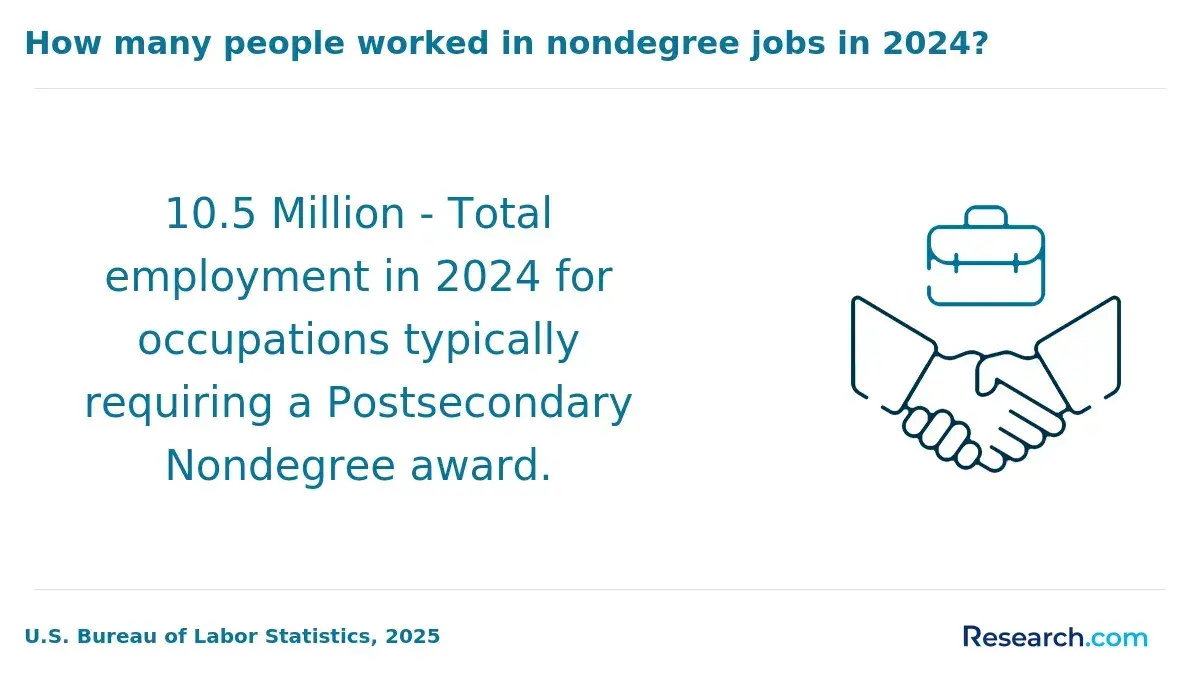
- Federal student aid eligibility: Federal aid options like Pell Grants and subsidized loans are accessible if the program is accredited and meets federal requirements. Enrollment status is key, and although accelerated programs may differ in credit hour calculation, students generally remain eligible.
- Scholarships and grants: Various private organizations and professional bodies offer need- and merit-based awards that addiction psychology students may qualify for. These funds supplement federal aid and can ease financial burdens without requiring repayment.
- Employer tuition assistance: Working students often benefit from employer-sponsored education benefits, especially when their studies align with job responsibilities. This support can offset expenses while allowing flexibility in balancing work and study.
- Impact of accelerated pacing: Compressing coursework into two years might shift financial aid disbursement schedules or affect eligibility calculations based on credit hours per term. However, this usually doesn't eliminate aid eligibility but requires careful planning.
- Flexible payment plans: Some institutions offer installment options that spread tuition over the shortened program length, making payments more manageable despite the condensed format.
When I asked a professional who completed an accelerated bachelor's degree in addiction psychology about her experience with financial aid, she shared how important it was to stay organized and proactive. "Navigating the payment schedules was tricky because my classes moved so quickly," she said, "but applying for multiple scholarships helped a lot." She also noted her employer's tuition reimbursement was a key factor in completing the degree faster than usual, alleviating much of the financial strain.
Reflecting on the process, she emphasized, "It took persistence to track deadlines and ensure every financial aid option was maximized, but it was absolutely worth it to finish in two years with less debt." Her story highlights that while financing an accelerated addiction psychology degree can be complex, with the right resources and planning, students can successfully manage the costs involved.
What jobs can you get with a 2-year addiction psychology degree?
Evaluating the career outcomes of an accelerated addiction psychology bachelor's degree is crucial for anyone considering this educational path. Knowing the types of jobs available after graduation helps assess the degree's value and align it with personal career goals. Below is an overview of typical positions and fields accessible to graduates, highlighting the practical preparation gained through this program.
- Addiction Counselor: Graduates frequently start as addiction counselors, assisting individuals coping with substance use disorders. This role involves supporting treatment plans and monitoring client progress under licensed professionals' supervision.
- Behavioral Health Technician: Many find work as behavioral health technicians in outpatient or residential facilities. These professionals provide direct care, facilitate sessions, and help implement behavioral interventions.
- Case Management Assistant: In this position, graduates coordinate services and resources for clients, ensuring they receive comprehensive support that spans health, housing, and employment.
- Rehabilitation Specialist: Rehabilitation specialists focus on helping clients rebuild life skills and manage recovery challenges, often working in community health settings or nonprofit organizations.
The accelerated nature of the addiction psychology program reduces the traditional four-year timeline by roughly half, allowing students to enter these roles more quickly. This fast-tracked education emphasizes essential skills including client communication, crisis intervention, and behavioral assessment, which are valuable in several care environments.
While many positions are entry-level, additional licensure or certification may be required for advancement, such as becoming a Licensed Addiction Counselor. The foundational knowledge also supports further graduate study in counseling or social work. Career opportunities after an accelerated addiction psychology program are expanding, a trend supported by an 8% projected growth for substance abuse counselors between 2022 and 2032.
Those interested in related healthcare degrees may also explore options like the cheapest online healthcare administration degree, which offers another pathway to roles within health service administration.
Jobs with a 2-year addiction psychology degree consistently appear in outpatient treatment centers, residential rehabilitation facilities, and community organizations, making this credential a practical choice for entering the behavioral health workforce promptly.
How do salaries compare for a 2-year addiction psychology degree vs. traditional bachelor's degrees?
Salary outcomes are a crucial factor when evaluating the return on investment (ROI) of accelerated versus traditional degree paths. For students considering whether to pursue a 2-year addiction psychology degree or a traditional bachelor's, understanding how these choices impact early and long-term earnings can guide career decisions. The following comparison highlights key differences in salary and career trajectories for these educational paths.
- Early-career earnings: Graduates with a 2-year addiction psychology degree typically earn median annual salaries between $46,000 and $50,000, according to the U.S. Bureau of Labor Statistics (BLS). This contrasts with bachelor's degree holders who often start with salaries around $63,000, reflecting deeper education and training.
- Long-term earning potential: While accelerated programs enable faster entry into the workforce, those with bachelor's degrees generally have greater earning growth over time. Advancing into supervisory or clinical roles usually requires higher credentials, which increases long-term salary prospects.
- Employer perception and career progression: Employers often favor candidates with traditional bachelor's degrees for advanced or clinical positions, as these roles demand comprehensive training. However, accelerated degrees reduce schooling costs and debt, offering quicker career initiation that can appeal to many job seekers.
- Time saved and impact on lifetime earnings: Completing a 2-year program can save one to two years compared to traditional paths, potentially increasing total lifetime earnings by entering the workforce sooner. This can offset some salary differences early in a career.
These considerations play a significant role in evaluating 2-year addiction psychology degree salary comparison and salary outcomes for accelerated addiction psychology degree programs.
For those exploring further education options in health-related fields, resources like cheapest online RN to BSN programs may also offer valuable information on affordable pathways to advanced credentials.
Which factors most affect ROI for accelerated addiction psychology degrees?
When weighing options for an accelerated addiction psychology degree, understanding the return on investment helps students make informed decisions about their education and career paths. Since accelerated programs differ significantly from traditional tracks, it is crucial to evaluate factors that impact both cost and future earnings potential. The following highlights key elements affecting ROI in these programs.
- Time-to-completion: Accelerated degrees cut down the typical four-year timeline to around two years, enabling students to join the workforce faster. This shorter duration reduces the financial burden of tuition and allows earlier income generation, which positively impacts overall ROI.
- Tuition and total cost: While per-semester costs may be higher due to compressed schedules, students often pay for fewer terms overall. Evaluating total expenses-including fees and materials-is essential to understand the full financial commitment.
- Opportunity cost savings: Graduating sooner means less time away from earning a paycheck. Finishing quickly helps mitigate lost wages during study, improving net financial gains, especially given average annual salaries for psychology bachelor's graduates typically fall between $50,000 and $60,000.
- Employment outcomes and salary growth: Fields related to addiction psychology are expected to grow steadily, with industry demand supporting solid job prospects. This growth also creates chances for salary increases over time, strengthening the long-term ROI.
- Transferability of skills: Programs teach valuable competencies such as behavioral assessment and counseling techniques, applicable across various mental health and social services careers. This adaptability broadens employment opportunities, enhancing the degree's practical value.
How do you decide if a 2-year addiction psychology degree is right for you?
Choosing whether a 2-year addiction psychology degree fits your needs requires reflecting on your learning preferences and readiness for a fast-moving curriculum. These programs demand strong self-discipline and the ability to absorb material quickly, which may challenge those balancing work or family responsibilities.
Consider how urgently you want to enter the field; accelerated degrees can speed up this process but require sustained motivation. Also, think about how this degree aligns with your professional goals and whether you thrive in an intensive academic environment.
From a practical standpoint, accelerated degrees often cost less overall than four-year options, potentially offering better financial returns. It's important to compare total tuition and fees alongside anticipated career prospects.
While job growth for substance abuse counselors is projected to be strong, some employers value advanced degrees or relevant experience. Assess whether this program supports your long-term career flexibility and meets the expectations of your target employers before committing.
What Graduates Say About Their 2-Year Addiction Psychology Degree
- Erin: "Choosing the 2-year accelerated bachelor's degree in addiction psychology was a game-changer for me because I wanted to enter the workforce quickly without sacrificing quality education. Managing the intense schedule required disciplined time management, but the smaller class sizes made it easier to stay engaged and get personalized support. This degree has significantly boosted my professional confidence and opened doors to several roles in counseling that I hadn't considered before."
- Chace: "After careful reflection, I opted for the 2-year program because it offered a more affordable path-considering the average cost of attendance-and I could balance work and study efficiently. Though the accelerated pace demanded sacrifices socially, I found that the structured schedule helped me prioritize my goals effectively. Earning this degree has deepened my understanding of addiction treatment protocols, and I am now valued as a knowledgeable team member in my clinical setting."
- Maritza: "From a professional standpoint, the 2-year addiction psychology program aligned perfectly with my need to update my credentials swiftly while maintaining my current job. The rigorous timeline was challenging, but I leveraged every resource available and stayed committed to each module. This credential has enhanced my credibility in the field and improved my ability to apply evidence-based practices in real-world environments. Knowing the cost was reasonable compared to longer programs reassured me throughout. "
Other Things You Should Know About Addiction Psychology Degrees
A 2-year addiction psychology degree can serve as a foundational step towards earning a master's degree. Graduates often find that the fast-track nature of the program allows them to gain relevant experience while meeting prerequisites for advanced studies, thus enhancing their career prospects in psychological and therapeutic fields.
Graduates with a 2-year addiction psychology degree can advance their careers by becoming certified addiction counselors, pursuing leadership roles in rehabilitation centers, or continuing their education for a master's degree. These opportunities are supported by their specialized knowledge and practical experience gained during the program.
References
- Substance Abuse, Behavioral Disorder, and Mental Health Counselors https://www.bls.gov/ooh/community-and-social-service/substance-abuse-behavioral-disorder-and-mental-health-counselors.htm
- Accelerated Master's in Psychology Programs 2025 https://careersinpsychology.org/accelerated-masters-programs-psychology/
- Earning Your Online Associate Degree in Psychology | AllPsychologySchools.com https://dev.allpsychologyschools.com/online-degrees/associate/
- Counseling Scholarships with an Emphasis on Addiction & Substance Abuse Counseling https://addiction-counselor.org/resources/scholarships/
- Can You Get a Bachelor's Degree in 2 Years or Less? https://www.coursera.org/articles/can-you-get-a-bachelors-degree-in-2-years
- Two year accelerated degrees https://www.staffs.ac.uk/courses/undergraduate/study-options/two-year-accelerated-degrees
- Online Substance Abuse Degree Concentration https://www.snhu.edu/online-degrees/bachelors/ba-in-human-services/substance-abuse
- Best Online PhD in Addiction Counseling & Psychology Degrees 2026 https://psydprograms.org/top-online-phd-addiction-counseling-psychology-degrees/


