
2027 Is a 2-Year Advertising Degree Worth It: Accelerated Bachelor's ROI & Time Trade-Offs

Co-Founder and Chief Data Scientist
Many prospective students question whether investing two years in an accelerated advertising degree yields sufficient career benefits. According to the National Center for Education Statistics, graduates holding accelerated bachelor's degrees in marketing-related fields experience a 15% faster entry into full-time roles compared to traditional programs. However, the compressed timeline can affect depth of learning and skill acquisition.
This article evaluates the return on investment by weighing salary outcomes, job placement rates, and the potential trade-offs in academic rigor. It offers data-driven insights to help readers determine if a 2-year accelerated path aligns with their professional ambitions and financial priorities.
Key Benefits of a 2-Year Advertising Degree
- A 2-year accelerated advertising degree reduces time spent in education, enabling faster entry into the workforce and earlier salary accumulation compared to traditional 4-year programs.
- Graduates often see high ROI due to lower tuition costs and competitive starting salaries in digital marketing, where entry-level roles average around $45,000 annually.
- Skills-focused advertising curricula align closely with industry needs, improving employability and reducing the risk of underemployment common in broader communications degrees.
How Do 2-Year Advertising Programs Work?
Accelerated 2-year advertising degrees offer an expedited route to earning a bachelor's degree, compressing typical four-year curricula into a shorter, more intensive timeframe. This format appeals to students seeking to enter the workforce sooner or balance education with professional and personal commitments.
Understanding how accelerated 2-year advertising degrees work is key for those evaluating if this path suits their career ambitions and learning style.
- Accelerated Pacing and Year-Round Enrollment: These programs eliminate traditional summer breaks by offering continuous courses throughout the year, allowing students to progress rapidly without interruption.
- Condensed Course Terms: Terms usually span 8 to 12 weeks instead of standard 15-week semesters, requiring students to absorb material quickly and maintain steady focus.
- Credit Load Expectations: Students often take 12 to 15 credits per term, demanding strong time management as they juggle a heavier workload within shorter periods.
- Instructional Format: A blend of online synchronous and asynchronous classes caters to working adults and those balancing other responsibilities by providing flexible learning options.
- Assessment Methods: Evaluations rely on project-based assignments, case studies, and periodic exams designed to reflect real-world advertising challenges and build practical skills.
- Curriculum Progression: Foundational marketing principles and consumer behavior courses come first, followed by specialized subjects like digital media and campaign development, with continuous competency checks before advancement.
Students interested in the structure and workload of 2-year advertising programs should also be aware that accelerated degrees can reduce total tuition costs and time spent in school. For those weighing cost-effectiveness, researching options such as the cheapest online pharmacy school might provide comparative insights into accelerated program affordability within higher education sectors.
The U.S. Bureau of Labor Statistics projects about 8% growth in advertising-related jobs over the coming decade, underscoring the demand for graduates from these fast-paced programs.
What Are the Admission Requirements for a 2-Year Advertising Degree?
Evaluating the admission requirements for an accelerated advertising program is crucial for prospective students aiming to balance a fast-paced curriculum with their career ambitions. Knowing these criteria ahead of time helps ensure that applicants are well-prepared and can meet the academic and experiential demands.
Below is a detailed breakdown of typical admissions standards for a 2-year advertising degree program.
- Prior Education: Most programs require applicants to have a high school diploma or equivalent, such as a GED, establishing a basic academic foundation.
- GPA Expectations: A minimum GPA of around 2.0 to 2.5 on a 4.0 scale is commonly expected, although more competitive programs may set higher benchmarks to ensure academic readiness.
- Standardized Tests: While many accelerated advertising degrees waive SAT or ACT requirements, some institutions still request test scores if the applicant's GPA falls below a certain level.
- Prerequisite Courses: Coursework in English, communication, or introductory marketing can strengthen applications, though it is not always mandatory.
- Work Experience and Portfolio: Programs often value or require relevant work experience or a portfolio showcasing creativity, such as copywriting, graphic design, or digital marketing skills, to demonstrate practical ability.
- Readiness for Accelerated Study: Due to condensed curricula, admissions committees look for candidates with strong time-management skills and the ability to handle an intensive study pace, optimizing the return on investment in both time and tuition.
Students interested in exploring other accelerated learning options might also consider programs like a certified medical assistant program to compare commitment levels and career outcomes. Understanding the 2-year advertising degree admission criteria and requirements for accelerated advertising program entry ultimately helps applicants align their goals with realistic expectations.
What Does a Typical Week Look Like in a 2-Year Advertising Program?
Comprehending the weekly demands of an accelerated advertising program is crucial for students juggling professional and personal commitments. Recognizing the structure and workload helps set realistic expectations and effective study habits.
Below is an outline of typical components shaping a fast-paced two-year curriculum.
- Class Sessions and Lectures: Students attend frequent classes, often three to five each week, combining theory with practical work. These sessions cover foundational topics like marketing strategies, digital platforms, copywriting, and campaign development.
- Assignments and Assessments: Projects, quizzes, and presentations occur regularly, reflecting industry timelines and standards. These tasks encourage applying learned concepts and honing critical thinking under deadlines.
- Group Collaboration: Team-based projects mimic agency settings, promoting communication and cooperative problem-solving. Peer interaction plays a vital role in preparing students for client-driven work environments.
- Independent Study: Outside class, learners spend substantial hours reviewing materials, analyzing case studies, and practicing technical skills such as graphic design or data analytics. Efficient time use is essential to stay current with coursework.
- Instructor Access: While direct contact may be limited because of the program's speed, students are urged to use office hours and digital platforms for clarifications and detailed feedback.
- Time Management: Balancing heavy workloads requires disciplined scheduling and prioritization to meet deadlines without sacrificing depth of learning.
When asked about his experience, a professional who completed a two-year bachelor's in advertising described weeks as "intense but rewarding." He recalled nights spent refining campaign pitches with his group, often racing the clock to finalize presentations.
"The fast pace forced me to become very organized and adaptable," he noted, emphasizing the constant pressure to absorb complex concepts swiftly. Despite moments of stress, he valued how this immersive environment "prepared me for the real-world hustle of advertising agencies." This firsthand perspective highlights the demanding yet practical nature of such accelerated programs.
Are 2-Year Advertising Programs Available Online?
Choosing the delivery format is critical for students pursuing an accelerated advertising degree, as it impacts flexibility, access to resources, and the ability to balance education with other commitments. Online options, especially for two-year programs, offer adaptable schedules that cater to diverse lifestyles.
Below is an overview of key features related to these formats.
- Fully Online vs. Hybrid: Fully online programs allow learners to participate remotely at any time, fostering convenience for working adults. Hybrid formats combine online coursework with occasional in-person or live virtual sessions to enhance interaction.
- Asynchronous and Synchronous Learning: Asynchronous lectures enable students to complete materials on their own schedule, while synchronous sessions provide real-time discussions and collaboration opportunities, balancing flexibility with engagement.
- Technology Requirements: Students typically need a reliable internet connection, a modern computer, and sometimes specialized multimedia software to complete assignments effectively in an online advertising program.
- Student Support Services: Robust online tutoring, academic advising, technical assistance, and career counseling help maintain student motivation and success, creating a supportive learning environment despite the distance.
- Pacing and Engagement: Accelerated two-year online programs often condense coursework to allow faster completion compared to traditional tracks, requiring strong time management and self-discipline to stay on pace while remaining actively involved.
How Much Does a 2-year Advertising Degree Cost?
Evaluating the total cost of a 2-year advertising degree is essential when considering its return on investment, especially for accelerated programs. These programs often require a higher intensity of coursework in a condensed period, affecting both tuition and additional expenses.
A clear understanding of the cost breakdown helps prospective students weigh the financial commitment against their career goals.
- Tuition structure: Accelerated advertising degrees typically charge tuition per credit hour or per term. Because students complete the program faster than traditional four-year degrees, overall tuition costs can be lower, though the upfront cost per term may be higher given the increased course load.
- Mandatory fees: Besides tuition, colleges charge various fees that cover administrative support, labs, and campus services. These mandatory fees vary by institution and can add a significant amount to the total cost of attendance.
- Textbooks and learning materials: Students often spend between $1,200 and $1,800 annually on textbooks and course-related materials. Accelerated pacing might increase short-term expenses since more courses are taken simultaneously, but overall time savings can reduce cumulative costs.
- Technology and lab costs: Some programs include fees for digital advertising software, lab access, or specific technology resources. These costs support the hands-on training needed but should be factored into the total cost calculation.
- Financial aid options for accelerated advertising programs: Although not discussed here in detail, many institutions offer aid tailored to accelerated formats, which may help mitigate the higher term costs that come with faster completion.
According to statistics, the average tuition cost for 2-year advertising degree programs at public colleges tends to hover around $4,300 annually, but this figure varies widely. For students focused on efficient degree completion, understanding these cost elements in detail alongside exploring options like a healthcare administration online degree may provide useful comparative insight into accelerated learning paths across disciplines.
Can You Get Financial Aid for 2-Year Advertising Programs?
Access to financial aid plays a critical role for students considering accelerated advertising degree programs, especially those completed in about two years. Evaluating aid options helps students balance the cost with the compressed timeframe, ensuring manageable tuition expenses throughout intensive study periods.
Below is an overview of common financial assistance opportunities and how accelerated pacing may influence eligibility and disbursement.
- Federal Student Aid: Pell Grants, Direct Subsidized and Unsubsidized Loans, and work-study options are typically available to qualifying students who demonstrate financial need and meet academic standards. Accelerated programs can affect the timing of payments, often resulting in larger disbursements paid less frequently due to shorter terms.
- Scholarships and Grants: Many merit-based scholarships focus on communication and marketing fields, including advertising. These awards remain accessible to two-year students and can significantly offset costs without the need for repayment.
- Employer Tuition Assistance: Working adults pursuing accelerated degrees often benefit from tuition help through their employers. This support can ease financial burdens while allowing students to advance their careers more quickly.
- Payment Plans: Institutions frequently offer flexible payment schedules, enabling tuition to be spread over multiple terms instead of requiring lump-sum payments upfront. Such plans assist students in managing the expenses of accelerated coursework.
- Program Intensity Considerations: The demanding pace of accelerated degrees may affect eligibility for aid types requiring full-time enrollment. Students should consult financial aid offices to understand how program schedules impact funding options and maintain compliance with requirements.
When I spoke with a professional who completed an accelerated bachelor's degree in advertising, she emphasized the importance of proactive financial planning. She shared, "Navigating financial aid was daunting at first because the semester lengths and aid disbursements didn't match traditional timelines.
I had to stay in close contact with the aid office to ensure my loans and grants arrived on time." She also noted the relief of securing employer assistance, which allowed her to focus on demanding coursework without overwhelming debt.
"The shorter program was intense, but having that financial support made it much more manageable and kept me motivated to finish strong," she reflected, highlighting how thoughtful aid use can make accelerated advertising degrees achievable and rewarding.
What Jobs Can You Get With a 2-Year Advertising Degree?
Evaluating career outcomes is essential when considering the value of an accelerated advertising bachelor's degree. Understanding the types of jobs available and how quickly one can enter the workforce helps prospective students align their educational goals with real-world opportunities.
This section highlights common career paths and how a 2-year advertising degree can equip graduates for early success.
- Advertising Assistant: This entry-level role involves supporting campaign planning and coordination efforts. Graduates contribute by managing schedules, preparing materials, and liaising between clients and creative teams, gaining hands-on experience in the industry.
- Media Planner: Media planners focus on selecting appropriate marketing channels and scheduling advertisements to optimize campaign reach. The accelerated format helps students develop practical skills in research and analytics, readying them for these responsibilities.
- Marketing Coordinator: Serving as a bridge between marketing teams and external partners, coordinators assist with project management and campaign execution. The 2-year program fosters proficiency in digital marketing tools critical to this role.
- Social Media Specialist: Social media specialists manage content creation and engagement across platforms, leveraging skills in digital content developed during the degree. This role benefits from the program's emphasis on current marketing trends and technologies.
- Account Coordinator: In this role, graduates support client accounts by tracking project progress and ensuring communication flow. The career opportunities with accelerated advertising diploma programs enable students to gain work readiness quickly.
The accelerated nature of a 2-year advertising diploma allows students to complete their studies in half the time of traditional degrees, offering significant time and cost savings. According to the U.S. Bureau of Labor Statistics, steady employment growth in advertising and marketing management supports accessible early-career positions for qualified candidates.
Employers often value the hands-on skills and digital marketing expertise developed in these programs, helping graduates apply knowledge effectively from day one. Anyone balancing education with personal commitments may also find accelerated programs preferable.
For those considering diverse educational investments, exploring options such as cheap online FNP programs can provide insight into flexible pathways and comparable efficiencies in other fields.
How Do Salaries Compare for 2-year Advertising Degree vs. Traditional Bachelor's Degrees?
Salary outcomes are a critical factor when evaluating the return on investment (ROI) of accelerated versus traditional degree paths in advertising. Understanding how earnings compare between graduates of 2-year advertising degrees and traditional bachelor's degrees helps prospective students gauge which path aligns best with their financial and career goals.
A detailed comparison highlights key differences in salary and career trajectories.
- Early-Career Earnings: Graduates with a 2-year advertising degree typically start with a median annual wage around $48,000, while those holding a traditional bachelor's degree in advertising often begin between $55,000 and $60,000. This reflects broader skill sets and qualifications gained in longer programs.
- Long-Term Earnings Potential: Over time, bachelor's degree holders generally see higher earning potential, with research indicating about a 20% higher median starting salary. This advantage often continues due to access to management roles and specialized positions.
- Employer Perception: Employers tend to value bachelor's degrees for higher-level roles, though experience remains important. Candidates with a 2-year degree can be competitive early on but may face limitations for advancement without further education.
- Career Progression: Holding a bachelor's degree often leads to faster promotions and career growth, though individual outcomes depend on skills and industry demand. The traditional degree may open doors to leadership opportunities not as accessible with a 2-year degree alone.
- Faster Workforce Entry: Graduates with a 2-year advertising degree enter the workforce about two years earlier, saving on tuition costs and gaining experience sooner. This can enhance total lifetime earnings if early experience translates into skill development and advancement.
Those interested in comparing accelerated advertising degree options may also consider related fields with similar accelerated degree benefits, such as the cheapest RN to BSN online programs, which similarly balance cost, time, and career outcomes.
In evaluating a 2-year advertising degree salary comparison with traditional bachelor's degree advertising salary data, individuals should weigh immediate earnings, career growth prospects, and time-to-work advantages to determine the best fit for their ambitions.
Which Factors Most Affect ROI for Accelerated Advertising Degrees?
Evaluating the return on investment for accelerated advertising degree programs is essential for students aiming to balance time, cost, and career prospects. A clear understanding of ROI helps determine if the condensed format delivers financial and professional advantages.
The following points highlight the most influential factors affecting ROI in these accelerated programs.
- Time-to-Completion: Accelerated advertising degrees typically shorten the study period from four years to around two, enabling earlier entry into the workforce. This faster timeline reduces the overall time spent on education, allowing for quicker income generation.
- Tuition and Total Cost: Although per-credit tuition might be higher due to the program's intensity, the total cost tends to be lower because fewer semesters are required. Considering fees and other expenses is important when assessing overall affordability and debt impact.
- Opportunity Cost Savings: Completing the degree sooner helps avoid years without full earning potential. For advertising roles where median salaries are strong, this means substantial financial gains from entering the job market earlier.
- Employment Outcomes and Salary Growth: Advertising and marketing management positions are projected to grow faster than average, offering solid job prospects. Degree holders often experience higher salaries and more advancement opportunities, enhancing long-term ROI.
- Industry Demand: The accelerated programs emphasize practical skills aligned with current market needs, such as digital marketing and data analytics. This targeted training improves employability in a competitive field undergoing rapid change.
- Transferability of Skills: Skills acquired through accelerated programs tend to be versatile across various marketing sectors. Proficiency in content creation, social media, and analytics promotes career flexibility and adaptability.
How Do You Decide If a 2-year Advertising Degree Is Right for You?
Choosing whether a 2-year advertising degree fits your needs requires evaluating personal and academic readiness. Consider if you can handle an intensive course load that moves faster than traditional programs, as strong time-management skills and the ability to work well under pressure are essential. Your available time plays a major role, since accelerated programs demand focused effort with few distractions.
Think about how quickly you want to enter the workforce, as the shorter duration can help meet urgent career goals. Reflect also on how your learning style aligns with condensed schedules and hands-on experiences common in such degrees.
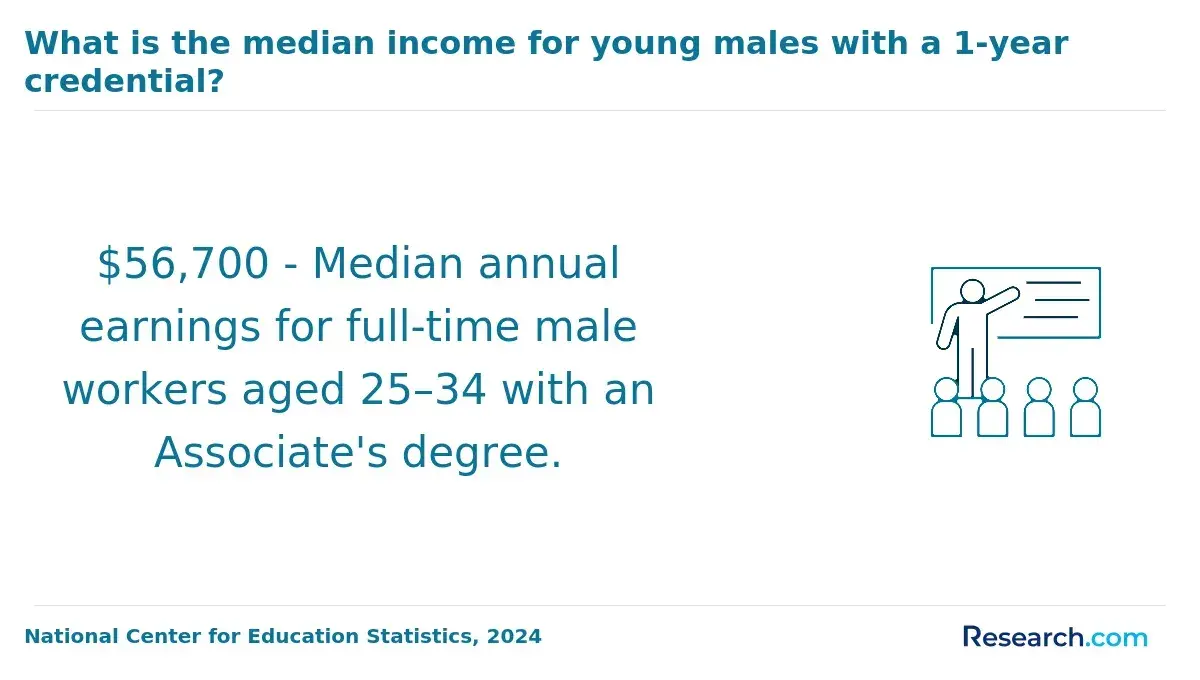
From a practical perspective, a 2-year advertising degree often costs less upfront, reducing tuition and living expenses, which may improve your initial return on investment. However, median earnings for associate degree holders in related roles tend to be 15-25% lower than those with bachelor's degrees, so weigh this against your long-term ambitions.
Employer preferences sometimes favor bachelor's degrees for promotion and advancement in advertising fields. Lastly, assess whether this degree path allows flexibility for further education or career changes in the future, ensuring it aligns with evolving professional goals.
What Graduates Say About Their 2-Year Advertising Degree
- Jeffrey: "Choosing the 2-year accelerated bachelor's degree in advertising was a game-changer for me because I wanted to enter the workforce quickly without sacrificing quality education. Balancing the intensive course load was challenging, but the structured schedule and supportive faculty made it manageable. Since graduating, the degree has opened doors to creative roles in agencies where I can apply both theory and hands-on skills. "
- Angeline: "I opted for the accelerated 2-year advertising program mainly to minimize tuition costs, which averaged significantly less than traditional paths without compromising on curriculum depth. Juggling classes and part-time work demanded careful planning, but it taught me invaluable time-management skills. Reflecting back, this degree has not only enhanced my professional profile but also boosted my confidence to lead marketing projects effectively. "
- Victoria: "The decision to pursue a 2-year advertising bachelor's degree stemmed from my need to switch careers efficiently while gaining relevant expertise fast. I remained disciplined through the fast-paced schedule by staying organized and prioritizing critical assignments. Today, the degree serves as a credible credential that validates my knowledge and accelerates promotions within my marketing firm."
Other Things You Should Know About Advertising Degrees
In 2027, a 2-year advertising degree may be less impactful due to heightened industry demands for specialized skills and advanced expertise offered by longer programs, such as a bachelor's degree. Employers may prioritize candidates with comprehensive knowledge, digital aptitude, and strategic thinking acquired through extensive education and experience.
Balancing work while enrolled in an accelerated advertising degree can be demanding due to the intensive pace and heavy coursework. Time management skills are essential, as students must juggle deadlines, projects, and possibly internships simultaneously. However, many programs offer flexible scheduling or online components designed to help working adults manage these challenges.
References
- 5 Reasons You Should Consider an Accelerated Business Degree https://blog.ncirl.ie/5-reasons-you-should-consider-an-accelerated-business-degree
- A Guide to Accelerated Bachelor's Degrees https://www.coursera.org/articles/accelerated-bachelors-degree
- Attention, creativity & spend: ad effectiveness study reveals the three factors driving maximum ROI - Advertising Council Australia https://advertisingcouncil.org.au/news/attention-creativity-spend-ad-effectiveness-study-reveals-the-three-factors-driving-maximum-roi/
- Business & Marketing BSc(Hons) (Online) https://www.falmouth.ac.uk/study/online/undergraduate/business-marketing
- Marketing Online Accelerated | MATC https://www.matc.edu/course-catalog/business-management/marketing-online-accelerated.html
- Digital Marketing, Advertising and Public Relations, BA to Marketing Communications, MSIMC https://catalog.roosevelt.edu/undergraduate/business/accelerated-bachelors-masters-4+1/integrated-marketing-communications-bams-accelerated-program/
- Advertising & Marketing Communications https://www.sheridancollege.ca/programs/advertising-marketing-communications
- Scholarships for Advertising Majors https://www.collegescholarships.org/scholarships/business/advertising.htm
- Advertising Degrees & Careers | How To Work In Advertising https://www.learnhowtobecome.org/finance-business-careers/advertising/
- Oferty Pracy dla Studentów, Absolwentów i Młodych Specjalistów, Juniorów, Digital Marketing Strategist, Customer Success Acceleration (Turkish, English), Google Inc | Talent Days https://talentdays.pl/praca-i-staz/google-inc-digital-marketing-strategist-customer-success-acceleration-turkish-english


