2027 Is a 2-Year Respiratory Care Therapy Degree Worth It: Accelerated Bachelor's ROI & Time Trade-Offs

Co-Founder and Chief Data Scientist
Choosing a 2-year respiratory care therapy degree is a practical career decision, not just an academic one. The main question is whether a shorter respiratory care pathway can get you licensed, employed, and earning sooner—or whether a longer bachelor’s route is worth the extra time and cost for your goals. With employment in respiratory therapy projected to grow 23% from 2020 to 2030, students have reason to look closely at program length, clinical training, tuition, financial aid, salary expectations, and advancement options before enrolling.
This guide explains how 2-year respiratory care therapy programs work, what admissions usually require, what the weekly workload can feel like, whether online options are realistic, and how to think about return on investment. It is written for first-time college students, career changers, working healthcare employees, and anyone comparing an associate-level respiratory care path with accelerated bachelor’s programs or other healthcare degrees.
Key Benefits of a 2-Year Respiratory Care Therapy Degree
- Earning a 2-year respiratory care therapy degree provides quicker entry into the workforce, reducing opportunity costs compared to longer programs, accelerating salary accumulation.
- The average starting salary for respiratory therapists exceeds $60,000 annually, offering a strong ROI given the shorter educational timeframe.
- Job growth in respiratory care is projected at 16% through 2031, surpassing average health professions, enhancing long-term career stability and value of the degree.
How Do 2-Year Respiratory Care Therapy Programs Work?
A 2-year respiratory care therapy program is designed to prepare students for entry-level respiratory care practice in a compressed, career-focused format. Instead of spending several years completing broad undergraduate requirements before entering the field, students move through science courses, respiratory care theory, lab training, and supervised clinical experience on a tighter schedule.
These programs are intensive because respiratory therapy is a hands-on healthcare profession. Students must learn how to assess patients, understand cardiopulmonary disease, operate respiratory equipment, respond to emergencies, and document care accurately. The strongest programs connect classroom instruction directly to lab practice and clinical rotations.
- Accelerated pacing: Many programs use condensed terms, summer enrollment, or year-round scheduling so students can finish required coursework in approximately two years.
- Heavy credit load: Students usually take more required courses per term than they would in a slower-paced program. This can shorten the path to employment but leaves less room for missed assignments, weak study habits, or inconsistent attendance.
- Blended learning environment: Instruction typically includes lectures, simulation labs, skills practice, and supervised clinical rotations. Some programs may place selected lecture content online, but clinical skills must be practiced and evaluated in person.
- Clinical progression: Students generally advance from basic patient-care skills to more complex respiratory procedures as they demonstrate competence. Programs often require benchmark scores or satisfactory clinical evaluations before students move into advanced rotations.
- Assessment methods: Expect written exams, case studies, equipment checks, lab demonstrations, clinical performance evaluations, and instructor feedback. Success depends on both academic knowledge and safe patient-care behavior.
The main advantage is speed: graduates can move into the respiratory care workforce sooner than students in longer degree pathways. The trade-off is intensity. A 2-year program is rarely “easy” simply because it is shorter; it requires steady focus, comfort with science coursework, and the ability to perform under clinical expectations.
Respiratory therapists with associate degrees from these programs can anticipate a median annual wage near $63,000 according to the Bureau of Labor Statistics. Students who later want broader healthcare options may also explore longer professional pathways, including a pharmacist degree, depending on their career goals.
What Are the Admission Requirements for a 2-Year Respiratory Care Therapy Degree?
Admission requirements for a 2-year respiratory care therapy degree are meant to confirm that applicants can handle college-level science, clinical expectations, and a demanding schedule. Requirements vary by school, but most programs look for academic readiness, completed prerequisites, and evidence that the applicant understands the realities of healthcare work.
- High school diploma or GED: This is the basic entry requirement for most programs. Some schools admit students directly into a pre-respiratory care track before they apply to the professional phase.
- Minimum GPA: Many programs require a minimum GPA, often ranging between 2.5 and 3.0. Competitive programs may expect stronger grades in science courses than in general education courses.
- Prerequisite coursework: Common prerequisites include biology, chemistry, anatomy, and physiology. These courses help determine whether a student is ready for respiratory care subjects such as cardiopulmonary anatomy, gas exchange, pharmacology, and patient assessment.
- Standardized test scores: Some schools may request ACT or SAT scores, especially if an applicant has limited college coursework or incomplete prerequisites.
- Healthcare exposure: Work, volunteer, or shadowing experience is not always required, but it can strengthen an application. It also helps applicants confirm that they are comfortable with patient care, clinical environments, and shift-based healthcare work.
- Program-specific screening: Because students complete clinical rotations, schools may require immunization records, background checks, drug screening, CPR certification, or physical ability documentation before clinical placement.
Applicants should not assume that meeting the minimum requirements guarantees admission. Respiratory care programs may have limited clinical seats, and stronger grades in prerequisites can matter. Before applying, compare deadlines, prerequisite sequencing, clinical placement rules, and whether the program is accredited and aligned with state licensure requirements.
Students who want additional healthcare exposure before applying may consider related entry-level options such as a medical assistant certification, especially if they are still deciding whether direct patient care is the right fit.
What Does a Typical Week Look Like in a 2-Year Respiratory Care Therapy Program?
A typical week in a 2-year respiratory care therapy program is structured around lectures, labs, clinical preparation, and independent study. The schedule can feel closer to a full-time job than a traditional college course load, especially once clinical rotations begin.
- Class sessions and lectures: Students attend recurring lectures on respiratory anatomy, cardiopulmonary physiology, disease processes, diagnostics, patient assessment, and treatment methods.
- Laboratory practice: Lab sessions focus on equipment use, airway care, oxygen delivery, ventilatory support, safety procedures, and patient-care simulations. Students often practice skills repeatedly before being evaluated.
- Clinical rotations: Clinical days may take place in hospitals, clinics, rehabilitation settings, or other approved healthcare sites. Students learn under supervision and must follow professional standards for attendance, documentation, communication, and patient safety.
- Assignments and assessments: Weekly work can include quizzes, written exams, case studies, care plans, lab check-offs, and clinical reflections. Falling behind early can create problems because material builds quickly.
- Group work: Students may work through patient scenarios or care planning activities in teams. This develops communication habits needed in real clinical settings.
- Independent study: Outside class time is essential. Students should expect to review notes, prepare for skills tests, study medications and equipment, and connect theory to patient-care decisions.
- Instructor interaction: Office hours, lab feedback, and clinical evaluations are important. Students who ask for help early usually have a better chance of correcting skill gaps before major assessments.
The best way to judge whether the weekly pace is manageable is to ask the program for a sample schedule before enrolling. Pay attention to commute time, clinical start times, study blocks, work obligations, and family responsibilities. A 2-year respiratory care degree can be efficient, but it leaves little margin for poor planning.
Are 2-Year Respiratory Care Therapy Programs Available Online?
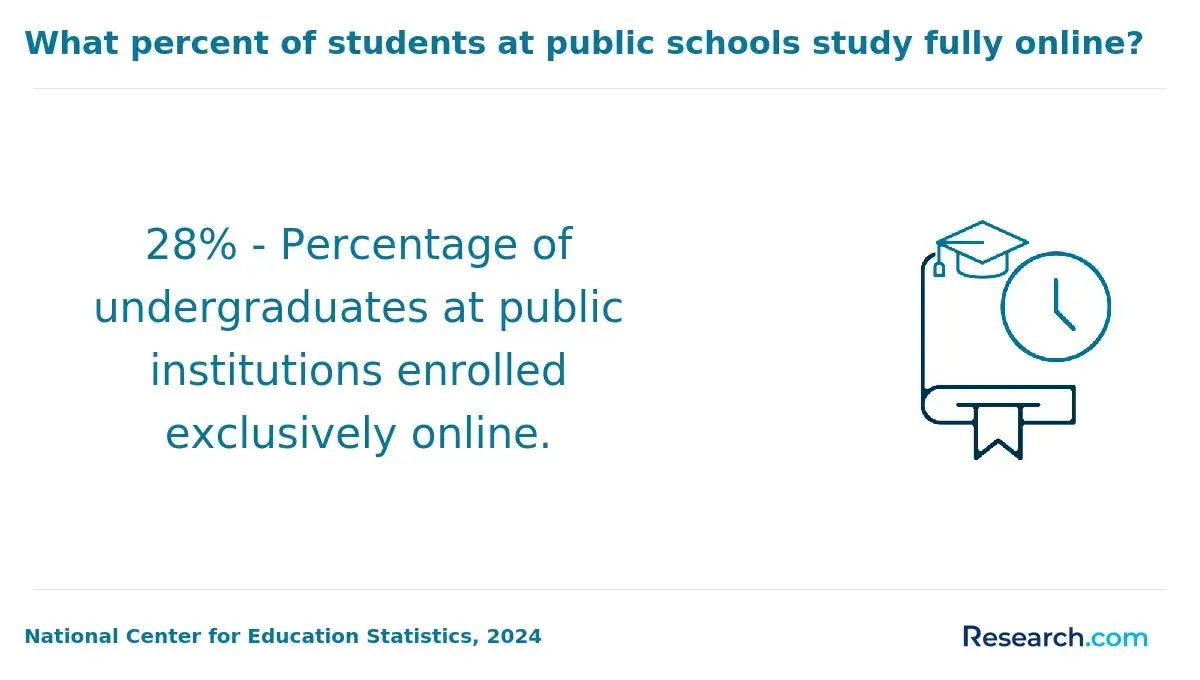
Some 2-year respiratory care therapy programs offer online coursework, but fully online programs are uncommon because respiratory care requires in-person lab training and supervised clinical practice. Students should be cautious of any program that appears to promise a completely online path without explaining how labs and clinical rotations are completed.
- Fully online vs. hybrid formats: A fully online option may work for selected didactic courses, but respiratory care students still need hands-on training. Hybrid programs are more realistic because they combine online lectures with campus labs and clinical rotations.
- Asynchronous learning: Recorded lectures, readings, discussion boards, and quizzes may allow students to complete some work on their own schedule. This flexibility helps working adults but still requires strong self-discipline.
- Synchronous learning: Some online classes meet live at scheduled times for discussion, exam review, demonstrations, or group activities. Students should confirm whether attendance is mandatory.
- Technology requirements: Students need reliable internet, a computer capable of streaming video, access to the school’s learning management system, and enough technical skill to submit assignments, complete online exams, and participate in virtual sessions.
- Clinical placement limits: Online convenience does not remove clinical requirements. Ask whether the school arranges clinical placements, whether placements are near your location, and what happens if a site is unavailable.
- Student support: Online and hybrid learners should have access to advising, tutoring, library resources, technical support, and career services. Support matters because accelerated schedules give students less time to recover from confusion or technical problems.
For most students, the key question is not “Can I complete this online?” but “Can I realistically attend labs and clinical rotations while completing online coursework on time?” A hybrid program can be a strong fit for motivated students, but it is not a low-commitment alternative to campus-based training.
How Much Does a 2-year Respiratory Care Therapy Degree Cost?
The cost of a 2-year respiratory care therapy degree depends on tuition, fees, supplies, clinical expenses, transportation, and how long it takes to finish. A shorter program can reduce time out of the workforce, but accelerated schedules may create higher per-term costs because students take more credits in a shorter period.
- Tuition: Tuition is usually the largest expense and may be charged per credit or by term. When comparing schools, look at total program tuition rather than only the per-credit rate.
- Program fees: Respiratory care students may pay lab fees, technology fees, simulation fees, testing fees, and clinical training fees. These costs can change the real price of attendance.
- Books and learning materials: Healthcare textbooks, digital resources, exam-preparation tools, and required software can add significant cost, especially when courses move quickly.
- Clinical expenses: Students may need uniforms, shoes, immunizations, background checks, drug screenings, CPR certification, parking, transportation, and health documentation before clinical rotations.
- Lost income or reduced work hours: A full-time accelerated program may limit how much students can work. This opportunity cost should be included in the budget, not treated as separate from program cost.
- Time-to-completion savings: Finishing sooner can reduce the total time spent paying school-related expenses and may allow earlier workforce entry. This can improve ROI if the student completes the program on schedule and gains employment soon after graduation.
Students comparing healthcare training costs may also look at related options, including easy nursing programs to get into, but the right comparison should include licensure goals, clinical requirements, completion rates, and total out-of-pocket cost—not tuition alone.
Can You Get Financial Aid for 2-Year Respiratory Care Therapy Programs?
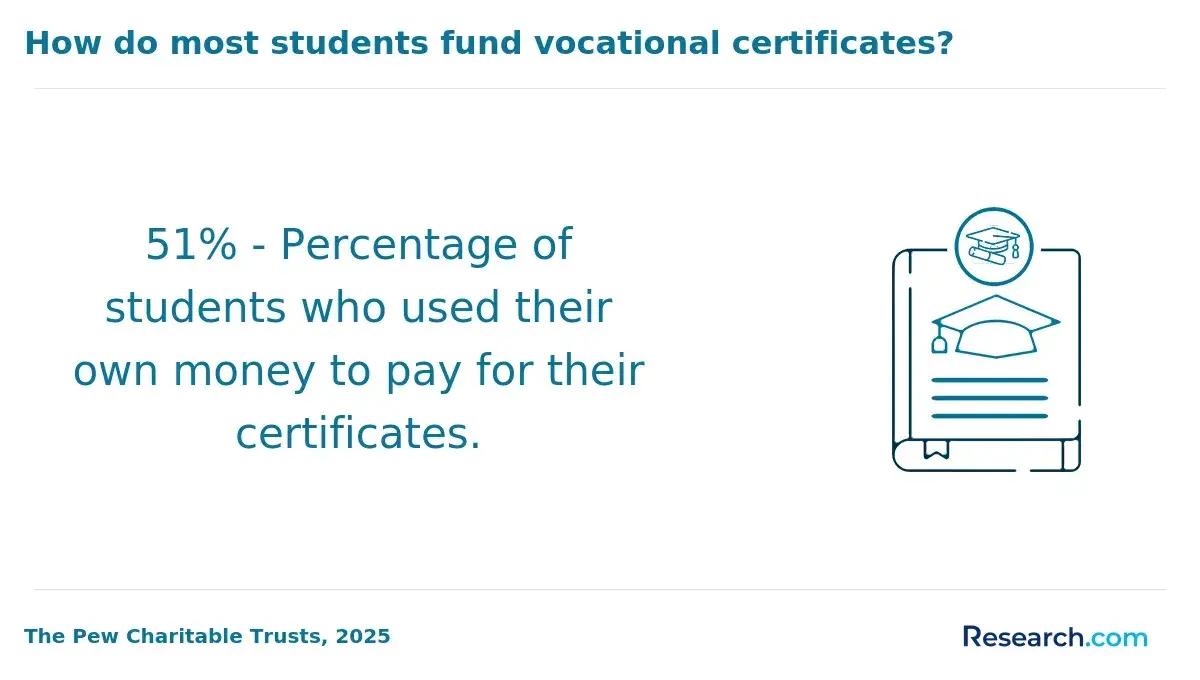
Financial aid may be available for 2-year respiratory care therapy programs, but eligibility depends on the school, the program’s accreditation and Title IV status, the student’s enrollment level, and the type of aid requested. Before enrolling, students should confirm financial aid eligibility directly with the school’s aid office and review the total cost of attendance.
- Federal student aid: Accredited programs that meet federal requirements may qualify for Pell Grants and Direct Loans. Students typically begin by completing the FAFSA and then reviewing the school’s aid offer.
- Scholarships and grants: Respiratory care, allied health, state, nonprofit, and institutional scholarships may reduce borrowing. Scholarship deadlines can be earlier than admission deadlines, so students should search early.
- Employer tuition support: Healthcare employers may offer tuition assistance or reimbursement for employees pursuing respiratory care education. Students should ask about eligibility rules, grade requirements, work commitments, and repayment obligations if they leave the employer.
- Payment plans: Some colleges offer installment plans that spread tuition across a term. This can help with cash flow, but students should check fees and due dates carefully.
- Accelerated schedule impact: Shorter terms and year-round enrollment can affect when aid is disbursed. Students should ask how aid is applied across condensed semesters so they are not surprised by gaps between tuition due dates and disbursement dates.
- Borrowing strategy: Loans can make enrollment possible, but borrowing should be tied to realistic income expectations, completion likelihood, and licensure requirements. Avoid taking on debt for a program that does not clearly lead to the credential required in your state.
The most important financial aid step is verification. Confirm that the exact program—not just the college—is eligible for the aid you plan to use, and ask whether clinical costs, supplies, and exam-related expenses are included in the estimated cost of attendance.
What Jobs Can You Get With a 2-Year Respiratory Care Therapy Degree?
A 2-year respiratory care therapy degree can prepare graduates for entry-level respiratory care roles, provided they also meet certification, examination, and state licensure requirements where they plan to work. In many healthcare settings, respiratory therapists support patients with breathing disorders, cardiopulmonary conditions, emergency needs, and ongoing respiratory treatment plans.
- Respiratory therapist: Graduates may work in hospitals, emergency departments, intensive care units, neonatal or pediatric units, pulmonary labs, rehabilitation centers, and home healthcare settings. Duties can include patient assessment, respiratory treatments, oxygen therapy, ventilator support, and monitoring patient response.
- Respiratory therapy technician or assistant roles: Depending on state rules and employer policies, some graduates may start in technician-level positions or support roles while completing credentialing steps.
- Pulmonary rehabilitation support: Some respiratory care professionals work with patients managing chronic breathing conditions, helping with treatment plans, exercise tolerance, education, and monitoring.
- Sleep, diagnostics, and specialty settings: With additional training or employer requirements, respiratory care graduates may move toward sleep testing, pulmonary function testing, critical care, transport, or other specialized practice areas.
- Clinical advancement: Experience, additional credentials, and further education can support movement into lead therapist, educator, supervisor, or specialty care roles. Bachelor’s-level education may be preferred for some leadership or advanced positions.
The value of the degree depends heavily on whether it leads to the credential required by employers in your area. Before enrolling, ask local hospitals and clinics what degree, certification, and license they require for entry-level respiratory therapist jobs.
Students comparing broader healthcare education options may also review the cheapest online nursing programs, especially if they are deciding between respiratory care, nursing, and other direct patient-care careers.
How Do Salaries Compare for 2-year Respiratory Care Therapy Degree vs. Traditional Bachelor's Degrees?
Salary comparisons between a 2-year respiratory care therapy degree and a traditional bachelor’s degree should be read carefully. A shorter respiratory care degree can lead to earlier full-time earnings, while a bachelor’s degree may offer broader advancement options, depending on the field, employer, and location.
- Early-career respiratory care earnings: Associate degree holders in respiratory care commonly start with annual salaries ranging from $55,000 to $65,000. Actual pay varies by region, shift, employer type, clinical setting, and credential status.
- Traditional bachelor’s degree earnings: Traditional bachelor’s degree graduates often begin with wages between $50,000 and $70,000 depending on the field. This wider range reflects the fact that bachelor’s degrees lead to many different occupations, not one single salary track.
- Median respiratory care wages: Respiratory care associate degree holders have median wages around $64,000 as of 2023, with continued demand supporting the field.
- Earlier workforce entry: Graduates of 2-year respiratory care programs may enter the workforce 1 to 2 years sooner than students in traditional bachelor’s programs. Earlier earnings can be a major ROI advantage if the student completes the program and becomes employable quickly.
- Advancement ceiling: Some management, education, specialty, and advanced clinical roles may favor or require a bachelor’s degree. Students who want leadership roles should ask employers whether a bachelor’s credential will eventually be needed.
- Employer perception: For many direct patient-care respiratory therapy roles, competence, licensure, clinical experience, and credentialing matter heavily. For advancement, the bachelor’s degree may become more important.
The respiratory care field is projected to grow by 16% through 2032 (BLS), which supports salary prospects for both 2-year and bachelor’s-level pathways. Students who want to understand how degree completion affects pay in related healthcare fields may also compare cheap RN to BSN online programs as part of long-term career planning.
Which Factors Most Affect ROI for Accelerated Respiratory Care Therapy Degrees?
The return on investment for an accelerated respiratory care therapy degree depends on more than tuition. The strongest ROI comes from a program that is affordable, accredited, completed on time, aligned with licensure requirements, and connected to strong clinical placements and employment outcomes.
- Time-to-completion: Accelerated programs can reduce the duration from the standard four years to often two or three years. Finishing faster can mean entering the workforce sooner and reducing the time spent without full-time professional income.
- Total cost: Compare the full cost of tuition, fees, supplies, transportation, clinical requirements, and lost wages. A program with lower tuition may not be the cheapest if it has higher fees or poor completion support.
- Accreditation and licensure alignment: ROI falls sharply if a program does not meet the requirements for certification, state licensure, or employer hiring standards. Verify these details before enrolling.
- Clinical placement quality: Strong clinical sites help students build confidence, professional references, and job-ready skills. Weak or distant placements can increase stress and cost.
- Completion likelihood: A fast program only pays off if you can finish it. Consider prerequisite strength, work schedule, childcare, commuting, and study time before choosing an accelerated format.
- Employment outcomes: Ask programs about graduate employment, licensure exam preparation, employer partnerships, and career services. Job placement claims should be specific and verifiable.
- Salary growth: Higher pay, shift differentials, specialty experience, and advancement into supervisory or specialized roles can improve ROI over time.
- Opportunity cost savings: A shorter degree can reduce income lost while in school. This is one of the biggest financial advantages of a 2-year pathway.
- Long-term flexibility: If you may want management, education, or advanced clinical roles later, consider whether credits transfer into a bachelor’s completion program.
A good ROI calculation should answer three questions: How much will I pay, how soon can I work, and what credential will I hold when I graduate? If any of those answers are unclear, keep researching before committing.
How Do You Decide If a 2-year Respiratory Care Therapy Degree Is Right for You?
A 2-year respiratory care therapy degree may be right for you if you want a focused healthcare career, can handle a fast academic pace, and are comfortable working directly with patients who may be seriously ill or in respiratory distress. It is a strong option for students who want to enter the workforce quickly and are prepared for science-heavy coursework, clinical accountability, and hands-on technical skills.
It may be a weaker fit if you need a highly flexible schedule, prefer mostly online learning, dislike intense science courses, or cannot reliably attend labs and clinical rotations. Accelerated healthcare programs reward consistency. Missing clinical hours, delaying prerequisites, or working too many outside hours can make the program harder to complete on time.
- Choose a 2-year respiratory care degree if: you want direct patient-care work, need a faster path to employment, can commit to an intensive schedule, and have verified that the program meets licensure and employer requirements.
- Consider a bachelor’s pathway if: you want broader advancement options, expect to pursue leadership or education roles, or prefer a longer academic structure with more time for general education and specialization.
- Pause before enrolling if: you have not completed prerequisites, are unsure about clinical work, cannot afford the full cost, or have not confirmed accreditation and state licensure alignment.
Financially, compare tuition and possible student debt against expected earnings and job stability. Respiratory therapists with an associate degree earn a median annual wage near $63,000, though bachelor’s degrees may support higher pay or advanced roles in some settings. Employer preferences vary, so students should speak with local healthcare employers, recent graduates, and program advisors before deciding.
What Graduates Say About Their 2-Year Respiratory Care Therapy Degree
- : "I chose the 2-year respiratory care therapy program because I wanted a faster route into healthcare and a cost that felt more manageable than a longer degree. The schedule was demanding, especially during clinical rotations, but consistent planning and instructor support helped me keep up. The biggest benefit was being able to start working in critical care settings sooner than I expected. — Blake"
- : "For me, the 2-year respiratory care therapy degree was a practical choice. I wanted to enter the workforce quickly without taking on more education than I needed at the time. Balancing coursework and clinical hours took discipline, but it also taught me how to prioritize under pressure. That foundation still helps me in respiratory care leadership today. — Greyson"
- : "The program appealed to me because it was focused, efficient, and financially realistic. It was not easy—the pace required resilience and flexibility—but that challenge prepared me for the realities of healthcare. Earning the degree improved my employment options and gave me a clear path for growth in respiratory therapy. — Reese"
Other Things You Should Know About Respiratory Care Therapy Degrees
In 2027, a strong demand for respiratory care therapists boosts the value of a 2-year degree. With a growing elderly population and increased awareness of respiratory health, graduates find ample job opportunities and a promising career path, justifying the educational investment.
In 2027, pursuing a 2-year respiratory care therapy degree offers a quicker path to entering the workforce compared to an accelerated bachelor's degree. However, an accelerated bachelor's may offer broader career prospects and potential for higher earnings. Balancing immediate job entry against long-term career advancement is crucial.
References
- Respiratory Therapists: How to Choose the Right Degree Advancement Program for You https://www.sjvc.edu/blog/how-to-choose-respiratory-therapy-degree-advancement-program/
- Respiratory Therapy - Foothill College https://foothill.edu/resptherapy/
- Can You Get a Bachelor's Degree in 2 Years or Less? https://www.coursera.org/articles/can-you-get-a-bachelors-degree-in-2-years
- Respiratory Care Therapy/Therapist https://www.fastweb.com/directory/scholarships-for-respiratory-care-therapy-therapist-majors
- Respiratory Care Program Costs and Related Information https://www.jccc.edu/academics/credit/respiratory-care/rc-cost.html
- Respiratory Care Bachelor's Degree https://skylinecollege.edu/respiratorycarebachelors/
- What Can You Do with a Respiratory Therapy Degree? | Goodwin University https://www.goodwin.edu/enews/what-can-you-do-respiratory-therapy-degree/
- Two-year Degree Courses in the UK | GoStudyIn https://gostudyin.com/study-in-uk/study-options/two-year-degree/
- Be An RT - AARC https://www.aarc.org/your-rt-career/be-an-rt/
- Respiratory Therapy https://www.ntc.edu/academics-training/programs/all/associate-degree/respiratory-therapy