
2027 Is a Financial Technology Online Degree Worth It?

Co-Founder and Chief Data Scientist
Online education continues to grow rapidly, with over 40% of college students now taking at least one class online. Many are turning to an online financial technology degree to meet the increasing demand for skills in digital payments, blockchain, and data analytics. This field reportedly sees a 20% job growth rate, reflecting its rising importance in finance and tech industries.
This article helps prospective students decide if an online financial technology degree is worth pursuing by examining key factors like cost, program flexibility, accreditation, job prospects, and how employers view these credentials in a competitive market.
Key Benefits of Online Financial Technology Degree
- Online financial technology programs offer flexible schedules and remote access, making them suitable for working professionals seeking to balance education with career demands.
- The curriculum emphasizes practical skills in blockchain, data analysis, and digital payments, aligning with a 15% industry job growth forecast through 2030.
- Graduates typically access diverse fintech roles, benefiting from strong employer demand and potential for competitive salaries, enhancing long-term career prospects.
Who Should Choose an Online Financial Technology Degree Program?
Online learning has become an effective option for many students due to its ability to remove geographical limits and adapt to busy schedules. This flexibility makes it especially attractive for individuals managing diverse personal and professional responsibilities. The following groups find online financial technology degrees particularly beneficial.
- Working professionals: These individuals can enhance their skills and knowledge without stepping away from their current jobs. The online format enables them to balance full-time employment while gaining expertise in financial technology.
- Career changers: Those aiming to shift into fintech benefit from the ability to learn on their own time, allowing them to build specialized skills necessary for new roles without disrupting their existing commitments.
- Students with caregiving or personal duties: Online programs offer essential flexibility for those juggling family or other demanding responsibilities, making it easier to pursue education without sacrificing personal obligations.
- Remote learners: Individuals unable to attend campus-based programs due to location can access the same rigorous curriculum online, bypassing relocation and travel challenges.
- Self-motivated learners: Those who prefer to control the pace and timing of their studies thrive in online environments, tailoring their progress to fit their unique learning preferences.
What Are the Pros and Cons of an Online Financial Technology Degree?
Online financial technology programs have become increasingly popular as they offer flexible learning options that enable students and professionals to continue working while advancing their careers. This flexibility is especially important given the rapid evolution of the fintech sector and the demand for skills that can be applied immediately in the workforce.
Pros of an Online Financial Technology Degree
- Flexibility and Convenience: Online fintech degrees allow learners to study on their own schedule, making it easier to balance work, family, and education. This flexibility is a key benefit of online fintech degree pros and cons, especially for those maintaining full-time employment.
- Cost Savings: Tuition for online programs is generally more affordable than traditional campus-based degrees. Students also save on commuting, relocation, and housing costs, reducing the total investment required to gain fintech expertise.
- Career-Focused Curriculum: Many online courses emphasize practical fintech skills such as blockchain technology, data visualization, and digital payment platforms, which align with current industry demands and improve job prospects.
- Self-Paced Learning: Students can advance through coursework at their own pace, ideal for those who want to accelerate their studies or need occasional breaks due to personal commitments.
Cons of an Online Financial Technology Degree
- Limited Networking Opportunities: Online programs often lack face-to-face interaction with peers and mentors, which can limit networking and mentorship vital for career growth in fintech.
- Self-Motivation Required: Success requires discipline and initiative since online learners receive less direct oversight than on-campus students, posing challenges for some.
- Perception by Employers: Although attitudes are improving, some employers still prefer traditional degrees; however, this gap is closing as fintech online education gains credibility.
- Technology Requirements: Reliable internet access and comfort with digital platforms are essential, and this may be a barrier for prospective students who are less tech-savvy.
For individuals seeking fast, flexible options, exploring one year masters programs in financial technology can be a strategic choice for immediate career enhancement while accommodating busy lifestyles.
How Do AI-Enhanced Virtual Classrooms Work in Online Financial Technology Programs?
AI technologies have become central to modern online education, significantly enhancing the learning experience for financial technology students by personalizing content and pacing. These systems adapt to individual needs, making complex topics more accessible and engaging. To understand how AI-driven virtual classrooms operate in this field, consider the following core features.
- Adaptive Learning Tools: AI-powered forecasting tools in online finance education analyze student performance data to customize lessons and identify weak areas, ensuring mastery of essential concepts at a personalized pace.
- AI-Driven Feedback: Intelligent tutoring systems provide targeted guidance by assessing assignments and offering tailored recommendations, helping learners grasp challenging financial technology applications more effectively.
- Collaborative Platforms: Hands-on generative AI learning in virtual finance programs supports real-world group projects, suggesting relevant resources and moderating discussions, which enhances teamwork and practical understanding.
- Scenario Simulations: AI simulates complex financial environments, allowing students to apply theoretical knowledge to realistic case studies, boosting critical thinking and decision-making skills.
- 24/7 Academic Support: AI chatbots offer continuous assistance with technical issues and course content, ensuring students receive timely help regardless of time zones.
For those interested in exploring options, many choose some of the easiest bachelor's degrees to get in related fields to start their academic journey.
Breakdown of Private Fully Online For-profit Schools

What Technology Do You Need for an Online Financial Technology Degree?
Having the right technology setup is essential for success in modern online financial technology programs because coursework relies heavily on advanced digital tools, up-to-date software, and virtual labs that replicate real-world fintech environments. Students who are not properly equipped may struggle to complete interactive assignments or access cloud-based resources critical for their studies. Below is a list outlining the specific technology requirements for online financial technology degree students to prepare before enrolling.
- Reliable Computer: A modern laptop or desktop with at least 8GB of RAM and a multi-core processor is key. This capability supports running advanced data analytics, machine learning simulations, and programming environments used in courses covering artificial intelligence, blockchain, and financial modeling. For instance, AI/ML coursework often requires executing resource-intensive Python or R scripts.
- High-Speed Internet: A stable broadband connection with a minimum speed of 25 Mbps is necessary. This ensures smooth streaming of lectures, active participation in live discussions, and uninterrupted access to cloud-based labs, which are vital for seamless collaboration and timed assessments.
- Webcam and Microphone: Quality video and audio equipment support clear communication during presentations, team projects, and virtual office hours. These tools help students engage fully with instructors and peers in a remote learning environment.
- Specialized Software: Students should use programming languages such as Python and R, alongside financial modeling tools like Excel and Tableau. Cloud platforms like AWS or Google Cloud often play a role in coursework. Blockchain modules may require Ethereum wallets and smart contract development kits, such as MetaMask, for running crypto simulations and prototypes.
- Cybersecurity Tools: Antivirus software and multi-factor authentication apps protect sensitive financial data and personal information, which is especially important when handling real-world datasets or accessing institutional systems remotely.
- Virtual Lab Access for Fintech Students: Many programs provide access to remote virtual labs that simulate financial markets, algorithmic trading, or risk analysis. These labs offer hands-on learning experiences with enterprise-grade fintech systems directly from the student's home.
Ensuring these elements are in place helps students meet the rigorous demands of an online financial technology degree. Those curious about career prospects related to this field may explore what master degree makes the most money to understand potential returns on their investment in technology and education.
How Long Does It Take to Finish an Online Financial Technology in 2027?
Program length is a key factor for prospective students because it influences how soon new skills can be applied in the workplace. Timelines vary significantly across online formats, reflecting different pacing options and academic levels. Below is a breakdown of typical completion times for online financial technology programs.
- Full-Time Online Track: Most full-time students complete master's programs in about 12 to 17 months, benefiting from accelerated pathways and intensive coursework designed for faster completion.
- Part-Time Enrollment: Part-time students usually take between 17 and 29 months to finish a master's degree, balancing studies with work or personal commitments and enjoying flexible scheduling choices.
- Bachelor's Degree Programs: Online bachelor's degrees in financial technology typically require around four years, mirroring traditional on-campus timelines but often providing more adaptable weekly schedules.
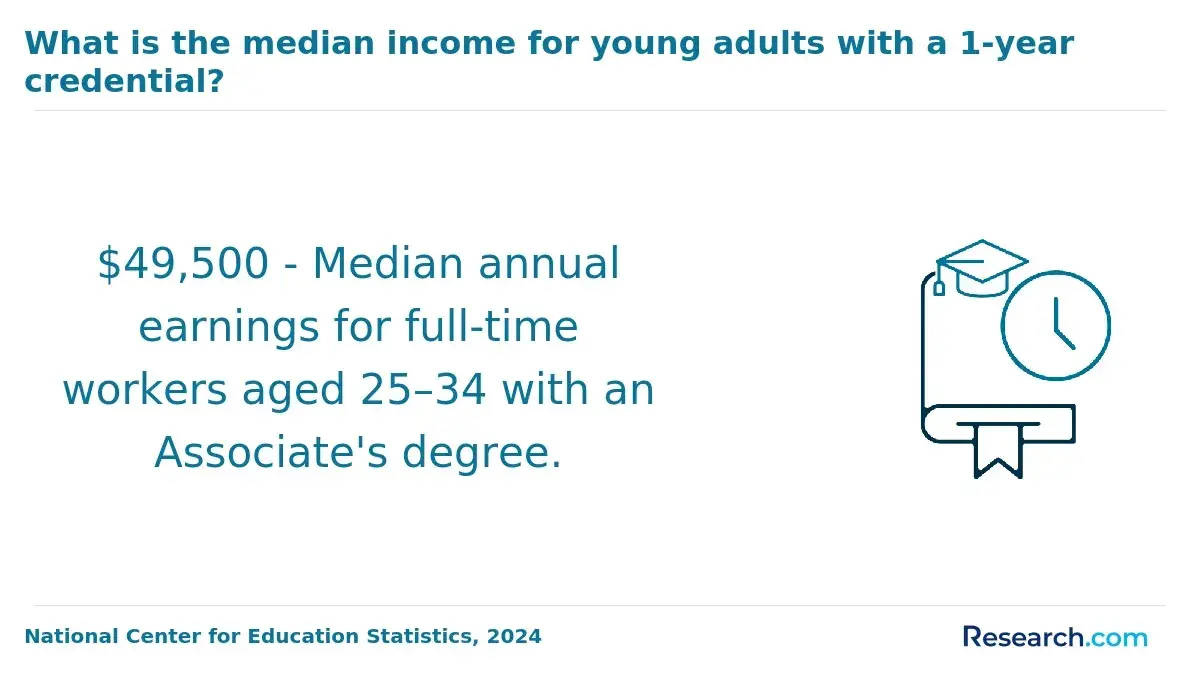
- Associate Degree Programs: Designed for two years of full-time study, associate degrees offer foundational fintech knowledge with options for part-time pacing that may extend the overall duration.
Can You Work Full-Time While Completing an Online Financial Technology Degree?
Balancing a full-time job while pursuing an online financial technology degree is a common challenge for many students aiming to advance their careers without pausing work. Understanding the factors affecting this balance can help prospective students manage their commitments successfully.
Key considerations for working full-time while enrolled in an online financial technology program include:
- Flexible Scheduling: Many programs offer part-time or accelerated pacing, allowing students to tailor course loads to their availability. This adaptability helps accommodate busy work weeks or unexpected overtime.
- Course Format: Asynchronous classes provide the freedom to access materials anytime, ideal for irregular work hours. However, programs with synchronous sessions require attending live lectures at set times, which may conflict with job schedules.
- Workload Management: Typical study demands range from 10 to 20 hours per week. Prioritizing tasks and realistic planning prevent burnout and help maintain steady progress.
- Employer Support: Flexible work arrangements or remote options can significantly ease balancing study and job duties. Discussing academic goals openly encourages understanding and potential accommodations.
- Time Management Skills: Effective use of calendars, to-do lists, and goal setting keeps students organized and focused amid competing responsibilities.
When asked about her experience managing a full-time job alongside an online financial technology degree, a recent graduate reflected, "It wasn't easy, especially juggling late-night projects with early work calls. I often had to sacrifice weekends and use every free moment efficiently. There were moments of doubt, but setting clear milestones and reminding myself of the end goal kept me motivated." Her journey highlights that with determination and strategic planning, it is entirely feasible to work full-time while completing such a degree online.
How Do Online Financial Technology Degree Programs Help with Internships?
Internships play a vital role in gaining practical experience and preparing for a career in financial technology. They enable students to apply academic knowledge to industry challenges, building essential skills. Online financial technology programs have developed specific methods to support students in securing and completing internships effectively. These include:
- Career Services Support: Dedicated staff assist students in finding suitable internships by offering resume reviews, interview preparation, and guidance on applications. This personalized help increases the chances of securing relevant positions.
- Virtual Placement Coordination: Partnerships with fintech companies and financial institutions allow programs to arrange virtual internships compatible with students' schedules and locations, providing flexible practical experience.
- Networking Opportunities: Online career fairs and virtual events connect students with industry professionals, expanding their networks and opening doors to internship offers.
- Mentorship and Feedback: Structured mentorship programs pair students with experienced professionals who provide regular feedback, ensuring meaningful learning and skill development.
- Project Management Tools: Digital platforms track internship progress and facilitate collaboration, helping students stay organized and engaged throughout their practicum.
What Is the Average Tuition Cost of an Online Financial Technology Program?
Understanding the tuition costs of an online financial technology program is essential for students planning their education investment. Tuition is often the largest expense, making it critical to evaluate and budget effectively before committing to a program. Below is an overview of important tuition-related factors prospective students should consider:
- Average Tuition Per Credit: Online financial technology courses typically cost between $342 and $1,500 per credit hour. Public institutions average around $337 per credit for in-state learners, while private colleges charge closer to $516 per credit, reflecting the diversity in pricing across schools.
- Annual Tuition Costs: Yearly fees for undergraduate online programs usually fall between $8,300 and $10,260. However, some private universities can have annual costs exceeding $40,000, depending on the institution and program structure.
- Public vs. Private Institutions: Public universities tend to offer more affordable rates, especially for residents, while private schools generally carry higher tuition, sometimes topping $60,000 for a full degree. This difference often influences students' choices significantly.
- In-State vs. Out-of-State Rates: Many public institutions charge a uniform rate for online programs regardless of residency, though some still impose higher fees for out-of-state enrollees, affecting total expenses.
- Additional Fees: Beyond tuition, students may face costs such as technology fees, materials, and proctoring charges, which can add hundreds to a few thousand dollars over the course of the degree.
When I asked a student currently enrolled in an online financial technology program about his experience with tuition costs, he reflected on the balance he had to strike. "It was daunting at first, juggling work and the tuition expenses, but the flexible payments and financial aid options really helped," he said. He shared how he researched various programs extensively, focusing not just on sticker price but on overall value and support services provided. Managing unexpected fees required careful budgeting, but his commitment to advancing his career kept him motivated. "Knowing the investment upfront gave me confidence to plan wisely and focus on learning," he added, highlighting the practical benefits of understanding costs before enrolling.
What Is the Average Salary for Someone with an Online Financial Technology Degree in 2027?
Understanding earning potential is essential when deciding if an online financial technology degree is a worthwhile investment. Knowing the salary expectations helps students assess the value of their education. The following points provide key insights into current fintech salary trends in the United States for 2025.
- Average Entry-Level Salary: Professionals entering the fintech field with associate degrees or basic credentials typically start with salaries between $85,000 and $94,135 annually. This range establishes a strong foundation compared to other tech and finance sectors.
- Mid-Career Salary Growth: With several years of experience, fintech professionals often see their salaries increase substantially, earning between $150,000 and $180,000. This reflects the growing demand for skilled talent and the strong career growth in the sector.
- Senior-Level and Top Earners: Senior managers and directors command salaries ranging from $170,000 to $250,000, with the top 10% of earners surpassing $184,500. These figures underline the lucrative nature of advanced fintech roles.
- Salary by Location: The average fintech professional salary by location varies considerably. California tech hubs such as San Francisco, San Mateo, and Sunnyvale offer salaries between $138,000 and $142,000 annually, highlighting how geography impacts earnings.
- Return on Investment: Online financial technology degrees generally cost between $5,000 and $15,000, with some specialized international programs up to £12,000. Graduates often report salary increases of 30-50% after completion, frequently recouping their educational investment within the first year.
The fintech sector is projected to grow 11% through 2031, signaling sustained job opportunities. For those considering advanced credentials, exploring one year online phd programs may provide even greater career advantages. By analyzing fintech salary United States 2025 data and factoring in regional differences, prospective students can make well-informed decisions about their educational pathways.
Which Industries Hire Graduates From Online Financial Technology Programs?
An online financial technology degree offers versatility by equipping graduates with skills applicable across many professional fields. This comprehensive background in both finance and technology prepares students for dynamic careers beyond traditional banking. The demand spans diverse industries eager to tap into this expertise, especially as the fintech industry hiring finance professionals 2025 continues to expand rapidly, creating a wealth of opportunities.
Key industries hiring graduates from online financial technology programs include:
- Banking and Financial Institutions: Major banks such as JPMorgan Chase, Bank of America, and Goldman Sachs actively recruit graduates for roles in software engineering, data analysis, and cybersecurity. These employers value the combination of technical and financial knowledge graduates bring, which is crucial for modern financial services.
- Fintech Companies: Leading fintech firms like PayPal, Venmo, and Cash App hire graduates for positions in product development, payments technology, and customer experience. The continuous growth in this sector drives demand for both entry-level and seasoned professionals familiar with innovative financial solutions.
- Insurance and Wealth Management: Graduates find roles including financial analyst and data scientist within insurance and wealth management firms. Many of these jobs offer remote work options and leverage the analytical skills developed through financial technology education.
- Consulting Firms: Consulting companies employ graduates to support clients across finance and technology projects, requiring expertise that bridges these domains. The ability to analyze data and implement tech-driven financial strategies is highly sought after.
- Technology Sector: Students exploring technology sector finance job opportunities can work in tech firms that integrate finance with advanced technologies like AI and blockchain. These roles often focus on enhancing financial systems and require up-to-date tech skills.
Graduates interested in pursuing such careers should consider enrolling in a nationally accredited online university to ensure their degree meets industry standards and improves employability.
What Graduates of Online Financial Technology Programs Say About Their Degree
- Ramone: "Pursuing an online financial technology degree allowed me to learn at my own pace, which was essential while balancing a full-time job. The program was comprehensive, covering everything from blockchain to digital payments, and the average cost was surprisingly reasonable compared to traditional programs. It truly opened doors for me in the fintech industry."
- Barry: "The flexibility and affordability of the online financial technology degree made it a valuable investment. I appreciated how the curriculum kept me engaged through real-world applications, which directly improved my professional skills. This degree significantly boosted my confidence and career trajectory in a competitive field. "
- Eli: "The cost effectiveness of pursuing my financial technology degree online was a major factor in my decision, especially given the quality of education I received. The self-paced format allowed me to deepen my knowledge without pressure, and I now apply cutting-edge fintech solutions in my work daily. This degree was a smart, professional move. "
Other Things You Should Know About Financial Technology Degrees
In 2027, many employers recognize the value of online financial technology degrees, especially if they come from accredited institutions. These programs often offer up-to-date, industry-relevant skills that meet the demands of the rapidly evolving fintech sector.
Students can expect to acquire a blend of finance, technology, and data analysis skills through an online financial technology degree. Key competencies include blockchain understanding, cybersecurity basics, programming languages like Python, and knowledge of financial regulations. These skills prepare graduates to innovate and manage emerging fintech solutions effectively.
References
- Financial Technology https://www.conestogac.on.ca/fulltime/financial-technology
- Financial Technology | VIZJA University https://vizja.pl/en/specjalizacja/financial-technology-fintech/
- Master in Financial Technology - Master of Science http://www.frankfurt-school.de/en/study/master/master-in-financial-technology
- Master of Science in Financial Technology (FinTech) - College of Business https://business.ucf.edu/degree/ms-fintech/
- What is FinTech? Industry Examples, Career Paths and More https://www.snhu.edu/about-us/newsroom/business/how-a-finance-degree-can-help-you-enter-cryptocurrency
- MSc Financial Technology https://www.imperial.ac.uk/business-school/masters/financial-technology/
- Fintech Certificates: What Will You Learn and How Can You Apply it on the Job? | UW Online Collaboratives https://uwex.wisconsin.edu/stories-news/fintech-certificates-what-will-you-learn-and-how-can-you-apply-it-on-the-job/
- MSc Financial Technology | Fintech Master's Degree https://www.wbs.ac.uk/courses/masters/financial-technology/
- Master's in Financial Technology (FinTech) https://www.wpi.edu/academics/study/financial-technology-ms
- How students can benefit from FinTech courses? https://www.ivyoverseas.com/benefits-of-taking-fintech-course-in-abroad.html


