2027 Is a Political Psychology Online Degree Worth It?

Co-Founder and Chief Data Scientist
Online education has expanded rapidly, with over 40% of U.S. students now taking at least one course online. This growth has sparked interest in specialized fields like political psychology, which explores the intersection of psychology and political behavior. As the demand for flexible learning grows, many consider online political psychology degrees as a viable path to advance their careers.
This article helps students evaluate whether an online political psychology degree is worth it by examining key factors such as cost, flexibility, accreditation, job-market trends, and employer perception. Understanding these elements can guide prospective students in making an informed decision about their educational investment.
Key Benefits of Online Political Psychology Degree
- Online political psychology programs offer flexible learning schedules, accommodating working professionals and diverse student needs without sacrificing academic rigor.
- The degree equips students with insights into voter behavior, policy impact, and media influence, enhancing career opportunities in government, advocacy, and research sectors.
- Graduates benefit from interdisciplinary skills applicable to emerging fields like political consulting and behavioral analytics, supporting long-term career adaptability amid evolving political landscapes.
Who Should Choose an Online Political Psychology Degree Program?
Online learning has become a convenient option for many students due to its adaptability and accessibility. This approach allows individuals to balance their studies with various personal and professional responsibilities.
The following groups especially benefit from pursuing an online political psychology degree program.
- Working Professionals: Those employed full-time, particularly in politics, public service, or related sectors, can enhance their knowledge while maintaining their careers. The program's flexibility allows them to continue working without interruption.
- Caregivers and Parents: Individuals with family obligations appreciate the ability to study at their own pace. Online courses accommodate busy schedules, making education achievable alongside caregiving duties.
- Self-Motivated Learners: Students who thrive in independent environments find online political psychology programs fitting. These learners benefit from the need for discipline and self-direction inherent in virtual coursework.
- Career Changers: People aiming to transition into roles involving psychology and politics, such as consulting or policy analysis, can gain relevant expertise without pausing their current professional paths. The flexibility supports gradual shifts in career focus.
What Are the Pros and Cons of an Online Political Psychology Degree?
Online political psychology programs have grown in popularity as they offer flexible pathways for students and professionals to advance their careers without sacrificing work or personal commitments. This flexibility of online psychology programs for working students makes them an attractive option for balancing complex schedules while gaining valuable expertise.
Pros of an Online Political Psychology Degree
- Flexibility for Working Adults: Online courses allow students to study on their own schedules, enabling them to maintain employment or family responsibilities while pursuing advanced education in political psychology.
- Access to In-Demand Skills: These programs provide critical analytical, research, and critical thinking skills needed across fields like campaign consulting, polling analysis, and policy research, where digital campaigning has heightened demand for voter behavior expertise.
- Broader Career Options: Graduates can enter various roles such as campaign strategy, consulting, think tanks, and media analysis with salaries ranging broadly from $45,000 to over $150,000, reflecting the growing interest in political polarization and digital media complexity.
- Geographic Accessibility: Online formats remove location barriers, offering access to specialized courses and leading faculty regardless of where students live, enhancing educational reach.
Cons of an Online Political Psychology Degree
- Limited Hands-On Experience: Many online programs offer fewer in-person internships or networking opportunities, which are vital for practical experience and professional connections in political psychology.
- Less Immediate Academic Support: Students may experience less direct mentorship and support compared to on-campus environments, potentially affecting motivation and academic performance.
- Perceived Value by Employers: Although acceptance is increasing, some employers still regard online degrees as less rigorous, especially for competitive roles or academic careers.
- Self-Motivation Required: The asynchronous, writing-intensive format demands strong self-discipline and time-management skills, which can challenge students who struggle with independent learning or accelerated coursework.
For prospective students seeking a focused and efficient credential, exploring the best 6 month course with high salary may also complement their strategic goals in this field.
How Do AI-Enhanced Virtual Classrooms Work in Online Political Psychology Programs?
AI technologies have become central to modern online education by enhancing how students engage with complex subjects. In online political psychology degree programs, AI improves the learning experience by personalizing instruction and fostering critical thinking.
Below are key features of AI-powered virtual learning environments that transform political psychology education.
- Adaptive Learning Tools: These tools tailor content based on student progress, helping learners grasp difficult theories and concepts at their own pace, which is crucial for mastering political behavior analysis.
- AI-Driven Feedback: Automated assessment systems provide timely, detailed critiques on assignments, highlighting areas for improvement and helping students refine their analytical and coding skills.
- Collaborative Engagement: AI generates discussion prompts on controversial political topics, encouraging peer interaction and the development of persuasive communication in a safe, virtual space.
- Academic Integrity Support: Instructors use AI to design assignments that require original argument synthesis, reducing plagiarism and ensuring students build authentic expertise.
These features showcase how AI-enhanced virtual classrooms support critical skill development in political psychology. For students interested in flexible education pathways, exploring easy online associate degrees may also provide foundational knowledge before advancing in this field.
What Technology Do You Need for an Online Political Psychology Degree?
Success in an online political psychology program depends heavily on having the right technology setup. From attending live lectures to conducting data analysis, the proper tools ensure smooth participation and efficient study.
Below is a detailed outline of the essential equipment and software every student should prepare before enrolling in an online political psychology program.
- Reliable Computer: The best laptop for online political psychology degree programs typically balances performance with portability, allowing study from any location. Your machine needs sufficient power to handle statistical software and multitasking. For example, Southern New Hampshire University recommends a processor like an Intel Core i7 or AMD Ryzen 7, along with 16GB of RAM and a dedicated graphics card.
- High-Speed Internet: Stable broadband is crucial for streaming interactive lectures, submitting assignments promptly, and engaging in real-time discussions with classmates and instructors. Interruptions or slow connections can hinder communication and learning.
- Webcam and Microphone: These devices are necessary for virtual class meetings, presentations, and group projects, facilitating clear communication and active participation.
- Statistical Software: Programs such as SPSS, R, or Stata are commonly used for analyzing survey data and interpreting research findings, core components of a political psychology curriculum.
- Microsoft Office or Equivalent: Word processors, spreadsheets, and presentation tools aid in organizing research notes and communicating your findings effectively.
Having these technological essentials ready not only helps students stay on top of coursework but also allows them to focus on learning rather than troubleshooting. Prospective students interested in affordable education opportunities might explore the cheapest associate programs online to find pathways aligned with their goals.
How Long Does It Take to Finish an Online Political Psychology in 2027?
Program length plays a key role for students deciding to pursue an online political psychology degree because it impacts how soon they can start working or advance their careers. Completion times vary widely across online formats due to differences in course pace and scheduling flexibility.
Below is an overview of typical timelines for finishing these programs.
- Standard Full-Time Track: Most programs require about 120 credits and are designed to be completed in four years of full-time study, with structured courses following a traditional academic calendar.
- Accelerated Options: Some universities offer short, intensive 8-week sessions or year-round classes that allow motivated students to finish in as little as two to three years by taking heavier course loads.
- Part-Time and Self-Paced Enrollment: For those balancing work or other obligations, programs often allow part-time attendance or self-paced progression, extending completion times up to six years.
- Transfer Credit Opportunities: Students with prior college credits or associate degrees may reduce their time to graduation significantly, with some programs accepting up to 90 transfer credits.
Can You Work Full-Time While Completing an Online Political Psychology Degree?
Balancing full-time work with online study is a common worry for many considering an online political psychology degree. Managing both responsibilities demands good planning and time awareness.
Several factors influence how feasible it is to maintain full-time employment while enrolled in such a program.
- Flexible Scheduling: Many programs allow students to choose part-time or full-time course loads each term, adapting to personal time constraints. Asynchronous classes let students view lectures and complete assignments at convenient times, easing conflicts with work hours.
- Course Format: While most courses are self-paced, some require real-time participation like group discussions or live sessions, which can be harder to coordinate with unpredictable shifts.
- Workload Demands: Expect to invest about 15-20 hours weekly for a full course load. Knowing this helps in setting realistic expectations and avoiding burnout.
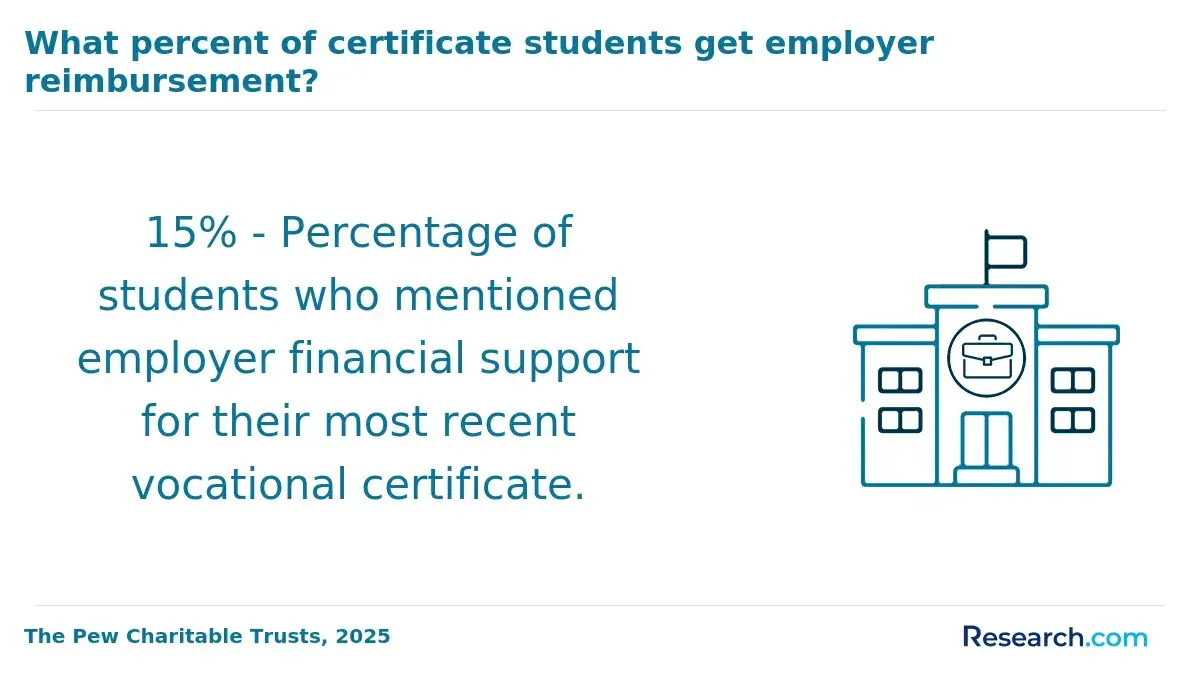
- Employer Support: Flexible schedules or tuition assistance programs offered by employers can reduce strain and create space for academic commitments.
- Time Management Skills: Establishing consistent study routines and utilizing resources such as academic coaches can significantly improve balance and success.
When I asked a graduate who worked full-time while enrolled in an online political psychology degree about her experience, she reflected on the initial overwhelm of juggling work deadlines with coursework deadlines. She described late nights and weekends devoted to readings but emphasized that setting strict priorities helped her stay on track.
"There were moments I doubted if I could keep up," she admitted, "but breaking tasks into smaller goals made it manageable." She valued the program's flexibility and the ability to revisit lectures multiple times, which accommodated her unpredictable work schedule. Ultimately, she found the challenge rewarding and believes her improved time management skills will benefit her long after graduation.
How Do Online Political Psychology Degree Programs Help with Internships?
Internships are vital for gaining practical experience and building professional skills essential for careers in political psychology. They enable students to apply classroom theories to real-world political environments and prepare them for roles in policy, research, or advocacy.
Online political psychology programs use multiple approaches to help students secure and successfully complete these placements.
- Career Services Support: Dedicated advisors provide tailored guidance and conduct mock interviews to prepare students for competitive internship applications and selection processes.
- Virtual Placement Coordination: Programs maintain connections with government bodies, nonprofits, and think tanks nationwide, offering access to a broad range of remote and local internship options.
- Professional Mentoring and Networking: Students engage in virtual workshops, one-on-one mentoring, and networking events that enhance their ability to balance internships with coursework and build valuable industry relationships.
- Online Resources and Tracking: Access to national internship boards, including platforms endorsed by professional associations, helps students identify suitable opportunities and monitor their progress throughout the internship experience.
What Is the Average Tuition Cost of an Online Political Psychology Program?
Knowing the tuition costs of an online political psychology degree is crucial for students planning their education budgets and financial aid strategies. Understanding these expenses upfront helps prospective learners determine affordability and avoid surprises.
Below is a summary of key tuition factors to consider when exploring online political psychology programs.
- Average Annual Tuition: Public universities generally charge between $5,100 and $7,680 yearly for online psychology degrees, while private nonprofit institutions tend to start around $6,672 and can rise significantly higher.
- Tuition Per Credit Hour: Some programs, like Colorado State University Online, set rates around $490 per credit, which means a 12-credit semester could cost nearly $6,000.
- Residency Price Differences: Costs vary widely depending on whether you qualify as in-state or out-of-state. For example, the University of Florida charges roughly $4,477 for residents versus over $25,000 for non-residents annually.
- Extra Fees: Additional charges often include technology fees-commonly about $85 per course-and administrative fees per credit hour that can range from $111 to $715 depending on the institution and student status.
- Program Duration and Total Costs: Since most bachelor's degrees require 120 credits, total tuition expenses can fluctuate from approximately $21,000 to beyond $100,000, heavily influenced by the school selected and residency.
When asked about the average tuition cost, a student pursuing an online political psychology degree shared that navigating these financial aspects was initially overwhelming but became manageable with careful research and budgeting. He noted, "It was a balancing act between choosing a reputable program and finding one I could realistically afford."
The student emphasized the importance of looking beyond sticker price, considering scholarships, payment plans, and the value of the education itself. Reflecting on his journey, he said, "Paying for my degree felt like investing in my future, and though costs were higher than I expected, planning ahead made the process less stressful and more empowering."
What Is the Average Salary for Someone with an Online Political Psychology Degree in 2027?
Knowing the average salary for online political psychology graduates in the US is crucial for anyone considering this field as a career. Understanding potential earnings helps evaluate the financial return on investment of an online political psychology degree, guiding students toward informed decisions.
Here are key salary insights to consider:
- Average Entry-Level Salary: Entry-level positions in political psychology typically range from $45,000 to $80,000 annually. Campaign roles often start between $45,000 and $65,000, while federal government roles may offer starting salaries closer to $60,000 to $80,000.
- Mid-Career and Senior Salaries: With experience or advanced degrees such as a PhD, political psychologists can expect earnings between $80,000 and $150,000 or more. Positions in consulting, academia, or federal agencies often command higher salaries, especially in election years where demand surges.
- Salary by Industry and Region: Salaries vary widely depending on the work sector and location. Political science roles, closely related to political psychology, report median salaries near $139,380, typically requiring a master's degree and focusing on research or policy. Academic and research jobs may offer lower base pay but include opportunities for supplemental income through consulting or speaking engagements.
- Market Trends and Opportunities: The field's interdisciplinary nature means salary prospects differ significantly by state and sector. Prospective students should review the political psychology degree salary by state 2025 data to assess regional variations and career opportunities.
For those looking for educational paths that offer strong earning potential, exploring a quick degree for high pay job can be a strategic option alongside political psychology. This context is important when considering the average salary for someone with an online political psychology degree today.
Which Industries Hire Graduates From Online Political Psychology Programs?
An online political psychology degree is highly versatile, blending psychology, political science, and data analysis to prepare graduates for diverse professional opportunities. This interdisciplinary training equips students with critical thinking, research design, and communication skills sought after in many fields.
Below is a detailed overview of key industries hiring graduates from online political psychology programs.
- Government Agencies and Policy Research: Graduates find roles as policy analysts, intelligence analysts, and public health researchers in federal, state, and local agencies. Departments like Defense, State, and Congressional research offices value insights into public attitudes and foreign leadership psychology for strategic decision-making.
- Political Campaigns and Consulting: Campaign managers, political parties, and consultants hire graduates to analyze voter behavior, develop messaging strategies, and conduct polling, with high demand during election cycles offering lucrative short-term roles.
- Think Tanks and Research Institutions: These organizations employ graduates to design studies, publish policy briefs, and influence legislation by bridging academic theory with practical application.
- Media and Journalism: Political psychologists serve as analysts and commentators during major political events, helping explain voter behavior and political messaging to the public.
- International Organizations: NGOs, United Nations agencies, and global firms recruit graduates for work in conflict resolution, democratic development, and cross-cultural research, often involving travel and collaboration.
The demand for political psychology job opportunities in Florida and beyond remains competitive but favorable due to increasing political polarization and digital campaigning. Salaries in these sectors range broadly, from $45,000 to over $150,000, with consulting and government roles often offering higher earnings.
For those seeking stable and specialized roles, political psychology offers good jobs for an introvert in various sectors.
What Graduates of Online Political Psychology Programs Say About Their Degree
- Kaela: "Pursuing an online political psychology degree allowed me to learn at my own pace while balancing work and family life. The flexibility made the complex topics much more manageable, and the average cost was surprisingly affordable compared to traditional programs. This degree opened doors to new career opportunities in policy analysis that I hadn't considered before. "
- Inez: "The reflective approach of the online political psychology program gave me deep insights into political behavior that I apply daily in my consulting work. While the cost was a significant consideration, the return on investment through enhanced professional credibility has been well worth it. The learning experience was rigorous but rewarding. "
- David: "Enrolling in an online political psychology degree was a strategic move to advance my career in public administration. The program's structure suited my busy schedule perfectly, and knowing that the cost was lower than many campus-based alternatives made it easier to commit. This degree truly transformed my understanding of voter behavior and political decision-making."
Other Things You Should Know About Political Psychology Degrees
In a 2027 online political psychology program, students typically develop skills in critical thinking, data analysis, and understanding psychological theories in political contexts. Online platforms often enhance digital literacy and self-discipline, preparing graduates for diverse roles in both political and psychological fields.
Online political psychology programs often include research methodology and data analysis courses, providing foundational skills for research careers. However, students interested in intensive laboratory or field research should check if the program offers in-person components or partnerships with research institutions. Some programs facilitate remote access to research projects, but hands-on experience may be limited compared to traditional formats.
In 2027, online degrees in political psychology are largely recognized by employers, provided they are earned from accredited institutions. Employers increasingly value the flexibility and initiative required for online learning, though recognition may vary by employer and field within political psychology.
References
- Online Master of Arts in Political Psychology https://asuonline.asu.edu/online-degree-programs/graduate/political-psychology-ma/
- Pepperdine Master of Arts in Psychology | Online https://onlinegrad.pepperdine.edu/psychology/online-masters-psychology/
- Online Political Science Degree https://www.snhu.edu/online-degrees/bachelors/ba-in-political-science
- Political Psychology and Involvement (Online Course) https://polisci.berkeley.edu/course/political-psychology-and-involvement-online-course
- My journey in Political Psychology | BPS https://www.bps.org.uk/psychologist/my-journey-political-psychology