
2027 Is an Online Elementary Education Bachelor's Degree Respected by Employers?

Co-Founder and Chief Data Scientist
Consider a working professional with a non-education bachelor's degree seeking a career change who needs flexibility and accreditation to enter elementary education. Online elementary education bachelor's degree programs offer this path, but questions arise about their value amid concerns over quality and recognition.
According to the National Center for Education Statistics, over 30% of undergraduate education degrees were earned online in recent years, highlighting growing acceptance of digital learning. This article examines the benefits, challenges, and career outcomes of online elementary education degrees to help readers determine whether this route aligns with their professional and personal goals.
Key Things to Know About Employer Perception of Online Elementary Education Bachelor's Degree
- Accreditation by recognized bodies like CAEP significantly increases employer trust in online elementary education degrees, making institutional reputation a crucial factor in hiring decisions.
- Industry norms favor candidates who graduate from programs with demonstrable rigor and clinical experience-even online-impacting employer respect for such degrees.
- Geographic labor markets vary, with urban districts often showing more openness to online degrees compared to rural areas, reflecting localized demand and supply dynamics.
Is an online elementary education bachelor's degree respected by employers in today's job market?
Recent surveys by the Society for Human Resource Management (SHRM) and Northeastern University reveal growing acceptance of online elementary education degrees among U.S. employers-provided the program meets certain quality benchmarks.
Employer respect often hinges on accreditation, the rigor of coursework, and how well graduates can demonstrate practical teaching skills. Those seeking an online elementary education degree should carefully evaluate these factors to ensure their credential translates into real career opportunities.
The employer perceptions of accredited online elementary education programs suggest that credentials from recognized institutions hold significantly more value, especially in regions with strict public school hiring standards.
Lower respect is more common for degrees from lesser-known or newer online-only providers, which may affect licensure and job placement prospects. Candidates should balance institutional reputation and program content rigor while considering geographic labor market conditions.
- Accreditation Matters: Employers heavily weigh whether the degree comes from an accredited institution, especially regional or nationally recognized accreditation. This ensures the program meets educational standards, which is crucial in public school hiring and licensure.
- Program Rigor: Online programs that require similar coursework, practicum hours, and assessments as traditional programs tend to be respected more. Rigorous training signals preparedness for the complexities of elementary classroom teaching.
- Skill Application: Demonstrating hands-on teaching experience through internships, student teaching, or portfolios helps graduates prove they can apply knowledge effectively-raising employer confidence beyond the degree label.
- Institutional Reputation: Well-known universities with strong education departments enjoy higher employer regard. Degrees from lesser-known or new online-only schools may face more skepticism.
- Industry Trends: Increased adoption of remote learning and teacher shortages in certain regions have softened employer biases, making online credentials a practical option for many hiring districts.
Prospective students, including working adults and military personnel, should explore accelerated pathways such as the best associate degree in 6 months online programs as part of a broader educational strategy. Matching program quality with career goals and local demand will maximize employment prospects for those pursuing an online elementary education degree.
How have employer perceptions of online elementary education degrees shifted over the past decade?
Employer attitudes toward online elementary education degrees have evolved considerably since the early 2000s. Back then, skepticism was widespread due to concerns about the quality, rigor, and accreditation of online programs. Surveys from organizations such as SHRM and the Online Learning Consortium document this cautious stance, often linking doubts to fears of diploma mills. However, recent longitudinal data, including the Babson Survey, demonstrate steady growth in acceptance, especially as employers increasingly recognize the value of fully accredited online degrees.
The pandemic accelerated this shift sharply. Widespread adoption of remote learning during lockdowns gave employers direct exposure to the effectiveness of online education. This normalization has been particularly impactful in education-related careers and helped reshape hiring managers' views, as many now regard online elementary education degrees as comparable to traditional ones provided accreditation and institutional reputation are strong. Such trends reflect the broader shifts in us employer views on online elementary education degrees seen across various regions and industries.
It is important for prospective students-whether recent high school graduates, working adults, or military personnel exploring accelerated pathways-to understand that older perceptions may no longer apply. Geographic labor market differences influence employer acceptance, with urban areas often demonstrating greater openness due to remote work prevalence. Institutional reputation and verified accreditation remain critical in distinguishing credible programs.
Students interested in other fields might also explore programs for engineering degrees online, as documented on research.com, to compare trends in remote learning credentials across disciplines.
- Skepticism to Acceptance: Early doubts about the quality and legitimacy of online degrees have lessened considerably as research highlights their rigor and outcomes.
- Impact of COVID-19: The pandemic fast-tracked employer familiarity and trust in remote education, influencing hiring decisions in elementary education and beyond.
- Accreditation Matters: Employers consistently prioritize accredited programs, which serve as a key benchmark for degree credibility.
- Institutional Reputation: Well-established schools offering online degrees tend to enjoy higher employer respect than lesser-known institutions.
- Labor Market Variability: Regional differences affect acceptance rates, with more competitive urban job markets showing increased acceptance of online credentials.
Which industries and employers are most likely to respect an online elementary education bachelor's degree?
An online Bachelor’s in Elementary Education is generally respected by employers in K–12 education, virtual‑learning, and education‑adjacent industries, as long as the program is accredited and you complete the required teaching licensure for your region. Employers increasingly treat accredited online and on‑campus elementary‑education degrees as equivalent, especially when paired with a valid teaching license.
Industries that respect this degree:
Public Sector and Education: Government bodies, school districts, and nonprofit education organizations frequently accept online elementary education degrees, especially if candidates fulfill state certification criteria. Employers like local school systems and agencies such as the Department of Education prioritize credentials aligned with licensing standards rather than in-person study.
Healthcare Administration: Online degrees in elementary education find growing acceptance among healthcare management employers. They value communication and coordination skills offered by graduates. Major health providers like Kaiser Permanente and HCA Healthcare focus more on relevant education and experience than whether the degree was earned on-campus or online.
Technology Sector: While tech firms generally give less weight to education degrees, companies involved in educational technology, e-learning, or corporate training-such as Pearson and IBM-recognize online credentials when combined with skills and certifications in instructional design or tech integration.
Business and Corporate Training: Human resources, corporate training, and professional development sectors often consider online elementary education degrees adequate preparation for roles in staff training or community outreach. Firms like Deloitte and General Electric tend to emphasize experience and credentials over campus attendance.
Fields Preferring On-Campus Degrees: Industries with traditional hiring practices, including law, finance, and specialized STEM fields, usually favor on-campus degrees. Their hesitation toward online credentials often stems from concerns about hands-on training and networking opportunities rather than the educational quality.
When asked about his experience, a professional who pursued an online elementary education bachelor's degree shared that initial skepticism from some employers posed a challenge. He explained, "It was tough proving my degree's value at first, especially in industries that still expect traditional credentials."
However, persistence and showcasing relevant skills gradually shifted employer perceptions in his favor. He emphasized the importance of aligning the program with regional accreditation and state certification to ensure wider recognition.
According to him, "Once I demonstrated practical competencies and clear certification, doors opened in sectors like corporate training and public education, which were more receptive to my online degree." This firsthand account underscores the nuanced acceptance landscape and the role of strategic credential presentation.
Does accreditation determine whether an online elementary education degree is respected by employers?
Employer recognition of online elementary education degrees heavily depends on accreditation status, with regional accreditation-such as from the Higher Learning Commission (HLC), Southern Association of Colleges and Schools Commission on Colleges (SACSCOC), or New England Commission of Higher Education (NECHE)-being the most trusted standard.
These accreditations confirm that institutions meet stringent academic and administrative criteria, greatly influencing hiring decisions. The importance of accreditation for online elementary education degrees lies in its role as a key factor that employers and HR departments verify before considering candidates.
While regional accreditation assures credibility, national accreditation is usually linked to vocational schools and often carries less prestige, which can restrict employment opportunities in education.
Programmatic accreditation, like that from the Council for the Accreditation of Educator Preparation (CAEP), adds a layer of quality assurance to specific education programs but does not replace the need for institutional accreditation. Awareness of how accredited online elementary education degrees affect employer perception helps prospective students select programs that align with job market expectations.
Degrees from diploma mills or unaccredited institutions frequently fail to meet educational standards and may damage job prospects. Many school districts actively disqualify such qualifications during hiring to maintain quality standards. To avoid this, prospective students should reference the U.S.
Department of Education's Database of Accredited Postsecondary Institutions and Programs before enrolling. For those exploring various options, including accelerated routes, the easiest MSW online program is an example of research-backed program selection.
- Regional Accreditation: Recognized as the benchmark by employers, ensuring a degree's academic rigor and acceptance within elementary education hiring.
- National Accreditation Limitations: Often viewed as less reputable, potentially limiting job opportunities compared to regionally accredited programs.
- Programmatic Accreditation: Enhances specific educator preparation quality but cannot substitute institutional accreditation.
- Employer Screening: Many districts actively reject degrees from unaccredited or diploma mills to uphold educational standards.
- Verification Resources: Using the Department of Education's database is vital for confirming institutional legitimacy and safeguarding career prospects.
How does the reputation of the awarding institution affect employer respect for an online elementary education degree?
Employer regard for an online elementary education degree is heavily shaped by the prestige of the institution awarding it. Data from the Society for Human Resource Management and the Online Learning Consortium indicate that degrees from renowned universities offering well-established online programs-such as Penn State World Campus or Arizona State Online-tend to face less skepticism than those from lesser-known schools. This effect stems from the "halo effect," where a strong institutional brand conveys trustworthiness and academic rigor, helping to counter doubts about the online delivery method.
While accreditation remains a baseline requirement, many employers place greater emphasis on the reputation of the college or university. Prestigious programs are often associated with stringent curricula and experienced faculty, factors that can make applicants more competitive in crowded job markets. Additionally, attending a recognized institution can provide access to valuable alumni networks and professional connections that support early career growth.
Students should carefully balance these benefits with tuition costs and their own geographic labor market. In highly competitive areas, a degree from a well-regarded online program can reduce barriers to employment and increase opportunities, but this advantage might vary depending on local employer preferences.
- Institutional Prestige: Strong brand recognition signals quality, often increasing employer confidence in the graduate's preparedness.
- Halo Effect: Esteemed universities can overshadow doubts about online formats by reflecting rigorous academic standards and faculty expertise.
- Accreditation Baseline: Accreditation is essential but rarely enough alone to differentiate candidates in competitive hiring.
- Market Impact: Geographic job markets influence how much institutional reputation matters for employment prospects.
- Cost-Benefit Balance: Carefully weigh tuition and potential career returns when choosing online elementary education programs.
A professional who built her career after completing an online elementary education bachelor's degree shared how her institution's strong reputation eased her job search. She recalled, "I faced some initial hesitation from employers about the online format, but once they saw my degree was from a highly regarded program, their concerns quickly faded."
She emphasized that her school's well-known name opened doors, but also noted the personal effort required-"juggling coursework with work and family was tough, but the credibility of my degree made it worthwhile in the end." Her experience highlights that while prestige can smooth the path, commitment and perseverance remain critical for success.
Do hiring managers and recruiters treat online elementary education degrees differently from on-campus degrees on resumes?
Research from SHRM and NACE reveals that hiring professionals generally do not distinguish between online and on-campus elementary education degrees when evaluating applicants. The emphasis lies primarily on the accreditation and standing of the awarding institution rather than the delivery method.
This shift signals a broader acceptance of online credentials as quality online programs meet rigorous academic standards comparable to traditional formats.
Students earning online degrees are typically advised not to specify "online" on resumes but to list the credential exactly as provided by their school. Doing so prevents potential unconscious biases and aligns with how modern applicant tracking systems (ATS) assess qualifications.
These systems routinely recognize degrees from accredited universities as equivalent regardless of how coursework was completed, allowing candidates to compete fairly in digital screenings.
Job seekers with online elementary education degrees should concentrate on highlighting the institution's accreditation, relevant student teaching experiences, and certifications attained during their studies.
Demonstrating practical skills and professional achievements can significantly enhance their profile both on paper and platforms like LinkedIn, where portraying a focus on qualifications over delivery format is advantageous.
- Accreditation Priority: Employers prioritize degrees from accredited schools, valuing the program's recognized quality above all else, whether completed online or in person.
- Resume Strategy: Avoid including "online" in degree titles on resumes. Present the degree using the official name to ensure a professional and unbiased impression.
- HR Acceptance: Surveys from SHRM and NACE confirm growing employer acceptance of online degrees as equivalent to traditional ones from reputable universities.
- Applicant Tracking Compatibility: ATS technologies treat accredited degrees equally regardless of delivery mode, supporting fair candidate evaluation in digital recruitment processes.
- Experience Emphasis: Highlighting hands-on teaching experience and certifications reinforces competence beyond the degree's format and improves candidacy appeal.
What role do networking and practical experience play in employer respect for an online elementary education degree?
Employers increasingly assess candidates for elementary education roles by examining the full spectrum of qualifications-including internships, certifications, portfolios, and professional references-rather than focusing solely on whether a degree was earned online or in a traditional setting.
The Online Learning Consortium highlights that more than 70% of employers now weigh relevant work experience as equally or more important than the degree's delivery format. This shift reflects growing confidence in skills and proven readiness over educational modality alone.
For online elementary education students, building a strong professional network is crucial. Participating in virtual career fairs, engaging actively on LinkedIn, joining alumni associations, and affiliating with field-specific professional organizations create opportunities to connect with educators, administrators, and potential employers. These networks often lead to valuable referrals and actionable job market insights.
Many accredited programs incorporate applied learning through practicums, clinical hours, capstone projects, and collaborations with local school districts, offering hands-on experiences that demonstrate real-world readiness. These integrations of theory and practice help alleviate employer concerns about online credentials by showcasing the candidate's practical skills and classroom preparedness.
Such experiential learning and professional networking together form a compelling narrative that can close or even eliminate residual skepticism employers may have toward online elementary education degrees. Candidates with comprehensive portfolios and employer-validated experiences present a clear case for their employability in education roles.
- Comprehensive Evaluation: Employers assess internships, certifications, and portfolios alongside degree format to judge candidate qualifications.
- Professional Networking: Online students can build connections through virtual fairs, LinkedIn, alumni groups, and education organizations to enhance job prospects.
- Applied Learning: Programs with practicums and clinical hours provide real-world experience that proves student readiness.
- Employer Partnerships: Collaboration with school districts offers validation of practical skills and eases hiring concerns.
- Impactful Experience: A strong experiential portfolio helps overcome doubts about online degree quality and increases employability.
Are there specific elementary education career paths or licensure requirements that require an on-campus degree instead?
Many state education licensure boards mandate in-person components even when offering online bachelor's degrees in elementary education. Across major states such as California, Texas, New York, Florida, and Illinois, candidates must complete supervised clinical practice or student teaching hours in a live classroom environment.
These residency and practicum requirements are non-negotiable according to accreditation bodies like the Council for the Accreditation of Educator Preparation (CAEP). While foundational coursework may be earned online, online programs alone typically cannot fulfill all licensure mandates due to limited on-campus residency verification and supervised field experience.
Some regional policies for elementary education degree formats explicitly require attendance at an accredited institution with designated on-campus elements to ensure quality clinical supervision. For example, New York's licensure includes residency requirements that fully online programs without partnerships at local school districts generally do not satisfy. This system helps maintain consistent training and direct observation by certified mentors, which is essential in many elementary education state licensure on-campus requirements.
To accommodate students needing more flexibility, many hybrid programs now combine online theoretical instruction with scheduled in-person practicums arranged locally. These programs often collaborate with regional schools to facilitate clinical hours, enabling licensure-eligible completion without relocating or enrolling exclusively on campus.
Prospective students should verify with their state's Department of Education or licensure board to confirm their program meets specific residency and practicum mandates and avoid enrollment pitfalls.
For those seeking flexible, research-backed pathways, exploring accredited certificate programs can also offer valuable supplemental credentials relevant to career advancement.
- Residency Requirements: Most states require in-person student teaching hours that online coursework alone cannot satisfy, emphasizing authentic classroom experience with live supervision.
- State-Specific Mandates: Licensure rules vary by state; some require partial on-campus attendance or local school partnerships, making fully remote completion uncommon.
- Hybrid Models: Many programs offer combined online instruction with regional practicum placements, balancing flexibility and mandatory in-person training.
- Accreditation Importance: Choosing CAEP-accredited programs ensures clinical components meet state standards crucial for licensure eligibility.
- Due Diligence: Students should consult their licensing board before enrolling to confirm their chosen program's format aligns with state certification requirements.
How do employers verify the legitimacy of an online elementary education bachelor's degree during the hiring process?
Employers verifying online elementary education degree accreditation use several methods to confirm a candidate's credentials. The National Student Clearinghouse is a trusted resource storing verified academic records from thousands of accredited institutions, aiding employers in confirming the legitimacy of degrees swiftly.
In addition, many employers directly contact the issuing colleges or universities to verify enrollment dates and degree conferral. Third-party screening vendors often conduct these background checks to maintain accuracy and impartiality during the hiring process. This comprehensive approach reflects how US employers confirm legitimacy of online elementary education bachelor's degrees in a highly reliable manner.
Degrees earned through accredited online programs undergo identical verification processes as traditional degrees. Accreditation from agencies recognized by the U.S. Department of Education or the Council for Higher Education Accreditation ensures academic standards are met, whether courses are completed online or on campus.
This parity enhances employer confidence by confirming that an online elementary education degree holds equivalent value to a traditional one, regardless of geographical labor market differences.
Employers are trained to identify red flags such as degrees from non-accredited schools, diploma mills offering degrees with little to no coursework, and credentials that cannot be independently verified.
Accredited online elementary education programs avoid these pitfalls by providing official transcripts and verifiable documentation, maintaining transparency that supports employer trust across industries.
Prospective students should proactively request official transcripts and degree verification letters early in their job searches. Keeping these documents accessible simplifies verification and presents professionalism, helping candidates demonstrate the quality of their degree.
For those exploring accelerated or affordable routes, comparing options at cheap online colleges can provide a practical starting point within accredited institutions.
- Verification Methods: Employers use the National Student Clearinghouse, direct institutional contact, and third-party vendors to confirm degree legitimacy efficiently and reliably.
- Accreditation Matters: Only degrees from accredited institutions pass verification, ensuring academic rigor and equal treatment of online and on-campus credentials.
- Red Flags Detected: Non-accredited schools, diploma mills, and unverifiable credentials raise suspicion and often disqualify applicants.
- Documentation Preparedness: Candidates should secure official transcripts and verification letters early to facilitate smooth hiring procedures.
- Employer Confidence: Transparent, accredited online programs maintain parity with traditional degrees across geographic and industry differences.
What are the most common misconceptions about the legitimacy of online elementary education degrees among employers?
Most misconceptions about online Elementary Education degrees come from outdated ideas about “online vs on‑campus” and from confusing online programs with low‑quality diploma mills. In reality, employers in education increasingly treat accredited online degrees as equal to traditional ones, as long as you meet licensing and skill requirements.
Lower Academic Standards: Many employers mistakenly assume online elementary education degrees are less challenging. Accredited programs follow the same strict guidelines as traditional ones, with coursework and evaluations aligned to standards set by bodies like CAEP and NCATE. Data from the Online Learning Consortium shows that online student outcomes and grade averages match those of on-campus peers.
Lack of Peer Interaction: There is a belief that online learning reduces collaboration opportunities. In truth, many programs integrate live discussions, group assignments, and virtual classrooms to foster engagement. The Society for Human Resource Management highlights that employers focus more on communication skills demonstrated than the mode of instruction.
Questionable Accreditation: Employers sometimes doubt the legitimacy of online degrees due to accreditation concerns. However, accredited institutions offering online programs meet federal and state requirements essential for certification and employment, as noted by the Bureau of Labor Statistics.
Less Practical Experience: Some worry that online tracks lack hands-on training. Reputable elementary education programs require student teaching or practicums at approved schools, ensuring real-world experience.
Skepticism remains among certain employer groups and regions slower to accept online education. Candidates benefit from confidently sharing their program's verified outcomes and credentials during interviews. This proactive approach can turn misconceptions into advantages by demonstrating rigor and readiness.
How can online elementary education students strengthen their credentials to maximize employer respect?
Online Elementary Education students can maximize employer respect by treating the degree as a launchpad and layering it with licensing, practical experience, and visible proof of teaching competence. Most hiring managers now focus on accreditation, skills, and outcomes, not whether the degree was online.
Certifications: Earning recognized certifications alongside an online Elementary Education degree strengthens a candidate's credentials. Valuable options include the Certified Teacher Assistant (CTA), Reading Specialist endorsements, and early childhood education licenses. Micro-credentials from respected bodies like the International Society for Technology in Education (ISTE) highlight proficiency with digital teaching tools and are increasingly valued by employers.
Internships and Volunteer Fieldwork: Practical classroom exposure through internships or volunteering is crucial. Such experience allows students to apply theoretical knowledge in real settings, often fulfilling state licensure prerequisites and impressing hiring committees.
Professional Portfolio: Compiling lesson plans, student assessment samples, and teaching reflections into a portfolio showcases a candidate's development and expertise. Including multimedia projects or recorded teaching presentations can provide additional distinction.
Association Memberships: Joining organizations like the National Association for the Education of Young Children (NAEYC) offers access to networking, updated research, and ongoing professional development crucial for career growth.
Part-Time and Freelance Work: Roles such as tutoring, substitute teaching, or curriculum development during the degree program allow for skill-building and create a documented employment history, which strengthens resumes and supports interview narratives.
Documentation and Communication: Clearly presenting achievements and experiences on resumes and in interviews-ideally with measurable results-helps candidates stand out by demonstrating readiness and initiative.
According to the Bureau of Labor Statistics, approximately 30% of new teachers gain part-time or substitute teaching experience before securing full-time employment, underscoring the impact of early practical engagement.
What Do Graduates Say About Employer Reactions to Their Online Bachelor's Degrees?
- Mordechai: "From my experience, employers were genuinely impressed by the quality of my online elementary education degree-many didn't even ask about the format during interviews. What mattered most to them was my classroom readiness and ability to connect with students. It was a relief to know that what I learned mattered more than how I learned it."
- Casen: "At first, I did face some skepticism during interviews because my elementary education degree was earned online, which made me have to explain the rigor of the program. However, once I demonstrated my practical skills and passion for teaching, those concerns quickly faded. In the end, my employers focused on how well I fit their school culture rather than the degree delivery method."
- Walker: "I found that many school administrators viewed my online elementary education degree as completely equivalent to traditional degrees-the format was a non-issue. This allowed me to focus conversations on my teaching philosophy and innovative approaches instead. Reflecting on it, the key takeaway is that strong skills and dedication always outshine where the degree was earned."
Other Things You Should Know About Elementary Education Degrees
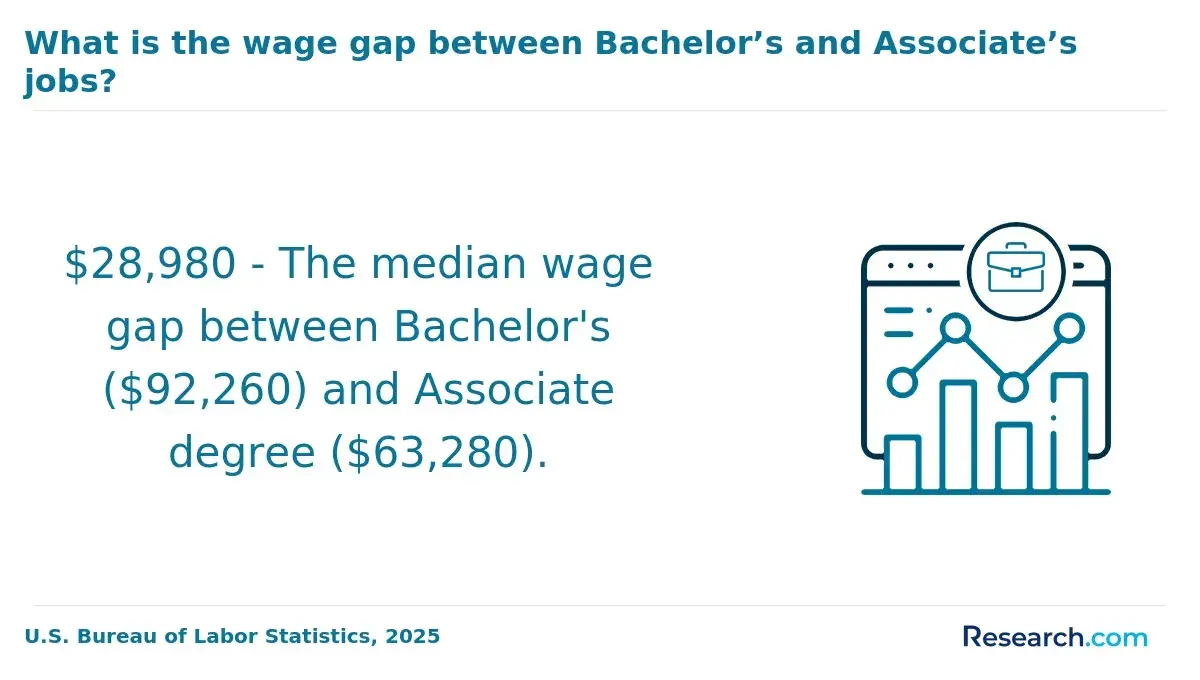
Employers generally view a bachelor's degree in elementary education as the minimum education requirement for certified teaching positions. Compared to an associate degree, a bachelor's degree offers more depth in pedagogy and subject knowledge, making it more respected and frequently required. While a master's degree often leads to higher salaries and advanced roles such as curriculum specialist or administrator, a bachelor's degree remains the primary credential for entry-level teaching jobs in elementary education.
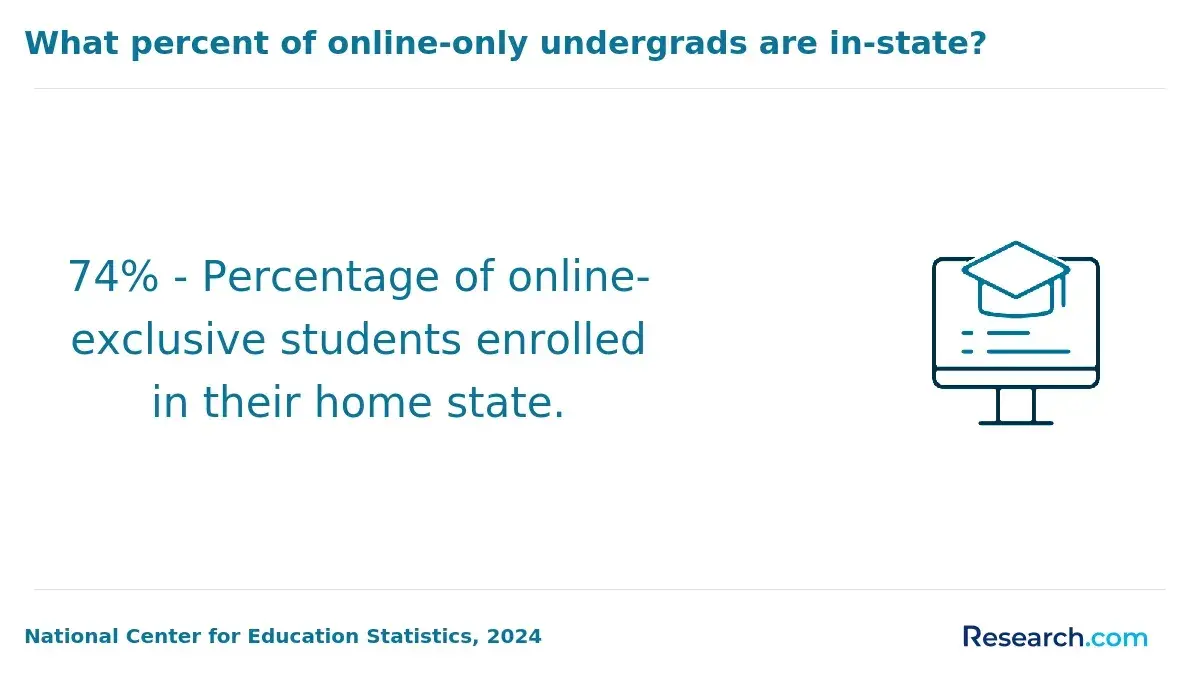
Employer acceptance of online elementary education degrees can vary widely by location. In urban and suburban areas where schools tend to have more resources and exposure to online education trends, online degrees from accredited institutions are often well regarded. However, some rural or traditionally structured school districts may display more skepticism toward online credentials, emphasizing institutions with strong local reputations. Accreditation and state teacher licensure remain key factors influencing acceptance regardless of geography.
Prospective students should examine program accreditation, curriculum alignment with state standards, faculty qualifications, and graduate outcomes. Ensuring these elements meet high standards will help in choosing a respected online elementary education bachelor's program in 2027.
Students should prioritize programs with regional or national accreditation and licensure alignment for their target states. Institutional reputation and graduates' success in securing teaching positions are critical indicators of employer respect. It is also important to consider whether the program includes comprehensive practicum experiences and support for certification exams. Balancing flexible online delivery with rigorous academic and practical training helps ensure the degree is valued in the job market.
References
- The Essential Role of Internships and Practical Experience in Education https://uniboardhub.com/blog-detail.php
- Digital Credentials to Increase and Retain Students | Complete Guide - Acreditta https://info.acreditta.com/en/digital-credentials/digital-credentials-to-increase-and-retain-students-complete-guide/
- How to build a professional network as an online learner | edX https://www.edx.org/resources/how-to-network-as-an-online-learner
- Debunking 8 Common Myths About Online Degrees - University of the Potomac https://potomac.edu/debunking-common-myths-about-online-degrees/
- The Power of Community: How Networking Transforms Teaching Careers - Moreland University https://moreland.edu/resources/blog-insights/the-power-of-community-how-networking-transforms-teaching-careers
- What Global Employers Really Think About Online Degrees https://edutech.global/global-employer-view-on-online-degrees/
- How to Teach Without a Degree in 2025 | Teachers of Tomorrow https://www.teachersoftomorrow.org/blog/insights/how-to-teach-without-a-degree/
- How Do Employers Verify Education & College Degrees? https://www.scoutlogicscreening.com/blog/how-do-employers-verify-education/
- Are Online Degrees Respected by Employers? Know it All! https://www.uopeople.edu/blog/are-online-degrees-respected-by-employers/
- Debunking 8 of the biggest online learning myths https://www.ube.ac.uk/whats-happening/articles/online-learning-myths/


