
2027 Associate to Bachelor's in Elementary Education: Transfer Pathways Explained

Co-Founder and Chief Data Scientist
One significant hurdle in the elementary education field is the challenge of meeting evolving certification and credential requirements while advancing academic qualifications. Many students who begin with an associate degree find the transition to bachelor's programs complicated by inconsistencies in credit transfer policies and varying state standards, which can delay progress and impact timely entry into the teaching workforce. This issue is particularly acute given the increasing demand for fully certified teachers who also demonstrate comprehensive subject mastery and pedagogical skills.
Data shows that nearly 40% of students transferring from associate to bachelor's programs in elementary education face credit loss or extended completion times due to these hurdles. This delay can reduce workforce supply in a field already experiencing shortages, especially in underserved areas. The article will explore transfer pathways, clarify common transfer obstacles, and present strategies for maximizing credit acceptance and program alignment, helping prospective students navigate their educational journey efficiently.
Key Points About Transferring from an Associate to Bachelor's in Elementary Education
- Many transfer pathways offer flexible scheduling options, including evening and online classes, specifically designed to accommodate working professionals balancing jobs and family responsibilities.
- Accelerated programs allow students to complete upper-division coursework more rapidly, reducing time to degree and enabling quicker entry into teaching careers.
- Starting with an associate degree significantly lowers overall tuition costs, as credits transfer and students pay reduced rates while completing foundational coursework at community colleges.
Why should you consider an associate to bachelor's in elementary education transfer pathway?
The associate to bachelor's transfer pathway in elementary education offers a strategic blend of affordability and academic readiness, ideal for students seeking practical and theoretical expertise.
According to the U.S. Bureau of Labor Statistics, educators holding a bachelor's degree have a 15% higher employment rate than those with only an associate degree, highlighting the long-term value of this transfer option. Key advantages include:
- State Certification Access: Many states require a bachelor's degree for certification and licensure. Transferring to a bachelor's program ensures eligibility for these essential credentials, which are often unattainable with just an associate degree.
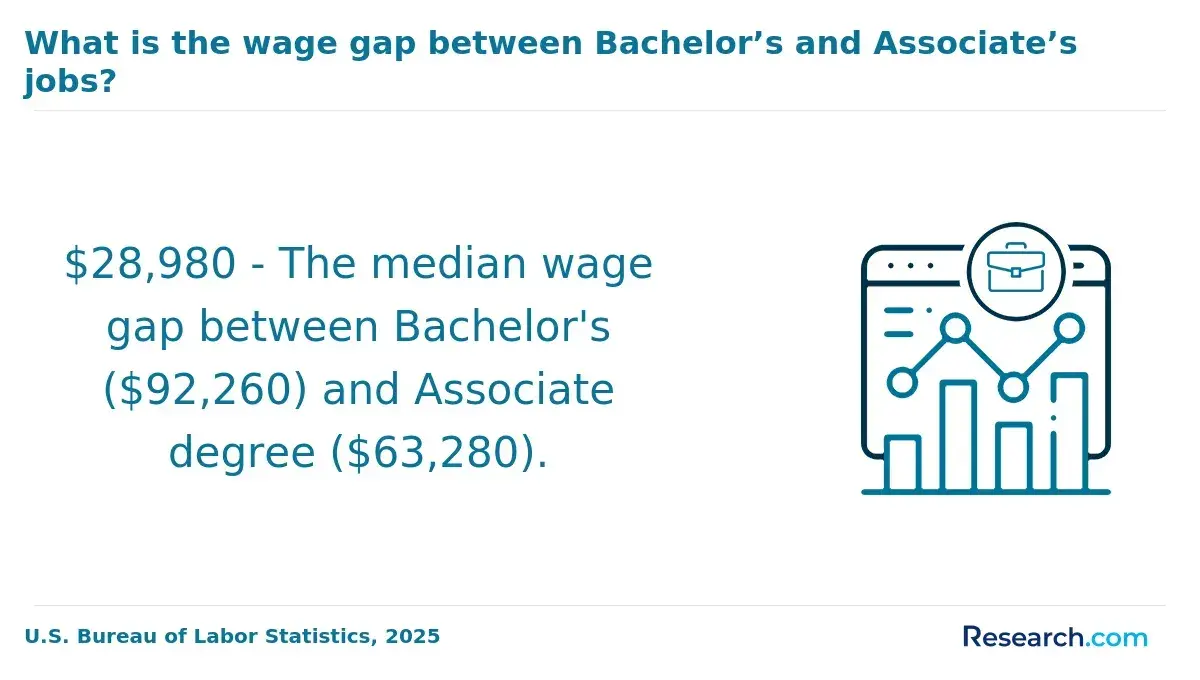
- Salary Potential: Bachelor's degree holders typically earn higher salaries and have better career advancement opportunities in elementary education. This pathway enhances financial stability over time.
- Leadership Preparation: Advanced coursework in bachelor's programs includes leadership training and specialized areas like special education and educational technology, equipping students for diverse roles.
- Academic Rigor: Bachelor's programs deepen understanding of educational theory, child psychology, and curriculum development, strengthening critical thinking and classroom management skills.
Students exploring affordable tuition pathways for elementary education transfer students should also consider that these programs often align with options for further advancement, including the cheapest doctorate degree, providing a long-term professional growth trajectory.
What are the academic requirements to transfer from an associate to bachelor's in elementary education?
While specific criteria vary by institution, successful transfer into a bachelor's in elementary education program from an associate program generally hinges on demonstrated academic consistency and the completion of foundational prerequisites. Key academic pillars help outline the main areas students should focus on before transferring.
- Credit Hour Completion: Most programs require transfer students to have earned between 30 and 60 credit hours, including general education courses that establish a foundation for upper-division elementary education coursework.
- Minimum GPA: A cumulative GPA of 2.5 to 3.0 on a 4.0 scale is commonly expected. This benchmark ensures that students have maintained steady academic performance essential for success in more demanding education classes.
- Prerequisite Coursework: Completing foundational classes related to education, such as child development and introduction to education, is crucial. Many programs mandate a grade of C or higher in these courses to confirm mastery of key concepts needed in elementary education.
- Subject Proficiency: Proficiency in core subjects like literacy and mathematics is often required. This can be demonstrated through coursework completed during the associate degree or by passing standardized assessments focused on these areas.
- General Education Core: Completion of a broad general education curriculum-including communication, social sciences, and natural sciences-helps smooth the transition and allows students to focus on specialized elementary education requirements after transferring.
Students planning their pathway should carefully review articulation agreements to meet these academic prerequisites for transferring to a bachelor's in elementary education. Early preparation supports timely degree completion. For additional insights, including details on how much does it cost to get a business degree online, students may find useful comparisons and resources.
What documents do you need for an elementary education transfer application?
Early preparation of required documents is crucial for a smooth evaluation of transfer credits when moving from an associate degree to a bachelor's in elementary education. Having the right paperwork ready helps ensure timely processing and avoids unnecessary delays.
Below are essential documents typically requested during the transfer application.
- Official Transcripts: Submit sealed transcripts from every postsecondary institution attended to facilitate a thorough review of completed coursework and credit eligibility in relation to the bachelor's program requirements.
- High School Records: Some programs ask for high school transcripts to confirm foundational academic achievements, especially if credits from earlier education stages are relevant to the transfer evaluation.
- Background Clearances: Due to the practical components in elementary education, many programs require up-to-date clinical clearances or background checks to comply with state regulations governing student teaching placements.
- Resume or Portfolio: Applicants may need to present a resume or portfolio highlighting relevant educational experiences, volunteering, or related activities to demonstrate commitment and preparedness for advanced studies in education.
A student who followed this transfer path shared that gathering all the documentation was more complex than expected. He mentioned, "Tracking down official transcripts from older colleges took longer than I thought, and the background check process felt overwhelming at first."
He also noted the uncertainty around whether to include certain volunteer activities in his portfolio, saying, "I wasn't sure what would strengthen my application most, so I reached out to advisors who helped clarify what mattered." Ultimately, the experience underscored how preparation and guidance are key to navigating these requirements effectively.
Can prior work experience in elementary education count toward your bachelor's credits?
Elementary education programs often recognize professional expertise to help students avoid retaking foundational coursework already mastered. Utilizing transfer credits for prior elementary education work experience can significantly reduce degree requirements; in fact, students using Credit for Prior Learning (CPL) save an average of 30 percent in tuition and may finish their degrees up to one semester sooner. Here are common pathways to earn credit through professional experience:
- Documented Employment History: Schools evaluate verified teaching roles and classroom responsibilities to award credit, reflecting real-world experience in educational settings.
- Professional Certifications: Relevant licenses or certifications can demonstrate competency and replace certain coursework, streamlining progression toward a bachelor's degree.
- Portfolio Review: Portfolios showcasing lesson plans or classroom management strategies provide concrete evidence of skills, aiding credit assessments.
- Standardized Exams: Challenge tests based on elementary education standards offer a method to prove knowledge without repeating classes.
By counting professional experience toward bachelor's degree credits in elementary education, students bridge the gap from associate degrees and practical expertise to higher-level academic requirements. For those exploring online options, this approach complements flexible programs such as the best online accounting program, illustrating the broader trend of valuing prior learning across disciplines.
How much can you save if you take an elementary education transfer pathway?
Opting for an associate to bachelor's transfer pathway in elementary education is a smart strategy to lower overall degree costs without sacrificing educational quality. Public two-year colleges typically charge about $3,800 annually for in-district tuition, whereas four-year public universities can exceed $9,500.
Completing foundational courses at a community college first not only reduces tuition expenses but also decreases fees and living costs, particularly when staying local. These savings can amount to nearly 40% less in total tuition, helping students avoid excessive debt and better manage finances throughout their studies.
One student who took this transfer route shared, "Balancing work and classes at the community college was tough at times, especially juggling deadlines and family commitments. But transferring to a university afterward felt smoother knowing I didn't start with a huge amount of debt. It gave me peace of mind and more freedom to focus on learning, rather than stressing over finances." Their experience highlights how the pathway offers both economic relief and a more manageable academic journey.
Are there scholarships available for students transferring to a bachelor's in elementary education?
Many colleges, universities, and professional organizations provide targeted financial assistance to support students transferring into a bachelor's program in elementary education. Studies show that transfer scholarships in this field often offer awards ranging from $1,000 to $5,000 annually, helping to ease the cost of continuing education.
Below are common types of funding opportunities available:
- Institutional Transfer Scholarships: These scholarships reward academic achievement or dedication to elementary education. Eligibility usually requires proof of transfer status, enrollment in the bachelor's program, and sometimes a minimum GPA. Many schools reserve funds specifically for students who demonstrate commitment to teaching careers.
- State-Funded Grants and Aid: Several states allocate grants to students pursuing teaching degrees, often tied to residency requirements and enrollment in accredited elementary education programs. Applicants may need to agree to serve in specified school districts after graduation.
- Professional Organization Awards: Teacher associations and educational foundations offer scholarships aimed at students preparing for elementary education careers. These often require membership or involvement in the organization and focus on candidates dedicated to entering the teaching profession.
Typical qualifications for these awards include maintaining a competitive GPA, providing essays or personal statements, and completing a minimum number of transfer credits-commonly around 30.
Combining multiple scholarships and grants can significantly reduce the financial burden for transfer students, promoting their successful continuation into elementary education bachelor's programs.
Are elementary education transfer pathways eligible for employer tuition reimbursement?
Many professionals advancing from an associate to a bachelor's degree in elementary education can significantly reduce their tuition expenses by taking advantage of employer-sponsored education benefits. Approximately 60% of U.S. employers offer some form of tuition reimbursement or educational assistance, providing valuable support for degree completion.
The following points highlight key factors to consider when navigating employer tuition reimbursement programs:
- Annual Benefit Caps: Most employers impose a yearly maximum reimbursement amount, commonly around $5,000. This cap helps manage costs while still offering meaningful financial aid for course expenses.
- Minimum Grade Requirements: To qualify for reimbursement, students often must maintain a minimum GPA, usually between 2.5 and 3.0. Satisfactory academic progress ensures continued eligibility for funding.
- Employment Tenure: Eligibility frequently depends on length of employment, with companies requiring six months to one year of service before providing benefits. Additionally, recipients may need to commit to remaining with the employer for a period following degree completion.
- Degree Completion Programs: Some organizations offer specialized programs tailored for transfer students, simplifying the process of tracking eligible coursework and expenses for reimbursement.
These employer education benefits can play a crucial role in smoothing the transfer process and mitigating the financial challenges of advancing in elementary education.
How will accreditation standards affect your elementary education degree transfer?
Accreditation serves as a key quality guarantee, ensuring that an associate degree in elementary education meets the rigorous academic standards necessary for bachelor's degree completion.
According to the Council for the Accreditation of Educator Preparation (CAEP), over 90% of four-year institutions require programmatic accreditation when evaluating transfer credits for elementary education students, underscoring its critical role in credit mobility and professional licensure.
Institutional accreditation confirms the overall educational quality and integrity of a college or university, while programmatic accreditation specifically assesses the elementary education program itself. This field-specific accreditation verifies that the curriculum aligns with professional teaching standards and state licensure requirements.
Students should carefully verify both types of accreditation to protect their investment and to ensure that their credits will be accepted by four-year universities and licensing boards, as regional accreditation impact often hinges on these credentials.
Remaining within accredited pathways prevents credit loss and preserves the long-term value of the degree. For students seeking pathways in evolving fields, programs like a degree in cryptocurrency demonstrate the importance of accreditation in maintaining recognized academic and professional standards.
What careers are available to graduates after completing a bachelor's in elementary education?
Transitioning from an associate degree to a bachelor's in elementary education significantly expands career possibilities, enabling entry into leadership and specialized capacities that require deeper expertise.
According to the U.S. Bureau of Labor Statistics, employment for elementary school teachers is expected to grow 7% between 2022 and 2032, reflecting sustained demand for professionals with bachelor's-level qualifications. Below are several key career paths available to bachelor's graduates.
- Certified Teacher: Earning a bachelor's degree is essential for becoming a licensed elementary school teacher in public and private schools. This credential allows individuals to deliver comprehensive instruction and meet state certification standards.
- Curriculum Developer: Graduates can create and refine educational materials, designing lesson plans and resources that align with academic standards. A bachelor's degree provides the subject knowledge and instructional foundation needed for this role.
- Instructional Coordinator: This role involves evaluating teaching methods and implementing improvements to enhance student learning. A bachelor's degree prepares professionals to analyze educational programs and support teacher development.
- Specialized Educator: Positions such as literacy coaches or special education teachers require additional certifications but start with a bachelor's in elementary education. These roles focus on targeted student support and intervention strategies.
- Educational Administrator: Opportunities like assistant principal or academic advisor become accessible with a bachelor's degree, allowing graduates to take on leadership responsibilities within school settings.
What are the most common pitfalls to avoid in an elementary education transfer?
The path from an associate degree to a bachelor's in elementary education is often streamlined, but administrative oversights can cause unnecessary delays or significant credit loss. In fact, students transferring between institutions can lose about 20-30% of their earned credits due to differences in course equivalencies and program requirements.
Careful planning helps avoid these pitfalls; consider the following common mistakes to avoid when transferring elementary education credits in 2024.
- Credit Loss Risks: Failing to verify transfer credit policies with the receiving institution can lead to unexpected credit rejections. This not only delays graduation but may increase tuition costs as students retake courses.
- Prerequisite Misalignment: Many elementary education bachelor's programs require courses in child development, educational psychology, and curriculum design. Missing these prerequisites during the associate degree often results in additional coursework and extended time to completion.
- Changing Majors Mid-Transfer: Switching to elementary education after coursework in unrelated fields can create foundational gaps. Students should meet frequently with academic advisors to align their academic plans and minimize prolonged study periods.
- Support Service Disruption: Transferring students sometimes lose access to tutoring, counseling, or other support services essential to their success. Staying informed about the resources at the new institution is vital for a smooth transition.
Addressing these challenges is key to navigating key challenges in completing elementary education associate to bachelor's transfer in the US. Students who proactively manage these areas can ensure a smoother, more efficient transfer experience.
Additionally, exploring accredited online electrical engineering programs is advisable for those considering complementary STEM skills alongside education, reflecting the interdisciplinary approach increasingly valued in schools today.
What Graduates Say About Transferring from an Associate to Bachelor's in Elementary Education
- Mordechai: "Choosing to transfer from an associate to a bachelor's in elementary education was a pivotal decision for me. The affordability of the transfer pathway made it manageable to continue my studies without overwhelming debt. Most importantly, this program equipped me with the practical skills and confidence to make a real difference in my future classroom."
- Casen: "Reflecting on my journey, the transfer pathway allowed me to build upon my associate degree seamlessly, which was essential given my busy schedule. The cost savings compared to traditional four-year programs were significant, allowing me to focus more on learning than finances. Graduating has truly broadened my career opportunities in elementary education, and I feel prepared for the challenges ahead."
- Walker: "Professionally, I appreciated how the associate to bachelor's transfer in elementary education emphasized both theory and hands-on experience. The lower tuition fees compared to starting fresh minimized the financial burden, which was a big relief. Pursuing this pathway has not only advanced my teaching career but also deepened my passion for fostering young learners' growth."
Other Things You Should Know About Elementary Education Degrees
Yes, general education credits earned during an associate degree often transfer directly to a bachelor's in elementary education program. These typically include courses in English, math, science, and social studies. Transfer policies vary by institution, so it's important to review the receiving school's credit transfer guidelines.
In 2027, graduates transferring from an associate to a bachelor's in elementary education generally need state-specific certifications to teach. Requirements include passing relevant exams like the Praxis series and completing student teaching experiences. Each state may have its own additional specific certification requirements.
Online bachelor's programs often provide flexible scheduling and tailored transfer credit evaluations for students with an associate degree in elementary education. These programs allow students to continue working while completing their degree and may offer accelerated course options. Transfer students usually receive academic advising to optimize their course selection and graduation timeline.
Most bachelor's programs set a maximum limit on transferable credits, which can range from 60 to 90 semester hours depending on the institution. Credits must typically have been earned with a minimum grade and be relevant to the elementary education curriculum. Students should consult with academic advisors to understand specific transfer credit policies and how they affect degree progress.
References
- Elementary Education Transfer https://www.northshore.edu/academics/programs/eet/index.html
- Top 20 Education Scholarships to Apply for in December 2025 https://bold.org/scholarships/by-major/education-scholarships/
- Elementary Education (BS) https://wayne.edu/transfer/pathway/henry-ford-college-elementary-education-bsed
- Careers in Elementary Schools | University of Phoenix https://www.phoenix.edu/articles/education/careers-in-elementary-schools.html
- Earning an Associate's Before Bachelor's Degree: Pros and Cons | Empowerly https://empowerly.com/grade-levels/earning-an-associates-before-bachelors-degree-pros-and-cons/
- Explore what you can do with a bachelor's in education degree | edX https://www.edx.org/resources/what-can-you-do-with-a-bachelors-in-education
- Community college transfer processes discourage degree completion https://journalistsresource.org/education/community-college-transfer-bachelors-degree-barriers-research/
- From 2+2 to A+B: Redefining Transfer Pathways for Today’s Learners https://evolllution.com/from-22-to-ab-redefining-transfer-pathways-for-todays-learners


