
2027 Highest Paying Careers With an Elementary Education Bachelor's Degree

Co-Founder and Chief Data Scientist
Securing a bachelor's degree in elementary education opens doors to various career opportunities beyond traditional teaching roles. With rising financial demands, graduates increasingly seek positions that offer competitive salaries while utilizing their expertise in child development, curriculum design, and educational technology.
In fact, the U.S. Bureau of Labor Statistics projects a 7% growth for elementary school teachers through 2031, reflecting steady demand. Understanding salary trends in education administration, instructional coordination, and specialized support roles can significantly impact long-term financial planning. This article explores the highest paying careers accessible with an elementary education bachelor's degree and highlights key salary insights essential for strategic career decisions.
Key Benefits of the Highest Paying Careers With an Elementary Education Bachelor's Degree
- The highest-paying careers with an elementary education bachelor's degree often offer competitive salaries above the national median for educators, enhancing financial rewards early in one's career.
- These roles present clear pathways for career advancement and leadership positions, such as administration or curriculum development, supporting professional growth.
- Long-term financial stability is achievable given the demand for qualified educators, with many positions providing benefits and pension plans, contributing to sustained economic security.
How Much Do Elementary Education Bachelor's Degree Jobs Pay on Average?
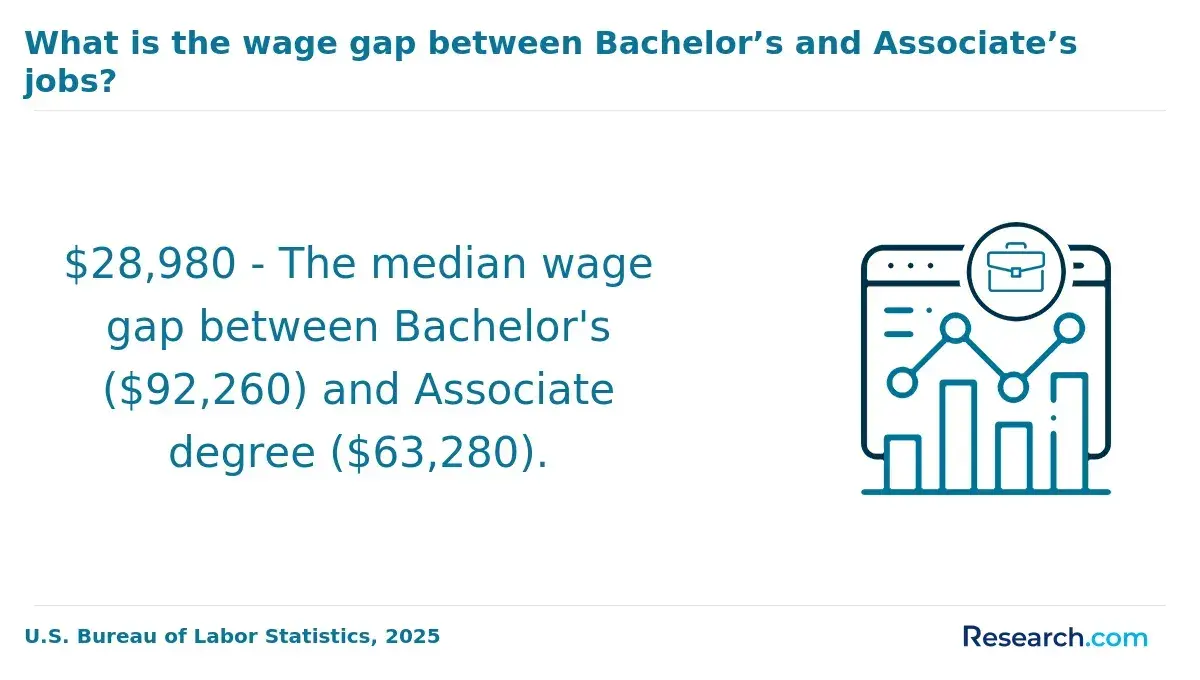
Jobs requiring a bachelor's degree in elementary education typically offer an average salary range between $45,000 and $65,000 per year in the United States. This range aligns closely with the median earnings of bachelor's degree holders across all fields, which generally fall between $60,000 and $65,000 annually.
Such average salary ranges for elementary education graduates provide a useful benchmark for those estimating potential income after completing their degree. The median annual wage for elementary school teachers with this level of education is around $60,000, reflecting a competitive position among careers requiring similar qualifications.
Where someone falls within this salary range depends on several key factors, including experience level, geographic location, and the type of employer. Entry-level educators typically start near the lower end of the spectrum, while seasoned professionals can expect higher wages. Salaries often differ between urban and rural areas and among public, private, and other educational organizations.
These general influences help students and graduates plan realistic financial goals and career strategies. Those interested in advancing their qualifications may explore opportunities such as PhD programs to enhance earning potential within the education sector.
What Are the Highest-Paying Jobs With an Elementary Education Bachelor's Degree?
Graduates with a bachelor's degree in elementary education can pursue several well-paying careers based on their skills and industry experience. Many of these roles capitalize on strengths such as curriculum development, communication, and leadership without requiring advanced degrees or specialized licenses.
The following are some of the highest paying careers with an elementary education bachelor's degree that offer strong earning potential.
- Instructional Coordinator: Responsible for developing and overseeing school curriculums and teaching standards, instructional coordinators ensure educational programs meet quality criteria and improve student outcomes. Elementary education graduates are well-suited for this role due to their knowledge of teaching methods. The average salary is about $66,970 per year.
- Education Consultant: These professionals advise schools and educational companies on program development, best practices, and technology integration. Leveraging problem-solving skills alongside an elementary education background, consultants typically earn around $62,000 annually.
- School Administrator: Often working as assistant principals or program directors, school administrators manage daily school operations and staff while supporting educational initiatives. While some roles may require additional qualifications, many positions for bachelor's degree holders exist, with an average salary near $98,490.
- Corporate Trainer: In corporate training and development, professionals design and deliver training programs to improve employee skills. Elementary education graduates bring valuable instructional design expertise to this field, earning approximately $62,700 per year.
- Educational Content Developer: Creating textbooks, digital resources, and learning materials, this role demands strong writing and pedagogical skills. Salaries typically average about $60,000 annually.
Prospective students exploring these top jobs for elementary education degree graduates with high salaries may also consider related fields or complementary education paths. For example, exploring a psychology degree can further enhance understanding of learning and development, supporting career growth in education-focused roles.
What Are the Highest-Paying Entry-Level Jobs With an Elementary Education Degree?
Graduates holding a bachelor's degree in elementary education have access to several well-compensated entry-level positions that combine meaningful work with competitive salaries. These roles often involve direct engagement with children or supporting educational programs, making them ideal starting points for new professionals.
- Elementary School Teacher: This position is a common and rewarding choice, with entry-level teachers earning between $41,000 and $48,000 annually. Teachers play an essential role in guiding young learners' academic development, laying the foundation for their future education.
- Instructional Coordinator Assistant: Assisting in curriculum implementation and evaluating teaching strategies, these entry-level professionals typically earn from $45,000 to $50,000. This job suits those interested in shaping educational standards beyond classroom instruction.
- Academic Advisor for Elementary Students: Earning around $42,000 to $47,000, advisors help students and families plan academic paths, requiring strong interpersonal skills and knowledge of elementary education principles.
- Child Development Specialist: Focusing on the cognitive and emotional growth of children, these specialists start with salaries near $40,000 to $46,000 while working in education centers or community programs.
- Early Childhood Education Program Coordinator: Managing programs and organizing activities for young children, these coordinators often begin their careers making about $44,000 annually.
When asked about her experience entering the field, a recent elementary education graduate reflected on the transition: "Starting out, I was excited but also faced the challenge of balancing lesson planning with hands-on teaching. It wasn't just about understanding theory but connecting with each child."
She emphasized how each role brought unique rewards, especially when witnessing a student's progress. "The earliest jobs taught me to adapt quickly and find creative ways to support learning, which made the steady pay feel like a welcome reassurance during those first months."
What Are the Highest-Paying Industries for Elementary Education Majors?
Compensation for graduates with a bachelor's degree in elementary education varies greatly depending on the industry they enter. Different sectors value educational expertise in unique ways, influencing salary potential beyond traditional classroom roles.
- Private Educational Institutions: These organizations usually have more financial flexibility than public schools, allowing them to offer higher wages. They often seek experienced educators to support specialized programs and leadership roles.
- Educational Publishing and Curriculum Development: Employers in this industry pay well for expertise in designing instructional materials and developing educational content. Graduates contribute to creating resources that impact a broad range of learners and educators.
- Corporate Training and Development: Large companies invest in employee education and rely on professionals with teaching backgrounds to develop and facilitate training programs, often providing compensation above average teaching salaries.
- Government Agencies: Positions related to education policy, program administration, and outreach at federal, state, or local levels generally offer higher pay. These roles involve shaping educational initiatives and managing public resources.
- Education-Focused Nonprofits: Organizations centered on advocacy, reform, and research often provide competitive salaries for program coordination and policy work. Funding structures and specialized missions justify enhanced pay.
These industries leverage the skills of elementary education graduates in distinct ways, frequently offering better financial rewards than typical teaching positions by aligning educational knowledge with wider organizational goals.
What High-Paying Remote Jobs Can I Get With an Elementary Education Bachelor's Degree?
Remote positions in elementary education allow graduates to tap into lucrative career paths that reward their expertise and experience. These roles vary widely but commonly integrate digital tools and virtual collaboration, making them well-suited for earning strong salaries while working from home.
The availability of these opportunities highlights promising online teaching opportunities with an elementary education degree.
- Educational Consultant: Consultants assist educational organizations by offering guidance on curriculum design and teaching practices. This role involves extensive research and virtual communication, supporting a salary range typically between $60,000 and $90,000 annually.
- Curriculum Developer: Tasked with creating instructional content, curriculum developers often convert traditional lessons into engaging digital formats. Their remote-friendly duties come with estimated yearly earnings from $55,000 to $85,000.
- Online Education Coordinator: Coordinators oversee online learning initiatives, liaising with educators, families, and students through digital platforms. Their compensation generally falls between $50,000 and $80,000 per year.
- Virtual Tutor: This position involves delivering personalized support to elementary students via video calls, with flexible schedules leading to annual incomes ranging from $40,000 up to $70,000 depending on workload.
- Instructional Designer: Focused on producing e-learning courses, instructional designers collaborate remotely with content experts and can expect salaries from $60,000 to $95,000 annually.
For those eager to expand their credentials, exploring an EdD in educational leadership can unlock even more advanced remote career options.
What Factors Affect Salary With an Elementary Education Bachelor's Degree?
Salaries for individuals with a bachelor's degree in elementary education can vary noticeably, even when the educational background is identical. Several key elements influence how much graduates can earn, shaping their financial prospects within the field.
- Experience Level: Earnings typically rise with the number of years spent in the profession. Those just starting out usually receive lower pay, while veterans benefit from skills and knowledge gained over time, which can justify higher salaries.
- Industry Demand: The level of need for elementary education professionals in different locations or sectors directly impacts wage offerings. When demand is high, employers often increase salaries to secure qualified staff.
- Job Role Complexity: Positions that involve added responsibilities-such as mentoring colleagues or managing classroom programs-tend to offer better compensation compared to basic teaching roles.
- Company Size and Budget: Larger schools or districts with more substantial funding generally provide higher pay and additional perks. Smaller institutions may have budget constraints limiting salary potential.
- Geographic Location: Regional economic factors and living costs heavily affect salary amounts. Urban centers and affluent areas usually offer increased wages to match higher expenses, whereas rural or low-cost areas may present lower earnings.
What Skills Increase Salary for Elementary Education Bachelor's Degree Holders?
Increasing salary potential within elementary education requires more than just holding a degree; developing specific skills can set graduates apart and lead to higher earnings. Research from the National Association of School Personnel Administrators reveals that educators with strong communication and technology skills earn up to 15% more than those without.
These competencies enhance professional value beyond formal education.
Important skills that contribute to greater earning potential include:
- Effective Communication: Mastering verbal and written communication improves relationships with students, parents, and colleagues, positioning educators as indispensable team members and potential leaders.
- Technology Integration: Ability to utilize educational technology tools makes instruction more engaging and efficient, demonstrating innovation highly valued in modern classrooms.
- Data Analysis: Interpreting student performance data allows for tailored teaching strategies, showcasing a results-oriented mindset that school administrators appreciate.
- Classroom Management: Effective behavioral strategies create a positive learning environment, reducing disruptions and fostering student success, which often translates to enhanced respect and pay.
- Creative Problem-Solving: Innovation in lesson planning and resolving conflicts adds adaptability and resilience, qualities that contribute significantly to school-wide success.
Asked about which skills helped increase his salary, a professional with an Elementary Education bachelor's degree shared that embracing new technology was initially intimidating but ultimately rewarding. "Integrating digital tools in lessons took time to learn, and I faced technical hiccups, but it sharpened my teaching and kept students engaged," he explained.
He also noted that improving communication, especially listening actively to parents, created stronger support networks that led to leadership opportunities. "It wasn't just about what I taught, but how I connected with others that made a difference in my career progression."
What Certifications Increase Salary After an Elementary Education Bachelor's Degree?
After earning a bachelor's degree in elementary education, obtaining professional certifications can significantly enhance salary potential and professional credibility. Research indicates that teachers with additional certifications may earn between 5% to 15% more than their non-certified counterparts.
Below are some key certifications known to increase earning potential for elementary education graduates.
- National Board Certification: This rigorous credential validates advanced teaching skills and commitment to student learning, often leading to notable salary increases by demonstrating higher professional competence.
- Reading Specialist Certification: Focusing on literacy instruction and assessment, this certification qualifies teachers to support struggling readers, making them highly sought after and potentially eligible for higher pay.
- ESL (English as a Second Language) Certification: This prepares educators to teach students whose first language is not English, expanding teaching opportunities in diverse classrooms and increasing earning potential.
- Gifted and Talented (G/T) Certification: Specialists in this area work with advanced learners and design enrichment programs, often receiving stipends or higher wages for their expertise in addressing diverse student needs.
- Special Education Certification: Educators who earn this credential support students with disabilities, a highly specialized and essential role that often comes with salary enhancements.
- Technology Integration Certification: As digital tools become integral to education, this certification highlights the ability to incorporate technology effectively, frequently leading to additional compensation.
These certifications represent some of the highest paying teaching certifications after an elementary education degree, offering graduates concrete pathways to enhance their professional stature and income. For those exploring further academic or certification options, programs such as a 1 year online MBA no GMAT may also complement educational careers by broadening administrative and leadership prospects.
Which High-Paying Jobs Require a Master's After an Elementary Education Bachelor's Degree?
Some of the highest-paying jobs following a bachelor's degree in elementary education require a master's degree to develop specialized knowledge or meet professional standards. Advanced education is key to preparing for leadership, counseling, and curriculum design roles that demand expertise beyond initial teacher training.
According to the National Center for Education Statistics, about 23% of teachers hold a master's degree or higher, highlighting the importance of a master's degree advancement in elementary education careers. The following roles are prime examples of such careers.
- Instructional Coordinator: Instructional coordinators manage curriculum standards and support the improvement of teaching methods across schools. A master's degree is typically essential to gain advanced skills in curriculum theory, educational research, and data analysis required for effective program development.
- School Counselor: School counselors at the elementary level address academic and social challenges faced by students. Obtaining a master's degree in counseling or education equips professionals with psychological theories and counseling techniques critical for student support and intervention strategies.
- Educational Administrator: Roles such as principals and assistant principals usually require a master's degree for developing leadership abilities. This advanced education helps professionals understand school law, finance, and organizational management to effectively oversee school operations and staff.
- Special Education Teacher: Special education teachers pursue a master's degree to deepen their knowledge of disability studies and individualized education programs (IEPs). This education enables them to support students with diverse learning needs more effectively.
- Curriculum Developer and Instructional Designer: Professionals in these roles utilize master's-level training to master instructional technology, assessment methods, and modern content design, ensuring educational materials meet contemporary standards.
Prospective educators interested in combining strong foundational knowledge in elementary education with advanced expertise might consider complementary fields or degrees, including technical areas. For example, pursuing an online bachelor's in electrical engineering offers a different pathway for those seeking technical careers alongside education backgrounds.
Which Elementary Education Fields Are Future-Proof and High Paying?
Fields within elementary education that remain resilient and lucrative often stem from sustained industry need, technological progress, or essential societal functions. These areas offer stability and upward earning potential as they adapt to evolving educational demands and innovations.
- Educational Technology Integration: As classrooms increasingly employ digital tools and hybrid instruction, educators skilled in merging technology with teaching are vital. This specialization grows alongside continuous innovation and expands opportunities in education's digital evolution.
- Special Education: The ongoing necessity to support diverse learners ensures high demand for educators trained to address specialized challenges. This area combines meaningful impact with compensation linked to the complexity of student needs.
- Curriculum Development and Instructional Design: Professionals who craft adaptive, research-based curricula stay essential amid education reforms and the push for personalized learning, ensuring steady demand for their expertise.
- STEM-Focused Elementary Education: Teachers fostering early proficiency in science, technology, engineering, and math align with workforce priorities and benefit from strong policy backing, making this field a secure investment.
- Bilingual and English Language Learner (ELL) Education: Addressing demographic shifts, educators adept in language acquisition and culturally responsive methods remain sought after, supporting both community needs and competitive compensation.
What Graduates Say About the Highest Paying Careers With an Elementary Education Bachelor's Degree
- Mordechai: "Graduating with a degree in elementary education opened doors I hadn't expected, especially with the strong earning potential in specialized teaching roles. There's a clear demand for qualified educators, which gave me job stability right after graduation. I'm also excited by how many opportunities there are for career advancement, like becoming a curriculum coordinator or an instructional leader."
- Casen: "Looking back, pursuing elementary education was one of the best decisions I made, given the consistent demand across schools nationwide. Beyond steady pay, I appreciate how flexible the field is, allowing me to branch into administrative roles and leadership positions that offer higher responsibility. The balance between impact and compensation keeps me motivated every day."
- Walker: "My experience earning a degree in elementary education has been rewarding not just financially but professionally-I've seen firsthand how the industry values educators for their ability to progress into higher-level roles quickly. The strong earning potential combined with job security made this path a practical choice. I'm grateful for the career growth opportunities that keep pushing me to excel."
Other Things You Should Know About Elementary Education Degrees
In 2027, not all jobs related to elementary education require a teaching license. Positions such as education consultants, curriculum specialists, and educational sales representatives often rely on your degree but do not typically need a teaching license. Each role may have different qualifications or experience requirements, so check specific job listings.
An elementary education degree provides a strong foundation for advancement within the education sector. Many higher-paying roles, such as instructional coordination or educational administration, may require additional credentials or graduate degrees. This degree also equips professionals with critical classroom experience applicable to leadership positions.
Specializing in areas like special education, bilingual education, or STEM curriculum development can enhance job prospects and earning potential. Many employers value teachers who have expertise in high-demand areas, which can lead to more competitive salaries and diverse career opportunities.
References
- Top Emerging Fields in Education: Courses That Will Dominate the Future https://efos.in/career-updates-details/top-emerging-fields-in-education-courses-that-will-dominate-the-future
- Elementary Teacher Certifications: Best Credentials to Advance Your Career | Teal https://www.tealhq.com/career-paths/elementary-teacher-certifications/
- How Much Money Do Teachers Make? 5 Factors That Influence Teachers’ Salaries https://www.educationdegree.com/articles/how-much-do-teachers-make/
- Careers in Elementary Schools | University of Phoenix https://www.phoenix.edu/articles/education/careers-in-elementary-schools.html
- The 10 Highest Paying Jobs With a Teaching Degree [Quiz] https://www.umassglobal.edu/blog-news/highest-paying-jobs-with-a-teaching-degree
- Education Degree Career Benefits & Opportunities | TMU https://truett.edu/blog/archive/education-degree-career-benefits/
- Teachers in the US face low pay relative to their level of education | USAFacts https://usafacts.org/articles/teachers-in-the-us-face-low-pay-relative-to-their-level-of-education/
- Second Careers For Teachers: Remote Work from Home https://teachercareercoach.com/second-careers-for-teachers/
- The Versatility of an Elementary Education Degree - Graduate Programs for Educators https://www.graduateprogram.org/blog/the-versatility-of-an-elementary-education-degree/
- High-Paying Master's in Elementary Education Jobs | University of Bridgeport https://www.bridgeport.edu/news/high-paying-masters-in-elementary-education-careers/


