
2027 Different Types of Elementary Education Bachelor's Degrees: Specializations, Careers, and Salaries

Co-Founder and Chief Data Scientist
Many aspiring teachers face uncertainty when choosing an elementary education bachelor's degree specialization, unsure which path aligns best with their career goals and salary expectations. With the field expected to grow by 5% between 2022 and 2032 according to the U. S. Bureau of Labor Statistics, selecting the right focus area can significantly impact job prospects and earning potential. Specialized degrees, such as special education or STEM-focused elementary education, often open doors to niche roles with distinct challenges and rewards. This article explores the various elementary education bachelor's degree specializations, their related careers, and likely salary ranges to guide students in making informed decisions.
Key Things to Know About Different Types of Elementary Education Bachelor's Degrees
- Elementary education degrees often include specializations like special education, STEM education, and bilingual education, tailoring skills for diverse classroom needs.
- Graduates frequently pursue careers as classroom teachers, curriculum developers, or educational coordinators within public or private school systems.
- Median salaries range from $50,000 to $60,000 annually, with variations depending on specialization, geographic region, and years of experience.
What Are the Different Types of Elementary Education Bachelor's Degrees?
Elementary education bachelor's degrees are available in various program formats that differ in structure, pacing, and delivery method. These options reflect the diverse needs of students balancing personal, professional, and academic goals. Nearly 30% of education bachelor's degree students choose online or hybrid programs, underscoring the rising demand for flexible learning pathways.
Common formats include:
- Traditional Programs: These follow a full-time, on-campus schedule, usually completed within four years. They are ideal for students seeking a classic college experience focused on face-to-face instruction.
- Accelerated Programs: Designed for those who want to finish their degree quickly, these programs offer intensive coursework, often including summer sessions. This format appeals to students aiming for the fastest online degree or quicker entry into entry-level careers with elementary education bachelor's degrees.
- Online Programs: Fully remote, these programs provide the greatest flexibility, enabling students to learn from any location. Online formats often attract working professionals balancing employment with coursework.
- Hybrid Programs: Combining online learning with some on-campus sessions, hybrid formats suit students who desire both remote convenience and in-person engagement to deepen understanding.
- Part-time Programs: Structured to accommodate students juggling work and personal commitments, part-time options extend the duration of study but maintain degree rigor.
Students can explore different elementary education bachelor's degree types and specializations within these formats, helping them align their academic focus with promising entry-level careers with elementary education bachelor's degrees.
What Specializations Are Available in a Elementary Education Bachelor's Degree?
Elementary education bachelor's degree programs commonly provide a variety of specializations, allowing students to target their studies toward specific teaching interests and classroom needs. Recent data shows that nearly 60% of these programs include specialization options, highlighting the importance of focused expertise in education. These areas help develop essential skills for diverse and inclusive learning environments. Below are some key specializations offered by many programs.
- Special Education: This specialization prepares students to work with learners who have disabilities or learning differences. Emphasis is placed on adaptable curricula and instructional strategies that promote inclusivity and effective behavioral management.
- Early Childhood Education: Focusing on children from birth through early elementary grades, this track covers child development, language acquisition, and play-based learning to support foundational growth and development.
- Literacy Education: Concentrating on reading and writing, candidates learn instructional techniques, assessments, and interventions to help young students achieve critical literacy skills.
- STEM Education: Designed to equip future educators with skills to teach science, technology, engineering, and math, this specialization emphasizes problem-solving, hands-on activities, and technology integration.
- Bilingual Education: This focus prepares candidates to teach English language learners by exploring language development theories, cultural responsiveness, and strategies for bilingual or multilingual classrooms.
Prospective students exploring online elementary education master's admission criteria often begin by reviewing the foundational competencies established through these bachelor's specializations. Additionally, institutions may define specific requirements for non-majors enrolling in elementary education master's programs, highlighting the need to understand these specialized pathways. For those interested in understanding how these degrees relate to career prospects, the best bachelor degrees data provide valuable insights into salary outcomes associated with education and related fields.
2026 Update: Licensure and Student-Teaching Checks Before Choosing a Track
This 2026 update adds a practical checklist for comparing elementary education bachelor’s degree options based on certification readiness, classroom practice, and state teaching requirements.
- Confirm whether the program leads to initial teacher licensure in the state where you plan to work.
- Check if the specialization matches approved certification areas, such as elementary generalist, special education, ESL, or STEM-focused instruction.
- Review student-teaching placement rules, including grade levels, supervision, and whether placements are arranged by the school.
- Ask which licensure exams the curriculum prepares students to take before graduation.
- Look for required background checks, fingerprinting, or fieldwork clearances that may affect your timeline.
- Verify whether online or hybrid programs include local practicum options that meet state requirements.
Checking these details early helps students avoid delays, choose a specialization that fits their teaching goals, and graduate better prepared for certification.
What Entry-Level Jobs Can I Get With a Elementary Education Bachelor's Degree?
A bachelor's degree in elementary education opens doors to various beginning roles within the education sector. According to the U.S. Bureau of Labor Statistics, jobs for elementary and kindergarten teachers are expected to grow by approximately 7% in the coming decade, signaling consistent demand. Graduates can capitalize on this degree by entering roles that help build foundational teaching expertise.
- Elementary School Teacher: Many start their careers as classroom teachers, delivering lessons in subjects like reading, math, and science. This role strengthens classroom management, lesson planning, and student evaluation skills.
- Special Education Assistant: Supporting students with unique learning needs, these assistants work under special education teachers to implement tailored learning plans, cultivating adaptability and patience.
- Instructional Coordinator Assistant: Helping curriculum specialists, assistants contribute to the development and assessment of educational content, sharpening analytical and technology skills.
- After-School Program Coordinator: Coordinators oversee extracurricular activities aimed at enriching students' experiences, developing leadership and organizational abilities.
- Educational Consultant Intern: Interns collaborate with education consultants on policy analysis and training projects, enhancing research and communication competencies.
A professional with a bachelor's in elementary education shared that landing the initial teaching job wasn't straightforward due to competition and certification requirements. "I remember feeling both excited and overwhelmed during my first interviews," he said. He emphasized how the hands-on experience gained through internships and volunteer work was invaluable in demonstrating practical skills to employers. He also noted that early roles helped him understand classroom dynamics deeply, which made transitioning into full-time teaching smoother despite initial uncertainties.
What Industries Pay the Most for Elementary Education Graduates?
Graduates holding a bachelor's degree in elementary education often find that certain industries offer more competitive pay. According to recent data, educational services and related sectors have some of the strongest wage growth for teachers who expand their roles beyond traditional classrooms. These trends help highlight where elementary education graduate salary by industry sectors tends to be the highest. Below are key areas with above-average compensation.
- Private and International Schools: These schools typically provide higher salaries to attract educators skilled in cross-cultural communication and curriculum design. Graduates in this sector often tailor lessons to diverse student populations while meeting elevated academic standards.
- Corporate Training: Companies value elementary education graduates for their expertise in instructional design and educational technology. In this field, educators develop training programs for youth or employees, focusing on interactive and adaptable learning experiences.
- Educational Publishing and Media: Working in content development, graduates create textbooks, digital resources, or educational games. Success here depends on strong pedagogical knowledge and the ability to transform educational theories into engaging materials.
For students exploring career options, understanding the top paying industries for elementary education teachers is crucial. To explore additional pathways aligned with your skills, check out the best associates degrees to get, which also provide valuable foundational knowledge in education and related fields.
What Is the Average Salary for Elementary Education Bachelor's Degree Graduates?
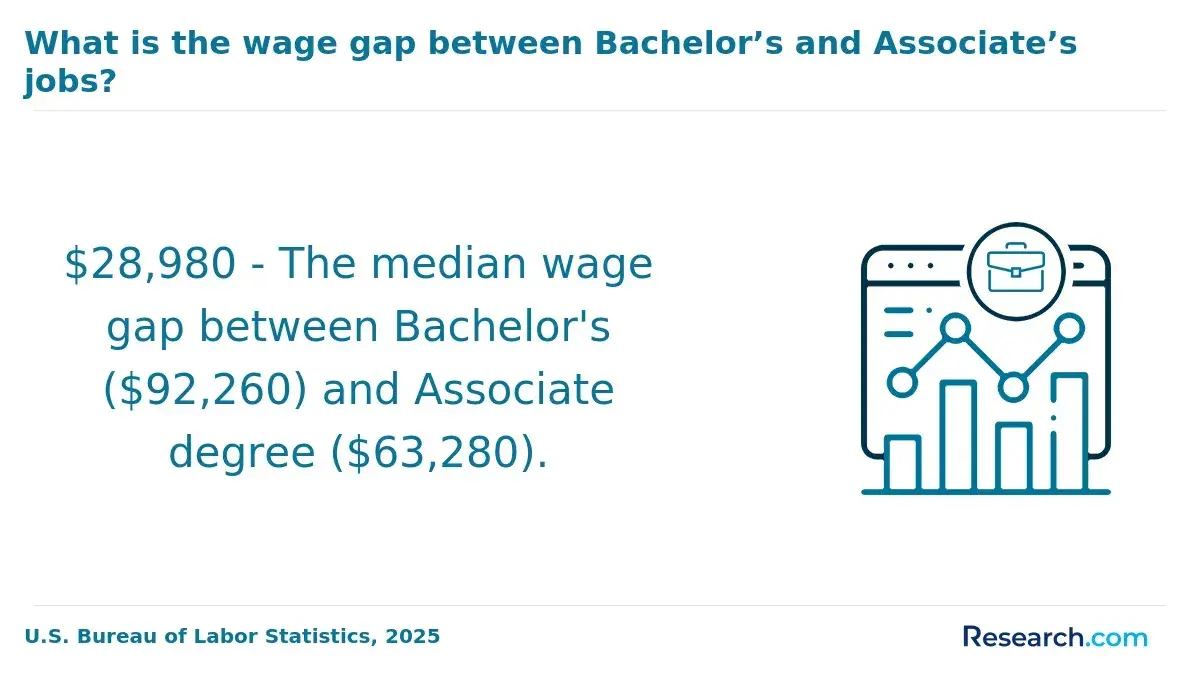
Salaries for graduates with a bachelor's degree in elementary education vary based on factors such as industry setting, experience level, and specialized credentials. Early-career teachers in this field generally earn a median annual salary ranging from approximately $43,000 to $50,000, influenced heavily by regional and institutional differences. Understanding these variables provides insight into potential salary trajectories.
- Industry Setting: Public school positions often offer higher pay compared to private or alternative educational environments, mainly due to union agreements and state funding priorities.
- Experience Level: Entry-level salaries start modestly but tend to increase steadily with years of classroom practice and professional growth activities.
- Geographic Impact: Compensation varies considerably by state and locality, reflecting cost of living adjustments and differences in school budgets.
- Additional Certifications: Obtaining credentials beyond the bachelor's degree, like special education or ESL qualifications, may lead to salary enhancements or supplementary stipends.
- Role Diversification: Transitioning into specialized roles such as curriculum development or instructional coaching can result in higher pay compared to standard teaching positions.
When asked about her salary experience, a professional with a bachelor's degree in elementary education shared that starting pay felt limited initially, especially when weighed against the dedication required in the classroom. She recalled the challenge of balancing budget constraints with the desire to grow her skills and pursue further certifications to boost her income. Over time, she noted positive shifts as experience accumulated and specialized roles became accessible, remarking, "It wasn't just about the paycheck but about the value of what I brought to my students and school community." Her story highlights how patience and continued development are key to improving financial outcomes in this career path.
How Do Salaries Compare Across Elementary Education Specializations?
Salaries in elementary education can differ significantly depending on the area of specialization. For example, special education teachers typically earn about 10-15% more than their peers in general elementary education, reflecting the additional skills and responsibilities required. Similarly, educators specializing in STEM fields often receive higher pay due to the growing emphasis on science, technology, engineering, and mathematics in schools. Those working as bilingual or dual-language teachers also benefit from salary premiums tied to their unique language skills and cultural knowledge.
These salary variations arise from several key factors. Specialized roles often demand extra certifications and advanced training, which justify increased compensation. Additionally, shortages of qualified professionals in certain areas, like special education and STEM, drive up wages as schools compete to attract talent. The complexity of work also plays a role, with teachers managing individualized plans or diverse learning challenges generally facing greater responsibilities that are reflected in their pay. Understanding these elements can help future educators make informed decisions about their career paths.
Are Salaries Different for Online vs On-Campus Elementary Education Graduates?
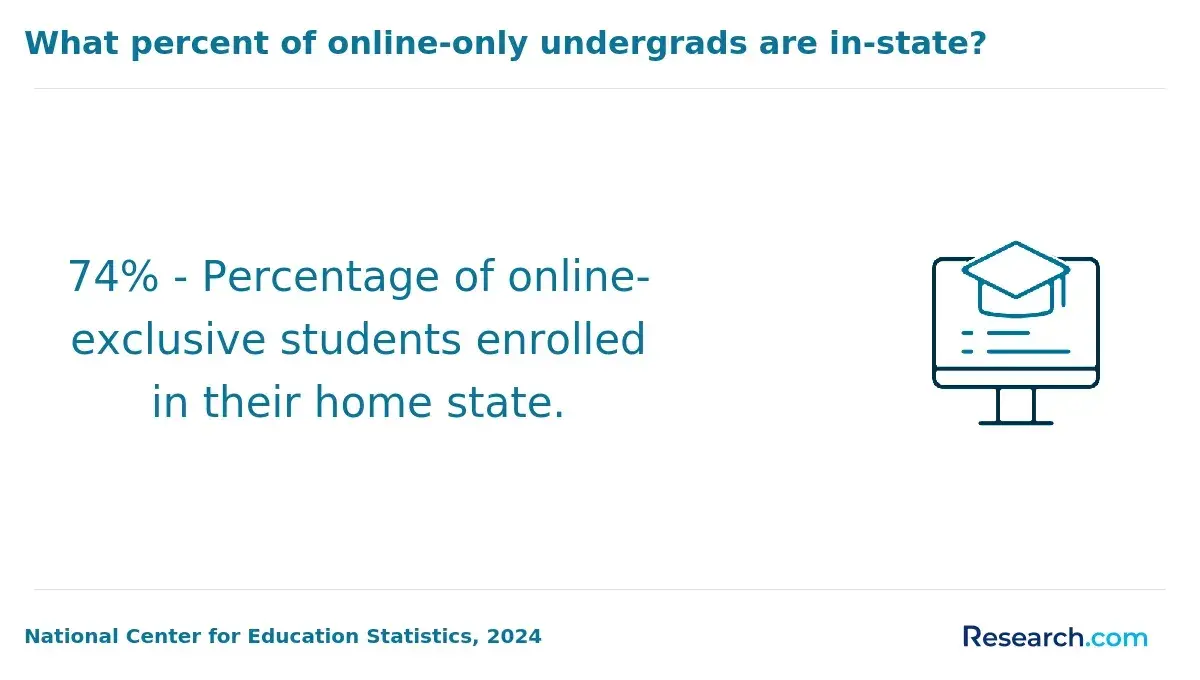
Salaries for graduates holding an elementary education bachelor's degree earned online versus on-campus show minimal differences attributable to the mode of study. Both online and on-campus programs provide essential coursework and skill development in areas such as lesson planning, classroom management, and child development. Accredited online programs typically align closely with their traditional counterparts in curriculum and learning outcomes, ensuring graduates have comparable knowledge and skills. Employer perception has grown more accepting of online degrees from reputable institutions, with many recognizing them as equivalent to on-campus qualifications. According to a report by the National Center for Education Statistics, online elementary education graduates earn on average within 5% of on-campus graduates one year after completing their degree.
Factors influencing salary variations include networking opportunities, as on-campus students may have more direct access to faculty, peers, and local school partnerships that can lead to stronger job placements. Practical experience also plays a significant role; while both delivery methods require student teaching, the quality and amount of hands-on experience can vary and impact salary negotiation leverage. Additionally, geographic location and industry demand for teachers often have a greater effect on salary differences than the study format itself. These findings highlight that employer focus tends to rest on program accreditation and practical training over how the degree was obtained.
Do Costs Vary Across Elementary Education Bachelor's Degree Programs?
Tuition and fees for elementary education bachelor's degree programs vary widely, with average costs for public colleges ranging from $9,000 to $11,000 per year, while private colleges often exceed $35,000 annually. These cost differences often reflect several key factors impacting the total investment required. Consider the following influences on tuition fees for elementary education bachelor's degrees:
- Institution Type: Public universities generally offer lower tuition rates for in-state students, whereas private institutions have higher sticker prices regardless of residency, significantly impacting overall expenses.
- Program Format: Online programs can sometimes be more affordable due to reduced campus-related costs, though some accredited online degrees from reputable schools match traditional on-campus program pricing. This flexibility may help students balance education with other commitments.
- Program Length and Credits: Bachelor's degrees demanding more credits or additional certifications, such as special education or bilingual endorsements, typically raise tuition and fees. Extended fieldwork or student teaching semesters also involve extra costs, including transportation or materials.
- Geographic Location: Tuition and fees often reflect the economic conditions of an institution's location, with urban colleges sometimes charging more due to higher living costs, which influences indirect student expenses as well.
- Specialization Requirements: Certain elementary education tracks like STEM-focused or early childhood programs may include extra lab fees or supplemental coursework, leading to higher costs compared to more general elementary education majors.
For students comparing options, costs in elementary education bachelor's degree programs especially vary depending on these factors. Those exploring specialized paths might also find details relevant to aba paralegal programs, which offer insight into tailored educational expenses and program structures.
What Financial Aid Options Are Available for Elementary Education Students?
Students pursuing an elementary education bachelor's degree can access a variety of financial aid programs designed to help cover tuition and related expenses. According to the National Center for Education Statistics, nearly 85% of undergraduate students receive some form of financial assistance, demonstrating the broad availability of support. The following options are commonly available to elementary education students.
- Federal Grants: Pell Grants and other need-based federal grants provide essential funding that does not require repayment, making them a critical resource in financial aid programs for elementary education students.
- Student Loans: Federal student loans offer fixed interest rates with flexible repayment options, allowing students to borrow responsibly to finance their degree while minimizing long-term financial strain.
- Scholarships: Scholarships and grants for elementary education degrees are offered by various private organizations and education foundations, often based on merit or financial need to support committed learners.
- Work-Study Programs: These programs enable students to work part-time on campus or within their community, earning money to offset education costs and gain experience relevant to their career goals.
- State and Institutional Aid: Many states and colleges provide grants or scholarships targeted at elementary education majors to encourage entry into this vital profession.
Combining these financial aid options can reduce the cost burden and make degree completion more accessible. Students interested in exploring career and salary outcomes may find it helpful to research jobs with elementary education and environmental science degree for additional pathways and opportunities.
What Factors Should I Consider When Selecting a Elementary Education Degree?
Selecting an elementary education bachelor's degree requires careful evaluation of various academic and personal elements. Recent research shows nearly 60% of education students emphasize program specialization as a key factor in their decision. Considering these aspects can help ensure your degree supports both immediate learning needs and future career plans.
Important factors to keep in mind include:
- Academic Interests: Reflect on which areas of teaching excite you most. Many programs offer focused tracks such as STEM education, special education, or bilingual instruction, allowing you to tailor your studies toward specific student populations and classroom settings.
- Program Format: Decide whether an on-campus, online, or hybrid model suits your learning style and availability. Hands-on components like practicums or student teaching are vital for real-world experience and may be easier to access in certain formats.
- Career Alignment: Consider what professional roles you aspire to post-graduation. Some degrees concentrate on classroom teaching techniques while others emphasize leadership or curriculum design to prepare you for diverse educational positions.
- Long-Term Goals: Look beyond entry-level teaching by choosing programs that incorporate leadership skills or pathways to advanced certifications, enhancing opportunities in administration, counseling, or specialized curriculum roles.
What Graduates Say About Different Types of Elementary Education Bachelor's Degrees
- Mordechai: "Choosing an elementary education bachelor's degree specialization was the turning point in my career path because it allowed me to focus on early childhood development, something I am truly passionate about. The hands-on experience I gained during my studies gave me the confidence to secure a teaching position immediately after graduation. Since then, my salary and responsibilities have steadily increased, reflecting the industry's recognition of my specialized training."
- Casen: "Reflecting on my journey, pursuing an elementary education bachelor's degree helped me understand classroom management and curriculum design deeply, which significantly boosted my effectiveness as a teacher. The degree opened doors to diverse career opportunities within education, including roles in administration and curriculum development. Over time, this led to notable salary growth, affirming the value of the educational foundation I built."
- Walker: "My decision to specialize in elementary education was rooted in a desire to make a lasting impact on young learners' lives. The degree program not only equipped me with essential teaching skills but also accelerated my career progression, allowing me to move into leadership roles faster than I expected. As a result, my earning potential has substantially improved, aligning with the increasing demands and rewards of this profession."
Other Things You Should Know About Elementary Education Degrees
Yes, degree holders can pursue careers beyond classroom teaching, including educational consulting, curriculum development, and roles in educational technology. Many also find opportunities in after-school programs, nonprofit organizations, or administrative positions within school districts. These alternative career paths often leverage the foundational knowledge gained during the degree program.
Classroom experience is a critical component of elementary education bachelor's programs. Hands-on practice through student teaching or internships helps students build practical skills and classroom management techniques. This experience is often required for certification and plays a major role in preparing graduates for real-world teaching environments.
In 2027, specialization within an elementary education degree can significantly influence career prospects and salaries. Specializations like special education and STEM often lead to higher demand in the job market and may offer better salaries, as schools seek educators with expertise in these critical areas.
References
- Elementary Teacher Education http://www.csun.edu/~vcecn00a/SalByMajor/major/coe/elem.html
- Elementary Education Major: Complete Guide for Future Teachers https://www.notion4teachers.com/blog/elementary-education-major-complete-guide
- Top 5 Affordable Bachelor's Degrees In Elementary Education https://www.affordablecollegesonline.org/degrees/education-and-teaching-programs/elementary-education/
- Elementary Education Major - What to Look for in a Program? https://talk.collegeconfidential.com/t/elementary-education-major-what-to-look-for-in-a-program/779692
- Associate Degree de Elementary Education en United States https://www.educaedu.org/nf/associate-degree/elementary-education
- Online Bachelor's Degree in Elementary Education https://careerkarma.com/blog/online-bachelors-degree-in-elementary-education-a-guide/
- elementary education teacher Salary in United States of America — Average Salary https://www.talent.com/en/salary
- Elementary Education Degree Online: A Comprehensive Guide to Launching Your Teaching Career https://outlet.beddinginn.com/favorite-finds/elementary-education-degree-online-a-comprehensive-guide-to-launching-your-teaching-career/amp/
- Private School Tuition & Financial Aid | Saint Thomas Academy https://www.cadets.com/admissions/tuition-and-financial-grants
- What does an Elementary Education Teacher do? Career Overview, Roles, Jobs | NSTA https://careers.nsta.org/career/elementary-education-teacher


