
2027 Best Career Paths After an Elementary Education Bachelor's Degree

Co-Founder and Chief Data Scientist
Choosing a career path after earning a bachelor's degree in elementary education can feel overwhelming amid evolving job markets and shifting industry demands. Recent graduates face pressure to identify roles that fit their skills and provide long-term growth opportunities.
The U. S. Bureau of Labor Statistics projects a 7% growth in kindergarten and elementary school teaching jobs through 2031, reflecting steady industry demand. Beyond traditional classroom roles, graduates can explore diverse fields that leverage their instructional, communication, and organizational skills.
This article examines the best career options available for elementary education degree holders and explains why understanding these opportunities is key to making informed decisions.
Key Things to Know About the Best Career Paths After a Elementary Education Bachelor's Degree
- Common entry-level roles after an elementary education bachelor's degree include classroom teacher, teaching assistant, and curriculum coordinator, with a median salary of approximately $60,000 annually.
- Specializations such as STEM or special education significantly influence career options, often leading to roles in specialized instructional support or curriculum design.
- Long-term career growth depends on continuing education, certifications, and experience, with those pursuing advanced degrees more likely to attain administrative or leadership positions.
What Are the Top Career Paths by Industry for Elementary Education Graduates?
Graduates with a bachelor's degree in elementary education often find steady career opportunities across various industries, with the public education sector showing consistent growth.
According to the U.S. Bureau of Labor Statistics, employment for elementary and kindergarten teachers is expected to grow steadily, reflecting sustained demand. These best career options for elementary education degree holders span diverse fields where their skills are valued.
Several key industries offer promising career paths for those holding an elementary education degree:
- Public Education: This sector remains the primary employment area for elementary education graduates, including roles such as classroom teachers, curriculum developers, and instructional coordinators. These positions leverage expertise in child development and classroom management to improve educational outcomes.
- Educational Publishing and Curriculum Development: Graduates can apply their knowledge to create learning materials and educational content as content writers, instructional designers, or education consultants. This industry focuses on developing resources aligned with educational standards to support effective teaching strategies.
- Nonprofit and Community Education: Career paths include program coordinators, outreach specialists, and youth workers who design and implement educational programs targeting children and families. The sector emphasizes community engagement and advancing educational equity.
- Early Childhood Development and Care: This industry employs graduates as preschool educators, child development specialists, or family support coordinators. The focus lies on developmental milestones and early learning, crafting nurturing environments for young children based on elementary education principles.
- Educational Technology: Emerging roles for graduates include educational software trainers, learning facilitators, or user experience consultants who integrate teaching expertise with technology. This area enhances learning tools specifically designed for children, representing a growing opportunity within the field.
For those interested in expanding their expertise into related fields, exploring the best online masters in AI can complement educational career options by adding skills in technology integration and innovative teaching solutions.
What Are the Future-Proof Careers After a Elementary Education Bachelor's Degree?
Future-proof careers with an elementary education bachelor's degree emphasize roles that remain stable despite technological advances and economic shifts. Adaptability is crucial, as education-related professions often require resilient human skills less prone to automation.
The U.S. Bureau of Labor Statistics projects a 5% employment growth for elementary and secondary school teachers from 2021 to 2031, highlighting sustained demand in this field.
Graduates seeking high-demand career paths for elementary education graduates should consider the following areas:
- Educational Leadership: Positions such as school principals, curriculum coordinators, and instructional coaches involve shaping school environments and supporting educators. These roles offer long-term stability due to ongoing needs for effective administration and policy implementation.
- Special Education: Demand for special education teachers and specialists remains strong as diverse learning needs gain recognition. These professionals provide tailored instruction that requires specialized knowledge and human judgment.
- Educational Policy and Advocacy: Advocates and policy designers address educational equity and resource allocation at the community and systemic levels. Expertise in pedagogy and systemic challenges positions graduates to influence inclusive and effective learning environments.
- Human-Centered Roles: Careers that rely on complex interpersonal communication, emotional intelligence, and creativity continue to thrive. These skills protect educators from the risks of job automation and support roles focused on student and teacher development.
For those considering further professional development, exploring options such as executive MBA programs can enhance leadership skills and open broader career opportunities within education and beyond.
What Are the Highest-Paying Careers After a Elementary Education Bachelor's Degree?
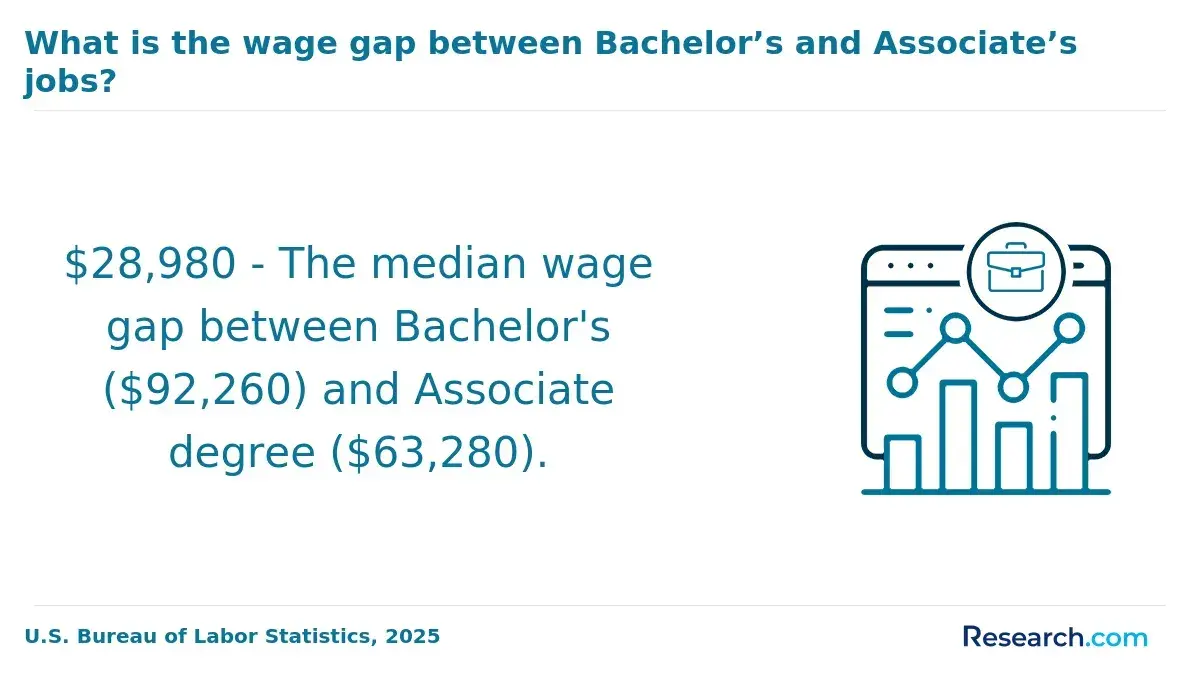
Graduates holding a bachelor's degree in elementary education have a variety of lucrative career paths beyond typical teaching roles. Higher salaries in certain positions often reflect advanced expertise, leadership duties, or specialized knowledge.
For instance, the median annual wage for elementary school teachers hovered near $62,000 in 2023, yet other related roles can significantly exceed this amount.
Exploring some of these well-paying alternatives reveals opportunities that combine education skills with administrative or consultative responsibilities.
- Educational Administrator: Typically earning between $80,000 and $110,000 annually, these professionals oversee school operations, manage teams, and shape educational policies. Their substantial responsibilities in ensuring smooth school functioning justify the elevated compensation.
- Instructional Coordinator: With salaries ranging from $65,000 to $95,000 per year, instructional coordinators develop curricula and train educators to enhance instructional quality. Their specialized expertise in educational strategies is critical to improving student outcomes.
- Educational Consultant: Earning roughly between $60,000 and $100,000, consultants advise schools and districts on teaching methods, technology use, and policy strategies. Their influence on educational reforms and efficiency attracts competitive salaries.
- Special Education Teacher: These teachers earn about $50,000 to $75,000 annually by addressing diverse learning needs with targeted instructional plans. Their additional training for specialized instruction often results in higher pay compared to general elementary educators.
- Corporate Trainer: Transitioning to the private sector, corporate trainers design and facilitate professional development with salaries around $60,000 to $90,000. Employers prize their ability to deliver effective adult learning experiences.
A professional who earned a bachelor's in elementary education shared that navigating from a traditional classroom to an administrative role was both challenging and rewarding.
He described the initial uncertainty of applying teaching skills to broader organizational contexts but emphasized that "building leadership capabilities and learning to influence educational strategies on a larger scale was worth the effort."
He found that continuous professional development and networking played key roles in securing higher-paying positions, highlighting the importance of adaptability and lifelong learning in this career journey.
What Are the Entry-Level Jobs for Elementary Education Bachelor's Degree Graduates?
Graduates holding a bachelor's degree in elementary education frequently start their careers in roles that build foundational teaching expertise while gaining hands-on experience.
Demand for entry-level jobs in this area remains strong, with employment for kindergarten and elementary teachers expected to increase by 7% from 2022 to 2032, reflecting steady growth in educational staffing needs. These roles lay essential groundwork for future career advancement in the education sector.
Common entry-level jobs for elementary education bachelor's degree graduates include:
- Elementary School Teacher: This position involves creating lesson plans, evaluating student progress, and nurturing a positive learning atmosphere for children in early grades. It is often the primary pathway for those aiming to expand into specialized teaching or educational leadership.
- Instructional Assistant: Supporting lead teachers in classroom management and preparing learning materials, instructional assistants gain valuable insights into student development and everyday school operations. This role serves as a stepping stone toward formal teaching roles or specialized support positions.
- Substitute Teacher: Offering flexibility and exposure to diverse classrooms and subjects, substitute teaching allows recent graduates to build connections and adapt to varied educational environments, fostering skills useful for long-term career progression.
- Early Childhood Educator: Working in preschools or daycare centers, these educators focus on early learning foundations, preparing children for formal schooling and opening avenues in early childhood education specialization.
- Educational Program Coordinator: Coordinators assist in managing extracurricular or enrichment initiatives, blending educational expertise with organizational skills. This position can lead to roles in administration or curriculum planning.
Exploring career opportunities for elementary education bachelor's degree holders extends beyond classroom roles and includes administrative, coaching, and curriculum development careers.
For those considering additional qualifications, online business degree programs accredited by reputable institutions can support leadership ambitions within educational settings.
What Career Paths Align With Your Skills After a Elementary Education Bachelor's Degree?
Graduates with an elementary education degree acquire versatile skills that can guide them toward diverse professions. Studies show that nearly 9 out of 10 employers prioritize transferable abilities like communication and leadership when hiring new graduates.
These competencies broaden potential career avenues beyond typical classroom settings.
Several core strengths developed during an elementary education program open doors in various fields:
- Communication: Skills in clearly explaining ideas prepare graduates for roles in counseling, educational consulting, and corporate training where clarity and engagement are essential.
- Leadership: Experience leading classroom groups fosters abilities easily applied to nonprofit management, youth program direction, or administrative positions.
- Analytical Thinking: Designing lessons and evaluating student progress sharpens problem-solving and data assessment skills valuable in curriculum development and education policy analysis.
- Problem-Solving: Handling diverse classroom challenges builds adaptability useful in social services, human resources, and community outreach roles.
- Adaptability: Managing shifting classroom dynamics equips graduates for careers in project management, event coordination, and client relations.
When asked about career alignment, a graduate reflected on her transition from teaching to educational consulting. She described "the initial uncertainty" as she reassessed how to apply her classroom skills in new settings.
However, she found that her ability to communicate complex concepts and manage diverse groups translated well, leading to rewarding opportunities.
"It wasn't just about teaching anymore; it was about helping organizations solve problems and improve programs," she explained, highlighting the confidence gained through her education to embrace unexpected career paths.
What Jobs Require an Advanced Degree After a Elementary Education Bachelor's Degree?
Many advanced roles in education require more than just a bachelor's degree in elementary education due to the complex knowledge and leadership skills involved.
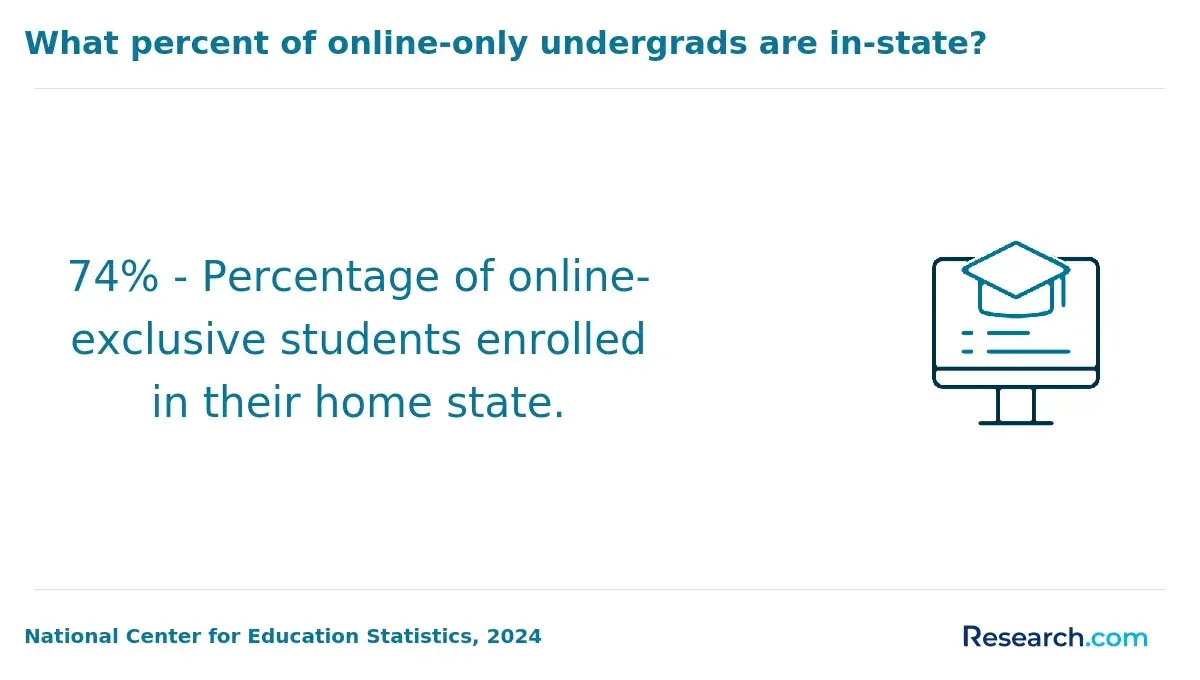
Nearly 40% of educators entering administrative or specialist positions hold a master's degree or higher, highlighting the importance of graduate studies in these fields. These advanced degrees prepare professionals to handle responsibilities that go beyond classroom teaching.
The following are some career paths where pursuing graduate education is essential:
- Educational Administrator: Typically requiring a master's in educational leadership or administration, this role involves managing school operations, enforcing district policies, and enhancing academic programs. Advanced study equips individuals with skills in organizational management and education law needed for these duties.
- Curriculum Developer: A master's degree is usually needed to design, assess, and improve instructional materials. Professionals in this role apply educational research to create effective teaching strategies that comply with evolving educational standards.
- Instructional Coordinator: Those in this position often hold graduate degrees to lead the development and evaluation of school curricula. Their advanced expertise ensures that programs align with academic goals and accommodate student needs.
- Educational Psychologist: Generally requiring a doctorate, this career focuses on using research methods to evaluate and support students' cognitive and emotional growth. The role demands deep knowledge of psychological theory and data to design effective interventions.
What Careers Require Certifications or Licensure After a Elementary Education Bachelor's Degree?
Many career paths linked to an elementary education bachelor's degree require additional certification or licensure to ensure educators meet professional and legal standards. These credentials are essential for maintaining quality instruction and complying with state regulations. According to the National Center for Education Statistics, roughly 90% of public elementary school teachers in the U.S. have full state certification, highlighting the critical role of licensure in education.
Below are some key careers that typically demand such credentials:
- Certified Elementary School Teacher: This role requires mandatory licensure in nearly every state, involving passing standardized exams and completing supervised teaching experiences. Certified teachers are responsible for delivering curriculum, fostering student development, and managing classrooms effectively.
- Special Education Teacher: Beyond the elementary education degree, special education teachers need additional certification to support students with disabilities. This credential ensures they can develop tailored instructional strategies and comply with individualized education programs (IEPs).
- School Counselor: Licensed school counselors usually hold a master's degree coupled with certification, focusing on student mental health, academic planning, and social development within schools.
- Reading Specialist: This position requires specialized certification in literacy instruction, enabling educators to assist struggling readers and implement effective intervention programs.
Obtaining these certifications not only complies with legal employment requirements but also supports professional competence and positive educational outcomes.
What Are the Alternative Career Paths for Bachelor's in Elementary Education Graduates?
A bachelor's degree in elementary education offers versatile skills that extend beyond traditional classroom roles. Nearly 30% of graduates enter professions unrelated to direct teaching within five years, reflecting the adaptability of the degree.
These transferable skills enable graduates to pursue a wide range of alternative career options for bachelor's in elementary education graduates across various industries.
Many graduates explore career pathways beyond teaching for elementary education degree holders, applying their expertise in diverse settings such as corporate, nonprofit, and technology sectors. Some noteworthy options include:
- Instructional Design: Utilizing communication and organizational skills, graduates create educational content and training modules for businesses. Their deep understanding of learning principles helps design effective programs that engage adult learners.
- Education Technology: As the field grows rapidly, elementary education graduates contribute by developing child-focused digital tools and educational software. Their knowledge of development and learning theories allows them to shape age-appropriate, engaging technology solutions.
- Community Outreach: Nonprofits and local organizations often seek program coordinators and youth mentors with educational backgrounds. Graduates bring valuable experience in managing activities and fostering positive environments for young people.
- Publishing: Careers in children's literature and educational content production benefit from graduates' insight into developmental needs and curriculum standards, enhancing the relevance and appeal of published materials.
- Policy and Advocacy: Graduates interested in systemic change participate in education reform and child welfare initiatives, leveraging frontline knowledge of classroom dynamics to influence meaningful policies. For those considering a career change for teachers, these paths demonstrate the many opportunities available.
What Remote and Flexible Career Options Are Available With a Elementary Education Bachelor's Degree?
Remote and flexible work options are expanding rapidly, creating new pathways for graduates with an elementary education bachelor's degree to apply their skills outside traditional classrooms.
According to the U.S. Bureau of Labor Statistics, nearly 30% of U.S. workers now engage in remote work, a figure that continues to grow as digital and flexible employment models evolve. This shift opens doors to education-related roles that accommodate remote schedules and collaborative digital environments.
Elementary education graduates can explore several remote teaching jobs and other flexible career options, including roles focused on curriculum, consulting, and student support.
- Online Curriculum Developer: Designing and adapting lesson plans for digital delivery, this role involves creating engaging educational content and collaborating remotely through online platforms. Flexible hours make it ideal for those balancing other commitments.
- Educational Consultant: Specializing in early childhood learning, consultants provide remote feedback on instructional strategies and support schools or education companies through virtual meetings and digital reporting.
- Virtual Tutor: Working with elementary students via video conferencing, tutors reinforce concepts and assist with homework in one-on-one or small group formats, making it a highly adaptable role.
- Instructional Coordinator: Overseeing the quality and implementation of remote training materials for educational programs or nonprofits, this position emphasizes project management and instructional design from a distance.
- Educational Content Writer: Leveraging pedagogical expertise to create articles, guides, and teaching resources, content writers work entirely remotely, supporting education through written materials.
These flexible roles illustrate how graduates can maintain a healthy work-life balance while contributing meaningfully to education in various formats.
For current and prospective students seeking accessible career paths, exploring easy certifications to get online can also enhance remote teaching jobs for elementary education graduates and broaden professional opportunities.
How Do You Choose the Best Career Path After a Elementary Education Bachelor's Degree?
Choosing the right career path after earning a bachelor's degree in elementary education requires more than simply identifying available jobs. Research indicates that 85% of graduates experience greater job satisfaction when their career choices align with their values and lifestyle preferences.
Carefully considering several factors can reveal the best fit for long-term success and fulfillment. Key considerations include:
- Personal Interests: Identifying areas within education or related fields that genuinely inspire you is essential. Passion fuels engagement and helps sustain motivation throughout your professional journey.
- Career Aspirations: Reflect on your desired roles and whether you value leadership opportunities, specialization, or broader community involvement. Clarifying these goals guides strategic career decisions.
- Labor Market Trends: Understanding demand in various education sectors helps ensure your skills stay relevant and in demand. Prioritizing areas with growth potential boosts employment prospects.
- Work Setting Preferences: Consider whether you thrive in classrooms, administrative offices, policy environments, or support roles. The daily environment significantly impacts job satisfaction.
- Flexibility Needs: Evaluate how important scheduling flexibility or remote work options are to your lifestyle. Different positions offer varying degrees of adaptability, which can affect work-life balance.
What Graduates Say About the Best Career Paths After a Elementary Education Bachelor's Degree
- Mordechai: "Choosing an elementary education bachelor's degree was motivated by my passion for shaping young minds and making a tangible difference early in children's lives. I initially envisioned a traditional classroom career but discovered rewarding remote tutoring roles that allow flexibility while still impacting student growth. This degree empowered me with foundational skills and confidence to adapt my teaching approach both in-person and online."
- Casen: "Reflecting on my journey, pursuing an elementary education bachelor's degree meant more than just a classroom job-it was about embracing a lifelong commitment to nurturing curiosity and critical thinking in children. I explored alternative career paths such as curriculum development and educational consulting, which broadened my impact beyond daily teaching. This degree gave me versatile tools to advocate for children's learning needs in various professional environments."
- Walker: "As a professional, the elementary education bachelor's degree has been invaluable in my career progression, especially working in special education and community programs. The knowledge and pedagogical methods learned helped me create inclusive learning spaces and effectively collaborate with families. Pursuing this degree was a deliberate step toward a meaningful vocation that supports young learners' holistic development."
Other Things You Should Know About Elementary Education Degrees
Yes, graduates with a bachelor's degree in elementary education often find opportunities beyond traditional classrooms. They can work in educational program coordination, early childhood development centers, tutoring services, and community education initiatives where their skills in curriculum development and child engagement are valuable.
The skills obtained in an elementary education bachelor's program, such as communication, problem-solving, and organizational abilities, are highly transferable. They can be applied in various fields like human resources, corporate training, and educational consulting, offering diverse career opportunities beyond traditional classroom roles in 2027.
Professional development and continuing education are important for staying current with educational best practices and changes in curriculum standards. Engaging in workshops, certifications, or graduate courses can enhance teaching effectiveness and open doors to specialized careers in areas like special education, literacy coaching, or educational technology.
References
- Things To Do With a Teaching Degree Other Than Being a Teacher | ACE Blog https://ace.edu/blog/things-to-do-with-a-teaching-degree-other-than-being-a-teacher/
- Beyond the Classroom: 16 Career Paths for MS in Education Graduates https://onlinegrad.pepperdine.edu/blog/career-paths-for-ms-education-graduates/
- The Top 21 Non-Teaching Jobs in Education | Devlin Peck https://www.devlinpeck.com/content/non-teaching-education-jobs
- What Can You Do with A Degree in Elementary Education? https://www.learnpick.com/blog/what-can-you-do-with-a-degree-in-elementary-education
- Choosing a bachelor's in elementary education | edX https://www.edx.org/resources/how-to-choose-a-bachelors-in-elementary-education
- High-Paying Master's in Elementary Education Jobs | University of Bridgeport https://www.bridgeport.edu/news/high-paying-masters-in-elementary-education-careers/
- What else can I do with an education or teaching degree? https://targetjobs.co.uk/careers-advice/career-ideas/what-else-can-i-do-education-or-teaching-degree
- 7 Unique Career Paths for Education Graduates | MANCOSA https://www.mancosa.co.za/blog/7-unusual-career-paths-for-education-graduates/
- What Can You Do with an Elementary Education Degree? https://www.northcentralcollege.edu/news/2022/11/04/what-can-you-do-elementary-education-degree
- Second Careers For Teachers: Remote Work from Home https://teachercareercoach.com/second-careers-for-teachers/


