
2027 Is Demand for Cybercrime Degree Graduates Growing or Declining?

Co-Founder and Chief Data Scientist
Employers increasingly face skilled labor shortages in addressing complex cybercrime threats. For graduates of cybercrime degree programs, this gap raises questions about the sustainability of job opportunities. The U. S. Bureau of Labor Statistics projects a 33% growth in information security analyst jobs from 2020 to 2030, signaling strong demand for specialized skills. Despite automation trends, human expertise remains essential to counter evolving cyber threats effectively. This article examines employment trends and industry demand for cybercrime degree graduates, offering insights to help prospective students and professionals make informed career decisions in this critical and expanding field.
Key Things to Know About the Demand for Cybercrime Degree Graduates
- Employment for cybercrime degree graduates is expanding rapidly, with cybersecurity roles projected to grow 33% from 2020 to 2030, outpacing average job growth rates.
- Demand concentrates in sectors like finance and government, where cyber threats increase and compliance requirements evolve continually.
- Specializing in emerging fields like threat intelligence or digital forensics enhances long-term prospects amid accelerating cyberattack sophistication and technological advancements.
What Factors Are Driving Demand for Cybercrime Degree Professionals?
Knowing the forces driving workforce demand helps prospective students evaluate the long-term value and stability of a cybercrime degree. Several key factors contribute to the expanding need for professionals in this field.
- Industry Growth: Accelerating digital transformation across industries exposes vulnerabilities that require skilled cybercrime experts. This growth boosts hiring across private companies and government agencies seeking to protect critical infrastructure.
- Technological Advancement: Innovations like cloud computing, artificial intelligence, and the Internet of Things bring new security challenges. Graduates with current knowledge and adaptability are increasingly sought to address these evolving threats.
- Regulatory Changes: Stricter data protection laws such as GDPR and CCPA push organizations to enhance security and compliance. Familiarity with these regulations makes holders of accredited cybercrime degree programs in the US especially valuable in the job market.
- Demographic Shifts: The rise of remote and hybrid work models widens cyber risk exposure. Employers prioritize professionals who understand these environments to build robust cyber defenses.
- Employer Skill Requirements: Demand grows for candidates with both technical expertise and strategic problem-solving abilities. This combination makes graduates from programs that emphasize the importance of program accreditation for cybercrime degrees highly competitive.
For those considering related fields, exploring bcba programs online can offer additional career pathways.
Which Cybercrime Occupations Are Seeing the Highest Growth Rates?
Growth rates offer valuable insight into job market demand and future opportunities, making them essential for students evaluating cybercrime career paths. According to recent labor market analysis, employment in information security-related roles is expected to increase by 35% from 2021 to 2031, outpacing most other technology sectors. This strong upward trend highlights emerging fields worth considering, including the following top growing cybercrime jobs and career opportunities by region.
- Information Security Analyst: Expected growth of 35%, largely driven by rising cyber threats and stricter regulatory standards. A bachelor's degree in cybercrime or information security is typically required to enter this field.
- Cybersecurity Consultant: Anticipated 30% growth as businesses increasingly adopt new technologies and seek expert advice to secure digital assets. Candidates usually need a bachelor's degree and relevant certifications.
- Forensic Computer Analyst: Projected 28% expansion reflecting the rise in cybercrime investigations involving digital evidence. Specialized training on top of a bachelor's degree is common for this role.
- Penetration Tester: Estimated 25% growth as companies invest in proactive security measures to identify vulnerabilities. A bachelor's degree plus security certifications are often preferred.
For students exploring options, understanding which cybercrime occupations are seeing the highest growth rates in the United States can help focus their educational goals. Prospective professionals often consider degree programs carefully, and some may find guidance in related fields such as an accelerated social work degree online, which can sometimes intersect with cybersecurity regarding protective services and support.
Which Industries Hire the Most Cybercrime Degree Graduates?
Identifying the industries that actively recruit cybercrime degree graduates provides valuable insights for students evaluating career prospects and job security. The sectors listed below especially value the specialized skills these graduates bring.
- Financial Services: This sector includes banks, insurance companies, and investment firms that prioritize protecting sensitive financial data. Graduates often fill roles related to threat detection, fraud prevention, and ensuring compliance with financial regulations.
- Government and Defense: Various government levels employ cybercrime professionals to safeguard national security, critical infrastructure, and citizen information. Common positions include cybersecurity analysts, incident responders, and intelligence personnel.
- Healthcare: As healthcare organizations increasingly use digital records and connected devices, there's a heightened need for experts who can secure patient data and uphold privacy laws like HIPAA. Roles typically involve security analysis and managing risk.
- Technology and Telecommunications: Companies in this domain hire graduates to strengthen network defenses, create secure software solutions, and counter cyber threats. Typical jobs include penetration testers, security engineers, and vulnerability assessors.
- Legal and Consulting Services: Law firms and consulting agencies seek professionals skilled in cyber law, digital forensics, and compliance frameworks. Graduates often serve as forensic analysts or regulatory compliance consultants.
The varied demands of these industries align closely with the comprehensive expertise provided by a cybercrime degree, combining technical skills with regulatory awareness to enhance employment opportunities and career growth.
How Do Cybercrime Job Opportunities Vary by State or Region?
Geographic location plays a crucial role in shaping employment opportunities for cybercrime degree holders, impacting both job availability and competition. Several regional aspects contribute to these variations in demand and career prospects.
- High-Demand States: States like California, Virginia, and Texas host numerous tech firms, defense contractors, and federal agencies, leading to a wealth of cybercrime-related jobs. These hubs often offer competitive salaries and growth potential.
- Regional Industry Hubs: Financial centers such as New York City require experts proficient in cyber threat prevention to safeguard critical transactions. The concentration of industries dictates specialized job openings for cybercrime professionals.
- Urban Versus Rural Areas: Cities generally provide a broader range of positions and higher pay compared to rural locations, which may have fewer openings but often less competition. This dynamic influences the ease of securing employment and advancement.
- Cost-of-Living Impact: Areas with a lower cost of living, commonly found in parts of the Midwest, might present fewer cybercrime roles yet remain attractive for entry-level candidates balancing expenses with career entry.
- Remote and Hybrid Work: The rise of flexible work arrangements has begun to lessen geographic constraints, enabling professionals in less populated areas to tap into competitive cybercrime positions without relocating.
The U.S. Bureau of Labor Statistics projects a 35% growth in information security analyst jobs-a category encompassing many cybercrime roles-from 2021 to 2031. Faster expansion in states with strong tech sectors highlights the importance of focusing on regions that align with career and salary objectives.
How Does Degree Level Affect Employability in Cybercrime Fields?
Education level plays a critical role in shaping job opportunities, career development, and competitiveness within cybercrime fields. Advanced degrees often provide deeper expertise, better credentials, and increased access to high-level positions. Below is a comparison of how different degree levels influence employability and growth prospects in these careers.
- Associate Degree: This level prepares individuals for entry-level roles like cybersecurity technicians or analysts. Job prospects are generally moderate, with many positions serving as stepping stones requiring additional certifications or education to advance.
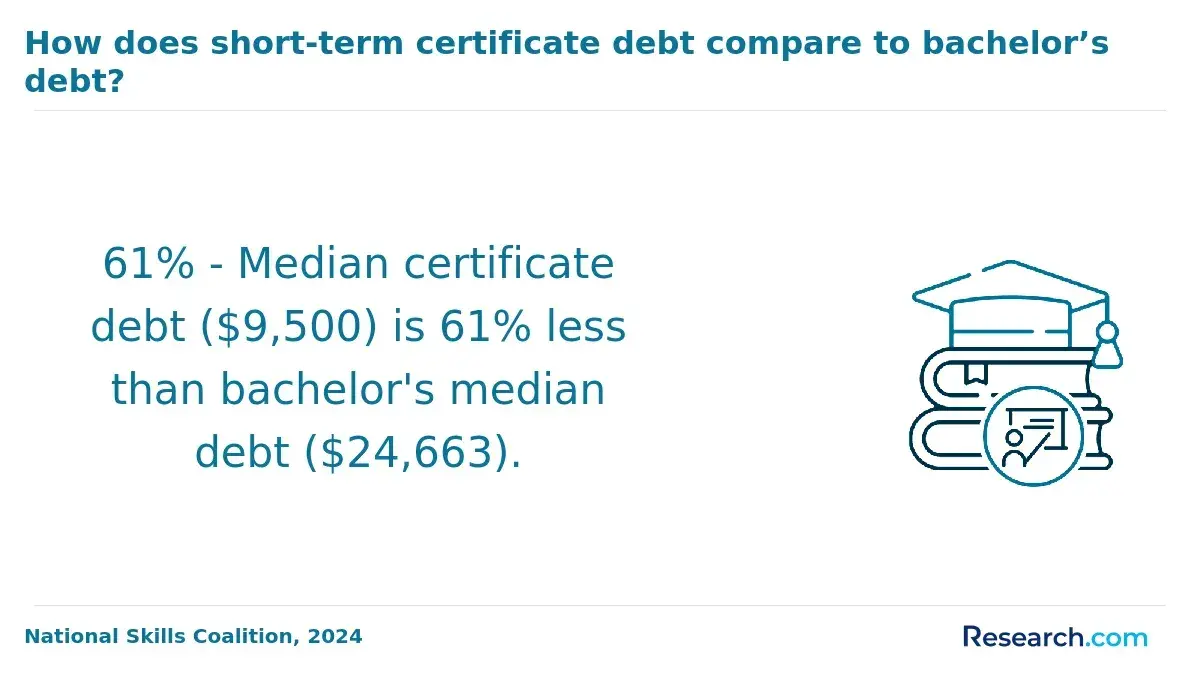
- Bachelor's Degree: Typically the baseline for many cybercrime roles, a bachelor's degree enables eligibility for specialist, forensic analyst, or incident responder positions. Its importance is reflected in employment demand, making it a pivotal credential for those seeking to enter the field.
- Master's Degree: Holding a master's enhances employability significantly, often resulting in about 15% higher job attainment compared to a bachelor's. This degree suits roles in management, consulting, and research, improving competitiveness and salary potential in cybercrime careers.
- Doctorate Degree: Focused on research, policy creation, and academia, a doctorate opens niche career paths requiring extensive expertise. Doctoral graduates influence industry standards and often pursue university-level teaching or specialized research positions.
Those looking to deepen their expertise might also consider an online psychology masters as an example of advanced education pathways that further support career advancement beyond bachelor's degrees.
What Skills Are Employers Seeking in Cybercrime Graduates?
Recognizing the skills that employers value most in cybercrime graduates is vital for those aiming to thrive in this competitive and fast-changing industry. These competencies shape how effectively graduates can tackle sophisticated security threats and support organizational resilience. The following key skills highlight what employers typically seek:
- Technical Expertise: Proficiency in areas like network defense, encryption protocols, and malware identification empowers professionals to spot vulnerabilities and neutralize cyber threats quickly and reliably.
- Incident Management: Skills in promptly detecting and addressing breaches help limit damage and maintain system security, ensuring business continuity.
- Analytical Thinking: The capability to dissect complex problems, anticipate attacker moves, and design strategic responses is critical for effective cybersecurity operations.
- Legal and Ethical Awareness: Familiarity with relevant laws and ethical considerations guarantees that actions comply with regulations and uphold data privacy standards.
- Communication Abilities: Conveying intricate cybersecurity issues in clear, accessible terms enables collaboration with non-technical teams and supports organizational decision-making.
When discussing what skills employers focus on, a graduate of a cybercrime degree program shared how real-world experience shaped their understanding. They recalled feeling overwhelmed at first when tasked with analyzing a multi-layered cyberattack in an internship. "It wasn't just about knowing the tools," they explained, "but about piecing together clues from various sources and coordinating with different teams under pressure."
This experience underscored the importance of adaptability and clear communication, especially when stakes are high. Their exposure to legal guidelines during simulations also helped them appreciate the need for responsible, compliant responses. These insights reinforced that theoretical knowledge alone isn't enough-practical, situational skills make all the difference in meeting employer expectations.
How Does Job Demand Affect Cybercrime Graduate Salaries?
Fluctuations in job demand significantly impact starting salaries, wage growth, and long-term earning potential for cybercrime graduates. For instance, the U.S. Bureau of Labor Statistics projects a 33% growth rate for information security analysts from 2020 to 2030, a pace much faster than average occupational growth. These patterns highlight how shifts in labor demand influence compensation trends. The following key points detail this relationship:
- Starting Salaries: When demand for cybercrime professionals is high, employers compete more aggressively to attract talent, which drives up initial salary offers and reflects the premium placed on these specialized skills.
- Wage Growth: Sustained demand creates favorable conditions for faster annual salary increases, as companies seek to retain skilled employees amid a competitive job market.
- Long-Term Earnings: Consistent demand opens doors for promotions, bonuses, and advanced roles that typically offer higher pay, enhancing a graduate's overall financial trajectory.
- Supply and Demand Balance: When supply exceeds demand, employers gain leverage to keep wages stagnant or growing slowly. Graduates entering an undersupplied market benefit from stronger negotiating power and better compensation over time.
These dynamics emphasize the importance of monitoring labor market trends when considering career prospects in cybercrime fields.
How Is AI Changing Demand for Cybercrime Professionals?
Advancements in artificial intelligence are transforming workforce demands within cybercrime fields. A 2023 survey found that more than 60% of cybersecurity companies have adopted AI tools, significantly altering the skills and roles in this sector. These shifts impact employment opportunities and the long-term outlook for cybercrime graduates.
- Automation of Routine Tasks: AI streamlines repetitive jobs like threat detection and malware analysis, reducing entry-level positions but enabling specialists to concentrate on complex problems that require critical thinking and creativity.
- Emergence of Specialized Roles: New positions such as AI security auditors and ethical hackers who evaluate AI-driven defenses are now in demand, creating niches that blend cybersecurity with advanced technology expertise.
- Evolving Skill Sets: Cybercrime professionals must now combine foundational security knowledge with proficiency in AI, machine learning, and data analysis to stay competitive and meet employer expectations.
- Shifting Hiring Patterns: Organizations prioritize candidates with interdisciplinary abilities, raising the bar for entry but offering greater career stability as demand grows for versatile experts.
When asked about her experience navigating this evolving landscape, a recent graduate of a cybercrime degree program shared her perspective. She emphasized the initial challenge of mastering both AI concepts and traditional cybersecurity techniques simultaneously, describing it as a steep learning curve.
However, she found that developing expertise in AI-enabled threat analysis opened unique job opportunities that wouldn't have existed a few years ago. "It's rewarding to work on projects where AI tools uncover hidden risks," she said. Her journey reflects the dynamic nature of the field and the importance of adaptability for long-term success.
Is Cybercrime Considered a Stable Long-Term Career?
Long-term career stability is crucial for students and professionals as it influences financial security, job satisfaction, and growth opportunities. When evaluating cybercrime career paths, several factors impact the sustainability of employment in this evolving field.
- Long-Term Employment Trends: The long-term job outlook for cybercrime graduates in North America remains strong due to the global rise in cyberattacks. Organizations continuously seek skilled professionals to safeguard their data and assets, ensuring consistent demand for expertise in this area.
- Industry Reliance: Modern businesses, governments, and critical infrastructure heavily depend on cybersecurity roles to prevent breaches. This widespread dependence insulates cybercrime jobs from cuts during economic downturns, bolstering career stability.
- Adaptability to Change: The cybercrime field requires professionals to keep up with rapidly emerging threats and technologies. Those who embrace ongoing learning and reskilling maintain their relevance, while those who do not may struggle to sustain their positions.
- Career Advancement: Opportunities for certifications, specialized training, and roles with greater responsibility support continuous professional growth. Such development paths contribute significantly to a stable and rewarding career.
For those interested in accelerating their entry into this stable field, exploring accelerated online bachelor degree programs can provide a competitive advantage and keep pace with industry demands.
Is a Cybercrime Degree Worth It Given the Current Job Demand?
The demand for graduates with a cybercrime degree in the US is rising, reflecting strong long-term career outlooks for cybercrime degree graduates. Labor market data indicates that jobs related to cybercrime investigation, cybersecurity analysis, and digital forensics are expected to grow significantly over the next decade.
Cybersecurity specialists, a group closely aligned with cybercrime graduates, are projected to see job growth of about 30% from 2021 to 2031, which is much faster than average for all occupations. This increasing need is driven by heightened cyber threats affecting governments, financial sectors, and healthcare providers alike.
Whether a cybercrime degree is worth it depends on several factors, including the level of education attained and how well the graduate's skills align with industry needs. Employers often look for hands-on experience, certifications, and mastery of technical skills such as networks, encryption, and threat analysis alongside academic credentials.
The demand varies across the public and private sectors, which influences career opportunities and salary potential. Prospective students may also consider exploring associates degrees as a more accessible entry point into cybersecurity fields before pursuing advanced qualifications.
What Graduates Say About the Demand for Their Cybercrime Degree
- Jase: "Pursuing a cybercrime degree was one of the best decisions I've ever made; it gave me a clear path into a rapidly growing field. The return on investment has been tremendous, as I quickly secured a role that values my specialized skills. This degree truly transformed my professional life, opening doors I hadn't even imagined."
- Kyro: "Looking back, choosing to earn a cybercrime degree was a strategic move that paid off in both knowledge and career opportunities. The depth of understanding I gained has allowed me to navigate complex challenges confidently. It's been rewarding to apply what I learned in real-world scenarios and see the impact firsthand."
- Aaron: "My decision to study cybercrime was driven by a desire to contribute meaningfully to cybersecurity efforts. The financial and professional benefits have exceeded my expectations, validating the time and effort invested. Today, I leverage this degree daily to enhance security measures and advise teams with authority and expertise."
Other Things You Should Know About Cybercrime Degrees
In 2027, the demand for cybercrime degree graduates is growing as the digital landscape expands and cyber threats become more sophisticated. Industries across various sectors are in need of skilled professionals to protect data and networks, fueling a robust job market for these graduates.
In 2027, factors affecting demand include the rise in global cyber threats, regulatory changes, and technological advancements. Companies need skilled professionals to protect data, ensuring graduates with up-to-date knowledge and skills are in high demand.
Students interested in cybercrime should be prepared for a fast-evolving field that requires continuous learning to keep up with new threats and technologies. A strong foundation in computer science, problem-solving skills, and attention to ethical considerations is important. Additionally, gaining practical experience through internships or hands-on projects can significantly enhance job readiness.
References
- What Are the Risks and Benefits of Artificial Intelligence (AI) in Cybersecurity? https://www.paloaltonetworks.com/cyberpedia/ai-risks-and-benefits-in-cybersecurity
- 10 Must-Have Skills for Cyber and Information Security Careers https://www.stjohns.edu/news-media/johnnies-blog/cybersecurity-skills-careers
- The Cybersecurity Job Index: Where are Positions and Salaries Surging in the U.S.? - Upwind https://www.upwind.io/industry-research/cybersecurity-job-index
- Highest Paying Cybersecurity Jobs with State & City-wise Salary https://ccitraining.edu/blog/highest-paying-cybersecurity-jobs-with-state-and-city-wise-salary/
- Is Cybersecurity a Good Career? Pathways for Graduates https://onlineprograms.ecu.edu/blog/is-cyber-security-a-good-career/
- 50 Cybersecurity Titles That Every Job Seeker Should Know About https://cybersecurityventures.com/50-cybersecurity-titles-that-every-job-seeker-should-know-about/
- Is Cybersecurity a Good Career? The Pros and Cons of a Career in Cybersecurity - nexus IT group https://nexusitgroup.com/is-cybersecurity-a-good-career-the-pros-and-cons-of-a-career-in-cybersecurity/
- 10 High-Demand Cyber Security Contract Jobs to Explore - Bristow Holland https://www.bristowholland.com/insights/industry-insights/10-high-demand-cyber-security-contract-jobs-to-explore/
- AI in Cybersecurity: How AI Is Impacting the Fight Against Cybercrime https://www.akamai.com/blog/security/ai-cybersecurity-how-impacting-fight-against-cybercrime
- LIVE IT Training & Certification – 500+ Courses | Readynez https://www.readynez.com/en/blog/is-a-career-in-cybersecurity-truly-worth-the-investment/


