
2027 Different Types of Cybercrime Degrees and Their Salaries

Co-Founder and Chief Data Scientist
The demand for skilled professionals in cybercrime continues to accelerate as digital threats evolve and impact every sector. According to recent data, employment in cybersecurity-related roles is projected to grow significantly faster than the average for all occupations, reflecting both rising threats and expanding organizational defenses. Selecting the right educational path in cybercrime is crucial for positioning oneself in this competitive and dynamic field. This article provides a detailed overview of various cybercrime degree options and explores the potential earnings graduates can anticipate across different specializations, helping students and early-career professionals make informed decisions about their futures.
Key Points About Different Types of Cybercrime Degrees and Their Salaries
- Associate degrees in cybercrime typically provide entry-level skills and lead to jobs such as cybersecurity technicians, with average starting salaries around $50,000 annually, reflecting more limited career advancement compared to higher degrees.
- Bachelor's degrees in cybercrime open doors to mid-level positions like information security analysts, where median annual salaries can reach approximately $102,000, benefiting from a broader curriculum and stronger employer demand.
- Master's degrees in cybercrime or related fields significantly enhance earning potential and leadership opportunities, with salaries often exceeding $120,000 per year, as advanced expertise is required for roles in cybersecurity management and advanced threat analysis.
What Are the Different Types of Cybercrime Degrees Available?
Understanding the different types and levels of cybercrime degrees is crucial for students before choosing a program, as each option caters to varying career goals and educational backgrounds. Selecting the right degree helps align your academic focus with your professional aspirations and maximizes your preparedness in this evolving field.
Here is an overview of the main types of cybercrime degrees and what makes each unique:
- Associate Degree in Cybercrime: Focuses on the basics of computer systems, digital evidence, and cyber law. Coursework typically includes introductory computer science, foundational cybersecurity principles, and the basics of investigating digital crimes, preparing students for entry-level roles.
- Bachelor's Degree in Cybercrime: Emphasizes both technical and criminal justice aspects of digital crime. Students study subjects like network security, digital forensics, cyber law, ethical hacking, and criminology to develop a comprehensive understanding of how to detect, investigate, and prevent cyber offenses.
- Master's Degree in Cybercrime or Cybersecurity: Offers advanced training in specialized areas such as cybercrime investigation, digital forensics, ethical hacking, and enterprise security management. Coursework covers advanced topics in information assurance, penetration testing, and security policy, building deeper analytical and leadership skills.
- Doctoral Degree in Cybersecurity or Cybercrime: Centers on original research, theory, and high-level strategy within the discipline. Doctoral students engage with advanced coursework like network management, cyberterrorism, statistics, and policy, contributing new knowledge through research.
The salaries for these degrees vary significantly with level. For instance, bachelor's graduates often earn a median salary around $88,000 annually, while those holding master's or doctoral degrees tend to earn upwards of $100,000 depending on their roles and industry demand. Exploring programs linked to the best 6 month associate programs online can be a starting point for students seeking accessible entry into this field.
What Specializations Are Available in Cybercrime Degrees?
Specialization plays a key role when choosing a cybercrime degree because it helps students develop targeted technical skills and industry knowledge tailored to specific career paths. By focusing on a particular area, graduates can better align their education with their professional goals and improve their job prospects in this competitive field.
Many students explore specializations to tailor their learning experience to market demands; below are some common Cybercrime specializations that offer distinct skill sets and career opportunities:
- Digital Forensics: This specialization focuses on investigating cybercrimes by recovering and analyzing digital evidence from computers, networks, and mobile devices. Students learn to use forensic software and data recovery techniques, preparing for roles such as forensic analysts or law enforcement cyber investigators.
- Incident Response and Threat Intelligence: Centered on quickly identifying and mitigating security breaches, this path trains students in intrusion detection, crisis management, and threat analysis. Graduates often work as incident response analysts or intelligence specialists responsible for minimizing the impact of cyber attacks.
- Network Security: Emphasizing the design, installation, and maintenance of secure networks, this track covers firewalls, VPNs, and intrusion detection systems. Career options include network security engineer and architect, focusing on safeguarding organizational data.
- Ethical Hacking (Penetration Testing): This specialization teaches legal hacking techniques to identify system vulnerabilities and strengthen defenses. Key skills include penetration testing and scripting, leading to high-demand roles such as ethical hackers with competitive salaries.
- Cloud Security: Addressing the challenges of protecting data in the cloud, students learn about cloud architecture, compliance, and risk management. Graduates qualify for positions like cloud security specialists, protecting cloud-based infrastructures.
- Security Policy and Compliance: This area focuses on developing security policies, regulatory compliance, and risk assessment skills. Careers include compliance analysts and security policy managers, essential in heavily regulated industries.
For prospective students wondering what is the easiest associate degree to get online, specializing in cybercrime provides a path that balances interest with career viability in a growing sector.
How Long Does It Take to Complete Each Type of Cybercrime Degree?
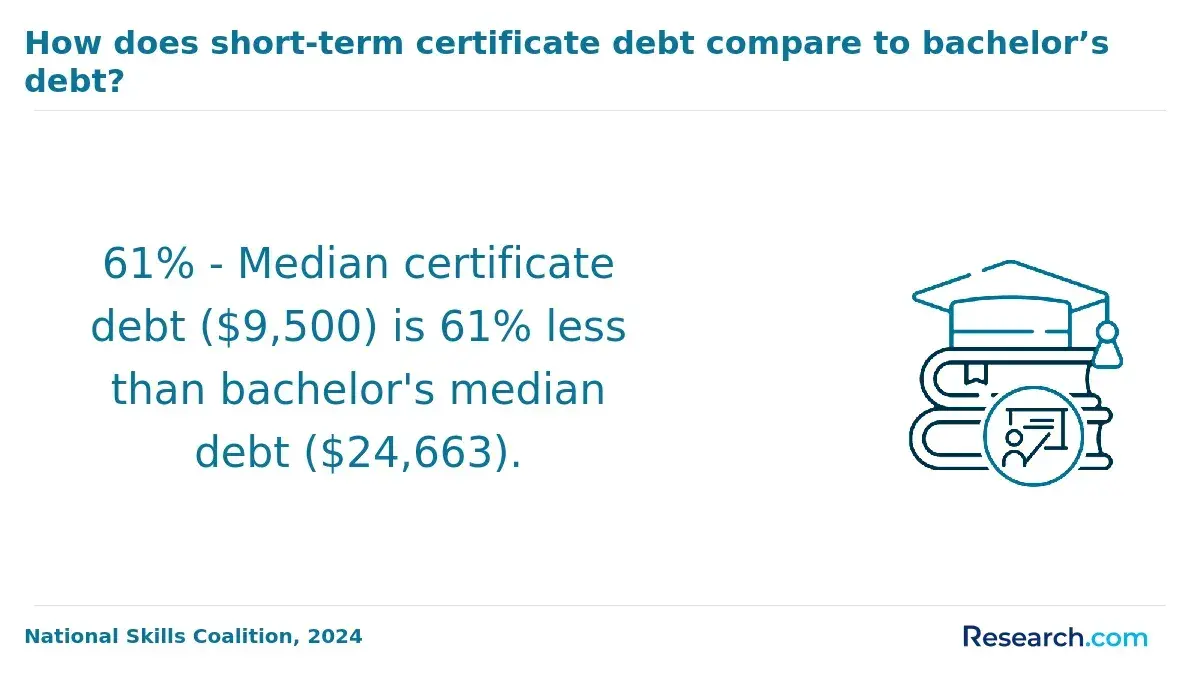
Understanding how long it takes to complete a cybercrime degree is crucial for students planning their education and career timelines. Knowing the duration helps in managing expectations and ensuring timely entry into the workforce. Here is a breakdown of the main types of cybercrime degrees and their typical completion times.
- Associate Degree in Cybercrime: Typically takes about two years to complete when studying full-time. Part-time enrollment can extend this to three or four years, while some schools offer accelerated programs that may shorten the timeline to 18 months. Online options are commonly available, offering flexibility for working students.
- Bachelor's Degree in Cybercrime: Usually requires four years of full-time study to complete. Transfer credits from an associate degree or related coursework can reduce this time by up to two years. Many programs provide online or hybrid formats, with some institutions offering accelerated tracks that allow completion in about three years.
- Master's Degree in Cybercrime: Often completed in one to two years of full-time study, depending on the program. Part-time options can stretch completion to three or more years. Some universities provide accelerated or online master's degrees designed for working professionals, which can offer more flexible scheduling and faster completion.
- Doctorate in Cybercrime: Typically takes three to six years to complete, depending on research requirements and dissertation progress. Enrollment status, such as full-time versus part-time, affects the timeline. Online doctoral programs are less common but may be available at some institutions, along with accelerated paths for experienced professionals.
Are There Accelerated Cybercrime Degree Programs?
Accelerated cybercrime degree programs are designed to significantly shorten the time needed to complete a cybersecurity education, allowing students to enter the workforce more quickly or advance their careers without extended delays. These programs achieve faster completion by condensing coursework into shorter, intensive sessions, often lasting as little as five weeks. They may also offer year-round enrollment, eliminating long summer breaks and enabling continuous progress through terms that run back-to-back throughout the year.
Additionally, some programs accept transfer credits or prior learning assessments to reduce the number of required courses. Another common approach involves dual-degree tracks, where students combine bachelor's and master's programs into a streamlined timeline, often saving a year or more compared to pursuing the degrees separately. Institutions like Lindenwood University and ECPI University exemplify these formats, with options to earn degrees in as little as 12 to 24 months, depending on the program and student eligibility.
While accelerated cybercrime degrees offer the advantage of speed, they come with important considerations. The workload intensity is notably higher than in traditional programs, requiring strong time management skills and a serious commitment to stay on pace with the accelerated curriculum.
Eligibility criteria often include a minimum grade point average, completion of foundational coursework, and sometimes early application deadlines, especially for combined degree tracks. Students must carefully weigh the benefits of entering high-demand, well-paying roles such as security analyst or digital forensics investigator faster against the challenge of managing a rigorous academic schedule.
A graduate of an accelerated cybercrime degree program shared that, although the pace was demanding, the experience was ultimately rewarding. He described the initial shock of adjusting to vastly increased weekly study hours and the pressure of fewer breaks between terms. However, the continuous flow of learning sessions helped him maintain focus, and the ability to transfer his previous IT coursework eased some of the burden. He reflected that "the most challenging part was balancing personal life, but knowing I would finish much sooner kept me motivated." His successful transition into a cybersecurity role shortly after graduation affirmed that accelerated programs can be effective pathways for driven students prepared for an intensive educational journey.
Are Online Cybercrime Degrees as Credible as Traditional Ones?
Online cybercrime degree programs now uphold the same academic standards as traditional on-campus ones, largely due to strict accreditation requirements and standardized curricula. Both formats typically require around 120 credit hours, covering essential topics such as cybercrime, criminal justice, risk management, cryptography, and incident response.
Many top online programs have earned the designation of Centers for Academic Excellence in Cybersecurity (CAE) from the NSA, reflecting compliance with rigorous national quality standards. Additionally, online students gain access to specialized virtual labs and digital simulations that provide hands-on experience equivalent to physical labs, ensuring that practical skills are developed alongside theoretical knowledge.
Employer acceptance of online cybercrime degrees has grown significantly in recent years. Most employers now focus on the reputation and accreditation of the institution rather than whether the degree was earned online or on-campus.
A 2026 study of 134 online cybersecurity programs found that diplomas awarded are typically identical for both online and traditional students, with no distinction in credentials. Hiring trends increasingly favor candidates with strong technical skills, relevant certifications, and practical experience-attributes emphasized in both online and traditional curricula.
Ultimately, the credibility of a cybercrime degree depends more on the institution's accreditation, curriculum quality, and industry partnerships than on the learning format itself, reassuring prospective students that choosing a well-regarded, accredited program is key to maximizing career and salary potential.
How Much Does Each Type of Cybercrime Degree Typically Cost?
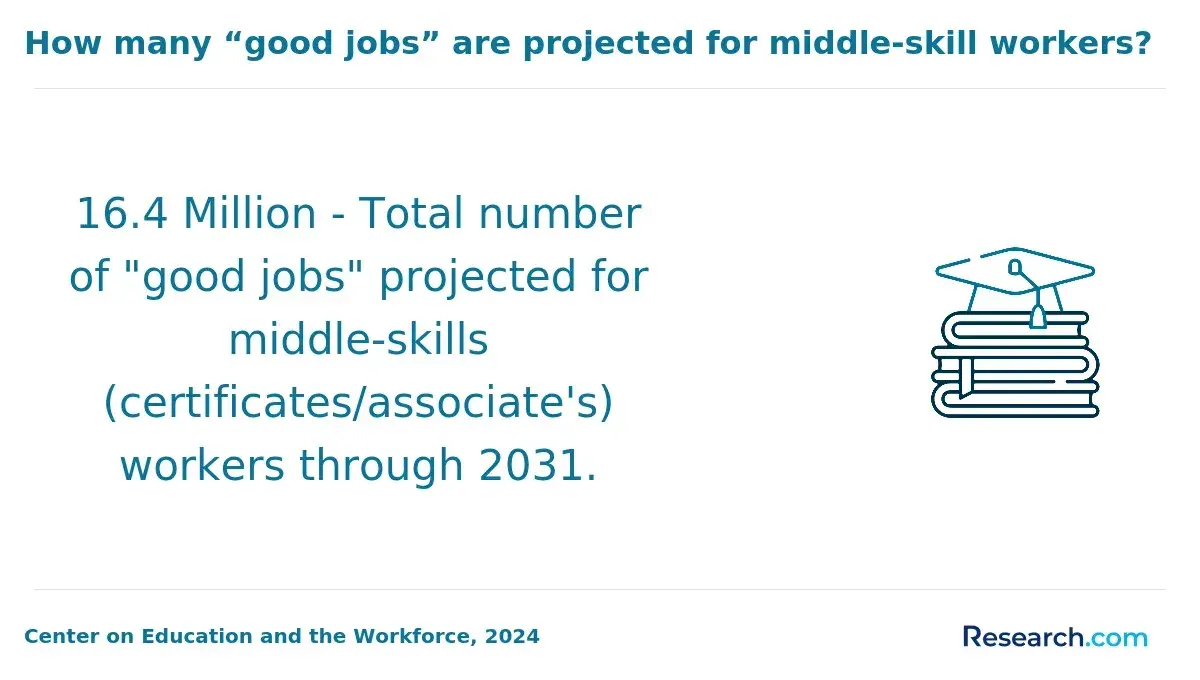
Understanding tuition differences across cybercrime degree levels is essential for effective budgeting and financial planning. Knowing the cost variations helps prospective students make informed decisions about their education investment and explore suitable financial aid options. Below is a summary outlining the typical tuition ranges for each type of Cybercrime degree.
- Associate Degree in Cybercrime: Tuition for associate-level cybercrime programs generally ranges from $8,000 to $20,000 for the entire degree at public institutions, with private colleges typically charging more. Many community colleges offer online options, which can reduce costs, and there is considerable financial aid available, including federal Pell Grants, state scholarships, and local workforce grants geared toward in-state students.
- Bachelor's Degree in Cybercrime: The average tuition for a four-year bachelor's degree in cybercrime or cybersecurity spans $25,000 to $70,000, influenced by whether the institution is public or private and the mode of delivery. Online programs tend to be more affordable, with some tuition as low as $25,520 and median online costs around $56,668. Students often rely on a mix of federal loans, scholarships, and state grants to manage annual costs, which range from approximately $4,770 to $11,400 for online programs.
- Master's in Cybercrime: Tuition for master's level cybercrime degrees is usually calculated per credit hour, with total costs typically falling between $28,000 and $45,000. Specialized programs like those at the SANS Technology Institute can be more expensive, charging up to $1,500 per credit for a 30-credit degree. Graduate students frequently access financial aid through federal loans, scholarships, teaching or research assistantships, and military or veteran benefits.
When I spoke with a graduate of a cybercrime degree program about her experience managing tuition costs, she shared that understanding her financial aid eligibility early on was a game-changer. Although her program was at a private university with higher upfront tuition, she emphasized that carefully applying for institutional scholarships and federal work-study opportunities significantly eased the financial burden. She reflected, "I was able to focus more on learning than stressing about money because I planned ahead and took advantage of every aid option." This proactive approach not only made her education affordable but also reinforced the tangible career benefits she's now enjoying after graduation.
What Jobs Can You Get with Each Type of Cybercrime Degree?
The level of a cybercrime degree significantly influences the career opportunities available, as well as the types of roles graduates are qualified to pursue. Higher degree levels open doors to more specialized, managerial, or research-focused positions with greater responsibility. Below is an outline of common jobs associated with each cybercrime degree type.
- Associate Degree in Cybercrime: Graduates typically enter entry-level roles such as cybercrime analyst, IT support technician, or junior cybersecurity specialist. These positions involve monitoring networks for suspicious activity, aiding basic digital investigations, and supporting cybersecurity staff within law enforcement agencies, private security firms, or corporate IT departments. Median salaries in this category usually range from $50,000 to $70,000 annually.
- Bachelor's Degree in Cybercrime: With a bachelor's degree, graduates can work as information security analysts, digital forensic examiners, cybercrime investigators, or network/system administrators. These roles focus on conducting digital forensics, analyzing cyber incidents, and managing secure IT infrastructures, often within government, financial institutions, or large corporations. Salaries for these positions vary but often reach a median of $124,910 for information security analysts, with forensic examiners earning between $75,000 and $115,000 yearly.
- Master's Degree in Cybercrime or Cybersecurity: Earning a master's qualifies professionals for advanced or leadership jobs such as security architect, threat intelligence specialist, cybercrime program director, or senior intelligence analyst. Responsibilities include developing security strategies, leading forensic teams, and overseeing organizational security policies in federal agencies, multinational firms, or consulting companies. Median pay for these positions ranges from $130,000 to $195,000, with top roles exceeding $200,000 based on experience and location. For those interested, pursuing a low cost online master's degree can be an efficient path to these opportunities.
- Doctorate (Ph.D.) in Cybersecurity or Digital Forensics: A Ph.D. opens pathways to academic research, university faculty roles, or senior government research positions. These careers involve original research, developing investigative methods, and shaping cybercrime policy and education. Salaries vary widely, with academic roles averaging between $100,000 and $150,000 and government research roles often offering higher compensation.
How Do Salaries Differ by Cybercrime Degree Type?
Degree level in cybercrime often has a significant impact on earning potential, with higher degrees generally leading to greater salary opportunities and career advancement. Understanding these differences can help students make informed educational and career decisions. Below is an overview of typical salary ranges for each degree type, highlighting how education influences pay in this field.
- Associate Degree in Cybercrime: Graduates with an associate degree usually start in entry-level positions such as IT auditor or incident analyst, with average starting salaries ranging from $69,660 to $80,900. Salary varies by employer, geographic location, and industry, with advancement often requiring further education or professional certifications.
- Bachelor's Degree in Cybercrime: Holding a bachelor's degree opens opportunities in specialized roles like cybercrime analyst or digital forensic analyst. Starting salaries commonly range between $62,748 and $92,160, with the national average for junior cybersecurity analysts near $62,748. Degree holders may advance more rapidly to mid-level roles, influenced by experience and location.
- Master's Degree in Cybercrime: A master's degree qualifies professionals for mid- to senior-level positions such as network security analyst, cryptographer, or cybersecurity engineer. Median salaries typically fall between $108,970 and $150,320. Advanced education often leads to higher-paying management roles, including information security manager, with salaries exceeding $147,000, depending on specialization and sector.
- Doctorate in Cybercrime: Doctoral graduates generally pursue leadership or specialized research roles like chief information security officer (CISO) or cloud security architect. Salaries for these positions rank among the highest in cybercrime, with CISOs earning from $245,000 to $375,800 and cloud security architects up to $198,030. Though less common, doctoral degrees maximize long-term earning potential and facilitate access to executive or academic careers.
In addition to degree level, factors such as industry sector, geographic region, and years of experience play critical roles in determining salary. Students exploring their options may benefit from attending a nonprofit accredited online university to balance flexibility with quality education in cybercrime studies.
Is There High Demand for Cybercrime Degree Holders in the Job Market?
There is a strong demand for cybercrime degree holders in the US job market, driven largely by the rapid evolution of technology and emerging cyber threats. Key factors influencing this demand include the rise of artificial intelligence and expanded cloud computing, both of which introduce new vulnerabilities requiring specialized skills in AI security, data protection, and risk management.
Employers prioritize candidates with both foundational knowledge and current certifications such as CompTIA Security+ and the EC-Council Certified Ethical Hacker (CEH). Regional differences also play a significant role, with states like California, Texas, and Virginia maintaining the highest concentration of open positions, according to recent supply and demand data. Notably, while some traditional roles like security analyst have declined slightly, sectors focusing on privacy law and product security engineering are expanding, reflecting shifting industry needs.
The outlook for cybercrime degree holders entering the workforce remains positive and data-driven. Employment of information security analysts is expected to grow by 29% from 2024 to 2034, outpacing the average growth for all occupations. Salaries are competitive, with common roles such as information security analysts reporting median pay near $125,000 annually, and positions like penetration testers or cyber risk analysts often earning more.
For students considering their career options after graduation, cybercrime offers a robust path with opportunities across diverse industries. Those interested in related career paths might also explore trade school professions, which can complement cybercrime skills in the technology sector.
What Factors Should You Consider When Picking a Type of Cybercrime Degree?
Choosing the right degree level in cybercrime is a critical decision that directly impacts your career path, earning potential, and ability to balance education with personal responsibilities. Selecting the appropriate degree ensures your education aligns with both your professional goals and practical life circumstances. To make an informed choice, consider the following key factors:
- Career Goals: Your target job role should guide your degree selection. For example, entry-level positions like computer support specialist typically require an associate degree, while roles such as information security analyst usually demand a bachelor's degree and offer higher salaries. Advanced positions in supervision, government, or specialized investigation often prefer a master's degree and provide greater lifetime earning potential.
- Time Commitment: Degree programs vary in length-associate degrees take about two years, bachelor's degrees roughly four years, and master's programs an additional one to two years. Consider how much time you can dedicate and whether accelerated or online options suit your schedule.
- Program Specialization: Some degrees offer concentrations such as digital forensics, cybercrime investigation, or cyber law. Choosing a specialization can enhance your expertise and job prospects in specific sectors of cybercrime and cybersecurity.
- Accreditation and Recognition: Ensure your program holds recognized accreditation to guarantee credit transferability, eligibility for federal aid, and credibility with employers. Regional accreditation is especially important if you plan further study or transfers.
- Learning Format and Flexibility: Online and hybrid programs provide flexibility for working students or those with family commitments and may have uniform tuition costs. On-campus study typically offers more networking opportunities but can be less flexible and more costly.
- Certification and Hands-On Experience: Programs aligned with industry certifications like CompTIA Security+ or Certified Ethical Hacker, and those offering internships or practical projects, help build skills and improve employability in the competitive cybercrime field.
What Cybercrime Graduates Say About Their Degree and Salary
- Jennie: "Finishing my bachelor's degree in cybercrime opened doors I never imagined. The hands-on labs and real-world case studies prepared me to confidently start my career in cybersecurity consulting. I especially value how the program emphasized ethical hacking and digital forensics, which gave me a unique edge in identifying and mitigating threats early. Beyond the technical skills, I grew passionate about mentoring young women interested in tech, helping to diversify the field. This journey has been transformative both professionally and personally."
- Cole: "The master's program in cybercrime studies offered me a comprehensive understanding of the global impact of cyber threats and legal frameworks to combat them. Joining this specialized field after years in IT was challenging but rewarding, allowing me to pivot into cyber policy and law enforcement roles. I appreciate how the curriculum balances theory with emerging trends, preparing me to influence policies that protect communities worldwide. It's fulfilling to contribute meaningfully to public safety through my expertise."
- Amina: "Completing my associate degree in cybercrime investigation kick-started my career in a rapidly evolving sector. The program's intense focus on practical skills like data recovery and network intrusion detection made me job-ready right after graduation. I'm proud to work in local law enforcement, where I help solve cybercrimes impacting families and small businesses. This degree not only boosted my professional development but also deepened my commitment to protecting my community from digital harm."
Other Things You Should Know About Cybercrime Degree Programs & Salaries
In 2027, individuals with a bachelor's degree in cybercrime can expect entry-level salaries to average around $60,000 to $80,000 annually. Job roles in this field include security analyst and digital forensic expert, with salaries varying by region and industry demand.
Yes, earning a master's degree in cybercrime typically results in higher salaries, often between $85,000 and $120,000 per year. Advanced degrees open up opportunities for leadership, research, and specialized technical positions, which usually command better compensation than bachelor-level jobs.
References
- 12 Highest Paying Cyber Security Jobs & Salaries (2025) | Nexford University https://www.nexford.edu/insights/highest-paying-cyber-security-jobs
- 5 In-Demand Careers in Cybersecurity https://ep.jhu.edu/news/5-in-demand-careers-in-cybersecurity/
- Why Cybersecurity Degrees Are in Demand Now https://www.eccu.edu/blog/cybersecurity/is-cybersecurity-degree-worth-it/
- Choosing a Cybersecurity Degree: What to Consider Before Making Your Decision https://www.cgcuniversity.in/blog/choosing-a-cybersecurity-degree-what-to-consider-before-making-your-decision
- Cyber Security Salary (Senior, Mid & Entry-Level Pay 2025) https://www.cybersecurityeducation.org/degree/salary/
- Best Online Bachelor's Degrees In Cybersecurity Of 2025 https://www.forbes.com/advisor/education/it-and-tech/best-online-bachelors-cybersecurity-degree/
- Cyber Security Degrees: Everything You Need to Know https://cybersecurity.intercoast.edu/cyber-security-degrees-everything-you-need-to-know/
- How Much Does a Cybersecurity Degree Cost? (New 2025 Data) - Programs.com https://programs.com/resources/cybersecurity-degree-cost/
- Cybersecurity Career Pathway https://www.cyberseek.org/pathway.html
- What Degree Do I Need for a Career in Cybersecurity? | Cyber Degrees https://www.cyberdegrees.org/resources/degree-required-for-cybersecurity-career/


