
2027 Online Cybercrime Degree Programs Costs: Tuition & Fees

Co-Founder and Chief Data Scientist
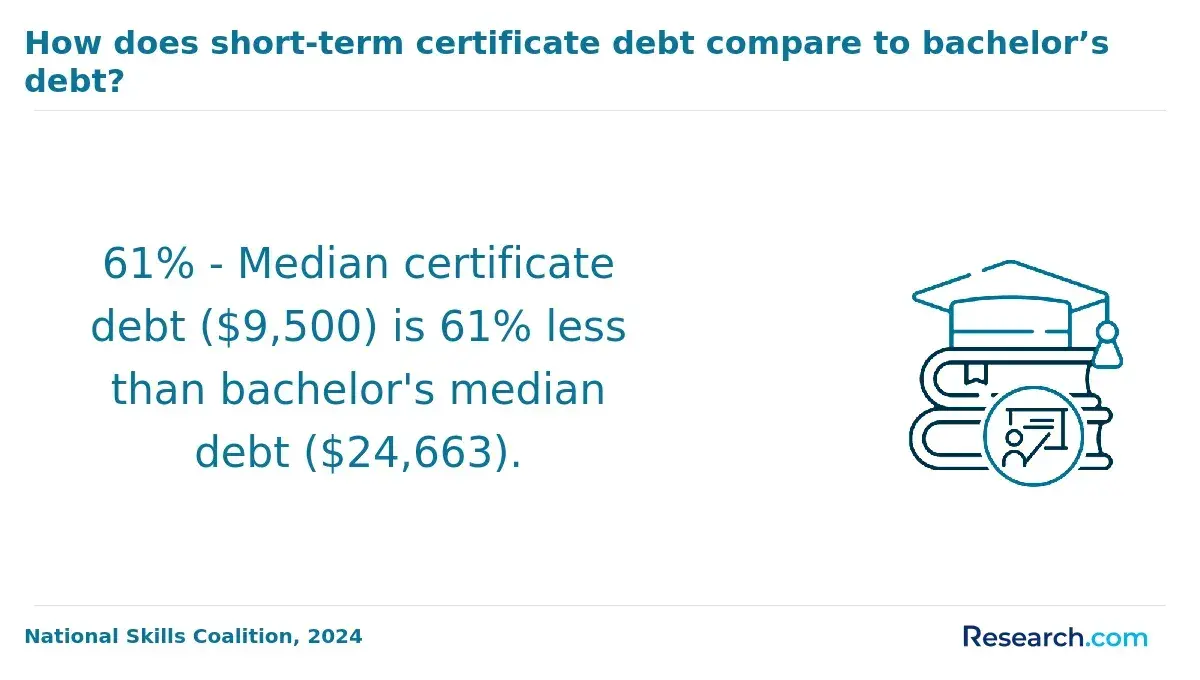
Pursuing an online degree in Cybercrime involves careful financial planning due to varying tuition costs and associated fees. Higher education expenses can significantly impact students' budgets, requiring foresight on tuition, technology fees, and learning materials. Understanding these costs upfront helps students manage debt and select suitable programs.
Online Cybercrime programs often have tuition ranging widely based on institution type and program length. This article will explore typical cost structures, compare affordability across schools, and highlight financial aid options, offering clear guidance for prospective students aiming to enter this growing field.
Key Points About Online Cybercrime Degree Costs
- Average tuition for online Cybercrime degrees ranges from $15,000 to $40,000, varying by institution type and program length.
- Costs depend on factors like accreditation, course materials, technology fees, and residency status.
- Higher costs may reflect specialized curriculum, expert faculty, and strong job placement support in cybersecurity fields.
What Is the Average Cost of an Online Cybercrime Degree?
The average cost for an online Cybercrime bachelor's degree in the U.S. for 2025 is around $60,000 for a full four-year program. Tuition can fluctuate widely, with some affordable options starting near $25,000 while others may reach up to $147,000 in total. Many schools apply charges on a per-credit basis, ranging from about $185 to over $850 per credit.
Programs designed for students transferring credits, often called degree completion programs, tend to be much cheaper, sometimes costing as little as $9,280 for 60 credits. Master's level online Cybercrime degrees usually have higher tuition rates; for instance, Michigan State University charges approximately $937 per credit, totaling near $28,000 for 30 credits. Tuition fees also differ between public and private institutions, with public universities and community colleges generally providing more affordable options than private schools.
When compared with other cybersecurity-related degrees, online Cybercrime bachelor's programs fall within a similar price range, typically between $30,000 and $70,000 for the full course of study. This mirrors costs seen in most cybersecurity bachelor's degrees, reflecting a consistent pricing trend across this growing field of study.
What Is Typically Included in the Tuition for an Online Cybercrime Degree?
Tuition costs for online Cybercrime degree programs generally cover a range of essential components that facilitate student learning. These fees typically grant access to core online coursework, digital platforms, and virtual classrooms necessary for studying cybercrime and cybersecurity.
In addition to course access, tuition often supports academic services designed to assist students throughout their studies. Below are common elements included in most online Cybercrime programs' tuition fees.
- Online courses and learning platforms: Payment covers enrollment in digital classes and the use of virtual environments for interactive learning.
- Academic support services: Students benefit from faculty guidance, tutoring help, tech support, and career counseling tailored to cybercrime fields.
- Technology infrastructure: Tuition frequently includes access to secure software, cybersecurity labs, and practical simulation tools for hands-on training.
- Instructional materials: Some programs provide basic resources like e-books or digital packets as part of the tuition, though this is not guaranteed.
Certain expenses are usually not part of tuition and may require extra payment. These include physical textbooks or proprietary software, fees for proctored exams or graduation, and the costs of personal equipment like computers and internet service capable of running required cybersecurity applications.
Prospective students should carefully examine each program's detailed tuition breakdown to identify any additional costs and avoid financial surprises.
What Factors Influence the Cost of Pursuing an Online Cybercrime Degree?
The cost of pursuing an online Cybercrime degree is influenced by multiple variables that extend beyond basic tuition fees. Knowing these elements can help prospective students better estimate their total financial commitment. These factors affecting online cybercrime degree tuition in the US vary widely depending on individual circumstances and program features.
- Type of School: Public universities generally offer lower tuition for in-state students, whereas private institutions and out-of-state options often charge much higher rates. Tuition per credit can range from $185 to over $850, largely depending on the school's status and geographic location.
- Residency Status: Although many online programs now apply uniform tuition rates regardless of residency, some still differentiate between in-state and out-of-state students. Confirming if residency impacts costs is crucial before enrollment.
- Credit-Hour Requirements: Most bachelor's degrees require between 120 and 180 credits, with more extensive programs or specialized tracks raising total tuition. This factor is significant in calculating overall expenses.
- Program Length and Format: The online cybercrime degree cost by program delivery method can vary notably. Accelerated or self-paced programs reduce time to graduation, potentially lowering total costs. Institutions like Western Governors University exemplify these accelerated programs college options.
- Additional Fees and Services: Online learning technology fees, e-books, and access to student support services such as career counseling or tutoring can add hundreds or even thousands of dollars to the cost. Though optional in some cases, these expenses affect the total investment.
Are Online Cybercrime Programs Cheaper Than Traditional Programs?
In the 2025-2026 academic year, online Cybercrime degree programs are generally more affordable than their traditional on-campus counterparts in the United States. Students considering enrollment may find that online study offers notable financial benefits while maintaining strong academic standards.
On average, online cybercrime degree cost savings compared to on-campus programs range from 19% to 33%. For example, an in-state online bachelor's degree in Cybercrime costs about $28,661 compared to approximately $35,600 for an equivalent campus-based program. This pricing difference reflects factors such as fewer campus fees, no commuting or relocation expenses, and often uniform tuition rates regardless of student residency.
Are online cybercrime programs more affordable than traditional college options? Many online programs charge tuition per credit ranging from $185 to over $850, but overall, learners save money by avoiding costs related to housing, transportation, and campus services. Those interested in exploring options further can find guidance in the best college degrees for seniors online, which highlights cost-effective and flexible degree programs.
Are There In-state and Out-of-state Tuition for Online Cybercrime Programs?
Tuition costs for online Cybercrime degree programs often vary depending on a student's residency status, especially at public colleges and universities. This distinction typically impacts whether students pay in-state or out-of-state rates, which can significantly alter the overall expense of earning a degree.
Many public institutions charge higher tuition for out-of-state learners even when studies are conducted fully online. For instance, approximately 65% of U.S. schools offering cybersecurity-related degrees apply this pricing model. Some colleges, like Bismarck State College, list fees that differ by hundreds of dollars per credit between residents and non-residents. However, this is not a universal approach to tuition pricing for online programs.
Some universities embrace flat-rate tuition policies, charging all online students the same regardless of residency to attract learners nationwide. Additionally, certain regional collaborations, such as the Western Undergraduate Exchange, enable students from specific areas to pay reduced out-of-state rates.
Private institutions generally do not adjust tuition based on residency, and many public programs are adopting similar flexible pricing to stay competitive. Prospective students should verify each school's tuition rules, as exceptions and unique offers are common in the online education landscape.
Which Schools Offer the Most Affordable Cybercrime Degree Programs?
Several accredited institutions provide some of the most affordable online Cybercrime degree programs in the US, making it easier for students to access quality education in this growing field. These programs focus on delivering foundational and advanced cybersecurity knowledge through flexible online formats with cost-effective tuition options.
Below are examples of colleges offering some of the cheapest accredited cybercrime bachelor's degrees available online, designed for both new students and degree completion candidates.
- Kennesaw State University offers an affordable online bachelor's degree program in Cybersecurity priced at approximately $25,520 for a full four-year plan, well below the national average of around $60,000 for similar degrees.
- St. Philip's College provides an even more budget-friendly online degree completion program at $9,280 for 60 credits, an excellent option for transfer students with prior coursework who want to finish their degree.
- Champlain College features an online Bachelor of Science in Cybersecurity program costing about $40,200 for 120 credits, with discounts available for military members and alumni, making it a flexible choice for many learners.
Additional cost-saving aspects include flat-rate pricing per credit hour, discounts for military and veteran students, and reduced fees for fully online learning. These programs represent some of the best options for affordable Cybercrime education. Those considering advanced education in related areas may also explore the highest paid masters to plan the next step in their career development.
Which Schools Offer the Most Expensive Cybercrime Degree Programs?
Online education in Cybercrime is growing rapidly, with many universities offering specialized degrees that prepare students for careers in cybersecurity and digital forensics. When considering enrollment, cost is a significant factor, especially for those looking at the most prestigious programs. Understanding the highest tuition Cybercrime programs by university helps prospective students weigh the benefits against financial investment.
Below are some of the most expensive online Cybercrime degrees in the United States, reflecting both quality and specialized resources.
- Miami Dade College: Offers a Bachelor of Science in Cybersecurity, with total tuition around $64,320 for out-of-state students, highlighting its status as a leading program.
- Ferris State University: Provides a Bachelor of Science in Information Security and Intelligence online, charging approximately $61,800 in tuition for the full degree.
- New Jersey City University: Features a bachelor's degree in Cybersecurity with tuition costs near $60,240, ranking among the top in cost and academic rigor.
These tuition rates correlate with factors such as school prestige, including recognition as Centers of Academic Excellence in Cyber Defense (CAE-CD), highly qualified faculty with industry experience, and comprehensive student resources like virtual labs and career support. Students benefit from advanced curricula that address cybercrime fundamentals alongside emerging threats and legal frameworks.
For those interested in exploring alternative, shorter credential paths in cybersecurity, there are also quick courses that pay well available online, providing flexibility and practical skills without the high costs of traditional programs.
How Long Does It Take to See a Return on an Online Cybercrime Degree?
Investing in an online Cybercrime degree can lead to promising career opportunities in a rapidly growing field. Understanding the timeframe for recouping educational expenses helps prospective students make informed decisions.
Graduates typically see a return on their investment within two to five years after starting work, though this varies by individual circumstances. Entry-level roles, such as information security analysts, have a median salary around $120,000 in 2025, with top earners making significantly more. High demand is evident, with over 4 million cybersecurity job openings expected in 2027, which supports faster employment and salary growth for qualified professionals.
The cost of online bachelor's degrees in this area generally ranges from $12,000 to $25,000, making the payback period relatively brief compared to many other disciplines. Programs incorporating certifications like Security+ or CISSP, or focusing on specialized skills such as cloud security and penetration testing, can enhance career prospects and accelerate financial returns. Personal factors-like working while studying, debt levels, and additional education-also influence how quickly one recovers the investment.
Are Online Cybercrime Students Eligible for Financial Aid?
Online Cybercrime students are generally eligible for financial aid, including federal student aid, scholarships, grants, and employer tuition assistance. These opportunities depend on factors such as accreditation status, enrollment, and the specific guidelines set by aid providers. Understanding the options available can help students reduce the cost of their education effectively.
One crucial step is meeting FAFSA eligibility for online cybercrime students, which involves completing the Free Application for Federal Student Aid and satisfying criteria related to citizenship and academic progress. Financial aid for online cybercrime degree students is comparable to what on-campus students receive, provided their programs are accredited. This makes pursuing an online degree a financially viable option for many.
- Federal Student Aid: Includes Pell Grants and federal loans available to students enrolled in accredited institutions. Grants may cover part or all tuition based on financial need, while loans require repayment after graduation.
- Scholarships: Many cybersecurity or digital forensics programs offer scholarships, including government-sponsored opportunities like Department of Defense Cyber Scholarships. These often require strong academics or a commitment to public service.
- Employer Tuition Assistance: Professionals working in IT or law enforcement fields can benefit from tuition reimbursement programs covering part or all of the course costs if the employer approves the online cybercrime program.
For those exploring career options after earning a degree in Cybercrime, considering good trade school jobs in related fields can also provide financial stability while pursuing education.
Are Online Cybercrime Programs Expected to Increase in the Coming Years?
Online degrees in Cybercrime offer a flexible path for students aiming to enter a growing field focused on combating digital threats. As demand for skilled cybersecurity professionals rises, tuition rates for these programs have been evolving accordingly.
Currently, tuition for online Cybercrime programs varies widely depending on the institution's reputation, program length, and delivery method. On average, public universities tend to offer more affordable rates compared to private institutions. Many schools price their programs per credit hour, with costs ranging from $300 to $700 per credit. Some programs also include additional fees for technology or lab access.
Looking ahead, tuition costs are expected to continue trending upward, driven by increased demand for cyber expertise and investments in cutting-edge online learning technologies. Scholarships and employer tuition assistance remain key factors in offsetting tuition expenses. Prospective students should consider total program costs, including materials and certification exam fees, to fully understand their financial commitment.
What Students Say About The Cost of Pursuing Online Cybercrime Programs
- Niall: "Enrolling in the online Cybercrime degree program was the best decision I've made for my career. Despite the average cost being around $15,000, the skills I gained have already led to a significant salary increase. The return on investment is unquestionable, especially in today's tech-driven job market. "
- Kara: "After careful research, I chose an online Cybercrime degree because it offered affordable tuition compared to traditional programs, averaging about $12,000 overall. This degree has deepened my understanding of cybersecurity threats and prepared me well for advanced roles, making the cost feel like a smart, long-term investment."
- Edwin: "Pursuing my Cybercrime degree online cost less than I expected-roughly $13,500 on average-but the value it provides goes far beyond the price tag. It's given me new professional opportunities and confidence in the field, proving that the financial commitment was worth every cent for my career advancement."
Other Things You Should Know About Cybercrime Degree Program Costs
Yes, some online Cybercrime degrees may include extra fees for virtual labs or hands-on cybersecurity exercises. These fees cover platform access, virtual machines, or cybersecurity tools provided during the course. These additional costs vary by institution and can range from modest to substantial, so prospective students should inquire before enrolling.
Certification exam preparation costs can vary widely. Many online Cybercrime degree programs include prep courses as part of the curriculum, possibly increasing overall tuition. Some programs might charge extra for these courses, potentially costing a few hundred to a few thousand dollars, depending on the specific certification.
Some institutions offer credit for relevant work experience or prior learning assessments in cybersecurity, which can reduce the number of required courses and overall tuition costs. This option helps students save time and money by avoiding redundant coursework. Availability varies, so students should check if their online program accepts such credits.
References
- ROI in Your Cybersecurity Program https://www.galacticadvisors.com/research/identifying-return-on-investment-in-your-cybersecurity-program/
- Most affordable online cybersecurity degree programs https://cybersecurityguide.org/rankings/most-affordable-online-degree/
- Tuition & Fees – Cybersecurity – Undergraduate Certificates | Oregon State Ecampus https://ecampus.oregonstate.edu/online-degrees/tuition/
- Can I get financial aid for an online degree? | edX https://www.edx.org/resources/can-i-get-financial-aid-for-an-online-degree
- Medical Billing And Coding Certification: How To Find Training https://www.forbes.com/advisor/education/certifications/medical-billing-and-coding-certification-guide/
- Calculating ROI for Your Cybersecurity Project in 2024 https://www.techmagic.co/blog/calculating-roi
- Online Cyber Security Degree Programs by State https://www.cybersecuritydegree.com/states/
- INE Security Releases Insights to Measure C… https://ine.com/newsroom/ine-security-releases-insights-to-measure-cyber-training-roi
- Online Medical Billing and Coding Training | Georgian Court University | Lakewood, New Jersey https://georgian.edu/center-for-professional-studies/online-medical-billing-and-coding-training/
- The ROI of Cybersecurity Investments: How Businesses Can Quantify and Justify Security Spending | HackerNoon https://hackernoon.com/the-roi-of-cybersecurity-investments-how-businesses-can-quantify-and-justify-security-spending


