
2027 Is Demand for Sports Analytics Degree Graduates Growing or Declining?

Co-Founder and Chief Data Scientist
Many students face uncertainty about investing in a sports analytics degree due to unclear job prospects. With evolving technology in professional sports, demand for skilled graduates is critical for teams seeking competitive advantages. According to the Bureau of Labor Statistics, employment for database and sports-related analysts is projected to grow 15% from 2022 to 2032, faster than average for all occupations. This article examines current trends in demand for sports analytics degree graduates, exploring employment opportunities and industry growth to help prospective students make informed decisions about their education and career paths.
Key Things to Know About the Demand for Sports Analytics Degree Graduates
- Employment in sports analytics is growing steadily, with a 15% increase in related job postings over the past three years, reflecting rising team and league investment in data-driven strategies.
- Projected job growth for sports analytics graduates is above average, estimated at 18% from 2023 to 2030, driven by expanded roles in performance analysis and fan engagement.
- Specialization in areas like biomechanics or digital media analytics significantly enhances long-term career prospects amid evolving technology and data applications within the sports industry.
What Factors Are Driving Demand for Sports Analytics Degree Professionals?
Evaluating the factors driving workforce demand helps prospective students determine the long-term value and stability of a sports analytics degree. Several key forces shape hiring trends and opportunities in this growing field.
- Industry Growth: The rapid expansion of the sports sector-including professional leagues, collegiate athletics, and media-fuels demand for data-driven insights to enhance performance and fan engagement. This growth sustains ongoing need for skilled sports analytics degree professionals.
- Technological Advancement: Innovations in wearable technology, motion tracking, and machine learning generate vast amounts of data. Employers seek experts capable of interpreting these complex datasets and converting them into actionable strategies.
- Regulatory Changes: New policies related to athlete health, safety, and data privacy require analysts to understand compliance and ethical data management. This raises demand for sports analytics degree program accreditation standards ensuring graduates are well-prepared.
- Demographic Shifts: Changing fan demographics and consumer preferences drive analysts to help leagues customize marketing toward younger, diverse audiences, boosting revenue diversification and market relevance.
- Evolving Skills: Employers increasingly value multidisciplinary abilities, such as communication, programming, and subject expertise. Students should consider the importance of regional accreditation for sports analytics degrees to ensure their education meets these multifaceted demands.
Students weighing their options may also explore related fields, such as pursuing a PharmD degree, to compare workforce trends and career prospects.
Which Sports Analytics Occupations Are Seeing the Highest Growth Rates?
Growth rates serve as crucial signals for students exploring sports analytics career paths, as they reflect rising demand and job stability within the field. The U.S. Bureau of Labor Statistics projects an overall employment growth of 5% from 2021 to 2031, but many roles in sports analytics far exceed this rate, highlighting lucrative opportunities.
Below are some of the top emerging jobs in sports analytics and data science showing the highest growth rates.
- Data Scientists: With projected growth near 31% through 2031, data scientists in sports benefit from the expanding use of big data and machine learning to boost player performance and enhance fan engagement. Typically, a bachelor's degree in data science or related fields is required, though advanced degrees are often preferred.
- Sports Performance Analysts: Growth in this role is fueled by advances in wearable technology and real-time tracking systems. Most positions require at least a bachelor's degree, focusing on kinesiology, sports science, or analytics.
- Business Intelligence Analysts: Experiencing growth around 22%, these analysts support strategic decisions as sports organizations increase their digital presence and marketing efforts. A background in business, analytics, or information systems is commonly required.
- Video Analysts: As technology improves, video analysts play a critical role in tactical game analysis, benefitting from sophisticated analytic software and enhanced video technology. A bachelor's degree in sports management or media analytics is generally expected.
Identifying which sports analytics occupations are seeing the highest growth rates in the United States helps prospective professionals align education with future job prospects. Students interested in expanding their qualifications may also consider online DNP programs without dissertation to diversify skills in analytic and performance domains.
Which Industries Hire the Most Sports Analytics Degree Graduates?
Knowing which industries employ the largest number of sports analytics graduates helps students evaluate potential career paths and the stability of their job prospects. Below are the key sectors that frequently seek professionals with sports analytics expertise.
- Professional Sports Teams and Leagues: These organizations rely on data analysts to assess player performance, develop game strategies, and enhance scouting processes. Graduates often fill roles such as performance analyst or analytics coordinator, using their skills to support team decision-making.
- Sports Media and Broadcasting: Analytics professionals in this field interpret game statistics to enrich commentary, create engaging visuals, and improve fan engagement. Positions typically include data journalism, content development, and digital analytics, demanding a strong understanding of both sports and data interpretation.
- Collegiate and Amateur Sports Organizations: These groups apply analytics to optimize athlete training, reduce injury risks, and assist in recruitment. They seek candidates who can blend sports science knowledge with data analysis to support athlete development at non-professional levels.
- Sports Technology and Wearable Device Companies: Tech firms designing analytics software and wearable tech devices need graduates who grasp data analytics and software functionality. These roles focus on innovating new products and advancing methods for accurate data collection and analysis.
How Do Sports Analytics Job Opportunities Vary by State or Region?
Geographic location plays a crucial role in shaping employment prospects for sports analytics degree holders, as job availability and career potential differ widely across the U.S. Several regional factors influence where demand for these professionals is strongest.
- High-Demand States: California, New York, Florida, and Texas host numerous professional franchises and collegiate programs, creating dense ecosystems with plentiful job openings for sports analytics specialists.
- Regional Industry Hubs: Cities such as Boston, Chicago, and Seattle serve as pivotal centers for both professional and college sports, attracting analytics roles due to their strong sports culture and investment.
- Urban Versus Rural: Urban centers generally offer a larger volume of positions and greater exposure to advanced technologies in sports analytics, whereas rural areas tend to have fewer teams and limited market presence.
- Cost of Living: Positions in major metropolitan areas often require balancing higher salaries against elevated housing and living expenses, influencing the overall attractiveness of opportunities.
- Remote and Hybrid Work: The rise of flexible work arrangements has expanded access beyond traditional hotspots, though most remote roles still cluster around established sports markets to maintain industry connections.
Where a graduate is located can affect not just the number of jobs available but also competition and long-term career growth. Those in regions with vibrant sports sectors may find easier entry and advancement pathways, while individuals in smaller or less sports-centric markets could face limited roles and slower progression.
How Does Degree Level Affect Employability in Sports Analytics Fields?
Education level plays a crucial role in shaping job prospects, career advancement, and the professional edge in sports analytics fields. Different degree levels offer unique benefits and challenges worth comparing for those aiming to enhance their employability.
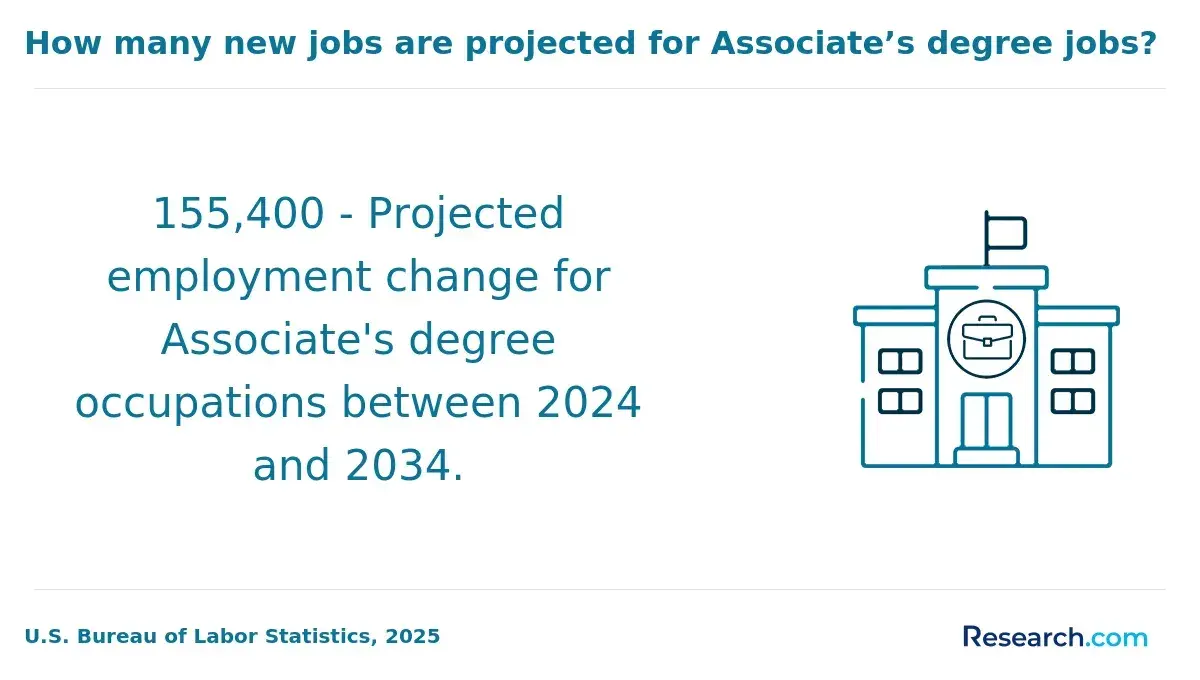
- Associate Degree: Typically serves as a gateway to entry-level jobs like data technician or junior analyst roles. The competition is intense, and without further education, upward mobility can be limited, affecting long-term job stability within sports analytics.
- Bachelor's Degree: This is the prevalent credential for many sports analytics positions, especially analyst roles involving data gathering and performance evaluation. Studies indicate that bachelor's holders enjoy a 12% higher employment rate in specialized data roles compared to associate degree holders, highlighting its impact on degree level impact on sports analytics employability.
- Master's Degree: Provides advanced expertise in areas like machine learning and statistics, often leading to strategic roles such as sports data scientist or analytics manager. This level of education notably improves chances for career growth and higher compensation, demonstrating the value of advanced sports analytics degrees and job prospects.
- Doctorate Degree: Less common but important for research-focused or academic positions. Doctorate holders contribute to innovation and theoretical development in sports analytics, setting them apart as leaders on complex projects and pioneering new methodologies.
For students exploring educational options, understanding how degree levels affect employability is critical. Those seeking flexible paths might also investigate easy nursing schools to get into as an example of accessible programs, although in different fields.
What Skills Are Employers Seeking in Sports Analytics Graduates?
Grasping the specific skills that employers prioritize is essential for sports analytics graduates aiming to stand out in today's competitive job market. These key competencies support effective decision-making and boost performance outcomes.
The following skills are particularly valued by employers in the field.
- Technical Data Skills: Mastery of programming languages like Python and R, along with statistical tools, equips graduates to process and analyze extensive datasets, uncovering patterns that influence coaching and management decisions.
- Sports Science Understanding: A solid foundation in athlete biology and game-related performance metrics enables analysts to translate raw data into actionable insights tailored to the unique demands of sports environments.
- Effective Communication: Conveying complex analytical results in clear, accessible language is crucial for collaborating with coaches, players, and front-office personnel, ensuring that data drives strategic choices.
- Predictive Analytics and Machine Learning: Utilizing algorithms and models to anticipate player trajectories, injury risks, or game outcomes enhances forecasting accuracy and strategic planning.
- Innovative Problem-Solving: Creativity in approaching data challenges allows analysts to develop novel methods that improve talent evaluation, game strategy, and overall team efficiency.
How Does Job Demand Affect Sports Analytics Graduate Salaries?
Fluctuations in job demand significantly impact starting salaries, wage growth, and long-term earning potential for sports analytics degree graduates. For instance, average entry-level salaries in this field rose by approximately 8% between 2021 and 2023, reflecting strong labor market conditions.
The following points highlight how demand shapes compensation and career opportunities.
- Starting Salaries: When demand for skilled sports analytics professionals is high, employers compete by offering more attractive initial salary packages to secure top talent.
- Wage Growth: Increased demand often leads to faster annual salary increases, as organizations seek to retain experienced analysts amid competitive job markets.
- Career Advancement: Strong labor markets create more senior roles and leadership opportunities, which enhance long-term earning prospects for graduates.
- Market Oversupply Impact: If the number of graduates exceeds available jobs, employers may offer lower wages, causing salary growth to stagnate or decline.
Labor market dynamics directly tie the number of sports analytics job openings to the talent pool's size. Understanding these trends helps prospective students and professionals anticipate financial outcomes and career trajectories based on current and future market demand.
How Is AI Changing Demand for Sports Analytics Professionals?
Advances in artificial intelligence are rapidly transforming workforce needs in sports analytics, with over 60% of sports organizations adopting AI tools by 2023. This shift increases demand for professionals who can work alongside AI to provide deeper insights and strategic guidance.
The main impacts of AI on careers in sports analytics include:
- Automation of Routine Tasks: AI streamlines data collection and basic analysis, reducing the number of entry-level roles but allowing professionals to concentrate on interpreting complex information and contributing to decision-making processes.
- Emergence of Specialized Roles: New positions such as AI model trainers and sports data scientists are appearing, blending expertise in machine learning with sports knowledge and expanding career options.
- Evolving Skill Requirements: Proficiency in AI technologies, programming, and advanced analytics is now essential, prompting professionals to continuously upskill to remain competitive in the job market.
- Shifts in Hiring Patterns: Employers increasingly seek versatile candidates who combine sports insight with strong technical abilities, valuing adaptability and interdisciplinary experience.
Is Sports Analytics Considered a Stable Long-Term Career?
Long-term career stability is an important factor for students and professionals considering sports analytics as a career path because it ensures consistent employment and ongoing financial security. Several key factors influence the stability of jobs within this dynamic industry.
- Industry Demand: The increased reliance on data-driven decision-making by sports organizations drives steady demand for sports analytics experts. Teams focus on player performance, injury prevention, and strategic planning, all requiring skilled analysts, which supports a stable job market.
- Employment Trends: Job outlook and career growth for sports analytics graduates remain positive as sports technology advances and data collection expands. Emerging specialized roles in analytics suggest that opportunities will continue to grow rather than diminish over time.
- Adaptability: Professionals who keep up with evolving data tools, machine learning models, and technological innovations improve their career resilience. Conversely, those resistant to change may face challenges in maintaining long-term relevance in the field.
- Career Advancement: Many roles in sports analytics provide clear pathways to leadership, coaching, or broader data science positions. Continuous professional development and reskilling are critical to maintaining career momentum in such a competitive environment.
This stability outlook makes sports analytics an increasingly attractive choice within the U.S. job market. For students exploring various educational options, including the option to pursue an online nursing degree, it's important to compare industry growth and career trajectories across fields carefully.
Is a Sports Analytics Degree Worth It Given the Current Job Demand?
Demand for sports analytics degree graduates is generally increasing, reflecting broader growth in data-driven decision-making across the sports industry. Employment projections indicate steady growth in analytics-related positions, often outpacing traditional sports-related jobs, as professional teams, media outlets, and sports technology companies seek advanced data insights for competitive advantage.
However, regional variations impact sports analytics career opportunities by region, with some markets offering stronger hiring activity aligned with the integration of analytics in sports management and media. These trends suggest that the job outlook for sports analytics degree graduates remains positive but competitive.
Career outcomes are influenced by how well graduates align their skills with evolving industry needs, particularly in programming, data science, and applied statistics. Higher-degree levels or specialized certifications tend to improve prospects, as does practical experience through internships or projects. Employers favor candidates who blend technical expertise with effective communication skills and sport-specific knowledge.
Given these factors, pursuing a sports analytics degree can represent a practical long-term investment when paired with relevant qualifications and applied learning opportunities. Prospective students should also explore program affordability and quality, considering options such as the cheapest DNP programs as a model for how to evaluate costs alongside career benefits.
What Graduates Say About the Demand for Their Sports Analytics Degree
- Drew: "Pursuing a sports analytics degree was a game-changer for me; it opened doors I hadn't imagined and gave me the technical skills that are in high demand today. The return on investment was clear as I landed a role with a professional team within months of graduation. I'm grateful for how this degree accelerated my career and expanded my understanding of data-driven decision-making in sports. "
- Solis: "Looking back, choosing a sports analytics program was a thoughtful step toward blending my passion for sports with my knack for numbers. The degree paid off as I developed a nuanced view of athlete performance and strategy that few in my field possess. It's been rewarding to see how this education enhanced my credibility and opportunities in the competitive sports industry."
- Kaysen: "My decision to specialize in sports analytics came from a desire to contribute meaningfully to the sports sector beyond traditional roles. The financial and career benefits have been significant, offering me new roles in management and consulting. This degree equipped me with a sophisticated toolkit, positioning me as a valued professional with a clear edge in analyzing game data."
Other Things You Should Know About Sports Analytics Degrees
Yes, certifications like Certified Analytics Professional (CAP) and those offered by sports governing bodies can enhance a graduate's credentials. These certifications demonstrate specialized knowledge and practical skills, making candidates more attractive to employers in the competitive sports analytics job market.
In 2027, emerging technologies such as AI and machine learning are significantly increasing the demand for sports analytics degree graduates. These technologies enable deeper data analysis and sophisticated insights, prompting sports organizations to seek qualified graduates who can effectively utilize these advanced tools.
Hands-on experience or internships are crucial for sports analytics students in 2027. They provide practical skills and industry connections, which can significantly enhance employability in a competitive job market where real-world applications of data analytics are highly valued.
References
- Sports Analyst Job Titles in 2025 - Most Popular Titles by Career Level https://www.tealhq.com/job-titles/sports-analyst
- Sports Analytics Strategic Research Report 2024: Global Market to Grow by Over $15 Billion by 2030 as Capabilities and Innovations Provide New Essential Data https://finance.yahoo.com/news/sports-analytics-strategic-research-report-160300977.html
- Why More Teams Are Switching to AI-Powered Sports Analytics - WSC Sports https://wsc-sports.com/blog/industry-insights/why-more-teams-are-switching-to-ai-powered-sports-analytics/
- The Sports Analytics Career Series Part 1: Your Ticket into the Industry – Cultivating Professional Relationships https://careertools.binghamton.edu/blog/2025/07/09/the-sports-analytics-career-series-part-1-your-ticket-into-the-industry-cultivating-professional-relationships/
- The Growing Demand for Sports Data Scientists https://www.sportsmanagementworldwide.com/content/growing-demand-sports-data-scientists
- KSA – Data Analytics Talent Needs in Sports Management https://datahubanalytics.com/ksa-data-analytics-talent-needs-in-sports-management/
- Sport analytics careers: 5 skills college grads should master for career success - College Recruiter https://www.collegerecruiter.com/blog/2016/09/13/sport-analytics-careers-5-important-skills-college-grads-master-career-success
- AI in Sports: Use Cases, Trends, Examples, and Challenges https://www.itransition.com/ai/sports
- Awesome Jobs You Can Score With a Sports Analytics Degree https://www.workinsports.com/resourcecenter/jobseeker/pages/awesome-jobs-you-can-score-with-a-sports-analytics-degree
- How AI is Transforming the Future of Sports Analytics https://transstadiainstitute.in/2025/09/26/how-ai-is-transforming-the-future-of-sports-analytics/


