
2027 Most Popular Concentrations in Sports Analytics Degrees

Co-Founder and Chief Data Scientist
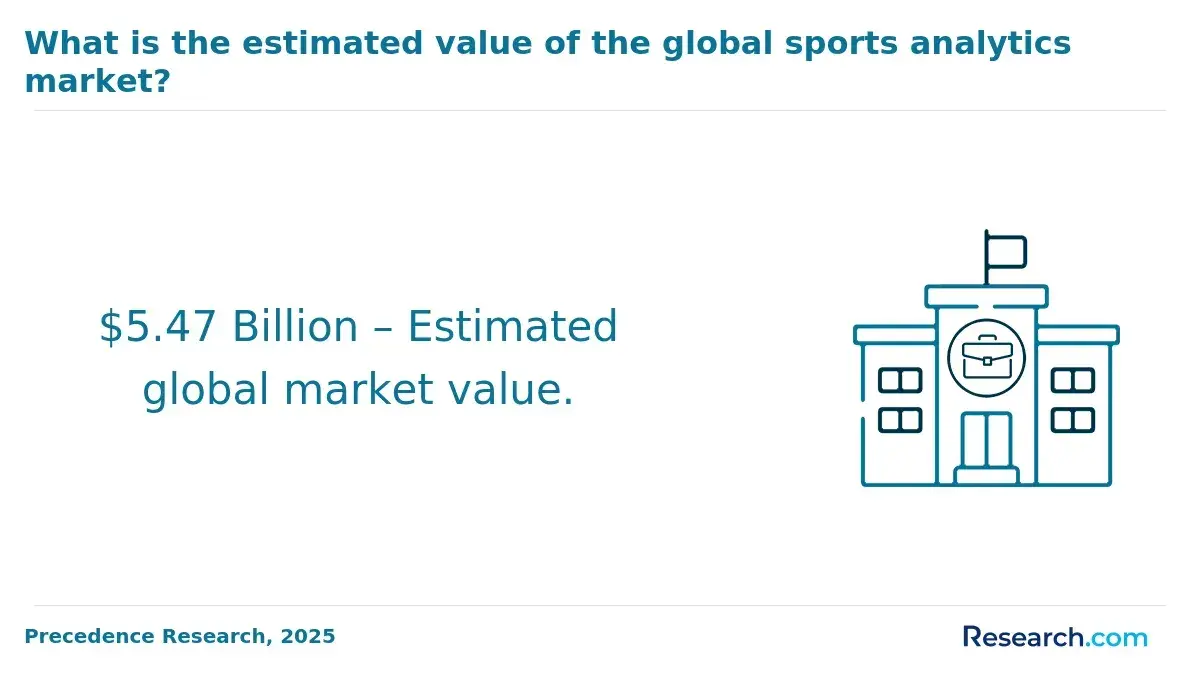
Choosing the right concentration in sports analytics is increasingly important as the industry demands more specialized expertise. According to recent research, the sports analytics market is expected to grow by over 30% in the next five years, creating opportunities for professionals skilled in areas like performance analysis and fan engagement. Without focused study, students may miss critical career advantages.
This article clarifies the most popular sports analytics concentrations, such as data science, biomechanics, and sports marketing analytics. Understanding these paths helps learners identify which aligns best with their career goals and the evolving needs of sports organizations aiming to leverage data for competitive edge.
Key Benefits of Popular Concentrations in Sports Analytics Degrees
- Graduates with concentrations in predictive modeling see 20% higher job placement in teams and leagues leveraging data-driven decisions.
- Specialized coursework in machine learning enhances analytical skills, crucial for evaluating player performance and injury prevention.
- Demand for experts in sports analytics visualization grows 35% annually, ensuring strong employment prospects across multiple sports sectors.
What Are the Most Popular Sports Analytics Concentrations in 2027?
Interest in specialized sports analytics study paths is growing rapidly as evolving workforce demands shape student preferences. Advanced technologies and data-driven decision-making in sports organizations require graduates skilled in targeted analytic techniques aligned with industry trends.
- Performance optimization and tactical analysis concentration: This remains the leading focus, fueled by professional teams' investments in workload management, injury prevention, and return-to-play protocols. Platforms like Catapult and SAP SE highlight biometric data analysis and physiological assessment, maintaining steady demand for graduates in this area.
- Video analytics and player performance concentration: Expected to hold nearly 30% market share in 2025, this specialization emphasizes AI-powered video tagging and tactical breakdowns. Hudl's market prominence and adoption of these tools drive student enrollment toward this fast-growing segment.
- Predictive modeling and machine learning: With companies such as Stats Perform leveraging AI for automated insights and contextualized data, this concentration attracts quantitatively strong students focused on advanced predictive capabilities within sports analytics.
- Fan engagement and commercial analytics: The media and entertainment sector's rapid growth propels demand for professionals skilled in analyzing fan behaviors and commercial opportunities, making this concentration increasingly popular.
- Scouting and recruitment analytics: Supported by platforms like Wyscout, this specialization addresses the critical industry emphasis on player acquisition and recruitment strategies, aligning academic focus with evolving market needs.
Students exploring their paths can find valuable guidance through certifications that pay the most, helping align education with lucrative career opportunities.
What Skills Are Required for the Top Sports Analytics Concentrations?
Success in specialized sports analytics concentrations depends on developing a multifaceted skill set that matches evolving industry expectations. Students must build competencies that go beyond basic analytics to excel academically and professionally in this competitive field.
- Data analysis and statistical modeling: These skills enable professionals to convert raw performance metrics into actionable insights. Mastery in this area supports detailed evaluation and improves decision-making processes critical in competitive sports environments.
- Programming proficiency: Knowledge of languages like Python, R, and SQL allows for effective data manipulation and visualization. Such technical expertise enhances an analyst's ability to handle complex datasets and create meaningful reports.
- Tactical and game theory knowledge: Understanding sport-specific formations and strategies helps analysts interpret data within the proper context. This skill transforms numbers into practical recommendations for coaches and management.
- Communication and data visualization: Presenting complex data clearly using tools like Tableau or Power BI ensures insights are accessible to non-technical stakeholders. Strong communication bridges the gap between data and real-world application.
- Adaptability and continuous learning: As sports analytics technology rapidly evolves, professionals must stay current with emerging tools and methods. The ability to learn quickly ensures long-term career sustainability.
According to workforce data, 87.1 percent of sports analysts hold bachelor's degrees, highlighting the importance of formal education in these skill areas. Prospective students often explore options such as open admission colleges online to build foundational knowledge while balancing other commitments.
Do Different Sports Analytics Concentrations Have Different Admission Requirements?
Yes, different sports analytics concentrations do have varying admission requirements that reflect the differing demands of each specialization and program standards. Programs with a focus on advanced technical skills, such as data science and machine learning, often require demonstrated competency in programming and statistics before enrollment, while others maintain more accessible entry pathways.
Generally, undergraduate concentrations prioritize broad accessibility and allow students to develop analytics skills progressively, whereas graduate programs typically enforce more rigorous criteria to ensure readiness. Such distinctions highlight how diverse program philosophies shape the prerequisites needed for admission.
Common differences in sports analytics master's degree admission requirements include minimum GPA standards, prerequisite coursework, and supplemental materials like résumés and personal statements. For example, some accelerated programs require a GPA above 3.25 and application at specific times, while others may waive standardized test scores or mandate them depending on circumstances.
Graduate sports analytics program GPA standards often range around 3.0 to ensure foundational quantitative ability. These criteria help programs guarantee candidates possess the necessary skills for success in advanced studies. Prospective students seeking the shortest masters programs online should carefully review each program's detailed admissions requirements, as they vary substantially even among similar specializations.
Do Specific Sports Analytics Concentrations Require Accredited Programs?
Accreditation plays a crucial role in specialized sports analytics programs by confirming that curricula meet established standards, which can influence eligibility for select careers and certifications. Recognizing when accreditation is necessary helps students choose programs aligned with their professional goals.
- Curriculum Quality Assurance: Accreditation verifies that the program maintains rigorous academic standards essential for specialized sports analytics knowledge.
- Employer Expectations: Many employers prefer candidates from accredited programs, viewing accreditation as a mark of reliable training and competence.
- Career Advancement and Certifications: Certain professional certifications and advanced roles may require graduation from accredited institutions to be eligible.
- Industry Recognition: Accreditation signals to the sports analytics industry that graduates have met recognized benchmarks, enhancing credibility.
- Program Accessibility and Flexibility: Some programs opt out of specialized accreditation to reduce barriers such as residency requirements or comprehensive exams, maintaining accessibility without compromising content quality.
- Certificate Program Standards: Graduate certificates in sports analytics often lack formal accreditation but enforce strict grade and course sequence policies to ensure academic rigor.
Is the Quality of Online Sports Analytics Concentration Tracks the Same as On-Campus Programs?
As more students weigh online against on-campus sports analytics programs, evaluating the quality across these options is crucial. The choice often hinges on whether the learning experience and outcomes align regardless of delivery method.
- Curriculum Standards: Both online and in-person tracks follow industry-aligned coursework covering data visualization, predictive analytics, and machine learning.
- Accreditation & Learning Outcomes: Programs typically maintain equivalent accreditation statuses and similar credit requirements, ensuring comparable educational rigor.
- Faculty Expertise: Experienced practitioners and subject matter experts deliver instruction in both formats, preserving relevance and depth.
- Technology & Tools: Online curricula leverage virtual datasets and professional software like R and Tableau to simulate hands-on experiences.
- Student Support: Support services and collaborative opportunities are provided, though the nature of interaction can differ substantially.
- Hands-on Training: Campus programs offer direct lab work and group projects, while online tracks use simulations and virtual projects to replicate practical skills.
A graduate from a well-regarded hybrid sports analytics program shared her perspective when asked about the program's balance of online and on-campus experiences. She described early struggles juggling asynchronous online lectures with in-person labs that demanded adapting to different learning dynamics. Yet, the variety enriched her skill set-offering flexibility without sacrificing real-world application. "The on-campus sessions really helped me network and work through data challenges face-to-face," she explained, "while the online modules let me dive deeper into software tools at my own pace." Reflecting on the journey, she felt the complementary nature of both formats provided a robust foundation, reinforcing that quality is achievable across modalities with the right program design and commitment.
Which Sports Analytics Concentration Is the Hardest to Complete?
Some sports analytics concentrations are more demanding because they require deeper technical knowledge, greater mathematical skill, and broader competencies. Differences in coursework rigor and program design contribute to varying levels of difficulty and workload.
- Intensive Mathematical Concepts: The concentration involves advanced predictive modeling, machine learning, and statistical techniques beyond standard business analytics curricula.
- Strong Programming Skills: Mastery of languages such as R and Python is essential, along with expertise in data visualization and database management.
- Interdisciplinary Knowledge: Students must combine biomechanics, exercise science, and physiology with computing, adding complexity to the learning process.
- Complex Data Handling: Analyzing high-dimensional data from biometric sensors and player tracking requires sophisticated analytical methods.
- Job Market Expectations: Early-career roles demand immediate technical proficiency, increasing pressure on students to develop practical, job-ready skills throughout the program.
What Careers Can You Get with Each Sports Analytics Specialization?
Different sports analytics concentrations equip graduates with targeted skills that open doors to distinct career opportunities. Knowing how these specializations align with various roles helps students make informed decisions about their educational focus and professional goals.
- Performance Analysis: Careers include performance analysts and player development specialists who evaluate athlete data to enhance training and game strategies. Opportunities arise in professional teams, collegiate programs, and companies creating wearable and tracking technologies.
- Sports Business and Marketing Analytics: Graduates often become marketing analysts or CRM specialists, using market and fan insights to boost revenue and engagement. Roles are found within sports franchises, media organizations, and consulting firms.
- Scouting and Player Personnel: Positions such as scouting coordinators or data strategy leads focus on assessing athlete potential through video and statistical analysis. Employers range from pro sports teams to independent consulting agencies.
- Sports Technology and Innovation: Specialists develop tools like virtual reality training and predictive models. Job prospects grow as teams invest in advanced tech solutions for performance enhancement.
- Sports Injury Prevention and Management: These professionals design injury reduction and rehabilitation strategies, often collaborating with medical staff in athletic and sports medicine environments.
- Sports Research and Strategy: Graduates support decision-making by analyzing industry trends, fan behavior, and competitive landscapes in sports organizations and research firms.
A professional I spoke with, who specialized in sports business and marketing analytics, recalls navigating the challenge of finding a role that balanced data analysis with creative strategy. He described the process as "both exhilarating and demanding," emphasizing the constant need to stay ahead of evolving fan engagement methods. Reflecting on his journey, he noted that exploring internships and networking were key steps in unlocking opportunities. He also highlighted the satisfaction of seeing how analytical insights directly influenced marketing campaigns, fueling a passion for continuous learning within the dynamic sports industry.
What Market Trends Are Shaping the Top Sports Analytics Concentrations in 2027?
Staying informed about evolving industry trends helps students select sports analytics concentrations that are aligned with real-world demand and emerging career paths.
- Betting analytics and predictive modeling: Growing at a 29% CAGR, this segment leverages machine learning to enhance live betting revenue, making skills in predictive analytics highly sought after.
- Computer vision and player tracking: Optical-tracking technologies, boosted by major acquisitions, play a critical role in both broadcast enhancement and performance analysis, increasing demand for expertise in this area.
- Media and broadcast analytics: As the fastest-growing end-user market, broadcasters use analytics for tailored content and dynamic storytelling, requiring professionals skilled in data interpretation and audience engagement.
- Artificial intelligence and machine learning integration: Industry leaders incorporate AI throughout analytics platforms, elevating the value of concentrations focused on these technologies.
- Football (soccer) performance optimization: The fastest-growing sports vertical uses advanced data models for player fitness and tactics, creating opportunities for specialists in soccer analytics.
What Are the Average Salaries for Popular Sports Analytics Concentrations?
Salary prospects in sports analytics vary greatly depending on specialization, which is essential information for students deciding on their career focus. Recognizing how these concentrations impact earning potential helps guide choices aligned with long-term financial goals.
Differences in sports analytics salary by experience level and location show that some niches command significantly higher compensation, reflecting expertise demand and industry growth patterns.
- Sports Data Analysis: Entry-level roles typically offer $45,000 to $65,000, rising to $70,000 to $95,000 for mid-level analysts. Professionals use statistical models and visualization tools to support team decisions, with salaries increasing alongside technical skills and experience.
- AI and Machine Learning in Sports: These specializations start at $60,000 to $80,000 for entry-level, advancing to $90,000 to $130,000 mid-career. The high demand for machine learning expertise in sports technology companies drives competitive pay, often including equity or bonuses.
- Sports Technology and Software Development: Mid-level software engineers earn between $80,000 and $110,000, with principal engineers reaching $120,000 to $180,000. The rise of wearable tech and fan engagement platforms has expanded premium-paying roles.
- Sports Operations and Management: Operations roles earn $63,000 to $100,000 depending on experience, with director-level positions exceeding $100,000. These roles prioritize stability and career advancement within sports organizations.
For students exploring options, comparing these salary ranges alongside program options can clarify the best fit. Resources listing online colleges that accept fafsa can support pursuing a sports management degree earning potential by concentration while considering financial aid possibilities.
How Do You Choose the Best Concentration in a Sports Analytics Program?
Selecting the right concentration in a sports analytics program is critical for aligning your education with your career goals and building on your personal strengths. The concentration you choose will influence your technical skill development, competitiveness in the job market, and future advancement within the sports industry.
- Career Aspirations and Role Alignment: Consider whether you want to work directly with teams on player performance, focus on scouting and prospect evaluation, or develop data-driven technology solutions. Sports analytics roles vary across professional leagues, college programs, media, and consulting, so matching your concentration to your preferred environment will better support your career path.
- Industry Demand and Growth Potential: Concentrations emphasizing wearable performance technology, motion tracking, and predictive modeling are seeing the strongest hiring demand. These emerging areas typically offer higher salaries and better advancement opportunities compared to traditional statistics-focused tracks, making them attractive for long-term growth.
- Technical Skills and Personal Strengths: Evaluate your current skills and interests-some concentrations focus on statistical modeling and programming, while others lean toward business analytics or sports technology innovation. Selecting a concentration that balances your strengths and challenges you in relevant areas enhances your marketability.
- Program-Specific Offerings and Admission Considerations: Investigate your institution's course catalog, hands-on projects, and concentration prerequisites to ensure alignment with your goals. Understanding sports analytics program admission requirements and prerequisites can help you identify which concentrations fit your academic background and career plan.
- Practical Experience Opportunities: Programs like UNC Charlotte's sports analytics degree offer collaboration with Division I athletics and professional teams such as Carolina Panthers and Charlotte FC. Engaging in real-world projects significantly strengthens your resume and prepares you for industry demands.
For those considering additional qualifications, you might explore certifications you can get online that pay well to complement your degree and improve your career prospects.
What Graduates Say About Their Popular Concentrations in Sports Analytics Degrees
- Kaysen: "Pursuing a concentration in sports analytics was an eye-opening experience that combined my love for sports with data science. The hands-on projects and real-world case studies helped me develop practical skills, and while the average cost hovered around $15,000 per year, the value of networking and career opportunities made it worthwhile. I'm now working with a major league team, which truly exceeded my expectations."
- Jalen: "Reflecting on my journey in sports analytics, I appreciate how the program deepened my understanding of athlete performance metrics and game strategy. It was definitely a significant investment, with total costs near $60,000, but the analytical mindset I gained has informed both my career decisions and personal passion for sports research. The experience was both challenging and rewarding."
- Beau: "The sports analytics concentration offered a perfect blend of statistics and sports management, preparing me for a data-driven career in sports organizations. Given the average attendance cost of approximately $50,000, I was initially hesitant, but the professional skills and internships available compensated for the expense in the long run. It was a professional turning point that opened many doors."
Other Things You Should Know About Sports Analytics Degrees
In 2027, the most popular concentrations in sports analytics degrees include data science, performance analysis, and sports management analytics. These areas are highly sought after due to the increasing reliance on data-driven decision-making in sports organizations, enhancing team performance, and optimizing business operations.
In 2027, graduates with a degree in sports analytics can pursue careers as data analysts, performance analysts, and operations researchers. They often find opportunities in professional sports teams, sports technology firms, and media companies, where analyzing data to optimize player performance and fan engagement is crucial.
References
- Top Schools for Sports Analytics: Your Ultimate Guide - Grouse Mountain Experience https://www1.grousemountain.com/best-schools-for-sports-analytics
- Certified Sports Data Analyst https://www.scienceforsport.com/certifications/certified-sports-data-analyst/
- Working as a Sports Analytics Specialist | DataJobs https://www.datajobs.nl/en/kennisbank/carrieregids/beroepen-in-data-en-analytics/working-as-a-sports-analytics-specialist
- Sports Analytics Degrees for Future GMs — The Student-Athlete Advisors https://www.thestudentathleteadvisors.com/blog/sports-analytics-degrees-for-future-gms
- Advice to those seeking (sports) analytics careers https://www.soccermetrics.net/misc-stuff/sports-analytics-career-advice
- Sports Analytics https://www.roanoke.edu/academics/majors/sports_analytics
- Sports Analytics Market Trends and Opportunities for Growth https://www.marketreportanalytics.com/reports/sports-analytics-market-10740
- Sports Analyst Skills in 2025 (Top + Most Underrated Skills) https://www.tealhq.com/skills/sports-analyst
- Top 5 Sports Analytics Courses to Kickstart Your Career https://www.mckayjohns.com/blog/top-sports-analytics-courses
- Earn a Sports Analytics Degree https://techguide.org/careers/sports-data-analyst/


