2027 Is Logistics a Hard Major? What Students Should Know

Co-Founder and Chief Data Scientist
Logistics is often viewed as a challenging major due to its blend of quantitative analysis, supply chain management, and strategic planning. Misconceptions about its difficulty sometimes deter students. However, the growing demand for logistics professionals is reflected in a 12% employment growth projection over the next decade, highlighting the field's expanding opportunities and relevance in the U.S.
This article will explore the academic rigor of logistics programs, including typical course workloads and essential skill sets such as critical thinking and data interpretation. It will also discuss how individual backgrounds and learning preferences influence whether students find the major demanding or manageable.
Key Benefits of Logistics as a Major
- Logistics offers practical skills in supply chain management, appealing to career changers seeking a hands-on, rapidly growing field with 7% projected job growth through 2031.
- The discipline supports full-time workers returning to school by providing flexible learning options and real-world applications that ease balancing education with work commitments.
- Traditional undergraduates benefit from specialized coursework that builds confidence in handling complex problems, fostering critical thinking and analytical abilities valued across industries.
Where Does Logistics Rank Among the Hardest College Majors?
Logistics is generally viewed as a moderately challenging major and does not usually rank among the most difficult college majors in national surveys.
Fields such as engineering, physics, architecture, and chemistry frequently top these lists due to their demanding workloads, extensive lab hours, and the necessity for strong technical and advanced math skills.
In contrast, logistics programs focus more on analytical reasoning, quantitative analysis, and practical problem-solving rather than intensive lab work or complex technical research. Students often engage in case studies, group projects, and practicum experiences instead of high-stakes exams or rigorous laboratory sessions.
For instance, logistics students at the University of Wisconsin-Madison emphasize evaluating operational impacts and refining analytical capabilities, highlighting a workload that is substantial yet typically less math-heavy and lab-intensive than the hardest STEM disciplines.
The difficulty of logistics varies widely depending on the institution and the individual student's abilities. Highly ranked programs at large research universities might incorporate more quantitative and fieldwork elements, whereas smaller colleges may offer more applied, business-focused curricula.
Students with strong analytical and organizational skills often find logistics manageable, while those less comfortable with these areas may perceive it as tougher.
Compared to majors like engineering or computer science, logistics generally demands less technical rigor but can be more challenging than communications or general business, though these assessments remain subjective and influenced by personal academic strengths.
Ultimately, logistics occupies a middle ground in difficulty rankings, bridging practical business knowledge with analytical skills.
What Factors Make Logistics a Hard Major?
Several academic and technical demands contribute to the challenges faced by students pursuing a logistics major. The combination of quantitative rigor, time investment, and interdisciplinary complexity makes meeting the logistics major workload and demands particularly demanding for many learners.
Let's delve into the program's demands.
- Quantitative and Analytical Rigor: Logistics programs require mastery of mathematics-intensive coursework such as statistics, data analytics, and often calculus or algebra. For example, the University of Evansville includes Quantitative Methods as a general education foundation, emphasizing how essential mathematical competency is to this field.
- Technical and Software Proficiency: Students must learn complex enterprise resource planning (ERP) systems like SAP, which are widely used in industry. This technical layer adds difficulty beyond standard business courses, requiring simultaneous understanding of logistics theory and practical software applications.
- Comprehensive Course Sequencing: The structured progression of logistics curricula demands sustained intellectual effort as students complete prerequisites before advancing to specialized topics such as supply chain management, transportation logistics, and inventory control.
- Integration of Multiple Disciplines: Logistics majors must synthesize knowledge from economics, operations management, project management, and global business, reflecting the academic rigor of logistics programs and requiring cognitive flexibility.
For students exploring degree options, resources like the fastest bachelor's degree online can provide additional pathways tailored to different learning preferences and goals.
Who Is a Good Fit for a Logistics Major?
Knowing who is a good fit for a logistics major helps students leverage their strengths and overcome the program's challenges. Matching personal traits to the demands of logistics studies enhances success and engagement throughout the coursework. The ideal students include:
- Analytical Thinkers: Students who excel in problem-solving and data analysis naturally align with the skills needed to succeed in logistics major as they can anticipate challenges and optimize complex systems effectively.
- Strong Communicators: Effective communication and teamwork skills are essential for collaborating with diverse groups and negotiating with suppliers, making these students well-equipped to navigate logistics environments.
- Organized Detail-Oriented: Attention to detail and an aptitude for organization help students manage multiple moving parts accurately, which is critical for handling the program's workload and complex projects.
- Adaptable Problem Solvers: Those who stay calm under pressure and quickly adapt to changes thrive in logistics, where split-second decisions and contingency planning are frequently required.
- Tech-Savvy Learners: Comfort with data management tools and ERP systems positions students to take advantage of emerging technologies that are increasingly vital in logistics roles.
Students interested in exploring the what's the easiest degree might consider how these best personality traits for logistics students align with their strengths for greater academic success.
How Can You Make a Logistics Major Easier?
Students often find logistics challenging due to its quantitative nature and intensive workload, but adopting targeted methods can simplify the learning process and reduce pressure. Using effective strategies helps manage complex concepts and meet academic demands more confidently.
- Build strong quantitative skills: Developing proficiency in math and statistics early on supports understanding of optimization, forecasting, and data-driven decision-making essential to logistics coursework.
- Manage time efficiently: Breaking assignments into smaller steps and maintaining a consistent study routine helps avoid last-minute stress and fosters better retention of material.
- Leverage technology tools: Familiarity with industry-related software for routing, network design, and analytics improves practical knowledge and eases project completion.
- Utilize campus resources: Engaging with tutoring services, workshops, and faculty guidance provides valuable support and helps tackle topics that may otherwise feel overwhelming.
- Collaborate with peers: Joining study groups encourages diverse problem-solving approaches and enhances adaptability to complex logistics challenges.
When I spoke with a graduate who majored in logistics, she reflected on how isolating her first semester felt due to the major's complexity. She recalled, "Initially, I struggled to grasp how the theoretical parts connected to real-world applications." Finding a steady rhythm through routine study hours and reaching out to professors transformed her experience.
"Forming a small study group turned out to be a game-changer," she shared, noting that discussing problems with peers made difficult concepts click more quickly. She emphasized that embracing available resources and being proactive about challenges was key: "It wasn't easy, but by breaking things down and staying organized, I was able to succeed without burnout."
Her journey underscores that with determination and smart strategies, the demands of logistics become far more manageable.
Are Admissions to Logistics Programs Competitive?
Admissions to logistics programs can be competitive, especially at well-known universities and graduate schools. Limited cohort sizes and high demand contribute to this selectivity, as programs often seek candidates with strong academic records and relevant experience.
For instance, some master's programs accept only a small number of students annually, making the application process more challenging. These factors combined mean that hopeful students must meet specific prerequisites and stand out among many applicants.
Selectivity varies by institution and degree level, with GPA requirements generally ranging from 2.5 to 3.0 or higher at top schools. Many programs expect coursework in math or statistics, and graduate admissions often favor candidates with several years of professional experience in supply chain or logistics.
Additionally, the growing interest in logistics careers and competitive job markets have led universities to adopt more rigorous admissions standards. Undergraduate programs at competitive schools also recommend strong preparation in math, science, and language subjects.
When I spoke with a logistics professional who had recently completed their degree, they described the admissions experience as "intense but rewarding." They noted the stress of meeting deadlines and gathering recommendations but emphasized how those challenges helped sharpen their focus.
"The whole process made me more confident about my commitment to logistics," they shared, reflecting on the importance of perseverance and preparation throughout their application journey.
Is an Online Logistics Major Harder Than an On-Campus Program?
Determining whether an online logistics degree program difficulty is higher or lower than that of on-campus programs depends on multiple factors related to learning styles and delivery methods. Neither format is universally harder; rather, the challenge varies with the student's preferences and discipline.
Here is a comparison of key factors when comparing online vs on-campus logistics major experiences:
- Academic Expectations: Both formats maintain similar standards in curriculum, assignments, projects, and exams, ensuring consistent academic rigor.
- Workload and Pacing: On-campus learners follow fixed schedules, while online students enjoy flexibility but must exhibit strong self-motivation and time-management skills to keep pace.
- Interaction and Support: In-person programs offer immediate feedback and easier access to professors and peers; conversely, online students often face challenges obtaining timely academic support through digital communication.
- Learning Environment: Face-to-face settings facilitate study groups and resource access, whereas online programs depend heavily on independent study and virtual collaboration.
- Unique Challenges: Nearly 60% of online logistics majors report difficulty accessing help, which can increase perceived difficulty for those who favor structured support.
Overall, the core academic rigor is roughly equivalent, but those evaluating program suitability should consider these differences. Students with discipline and self-direction may find online study less daunting due to its flexibility.
For those interested in finding affordable options, exploring cheap masters programs can be a practical step toward advancing their logistics education.
Are Accelerated Logistics Programs Harder Than Traditional Formats?
Accelerated logistics programs are generally harder than traditional formats due to condensed timelines, faster pacing, and increased workload intensity. Students face a heavier weekly load with more frequent assignments and exams, demanding strong time-management skills and quick absorption of complex concepts.
Here is how these formats compare:
- Course Pacing and Content Density: Accelerated programs compress the same logistics core topics, such as supply chain coordination and procurement, into a shorter timeframe, often a year or less, increasing content intensity.
- Workload Management: Students with prior industry experience or who thrive under pressure may handle accelerated demands well, while others may find the fast-track supply chain master's tougher than conventional timelines due to heavier weekly assignments and reduced study time.
- Academic Expectations and Skill Demands: Hands-on simulations and expert instruction in accelerated curricula heighten both learning rigor and skill requirements, emphasizing practical and theoretical mastery under time constraints.
- Learning Retention and Stress Levels: Reduced reflection time can impact deeper understanding, and the pace often causes higher stress compared to the gradual approach of traditional programs.
- Scheduling Flexibility vs Structure: Accelerated programs, particularly online, offer greater scheduling flexibility allowing students to study at convenient times, whereas traditional formats provide more structured timelines and a steadier workload.
For candidates seeking options, researching accredited colleges online no cost to apply can provide valuable pathways that suit diverse learning preferences and schedules.
Can You Manage a Part-Time Job While Majoring in Logistics?
Students can realistically manage a part-time job while majoring in logistics, but success depends on key factors like the intensity of coursework, weekly hours dedicated to study, class scheduling, and individual study routines.
Logistics programs often demand a combination of lectures, technical work, group projects, and sometimes practical labs, which can become particularly challenging during intense project phases or exams. Flexibility in job hours and workload management are critical to maintaining this balance.
Students with disciplined study habits and adaptable schedules are more likely to handle both responsibilities effectively.
Balancing part-time work with a logistics major often involves strategic scheduling, such as limiting credit loads to prevent burnout and opting for flexible or remote positions that accommodate irregular class times.
The varied curriculum, which frequently includes demanding technical assignments and collaborative projects, requires students to allocate sufficient time for preparation, making rigid work hours a potential obstacle.
Access to academic support like tutoring centers or online discussion groups also helps students stay current with complex material without neglecting employment duties. Those lacking flexible work or facing heavier course demands may find sustaining both commitments harder, especially during peak academic periods.
What Jobs Do Logistics Majors Get, and Are They as Hard as the Degree Itself?
Career paths for logistics graduates vary widely in difficulty, responsibility, and required skills. While some high-paying logistics degree jobs reflect the rigor and analytical demands of the major, others may involve less complexity or present challenges in different operational areas.
- Logistics Coordinator: Coordinates the movement of goods, tracks shipments, and ensures timely delivery. This role is typically less demanding than the major, focusing more on routine tasks and communication rather than complex analysis.
- Warehouse Supervisor: Oversees daily warehouse operations, manages staff, and ensures inventory accuracy. The job is demanding in a hands-on, operational sense but usually requires less advanced analytical work than the major.
- Logistics Analyst: Uses data to optimize supply chain processes, analyze costs, and improve efficiency. This role is as demanding as the major, often requiring strong analytical skills and familiarity with logistics software.
- Supply Chain Manager: Plans and manages the entire supply chain, from procurement to distribution. The job is demanding in a strategic and managerial way, often requiring decision-making under pressure and broad industry knowledge.
- Transportation Manager: Manages transportation operations, schedules, and compliance. The role is demanding in a logistical and regulatory sense, often requiring problem-solving and adaptability.
The logistics career path difficulty hinges on the specific role and industry, where some positions demand critical thinking and strategic planning while others emphasize coordination and team management.
For those weighing educational investments, exploring options among the best affordable online universities for working adults can help balance cost with career prospects in logistics.
Do Logistics Graduates Earn Higher Salaries Because the Major Is Harder?
There is no direct link between the difficulty of a logistics major and higher salaries. While logistics graduates do earn competitive wages, with supply chain professionals averaging over $120,000 annually and MBA holders reaching closer to $178,000, these figures are driven more by market demand and specialized skills than academic challenge.
Employers value practical abilities like optimizing supply chains and managing data, which boost compensation. Academic rigor alone doesn't guarantee higher pay; instead, real-world expertise in logistics roles plays a crucial part in salary growth.
Multiple elements impact logistics graduates' earnings beyond major difficulty. Industry plays a key role, with manufacturing roles averaging around $123,450 compared to $107,900 in third-party logistics. Location also matters—urban hubs like New York and Los Angeles often pay 10-20% above national averages.
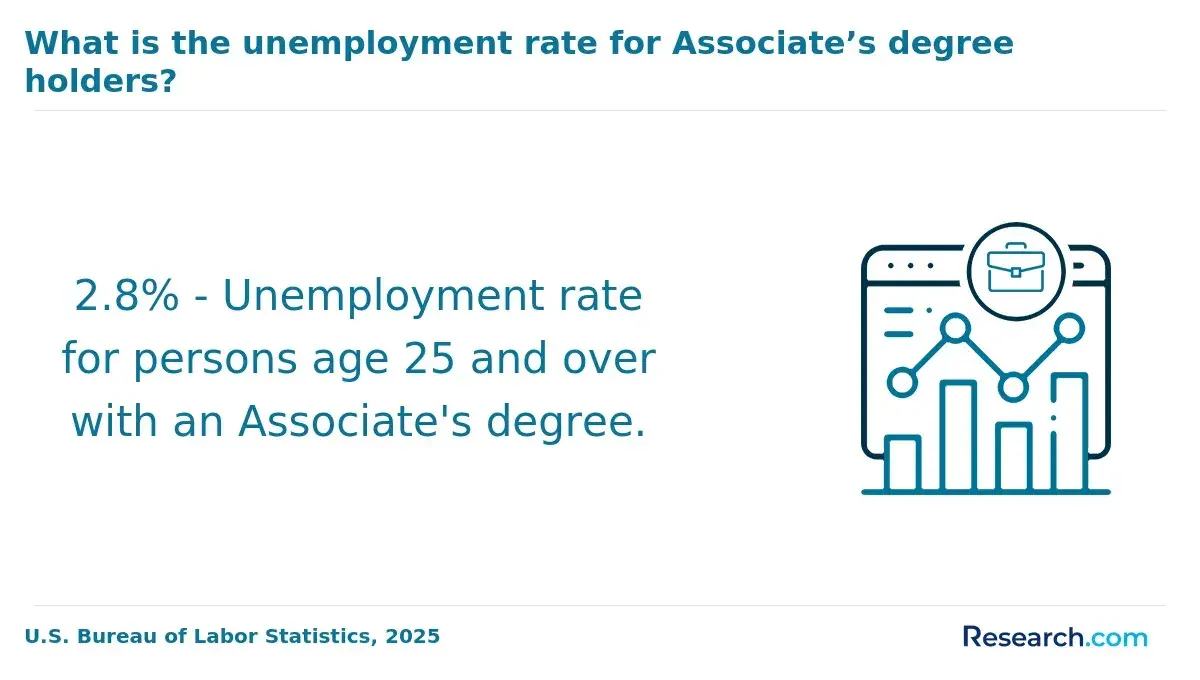
Additionally, experience and education credentials can widen salary gaps; for example, master's degree holders earn about $68,500 as analysts, versus $54,800 for those with associate degrees.
Job position influences pay, too, with supply chain managers earning $80,000-$120,000 and directors exceeding $150,000, showing that income depends more on career path and market factors than academic difficulty.
What Graduates Say About Logistics as Their Major
- Delia: "Pursuing logistics was challenging but incredibly rewarding; the coursework pushed me to think critically about supply chains and efficiency, which isn't easy but definitely worth it. The average cost of attendance was a concern, but the practical skills I gained opened doors to a thriving career in transportation management. I'm grateful for choosing logistics."
- Marcus: "Logistics was tougher than I expected, mainly because it blends theory with a lot of real-world applications that demanded constant problem-solving. The investment was significant, with tuition and fees around the national average, but landing a role in inventory control showed me the true value of what I studied. Reflecting back, it was both financially and personally impactful."
- Nicole: "From a professional standpoint, logistics is a demanding major that requires mastering complex systems and analytics, which I found rigorous but manageable with discipline. The cost of pursuing this degree was about average, yet the career opportunities in global supply chain roles justified every dollar. The structured learning experience positioned me well for advancement."
Other Things You Should Know About Logistics Degrees
Yes, studying logistics in 2027 will require strong problem-solving skills. This major involves understanding complex systems, optimizing supply chains, and efficiently managing resources, all of which demand critical thinking and analytical abilities.
In 2027, a logistics major typically covers subjects like supply chain management, transportation systems, inventory control, and logistics technology. Students should expect coursework ranging from 40 to 60 credit hours, with a focus on both theoretical knowledge and practical applications.
Group projects are common in logistics programs because teamwork mirrors real-world supply chain environments. Collaborating on case studies, simulations, and planning exercises helps students build communication and coordination skills vital for logistics careers. Expect regular participation in team assignments.
References
- Your Guide to Ideal Career Options for Supply Chain and Logistics Grads https://www.andersoncollege.com/your-guide-to-ideal-career-options-for-supply-chain-and-logistics-grads/
- 15 Things You Should Know About a Career in Logistics | Rasmussen University https://www.rasmussen.edu/degrees/business/blog/things-you-need-to-know-about-career-in-logistics/
- 6 Tips for Students to Develop a Career in the Supply Chain https://www.scmdojo.com/6-tips-for-students-to-develop-a-career-in-the-supply-chain/
- Starting Out in Logistics? Here Are 6 Essential Tips | Mckenna Logistics https://mckennalogistics.com/6-tips-for-those-starting-out-in-the-logistics-industry/
- 14 Hardest College Majors With the Highest Attrition Rates https://people.howstuffworks.com/hardest-college-majors.htm
- 5 Major Challenges of Global Logistics - InApp https://inapp.com/blog/5-major-issues-in-global-logistics/
- Online vs. On-Campus BCom Supply Chain: Finding Your Ideal Learning Environment in South Africa https://regent.ac.za/blog/study-supply-chain-online-south-africa
- I've finished my logistics degree - what's next? | InPost https://inpost.pl/en/news-ive-finished-my-logistics-degree-whats-next
- Logistics Specialist Pay: Transportation Sector Analysis - Noodle.com https://resources.noodle.com/articles/how-much-do-transportation-logistics-specialists-earn-salary-guide/
- 10 Logistical Issues and How to Overcome Them - Dropoff https://www.dropoff.com/blog/the-most-common-logistical-issues-and-how-to-overcome-them/