2027 Is Sports Management a Hard Major? What Students Should Know

Co-Founder and Chief Data Scientist
Many students wonder if sports management is a hard major due to its unique blend of business, marketing, and athletic industry knowledge. Despite perceptions, it demands strong organizational and analytical skills. According to the National Center for Education Statistics, enrollment in sports management programs has increased by 25% over the past decade, reflecting growing interest and industry opportunities.
This article explores course rigor, typical workloads, and essential skills like communication and leadership. It also examines factors influencing difficulty, including students' backgrounds and career goals, helping prospective majors understand what to expect from their academic journey in sports management.
Key Benefits of Sports Management as a Major
- Sports management develops critical skills in marketing, finance, and communication, essential for diverse careers and appealing to career changers seeking practical, applicable expertise.
- Flexible program structures accommodate full-time workers returning to school, balancing coursework with professional obligations while fostering academic growth.
- Traditional undergraduates benefit from experiential learning and internships, which build confidence in managing challenging projects and understanding industry demands.
Where does sports management rank among the hardest college majors?
Sports management is generally rated as a moderately challenging major in national difficulty rankings, often positioned below demanding fields like engineering, physics, and nursing. These rankings typically assess factors such as required practicum or lab hours, analytical coursework, and overall workload intensity.
For instance, some programs require practical experiences of around 300 hours, which is substantial but less rigorous than clinical rotations in nursing or lab work in STEM disciplines. Students in sports management report average weekly study hours and practicum commitments that are lower than those in STEM fields and comparable to business administration. This suggests that while the major demands a solid time investment, it is not among the most academically taxing.
The perceived difficulty of sports management varies widely depending on institutional focus and individual student skills. Programs with stronger analytics, economics, or experiential components may feel more demanding. Students comfortable with communication and organizational tasks often navigate the major more easily, whereas those less inclined toward internships or hands-on work may find it tougher.
Compared to majors like psychology, communications, or liberal arts, which tend to have lighter technical demands, sports management usually involves more structured practical experience but remains less intensive than STEM or nursing. Ultimately, how hard sports management feels depends on a student's strengths, learning style, and the specific curriculum they encounter.
What factors make sports management a hard major?
The academic rigor of sport management programs often presents a significant challenge for students, as it combines diverse and demanding coursework with skill development. The complexity of the sport management course workload and demands means students must navigate various subjects requiring distinct competencies, which can be overwhelming without strong time management and analytical skills.
- Analytical and Technical Complexity: Courses in research methods, financial accounting, sport law, and sport analytics require students to master quantitative and qualitative skills simultaneously. This dual demand forces students to balance theory with practical applications, pushing their cognitive flexibility and problem-solving abilities.
- Interdisciplinary Breadth: The major integrates content from business fundamentals, exercise science, digital media, and health studies. Students must synthesize knowledge across these fields, which creates a broad intellectual challenge that extends beyond typical business curricula.
- Performance Standards and GPA Expectations: Maintaining a cumulative GPA of 2.5 to 3.0 with minimum grade requirements in key courses ensures students demonstrate mastery rather than minimal competency. Prerequisites such as financial accounting must be passed with adequate grades to continue progressing.
- Time and Workload Demands: Balancing rigorous coursework, including both quantitative and interdisciplinary subjects, requires effective time management and sustained effort. The demanding nature of assignments, projects, and exams often leads to a heavy academic workload.
Prospective students curious about the academic challenges can explore additional insights about college majors and jobs, helping them understand how sport management compares to other fields.
Who is a good fit for a sports management major?
Identifying the right student profile is essential for success in a sports management major, as it helps learners align their natural talents with the program's demands. Understanding the skills needed for sports management majors allows students to maximize their academic and professional outcomes.
- Strong leadership and communication: Students with these traits excel by effectively collaborating with teams and managing projects within dynamic sports environments, setting them apart in coursework and real-world challenges.
- Analytical thinkers: These students thrive by leveraging data and creative problem-solving skills to develop innovative strategies, an advantage in the interdisciplinary curriculum and evolving sports industry.
- Time management and flexibility: The ability to adapt to last-minute changes and balance multiple priorities helps students successfully navigate the fast-paced nature of sports settings and meet program deadlines.
- Business acumen and organization: Those proficient in finance, marketing, and event planning gain a practical edge, as these skills directly support managing complex sports operations and projects.
- Ethical decision-making and collaboration: Students who prioritize integrity and teamwork often build strong professional networks and perform well in group assignments, essential for their future roles.
For students uncertain about choosing a major, exploring an easiest online bachelor's degree might provide additional educational pathways better suited to their strengths.
How can you make a sports management major easier?
Many students find sports management demanding due to its interdisciplinary nature, but applying effective strategies can significantly reduce the difficulty. With purposeful planning and resourcefulness, managing the workload becomes more achievable.
- Master time management: Scheduling courses in the proper sequence and maintaining a consistent study routine helps avoid procrastination and last-minute pressure.
- Build core skills early: Strengthening abilities in business fundamentals, communication, and data analysis lays a solid groundwork for tackling advanced topics in later semesters.
- Leverage support resources: Utilizing tutoring programs, faculty office hours, and study groups clarifies challenging concepts and boosts comprehension.
- Engage actively with materials: Immersing yourself in case studies and practical examples enhances understanding by linking theory to real-world scenarios.
- Gain practical experience: Participating in internships and practicums reinforces learning by providing hands-on opportunities that solidify academic principles.
When discussing how to ease the sports management workload, a recent graduate shared her experience. She recalled feeling overwhelmed initially, especially juggling diverse subjects like marketing strategy and sports analytics. "I realized early on that time-blocking my assignments made a huge difference," she said.
She also emphasized the value of forming a small study group, which became a crucial support system during tough coursework. Though the blend of theory and practice seemed intimidating, internships offered clarity by allowing her to apply classroom lessons directly, which she described as "a game-changer."
Reflecting on her journey, she noted, "It wasn't about working harder all the time but working smarter and staying connected with professors and peers." This mindset, she believes, transformed what seemed like a daunting major into a rewarding and manageable path.
Are admissions to sports management programs competitive?
Admissions to sports management programs in the United States are generally not highly competitive. This is largely because there are many such programs available nationwide, and the number of applicants usually does not exceed the available spots.
Acceptance rates at well-known universities can be around 30% overall, but sports management programs often have even higher acceptance. Additionally, these programs typically do not require exceptionally high GPAs or exclusive prerequisites, making them more accessible than many business or STEM fields.
Selectivity varies by institution and depends on factors like the school's prestige, the strength of its athletic programs, and location. Some programs expect a GPA between 2.5 and 3.0, completion of foundational courses in business or economics, and occasionally relevant extracurricular or work experience.
Demand for sports management majors has grown, especially at research and flagship universities, but regional and private colleges tend to remain more open with admission rates often above 50%.
When I spoke with a professional sports management major, he shared that his application process was straightforward but required patience. "I didn't face intense competition, but I knew that showing my passion through internships and volunteer work was important," he recalled.
"Submitting transcripts and recommendation letters took time, but I was relieved when my acceptance came quickly." His experience emphasizes that while the process is accessible, demonstrating genuine interest can make a difference.
Is an online sports management major harder than an on-campus program?
Online sports management programs are neither inherently harder nor easier than on-campus ones; the difficulty varies based on individual circumstances. The challenges of online sports management degree programs often differ from in-person experiences in several key areas.
Here is a comparison between online vs on-campus sports management difficulty factors:
- Academic expectations and workload: Both formats offer similar coursework and standards, but online students often face self-paced schedules requiring strong time management.
- Interaction and support: On-campus students benefit from face-to-face collaboration and networking, while online learners may feel isolated despite virtual forums.
- Learning environment: Online learning demands comfort with technology and independence; campus programs provide structured environments and direct faculty access.
- Unique challenges: Remote internships or hands-on activities require creativity for online students, whereas on-campus students integrate these more naturally.
Flexibility in online courses can be a double-edged sword, as procrastination poses a greater risk for those less self-disciplined, reflecting a major part of online vs on-campus sports management difficulty. On-campus programs rely heavily on in-person engagement, which supports many students in this relationship-driven field.
The best choice depends on a student's preferred learning style and support needs. For additional insight into program options, consider exploring affordable PhD programs that can complement your sports management education journey.
Are accelerated sports management programs harder than traditional formats?
Accelerated sports management programs are generally harder than traditional formats due to their condensed timelines, faster pacing, and increased workload intensity. These factors require students to quickly absorb and retain large amounts of material while managing a heavier course load per term.
Below is a comparison highlighting key differences between accelerated sports management programs vs traditional ones:
- Course pacing and content density: Accelerated programs compress the core curriculum into shorter timeframes, often including summer or intensive online courses, whereas traditional programs spread coursework over longer periods with more time for reflection.
- Workload management: Accelerated tracks demand sustained intensive study and favor highly organized students; traditional formats provide more flexibility, beneficial for those with family or work obligations.
- Academic expectations and skill demands: Maintaining a higher minimum GPA (commonly 3.0+) is often required in accelerated programs, which can increase stress and challenge learning retention compared to the steadier pace of traditional programs.
- Learning retention and stress levels: The fast pace of accelerated degrees may reduce time to absorb complex topics, increasing pressure, while traditional programs allow revisiting difficult concepts and generally lower stress through built-in breaks.
- Flexibility and daily scheduling: Traditional formats typically offer more flexible daily schedules, whereas accelerated programs demand strict time management and discipline to keep pace.
For students questioning is an accelerated sports management degree harder, the answer largely depends on personal motivation and the ability to manage intensive study. Those seeking a faster path might find accelerated options appealing, especially with flexible online courses, but should be aware of the increased demands.
Prospective students interested in exploring fast degree programs that pay well can consider how the pace of these accelerated sports management programs aligns with their goals and lifestyle.
Can you manage a part-time job while majoring in sports management?
Students can often balance a part-time job while majoring in sports management, but success largely depends on several key factors. These include the intensity of coursework, the number of weekly hours required, schedule flexibility, and the student's individual study habits.
While many students manage both responsibilities, heavier academic loads or rigorous class schedules may limit their availability for part-time work.
Those who effectively juggle part-time employment and sports management studies usually do so through careful time management and by selecting credit hours that align with their work commitments. Choosing jobs that offer flexible hours or relate to the sports industry can provide valuable experience without overwhelming the student.
Additionally, the program's demands, such as lab sessions, fieldwork, and project-heavy semesters, can vary, influencing how manageable the balance is. Institutional resources like academic advising and digital tools further support students in navigating these challenges, though some students may find intensive internship requirements or capstone projects require greater focus, making simultaneous work more difficult.
What jobs do sports management majors get, and are they as hard as the degree itself?
Career paths for sports management graduates vary widely in difficulty, responsibility, and required skills. While some jobs closely match the academic rigor of the degree, others differ in the nature of their challenges, focusing more on practical skills or leadership.
Common sports management degree job opportunities include:
- Sports Marketing Manager: Develops and executes marketing campaigns to promote teams, athletes, or events. This role requires creativity, sharp data analysis, and strong deadline management, making it generally as demanding as the major in terms of workload and skills.
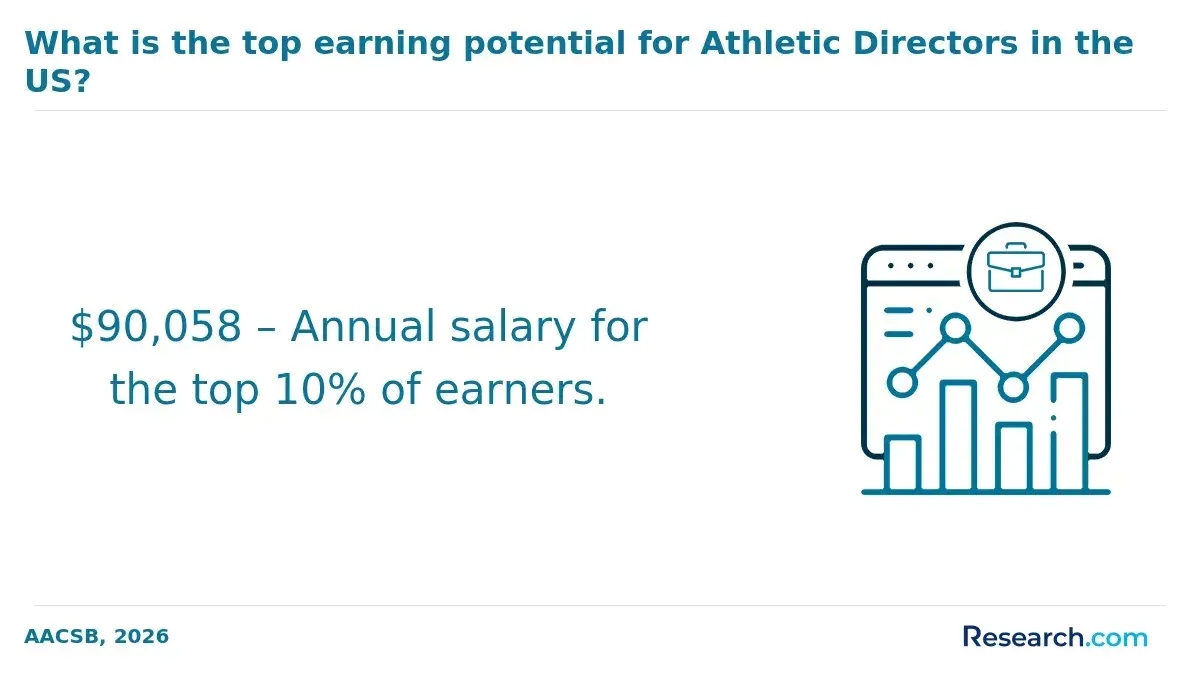
- Athletic Director: Oversees athletic programs at educational institutions or sports organizations, managing budgets, compliance, and staff. The leadership and decision-making responsibilities here often make this position more challenging than the degree itself due to high accountability.
- Event Coordinator: Handles logistics such as scheduling, vendor relations, and on-site event operations. Though less academically demanding, this job is physically and logistically intense, especially during peak periods.
- Sports Agent: Represents athletes in contract negotiations, endorsements, and legal affairs. This role is as demanding as the academic program but differs by focusing on client pressure and deal-making rather than coursework rigor.
- Facility Manager: Manages daily operations and maintenance of sports venues. The role tends to be less academically rigorous but demands strong organizational skills and problem-solving, particularly during events or emergencies.
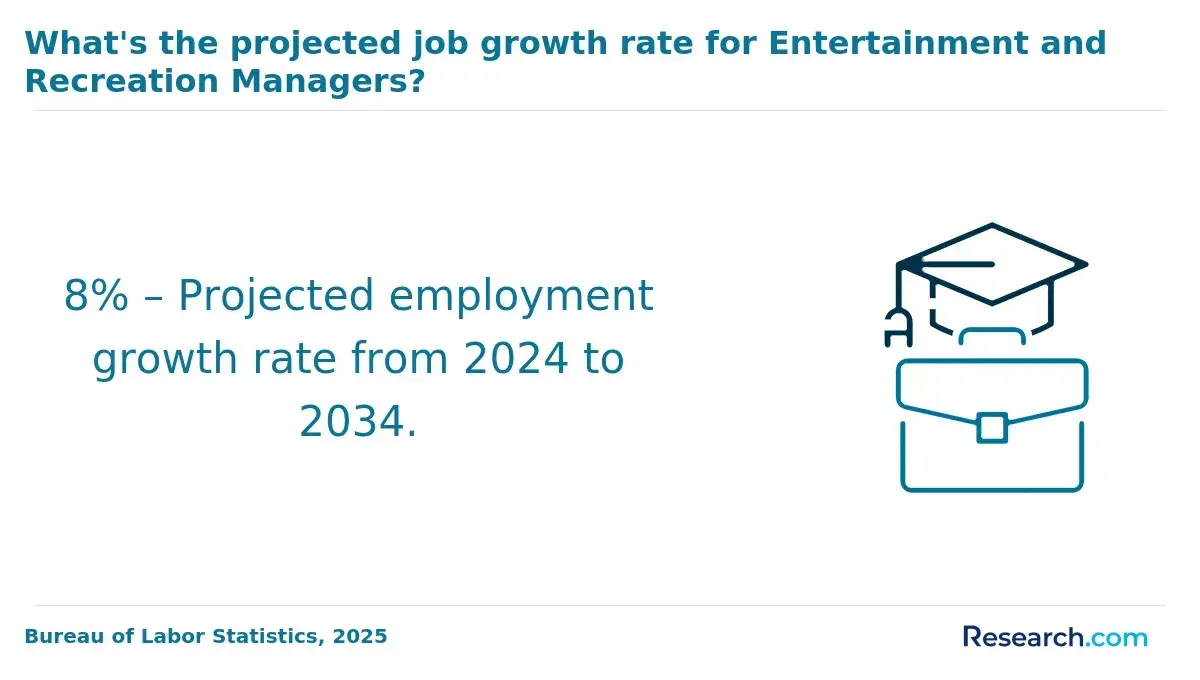
Understanding sports management careers and salary potential often depends on how well graduates match their skills with these diverse roles. For those considering further education, exploring dual degree colleges can enhance competitive advantage in this evolving field.
Do sports management graduates earn higher salaries because the major is harder?
There is no clear link between higher salaries and the academic difficulty of a sports management major. Earnings tend to depend more on the skills gained, like leadership and negotiation, rather than how challenging the coursework is. Market demand for these skills in the sports industry also plays a significant role in salary outcomes.
For example, roles such as sports marketing manager or sports lawyer pay well mainly because of specialized expertise or advanced education, not because the major itself is harder. Therefore, salary increases are influenced more by practical abilities and industry needs than by the rigor of the major.
Sports management salaries vary widely based on factors like industry demand, job title, and location. Positions in major sports markets or prestigious organizations often offer higher pay. Geographic differences are notable; professionals in states like California or Connecticut can earn median salaries over $100,000, while others elsewhere might see closer to $50,000.
Experience and networking also strongly affect earnings, with well-connected individuals generally earning more. The median salary in 2026 was approximately $65,000, though some specialized or senior jobs pay well beyond $90,000.
What Graduates Say About Sports Management as Their Major
- Suzanne: "Pursuing sports management was definitely challenging, but every late night and complex project was worth it. The cost of attendance was higher than I expected, around $25,000 per year, but the hands-on experience and connections I gained have already boosted my career in athletic administration. I'm thrilled I chose this path despite the difficulties."
- Henrik: "I found sports management to be a demanding major, especially balancing theory with practical applications. Considering the average annual cost being about $20,000, it made me think carefully about the return on investment, but ultimately, this major gave me a clearer view of the sports industry and helped me secure a position in sports marketing. It was a tough journey but deeply rewarding on a professional level."
- Margaret: "Sports management wasn't easy by any means-it required a lot of dedication and multitasking. The cost was significant; tuition and fees easily added up to over $22,000 yearly, which was stressful at times. However, the knowledge I gained about sports law and event planning profoundly shaped my approach to my current role, making it a valuable and eye-opening experience."
Other Things You Should Know About Sports Management Degrees
Graduates in 2027 may face challenges such as competitive entry-level positions and evolving technology in sports analytics and marketing. Networking and staying updated on industry trends can provide advantages in navigating the dynamic sports management landscape.
Hands-on experience is vital in sports management education. Internships, practicums, and networking opportunities allow students to apply classroom knowledge in real-world sports business settings. This practical exposure enhances learning and better prepares students for careers.
Communication skills are heavily emphasized in sports management programs. Students learn how to effectively interact with diverse groups, including athletes, sponsors, and media. Developing strong written and verbal communication abilities is essential for success in this field.
The core subjects in a 2027 sports management curriculum typically include sports marketing, facility management, sports law, and event management. These courses provide foundational knowledge and skills necessary for managing sports organizations effectively and are essential for degree completion.
References
- 5 Study Tips For Sports Management Students - Sports Management Degree Guide https://www.sports-management-degrees.com/lists/5-study-tips/
- Questions and Answers: Master of Science in Sports Management https://degree.astate.edu/online-programs/business/master-of-science-sports-administration/questions-and-answers-faq/
- Pros and Cons Of an Online Sports Management Degree - Sports Management Degrees https://sportsmanagementdegrees.net/pros-and-cons-of-an-online-sports-management-degree/
- What Can You Earn? Sports Management Degree Salary Insights https://onlinesportmanagement.ku.edu/community/sports-management-degrees-how-much-money-can-you-make
- Sports Management Degrees: What’s Really Important? https://www.sportsdestinations.com/management/education/sports-management-degrees-whats-really-important-14688
- Sport Management Application for Current UMass Students https://www.isenberg.umass.edu/programs/undergraduate/on-campus/admissions/current-umass-students/sport-mgmt
- Best Sports Management Colleges in the U.S. (2025) https://collegerover.com/campus-library/news/130/sports-management-colleges
- Sport Management vs. Sports Administration | UF Online MS https://sm.hhp.ufl.edu/news/sport-management-vs-sports-administration/
- Best Degree For Sports Management | University of Bridgeport https://www.bridgeport.edu/news/best-degree-for-sports-management/
- Career Paths In Sport Management https://www.ycp.edu/news/career-paths-sport-management
- AACSB Career Connection. (2026). Athletic Director Salary (February 2026). https://careerconnection.aacsb.edu/salary/athletic-director
- Bureau of Labor Statistics. (2025). Occupational Outlook Handbook: Entertainment and Recreation Managers. https://www.bls.gov/ooh/management/entertainment-and-recreation-managers.htm
- Bureau of Labor Statistics. (2025). Occupational Outlook Handbook: Entertainment and Sports Occupations. https://www.bls.gov/ooh/entertainment-and-sports/
- ERI SalaryExpert. (2025). Sports Management Salary in the United States. https://www.salaryexpert.com/salary/job/sports-management/united-states