
2027 Mechanical vs. Industrial Engineering: Explaining the Difference

Co-Founder and Chief Data Scientist
Choosing between Mechanical Engineering and Industrial Engineering is really a choice between two ways of solving technical problems. Mechanical Engineering is best suited to students who want to design, test, and improve physical products, machines, energy systems, vehicles, robotics, and manufacturing equipment. Industrial Engineering is a better fit for students who want to improve how systems work, including production lines, supply chains, healthcare operations, logistics networks, quality programs, and business processes.
Both majors can lead to strong engineering careers, but they reward different interests. Mechanical Engineering leans heavily on physics, mechanics, design, and materials. Industrial Engineering combines engineering analysis with statistics, operations research, systems thinking, and management. This guide compares the curriculum, difficulty, skills, costs, and career outcomes of both programs so you can decide which degree better matches your strengths and long-term goals.
Key Points About Pursuing a Mechanical vs. Industrial Engineering
- Mechanical Engineering focuses on designing machines and systems, with an average program length of 4 years and tuition around $10,000-$40,000 annually, leading to careers in automotive, aerospace, and robotics.
- Industrial Engineering emphasizes optimizing processes and systems efficiency, often with similar tuition and duration, preparing graduates for roles in manufacturing, logistics, and supply chain management.
- Mechanical engineers earn a median salary of about $95,000, while industrial engineers typically make around $88,000, reflecting differences in industry demand and job functions.
What are Mechanical Engineering Programs?
Mechanical Engineering programs prepare students to design, analyze, build, test, and improve mechanical systems. In the United States, these bachelor’s programs usually take four years of full-time study and require around 120 to 130 credit hours. The degree is broad, which is why mechanical engineers work across industries such as automotive, aerospace, energy, robotics, manufacturing, consumer products, and industrial equipment.
The curriculum is built around the behavior of forces, motion, heat, fluids, materials, and energy. Students typically study thermodynamics, fluid mechanics, heat transfer, materials science, statics, dynamics, controls, manufacturing processes, and mechanical design. Many programs also include computer-aided design, simulation, prototyping, laboratory work, and a senior design or capstone project.
Mechanical Engineering is a strong option for students who enjoy asking how physical things work and how they can be made safer, lighter, faster, stronger, more efficient, or easier to manufacture. The major is math- and physics-intensive, so students should expect a demanding sequence of calculus, differential equations, physics, and engineering analysis courses.
Admission requirements vary by university, but applicants are typically expected to have a strong high school background in mathematics and science, especially calculus and physics. Some schools admit students directly to the engineering major, while others require students to complete prerequisite engineering courses and meet minimum GPA standards before formal entry into the program.
What are Industrial Engineering Programs?
Industrial Engineering programs teach students how to design, measure, and improve systems that involve people, materials, machines, data, technology, money, and energy. Instead of focusing mainly on individual mechanical components, Industrial Engineering looks at the performance of entire processes and organizations. The goal is to make systems safer, faster, more reliable, more cost-effective, and easier to manage.
Most bachelor’s degree programs in Industrial Engineering take four years to complete. Coursework usually combines engineering fundamentals with statistics, operations research, engineering economics, quality management, simulation, ergonomics, production planning, supply chain systems, robotics, and process engineering. Many programs include team projects, industry-sponsored assignments, labs, case studies, or a capstone project focused on a real operational problem.
This major is well suited to students who like optimization, data-informed decision-making, workflow design, and the business side of engineering. Industrial Engineering can be especially appealing to students who want technical training but are also interested in management, analytics, logistics, healthcare systems, manufacturing strategy, or continuous improvement.
Admission usually requires a solid foundation in mathematics and science, particularly calculus and physics. Depending on the institution, students may also need to meet minimum GPA requirements and complete introductory engineering or foundational STEM courses before being fully admitted to the major.
What are the similarities between Mechanical Engineering Programs and Industrial Engineering Programs?
Mechanical Engineering and Industrial Engineering are different majors, but they share the same engineering foundation. Both require quantitative reasoning, structured problem-solving, technical communication, and the ability to turn abstract concepts into practical solutions. Students in either program should expect a rigorous STEM curriculum, team-based projects, and opportunities to apply classroom learning to real engineering problems.
- Engineering admissions expectations: Both programs typically expect strong preparation in mathematics and science. Applicants often benefit from high school coursework in calculus, physics, and sometimes chemistry.
- Shared foundational coursework: Students in both fields commonly complete calculus, differential equations, physics, introductory engineering, computer applications, and engineering analysis. Depending on the school, both may also include materials science, engineering mechanics, programming, or computer-aided design.
- Problem-solving orientation: Both majors train students to define a technical problem, model it, test possible solutions, interpret results, and communicate recommendations. This is why lab work, design assignments, and project-based learning are common in both programs.
- Industry exposure: Internships, co-ops, capstone projects, and employer partnerships can be valuable in either degree. These experiences help students build professional judgment, teamwork skills, and practical confidence before graduation.
- Typical degree length: Both undergraduate degrees are generally designed for four years of full-time study, with electives or concentrations that let students tailor the program toward specific interests.
- Transferable technical skills: Graduates from both fields can work with data, software tools, engineering documentation, design constraints, cost considerations, and performance metrics.
The key similarity is that both degrees develop engineering thinkers. The difference is the object of improvement: Mechanical Engineering usually improves products and physical systems, while Industrial Engineering improves processes, operations, and organizations.
Students who are still deciding whether to begin with a shorter credential before pursuing an engineering pathway can review accelerated associate degree options that may help build foundational college-level skills.
What are the differences between Mechanical Engineering Programs and Industrial Engineering Programs?
The biggest difference is focus. Mechanical Engineering asks, “How do we design or improve this physical system?” Industrial Engineering asks, “How do we make this overall process or organization work better?” Both fields use math and analysis, but they apply those tools to different kinds of problems.
| Comparison point | Mechanical Engineering | Industrial Engineering |
| Primary focus | Machines, mechanical components, energy systems, vehicles, tools, robotics, and physical product design. | Processes, workflows, supply chains, production systems, quality systems, logistics, and organizational performance. |
| Core academic emphasis | Physics, thermodynamics, materials, mechanics, heat transfer, machine design, and manufacturing. | Statistics, operations research, process improvement, systems engineering, ergonomics, quality control, and management sciences. |
| Common learning activities | Labs, prototype design, machine analysis, CAD modeling, simulation, testing, and design-build projects. | Case studies, process mapping, simulation models, data analysis, optimization projects, quality studies, and workflow redesign. |
| Typical career direction | Automotive, aerospace, energy, robotics, machinery, product development, and mechanical design. | Manufacturing operations, supply chain, healthcare systems, logistics, process improvement, quality assurance, and operations management. |
| Best fit for students who enjoy | Designing physical products, solving mechanics problems, working with hardware, and applying physics to real objects. | Improving systems, analyzing data, reducing waste, coordinating people and technology, and connecting engineering with business decisions. |
Mechanical Engineering tends to be more product- and hardware-centered. Students spend significant time learning how components behave under stress, heat, motion, vibration, pressure, and other physical conditions. Industrial Engineering is more systems-centered. Students learn how to improve throughput, cost, quality, labor use, reliability, and decision-making across complex operations.
Career pathways also differ. Mechanical engineers often enter automotive, aerospace, robotics, energy, machinery design, and manufacturing roles. Industrial engineers are more likely to work in production management, supply chain, process improvement, logistics, quality assurance, and operations analytics. Industrial Engineering jobs are expected to grow about 10% by 2029 due to demand for efficiency and management skills, while Mechanical Engineering continues to benefit from advances in robotics, automation, energy systems, and product innovation.
What skills do you gain from Mechanical Engineering Programs vs Industrial Engineering Programs?
Both degrees build analytical discipline, but the skill sets point toward different job functions. Mechanical Engineering develops deeper capability in physical design, modeling, testing, and mechanical analysis. Industrial Engineering develops stronger capability in optimization, operations, quality, analytics, and system-level improvement.
Skill Outcomes for Mechanical Engineering Programs
- Mechanical analysis: Students learn to evaluate forces, motion, stress, strain, heat, fluid behavior, and material performance in engineered systems.
- Thermal and fluid systems knowledge: Courses in thermodynamics, fluid mechanics, and heat transfer prepare students to work with engines, turbines, HVAC systems, pumps, energy systems, and related technologies.
- Materials and manufacturing understanding: Students study how materials behave and how manufacturing processes affect cost, quality, durability, and performance.
- Computer-aided design proficiency: Training in tools such as SolidWorks or CATIA helps students create parts, assemblies, technical drawings, and digital prototypes.
- Simulation and testing skills: Students may use finite element analysis and computational fluid dynamics to test designs virtually before physical production or prototyping.
- Design judgment: Mechanical Engineering builds the ability to balance performance, safety, manufacturability, cost, reliability, and user needs in a physical product or system.
Skill Outcomes for Industrial Engineering Programs
- Process optimization: Students learn to analyze workflows, identify bottlenecks, reduce waste, improve throughput, and make operations more efficient.
- Statistics and data-based decision-making: Industrial Engineering emphasizes measurement, variation, forecasting, probability, quality control, and evidence-based improvement.
- Operations research and modeling: Students use mathematical models and simulations to improve scheduling, resource allocation, inventory, logistics, and production planning.
- Supply chain and quality assurance: Graduates are prepared to evaluate logistics networks, supplier performance, inventory systems, product quality, and service reliability.
- Ergonomics and human factors: Many programs teach students how to design safer, more productive systems for the people who use or operate them.
- Project management and collaboration: Industrial Engineering often develops the ability to coordinate teams, communicate with business stakeholders, and lead improvement initiatives across departments.
In simple terms, Mechanical Engineering skills are strongest when the problem involves physical design and performance. Industrial Engineering skills are strongest when the problem involves system efficiency, cost, quality, productivity, or coordination across people and processes.
Students considering accessible entry points before committing to a full engineering bachelor’s program can also review associate degree pathways for broader context on early college options.
Which is more difficult, Mechanical Engineering Programs or Industrial Engineering Programs?
Mechanical Engineering is generally considered more technically difficult because it requires deeper work in advanced mathematics, physics, mechanics, thermodynamics, fluid systems, materials, and design analysis. Industrial Engineering is still rigorous, but many students find it more applied and systems-oriented, with heavier emphasis on statistics, operations research, process improvement, and management concepts.
The difficulty of Mechanical Engineering often comes from the density of the technical curriculum. Courses such as thermodynamics, fluid mechanics, heat transfer, dynamics, and materials science require students to apply abstract math and physics to complex physical problems. Lab work, technical reports, design projects, and exams can also create a demanding workload.
Industrial Engineering can feel more manageable for students who are comfortable with data analysis, modeling, business operations, and structured problem-solving. Its coursework often includes applied statistics, operations research, simulation, quality systems, ergonomics, and engineering economics. Assessments may involve case studies, simulations, group projects, and process analysis rather than only highly technical exams. Some students therefore ask whether Industrial Engineering is easier than Mechanical Engineering; for many, the answer is yes, but only if their strengths align with systems analysis and quantitative decision-making.
Difficulty also depends on the student. A student who enjoys physics, product design, machines, and hands-on technical analysis may find Mechanical Engineering challenging but motivating. A student who prefers analytics, operations, optimization, and cross-functional work may find Industrial Engineering more intuitive. Conversely, students who dislike statistics and open-ended systems problems may find Industrial Engineering harder than expected.
When comparing difficulty, do not look only at workload. Consider the type of difficulty you are willing to practice for several years. If you want to connect academic effort with earning potential, reviewing high-paying college majors can help you compare engineering with other degree options.
What are the career outcomes for Mechanical Engineering Programs vs Industrial Engineering Programs?
Both degrees can lead to stable engineering careers, but the job titles and work environments often differ. Mechanical Engineering graduates are more likely to work on physical products, equipment, energy systems, vehicles, robotics, and mechanical design. Industrial Engineering graduates are more likely to improve operations, supply chains, production systems, quality programs, logistics networks, and organizational performance.
Career Outcomes for Mechanical Engineering Programs
Mechanical Engineering graduates can pursue roles in design, testing, manufacturing, energy, automation, product development, and maintenance of complex mechanical systems. The degree’s broad technical base gives graduates flexibility across industries such as automotive, aerospace, robotics, machinery, energy, and consumer products. Median annual earnings reach approximately $77,994 in 2025, with higher income possible in senior, specialized, or management roles.
- Mechanical Engineer: Designs, tests, evaluates, and improves mechanical devices, equipment, systems, or components.
- Design Engineer: Develops product concepts, technical drawings, prototypes, and engineering specifications for manufacturing.
- Product Development Engineer: Works on new products or upgrades to existing systems, balancing performance, cost, manufacturability, and reliability.
Career Outcomes for Industrial Engineering Programs
Industrial Engineering graduates are valuable in industries that need to improve efficiency, quality, cost control, scheduling, logistics, and resource use. Their work can apply in manufacturing, healthcare, transportation, warehousing, consulting, technology, and service operations. According to the US Bureau of Labor Statistics, industrial engineers earn a mean annual salary of about $107,900 as of May 2024.
- Industrial Engineer: Improves production systems, workflows, staffing models, equipment use, and operational efficiency.
- Process Engineer: Studies and refines industrial or business processes to increase productivity, consistency, safety, and quality.
- Supply Chain Analyst: Analyzes logistics, inventory, supplier performance, and distribution systems to improve supply chain performance.
The US Bureau of Labor Statistics projects a 12% job growth for manufacturing and industrial engineering roles through 2033, reflecting continued demand for efficiency, productivity, and systems improvement. Students comparing degree length, salary potential, and time to employment may also find it useful to review quick degrees that pay well as part of a broader education planning process.
How much does it cost to pursue Mechanical Engineering Programs vs Industrial Engineering Programs?
The cost of Mechanical Engineering and Industrial Engineering programs is usually similar at the same institution because both are typically housed in an engineering college and require comparable credit loads. The bigger cost differences usually come from school type, residency status, location, housing, fees, program format, and whether the student attends a public or private institution.
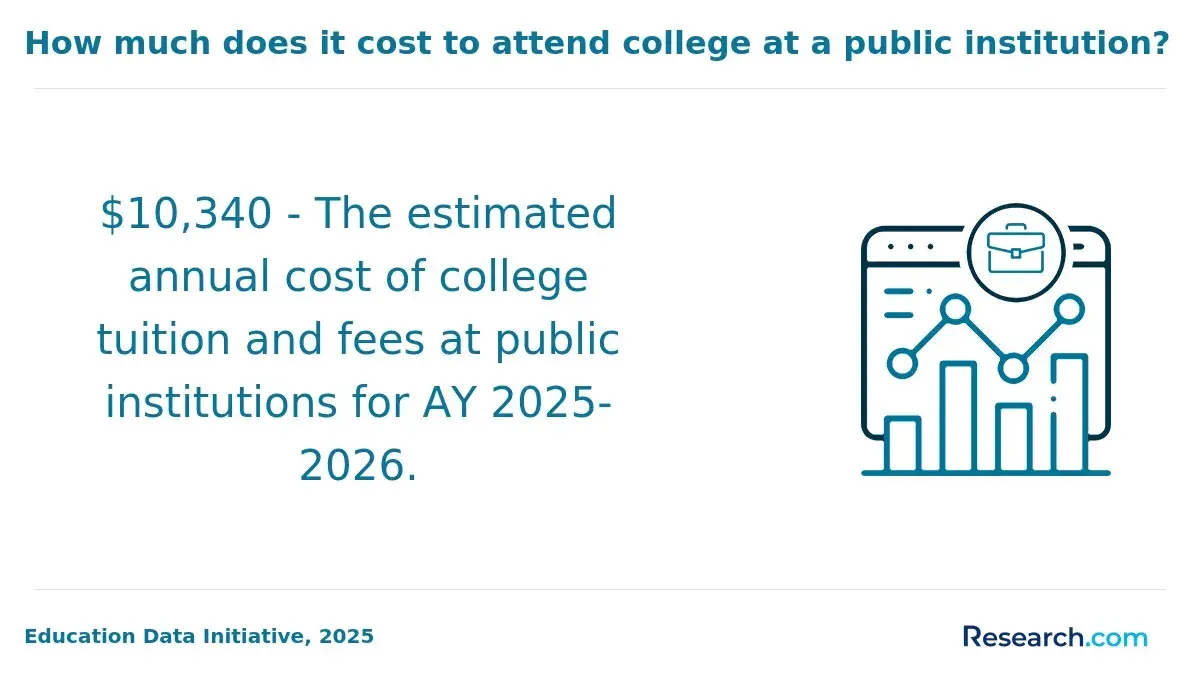
For bachelor’s degree seekers, public universities charge roughly $11,435 annually for in-state students and about $37,630 for those out-of-state. Private institutions generally charge higher tuition. Graduate-level tuition for both mechanical engineering programs averages around $11,713 per year for in-state students at public schools, rising to approximately $26,326 for out-of-state learners. Certification and online programs, including bachelor’s degrees, may offer more budget-friendly options, with some online offerings among the least expensive in 2025.
Students should compare total cost, not only tuition. Engineering students may also pay for lab fees, software, textbooks, laptops or computing equipment, materials, transportation, professional exam preparation, and student organization fees. Mechanical Engineering students may encounter more costs tied to labs, prototyping, design materials, and specialized equipment. Industrial Engineering students may have more costs related to analytics software, simulation tools, case materials, or project-based technology resources, depending on the program.
On-campus students also need to budget for housing, meals, commuting, parking, and campus fees. Online programs can reduce relocation and housing costs, but they may require reliable technology, proctored exams, occasional campus visits, or access to approved local labs. Students should also ask whether the engineering program has accreditation expectations, required in-person components, internship support, and employer recruiting access, because these factors can affect long-term value.
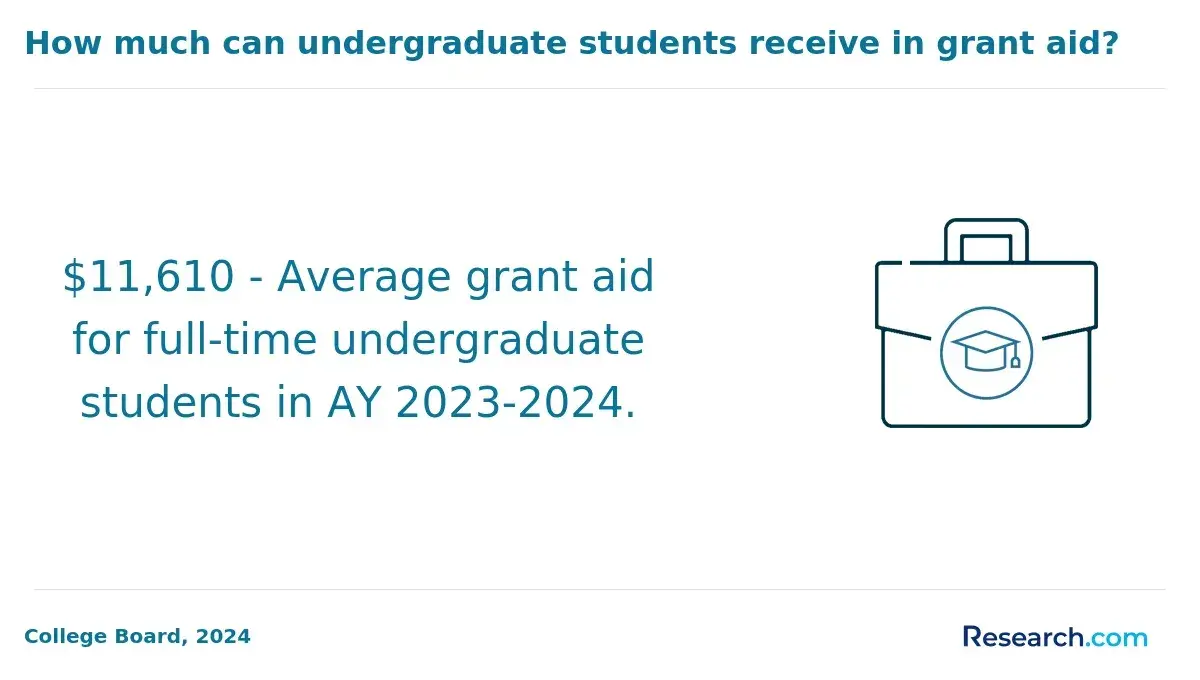
Financial aid may be available for both majors through scholarships, grants, federal loans, institutional aid, employer tuition assistance, and engineering-specific awards. A lower-cost program is not automatically the best choice; the stronger value is often the program that combines affordability with accredited curriculum, strong graduation support, internship access, and good career placement in the student’s target field.
How to choose between Mechanical Engineering Programs and Industrial Engineering Programs?
The right choice depends on the kind of problems you want to solve every day. Choose Mechanical Engineering if you want to design and improve physical products, machines, vehicles, robotics, energy systems, or manufacturing equipment. Choose Industrial Engineering if you want to improve processes, operations, supply chains, quality systems, and organizational performance.
Choose Mechanical Engineering if you:
- Enjoy physics, mechanics, motion, energy, materials, and product design.
- Want a career involving machines, hardware, robotics, vehicles, engines, tools, or mechanical systems.
- Like technical design work, CAD, prototyping, testing, and physical problem-solving.
- Are comfortable with a math- and physics-intensive curriculum.
- Prefer engineering roles in industries such as automotive, aerospace, energy, robotics, manufacturing, and machinery design.
Choose Industrial Engineering if you:
- Enjoy improving how systems, teams, processes, and organizations work.
- Like statistics, optimization, data analysis, workflow design, logistics, and quality improvement.
- Want to combine engineering knowledge with business, management, operations, or analytics.
- Are interested in production management, supply chain, project management, operations research, or process improvement.
- Want a field connected to efficiency and management skills, with a projected 10% growth by 2029.
Questions to ask before enrolling
- What kind of work do I want after graduation? If the answer is product design or mechanical systems, Mechanical Engineering is usually the stronger fit. If the answer is process improvement or operations, Industrial Engineering may be better.
- Which courses sound more interesting? Compare thermodynamics, fluid mechanics, and machine design against statistics, operations research, simulation, and supply chain systems.
- How important is hands-on hardware work? Mechanical Engineering generally offers more work with physical systems and prototypes. Industrial Engineering often emphasizes systems modeling, process studies, and operational data.
- Do I want a technical specialist path or a systems-management path? Mechanical Engineering can lead to deep technical roles. Industrial Engineering often creates a bridge between engineering, analytics, and management.
- What is the total cost and expected value? Compare tuition, fees, housing, internship access, accreditation, graduation support, and employer connections before choosing a program.
Students seeking the best mechanical engineering programs for career advancement should prioritize strong technical curriculum, laboratory access, design projects, employer partnerships, and innovation opportunities. Students comparing industrial engineering degrees and tuition costs should look closely at operations research depth, analytics training, industry projects, supply chain coursework, and career placement support.
For students balancing school with employment, affordable online colleges for working adults may help identify flexible options, but engineering students should verify program format, accreditation, lab requirements, and transfer policies before enrolling.
What Graduates Say About Their Degrees in Mechanical Engineering Programs and Industrial Engineering Programs
- Major: "The Mechanical Engineering program challenged me with its rigorous curriculum, pushing me to develop critical problem-solving skills. The hands-on projects, especially the robotics workshop, provided invaluable practical experience that set me apart in the job market. Today, I'm working in an innovative automotive firm with a promising salary trajectory."
- Douglas: "My time studying Industrial Engineering allowed me to immerse myself in real-world supply chain simulations and lean manufacturing principles. The cooperative education opportunities broadened my understanding of diverse industries, giving me a competitive edge in strategic roles. Reflecting on this journey, I appreciate how well-rounded and industry-relevant the training was."
- Ezra: "The combination of theoretical learning and internship placements in the Mechanical Engineering program equipped me to excel in dynamic engineering environments. With the industry's positive outlook, I've secured a role at a top energy company, where my income and professional growth continue to exceed expectations. The program prepared me thoroughly for the complexity of modern engineering challenges."
Other Things You Should Know About Mechanical Engineering Programs & Industrial Engineering Programs
Mechanical engineering often demands strong skills in calculus and differential equations to design and analyze physical systems. Conversely, industrial engineering focuses more on statistics and linear programming to optimize complex systems and processes. Both require advanced math, tailored to their specific field applications.
In manufacturing, mechanical engineers typically focus on designing and maintaining machines, tools, and mechanical equipment. Industrial engineers, however, concentrate on improving production processes, workflow efficiency, and quality control. Their roles often complement each other but focus on different aspects of manufacturing operations.
References
- Mechanical Engineers: Occupational Outlook Handbook: U.S. Bureau of Labor Statistics https://www.bls.gov/ooh/architecture-and-engineering/mechanical-engineers.htm
- Industrial Engineer - Job Profile, Responsibilities & Salary | Hays https://www.hays.de/en/job-profiles/industrial-engineer
- What is Mechanical & Industrial Engineering? | Swenson College of Science and Engineering | UMN Duluth https://scse.d.umn.edu/departments-and-programs/mechanical-industrial-engineering-department/what-mechanical-industrial
- What can I do with a mechanical engineering degree? | Prospects.ac.uk https://www.prospects.ac.uk/careers-advice/what-can-i-do-with-my-degree/mechanical-engineering
- What is Mechanical Engineering? Meaning, Careers, Scope, Colleges, Etc https://hindustanuniv.ac.in/blogs/what-is-mechanical-engineering
- What do Industrial Engineers do? | College of Engineering | Oregon State University https://engineering.oregonstate.edu/academics/discover-engineering/what-do-industrial-engineers-do
- Industrial vs Mechanical Engineering: Career Paths & Skills Compared https://nedes.us/difference-between-industrial-and-mechanical-engineering/
- What is Mechanical Engineering? https://www.mtu.edu/mechanical-aerospace/mechanical-engineering/
- What Are 3 Core Responsibilities for Mechanical Engineers? https://www.chitkara.edu.in/blogs/what-are-3-core-responsibilities-for-mechanical-engineers/
- Mechanical and Industrial Engineering Degree: What To Expect https://graduate.northeastern.edu/knowledge-hub/industrial-mechanical-engineering-degree/


