
2027 Online vs On-Campus Applied Behavior Analysis Degree Programs: Pros & Cons

Co-Founder and Chief Data Scientist
Choosing between an online and an on-campus applied behavior analysis program is not just a question of convenience. It affects how you complete coursework, arrange supervised fieldwork, manage costs, build professional relationships, and prepare for certification-linked roles in behavior analysis.
Interest in online study continues to grow. The National Student Clearinghouse reported that primarily online institutions and multistate college programs saw a 3.8% increase in enrollment in Spring 2024. For ABA students, that growth reflects a practical reality: many learners are already working in schools, clinics, healthcare settings, or behavioral services and need a program that fits around employment and family responsibilities.
This guide compares online and on-campus applied behavior analysis programs across structure, admissions, support, completion time, cost, financial aid, credibility, employer views, salaries, and fit. The goal is to help you decide which format is more likely to support your schedule, budget, learning style, and long-term career plans.
Key Benefits of Online vs On-Campus Applied Behavior Analysis Degrees
- Online applied behavior analysis degree programs offer flexible scheduling, allowing students to balance work and family commitments, which is crucial as 65% of online learners in this field are working adults.
- Enrollment in online ABA programs has increased by 30% over the past five years, reflecting their growing accessibility and the availability of diverse digital learning resources.
- On-campus applied behavior analysis programs provide direct, face-to-face interaction with faculty and peers, enhancing networking opportunities and hands-on training essential for mastering clinical skills.
Are online vs. on-campus applied behavior analysis programs structured the same way?
Online and on-campus applied behavior analysis programs usually cover similar academic content, especially when they are designed around professional certification pathways. The major differences are not what students study, but how they attend class, interact with faculty, complete assignments, and arrange fieldwork.
Before comparing programs, look closely at whether the format supports the way you learn and the amount of structure you need. ABA coursework can be conceptually demanding, and fieldwork requires consistent planning regardless of delivery mode.
- Course delivery: Online programs typically use learning management systems with recorded lectures, readings, discussion boards, quizzes, video meetings, and interactive modules. This format lets students revisit material and organize study time around work or caregiving. On-campus programs rely more heavily on scheduled in-person lectures, seminars, live demonstrations, and classroom-based discussion.
- Class schedules: Online programs may offer asynchronous courses, synchronous evening sessions, monthly start dates, or accelerated options. That flexibility can be valuable for working adults, but it also requires strong self-management. On-campus programs usually follow semester schedules with fixed meeting times, which can be less flexible but easier for students who benefit from a predictable routine.
- Student interaction: Online students usually collaborate through discussion boards, group video calls, chat tools, and virtual office hours. These tools can work well, but students must be intentional about participating. On-campus students often get more informal interaction before and after class, during labs, and through campus events.
- Practical experience: Online students often complete fieldwork or practicums at approved local sites, including workplaces when permitted by the program. On-campus students may have easier access to university-affiliated clinics, local partner agencies, or faculty-supervised placements. In either format, students should confirm early how fieldwork sites are approved and who is responsible for securing them.
- Accountability: Online programs reward independence and time management. On-campus programs provide more built-in structure through regular attendance and face-to-face contact. Neither is automatically easier; the better choice depends on your habits and support system.
Are admission requirements the same for online vs on-campus applied behavior analysis degree programs?
Admission requirements are usually similar because colleges are expected to apply consistent academic standards across delivery formats. A reputable online ABA program should not have weaker academic expectations simply because the classes are remote.
The differences tend to appear in how programs evaluate readiness. Online applicants may be asked to show that they can manage independent study, remote communication, and local fieldwork planning. On-campus applicants may be assessed more around fit with a cohort, campus schedule, or local placement network.
- Academic qualifications: Both formats typically require a bachelor's degree from a regionally accredited institution and a minimum GPA of around 3.0. Some online programs may offer more flexibility by waiving GPA requirements for applicants with relevant experience or credentials such as BCaBA.
- Work experience: Experience in applied behavior analysis, education, psychology, healthcare, autism services, or related human services fields is often preferred, though not always required. Online programs may place greater weight on professional or volunteer experience when evaluating applicants with uneven academic records.
- Application materials: Official transcripts, letters of recommendation, and personal statements are common in both formats. Some online programs may allow unofficial transcripts at the initial review stage and may request additional documents, such as supervisor support forms, to understand whether the applicant can complete remote coursework and fieldwork.
- Letters of recommendation: Three letters are usually requested from people who can speak to academic ability, professional maturity, and clinical potential. Online programs may value recommendations from current BCBAs or supervisors because these references can comment on workplace performance and readiness for applied practice.
- English proficiency for international students: Both online and on-campus programs generally require proof of English proficiency and degree evaluation for international applicants when applicable.
- GRE and standardized tests: Neither format typically requires GRE scores, reflecting a broader move toward holistic admissions in ABA degree program admissions.
If you are not yet ready for graduate-level ABA study, one possible route is to complete a bachelor's degree first, including through a fast bachelors degree online if the format fits your timeline and academic goals.
Do online applied behavior analysis students receive the same academic support as on-campus students?
Online ABA students can receive support comparable to on-campus students, but the experience is different. The question is not only whether services exist, but whether they are accessible when you need them and tailored to ABA coursework, certification planning, and fieldwork requirements.
Strong online programs make support easy to find, responsive, and proactive. Weak programs may technically offer services but leave students to navigate academic advising, fieldwork questions, and technology problems on their own.
- Tutoring services: Both online and on-campus students may have access to tutoring. Online tutoring is often delivered through virtual platforms and may be available 24/7, while on-campus tutoring usually occurs in person during set hours. For ABA students, the most useful tutoring support is targeted to research methods, data interpretation, ethics, behavior assessment, and intervention planning.
- Career counseling: Career centers may support both formats through resume reviews, interview preparation, employer webinars, and job-search advising. Online learners may access virtual workshops, while campus students may also attend in-person recruitment events. Students should ask whether career staff understand BCBA exam preparation, supervised experience expectations, and ABA job markets.
- Library access: Online students typically receive access to the same digital journals, textbooks, databases, and librarian support as campus students. On-campus learners also benefit from physical study spaces and print collections. For ABA students, access to peer-reviewed research databases is especially important because evidence-based practice depends on reading and interpreting current research.
- Faculty interaction: Online programs often use video meetings, discussion boards, messaging, and scheduled virtual office hours. On-campus students can attend in-person office hours and speak with faculty before or after class. In either format, students should look for clear faculty availability, timely feedback, and instructors with relevant professional credentials.
- Technical support: Online students rely heavily on dependable technical support, especially for exams, live sessions, video assignments, and learning platforms. Many online programs offer 24/7 help. On-campus students may use campus IT help desks during campus hours.
- Fieldwork guidance: This is one of the most important support areas for ABA students. Ask who helps identify approved sites, how supervisors are vetted, what documentation is required, and how problems with a placement are handled. Online students should confirm these details before enrolling because they may need to coordinate placements near their residence.
How long does it take to complete an online vs an on-campus applied behavior analysis degree?
Completion time depends on enrollment status, course sequencing, fieldwork requirements, and how much flexibility the program allows. Online programs often provide more pacing options, while on-campus programs may follow a more fixed cohort schedule.
- Online applied behavior analysis degree: Most online master's programs can be completed in approximately 18 to 24 months for full-time students. Accelerated options may allow graduation in as little as 12 to 15 months. Part-time online tracks can extend completion times up to three years, especially for students balancing employment, family responsibilities, and supervised fieldwork.
- On-campus applied behavior analysis degree: Traditional on-campus programs generally require around 2 years for full-time students. These programs often follow a fixed academic calendar and cohort model. They may offer fewer accelerated or part-time options because classes, labs, and practicum experiences are tied to campus schedules and partner sites.
The fastest program is not always the best choice. ABA students should be cautious about timelines that leave too little room for fieldwork, exam preparation, work obligations, and feedback on applied skills. A shorter timeline can reduce time in school, but it can also increase weekly workload.
One professional who pursued an online applied behavior analysis degree said the flexible schedule helped him keep a full-time job and meet family obligations. However, he also emphasized that online study required consistent self-discipline.
"I aimed to finish within two years, but I found that pacing myself based on work demands was essential," he explained. He used asynchronous classes to catch up during busy seasons, but still had to meet assignment deadlines and complete practicum hours remotely.
He ultimately took closer to 30 months instead of a straight two years. His experience shows an important trade-off: online programs can make graduate study more manageable, but they do not remove the need for planning, discipline, and steady progress.
Are online applied behavior analysis programs cheaper than on-campus ones?
Online applied behavior analysis programs can be cheaper, but they are not automatically less expensive. The true cost depends on tuition, fees, residency policies, technology expenses, commuting, housing, financial aid, and whether you can keep working while enrolled.
Instead of comparing tuition alone, calculate the total cost of attendance and the net cost after grants, scholarships, assistantships, employer support, and loans.
- Tuition and fees: Many online programs charge a flat tuition rate regardless of residency, which can benefit out-of-state students. However, some online programs add technology or distance-learning fees, and some have tuition rates comparable to or higher than in-state on-campus tuition.
- Living expenses: Online students often avoid relocation, campus housing, meal plans, and daily commuting. These savings can be significant for students who would otherwise need to move near a university. On-campus students should include rent, transportation, parking, and time away from work in their cost comparison.
- Technology costs: Online learners need a reliable computer, high-speed internet, webcam access, and sometimes virtual proctoring tools. These costs are usually smaller than housing or relocation costs, but they still belong in the budget.
- Financial aid and assistantships: Both formats may qualify for federal aid when the program and institution meet eligibility rules. On-campus students may have more access to assistantships, campus employment, or work-study opportunities, depending on the school. Online students should ask whether they are eligible for the same institutional scholarships and departmental awards as campus students.
- Opportunity cost: Online study may allow students to remain employed while enrolled. That can reduce lost income and may help students apply coursework immediately in a workplace. On-campus study may offer richer in-person networking and placement access, but it can be harder to combine with full-time employment.
Cost should not be separated from program quality. When comparing tuition differences between online and traditional applied behavior analysis programs, also check accreditation, fieldwork support, faculty qualifications, certification alignment, and employer recognition.
If you are still choosing an undergraduate path before ABA study, resources on the easiest bachelor degree to get may help you think through workload, fit, and degree planning, though ABA preparation should still be guided by your long-term professional goals.
What are the financial aid options for online vs on-campus applied behavior analysis programs?
Financial aid is often available for both online and on-campus applied behavior analysis programs. The more important distinction is whether the institution is eligible for aid, whether the specific program qualifies, and whether your enrollment status meets aid requirements.
Before applying, confirm accreditation, federal aid eligibility, minimum credit requirements, and whether online students receive the same scholarship consideration as campus students.
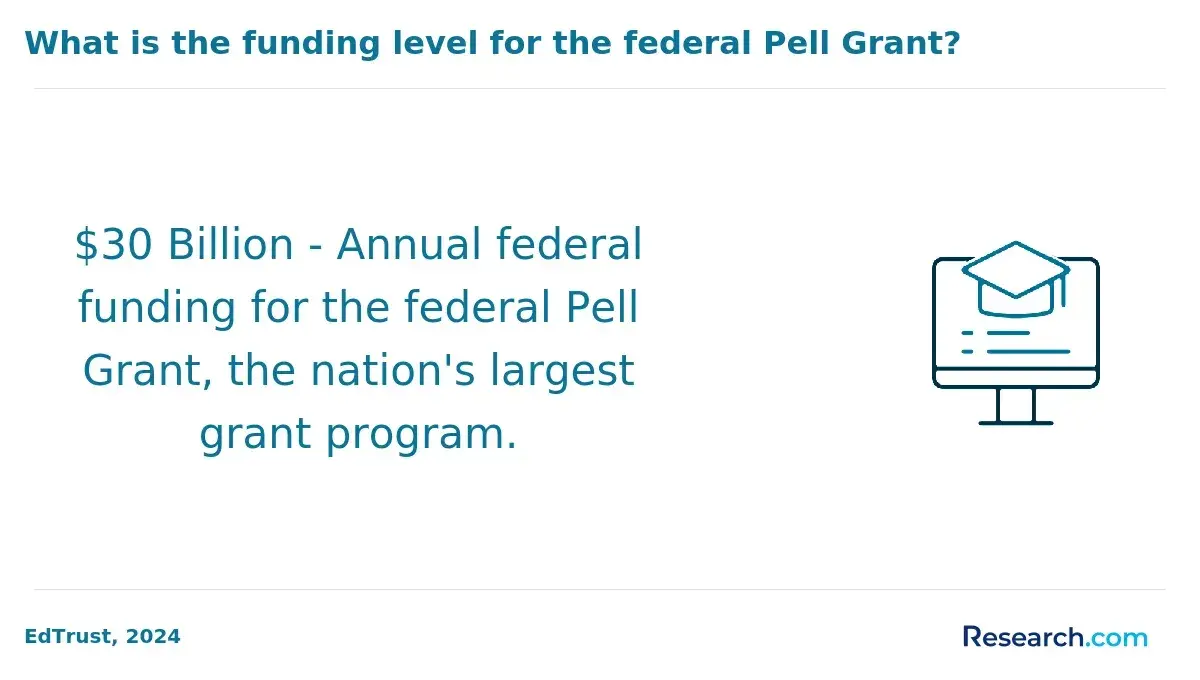
- Federal financial aid: Most accredited applied behavior analysis programs, whether online or on-campus, allow students to apply for federal aid through FAFSA. This may include Direct Unsubsidized Loans and Grad PLUS Loans. Online students should confirm that the program is eligible, usually through the institution's accreditation and participation in federal aid programs.
- State aid: State grants and scholarships often depend on residency, enrollment level, and attendance at an in-state public institution. On-campus students may qualify when they meet those rules. Online students may qualify if the program is based in their home state, but fully online out-of-state enrollment can limit access to certain state-specific aid.
- Scholarships and grants: Universities, professional associations, ABA providers, and clinics may offer scholarships or grants for ABA students. Some awards are tied to campus attendance or in-person service commitments, while others are open to online learners. Students comparing scholarships and grants for applied behavior analysis students should check eligibility details carefully.
- Employer tuition reimbursement: Workers in healthcare, education, behavioral health, autism services, and human services may have access to employer tuition assistance. This option can be useful for both formats, but online programs may be easier to combine with continued employment.
- Private student loans: Private lenders may cover costs not met by federal aid, scholarships, or employer support. Eligibility typically depends on the borrower, school, and program status rather than whether the program is online or on campus. Students should compare repayment terms carefully before borrowing.
Students planning beyond the master's level may also want to compare advanced academic routes, including non dissertation PhD options, as part of a broader financial and career plan.
Are online applied behavior analysis programs as credible as on-campus ones?
Online applied behavior analysis programs can be as credible as on-campus programs when they meet the same academic, accreditation, faculty, curriculum, and fieldwork standards. Delivery format alone does not determine quality. Accreditation, certification alignment, supervised experience support, and graduate outcomes matter more.
Accreditation and recognized coursework are central. Organizations such as the Association for Behavior Analysis International (ABAI) evaluate whether programs meet defined expectations related to coursework, faculty expertise, and professional preparation. Students should verify whether a program is accredited, recognized, or includes a verified course sequence relevant to their certification goals.
For example, Arcadia University's online MEd in applied behavior analysis is an ABAI Verified Course Sequence, aligning it with professional certification pathways also pursued by students in traditional, on-campus programs. Online faculty may include Board Certified Behavior Analysts and licensed psychologists, and well-designed programs use structured assessments, supervised practice coordination, and applied assignments to maintain academic rigor.
Credibility also depends on transparency. A trustworthy program should clearly explain admission standards, course sequence, supervised experience expectations, exam preparation resources, and student outcomes. If a program is vague about fieldwork or certification alignment, that is a warning sign regardless of whether it is online or on campus.
Employer and licensing-board perceptions have also become more accepting of online education when programs meet established standards. Data from The Chicago School highlights that both formats enable graduates to pursue BCBA certification, with demand for credentialed behavior analysts rising 58% between 2023 and 2024.
Some programs use hyflex models that combine online and face-to-face learning, supported by web conferencing, virtual simulations, and partner-site coordination. These models can reduce the gap between remote and in-person learning, especially when students receive timely feedback and supervised applied practice.
If your main goal is certification-aligned graduate study with lower cost or greater flexibility, comparing accredited bcba programs can help you evaluate options by affordability, structure, and professional fit.
Do employers prefer online vs on-campus applied behavior analysis degrees?
Employers usually care less about whether an ABA degree was completed online or on campus and more about whether the candidate is prepared to do the work. Accreditation, certification eligibility, supervised experience, clinical judgment, communication skills, and references often carry more weight than format.
Most employers in the United States now regard online and on-campus applied behavior analysis degrees as largely comparable, with 87% of organizations hiring graduates from online programs and 100% reporting equal starting salaries for both formats. At the same time, recent surveys indicate that only about 27% of employers consider online and on-campus degrees equally valuable, with some perceiving in-person graduates as stronger in leadership, communication, and technical skills.
That mixed picture matters. An online degree from a reputable, accredited institution with strong fieldwork can be competitive. A poorly supported online program may raise concerns. The same is true of on-campus programs that lack quality placements, current faculty expertise, or clear certification alignment.
Changing workplace norms have improved perceptions of online education. A 2023 survey found that 76% of hiring professionals believe an online degree enhances a candidate's attractiveness, and 92% would consider hiring someone with such credentials. Online programs may also help students demonstrate time management, self-direction, digital communication, and persistence, which are valuable in remote and hybrid work environments.
Still, students should not rely on format alone to impress employers. Build a strong resume by documenting supervised experience, collecting measurable examples of client or classroom outcomes where appropriate, developing professional references, and preparing to discuss ethical decision-making and evidence-based interventions.
One professional who completed an online applied behavior analysis program said her employers focused on practical ability rather than modality. She had worried that the online format might be viewed negatively, but her fieldwork and applied skills mattered more during the hiring process.
"Employers asked more about what I could do and how I applied what I'd learned than where I earned my degree," she reflected. She also said the flexibility of online learning helped her develop self-discipline and digital communication skills that are useful in her current hybrid role.
Do online vs on-campus applied behavior analysis program graduates earn the same salaries?
Graduates of online and on-campus applied behavior analysis programs can earn similar salaries when they have comparable credentials, experience, certification status, and job responsibilities. Salary differences are usually driven by role, location, employer type, certification level, and experience rather than whether the degree was completed online.
The applied behavior analysis degree salary comparison is best understood through the factors employers actually use when setting pay.
- Accreditation and program quality: Employers tend to prioritize whether the degree comes from a credible program over the delivery method. The Behavior Analyst Certification Board (BACB) recognizes both online and on-campus programs equally when accreditation standards are met, so format alone generally should not determine salary offers.
- Employer perception: Hiring managers increasingly treat online vs on-campus degrees in applied behavior analysis as equivalent when BACB requirements are fulfilled. Salary decisions typically focus on competence, certification, experience, and the needs of the position.
- Certification and experience: Certification levels such as BCBA or BCBA-D and relevant professional experience are major salary drivers. Entry-level salaries typically range from $60,000 to $70,000, rising to over $100,000 for senior professionals, regardless of whether the degree was earned online or on campus.
- Geographic location: Location can affect pay more than program format. Board-certified behavior analysts earn an average of about $85,500 nationally, with states like New Jersey and Massachusetts exceeding $95,000, showing no indication that mode of study affects wages.
- Cost and flexibility: Online programs may have lower tuition, ranging from $10,000 to $18,000 for some master's degrees versus $20,000 to $30,000 for on-campus programs. Lower education costs can improve return on investment, especially if students continue working while enrolled. Students comparing affordable options may also review no application fee accredited online colleges as part of a broader cost-planning process.
- Academic support and networking: On-campus programs may offer more in-person networking and direct access to local employers. Many online programs now provide virtual mentoring, alumni networks, employer webinars, and remote career services, narrowing the gap.
Overall, the online vs on-campus ABA graduate salary USA landscape suggests that format is usually a secondary issue. Certification, experience, specialization, location, and employer demand are more likely to determine earnings.
How do you decide whether an online vs on-campus applied behavior analysis program is right for you?
The right ABA program format is the one you can complete successfully while meeting certification, fieldwork, budget, and career requirements. A highly ranked program is not the best choice if the schedule is unrealistic. A flexible online program is not the best choice if it lacks fieldwork support or accountability.
Use the following factors to make a practical decision.
- Learning style: Choose on-campus study if you learn best through live discussion, structured class meetings, immediate feedback, and face-to-face peer interaction. Choose online study if you are comfortable reading independently, managing deadlines, participating virtually, and asking for help without in-person prompts.
- Flexibility needs: Online applied behavior analysis degree formats are often better for students balancing work, family, commuting limits, or changing schedules. On-campus programs may be better for students who can attend regularly and want a more immersive university environment.
- Budget: Compare total costs, not just tuition. Include fees, travel, housing, lost work hours, technology, books, and fieldwork-related expenses. Online programs can reduce commuting and relocation costs, while on-campus programs may offer assistantships or campus-based opportunities that lower net cost.
- Fieldwork access: Ask how placements are arranged, who approves supervisors, what happens if a placement falls through, and whether your current workplace can count if appropriate. This can be the deciding factor for online students who live far from the institution.
- Networking opportunities: On-campus programs often provide stronger informal networking with classmates, faculty, clinics, schools, and local employers. Online students should look for structured mentoring, active alumni communities, virtual events, and faculty engagement.
- Campus resources: On-campus students may have easier access to labs, study spaces, clinics, and in-person advising. Online students should confirm that digital library services, academic advising, career support, disability services, and technical help are robust and available remotely.
- Career goals: If you want to work in a specific city or agency network, an on-campus program with strong local placements may help. If you want to keep your current job, stay in your community, or complete supervised experience locally, an online program may be more practical.
Students considering broader academic combinations may also explore graduate dual degree programs, especially if they want to combine ABA with another field that supports leadership, research, education, or clinical practice.
Here's What Graduates of Online vs On-Campus Applied Behavior Analysis Programs Have to Say About Their Degree
- : "Completing my applied behavior analysis degree entirely online allowed me to balance work, family, and education seamlessly. The flexibility helped me gain hands-on experience in real time while advancing academically, which boosted my confidence as I started my career. I appreciate how the program emphasized evidence-based practices that directly impact clients' lives. Now, as a behavior analyst, I'm proud to contribute to meaningful improvements in children's development and community wellbeing. The ability to network virtually also broadened my professional connections nationally. — Jamal"
- : "Attending the on-campus applied behavior analysis program was transformative beyond academics. Immersed in the university environment, I built lasting relationships with peers and professors who became mentors in my career journey. The face-to-face instruction and live practicums enriched my understanding of complex behavioral interventions. This hands-on experience opened doors to leadership roles at the early intervention center where I work. Reflecting on my growth, I'm grateful for the community and support system that fueled my passion for helping young people thrive. — Alicia"
- : "Choosing the hybrid applied behavior analysis degree offered the best of both worlds-I enjoyed the flexibility of online coursework combined with valuable in-person labs that honed my practical skills. This balanced format prepared me exceptionally well for diverse workplace settings, allowing me to adapt quickly as I advanced in my career. The hybrid program encouraged self-discipline while fostering collaborative learning during on-site sessions. Professionally, it gave me a competitive edge in securing a position at a multidisciplinary clinic focused on pediatric behavior therapy. — Minh"
Other Things You Should Know About Online & On-Campus Applied Behavior Analysis Degree Programs
Both online and on-campus programs can adequately prepare students for ABA certification if they are accredited by the Behavior Analyst Certification Board (BACB). The choice largely depends on personal learning preferences and lifestyle. Online programs offer flexibility, while on-campus programs might provide more hands-on experience.
In 2027, on-campus Applied Behavior Analysis programs offer direct interaction with peers and faculty, fostering enhanced communication skills and networking. In-person activities, such as group projects and live discussions, provide hands-on experiences that deepen understanding and prepare students for real-world professional scenarios.
Online ABA degrees may have limited direct supervision during practical experiences, which is critical for skill development. Students must be self-motivated and disciplined to keep up with coursework independently. Technical issues and less immediate feedback can also impact the learning process.
References
- ABA Degree: How it Can Bolster Your Career Prospects https://www.appliedbehavioranalysisedu.org/2023/07/aba-degree-bolster-career-prospects/
- ABA and the Virtual Classroom https://www.appliedbehavioranalysisprograms.com/faq/aba-and-the-virtual-classroom/
- Applied Behavior Analysis Master’s—100 % Online https://www.baypath.edu/academics/graduate-programs/applied-behavior-analysis-ms/
- Applied Behavior Analysis Graduate Programs | Advanced Autism Services https://www.advancedautism.com/post/applied-behavior-analysis-graduate-programs
- Applied Behavior Analysis Online - Niagara University https://www.niagara.edu/programs/applied-behavior-analysis-online/
- Online and on-campus colleges | University of Phoenix https://www.phoenix.edu/blog/cost-of-online-vs-traditional-college.html
- Tuition & Financial Aid https://online.simmons.edu/masters/behavior-analysis/tuition-and-financial-aid/
- Cost of Online Education vs. Traditional Education [2025]: Comparison https://educationdata.org/cost-of-online-education-vs-traditional-education
- Compare Online Applied Behavior Analysis Degree Programs https://www.counselingpsychology.org/psychology/degrees/applied-behavior-analysis/
- The Problem With Exclusively Online Degree Programs https://tcf.org/content/commentary/the-problem-with-exclusively-online-degree-programs/


