
2027 Online vs On-Campus Surgical Tech Degree Programs: Pros & Cons

Co-Founder and Chief Data Scientist
The popularity of online surgical tech degree programs continues to rise, with recent data showing a 21% increase in online enrollment across allied health fields in 2023. This growth reflects a shift in how aspiring surgical technologists pursue education. Comparing online and on-campus surgical tech programs involves examining flexibility, cost, learning experience, and career outcomes.
Understanding these factors helps prospective students make informed decisions aligned with their needs and goals. This article provides a thorough analysis of the strengths and limitations of each format, guided by expertise in higher education and healthcare career planning.
Key Benefits of Online vs On-Campus Surgical Tech Degrees
- Online surgical tech degree programs offer flexible schedules that allow students to balance work and study, with 65% of online learners reporting improved time management skills compared to traditional formats.
- These programs often cost 20-40% less than on-campus options due to reduced commuting and housing expenses, making education more accessible for many students.
- On-campus surgical tech programs provide hands-on training with real medical equipment and face-to-face interaction, leading to a 15% higher certification exam pass rate than purely online courses.
Are Online vs. On-Campus Surgical Tech Programs Structured the Same Way?
The structure of online and on-campus surgical tech programs differs mainly in how courses are delivered and scheduled, though both require essential hands-on clinical training. Online programs emphasize flexibility and virtual instruction, while on-campus programs are rooted in fixed schedules and direct in-person engagement.
Below is a comparison of key structural elements in online and on-campus surgical tech programs to help prospective students understand how each format may better suit their needs:
- Course Delivery: Online surgical tech programs provide lectures and coursework via virtual platforms, enabling students to access materials remotely and often at their own pace. On-campus programs require physical attendance for lectures and lab sessions, allowing for immediate instructor feedback and supervision.
- Class Schedules: Online formats generally offer flexible or asynchronous schedules, which benefit students balancing work or family commitments. Conversely, on-campus programs maintain fixed class times, requiring presence at specific days and hours.
- Hands-On Training: Both formats include clinical experience, but online students complete rotations at local healthcare facilities or through hybrid models combining virtual and in-person labs. On-campus students usually train in campus labs or partnered clinical sites with direct access to equipment and instructors.
- Interaction and Collaboration: Online students engage through video conferencing, discussion boards, and virtual office hours, limiting spontaneous classroom interaction but increasing scheduling flexibility. On-campus students benefit from face-to-face collaboration, group projects, and real-time discussions that foster teamwork and professional relationships.
- Certification Preparation: Both formats aim to prepare students for certification exams like the CST or NRST using similar curricula. Online programs may offer virtual bootcamps or exam prep modules, while on-campus classes integrate test preparation within the classroom setting.
Are Admission Requirements the Same for Online vs On-Campus Surgical Tech Degree Programs?
Colleges and universities offering surgical tech degrees maintain consistent academic standards across both online and on-campus programs to ensure graduates meet professional and accreditation requirements. However, they may differ in how they assess applicants' readiness for online learning, often requiring additional technology skills or self-motivation from remote students.
Below is a comparison of key admission requirements commonly found in both formats to highlight surgical tech program admission requirements online vs on-campus.
- Academic Qualifications: Both program types generally require a high school diploma or GED, along with college transcripts if applicable. While a minimum GPA-typically a C+ or higher-is standard, some online programs place more emphasis on recent coursework or demonstrate flexibility in reviewing prior academic records.
- Selective Admission & Prerequisites: Most surgical tech programs are selective and necessitate completion of prerequisite courses with satisfactory grades before admission. Differences in surgical technology prerequisites for online and campus programs typically involve the delivery method-online programs often allow virtual completion of prerequisites, whereas on-campus students must attend labs in person.
- Application Materials: Applicants to both formats must submit personal statements and may attend interviews with program directors. Online applicants might also need to provide proof of technology access or a statement confirming their readiness for independent, self-paced study.
- Clinical Experience: Hands-on clinical training is mandatory for all accredited programs. Online formats typically use hybrid models that combine virtual learning with in-person clinical externships at approved locations, while on-campus students participate in clinical rotations integrated directly into their schedules.
- Technical & Communication Skills: Basic computer literacy is required in both formats, but online programs tend to evaluate applicants more strictly for self-directed learning capacity and reliable internet access. Strong communication skills are essential in either setting, with extra focus online on participating effectively in virtual environments.
- Cost and Scheduling: Online surgical tech programs often cost less-sometimes under $3,000-and offer flexible, self-paced schedules suited to working students. On-campus programs usually have higher tuition fees and fixed schedules but may provide more immediate academic support and campus resources. Prospective students interested in shorter-term credentials might explore 6 month courses that pay well for relevant options.
Do Online Surgical Tech Students Receive the Same Academic Support as On-Campus Students?
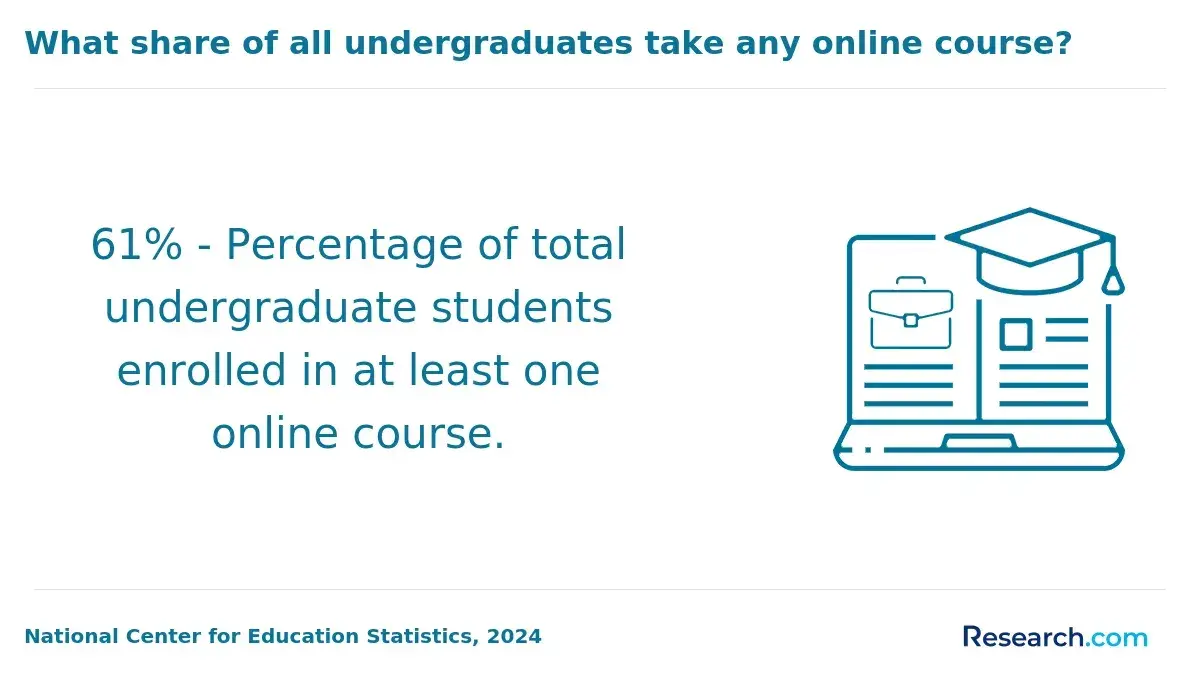
Universities have significantly expanded their academic support systems to ensure that online surgical tech students receive resources and assistance comparable to their on-campus peers. This effort bridges the gap between remote learning and traditional classroom settings by enhancing virtual infrastructure and service delivery.
When examining the specific types of academic support available, both online and on-campus surgical tech students benefit from similar services tailored to their learning environment:
- Tutoring Services: Online students access tutoring via video calls, chat, or email, providing flexible help with coursework and exam preparation, while on-campus students often receive face-to-face tutoring sessions. These services reinforce learning and improve academic performance for all students.
- Career Counseling: Both formats include career support such as virtual or in-person counseling, resume workshops, and job placement assistance. Online programs sometimes offer externship placements at local healthcare facilities, which are essential for gaining practical experience.
- Library Access: Digital collections give online students remote access to ebooks, journals, and databases, while on-campus students can also use physical library resources. This ensures equal access to research materials critical for academic success.
- Faculty Interaction: Online learners engage with faculty through discussion boards, scheduled video conferences, and email, whereas on-campus students benefit from in-person interactions during and after classes. Faculty accessibility supports students' academic and professional development in both formats.
- Technical and Academic Advising: Advising services for course selection and degree progress are available through virtual meetings for online students and face-to-face visits for on-campus students, helping both groups stay on track academically.
How Long Does It Take to Complete an Online vs an On-Campus Surgical Tech Degree?
The length of time required to complete a surgical tech degree can vary widely depending on the delivery format of the program, the student's pacing, and how flexible the curriculum and scheduling are. These factors greatly influence how quickly one can finish their training and enter the workforce. Below is a comparison of the average completion time for online versus on-campus programs, highlighting the key differences that impact students' timelines.
Here is how the duration and flexibility of online and on-campus surgical tech degrees typically compare:
- Online Surgical Tech Degree - Most online programs offer a flexible schedule, allowing students to progress at their own pace. Typical completion times range from 4 to 12 months, with some fast-track certificate options available in as little as 4 months. However, the required in-person externship can lengthen the process depending on availability, while students often balance coursework with personal and work commitments.
- On-Campus Surgical Tech Degree - Traditional on-campus associate degree programs usually take 18 to 24 months to complete full-time, with some structured for about 20 months and part-time tracks extending up to 28 months. These programs have fixed schedules and mandatory daytime clinical rotations, which provides structured learning but less flexibility. The longer duration reflects both academic coursework and hands-on clinical training embedded within the curriculum.
Are Online Surgical Tech Programs Cheaper Than On-Campus Ones?
Tuition, fees, and other expenses for surgical tech programs vary significantly between online and on-campus formats. Generally, online programs offer lower direct costs, but additional factors can influence the total investment required. Understanding these differences is key when evaluating the cost of online surgical tech programs compared to traditional in-person options.
Below is a breakdown of the main cost factors influencing the total price of each learning format:
- Tuition and Fees: Online programs frequently have lower tuition rates, with some starting as low as $1,600 to $4,000, while on-campus certificate programs range from $4,000 to $25,000 and associate degrees can reach up to $38,000. However, this online vs on-campus surgical tech tuition comparison shows exceptions; some online programs may be as expensive as or costlier than traditional schools due to university affiliations or enhanced student support services.
- Living Expenses: Online students often save substantially on housing, commuting, and parking costs that on-campus students must cover. For example, on-campus parking fees and other campus charges can add up to over $1,200 annually, expenses largely avoided by online learners studying from home.
- Technology Costs: Online programs may require students to invest in reliable computers and high-speed internet. Some programs include laptops in tuition, but overall, these technology expenses are minor compared to savings made by not paying campus-related living costs.
- Clinical Experience and Externships: While online surgical tech programs mandate hands-on clinical practice, students may face travel or relocation costs for externships. In contrast, on-campus programs typically incorporate clinical rotations with minimal extra expense, impacting overall cost differences.
- Financial Aid Availability: Both formats can offer federal financial aid if programs are accredited, but certain low-cost online options might not qualify, potentially limiting grants and loans eligibility. It is crucial to verify aid availability when comparing total program costs.
- Employer Perception and Career Opportunities: Employers focus more on certification and hands-on experience than program format, with graduates from accredited online programs generally accessing similar career paths and salaries. Those seeking certified jobs that pay well should weigh not just tuition but overall program quality and accreditation.
What Are the Financial Aid Options for Online vs On-Campus Surgical Tech Programs?
Both online and on-campus surgical tech students may qualify for financial aid, but eligibility and accessibility can vary depending on the program format and institution type. Understanding these differences is essential for students seeking to optimize their funding options. Below is an outline and comparison of the main financial aid options available to surgical tech students in both formats.
Financial aid opportunities vary considerably, so here are key forms of assistance to consider:
- Federal Aid (Grants & Loans): Students enrolled in accredited surgical tech programs, whether online or on-campus, generally qualify for federal financial aid by completing the FAFSA. This includes options like Pell Grants and federal student loans, which can significantly reduce tuition costs. Online students must verify their program's accreditation to ensure eligibility.
- State Aid: State grants and scholarships often target healthcare students, including surgical tech candidates. While both online and on-campus students may access these resources, many state grants require residency and attendance at in-state institutions, potentially limiting availability for online students enrolled out-of-state.
- Scholarships and Grants: Numerous private organizations and professional associations provide scholarships for surgical tech students. These are accessible to both online and on-campus learners, assuming the program is accredited and students meet criteria like academic achievement or financial need. This is an important source of financial support for many in search of scholarships and grants for on-campus surgical tech students.
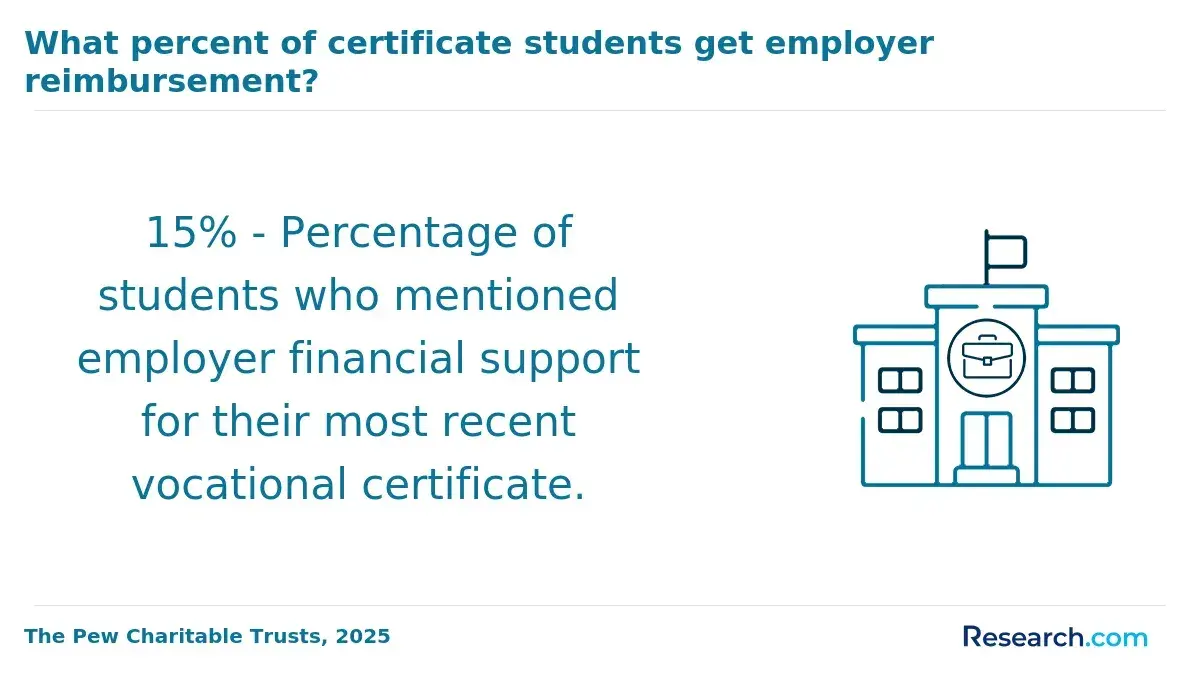
- Employer Tuition Reimbursement: Some healthcare employers offer tuition assistance programs for employees pursuing surgical tech credentials. Both formats are often eligible, but online programs offer flexibility ideal for working adults balancing jobs and studies.
- Private Student Loans: When federal or state aid is insufficient, private loans are available for both online and on-campus students. These typically require credit approval and come with higher costs and fewer protections, so students should exhaust federal aid first.
With program costs varying widely, surgical tech students should thoroughly explore all financial aid opportunities, especially since some colleges award substantial funding annually. For those exploring career options, reviewing the best majors for making money can also provide useful insights into potential earnings post-graduation.
Are Online Surgical Tech Programs as Credible as On-Campus Ones?
The credibility of online surgical tech programs hinges on the same foundational elements as on-campus programs: accreditation, faculty qualifications, and curriculum standards. Both formats must be accredited by recognized agencies such as the Commission on Accreditation of Allied Health Education Programs (CAAHEP) or the Accrediting Bureau of Health Education Schools (ABHES), which ensures quality education aligned with industry expectations. Faculty across online and in-person programs generally meet equivalent standards, ensuring students receive qualified instruction.
Curricula are carefully designed to fulfill certification requirements, with online courses often matching the rigor and content of their on-campus counterparts. Notably, all legitimate surgical tech programs, regardless of format, require clinical rotations at healthcare facilities, providing crucial hands-on experience under supervision.
Employer and licensing body perceptions of online versus on-campus surgical tech degrees are increasingly converging. Data and surveys indicate that as long as the program is accredited and includes appropriate clinical training, the delivery format matters little in hiring and certification decisions. Online programs frequently offer added flexibility and reduced costs, making them attractive to working professionals and non-traditional students.
Employment outcomes and starting salaries for graduates of both program types are comparable, with certified surgical technologists earning competitive wages. Additionally, advancements in virtual simulation technologies and collaborations with local healthcare providers for externships are strengthening the reputation of online programs. These innovations contribute to shifting attitudes, positioning online surgical tech education as a credible, rigorous, and valuable pathway within the healthcare industry.
Do Employers Prefer Online vs On-Campus Surgical Tech Degrees?
Employers in the surgical tech field tend to prioritize program accreditation, university reputation, and demonstrated clinical skills over whether a candidate's degree was earned online or on-campus. Historically, traditional on-campus programs were viewed as the gold standard; however, the landscape is changing as more accredited online programs emerge with strong clinical components.
Surveys and research studies reveal that hiring managers focus primarily on whether the program complies with recognized industry standards and if graduates qualify for national certifications such as the National Center for Competency Testing (NCCT). Hands-on experience through clinical rotations or externships remains essential, as surgical technology relies heavily on practical skills that cannot be fully acquired through theoretical online coursework alone. Ultimately, these factors overshadow the program format when employers evaluate candidates for surgical tech positions.
Recent shifts in workplace norms, including the acceptance of remote and hybrid work models, have contributed to diminishing skepticism toward online degrees among healthcare employers. According to industry experts, as long as an online surgical tech program maintains proper accreditation and includes supervised clinical experience, it is viewed comparably to on-campus education in the hiring process.
The flexibility, affordability, and accelerated timelines offered by many online programs make them attractive not just to students but also to employers grappling with a nationwide shortage of qualified surgical tech professionals. This evolving perception highlights that accreditation, clinical competency, and certification remain the critical benchmarks for selecting candidates, rather than the mode of delivery of their education.
Do Online vs On-Campus Surgical Tech Program Graduates Earn the Same Salaries?
Salary comparisons between online and on-campus surgical tech program graduates are increasingly shaped by various factors beyond the mode of instruction itself. Today's job market reflects a complex interplay of elements that influence earnings more significantly than whether the training was completed online or in person. To provide a clearer perspective on the surgical tech salary comparison online vs on-campus, consider the following key factors that currently impact salary trends and earning potential.
These main factors determine salary outcomes for online versus on-campus surgical tech graduates:
- Accreditation and Program Quality: Employers prioritize graduates from accredited surgical tech programs regardless of whether they were completed online or on-campus. Provided an online program meets accreditation standards and includes clinical training, graduates typically do not face a documented salary disadvantage.
- Geographic Location: The average salary for surgical tech graduates in the United States varies widely by state, with places like California offering substantially higher wages than lower-paying states. This geographic influence affects both online and on-campus graduates equally, as pay depends on local demand and living costs.
- Experience and Specialty: Earnings increase with relevant work experience and specialization. Positions like traveling surgical techs or cardiovascular operating room techs show significantly higher salaries, opportunities accessible to all graduates who build their expertise and credentials.
- Type of Employer: Salaries differ based on employer type; outpatient care centers and large hospitals often offer better pay compared to smaller facilities. Certification and demonstrated clinical skills weigh more heavily than the program format in hiring decisions.
- Cost and Flexibility: Although online programs may provide cost savings and flexible schedules-allowing students to work while studying-these advantages influence overall return on investment rather than immediate salary outcomes. For examples of affordable education options, students can explore cheap online college programs that combine quality with flexibility.
How Do You Decide Whether an Online vs On-Campus Surgical Tech Program Is Right for You?
Choosing between an online and on-campus surgical tech program depends on your personal learning preferences, lifestyle, and professional goals. Both options offer pathways to becoming a surgical technologist, but understanding how each aligns with your needs is essential. Here are key factors to consider before deciding which format suits you best.
- Learning Style: If you learn best through direct interaction and hands-on practice, on-campus programs usually provide more immediate feedback and access to labs and simulations. However, some of the best online surgical tech programs in the US incorporate hybrid models that blend remote coursework with in-person clinical experiences to build necessary skills.
- Flexibility Needs: Online programs are designed to accommodate busy schedules by allowing self-paced study. This flexibility is ideal for students balancing work or family commitments, offering the chance to progress without fixed class times, unlike traditional campus programs.
- Budget: Price is a critical consideration. Online surgical tech degrees typically cost less, often eliminating commuting and housing expenses. For many students, pursuing the cheapest way to get a bachelor's degree online may make financial sense compared to the higher tuition of on-campus programs.
- Networking Opportunities: On-campus programs provide more direct access to instructors, peers, and campus events, which can lead to stronger professional networks and mentorship. While online students may utilize virtual forums, these connections may not fully replicate the campus environment.
- Access to Campus Resources: Students attending campus benefit from immediate use of libraries, tutoring, and career services. Although online learners may have some remote access, hands-on training and clinical placements still require in-person attendance, making location an important factor.
By carefully comparing online and campus surgical tech degrees, prospective students can align their educational path with both their personal circumstances and long-term career goals.
Here's What Graduates of Online vs On-Campus Surgical Tech Programs Have to Say About Their Degree
- Jezrel: "Completing my surgical tech degree online was a game-changer for me, especially as a working parent balancing family and job responsibilities. The flexibility allowed me to study at my own pace without compromising my daily obligations. I was able to start my career quickly and confidently, knowing that the program provided comprehensive training despite the remote format. This experience showed me that dedication and adaptability are key to growth in healthcare. I now feel equipped to contribute positively to patient care in any environment. "
- Jilian: "Choosing the on-campus surgical tech program transformed not just my education but also my personal development. The in-person interactions with instructors and peers fostered a supportive community that pushed me to excel. Hands-on labs gave me the practical skills that made transitioning into the operating room seamless and less intimidating. This immersive experience instilled a strong sense of discipline and professionalism, which has been invaluable in my career advancement. I'm proud to be part of a profession that directly impacts lives every day. "
- Alyza: "My hybrid surgical tech degree combined the flexibility of online learning with crucial face-to-face clinical experiences, which was ideal for my learning style. I appreciated the balance between theoretical coursework and practical skill-building in real healthcare settings. This approach helped me develop critical thinking and hands-on expertise simultaneously, preparing me to handle diverse surgical environments. It also enabled me to network with professionals and mentors who continue to guide my career growth. The blend of formats truly enhanced both my confidence and competence. "
Other Things You Should Know About Online & On-Campus Surgical Tech Degree Programs
Online surgical tech programs in 2027 can effectively prepare students for certification exams by incorporating interactive lessons, virtual simulations, and scheduled synchronous sessions. However, the quality significantly depends on the program's curriculum design and the level of practical exposure integrated into the coursework.
In 2027, hands-on training for surgical tech programs varies significantly between online and on-campus formats. On-campus programs offer direct, in-person lab experiences. Online programs, however, utilize virtual simulations and require students to arrange in-person clinical externships locally, which can be less immediate but flexible for remote learners.
Online programs often have lower tuition and additional savings on commuting and housing, making them more affordable overall. However, some on-campus programs may provide more financial aid options and scholarships. Students should consider all related expenses before deciding.
References
- The Surprising Cost of Online Education: Why 83% of Online Degrees Aren’t More Affordable https://www.nexford.edu/insights/the-surprising-cost-of-online-education-why-83-of-online-degrees-arent-more-affordable
- How You Could Become a Surgical Tech Faster: A Guide to Accelerating Your Career https://preppy.org/become-a-surgical-tech-faster-a-guide-to-accelerating-your-career/
- Funding Surgical Tech Education: Grants and Loans - CNI College https://cnicollege.edu/blog/student-services/pay-surgical-tech-programs-federal-financial-aid/
- On-Campus vs. Online Graduate Programs: Picking the Best Fit https://www.baker.edu/about/get-to-know-us/blog/on-campus-vs-online-graduate-programs/
- Online Resources & Scholarships for Surgical Tech Students https://www.edumed.org/financial-aid/scholarships/surgical-tech-programs/
- Cost of Online Education vs. Traditional Education [2025]: Comparison https://educationdata.org/cost-of-online-education-vs-traditional-education
- Surgical Tech Salary Guide | How Much Can You Make? https://www.learnhowtobecome.org/surgical-tech-salary/
- How Much Does a Surgical Technologist Make? https://www.herzing.edu/salary/surgical-technologist


