
2027 Organizational Communication Degree Levels Explained: Bachelor's vs Master's vs Doctorate

Co-Founder and Chief Data Scientist
Choosing the right degree level in organizational communication can be daunting for those aiming to advance their careers or enter leadership roles. For example, a professional stuck in a mid-level position may wonder whether pursuing a master's or doctorate is necessary for promotion. Studies show that employment in communication-related management roles is projected to grow 10% through 2030, highlighting the demand for advanced expertise.
This article explores the distinct benefits and career outcomes of bachelor's, master's, and doctoral degrees in organizational communication to help readers determine the best path for their professional development and goals.
Key Things to Know About Organizational Communication Degree Levels
- Bachelor's degrees provide foundational knowledge with broad communication skills, while master's and doctorates offer advanced specialization and research opportunities.
- Graduates with master's often pursue managerial roles; doctorates qualify for academic, executive leadership, or consultancy positions.
- Bachelor's programs typically take four years, master's 1-2 years plus additional costs, and doctorates require 4-6 years with significant financial investment.
How Are Organizational Communication Degree Levels Structured Academically?
Comparing organizational communication degree levels requires clear insight into how academic structures differ, as this influences the coursework demands, research focus, and learning outcomes achieved at each stage. Grasping these distinctions helps prospective students choose the appropriate degree aligned with their professional goals and readiness for academic challenges.
The key academic differences in bachelor's, master's, and doctorate organizational communication programs in the United States include:
- Coursework Intensity: Bachelor's programs provide foundational knowledge in communication theories and organizational principles with moderate course pacing, while master's curricula delve deeper into strategic and leadership communication with more rigorous coursework. Doctoral studies emphasize advanced theory and original research, offering less structured but highly demanding academic engagement.
- Research and Capstone: Undergraduate studies introduce basic research projects or presentations to apply concepts. Master's degrees typically require capstone projects or theses focusing on practical problem-solving, while doctoral programs demand extensive independent research culminating in a dissertation contributing new knowledge to the field.
- Academic Rigor Progression: Academic rigor intensifies from bachelor's to doctoral levels, with greater expectations for critical analysis, synthesis of ideas, and scholarly contribution at higher degrees.
- Independent Study Expectations: Self-directed learning grows substantially from bachelor's, which involves guided coursework, to doctoral programs, where candidates engage in autonomous scholarship and comprehensive exams.
Students interested in accelerated options may explore online EdD programs that integrate doctoral-level study with flexible pacing.
Understanding academic curriculum differences in bachelor's master's and doctorate organizational communication programs equips learners to evaluate how each level suits their career development and educational preferences.
What Do You Learn in a Bachelor's Degree in Organizational Communication?
A bachelor's degree in organizational communication equips students with foundational knowledge designed to support entry-level careers or further academic pursuits. This education integrates essential concepts that prepare students for both practical workplace challenges and advanced study. The following highlights key aspects of undergraduate organizational communication coursework and skills.
- Core Coursework: Programs combine communication theory, interpersonal communication, group dynamics, and organizational behavior to build a solid understanding of how communication functions within businesses and other organizations.
- General Education: Students complement their major with broad education requirements that enhance critical thinking, writing, and analytical skills essential for effective communication across diverse settings.
- Experiential Learning: Practical components such as case studies, group projects, and internships develop hands-on experience, allowing students to apply theory to real-world organizational challenges.
- Skill Development: Emphasis is placed on honing writing, public speaking, and digital communication abilities, alongside problem-solving and the capacity to clearly convey messages through multiple channels.
- Career and Graduate Preparation: Graduates are positioned for roles in human resources, marketing, corporate communications, or public relations. The bachelor's degree also serves as a foundation for master's or doctoral programs by fostering research and analytical competencies.
For prospective students interested in exploring affordable academic pathways, reviewing online business degree programs may offer valuable guidance on accessible options that include or complement organizational communication studies.
What Specializations Are Available in a Organizational Communication Master's Degree?
Specialization options in a master's degree in organizational communication play a vital role in tailoring studies to fit unique career goals and industry requirements. These focused tracks help students develop targeted skills and knowledge that enhance their professional readiness and align with specific sectors or advanced expertise areas.
- Leadership Communication: Concentrates on mastering communication techniques essential for management and executive roles, including organizational culture, change leadership, and strategic decision-making. Coursework often covers communication theory relevant to leadership challenges. Graduates are prepared for positions in corporate leadership, human resources, and organizational development.
- Diversity and Inclusion Communication: Focuses on fostering equitable communication practices and addressing complexities related to workplace diversity. This specialization covers topics such as intercultural communication, bias reduction, and inclusive policy development. Careers typically involve roles in diversity training, HR, and organizational consulting.
- Strategic Communication: Emphasizes the design and implementation of communication campaigns, public relations strategies, and brand management, often incorporating digital media. Students learn planning, message development, and audience analysis to support corporate or nonprofit goals. Career pathways include public relations, marketing, and communications management.
- Health Communication: Applies communication principles to healthcare environments, improving interactions between providers and patients and supporting health promotion efforts. Coursework might include patient education strategies and health behavior communication. Graduates often find opportunities in healthcare administration, public health, and advocacy.
- Conflict Resolution and Negotiation: Develops skills in mediation, conflict management, and ethical communication within organizations. This track addresses dispute resolution techniques and enhances interpersonal negotiation abilities. Typical careers include organizational consultancy, human resources, and mediation services.
What Types of Doctoral Degrees Exist in Organizational Communication?
Choosing the right type of doctoral degree is essential for those advancing in organizational communication, as it shapes the skills developed and career paths available. Nearly 30% of doctoral graduates in communication fields enter academia, reflecting the importance of selecting a program aligned with individual goals. Below are key distinctions among common doctoral options.
- Professional Doctorates: These focus on applying communication theories within organizations to solve practical problems. Programs emphasize leadership, strategic decision-making, and enhancing workplace effectiveness, preparing students for executive roles or consultants.
- Research-Focused Doctorates: Primarily PhDs, these concentrate on generating original scholarship and advancing theory. They provide rigorous training in research methods and critical analysis, equipping graduates for careers in academia or research-intensive environments.
- Specialized/Interdisciplinary Tracks: Combining organizational communication with fields such as psychology, management, or technology, these tailored programs address emerging industry challenges and foster cross-disciplinary innovation, broadening career possibilities.
When discussing these degree types with a graduate of an organizational communication doctoral program, he shared how navigating the balance between theory and practice posed significant challenges during his studies. "The most difficult part was maintaining motivation through extensive research phases," he recalled, emphasizing the emotional resilience needed to complete rigorous coursework and dissertation work. He also noted that focusing on practical applications within his specialized track ultimately provided a clearer sense of purpose, helping him overcome periods of self-doubt. His experience highlights how choosing a doctoral path aligned with personal strengths and career goals is vital for long-term success.
What Are the Admission Requirements for Each Organizational Communication Degree Level?
Prospective students must carefully assess admission criteria when choosing between bachelor's, master's, and doctoral organizational communication programs, as requirements vary significantly with each level. Knowing these differences helps applicants align their qualifications with the appropriate academic path and career objectives.
Bachelor's
- Academic Credentials: A high school diploma or equivalent is generally required, with many programs expecting a GPA between 2.5 and 3.0.
- Standardized Testing: SAT or ACT scores may be requested, although some schools have adopted test-optional policies.
- Prerequisite Coursework: Foundational subjects such as English and social studies are often necessary to support readiness for the major.
Master's
- Undergraduate Degree: Applicants must hold a bachelor's degree from an accredited institution, typically maintaining at least a 3.0 GPA.
- Entrance Exams: GRE scores might be required depending on the program, but requirements vary widely.
- Supporting Documents: Submission of letters of recommendation and a statement of purpose is commonly expected.
- Relevant Background: Coursework in communication or related fields strengthens applications; professional experience may be beneficial but is not always mandatory.
Doctorate
- Advanced Degree: A master's degree in organizational communication or a closely related field is required, usually with GPA standards above 3.5.
- Application Materials: Candidates must provide letters of recommendation and a research proposal or statement of intent.
- Additional Credentials: Writing samples are often requested, and prior research experience or professional practice significantly enhances admission prospects.
How Long Does Each Organizational Communication Degree Level Take to Complete?
Completion times for organizational communication degrees vary widely, with bachelor's programs typically lasting four years, master's degrees requiring 1.5 to 2 years, and doctoral studies taking about 4 to 6 years. These timelines are important for students to consider as they plan their academic paths and career progressions. According to the National Center for Education Statistics, the average time to finish a bachelor's degree is roughly 5.1 years, reflecting the many factors that affect duration.
Several elements influence how long a degree takes to complete:
- Enrollment Status: Full-time attendance usually shortens program length, while part-time students often take longer due to course load adjustments.
- Credit Transfers: Previous college credits or relevant certifications can reduce time by fulfilling prerequisite requirements or core courses.
- Prior Experience: Work history or professional learning might accelerate progression, especially in graduate programs with practical components.
- Program Format: Online, hybrid, or in-person formats impact pacing, with accelerated online courses frequently allowing faster completion.
- Additional Requirements: Internships, capstone projects, or comprehensive exams can extend master's and doctoral programs depending on their depth and timing.
A graduate of an online master's organizational communication program shared that balancing work, study, and family was the biggest challenge. She explained, "Flexibility was key, but even with that, managing deadlines and group projects remotely took real discipline." She described how her program's structure allowed her to prioritize coursework around her job's demands while gaining applicable skills. "The process wasn't always smooth-some months felt overwhelming-but the sense of accomplishment after finishing outweighed the difficulties." Her experience underscores how program length is deeply influenced by each student's circumstances and how careful planning can turn potential obstacles into rewarding milestones.
How Much Does Each Organizational Communication Degree Level Cost?
Knowing the total cost associated with an organizational communication degree at various levels helps prospective students compare programs and plan their finances effectively. Tuition, fees, and additional expenses differ across bachelor's, master's, and doctoral degrees, influencing the overall investment. Key cost considerations include the following:
- Bachelor's Costs: Typically feature moderate tuition fees per credit but require more total credits, resulting in a longer program duration and higher cumulative tuition. Mandatory fees such as registration and technology can add to the total cost, along with expenses for textbooks and software. Part-time enrollment may extend these costs over more semesters.
- Master's Expenses: Generally involve higher tuition per credit but fewer credits than bachelor's degrees. Additional fees might apply for thesis or capstone projects. Students should also consider materials and technology fees. The overall cost can vary significantly based on whether the student enrolls full-time or part-time, which affects how quickly expenses accumulate.
- Doctoral Financials: The doctorate level usually carries the highest tuition per credit and extra costs related to research, dissertation preparation, and possible residency requirements. Ancillary fees and materials add to the expense, and part-time options spread the financial obligation over an extended period. These factors contribute to the total price of organizational communication degree programs at this level.
Comparing the average tuition fees for organizational communication degrees across degree levels, students should also account for these varying mandatory and incidental costs to assess affordability relative to their career ambitions. For those exploring specialized graduate options, reviewing programs like online masters in marriage and family therapy can provide insight into similar cost structures and financial planning considerations.
What Financial Aid Options Are Available for Organizational Communication Degrees?
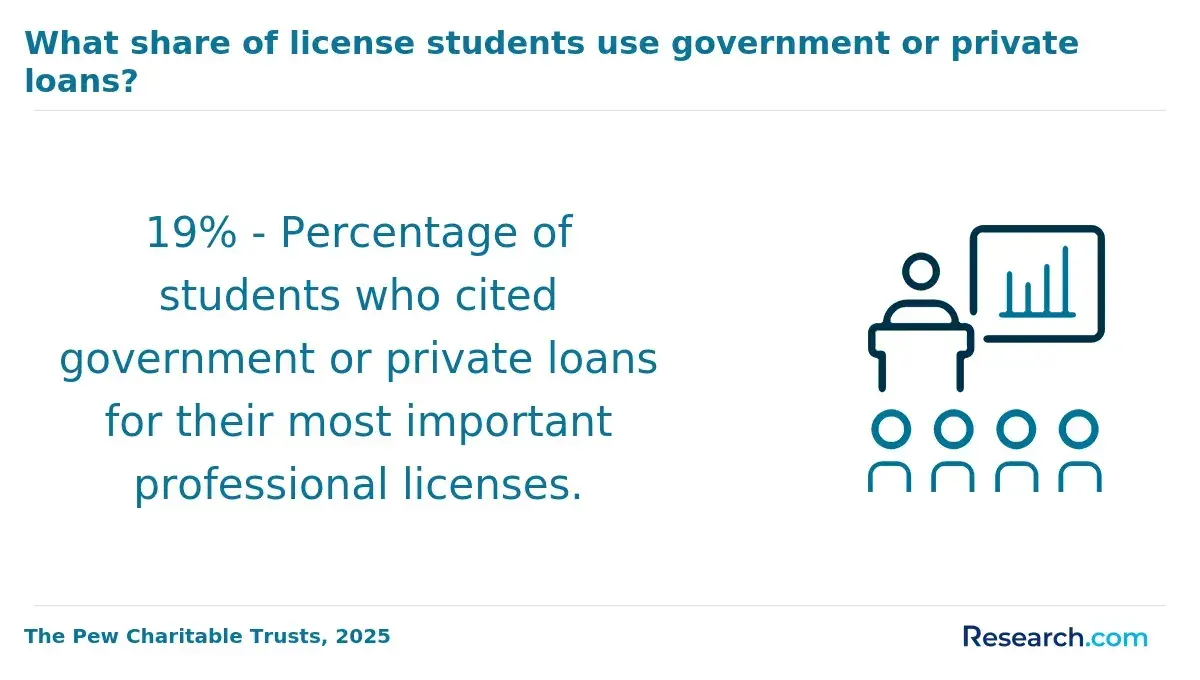
Financial aid plays a vital role for students pursuing bachelor's, master's, or doctoral degree programs in organizational communication, helping to reduce the overall cost of education. About 85% of full-time undergraduate students in the U.S. receive some form of financial aid, with an average package of approximately $14,940 annually. Various financial assistance programs for organizational communication students exist to support enrollment and completion. Here are the key options to consider:
- Grants and Scholarships: These funds do not require repayment and are often awarded based on merit, financial need, or criteria related to organizational communication or communication studies. They can significantly offset tuition costs for eligible students.
- Federal Loans: Offering fixed interest rates and flexible repayment terms, federal loans serve as a primary funding source for many students, making advanced education more manageable.
- Private Loans: While private loans are available, they usually carry higher interest rates and fewer borrower protections, so careful consideration is necessary before opting for these.
- Work-Study Programs: These enable students to earn money through employment on campus or in the community, helping to cover tuition and living expenses while gaining relevant experience.
- Employer Tuition Assistance: Working professionals often benefit from tuition assistance programs offered by employers, supporting degree advancement without leaving their job.
- Military Education Benefits: Veterans and active-duty service members may qualify for military education benefits such as the GI Bill, which helps fund higher education in organizational communication.
Prospective students comparing degree levels and seeking affordable options might find great value in exploring cheap online degrees offering similar curriculum and financial support. Understanding these financial aid options ensures informed decisions tailored to individual career goals in organizational communication.
What Careers Are Available at Each Organizational Communication Degree Level?
Career opportunities in organizational communication broaden significantly at higher degree levels, offering increasing responsibilities and specialization. Knowing these pathways helps students plan their education and professional growth effectively.
Bachelor's Degree
- Communications Coordinator: This entry-level role involves supporting internal and external communication efforts, including content creation and event coordination. It provides foundational experience in organizational communication principles.
- Public Relations Assistant: Assists in managing public image and media relations for companies or nonprofits, focusing on building positive stakeholder relationships and implementing communication campaigns.
- Marketing Specialist: Works on market research, brand messaging, and promotional strategies to engage target audiences, leveraging communication skills to assist broader marketing goals.
Master's Degree
- Internal Communications Manager: Oversees internal messaging strategies to improve employee engagement and organizational culture, requiring enhanced strategic and leadership abilities.
- Corporate Communications Director: Leads communication policy development and manages public relations at a senior level, influencing the organization's overall communication approach.
- Organizational Development Consultant: Advises businesses on improving communication structures and change initiatives, using analytical skills to align communication with business objectives.
Doctorate
- University Professor: Focuses on teaching and mentoring students while conducting advanced research to contribute new knowledge to the field of organizational communication.
- Communication Researcher: Develops and tests theories to solve complex communication challenges, often publishing findings in academic and professional forums.
- Senior Organizational Consultant: Provides expert advice at the executive level, applying research insights and strategic thinking to optimize communication in large organizations.
Those exploring job opportunities with organizational communication degrees should consider how each degree level aligns with their career aims. For some, starting with associate degrees may be an accessible path; details on these can be found at associate degrees.
How Do Salaries Compare Among Bachelor's vs Master's vs Doctorate Organizational Communication Graduates?
Salary expectations are a vital consideration when deciding among different organizational communication degree levels, as they help clarify potential financial benefits relative to the investment in education. Below is an overview comparing typical earnings across degree tiers:
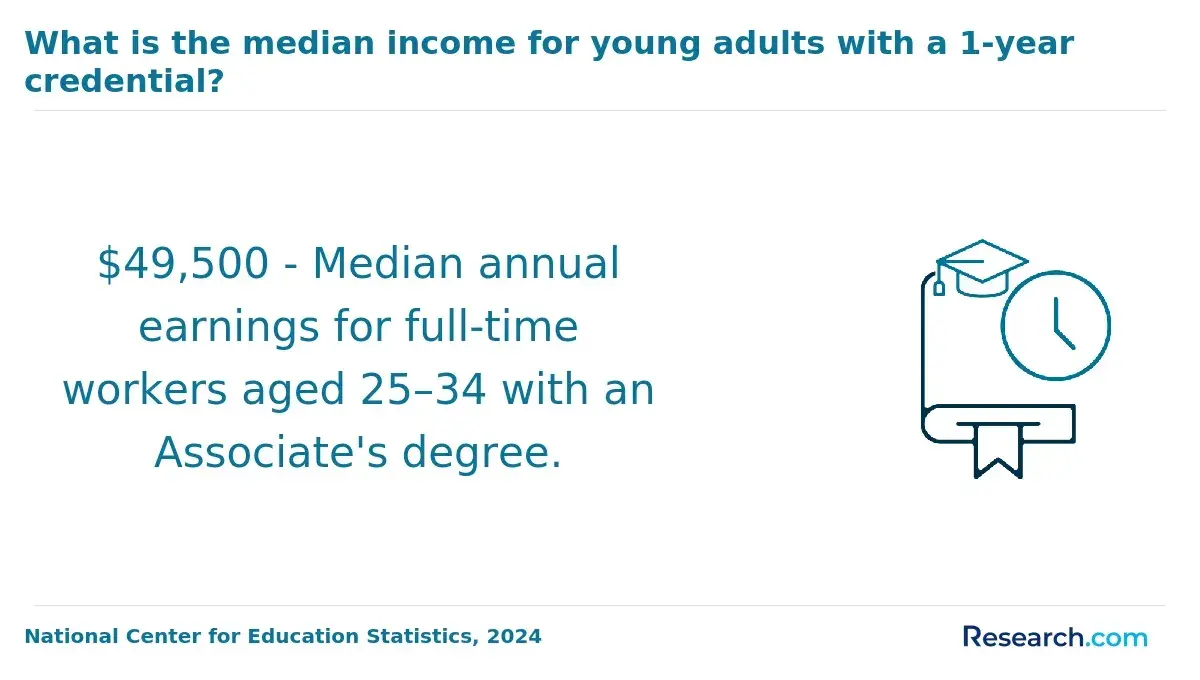
- Bachelor's Degree: Graduates usually enter the workforce with salaries between $45,000 and $60,000 annually. These roles often focus on foundational skills in public relations, corporate communication, and marketing support, requiring practical experience rather than deep specialization.
- Master's Degree: Those holding a master's generally command salaries from $65,000 to $85,000 per year. Their advanced understanding of communication strategies and organizational leadership positions them for management roles and specialized consulting work, reflecting in higher compensation.
- Doctorate Degree: Individuals with doctoral qualifications often earn above $90,000, with many surpassing $120,000 annually. Their expertise typically leads to careers in academia, research, or top-tier consultancy, where their analytical and subject matter knowledge have significant organizational impact.
What Graduates Say About Their Organizational Communication Degree Level
- Shane: "Choosing to pursue a bachelor's degree in organizational communication was a game-changer for me. Although the average cost was a bit intimidating, around $40,000, I saw it as an invaluable investment in my future. Today, I apply those communication strategies daily in my role, and it's clear that the degree opened doors I never expected. "
- Corie: "I decided to get my master's in organizational communication after years of working in the field without formal training. The cost, roughly $30,000 to $50,000, was significant, but I found it worth every penny as it deepened my understanding and elevated my career prospects. Reflecting on this journey, I appreciate how the advanced concepts have changed my approach to leadership and team dynamics. "
- Rose: "Pursuing a doctorate in organizational communication was a deliberate choice to establish myself as a thought leader. Despite the high costs, often exceeding $60,000, the academic rigor and research opportunities were unmatched. Earning my doctorate has not only bolstered my professional credibility but also expanded my influence in both academia and industry."
Other Things You Should Know About Organizational Communication Degrees
A bachelor's degree in organizational communication equips graduates with foundational skills in effective communication, problem-solving, and team collaboration. These skills are essential for entry-level roles such as communication coordinator or public relations assistant, where they can provide valuable contributions to an organization's communication strategies.
A master's degree is often preferred or required for management and director-level roles in organizational communication. It provides deeper theoretical knowledge and advanced skills in areas like strategic communication, conflict resolution, and leadership, which are critical for higher-level responsibilities within organizations.
A doctorate in organizational communication focuses on advanced research, theoretical frameworks, and preparing for academic or high-level administrative roles. In contrast, a master's degree emphasizes practical skills, leadership, and strategic communication for immediate application in professional settings.
References
- Jobs with an Organizational Communications Degree https://www.up.edu/academics/degrees-programs/organizational-communication-bs.html
- Bachelor vs Master Degrees: Comparing Degree Levels https://www.snhu.edu/about-us/newsroom/education/difference-between-bachelors-and-masters
- Ph.D. in Communication Programs (Doctorate in Communication Studies) https://www.mastersincommunications.com/related-degrees/doctorate-in-communication
- Bachelor's vs Master's Degree Programs: What are the Differences? https://www.onlineeducation.com/faqs/bachelors-vs-masters-degrees
- What Are Some Prerequisites To A Master’s In Communication Program? - GradSchoolHub.com https://www.gradschoolhub.com/faqs/what-are-some-prerequisites-to-a-masters-in-communication-program/
- Ph.D. in Communication https://www.chapman.edu/communication/graduate/phd-in-communication.aspx
- Getting a Master’s Degree in a Different Field Than Your Bachelor’s: 10 Degrees to Consider https://www.sacredheart.edu/news-room/news-listing/getting-a-masters-degree-in-a-different-field-than-your-bachelors-10-degrees-to-consider/
- Organizational Communication, B.A. https://www.park.edu/academics/explore-programs/organizational-communication-b-a/
- What can you do with a bachelor's in communication? | edX https://www.edx.org/resources/what-can-you-do-with-a-bachelors-in-communication
- Masters in Organizational Communication | Murray State https://www.murraystate.edu/academics/CollegesDepartments/CollegeOfBusiness/Programs/OrganizationalCommunication/gradPrograms.aspx


