
2027 Online vs On-Campus Organizational Communication Degree Programs: Pros & Cons

Co-Founder and Chief Data Scientist
As online education surges in popularity, enrollment in virtual degree programs has grown by over 20% in recent years, reflecting a significant shift in higher learning preferences. Organizational communication degrees, once predominantly offered on campus, now attract many students through flexible online formats.
This article provides a clear comparison of online and on-campus organizational communication degree programs, examining key factors such as flexibility, cost, learning experience, and career outcomes. By analyzing these aspects, readers can make informed decisions tailored to their educational needs and professional goals while understanding the benefits and limitations each mode of study presents.
Key Benefits of Online vs On-Campus Organizational Communication Degrees
- Online organizational communication degree programs offer flexible scheduling, allowing 65% of students to balance work and study effectively according to recent surveys.
- These programs often cost 30%-40% less than on-campus options, making higher education more accessible to a broader range of students.
- On-campus programs provide valuable face-to-face interaction and networking opportunities, with over 70% of graduates reporting strong professional connections formed during their studies.
Are Online vs. On-Campus Organizational Communication Programs Structured the Same Way?
Organizational communication degree programs differ structurally based on whether they are delivered online or on-campus, affecting how students engage with material and manage their time. These structural differences shape the overall learning environment and student experience in significant ways.
The following points compare key structural elements of online and on-campus Organizational Communication programs, highlighting how each format approaches scheduling, course delivery, and student interaction.
- Course Delivery: On-campus programs involve in-person lectures and real-time discussions, allowing immediate feedback and dynamic exchanges with faculty and peers. Online programs rely on asynchronous lessons, recorded materials, and digital platforms, giving students the flexibility to learn at their own pace and revisit content as needed.
- Class Schedules: Traditional on-campus courses follow fixed schedules, requiring physical attendance at set times during weekdays or evenings. Online courses offer greater scheduling flexibility, with content accessible 24/7 and deadlines organized around weekly assignments, ideal for balancing education with work or personal commitments.
- Interaction and Collaboration: Face-to-face formats encourage spontaneous networking, group projects, and mentorships, fostering richer interpersonal connections. Online programs use structured forums, video calls, and group activities; when well designed, these can promote effective engagement though interaction tends to be more planned and less spontaneous.
- Access to Campus Resources: Students attending on-campus have direct access to physical resources like libraries, career services, and faculty offices. Online learners mostly utilize virtual resources and remote support, which enhances convenience but may limit in-person experiences.
Are Admission Requirements the Same for Online vs On-Campus Organizational Communication Degree Programs?
Colleges and universities generally maintain consistent academic standards for online and on-campus organizational communication degree programs to ensure graduates achieve equivalent educational outcomes. However, they may vary in assessing applicants' readiness and suitability for online learning formats.
This comparison highlights key similarities and differences in admission requirements for online versus on-campus programs, emphasizing the distinct aspects of the application process.
- Academic Qualifications: Both online and on-campus programs typically require a high school diploma for undergraduate study or a bachelor's degree for graduate programs from accredited institutions. Minimum GPA standards, such as a 2.0 for undergraduate transfers and 3.0 for graduate admissions, are common across both formats, though some online programs may use holistic reviews if assured admission criteria are not met.
- Application Materials: Applicants must submit official transcripts and complete the application process. Online programs generally facilitate electronic submissions to accommodate remote applicants, but the core requirements like transcripts, forms, and fees remain consistent with on-campus applications.
- Test Scores: SAT or ACT scores are usually requested from recent high school graduates in both formats. Online programs often waive these standardized tests for mature students or those with relevant work experience, while on-campus programs may adhere to traditional score requirements more strictly.
- Work Experience: Graduate-level online programs frequently prefer or require professional experience in organizational settings to better prepare students for coursework and virtual collaboration. On-campus programs are less likely to mandate work experience but may consider it positively during holistic admissions.
- Readiness for Online Learning: Online organizational communication degree applicants may need to submit a personal statement addressing technology skills, time management, and motivation for remote study-a requirement less common for on-campus candidates. This helps ensure students are prepared for the independent nature of online courses.
- Additional Requirements: Both program types may ask for letters of recommendation, essays, or portfolios. Online programs sometimes place greater emphasis on digital communication skills or organizational experience through these materials.
In considering whether the admission requirements for online organizational communication degree programs suit your goals, it's useful to recognize how the on-campus vs online communication degree application process differs mainly in readiness assessments and application logistics.
For those balancing career and education, online options often provide flexibility and can align well with professional experience. Additionally, exploring 6 month certifications that pay well may offer valuable alternatives or supplements to degree programs.
Do Online Organizational Communication Students Receive the Same Academic Support as On-Campus Students?
Universities have significantly expanded their academic support systems to ensure that online organizational communication students receive resources and assistance comparable to those provided on campus. These enhancements reflect advances in technology and a commitment to equitable educational experiences regardless of delivery format.
To better understand how academic support compares for online and on-campus organizational communication students, consider the main services typically offered in both formats:
- Tutoring Services: On-campus students usually visit physical tutoring centers, while online students access one-on-one or group tutoring via video calls, chat, or asynchronous forums. This flexible approach ensures timely academic assistance tailored to each student's schedule.
- Career Counseling: Both formats provide résumé reviews, interview preparation, and internship placement support. Online students benefit from virtual workshops, digital job fairs, and scheduled video sessions, closely mirroring in-person career guidance.
- Library Access: Universities offer online students remote access to digital collections, research databases, and academic journals, while on-campus students use these alongside physical library resources. Around-the-clock digital library support helps level research opportunities for all.
- Faculty Interaction: Campus students interact face-to-face before and after classes, allowing immediate feedback and relationship-building. Online students connect through email, virtual office hours, discussion boards, and video meetings, with institutions actively enhancing the quality and frequency of these interactions.
- Peer Networking: On-campus students form networks via clubs and informal gatherings, whereas online students engage in virtual forums, group projects, and professional networking platforms. Both foster meaningful connections, though online students may need more initiative to stay engaged.
- Technology Support: Specialized tech help ensures online students can navigate learning management systems and collaboration tools effectively. On-campus students also receive tech assistance, though often less intensively due to in-person troubleshooting options.
How Long Does It Take to Complete an Online vs an On-Campus Organizational Communication Degree?
The time required to complete an organizational communication degree can vary significantly depending on whether the program is offered online or on campus, as well as factors such as student pacing and scheduling flexibility. These elements shape how quickly students progress through their coursework and finish their degree.
To better understand the differences, here is a comparison of the typical completion time for online versus on-campus organizational communication degree programs.
- Online Organizational Communication Degree Most online bachelor's programs require about 120 credit hours, generally completed in approximately four years with full-time study. The online format often offers accelerated courses lasting around 7.5 to 8 weeks, multiple start dates throughout the year, and the ability to study part-time, allowing students to finish faster or extend their timeline to accommodate personal commitments.
- On-Campus Organizational Communication Degree Traditional on-campus bachelor's degrees also require 120 credit hours and commonly follow a semester-based academic calendar that spans four years for full-time students. These programs tend to have fewer start dates and less flexibility in pacing, which can prolong completion if students take lighter course loads due to work or other responsibilities.
A professional who recently completed an online organizational communication degree shared that balancing full-time work and family life was a major challenge that influenced his timeline. He appreciated how the program's multiple start dates and accelerated 7.5-week courses enabled him to progress steadily without feeling overwhelmed. "It wasn't a straight four years for me," he explained, "but the flexibility allowed me to take breaks when needed and then catch up by taking more courses during other terms."
He described the experience as empowering, noting that even though the journey took close to five years due to part-time semesters, the ability to control his pace kept him motivated and on track. This adaptability, he said, was the key difference compared to friends who pursued on-campus programs with fixed schedules.
Are Online Organizational Communication Programs Cheaper Than On-Campus Ones?
Online organizational communication programs generally have lower tuition, fees, and living expenses compared to their on-campus counterparts. These differences contribute to the fact that the cost of online organizational communication degree programs is usually more affordable for students.
Here's a breakdown of the main cost factors influencing the total price of online vs on-campus organizational communication programs:
- Tuition and Fees: Online programs often charge less per credit hour. For example, the average cost for an online bachelor's degree credit hour is $509 compared to $791 for on-campus courses. However, some colleges, about 74% of institutions, maintain the same tuition for both online and traditional students, so savings vary.
- Living Expenses: Students attending on campus usually face higher room and board costs, which can add about $744 more per year than what online students typically pay. Online learners can live off-campus or at home, reducing or eliminating housing costs.
- Commuting and Ancillary Costs: Online students save money by avoiding commuting, parking fees, and meal plans. Additional savings may come from less spending on childcare or family-related expenses, making online programs more cost-effective overall.
- Technology Costs: Although online students need reliable internet and a computer, these expenses are often offset by savings on textbooks, as many online courses use less expensive digital materials instead of printed books.
- Financial Aid Availability: Both online and on-campus students have access to federal aid, scholarships, and grants. Some online programs offer tuition discounts or flexible payment options, but aid eligibility depends on the institution.
Students searching for affordable options and considering different program formats should evaluate these cost factors carefully, especially since employer attitudes toward online degrees have improved. For those interested in gaining credentials without long-term campus commitments, exploring short certificate programs that pay well online can provide additional pathways toward career advancement.
What Are the Financial Aid Options for Online vs On-Campus Organizational Communication Programs?
Both online and on-campus students pursuing organizational communication degrees may qualify for various forms of financial aid, though eligibility and accessibility often differ depending on program format and the specific institution. Understanding these differences is key for those seeking to finance their education effectively.
The following overview outlines and compares the main financial aid options available to online and on-campus organizational communication students, highlighting how program type affects access and qualification.
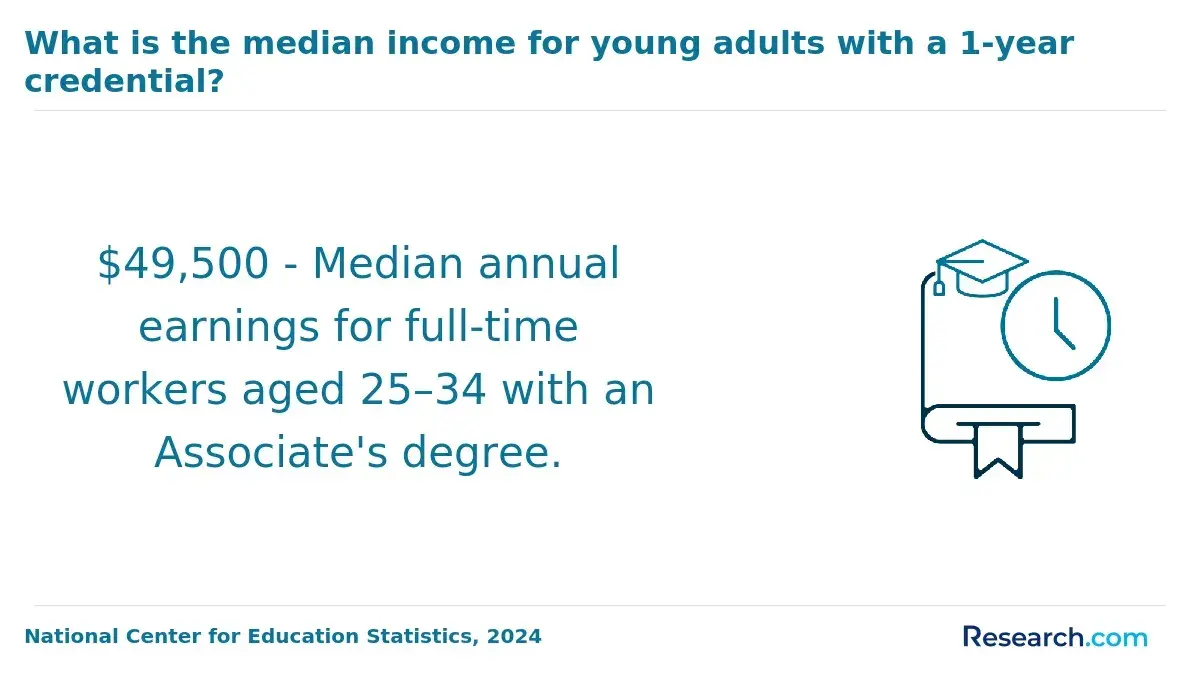
- Federal Student Aid (FAFSA): Both online and on-campus students at accredited institutions are generally eligible for federal aid such as Pell Grants, Direct Loans, and work-study programs after completing the FAFSA. However, fully online students must verify that their program is accredited and recognized by the Department of Education, as some unaccredited online programs may not qualify.
- State Aid: State grants and aid often require residency and enrollment in an in-state institution, applying to both online and on-campus students. Some states limit aid eligibility for out-of-state or certain online programs, so online students should confirm with their state's higher education agency to understand their options.
- Scholarships and Grants: A broad variety of scholarships-merit-based, need-based, and career-specific-are available to all organizational communication majors. While on-campus students may access more institutional or campus-specific scholarships, online students can apply for national or program-specific awards; however, some scholarships for online organizational communication degree seekers might require in-person involvement.
- Employer Tuition Reimbursement: Working professionals pursuing degrees online often benefit from employer tuition reimbursement programs due to the flexibility offered by online formats. On-campus students who work full-time might also be eligible, but online programs are frequently preferred by employers aligned with workforce development strategies.
- Private Student Loans: Both online and on-campus students can apply for private loans, but lenders usually require proof that the program leads to an accredited degree. Online students should ensure their institution meets lender standards to prevent funding complications.
When exploring degree options, it is also helpful to understand broader educational outcomes; for example, those interested in what bachelor's degree pays the most can find detailed information at what bachelor's degree pays the most.
Are Online Organizational Communication Programs as Credible as On-Campus Ones?
Accreditation, faculty qualifications, and curriculum standards are essential factors that establish the credibility of both online and on-campus organizational communication programs. Regional and programmatic accreditation from recognized bodies like the Higher Learning Commission ensures that institutions meet rigorous standards for academic quality, regardless of delivery format.
Faculty teaching online often hold the same credentials as those on campus, and many programs offer identical course content and learning outcomes across both modes. This parity is further demonstrated by the fact that transcripts and diplomas rarely distinguish between online and in-person completion, underscoring equal academic rigor and institutional recognition.
Perceptions of online versus on-campus organizational communication degrees have shifted significantly, with employers, academics, and licensing bodies increasingly viewing them as equivalent when obtained from accredited institutions. Recent surveys show that students completing a substantial part of their coursework online may have higher retention and graduation rates, reflecting greater flexibility and frequent assessments.
Innovations in virtual learning technologies and stronger industry partnerships have enhanced the relevance and acceptance of online programs, often incorporating real-world projects and internships. These advances, combined with cost savings and scheduling convenience, continue to reshape attitudes and make online organizational communication degrees a competitive and credible choice for many learners and employers.
Do Employers Prefer Online vs On-Campus Organizational Communication Degrees?
Employer attitudes toward online versus on-campus organizational communication degrees have largely converged, with most now viewing both pathways as comparably valuable. According to the Graduate Management Admission Council's 2024 Corporate Recruiters Survey, 54% of employers consider graduates of online programs to be equally as prepared as those from traditional, in-person settings.
However, there remains a subtle preference for in-person formats, especially in the United States, where about two-thirds of employers perceive campus graduates to exhibit stronger leadership and interpersonal communication skills. This perspective often stems more from assumptions about the social and collaborative experiences available on campus rather than the actual mode of instruction. Despite this, the gap is narrowing as more organizations recognize the quality and rigor of online degrees, particularly from well-established universities.
More influential than whether a degree was earned online or on-campus are factors such as university reputation, accreditation, and demonstrable skills. Employers emphasize hiring candidates who graduated from accredited programs affiliated with reputable institutions regardless of delivery method. Practical skills—including strong written and verbal communication, project management experience, and adaptability—are especially critical given the prevalence of remote and hybrid work environments today.
Research highlights that 61% of HR managers view online learning as equal or superior in quality to traditional methods, reflecting shifting workplace norms that prioritize competencies over credentials. As hiring strategies evolve, organizations value what graduates can do and how they perform in real-world scenarios more than the specific format of their degree.
A professional who pursued an online organizational communication degree shared with me that, upon graduation, she found her flexible learning format to be an asset rather than a limitation in her job search. She noted that employers were primarily interested in how well she could apply her communication skills and manage projects remotely, skills she honed through virtual teamwork and real-world assignments embedded in her online coursework.
While initially concerned about potential bias toward in-person degrees, she quickly realized through networking and interviews that her degree's rigorous curriculum and her proactive demonstration of her capabilities outweighed any doubts. "My ability to balance work, study, and hands-on projects online made me confident in tackling hybrid roles," she explained, underscoring how evolving workplace expectations have broadened acceptance and appreciation for online graduates in the organizational communication field.
Do Online vs On-Campus Organizational Communication Program Graduates Earn the Same Salaries?
Salary comparisons between online and on-campus organizational communication graduates are increasingly shaped by various factors beyond just the mode of education delivery. Employers now focus more on credentials, skills, and career progression than whether a degree was earned online or in person. Understanding these influences can help clarify the true drivers of earning potential for graduates.
The following key factors illustrate current salary trends and what impacts salary outcomes for online versus on-campus organizational communication graduates:
- Experience and Career Progression: Entry-level roles such as communications coordinators and specialists show similar starting salaries regardless of educational format. Growth in earning potential primarily depends on experience and advancing into management positions like communications manager or public relations manager, where salaries increase substantially for both online and traditional graduates.
- Specialization and Industry Focus: Graduates who pursue specialized fields within organizational communication, including integrated marketing communications or technical writing, tend to earn higher salaries. Since many online and on-campus programs offer robust specialization options, the difference in earnings related to delivery method is negligible, with high-demand roles such as digital marketing manager commanding premium pay.
- Employer Perception and Accreditation: Accredited degrees from reputable institutions, whether earned online or on-campus, receive comparable recognition from employers. Programs from well-known providers like Penn State World Campus have helped reinforce this parity, emphasizing the importance of accreditation over delivery format when evaluating salary potential.
Prospective students should consider accredited programs carefully, including options at accredited schools online with no fee to apply, ensuring their qualifications remain competitive in the evolving job market focused on skills and expertise rather than mode of study.
How Do You Decide Whether an Online vs On-Campus Organizational Communication Program Is Right for You?
Choosing between online and on-campus organizational communication programs depends largely on your personal learning preferences, lifestyle, and professional goals. Understanding these aspects helps ensure you select a program that aligns with your needs.
Below are key factors to consider that clarify which format might suit you best when exploring the best online organizational communication degrees in the United States.
- Learning style: If you prefer interactive, face-to-face discussions and real-time feedback, an on-campus program might be more effective. Conversely, those comfortable with self-directed study and virtual platforms often thrive in online environments, which demand greater self-motivation and time management.
- Flexibility needs: Online programs offer significant scheduling freedom, allowing students to balance coursework with work or family obligations. This flexibility is ideal for those with unpredictable schedules or who want to study from any location.
- Budget considerations: Many online programs reduce expenses related to commuting, housing, and campus fees. Additionally, some provide lower tuition rates or scholarships for remote learners. Before committing, confirm costs, as they vary widely. For those comparing career payoffs, exploring high paying trade school jobs might offer insight into financial outcomes post-graduation.
- Networking opportunities: On-campus programs foster in-person networking, study groups, and extracurricular activities, which can enhance professional connections. While online programs offer virtual networking, the spontaneous, informal interactions common on campus may be limited.
- Access to campus resources: Students attending classes on-site often benefit from immediate availability of libraries, career centers, and academic support. Online learners rely mainly on digital resources, which may not fully replicate the depth of on-campus services.
Evaluating these factors will help you weigh the campus vs online organizational communication program benefits and better match your educational path to your lifestyle and career objectives.
Here's What Graduates of Online vs On-Campus Organizational Communication Programs Have to Say About Their Degree
- JC: "Completing my organizational communication degree entirely online was a game-changer for me. The flexibility allowed me to balance work, family, and study without sacrificing any of my responsibilities. Starting my career, I found employers highly valuing the self-discipline and tech-savviness that I developed through the online coursework. The program's virtual collaboration tools also prepared me to excel in remote team environments, which are becoming increasingly common. I'm proud to contribute to improving communication strategies in global companies thanks to this degree."
- Georgina: "Attending an on-campus organizational communication program offered me invaluable face-to-face interactions and networking opportunities. The lively classroom discussions deepened my understanding of human dynamics and boosted my confidence in public speaking. After graduation, I leveraged close connections with professors and peers to secure a communications role at a nonprofit organization. This degree shaped not only my professional skills but also my passion for fostering community well-being through effective dialogue and outreach. Reflecting on my experience, I see how personal growth thrived in that immersive campus environment."
- Denise: "The hybrid organizational communication degree blended the best of both worlds for me, allowing me to engage in person during intensive weekend sessions while managing most coursework online. This structure helped me maintain my full-time job and still build deep relationships with classmates and instructors. Professionally, the combination of online and on-site learning broadened my adaptability and strategic communication skills, making me a valuable asset in multidisciplinary teams. My education empowered me to advance into leadership roles and mentor younger colleagues, inspiring a culture of inclusivity and clear communication at work."
Other Things You Should Know About Online & On-Campus Organizational Communication Degree Programs
In 2027, online degrees offer flexibility and accessibility, ideal for working students, while on-campus programs provide face-to-face interaction and networking opportunities. However, online learners may face challenges such as limited physical interaction and self-discipline needs, whereas on-campus students may deal with commuting and scheduling rigidity.
On-campus programs naturally facilitate networking through in-person collaboration, group projects, and campus events, offering direct social interaction. Online programs require more intentional effort to connect through virtual meetings, discussion boards, and online forums. While networking is possible online, it may not be as immediate or informal as face-to-face engagement.
Yes, online organizational communication degrees from accredited institutions are widely accepted by employers. The key is to ensure the program is recognized and offers robust curricula. Employers increasingly value digital literacy and experience with virtual communication tools, which online students often develop during their studies.
References
- Online Masters in Organizational Communication https://online.ku.edu/graduate-programs/online-masters-organizational-communication
- Organizational Management & Communication Program https://appliedstudies.fsu.edu/current-students/graduate-programs/omc-ms/program
- Communications Degree Salary Guide https://online.maryville.edu/online-bachelors-degrees/communications/careers/communications-degree-salary-guide/
- Cost of Online Education vs. Traditional Education [2025]: Comparison https://educationdata.org/cost-of-online-education-vs-traditional-education
- Face-to-Face or Online Instruction? Face-to-Face is Better - National Communication Association https://www.natcom.org/publications-library/face-face-or-online-instruction-face-face-better/
- Online Degree vs On-Campus Degrees https://www.online.drexel.edu/news/online-degree-vs-traditional-degree.aspx


