
2027 Can You Complete an Online Organizational Communication Degree Program While Working Full-Time?

Co-Founder and Chief Data Scientist
Many working professionals struggle to juggle demanding full-time jobs, family responsibilities, and the effort required to succeed in an online organizational communication degree program. According to recent data, over 40% of online adult learners in the U.S. are working full-time, reflecting the growing need to balance education with career and personal life.
This article examines whether pursuing an online organizational communication degree while working full-time is feasible. It offers practical advice to help professionals assess their schedules, set realistic goals, and determine if this path aligns with their commitments and lifestyle demands.
Key Benefits of Completing an Online Organizational Communication Degree Program While Working Full-Time
- Flexible scheduling allows full-time workers to balance coursework with job responsibilities, ensuring steady progress without sacrificing professional duties in communications roles.
- Remote learning reduces commuting time, letting students apply organizational communication theories immediately in workplace projects and improve team dynamics effectively.
- Online programs often offer asynchronous lectures, enabling learners to access materials anytime, which supports retention of key skills like conflict resolution and strategic messaging in real time.
How Long Does It Take to Complete an Online Organizational Communication Degree While Working Full-Time?
The time required to complete an online organizational communication degree while working full-time varies widely depending on several important factors. These include enrollment status, course format, prior academic credits, program requirements, and the time students can dedicate weekly to study.
Key factors influencing how long to earn an organizational communication degree online as a working professional include:
- Enrollment Status: Part-time students, who often balance full-time jobs, typically take two to three years (24-36 months) to finish their degree. Full-time students may complete the program in as little as 12 to 18 months by taking a heavier course load.
- Course Format: Accelerated programs with shorter 7- or 8-week terms let students focus on fewer classes but require consistent study rhythms. Asynchronous courses offer more flexibility for working professionals, although taking only one course per term can extend completion time.
- Prior Academic Credits: Transfer credits or previously earned academic credits can shorten the degree timeline by one or more semesters, allowing for earlier graduation.
- Work Schedule and Weekly Study Hours: Graduate-level study typically demands 8-10 hours per week per course. Balancing this alongside full-time employment often results in a slower pace, but with careful planning, timely completion is still achievable.
- Program-Specific Requirements: Components like capstone projects, internships, or practicums may extend completion time if they require sequential scheduling or significant outside work, with some capstones lasting a full 15-week semester.
Students exploring how long to complete an online organizational communication degree while working full-time should also consider factors such as degree accreditation and career outcomes. For more information on related certifications and career pay prospects, see what certification pays the most.
Is an Asynchronous or Synchronous Online Organizational Communication Program Easier for Students Working Full-Time?
For students working full-time, an asynchronous online organizational communication program is generally easier to manage than synchronous options. This format offers greater flexibility by allowing learners to access course materials, such as lectures and assignments, on their own schedule.
Such flexibility is vital for balancing professional and personal responsibilities, making asynchronous courses the best online organizational communication program for working professionals. Fixed schedules in synchronous programs can create conflicts with work hours, limiting the ability to consistently participate in live sessions.
Asynchronous organizational communication degree flexibility means students can study after work, on weekends, or during irregular shifts, enhancing time management. Synchronous programs, however, provide real-time engagement through live discussions and immediate feedback, which can benefit students who thrive on interaction and collaboration.
For example, group projects requiring live collaboration suit synchronous formats, while independent assignments or presentations better fit asynchronous setups. Ultimately, full-time professionals benefit most from asynchronous courses due to their unpredictable schedules, although synchronous classes appeal to those who seek structured learning. For more on easy degrees that fit busy lives, explore easy degrees online.
What Time Management Strategies Help Online Organizational Communication Students Working Full-Time?
Effective time management is essential for online learners juggling full-time employment because it prevents burnout and missed deadlines while promoting academic success. Below are five research-supported strategies that help manage the demands of work and study in organizational communication programs.
- Structured Weekly Scheduling: Digital calendars help allocate specific blocks for studying, assignments, and discussions, creating a routine that avoids last-minute pressure.
- Milestone Breakdown: Dividing large projects into smaller, scheduled tasks reduces stress and keeps progress steady on complex coursework.
- Pomodoro Technique: Working in focused 25-minute intervals with breaks improves concentration and refreshes the mind during long work-study days.
- Distraction Management: Using apps to silence notifications and block distracting sites helps maintain focus, especially when balancing competing responsibilities.
- Open Communication: Sharing one's academic schedule with employers or family encourages understanding and support, which preserves study time.
One student who completed her online organizational communication degree while working full-time shared how overwhelming it felt balancing deadlines with a demanding job. She described setting early morning study hours and "treating them like crucial meetings," which helped create consistency despite unpredictable workdays.
She also emphasized the importance of asking for support from her employer and family, explaining, "Without their flexibility, I wouldn't have managed to stay on track." Her experience highlights that combining structured planning with clear communication fosters resilience and success in this challenging educational path.
What Are the Biggest Challenges Full-Time Workers Face in Online Organizational Communication Programs?
Balancing a full-time job with the demands of an online organizational communication degree frequently overwhelms professionals. The need to meet work commitments alongside rigorous coursework creates pressure that can affect both career performance and academic success. Key challenges these students encounter include:
- Time management pressures: Coordinating work duties with deadlines for assignments, group activities, and online participation often proves difficult. Inconsistent work hours and unpredictable schedules reduce available study time, increasing the risk of missed deadlines and heightened stress.
- Professional and social isolation: Online learning can limit spontaneous interactions and informal networking crucial for developing workplace relationships. Many remote learners report decreased relational communication, which weakens their sense of connection and community-an important factor in organizational communication skills.
- Technology and communication barriers: Heavy reliance on digital tools may cause misunderstandings due to technical issues and the absence of nonverbal cues. These obstacles can hamper effective collaboration and delay the mastery of advanced communication techniques vital for career advancement in this field.
How Do Online Organizational Communication Programs Handle Internships for Full-Time Workers?
Balancing a full-time job with internship requirements in online organizational communication programs can be difficult, yet internships remain vital for gaining hands-on experience and building networks essential to career growth. To accommodate working students, many programs have adapted flexible methods for completing these practical components.
- Flexible internship scheduling: Students often complete internships during evenings, weekends, or academic breaks, allowing them to gain relevant experience without leaving their day jobs. This approach helps maintain steady employment while fulfilling program demands.
- Remote and virtual internships: Leveraging digital tools, programs frequently offer remote internship options, enabling students to contribute to projects virtually from any location. This is especially important for those unable to commute or relocate.
- Using current employment for credit: Some programs let students apply their workplace as an internship site if the assigned tasks differ from daily duties and meet learning outcomes. This option aids professionals seeking career development within their existing organization.
- Reduced hour requirements per semester: Internship hours can be staggered over multiple semesters or arranged part-time, such as 8-10 hours weekly, providing a more manageable workload alongside work and studies.
- Personalized internship coordination: Coordinators often collaborate individually with students to find suitable placements and customize schedules, ensuring academic criteria are fulfilled without overwhelming the student's routine.
When I spoke with a student juggling a full-time role while pursuing an online organizational communication degree, he described the internship process as initially daunting. "At first, I worried about how I'd fit everything in," he shared. However, the program coordinator worked closely with him to identify remote projects aligned with his interests, allowing him to contribute during flexible hours.
He reflected, "The ability to tailor the internship experience around my job made all the difference. It wasn't just about ticking boxes; I gained practical skills relevant to my long-term goals." His experience highlights how thoughtful program support can transform a potential barrier into an enriching career step.
What Technology Do You Need for an Online Organizational Communication Degree While Working Full-Time?
Having the right technology is essential for full-time professionals who need to balance demanding job responsibilities with the rigors of online coursework. Efficient use of technology reduces downtime from technical issues and helps maximize productivity, ensuring students can engage fully in their studies.
Below are the key technology requirements that support working professionals pursuing an online organizational communication degree.
- Reliable High-Speed Internet Access: Consistent, fast internet is critical for participating in live video lectures, real-time discussions, and collaborative projects without interruptions. This stability supports smooth communication during virtual meetings and group assignments, which are central to organizational communication coursework.
- Modern Computer or Laptop: A device with updated operating systems and sufficient processing power is necessary to run multiple applications, access e-learning platforms, and handle multimedia components involved in projects such as crisis management simulations or intercultural communication.
- Collaboration and Communication Software: Tools like Zoom, Microsoft Teams, and Slack are regularly employed for class discussions, group work, and virtual networking. These platforms replicate professional communication environments, helping students develop real-world skills applicable in organizational contexts.
- Learning Management System (LMS) Access: Familiarity with systems like Blackboard, Canvas, or eCampus is indispensable for accessing course materials, submitting assignments, and monitoring academic progress. Frequent logins enable participation in forums and completion of coursework modules.
- Productivity and Document Management Tools: Applications such as Google Workspace or Microsoft Office 365 facilitate document drafting, scheduling, and file sharing among students and instructors. These tools are essential for collaborative projects like strategic planning or public relations campaigns.
For professionals seeking affordable ways to advance their education with technology requirements for an online organizational communication degree, exploring options like the cheap online phd programs can provide pathways that fit busy schedules. Understanding the best laptops and software for working professionals in online communication programs will greatly improve the chances of success in this field.
Can You Qualify for Financial Aid If You Study Online and Work Full-Time?
Financial aid often plays a crucial role for full-time professionals trying to balance work responsibilities while pursuing an online Organizational Communication degree. Access to financial assistance can be the deciding factor between advancing education immediately or delaying it due to cost concerns. Here are key considerations to understand financial aid eligibility for full-time working students:
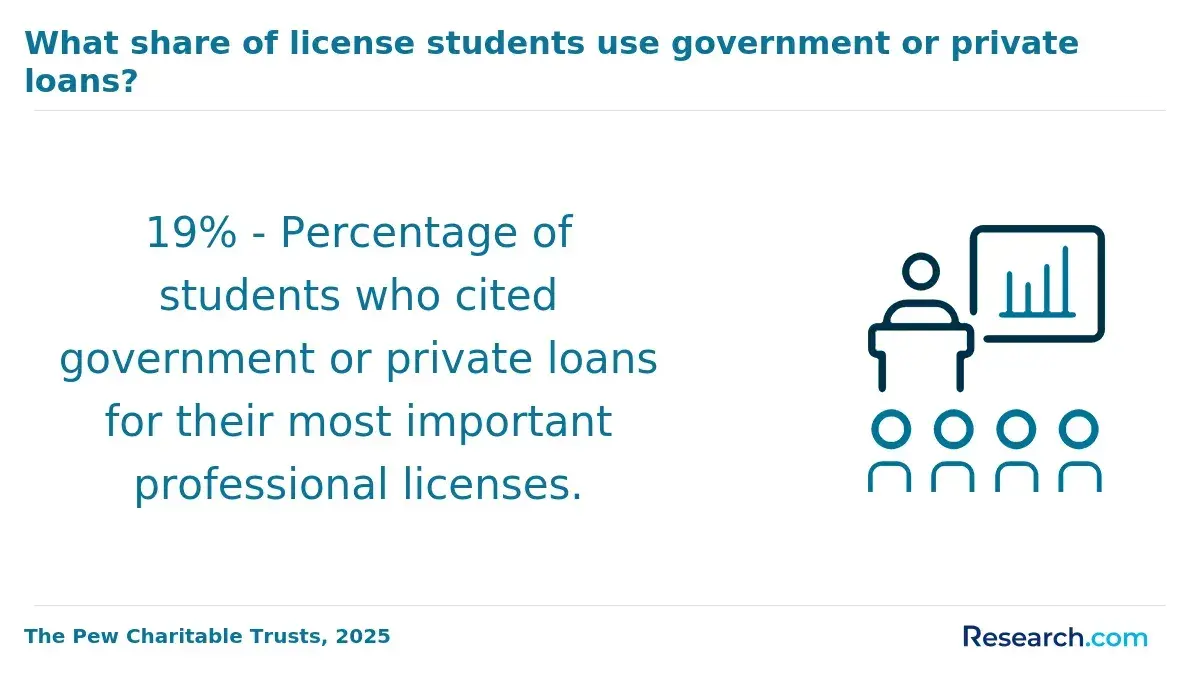
- Federal Student Aid (FAFSA) Eligibility: Most accredited online Organizational Communication programs accept the Free Application for Federal Student Aid (FAFSA). Being employed full-time does not automatically disqualify applicants from federal aid; however, income level will influence the amount and type of aid awarded. Need-based grants like Pell Grants may be reduced, but non-need-based loans such as Direct Unsubsidized Loans remain options, making FAFSA eligibility for full-time working professionals an important step.
- Employer Tuition Assistance: Many employers offer tuition reimbursement or tuition assistance programs for employees furthering education relevant to their current jobs. Since organizational communication skills directly improve workplace effectiveness, this field is often supported by employers. Employees who maintain satisfactory academic progress may qualify for partial or full tuition coverage, easing financial barriers.
- State and Institutional Aid: Filing FAFSA before state deadlines can unlock eligibility for state-specific grants or scholarships alongside federal aid. Additionally, universities frequently provide merit-based scholarships or need-based grants aimed at online or working students, which are available regardless of employment status.
- Enrollment Status: Aid availability often depends on whether students are enrolled full-time or part-time. While many aid programs require at least half-time enrollment, working professionals studying part-time can still access certain loans and scholarships. It's important to verify enrollment requirements with each program.
- Private Scholarships and Alternative Loans: A variety of private scholarships and alternative loan options exist for working students in Organizational Communication. Professional groups, nonprofits, and private lenders may award funds based on academic performance or career objectives, expanding opportunities beyond federal and institutional aid.
Full-time students should review their school's financial aid policies, consult employer HR departments about tuition benefits, and complete the FAFSA early. Prospective students can also explore the list of best online colleges to find programs that align with their financial aid needs and career goals.
Do Employers Support Employees Pursuing Online Organizational Communication Degrees in 2027?
Employer support is increasingly vital for full-time professionals pursuing an online organizational communication degree, as balancing work and study demands careful coordination. Workplace policies such as tuition assistance and flexible scheduling can be crucial for managing academic commitments alongside job responsibilities. Understanding common employer approaches helps clarify how these supports affect online learners' success.
Key employer support factors include:
- Tuition Reimbursement: Many companies offer partial or full tuition assistance specifically tied to employer tuition assistance for online organizational communication degrees. This can reduce financial barriers but often requires the program to relate directly to an employee's current role or demonstrate academic achievement.
- Flexible Scheduling: Employers may allow employees to modify work hours or work remotely to accommodate coursework and study time. Such workplace support for employees earning an organizational communication degree online is essential for reducing stress and maintaining productivity in demanding jobs.
- Career Advancement Incentives: Completing the degree can qualify employees for promotions or new roles, particularly in communication-focused fields. Some organizations actively support degree pursuits by linking educational attainment to professional growth opportunities.
- Mentorship and Coaching: Access to mentors or internal coaches helps enrolled employees apply new communication skills effectively within their teams. This personalized support fosters integration of academic knowledge into workplace practices.
- Performance Concerns: Despite benefits, some employers are hesitant to fully support degree programs, fearing distraction from job duties or lowered performance. Support may be conditional on maintaining satisfactory work outcomes during study periods.
Those seeking reputable options for accredited online programs might explore the top online colleges with national accredited status to find suitable organizational communication degrees that align with their professional and educational goals.
Does Completing an Online Organizational Communication Degree While Working Full-Time Improve Your Salary?
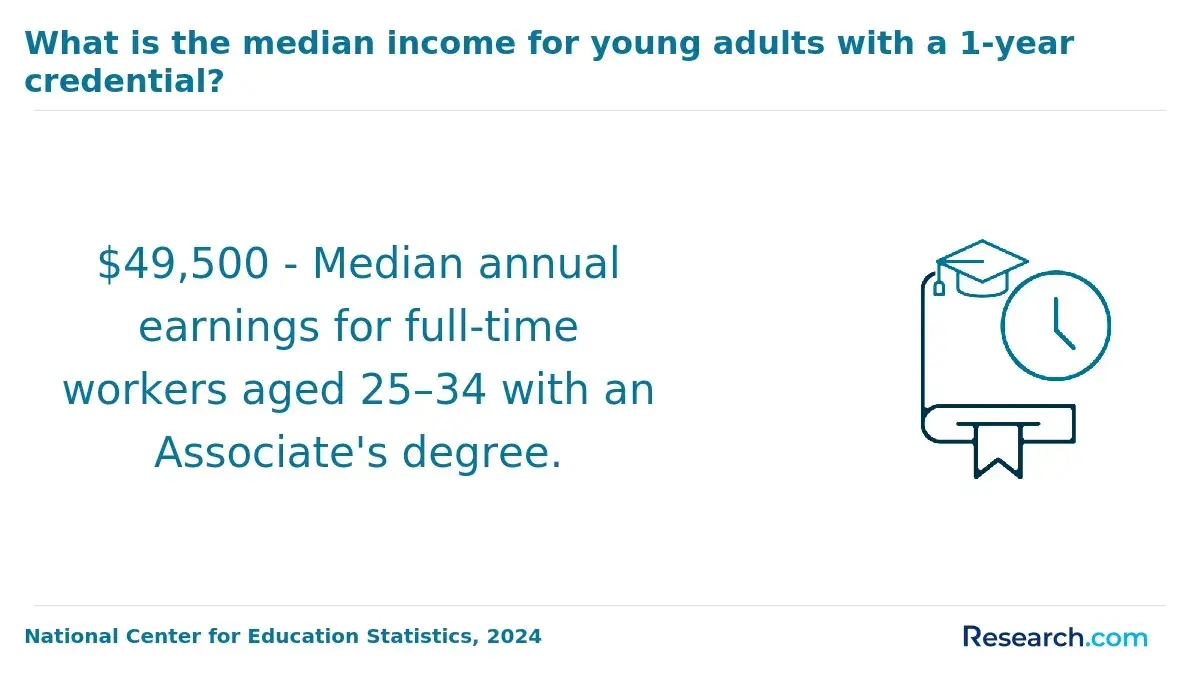
Completing an online organizational communication degree can boost your salary, but outcomes depend on several key factors. Industries like marketing, public relations, and digital media typically offer starting salaries ranging from $45,000 to $80,000, with higher pay linked to leadership or specialized roles. The level of your degree also impacts earnings; advanced qualifications and certifications often lead to increased compensation.
Employer attitudes toward online degrees have grown more positive, especially when combined with relevant work experience. Gaining practical skills through full-time employment while studying further enhances prospects for faster promotions and salary growth compared to those without such experience.
Balancing full-time work with an online degree provides valuable advantages. Students can immediately apply new knowledge in the workplace, increasing their value to employers. This often results in improved job security, eligibility for advancements, and stronger leverage when negotiating raises.
However, salary improvements vary depending on industry, company policies, and broader economic factors. Some sectors and organizations reward the combination of degree completion and work experience more heavily, while others maintain fixed salary structures regardless of educational achievements.
What Should Full-Time Workers Look for When Choosing an Online Organizational Communication Program?
Balancing a full-time job with online study demands a program that fits seamlessly into a busy schedule. Selecting a program with the right flexibility and support can greatly influence a working adult's ability to progress and graduate efficiently. Consider these essential factors when choosing an online organizational communication program:
- Flexible Course Format: Programs offering asynchronous classes or multiple start dates provide the freedom to study at convenient times. This adaptability is vital for professionals managing work commitments alongside coursework.
- Program Length and Structure: Look for options that accommodate part-time enrollment or accelerated paths. Shorter programs or certificate options with fewer credits can help students maintain balance without sacrificing progress.
- Support Services: Access to academic advising, career counseling, and technical assistance tailored to online learners can ease the challenges of juggling work and study. These resources offer valuable guidance and problem-solving support.
- Admission and Graduation Requirements: Realistic entry and completion standards that recognize professional experience or recent academic records can make enrollment and finishing the degree more achievable for working adults.
- Cost and Financial Aid: Transparent tuition details and availability of scholarships or employer aid are crucial. Planning for expenses upfront helps prevent financial strain during the program.
What Graduates Say About Completing an Online Organizational Communication Degree While Working Full-Time
- Samuel: "Pursuing my online organizational communication degree while working full time was a disciplined journey that cultivated my time management skills. The curriculum's relevance to real-world scenarios boosted my confidence professionally and opened doors to leadership roles. Despite concerns about expenses, the overall affordability compared to traditional programs made it a smart decision. "
- Emiliano: "Enrolling as a full-time professional, I appreciated how the online organizational communication program accommodated my hectic schedule without compromising quality. It gave me new insights into workplace dynamics that I reflect on daily, enhancing both my career and personal growth. The cost was a factor, yet the valuable skill set I gained justified every cent. "
- Shane: "Balancing a full-time job with an online organizational communication degree was challenging, but the flexible pace allowed me to manage both effectively. The program's practical approach helped me apply communication strategies directly at work, making a noticeable impact on my team's collaboration. Considering the average cost was reasonable, it felt like a worthy investment in my future. "
Other Things You Should Know About Organizational Communication Degrees
Balancing full-time work with online organizational communication studies can affect the depth of engagement with course material. Students may have less time for participation in discussions, group projects, or extensive research, which are important in communication programs. However, disciplined scheduling and leveraging recorded lectures can help maintain academic quality despite time constraints.
Full-time workers can manage time effectively by setting a fixed study schedule, prioritizing tasks, and using productivity tools. Breaking coursework into smaller tasks and taking advantage of flexible deadlines can help balance work and study.
Yes, many online organizational communication degree programs in 2027 are designed with flexible scheduling and asynchronous coursework, allowing full-time workers to balance their job commitments with their studies effectively.
References
- B.A. in Communication Studies – Organizational Communication https://www.regent.edu/program/ba-in-communication-studies-organizational-communication/
- The Benefits of Asynchronous Online Learning for Your Team https://online.hbs.edu/blog/post/asynchronous-online-learning
- All Online Master’s in Communication Programs (2025 Update) https://www.mastersincommunications.com/online-programs
- Online Graduate Certificate in Professional Workplace Communication https://online.ku.edu/graduate-programs/online-graduate-certificate-professional-workplace-communication
- Chapter 1: Remote Work: New Normal Communication Challenges https://www.europeanproceedings.com/article/10.15405/epsbs.2021.06.02.1
- The evaluation of synchronous and asynchronous online learning: student experience, learning outcomes, and cognitive load https://pmc.ncbi.nlm.nih.gov/articles/PMC10960437/
- Synchronous vs Asynchronous | University of Bridgeport https://www.bridgeport.edu/news/synchronous-vs-asynchronous/
- Benefits of an Online Master’s in Organizational Leadership for Working Professionals https://www.ucumberlands.edu/blog/benefits-online-masters-organizational-leadership-working-professionals
- Firsthand Advice for Taking Online Classes While Working Full Time https://www.umassglobal.edu/blog-news/advice-for-taking-online-classes-while-working-full-time
- Online BS in Professional Communication Studies | Pace https://online.pace.edu/undergraduate-programs/bs-professional-communication-studies/


