
2027 Different Types of Dental Assistant Degrees and Their Salaries

Co-Founder and Chief Data Scientist
As the demand for skilled dental assistants continues to rise nationwide, selecting the right educational pathway has become crucial for those seeking a rewarding career in this expanding field. Employment of dental assistants is projected to grow significantly faster than the average for all occupations, reflecting increasing needs in dental care services. Understanding the variety of degree options and the salary outcomes associated with each can empower prospective students to make informed decisions that align with their professional goals and financial expectations.
This article provides a clear overview of the different types of dental assistant degrees and the earnings potential graduates can anticipate, helping readers navigate their educational and career planning with confidence and clarity.
Key Points About Different Types of Dental Assistant Degrees and Their Salaries
- Individuals with an associate degree in dental assisting often have access to more specialized roles and certifications, which can lead to a median annual salary of around $45,000, compared to those with only a diploma or certificate who typically earn less.
- Earning a bachelor's degree in dental health or a related field may open opportunities in dental office management, education, or public health, potentially increasing salaries to an average of $55,000 or higher, reflecting expanded career options beyond clinical assisting.
- Master's degrees in dental assisting or dental hygiene are rare but can significantly enhance long-term career growth by preparing graduates for leadership, research, or advanced clinical roles, which often correlate with salaries exceeding $70,000 annually in specialized or academic settings.
What Are the Different Types of Dental Assistant Degrees Available?
Understanding the different types and levels of dental assistant degrees is crucial for prospective students because each pathway aligns with distinct career goals and educational backgrounds. Choosing the right program ensures that students acquire the appropriate skills and credentials needed for their desired role within the dental assisting field.
Here is an overview of the main types of dental assistant degrees and what makes each unique, helping you to identify which option best fits your ambitions and qualifications.
- Dental Assisting Certificate: This program emphasizes foundational dental assisting skills, including hands-on clinical training, patient care, and essential support tasks performed in a dental office. Coursework typically includes basic chairside techniques, sterilization procedures, and dental office administration.
- Dental Assistant Associate Degree: Offering a more comprehensive curriculum, this degree covers dental sciences, advanced clinical techniques, and general education courses. Students deepen their knowledge in areas like dental anatomy, radiology, and functions relevant to dental assisting.
- Certified Dental Assistant (CDA): Awarded after passing a national certification exam by the Dental Assisting National Board, this credential affirms standardized competency and professionalism. The program and exam focus on infection control, radiography, and general chairside assisting skills.
- Registered Dental Assistant (RDA): This credential is state-dependent and requires additional coursework alongside passing a state exam. It often includes training in expanded duties such as coronal polishing and temporary restorations, varying by state regulations.
- National Entry Level Dental Assistant (NELDA) Certification: Designed for those new to the profession, this certification confirms foundational knowledge and basic clinical skills. The coursework emphasizes introductory dental concepts, safety protocols, and essential patient care.
With dental assisting being a rapidly expanding field, earning a recognized credential can influence salary prospects, with certified assistants typically earning higher wages. For those interested in a 6 month online course with high salary, exploring these degree options is a critical first step toward a rewarding career.
What Specializations Are Available in Dental Assistant Degrees?
Specialization is a key factor when choosing a dental assistant degree because it enables students to develop targeted skills that directly relate to specific dental fields, increasing both competence and confidence. Focusing on a particular area helps align education with individual career goals and enhances opportunities for advancement within the profession.
Below are some of the common dental assistant specializations students might consider, each offering unique skills and career paths:
- Pediatric Dental Assistant: Focuses on providing care for infants, children, and adolescents, emphasizing child communication and behavior management. Graduates usually work in pediatric dental clinics where they support family education and help manage young patients during procedures.
- Orthodontic Dental Assistant: Supports orthodontists with braces placement and adjustments, requiring manual dexterity and patient education skills. Careers typically develop in orthodontic-only or multi-specialty dental offices.
- Endodontic Dental Assistant: Assists with root canal treatments and procedures involving the tooth pulp. This specialization demands attention to detail, strong organizational skills, and the ability to perform well under pressure, usually in endodontic specialty practices.
- Periodontal Dental Assistant: Works alongside periodontists treating gum disease, focusing on patient education and helping with both surgical and preventive gum treatments. These assistants often find roles in periodontal clinics or surgical centers.
- Oral and Maxillofacial Surgery Assistant: Supports complex facial and dental surgeries, requiring exceptional organizational skills, stress management, and specialized certifications. Employment is commonly found in oral surgery centers or hospital dental departments.
- Prosthodontic Dental Assistant: Specializes in assisting prosthodontists who restore and replace teeth using dentures, crowns, and bridges. Key skills include precision, technical knowledge, and patient instruction, with careers often in specialty clinics or prosthodontic laboratories.
For students aiming to explore well-rounded options, choosing a specialization that aligns with personal interests and strengths can be enhanced by researching programs among open admission colleges, which often offer flexible pathways to certification and advanced skills training.
How Long Does It Take to Complete Each Type of Dental Assistant Degree?
Understanding the duration of dental assistant programs is crucial for students as it helps them plan their education and career timelines effectively. Knowing how long each program typically takes ensures that students can align their personal and professional goals accordingly.
The following list outlines the main dental assistant degree types and their usual completion times.
- Certificate or Diploma in Dental Assistant: This program typically takes about 9 to 12 months to complete. It is designed for those seeking quick entry into the workforce, and some schools offer accelerated options or part-time schedules. Online and hybrid formats may also be available, providing flexibility for students balancing other commitments.
- Associate Degree in Dental Assistant: Usually requiring two years of full-time study, this degree provides a more comprehensive education, including general education courses. The timeline may extend for part-time students or be shortened if transfer credits are applied. Some community colleges offer accelerated tracks or online classes to cater to diverse student needs.
- Bachelor's Degree in Dental Assistant: Less common but available at some institutions, this degree generally takes four years of full-time study. It often involves advanced coursework in dental sciences and management, suitable for those pursuing leadership roles. Flexible scheduling and online courses can sometimes reduce the time commitment for working students.
Are There Accelerated Dental Assistant Degree Programs?
Yes, accelerated dental assistant degree and certificate programs are available across the United States and are designed to significantly shorten the time required to enter the dental assisting field. These programs often condense coursework into intensive, short-term sessions while combining hands-on clinical training with flexible formats such as hybrid or online learning.
Many run year-round and offer multiple start dates annually, eliminating long waits for semester-based enrollment. Some programs last as little as 8 to 12 weeks, while others extend up to several months, depending on the institution and format. Additionally, a few programs may accept transfer credits, although this is less common in accelerated certificate formats.
This streamlined approach allows students to complete training and begin their careers faster than traditional one- or two-year programs.
Prospective students should be aware that the accelerated pace involves a demanding workload with many hours dedicated weekly to study and clinical practice. Eligibility requirements typically include a high school diploma or equivalent, and students must be prepared for the fast-moving nature of the curriculum.
Completing an accredited accelerated program can qualify graduates to sit for the Registered Dental Assistant (RDA) certification exam, which often improves employment and salary prospects. Median annual salaries for dental assistants in the U.S. are around $44,820 as of 2023, but those graduating from formal programs tend to have better job opportunities compared to on-the-job trainees.
When I spoke with a graduate of an accelerated dental assistant degree program, he described a journey filled with both excitement and intense challenge. "The program moved quickly-there was no time to fall behind," he recalled, "I had to balance full-time study with clinical hours almost every day."
He emphasized the importance of staying organized and motivated as the workload was compressed into a few months. Despite the pressure, he valued the blend of online theory and practical training, which enabled him to learn at his own pace without losing the essential hands-on experience. Looking back, he said, "It was tough, but finishing early helped me start working and earning sooner than I expected, which made all the effort worthwhile."
This reflects how accelerated programs, while demanding, can effectively prepare students for a dental assisting career in a fraction of the traditional time.
Are Online Dental Assistant Degrees as Credible as Traditional Ones?
Online dental assistant degree programs offer flexibility and accelerated timelines, typically allowing students to complete their studies in six to twelve months versus up to two years for traditional associate degrees. Both online and traditional programs maintain academic standards through accredited curricula that prepare students for national certification exams, such as those by the Dental Assisting National Board (DANB).
However, fully online programs sometimes face criticism for limited direct clinical training, which is essential for mastering practical skills. To address this, hybrid models have emerged, combining online coursework with in-person lab sessions or clinical placements to ensure students gain real-world experience alongside theoretical knowledge.
Recent trends show growing employer acceptance of online degrees, especially when programs are accredited and include hands-on training opportunities. Employers tend to prioritize whether candidates have graduated from reputable schools and hold relevant certifications over the mode of education-online or traditional.
Salary data supports this view, with no significant wage differences between graduates of online or traditional dental assistant programs; the median annual wage was $44,820 in 2023 according to the U.S. Bureau of Labor Statistics. Ultimately, the credibility of a dental assistant degree relies more heavily on the institution's accreditation and reputation than on whether the program is delivered online or in person.
How Much Does Each Type of Dental Assistant Degree Typically Cost?
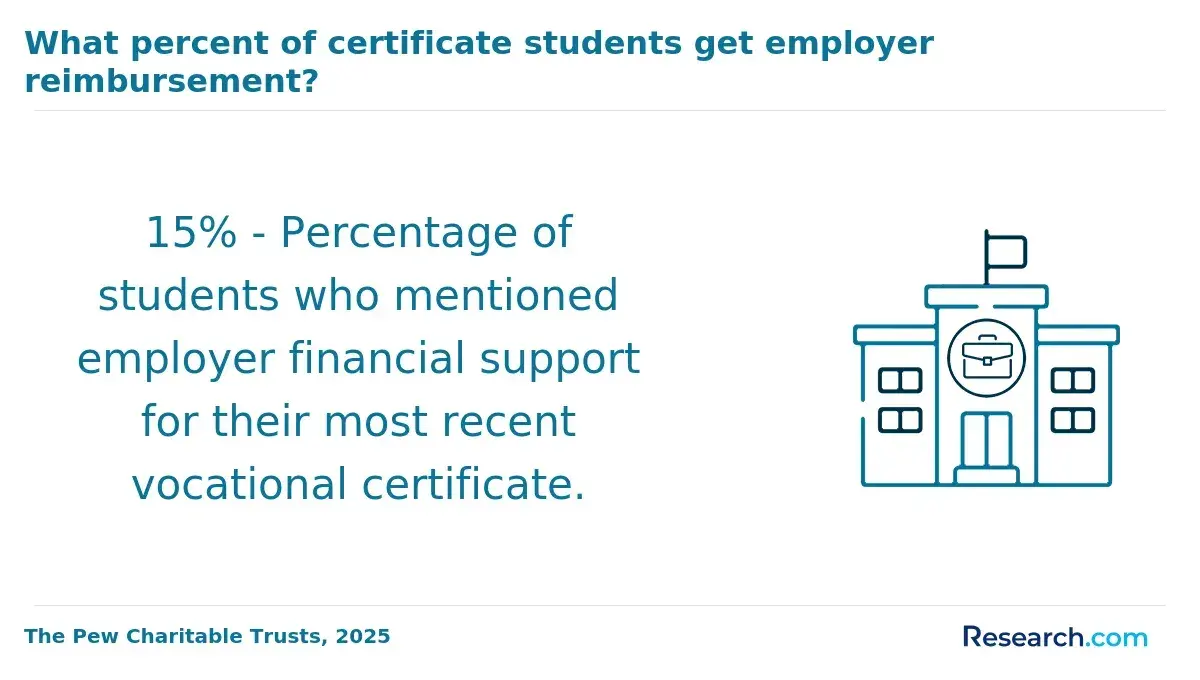
Understanding the tuition differences across dental assistant degree levels is crucial for effective budgeting and financial planning because costs can vary greatly depending on the program type and institution. Knowing these variations helps students make informed decisions about their education investment and explore appropriate financial aid options.
Here is an overview of the typical tuition ranges for various types of Dental Assistant degree programs.
- Certificate in Dental Assistant: Tuition for certificate programs generally ranges from $3,000 to $15,000, with community colleges offering lower rates compared to private vocational schools. These programs usually take 9 to 12 months and include fees for tuition, labs, textbooks, and clinical supplies. Students often qualify for federal aid, state grants, and scholarships from local workforce agencies.
- Associate Degree in Dental Assistant: Usually priced between $6,000 and $30,000, associate degrees tend to be less costly at public institutions and more expensive at private colleges, with some programs nearing $40,000. This two-year degree provides a more comprehensive education and access to better job opportunities. Financial aid options include Pell Grants, state scholarships, and work-study programs.
- Diploma or Technical School Dental Assistant Programs: Costing between $5,000 and $22,000, technical school programs often have shorter, focused curricula, resulting in lower tuition than traditional colleges. Tuition varies depending on program length, location, and delivery method (online or on-campus). Students can apply for institutional scholarships and government subsidies, and hybrid programs may help reduce costs further.
- Advanced Certifications (CDA, NELDA, CPFDA): Certification exams typically cost several hundred dollars, such as $450 for the Certified Dental Assistant (CDA), with additional annual renewal fees. Employers may reimburse these expenses, and many professional organizations offer scholarships to aspiring candidates seeking certification.
After speaking with a graduate of a Dental Assistant degree program, I learned that managing the cost was initially daunting but became more manageable through careful planning and scholarship applications. She shared that although she chose a mid-tier community college certificate program, she supplemented tuition with a mix of federal aid and a local workforce grant, which eased the financial burden.
The graduate reflected, "It wasn't just about finding the cheapest option; it was about balancing quality education with affordability." Her experience confirmed that exploring all available funding sources can significantly impact overall costs and ultimately opened doors to better job roles and career advancement after completion.
What Jobs Can You Get with Each Type of Dental Assistant Degree?
The level of a dental assistant degree directly impacts the variety of jobs available, the scope of responsibilities, and potential earnings for graduates. Higher credentials often lead to advanced clinical roles or supervisory and administrative positions.
Below is an overview of common jobs connected with each dental assistant degree type to help students understand their career options.
- Certificate or Diploma in Dental Assisting: Graduates qualify for entry-level roles in general dentistry, orthodontic, pediatric, and oral surgery clinics. Typical duties include chairside assistance, sterilization, taking X-rays, and patient education, with median salaries around $44,820 annually as reported in 2023.
- Associate Degree in Dental Assisting: Often spanning two years, this degree prepares students for more advanced tasks, such as restorative procedures or expanded clinical functions depending on state laws. Jobs include registered dental assistant (RDA) or expanded function dental assistant (EFDA) in specialty practices, community clinics, and dental office management. Those curious about how much does it cost to get an associate's degree online can explore options that lead to these expanded roles.
- Advanced Certifications: Specialized certificates like Certified Orthodontic Assistant (COA) or Oral and Maxillofacial Surgery Assistant (OMSA) enable assistants to work in orthodontics, restorative, or surgical practices. These credentials often allow for assisting in complex procedures or supervisory duties, boosting both job opportunities and salary potential.
- Bachelor's Degree or Higher in a Related Dental Field: Though rare among dental assistants, a bachelor's degree opens doors to non-clinical careers such as dental office manager, educator, sales representative, or community health coordinator. These roles usually involve training, management, or public health work, with salaries varying widely based on responsibilities and workplaces.
How Do Salaries Differ by Dental Assistant Degree Type?
Degree level often influences earning potential for those pursuing a career as a dental assistant, with additional education and certifications providing opportunities for higher salaries and advancement. Understanding how salaries differ by degree type can help students make informed choices about their education and long-term career trajectory.
The following list outlines typical salary ranges and key factors for each major dental assistant degree or credential, which can also help when exploring affordable online schools that accept FAFSA.
- Certificate or Diploma in Dental Assisting: Entry-level dental assistants with a certificate or diploma typically earn starting salaries between $16 and $20 per hour, or approximately $35,000-$42,000 per year. Pay varies based on location, local demand, and job responsibilities. In many states, this credential is sufficient to enter the field, although long-term salary growth may be limited without further education.
- Associate Degree in Dental Assisting: Those holding an associate degree often start with salaries in the $18-$22 per hour range, equating to about $38,000-$46,000 annually. This degree is seen as a stronger foundation by employers and can lead to better pay or specialty work. However, the salary increase compared to certificates is moderate unless combined with certification or advanced training.
- Certified Dental Assistant (CDA) Credential: Earning certification, such as the CD,A can significantly boost earnings, with certified assistants making a median wage of $26 per hour compared to $22.50 for non-certified peers, representing about a 15% increase. Certification also broadens job options and may lead to supervisory roles.
- Expanded Function Dental Assistant (EFDA/EDDA): With expanded function training, dental assistants can earn between $40,500 and $51,500 annually, depending on region and specialization. For example, in Georgia, expanded duty assistants earn roughly $5,000 more annually than general assistants, reflecting the added skills and responsibilities.
Is There High Demand for Dental Assistant Degree Holders in the Job Market?
The demand for dental assistant degree holders in the U.S. job market is both strong and growing, driven by several critical factors. An aging population requires increased dental care, and public awareness of oral health continues to rise, creating a consistent need for qualified professionals.
Additionally, the profession offers a relatively quick educational path, often achievable in less than a year, which allows students to enter the workforce rapidly. Emerging technologies have also reshaped the dental assistant's role, requiring proficiency in managing digital records, operating advanced diagnostic tools like digital X-rays, and assisting with 3D imaging systems.
These technological skills enhance job prospects and often translate into higher salaries for those completing accredited programs and certification through bodies such as the Dental Assisting National Board (DANB).
Regional variations further influence demand, with urban centers like New York, Los Angeles, and parts of Florida showing especially high need for dental assistants. Meanwhile, smaller communities continue to depend heavily on dental assistants for efficient patient care. Salaries for certified dental assistants typically range between $45,000 and $65,000 annually, with experienced professionals in specialized practices sometimes earning above $65,000.
For students looking to advance their education affordably while preparing for these opportunities, programs that focus on a low cost bachelor degree online may provide a valuable foundation. Overall, those entering the field in 2025 and beyond can expect a positive outlook, with expanding roles, job stability, and growing salary potential marking dental assisting as a future-proof career path.
What Factors Should You Consider When Picking a Type of Dental Assistant Degree?
Choosing the right degree level for dental assistant studies is a critical decision that directly impacts your career path and personal circumstances. Aligning your education with your professional goals and lifestyle will help ensure long-term success and satisfaction.
To make an informed choice, consider these key factors:
- Career Goals: The type of dental assistant degree you pursue shapes your job prospects. Certificate programs prepare you for entry-level roles, while associate degrees can open doors to specialized positions, advanced certifications, and higher salaries.
- Time Commitment: Certificate programs typically last 9-12 months, whereas associate degrees require about two years. Think about how much time you can devote to schooling and how quickly you want to start working.
- Accreditation: Select programs accredited by recognized bodies like the Commission on Dental Accreditation. Accreditation ensures quality education, eligibility for certification exams, and access to financial aid.
- Salary Potential: Dental assistants with associate degrees or advanced certifications often earn more than those with just a certificate. Research salary ranges for the degree level to understand your earning potential.
- Clinical Experience: Hands-on training such as externships is vital for developing practical skills. Programs with substantial clinical components better prepare you for real-world dental assisting roles.
- Personal Circumstances: Consider factors like program location, format (online, in-person, or hybrid), and cost. Think about your lifestyle, responsibilities, and budget to find the best fit.
What Dental Assistant Graduates Say About Their Degree and Salary
- Jocelyn: "Completing my certificate in dental assisting was a game-changer. The hands-on training equipped me with real-world skills that made entering the workforce seamless and boosted my confidence immensely. I love that I could start helping patients almost immediately while continuing to grow professionally. The program's focus on practical experience really prepared me for the challenges in a busy dental office, and I'm proud to contribute to patient care every day."
- Jamal: "After earning my associate degree in dental assisting, I noticed a significant shift not only in my professional opportunities but also in my personal growth. The comprehensive curriculum deepened my understanding of dental science and gave me a foundation to pursue specialized certifications. What I appreciate most is how my role has expanded beyond assisting to educating patients and promoting community oral health. It's incredibly rewarding to see the positive impact I have on people's lives through my work."
- Gwen: "Obtaining my bachelor's degree in dental assisting opened doors I never imagined. The advanced coursework and research components challenged me intellectually and sharpened my problem-solving skills. Professionally, this degree positioned me for leadership tracks and collaborations within dental healthcare teams. Reflecting on my journey, I'm grateful for the opportunities to mentor others and advocate for better access to dental care in underserved communities. It has been a fulfilling path of continual growth and contribution."
Other Things You Should Know About Dental Assistant Degree Programs & Salaries
Certifications like the Certified Dental Assistant (CDA) and Expanded Functions Dental Assistant (EFDA) can significantly boost a dental assistant's salary in 2027. These credentials demonstrate advanced skills and increase employability, often leading to higher pay.
In 2027, certifications such as the Certified Dental Assistant (CDA) from the Dental Assisting National Board (DANB) or Expanded Functions Dental Assistant (EFDA) credentials can significantly boost a dental assistant's salary. These certifications demonstrate specialized skills and expertise, making dental assistants more valuable to employers and potentially leading to higher pay.
References
- Dental Assisting Program Costs - Midwest Technical Institute https://www.midwesttech.edu/resources/dental-assisting-program-costs/
- 8 High-Paying Dental Assistant Specialties: Complete 2025 Career Guide + Salary Data https://www.metaintro.com/blog/dental-assistant-specialties-career-guide-2025
- What to Look for in a Dental Assistant School https://www.lincolntech.edu/news/health-sciences/dental-assistant/what-look-dental-assistant-school
- Dental Assistant Schooling & Certification Costs https://www.diamondbraces.com/blogs/careers/education-schooling-and-certification-costs-for-dental-assistants
- Selecting a Dental Assisting School | DANB https://www.danb.org/career-center/selecting-a-dental-assisting-school
- Why 2025 is a Game-Changer for Aspiring Dental Assistants https://www.assisting101.com/why-2025-is-a-game-changer-for-aspiring-dental-assistants-2/
- Dental Assistant Certified Salary in Poland (2025) - ERI SalaryExpert https://www.salaryexpert.com/salary/job/dental-assistant-certified/poland
- Online VS Traditional Dental Assisting Schools Pros & Cons - GDAP https://gdap.net/online-vs-traditional-dental-assisting-schools-pros-cons/
- Picking the right Dental Assistant Program https://www.dorsey.edu/blog/picking-the-right-dental-assistant-program/


