
2027 Part-Time vs. Full-Time Behavioral Health Degree Programs

Co-Founder and Chief Data Scientist
Choosing between part-time and full-time behavioral health degree programs often challenges students balancing work, finances, and academic goals. Nearly 40% of behavioral health students opt for flexible learning formats to manage competing responsibilities. This growing trend reflects the need for adaptable schedules that allow students to maintain employment while advancing their education.
This article explores the key differences between part-time and full-time behavioral health study options. Understanding factors like time commitment, workload, and potential career impacts can help prospective students make informed decisions aligned with their individual circumstances and professional aspirations.
Key Benefits of Part-Time vs. Full-Time Behavioral Health Degree Programs
- Part-time programs allow students to maintain employment, supporting steady income and reducing financial stress during their behavioral health studies.
- Flexible scheduling in part-time programs fosters better work-life balance, helping students manage academic and personal responsibilities effectively.
- Extended duration in part-time study facilitates deeper skill integration and networking, enhancing long-term career development in behavioral health professions.
How Are Part-Time Behavioral Health Programs Structured Compared to Full-Time Programs?
Choosing between part-time versus full-time behavioral health degree structure is vital for prospective students, as scheduling differences significantly influence learning pace and the overall academic experience. Understanding these distinctions helps students select the format that aligns best with their personal and professional lives.
Part-Time Program
- Course Load: Students typically enroll in one to two classes per semester, reducing weekly academic pressure.
- Weekly Time Commitment: Coursework demands about 10 to 15 hours per week, allowing more balance with other responsibilities.
- Scheduling Flexibility: Evening, weekend, and fully online classes are common to accommodate varied schedules.
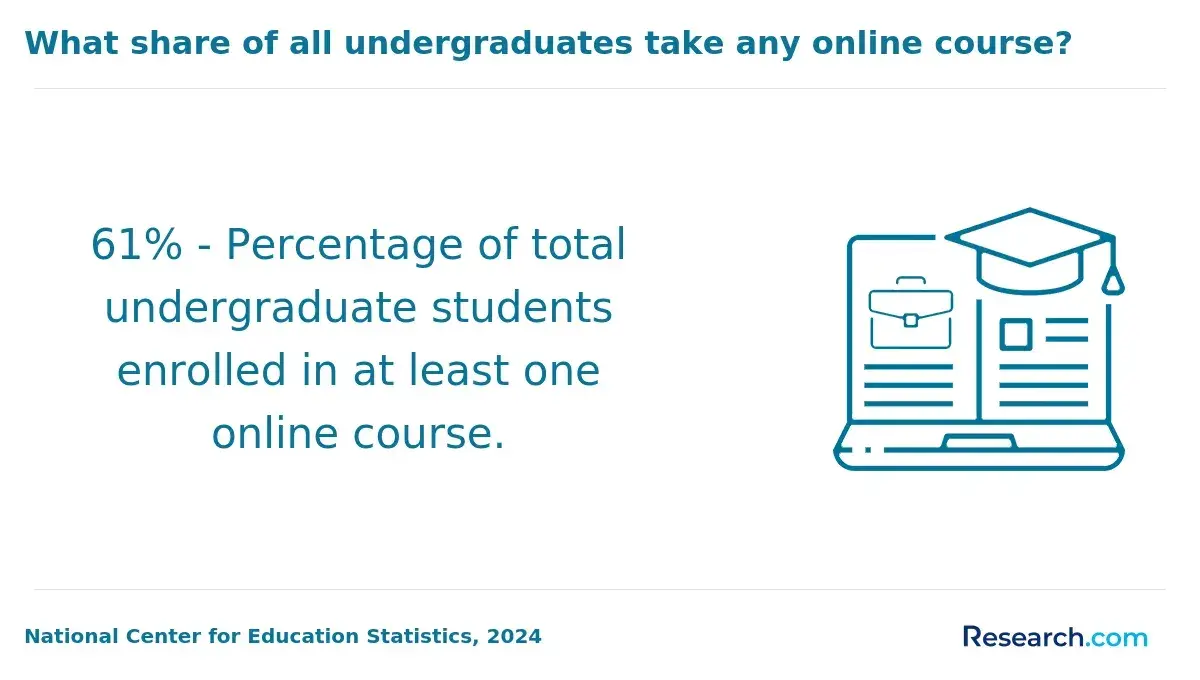
- Online Availability: Nearly 60% of part-time behavioral health students take some or all courses online, enhancing accessibility.
Full-Time Program
- Course Load: Enrolling in three to five courses each semester creates a more intensive academic focus.
- Weekly Time Commitment: Students dedicate approximately 30 to 40 hours weekly to lectures, assignments, and study.
- Scheduling Flexibility: Programs often follow traditional daytime weekday schedules with limited hybrid options.
- Online Availability: About 25% of full-time students take at least some courses online, typically experiencing a more structured campus environment.
Considering differences in behavioral health program formats is crucial, especially for working professionals balancing education and career goals. For those exploring options to enhance their qualifications while working, pursuing certificate jobs that pay well may offer a complementary pathway alongside these degree structures.
How Long Does It Take to Earn a Part-Time vs Full-Time Behavioral Health Degree?
Understanding the time required to complete a behavioral health degree is crucial for planning academic and career goals effectively. The duration varies based on whether a student enrolls full-time or part-time, impacting how soon they can enter the workforce or advance professionally.
Typical completion times for behavioral health degrees depend heavily on the chosen study format and individual circumstances. For students considering the time to complete a part-time behavioral health degree, programs often extend beyond standard durations due to lighter course loads and scheduling flexibility.
- Full-time bachelor's: Typically takes about four years with 12 to 15 credits per semester, allowing for steady progress toward graduation.
- Part-time bachelor's: Often requires six or more years as students balance other commitments, stretching the academic timeline.
- Full-time master's: Usually completed in two years, assuming consistent course enrollment and clinical requirements.
- Part-time master's: Can take three to four years depending on course availability and flexibility.
- Accelerated options: Some programs offer accelerated tracks, reducing degree completion time to three years for full-time students.
- Transfer credits: Can shorten degree length by up to a year when accepted, according to the National Center for Education Statistics (NCES).
Students examining duration of full-time behavioral health programs or part-time options should also consider curriculum intensity and practicum demands. For those interested in exploring alternatives, an easy bachelor's degree might fit certain educational goals and scheduling needs.
Are Admission Requirements Different for Part-Time vs Full-Time Behavioral Health Programs?
Are admission requirements different for part-time vs. full-time behavioral health programs? Generally, the two formats share many common criteria but have distinct differences shaped by student needs and program goals. These variations can help prospective students decide which path aligns better with their circumstances and professional objectives.
- GPA Requirements: Full-time behavioral health program entry criteria often demand a minimum GPA around 3.0 on a 4.0 scale, reflecting the rigor of a concentrated study schedule. Part-time programs maintain similar GPA standards but may offer some flexibility for working students balancing multiple commitments.
- Prerequisite Coursework: Both part-time and full-time applicants usually need foundational courses in psychology, sociology, or health sciences. Part-time students, who are often professionals, might receive credit for relevant prior coursework or work experience, though policies vary by institution.
- Professional Experience: Full-time programs tend to emphasize academic preparedness and may not require extensive work experience. Conversely, part-time behavioral health programs frequently prefer or require applicants to have associated professional experience, leveraging real-world practice alongside academic learning.
- Standardized Tests: The requirement for GRE or similar standardized tests is diminishing, particularly within part-time program admissions. While some full-time programs still request these scores, many have adopted test-optional policies to increase accessibility.
- Supporting Documents: Letters of recommendation and personal statements are standard submissions for both formats. Essays for part-time applicants often focus more on professional goals and managing study alongside work responsibilities.
Those exploring the most lucrative bachelor degrees can benefit from understanding how these admission parameters influence their program choice, helping them tailor applications effectively. For further insight into top educational opportunities, see most lucrative bachelor degrees.
How Do Tuition Fees Differ for Part-Time vs Full-Time Behavioral Health Programs?
Tuition fees for part-time and full-time behavioral health programs mainly differ in payment timing rather than the total amount. Most institutions charge a per-credit rate that stays consistent whether students enroll full- or part-time, typically between $300 and $600 per credit. However, full-time students usually pay a lump sum each semester covering more credits, sometimes benefiting from flat fees or slight discounts while part-time learners distribute costs over more semesters, potentially increasing extra expenses.
- Per-credit Tuition: Rates generally remain steady across part-time and full-time students, ranging from $300 to $600 per credit, making per credit cost predictable regardless of enrollment status.
- Overall Cost Distribution: Full-time learners pay larger amounts per semester, often with bundled fees, while part-time students incur costs over extended periods, which can accumulate additional repeated registration and service fees.
- Financial Aid: Federal aid programs tend to favor full-time enrollment, offering more grants and subsidized loans; part-time students may face reduced aid eligibility, leading to higher out-of-pocket expenses.
- Auxiliary Fees: Increased semesters for part-time study may add cumulative fees for technology, registration, and student services that full-time students experience less frequently.
- Enrollment Intensity Impact: The pace of credit accumulation influences total spending timelines and budget planning, with full-time study compressing costs and part-time extending financial obligations.
After discussing tuition differences, I spoke with a graduate of a part-time behavioral health program who reflected on her experience. She explained that while spreading payments eased immediate financial strain, the prolonged timeline meant juggling repeated fees and monitoring fluctuating costs was stressful. "The ongoing payments sometimes felt like a juggling act with my other expenses," she shared. Yet, she appreciated the flexibility part-time enrollment offered, allowing her to work and study simultaneously. She also mentioned that applying for scholarships targeted at part-time students helped mitigate expenses, noting, "It wasn't always straightforward, but securing some aid made the extended timeline manageable." Overall, her perspective highlighted how tuition differences influence both financial planning and emotional resilience during a part-time behavioral health degree journey.
Which Behavioral Health Degree Program Format Offers More Online or Hybrid Course Options?
Part-time behavioral health degree programs generally offer more online and hybrid course options than full-time programs. This difference reflects how institutions design programs to meet diverse student needs. Below is an overview of how each format typically handles course delivery, student demographics, and institutional policies.
- Program Design: Part-time programs prioritize flexibility with asynchronous online classes, virtual discussions, and occasional in-person sessions. Full-time tracks focus more on in-person instruction and campus immersion, appealing to recent graduates seeking a traditional experience.
- Institutional Policies: Universities often allocate more online and hybrid sections to part-time students. Full-time programs include hybrid courses but to a lesser extent, emphasizing face-to-face learning environments.
- Student Demographics: Part-time students tend to be older and employed, requiring adaptable schedules and remote learning options. Full-time students are usually younger and attend primarily on campus.
- University Adaptations: Course formats in part-time programs are tailored to balance education with work commitments, utilizing more digital platforms. Full-time formats maintain structured, on-campus routines to support immersive studies.
Can Behavioral Health Students Switch Between Part-Time and Full-Time Enrollment?
Most behavioral health programs permit students to switch between part-time and full-time enrollment, governed by institutional policies requiring formal requests and advisor approval. Typically, students need to maintain good academic standing to qualify for a status change. Before switching, students should weigh important factors such as potential shifts in financial aid eligibility, since some funding depends on full-time credit loads. Additionally, course availability may limit options for part-time students, and changes in enrollment could influence timing to graduation and access to essential internships or clinical opportunities.
Students often face certain conditions, including the need for program coordinator consent and academic performance reviews. Financial aid can be affected, as part-time enrollment might reduce or eliminate some funding types. The availability of core courses at specific times may restrict the ability to transition smoothly, impacting study plans. These variables collectively influence whether switching enrollment status supports or delays professional and academic goals.
One graduate of a full-time behavioral health program shared that he initially enrolled part-time while working but decided to switch to full-time to accelerate his studies. He described the process as "a bit daunting" due to paperwork and coordinating with advisors but noted that solid academic standing made approval easier. Although managing a heavier course load was challenging, he appreciated the faster progress and increased access to critical clinical placements. Reflecting on the shift, he said, "Switching felt like a leap of faith, but it really paid off by opening doors that part-time study didn't."
How Do Online, Hybrid, and Campus Behavioral Health Program Delivery Formats Affect Part-time vs. full-time learning?
The choice of delivery format significantly shapes students' learning experience by affecting scheduling flexibility and support structures. Part-time and full-time students experience different benefits and challenges depending on whether they study online, hybrid, or on-campus.
- Online Flexibility: Online behavioral health programs offer great scheduling freedom, ideal for part-time learners balancing work or family. The asynchronous format allows students to progress at their own pace, although full-time students also profit from flexible access to digital resources.
- Hybrid Balance: Hybrid programs combine online coursework with campus visits, serving both part-time and full-time students. Part-time learners benefit from fewer on-campus days and reduced commuting, while full-time students gain more in-person engagement, enhancing experiential learning-important factors in online hybrid behavioral health degree options.
- Campus Immersion: On-campus programs demand fixed schedules favoring full-time enrollment. Part-time students often face challenges due to limited evening or weekend courses, though this format provides richer peer interaction and immediate faculty access, which supports full-time learners' engagement.
- Workload Management: Full-time students usually handle heavier semester workloads with direct academic support like tutoring and counseling in on-campus or hybrid formats. Part-time students in online programs juggle employment while relying on 24/7 digital resources to manage studies effectively.
- Student Support Services: Full-time students frequently receive priority for on-campus advising and mental health services vital for behavioral health studies. Part-time online students depend more on virtual support platforms, with schools enhancing digital services seeing better retention rates among these learners.
When comparing campus versus online behavioral health programs, prospective students should consider these delivery format impacts on scheduling, support, and pace. For those exploring accredited schools online that waive application fees, detailed program options can be found through trusted resources helping to match individual needs with available formats.
Do Employers Prefer Full-Time Behavioral Health Degrees Over Part-Time Degrees?
Employers often show a preference for full-time behavioral health degrees over part-time options due to several factors, including the perceived academic rigor and demonstrated commitment inherent in full-time study. Full-time programs are typically more intensive and faster-paced, fostering a concentrated focus that many employers find valuable. Additionally, full-time students may better highlight time management skills through their ability to engage deeply with coursework. However, professional experience also plays a crucial role in employer preferences for full-time behavioral health degrees, as hands-on practice often complements academic study in this field.
Industry-specific variations influence how employers view degrees, with clinical settings generally favoring full-time graduates for foundational roles. Conversely, sectors such as community services and adult education may value part-time degree holders for their concurrent work experience, which strengthens practical competencies. The job market value of part-time versus full-time behavioral health degrees reflects this nuance, as part-time students gain real-world skills while studying. In fact, employers increasingly recognize part-time degrees when supported by strong professional competencies. Those interested in accelerating their career path may also explore lucrative certificate programs that complement their degree and enhance job prospects.
Is a Part-Time or Full-Time Behavioral Health Degree More Worth It for ROI?
Return on investment (ROI) plays a vital role in deciding between part-time and full-time behavioral health degree options. It balances education expenses with expected earnings and career progression, guiding students in choosing the best financial path. Key considerations include tuition rates, program length, income lost while studying, and post-graduation salary prospects.
Full-time programs often demand higher upfront costs but finish more quickly, typically within one to two years, which limits career interruption. This rapid completion can lead to faster salary increases, sometimes around 20% higher early in the career, as students enter the workforce sooner. In contrast, part-time programs stretch over a longer timeframe, allowing students to maintain employment during their studies, which reduces immediate financial burdens but delays professional growth and salary gains.
- Full-time: Higher initial expenses with faster degree completion, resulting in quicker access to improved earnings and accelerated career advancement.
- Part-time: More manageable financial pressure during study by working concurrently, yet slower progression into higher salaries and delayed ROI realization.
How Do You Decide Between a Part-Time and Full-Time Behavioral Health Degree Program?
Selecting the right program format is essential to effectively balance academic ambitions, career plans, and personal responsibilities. The choice between part-time and full-time behavioral health studies shapes your educational experience and professional trajectory.
- Time availability: Full-time programs usually demand 12 to 15 credit hours per semester, finishing in about two years. Part-time options extend over three to six years, accommodating those with work or family commitments.
- Financial resources: Full-time study often requires higher upfront costs but allows earlier entry into the workforce. Part-time study spaces out tuition expenses but may delay income from career advancement.
- Career goals: Those seeking faster licensing or advanced roles benefit from full-time enrollment. Professionals focusing on skill improvement while employed may find part-time study more practical.
- Learning style: Intensive, focused study suits full-time students, while part-time learners gain from a steadier, paced approach to mastering material.
- Program duration: Completion time varies significantly-full-time is quicker but more demanding, whereas part-time provides extended timelines for balancing responsibilities.
- Flexibility: Part-time programs often offer scheduling adaptable to work and family life, aligning with many adult learners' needs.
What Graduates Say About Their Part-Time vs. Full-Time Behavioral Health Degree
- Arthur: "Enrolling in the full-time behavioral health degree program was a transformative experience. The comprehensive curriculum challenged me daily, and despite the average cost of attendance being substantial, I found the investment worthwhile for the career opportunities it unlocked. Now, as a practicing counselor, I truly appreciate the education's impact on my professional growth. "
- Roger: "Pursuing the part-time behavioral health degree was ideal for balancing work and studies. Although the cost was a concern, knowing the average tuition helped me budget effectively. This program deepened my understanding of mental health issues and allowed me to advance in my current job without putting my life on hold. -"
- Miles: "The structure of the full-time behavioral health degree program pushed me to excel, and the cost was a significant factor I considered before committing. Reflecting on my journey, the knowledge and skills I gained have been invaluable, leading to stronger community outreach initiatives I now lead. It's an investment that pays off beyond finances. "
Other Things You Should Know About Behavioral Health Degrees
Yes, many part-time behavioral health programs provide access to the same internship or practicum opportunities as full-time programs. However, scheduling flexibility can vary, and part-time students may need to coordinate their internships around work or personal commitments. It is important to verify with specific programs how they support off-hours or weekend placements.
Part-time students in behavioral health programs are generally eligible for federal financial aid, though eligibility requirements can differ by institution. Some scholarships or grants may require full-time enrollment, so it is advisable to check with financial aid offices about specific options for part-time learners. Employer tuition assistance programs often support part-time study as well.
In 2027, financial aid options for part-time behavioral health students are more limited compared to full-time students. Part-time students often have access to federal financial aid but may not qualify for the same range of scholarships and grants, often dependent on the credit hours taken.
In 2027, part-time behavioral health programs typically take longer to complete, often extending by 1-2 years compared to full-time programs. Full-time students usually finish in 2-4 years, while part-time students may need 3-6 years. This affects career entry timing and financial planning.
References
- Tuition - Cummings Graduate Institute for Behavioral Health Studies https://cgi.edu/tuition/
- Part-Time Psychology Degree Options: Work While You Study https://careersinpsychology.org/part-time-psychology-degree/
- Applied Behavioral Science https://educationhumanservices.seattlecentral.edu/programs/bas-applied-behavioral-science/applied-behavioral-science-bas
- How to decide between part-time vs. full-time private practice | Headway https://headway.co/resources/part-time-vs-full-time-private-practice
- Association Between College Course Delivery Model and Rates of Psychological Distress During the COVID-19 Pandemic https://pmc.ncbi.nlm.nih.gov/articles/PMC9713601/
- Full-Time vs. Part-Time MPH Programs Online | Goodwin University https://www.goodwin.edu/enews/full-time-vs-part-time-mph-programs/
- The Brown Daily Herald https://www.browndailyherald.com/article/2024/09/full-time-versus-part-time-study-which-is-right-for-you
- Behavioral Health Psychology Direct Admission | Carroll University https://www.carrollu.edu/admission/first-year/direct-admission/behavioral-health-psychology
- Master of Public Health in Social and Behavioral Health Sciences https://sph.rutgers.edu/academics/degree-programs/master-public-health-mph-degrees/master-public-health-social-and
- Pros and Cons of Online Learning | National University https://www.nu.edu/blog/weighing-the-pros-and-cons-of-online-vs-in-person-learning/


