
2027 Part-Time vs. Full-Time Criminology Degree Programs

Co-Founder and Chief Data Scientist
Many students face a difficult choice when deciding between part-time and full-time criminology degree programs, especially while managing work commitments, finances, and academic ambitions. Research shows that flexible learning options have grown by over 30% in criminology fields, reflecting increasing demand for adaptable study schedules that accommodate diverse lifestyles. Balancing these factors can feel overwhelming without clear guidance.
This article explores the key differences between part-time and full-time criminology programs, helping readers understand workload, duration, and potential career impacts. By examining these elements, students can make informed decisions on which study format aligns best with their personal and professional goals.
Key Benefits of Part-Time vs. Full-Time Criminology Degree Programs
- Part-time criminology programs allow students to balance work commitments, aiding financial stability while studying, with over 60% of part-time learners reporting improved income management.
- Extended study periods in part-time formats support deeper academic retention and practical application, enhancing long-term career readiness in law enforcement and social services.
- Flexible scheduling in part-time programs promotes better work-life balance, reducing stress and burnout common among full-time students in demanding criminology studies.
How Are Part-Time Criminology Programs Structured Compared to Full-Time Programs?
Choosing between part-time versus full-time criminology program structure is essential, as scheduling differences directly influence the learning pace and overall academic experience. Students should consider how each format fits their personal and professional responsibilities while supporting their educational goals.
Part-Time Program
- Course Load: Typically 2-3 classes per semester to reduce the weekly academic burden.
- Weekly Time Commitment: Approximately 10 to 15 hours, allowing a balance between studies and other obligations.
- Scheduling Flexibility: Classes are often scheduled in the evenings or on weekends to accommodate working students.
- Online and Hybrid Options: Increasing availability of remote lectures and assignments enables learning from any location.
Full-Time Program
- Course Load: Usually 4-5 classes per semester for faster degree progression.
- Weekly Time Commitment: Estimated 20 to 25 hours, reflecting a more intensive study pace.
- Scheduling Structure: Predominantly daytime, in-person classes with less scheduling flexibility.
- Student Engagement: More frequent interaction with faculty and peers, fostering deeper academic immersion and networking.
The differences in criminology degree formats also relate to how students manage their studies alongside external commitments. Some may prefer the part-time option for a gradual approach, while others seek the immersive full-time path to advance quickly. For professionals looking at career advancement, understanding these distinctions aligns study choices with long-term goals, including access to the highest paid certifications.
How Long Does It Take to Earn a Part-Time vs Full-Time Criminology Degree?
Understanding the typical time frames to complete a criminology degree is essential for students planning their academic and career timelines. The choice between full-time and part-time study can significantly impact how quickly a student earns their credential and enters the workforce.
Full-time criminology degree duration generally spans about four years. Students usually enroll in 12 to 18 credits per semester, allowing a steady progression without breaks, based on data from the National Center for Education Statistics. This path suits those who can dedicate consistent hours to their studies.
In contrast, the time to complete part-time criminology degree programs is often extended to six to eight years. Part-time students typically take six to nine credits each term while balancing other commitments, which slows completion but offers greater flexibility. Many institutions provide options like flexible scheduling or online classes to accommodate this pace.
- Course load: Full-time students take more credits each term, accelerating degree completion, while part-time students enroll in fewer credits to manage other responsibilities.
- Program structure: Variations like accelerated tracks or cohort models can shorten the duration for both formats.
- Transfer credits: Previous coursework can reduce required time by fulfilling certain requirements.
- Scheduling options: Summer and intersession classes enable quicker progress if students choose to attend.
For those considering alternatives, exploring short certificate programs that pay well might offer faster entry into related fields.

Are Admission Requirements Different for Part-Time vs Full-Time Criminology Programs?
Are admission requirements different for part-time vs. full-time criminology programs? Yes, while both formats share some common criteria, their expectations reflect the different student profiles they serve. Prospective students should consider how each pathway aligns with their academic background and professional commitments.
- GPA Expectations: Full-time criminology program entry criteria usually demand a minimum GPA of about 3.0 on a 4.0 scale, emphasizing academic competitiveness. In contrast, admission requirements for part-time criminology degrees may accept slightly lower GPAs, recognizing that many applicants manage work alongside study.
- Prerequisite Coursework: Both full-time and part-time applicants generally need foundational courses in social sciences or criminal justice. Full-time programs often require completed prerequisites before enrollment, whereas part-time options may permit concurrent coursework.
- Professional Experience: Experience in law enforcement, legal sectors, or social services is often more valued in part-time programs, sometimes as a substitute or complement to academic records. Full-time programs prioritize academic achievement but may consider experience to strengthen applications.
- Standardized Tests and Supporting Documents: Full-time programs may request GRE scores, recommendation letters, and personal statements to evaluate readiness. Part-time programs tend to waive standardized tests and rely more on recommendations that highlight professional competencies.
According to data from the National Center for Education Statistics, part-time criminology students benefit from more adaptable admissions processes tailored for working professionals, while full-time programs maintain stricter academic standards.
For students weighing their options, understanding these distinctions can help in choosing the best path toward a criminology degree. Those aiming for fields associated with high paying 4 year degrees should carefully assess how program admissions align with their career and educational goals.
How Do Tuition Fees Differ for Part-Time vs Full-Time Criminology Programs?
Tuition costs for criminology degrees vary significantly depending on whether students enroll full-time or part-time, affecting how they plan financially. Full-time students usually pay a flat tuition fee each semester, covering a typical credit load, while part-time students are charged per credit hour. These payment structures influence not only the timing and amount of expenses but also access to financial aid and additional fees.
- Per-credit pricing: Part-time students typically pay between $300 and $800 per credit, making fees directly proportional to their course load each semester.
- Fixed semester costs: Full-time enrollment often means a consistent tuition rate each term, encouraging students to take more credits to maximize value.
- Total program cost: Because part-time study extends the time needed to graduate, cumulative tuition may exceed full-time costs despite lower per-semester expenses.
- Financial aid availability: Full-time students generally qualify for a wider range of scholarships and grants, whereas part-time students might find fewer funding opportunities.
- Additional fees: Both formats face extra charges like technology or activity fees, but these may be higher or flat-rate for full-time enrollments.
A graduate from a part-time criminology program shared that balancing tuition payments alongside work was challenging but rewarding. She explained, "Paying per credit helped me manage expenses month to month, but I worried the longer timeline meant more costs overall."
Though financial aid was limited for her part-time status, she appreciated being able to control her schedule. Reflecting back, she said, "It wasn't easy watching tuition add up over several years, yet the flexibility made it possible to finish without quitting my job." Her experience underscores how tuition differences impact both budgeting and personal commitment in part-time studies.
Which Criminology Degree Program Format Offers More Online or Hybrid Course Options?
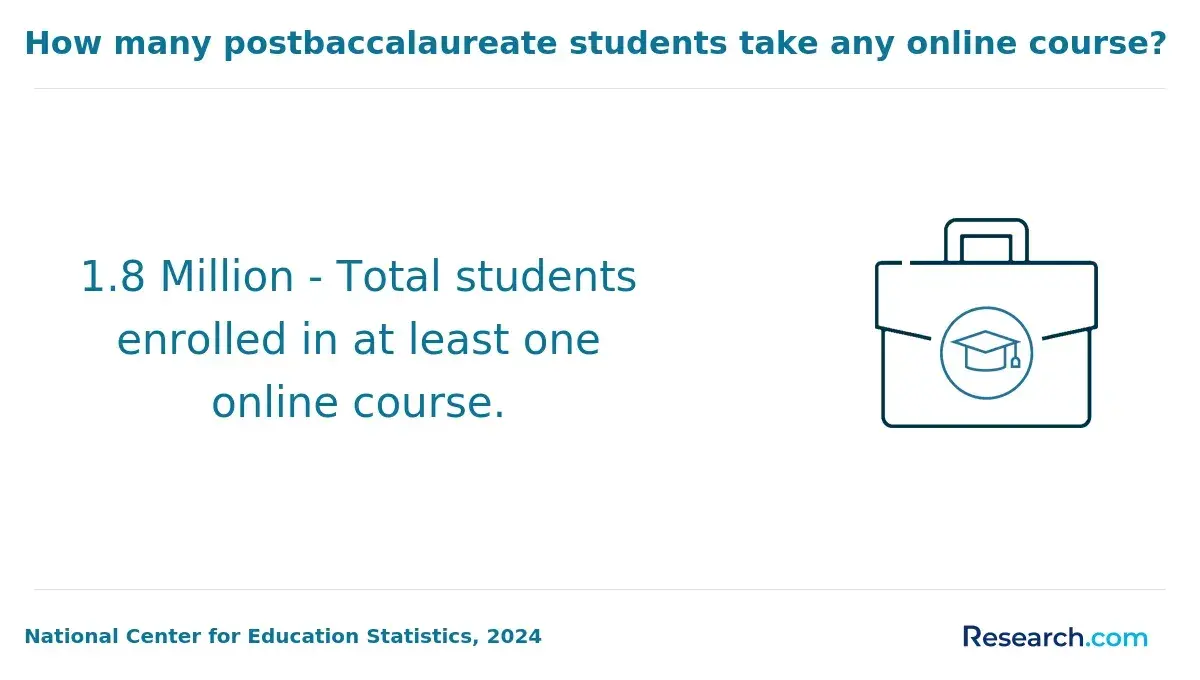
Part-time criminology degree programs generally provide more online and hybrid courses than full-time programs. This flexibility suits students who balance work or personal commitments with their studies. Below is a summary of how each format typically manages course delivery options.
- Program Structure: Part-time curricula often blend online and hybrid classes to minimize campus visits while maintaining academic standards. Full-time tracks prioritize on-campus experiences but have expanded online options since 2020.
- Institutional Policies: Universities design part-time offerings with flexibility in mind, promoting remote learning to accommodate non-traditional students. Full-time programs focus more on immersive campus engagement influenced by legacy policies.
- Student Demographics: Part-time learners tend to be older and employed, requiring adaptable schedules. Full-time students are more likely to be recent high school graduates seeking full campus immersion.
- University Adaptations: To serve working professionals, part-time programs intentionally integrate hybrid and fully online formats. Full-time programs have begun adopting some online components to meet growing demand from diverse student populations.
Can Criminology Students Switch Between Part-Time and Full-Time Enrollment?
Most criminology programs allow students to switch between part-time and full-time enrollment, but this process is usually subject to institutional policies. Students often need to formally request the change and obtain approval from academic advisors or the registrar's office.
Important considerations include the student's academic performance, course availability in the desired enrollment status, and how the switch might affect financial aid eligibility. Planning ahead is essential to align the change with educational goals and avoid disruptions.
Academic standing frequently plays a critical role, as students must meet certain criteria to qualify for an enrollment change. Financial aid programs may impose minimum credit hour limits, so altering enrollment status can impact funding.
Additionally, some classes may only be offered to full-time students or during specific terms, which can affect graduation timelines. Advisors typically review course scheduling and degree requirements before granting approval to ensure students remain on track.
A graduate who transitioned from part-time to full-time studies recounted the experience as challenging but rewarding. He described navigating approvals and adjusting his schedule while balancing work commitments as initial hurdles. He appreciated being proactive in communicating with advisors to manage the increased course load effectively.
Reflecting on the switch, he said, "Moving to full-time allowed me to immerse myself fully in my studies and graduate sooner, even though it meant a heavier workload." This decision ultimately helped him meet his career goals with greater focus and momentum.
How Do Online, Hybrid, and Campus Criminology Program Delivery Formats Affect Part-time vs. full-time learning?
Delivery format significantly influences the learning experience in criminology programs, shaping flexibility and academic demands for part-time and full-time students. Scheduling flexibility varies notably between online, hybrid, and campus formats, impacting how students balance their studies with other commitments.
- Scheduling flexibility: Online criminology degree part-time students benefit most, as online programs allow studying around work or family, while full-time students may use this flexibility mainly for internships. Hybrid formats require some fixed in-person time, offering a compromise, and campus formats are least flexible with set class times.
- Workload management: Full-time students face heavier weekly demands regardless of format. Online courses require self-discipline, especially for part-time learners going at a slower pace. Campus programs have structured schedules that support full-time students' routine learning.
- Accessibility and resources: Online criminology degree part-time learners often choose online delivery due to geographical or commuting restrictions, enhancing accessibility. Campus programs offer in-person access to libraries and labs, which benefits full-time students, while hybrid models combine both.
- Learning pace: Online programs enable part-time students to progress at their own speed, minimizing stress but potentially extending study time. Full-time campus students typically follow a strict academic calendar to graduate on time, with hybrid paces depending on program design.
- Student support services: Campus-based full-time students have direct faculty and counseling access, supporting engagement. Online part-time students rely mostly on virtual support, which is improving but may lack immediacy. Hybrid options try to blend both methods effectively.
When comparing delivery formats for criminology programs, including campus and hybrid criminology program formats, prospective students should also consider cost efficiency. For those seeking the cheapest degree online, online part-time study options may offer significant savings alongside flexible scheduling.
Do Employers Prefer Full-Time Criminology Degrees Over Part-Time Degrees?
Employers do not universally prefer full-time criminology degrees over part-time degrees; their preference often depends on several factors including the perceived academic rigor and relevant experience. Full-time programs may be regarded as more rigorous due to their immersive, continuous study environment, which allows students to focus on their academic development without outside distractions.
However, part-time degrees can equally demonstrate strong time management and dedication, traits highly valued by employers. The balance of professional experience alongside part-time study often enhances a candidate's appeal in competitive criminology fields. This balance highlights the importance of the employer preference for full-time criminology degrees being influenced by more than just mode of study alone.
Industry-specific standards also shape hiring trends, particularly in law enforcement and corrections, where practical experience frequently holds significant weight. Part-time students who engage in internships or related jobs during their studies can boost their employability by gaining real-world exposure.
Furthermore, a 2022 survey by the Bureau of Labor Statistics found that 38% of hiring managers valued relevant work experience equally or more than whether a degree was completed full-time or part-time. For those exploring flexible education options, combining criminology study with work can be advantageous. In some cases, supplementing a degree with recognized online certificates that pay well can further enhance a resume and career prospects.
Is a Part-Time or Full-Time Criminology Degree More Worth It for ROI?
Return on investment (ROI) plays a vital role when deciding between part-time and full-time criminology degrees. It compares the financial gains from earning the degree against expenses such as tuition, lost earnings, and time devoted to study. Evaluating ROI means weighing tuition fees, duration of study, income sacrificed, and future career benefits.
Full-time programs often require higher upfront costs but enable students to finish within two to four years, allowing quicker entry into the workforce and earlier salary increases. Part-time options reduce immediate financial pressure by spreading tuition over four to six years, but this delayed graduation can postpone higher earning potential.
- Total Cost: Full-time programs usually have higher upfront tuition but shorter overall duration, while part-time spreads costs over a longer period, easing immediate financial burden.
- Opportunity Cost: Part-time students can keep working and earning while studying, avoiding income loss; full-time students often sacrifice wages temporarily.
- Salary Potential: Graduates from full-time programs generally report higher starting salaries, typically $5,000 to $8,000 more annually than part-time graduates.
- Career Advancement: Faster completion of full-time studies may lead to earlier promotions and financial growth compared to the more gradual progression with part-time study.
- Long-Term Benefits: Despite greater initial investment, full-time graduates may enjoy stronger ROI due to accelerated career entry and earning potential.
How Do You Decide Between a Part-Time and Full-Time Criminology Degree Program?
Choosing between part-time and full-time criminology programs significantly impacts how well you balance education, career ambitions, and personal life. Selecting the right format helps align your studies with your overall priorities and available resources.
- Time availability: Full-time enrollment demands a daily commitment and is ideal if you can focus entirely on your studies. Part-time allows spreading coursework over several years, accommodating work or family obligations.
- Financial resources: Part-time study can soften the financial load by spreading tuition payments, while full-time may require upfront investment but leads to faster graduation.
- Career goals and urgency: If immediate entry into the job market is a priority, full-time programs accelerate completion. Part-time suits those gaining work experience alongside their degree.
- Preferred learning style: Full-time students often benefit from immersive learning and peer interaction. Part-time learners may prefer a paced approach that fits their lifestyle.
- Program flexibility and duration: Part-time options offer more adaptability but extend study length to six years or more. Full-time programs typically last three to four years with a structured schedule.
What Graduates Say About Their Part-Time vs. Full-Time Criminology Degree
- Christian: "Enrolling in the part-time criminology program allowed me to deepen my understanding while maintaining financial stability, with costs that felt justified given the quality of education. This degree empowered me to contribute meaningfully to community safety initiatives and enhanced my personal growth. "
- Russell: "Choosing a full-time criminology degree completely transformed my perspective on criminal justice. Although the tuition was a significant commitment, the comprehensive coursework and networking opportunities proved invaluable for my ongoing professional development. It was a pivotal step that opened doors I hadn't imagined. "
- Azai: "Pursuing my part-time criminology degree was a truly rewarding journey. Balancing work and study was challenging, but manageable with the program's flexible schedule. Considering the average cost was reasonable, the investment paid off as I advanced in my career within the justice system. "
Other Things You Should Know About Criminology Degrees
Full-time criminology programs in 2027 typically require students to complete 120 credit hours over four years. This may include mandatory courses in criminal justice, psychology, and sociology, with opportunities for elective courses to specialize in areas of interest.
Part-time criminology students typically have access to the same academic resources as full-time students, including tutoring, advising, and library services. However, some institutions may offer fewer specialized support events or workshops outside standard hours, which can affect access for students balancing other responsibilities. It is beneficial to confirm support availability when selecting a program.
In 2027, networking opportunities differ between part-time and full-time criminology students mainly due to their schedules. Full-time students often have greater access to on-campus events and activities, while part-time students might rely more on online platforms or evening professional gatherings tailored for those who work during the day.
References
- Bachelor of Criminology and Criminal Justice | UNSW Sydney https://www.unsw.edu.au/study/undergraduate/bachelor-of-criminology-and-criminal-justice
- Criminology https://www.regis.edu/academics/majors-and-programs/undergraduate/criminology-bs
- Degrees https://www.griffith.edu.au/study/degrees/bachelor-of-criminology-and-criminal-justice-1112
- Program page - Trent Durham GTA https://www.trentu.ca/durham/program/criminology
- Steps to make changes to your program of studies | Study https://www.uottawa.ca/study/make-changes-undergraduate-program/steps
- Part Time vs Full Time Study: Choose What Fits Your Boots https://www.uniccm.com/blog/part-time-vs-full-time-study-choose-what-fits-your-boots
- Criminology - BA (Hons) - 2026/27 Entry https://www.bcu.ac.uk/courses/criminology-ba-hons-2026-27
- The Benefits of Criminology Course Online to Realise Your Career Ambitions https://www.onlinecoursesaustralia.edu.au/online-courses/criminology/criminology-course-bundle/the-benefits-of-using-a-criminology-course-online-to-realise-your-career-ambitions/
- Criminology and Psychology undergraduate - Full time or part time? V.mature student https://www.thestudentroom.co.uk/showthread.php
- Tuition and Costs : SLU - Saint Louis University https://www.slu.edu/financial-aid/tuition-and-costs/index.php


