
2027 Patient Care Technician vs. Medical Assistant: Explaining the Difference

Co-Founder and Chief Data Scientist
If you want to enter healthcare quickly, Patient Care Technician (PCT) and Medical Assistant (MA) programs can both lead to patient-facing work without the long timeline of a nursing degree. The better choice depends on the kind of work you want every day: direct bedside care in hospitals and long-term care settings, or a blend of clinical support and front-office duties in physician offices and clinics.
PCTs usually spend more time helping patients with mobility, hygiene, vital signs, specimen collection, and bedside support. MAs often split their day between clinical tasks, such as preparing patients for exams, and administrative work, such as scheduling, records, and insurance paperwork. Both roles require training, attention to detail, and strong communication, but they fit different strengths and work preferences.
Demand is also part of the decision. According to the U.S. Bureau of Labor Statistics, employment for MAs is projected to grow 18% through 2031, reflecting rising demand for healthcare support roles. This guide compares duties, skills, pay, job outlook, stress, advancement, and transition options so you can decide which path better matches your goals.
Key Points About Pursuing a Career as a Patient Care Technician vs a Medical Assistant
- Patient Care Technicians often earn slightly higher median wages, around $33,000 annually, compared to Medical Assistants earning about $30,000, reflecting varied clinical responsibilities.
- Employment for Medical Assistants is projected to grow 19% by 2030, faster than the 12% growth expected for Patient Care Technicians, indicating strong demand for both roles.
- Medical Assistants perform administrative and clinical tasks, while Patient Care Technicians focus more on direct patient care, impacting patient experience more hands-on.
What does a Patient Care Technician do?
A Patient Care Technician provides direct, hands-on support to patients who need help with daily care, monitoring, and basic clinical procedures. PCTs commonly work in hospitals, nursing homes, rehabilitation centers, outpatient clinics, and home healthcare. Their role is close to the bedside, so the work often requires physical stamina, patience, and comfort working with patients who may be ill, injured, elderly, or recovering from surgery.
Typical PCT responsibilities include checking vital signs, helping patients bathe and dress, assisting with meals, repositioning or transferring patients safely, collecting lab samples, and documenting care activities. Depending on training, employer policy, and state rules, PCTs may also perform EKGs, assist with wound care, support phlebotomy tasks, or help nurses and physicians during basic procedures.
PCTs also play an important communication role. They often notice changes in a patient’s condition before anyone else because they spend so much time with patients. Reporting concerns clearly and promptly to nurses or doctors is a key part of safe care.
| Where PCTs often work | What the work is usually like |
| Hospitals | Fast-paced, shift-based, and focused on acute patient needs |
| Nursing homes and long-term care facilities | Ongoing support with daily living, mobility, and comfort |
| Rehabilitation centers | Patient assistance during recovery and therapy-related routines |
| Home healthcare | One-on-one support in a patient’s home environment |
In the United States, the average yearly salary for a PCT is roughly $38,938. Actual pay can vary by employer, location, shift, experience, and whether the role includes additional skills such as EKG or phlebotomy.
What does a Medical Assistant do?
A Medical Assistant supports healthcare providers by handling both clinical and administrative tasks. This makes the MA role especially common in physician offices, outpatient clinics, specialty practices, and some hospital departments. Compared with a PCT, an MA is usually less focused on bedside personal care and more involved in keeping patient visits moving efficiently.
On the clinical side, MAs may take vital signs, record patient histories, prepare exam rooms, assist during exams, collect specimens, dress wounds, and explain basic follow-up instructions. Under supervision and where allowed by state rules and employer policy, they may administer medications or injections and help with diagnostic procedures such as EKGs and X-rays.
On the administrative side, MAs may schedule appointments, update electronic health records, process insurance paperwork, answer patient questions, coordinate referrals, and manage billing-related information. This mix of duties requires accuracy, confidentiality, and the ability to switch quickly between patient care and office tasks.
Employment in this field is expected to grow by 15%, driven by the increasing healthcare needs of an aging population. Tasks differ by specialty, employer, and region, so students should review local job postings before choosing a program. A medical assistant in a small family practice may perform many front-office duties, while one in a specialty clinic may spend more time preparing patients and assisting with procedures.
What skills do you need to become a Patient Care Technician vs. a Medical Assistant?
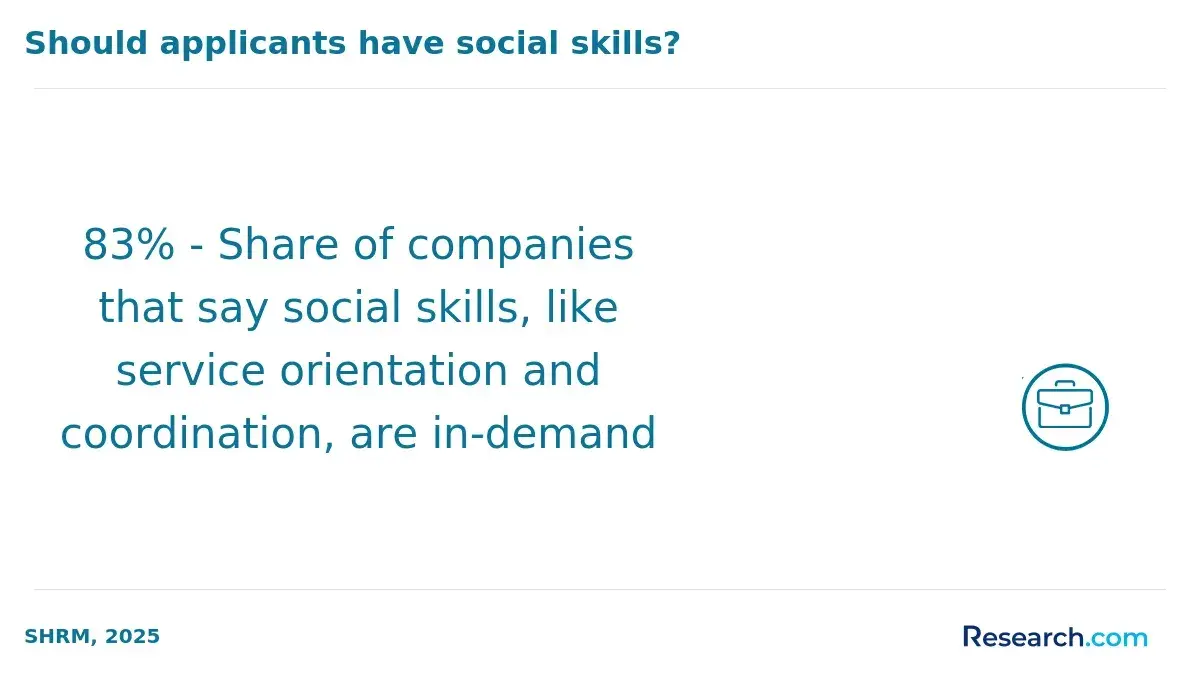
PCTs and MAs both need professionalism, empathy, accuracy, and comfort interacting with patients. The difference is in emphasis. PCTs need strong bedside care skills and physical endurance. MAs need a broader mix of clinical, administrative, and organizational skills because they often support both the exam room and the front office.
Skills a Patient Care Technician Needs
- Vital signs monitoring: PCTs must accurately measure blood pressure, temperature, pulse, and respiration rates and report changes that may require clinical attention.
- Patient assistance: PCTs help patients with bathing, dressing, toileting, eating, repositioning, and mobility while protecting patient dignity and safety.
- Phlebotomy: Some PCT roles require drawing blood for lab testing while following strict infection-control and specimen-handling procedures.
- ECG administration: PCTs may perform electrocardiograms to help monitor heart activity, depending on their training and employer requirements.
- Communication: PCTs must relay patient observations clearly to nurses and doctors while also providing reassurance to patients and families.
Skills a Medical Assistant Needs
- Clinical procedures: MAs prepare patients for exams, collect specimens, assist providers, and may administer injections or medications when permitted.
- Administrative accuracy: MAs handle scheduling, billing information, insurance forms, and electronic health records, so mistakes can affect patient care and reimbursement.
- Patient interaction: MAs explain procedures, answer routine questions, and help patients understand next steps without going beyond their scope of practice.
- Medical coding knowledge: Many MA roles require familiarity with diagnosis and service coding for documentation and insurance workflows.
- Multitasking: MAs often move between phones, exam rooms, records, provider requests, and patient needs throughout the day.
| Skill area | More important for PCTs | More important for MAs |
| Hands-on personal care | High | Moderate |
| Administrative work | Limited | High |
| Physical stamina | High | Moderate |
| Scheduling and records | Limited | High |
| Specimen collection and basic clinical support | Common | Common |
How much can you earn as a Patient Care Technician vs. a Medical Assistant?
Medical Assistants generally earn slightly more than Patient Care Technicians, although the difference depends heavily on location, employer type, experience, shift, and certifications. PCTs may earn more in hospitals, government roles, or specialized units, while MAs may increase pay through specialty practice experience, administrative responsibility, or advanced clinical skills.
A Patient Care Technician typically earns a median annual salary of about $38,130. Entry-level PCTs often start around $30,260 per year, while experienced professionals can make up to $48,780 annually. Hourly wages range from approximately $14.55 to $23.45, with higher earnings possible in government roles or private hospitals. Geographic location is a major factor; urban areas and states with higher living costs tend to offer increased salaries. For students researching certificate jobs that pay well, PCT certification can be a practical step toward qualifying for direct-care positions.
For a Medical Assistant, the national median annual salary is approximately $40,574. Entry-level positions may begin close to $35,000 per year, while seasoned medical assistants with advanced skills or roles can reach $50,000 or more annually. Medical assistants often earn more than PCTs because their jobs may combine clinical support, records, insurance processes, scheduling, and patient coordination. Salary potential also varies by industry and location; for example, patient care technician vs medical assistant salary Boston data reveals that urban centers typically offer higher pay.
| Career | Typical pay information stated | Common factors that affect earnings |
| Patient Care Technician | Median annual salary of about $38,130; entry-level around $30,260; experienced up to $48,780; hourly wages approximately $14.55 to $23.45 | Hospital setting, government roles, private hospitals, shift differentials, location, experience, PCT certification |
| Medical Assistant | National median annual salary approximately $40,574; entry-level close to $35,000; experienced roles can reach $50,000 or more | Specialty practice, administrative responsibility, certifications, location, experience, employer size |
When comparing pay, do not look only at the headline salary. Consider schedule stability, benefits, commute, overtime opportunities, career ladder, and whether the role helps you qualify for your next healthcare goal.
What is the job outlook for a Patient Care Technician vs. a Medical Assistant?
Both Patient Care Technician and Medical Assistant roles are expected to remain relevant because healthcare systems need trained support workers. The outlook, however, differs by setting. PCT demand is tied closely to hospitals, nursing homes, rehabilitation centers, and long-term care. MA demand is tied strongly to outpatient care, physician practices, and specialty clinics.
Growth for Patient Care Technicians, categorized under nursing assistants and orderlies, is anticipated to rise about 7% from 2021 to 2031. This steadier expansion is linked to their focus on direct care in hospitals and long-term care facilities, where the aging population requires more hands-on support. Even with a slower growth rate, PCT roles can offer consistent opportunities because patients with complex needs still require daily support, mobility assistance, monitoring, and comfort care.
In contrast, Medical Assistants are projected to experience a 16% growth rate over the same decade, significantly outpacing the average for all jobs. This stronger outlook reflects the expansion of outpatient care and the need for workers who can support both clinical operations and administrative workflows. MAs are useful across private practices, urgent care centers, specialty clinics, and other ambulatory settings because they can help providers see patients efficiently while keeping records and schedules organized.
| Career | Projected growth stated | Why demand exists |
| Patient Care Technician | About 7% from 2021 to 2031 | Direct patient care needs in hospitals, long-term care, nursing facilities, and rehabilitation settings |
| Medical Assistant | 16% over the same decade | Growth in outpatient care, physician offices, specialty clinics, and the need for combined clinical and administrative support |
For students, the practical takeaway is this: choose PCT if you want a direct-care path that can support future nursing goals, and choose MA if you want broader employment options in outpatient and office-based care.
What is the career progression like for a Patient Care Technician vs. a Medical Assistant?
Career progression differs because PCTs and MAs sit in different parts of the healthcare workforce. PCT advancement often moves toward more specialized bedside care or nursing. MA advancement often moves toward specialty clinic roles, lead medical assistant positions, office management, or further education in healthcare administration or clinical professions.
Typical Career Progression for a Patient Care Technician
- Entry-level PCT: Provides basic patient care in hospitals, nursing homes, rehabilitation centers, or similar settings, including daily living support and vital signs monitoring.
- Specialized technician: Pursues additional training or certifications for areas such as dialysis, telemetry, or emergency room support.
- Advanced certifications: Builds skills in phlebotomy, EKG, and electronic health record systems to qualify for broader clinical responsibilities.
- Leadership and education: Moves into lead PCT or supervisory duties and may transition to licensed practical nursing (LPN) or registered nursing (RN) through further education.
PCT work can be especially valuable for students who want real bedside experience before deciding whether to pursue nursing or another clinical pathway. The role can help build confidence with patient interaction, basic procedures, infection control, and healthcare team communication.
Typical Career Progression for a Medical Assistant
- Entry-level MA: Works in clinics or outpatient settings, balancing front-office duties with clinical assistance.
- Specialization: Pursues certifications or experience in areas such as podiatry, ophthalmology, or cardiology.
- Leadership roles: Advances to office manager, clinical team lead, or healthcare administrator roles, especially in larger practices.
- Further education: Some medical assistants pursue nursing, healthcare administration, or physician assistant programs requiring extensive schooling.
Medical assistant career growth often rewards workers who are organized, reliable, comfortable with technology, and able to coordinate patients, providers, records, and insurance processes. Both careers benefit from continuous learning and certification. Students who need flexible routes for future education may compare online colleges with open admissions as part of a longer-term advancement plan.
Can you transition from being a Patient Care Technician vs. a Medical Assistant (and vice versa)?
Yes, it is possible to move from PCT to MA or from MA to PCT, but the transition is not always automatic. The roles overlap in patient contact, vital signs, communication, and basic clinical support, but they differ in setting, documentation, administrative work, and personal-care responsibilities. Employers may require additional training, certification, or proof of competency before hiring someone into the other role.
A Patient Care Technician who wants to become a Medical Assistant can build on clinical experience such as monitoring vital signs, assisting patients, collecting specimens, and working with nurses or providers. The main gap is usually administrative training. MAs commonly handle scheduling, billing-related tasks, electronic health records, patient intake, and insurance paperwork, so a PCT may need to complete an accredited medical assistant program or obtain certification preferred by employers.
A Medical Assistant who wants to become a Patient Care Technician may already have strong patient communication, vital signs, specimen collection, and exam-room skills. The main gap is often bedside care. PCT work may require training in mobility assistance, personal care, basic life support (BLS), phlebotomy, and direct support for patients with higher physical needs. Some states and employers require completion of targeted patient care technician certification programs.
| Transition | Skills that transfer | Skills likely to add |
| PCT to MA | Vital signs, patient communication, specimen support, clinical teamwork | Scheduling, billing processes, electronic health records, insurance paperwork, front-office workflow |
| MA to PCT | Patient intake, vital signs, basic clinical support, communication | Mobility support, personal care assistance, BLS, phlebotomy, direct bedside routines |
Both roles share essential skills including vital sign measurement, communication, and time management. Industry projections reveal a 14% employment growth for Medical Assistants from 2022 to 2032, signaling robust demand and opportunities for professionals on either path. For more educational options that support longer-term advancement, prospective students can explore resources such as cheapest online master degrees when planning future credentials beyond entry-level healthcare roles.
What are the common challenges that you can face as a Patient Care Technician vs. a Medical Assistant?
PCTs and MAs both work in demanding healthcare environments where accuracy, compassion, and time management matter. The main difference is the type of pressure. PCTs often face more physical and emotional strain from direct bedside care. MAs often face stress from juggling clinical tasks, administrative deadlines, records, insurance issues, and patient flow.
Challenges for a Patient Care Technician
- Physically demanding tasks: PCTs may spend long shifts standing, walking, repositioning patients, and helping with transfers, which can increase fatigue and injury risk if safe techniques are not used.
- Emotional burnout: Close exposure to illness, pain, aging, disability, or end-of-life care can create stress and compassion fatigue.
- Limited advancement: Without additional training, promotion options may be concentrated in patient care, elder care, or unit-based support roles.
Challenges for a Medical Assistant
- Balancing duties: MAs may have to move quickly between patients, providers, phones, charts, insurance documents, and scheduling issues.
- Administrative workload: Insurance paperwork, prior authorizations, records, and appointment coordination can be stressful, especially in busy practices.
- Adapting to fast changes: MAs must keep up with electronic health record systems, changing office procedures, healthcare regulations, and provider expectations.
A key industry-wide challenge is staffing shortages for Patient Care Technicians and Medical Assistants in 2025, which intensify workload and pressure on existing staff. Both roles also confront burnout and stress in healthcare support roles 2025, heightened by emotional demands, patient volume, and rapid changes in healthcare environments.
Salary satisfaction can also affect retention. Patient Care Technicians earn an average of about $17 per hour, while Medical Assistants earn around $19 per hour, with experienced MAs making up to $50,000 annually. Students preparing for these careers should look not only at tuition, but also at program quality, clinical practice opportunities, schedule fit, and total cost. Comparing affordable online degrees can be one practical step when planning education around work and family responsibilities.
Is it more stressful to be a Patient Care Technician vs. a Medical Assistant?
It is often more physically and emotionally stressful to be a Patient Care Technician, especially in hospitals, nursing homes, and high-acuity units. It is often more administratively stressful to be a Medical Assistant, especially in busy outpatient practices where patient flow, records, phone calls, insurance tasks, and provider needs compete for attention.
PCTs work close to patients who may need help with mobility, hygiene, feeding, toileting, or recovery after illness or surgery. The role can involve lifting, transferring, responding quickly to patient needs, and supporting people during vulnerable moments. This can be rewarding, but it can also lead to fatigue, compassion stress, and emotional strain.
Medical Assistants usually face a different kind of pressure. Their work may be less physically intense, but they often manage multiple priorities at once: rooming patients, updating charts, preparing for exams, answering messages, handling scheduling problems, and completing paperwork. In outpatient or office-based settings, the schedule may be more predictable than hospital shift work, but the pace can still be demanding.
| Stress factor | Patient Care Technician | Medical Assistant |
| Physical demands | Usually higher | Usually moderate |
| Emotional exposure | Often higher due to direct bedside care | Moderate, depending on setting and specialty |
| Administrative pressure | Usually lower | Usually higher |
| Schedule predictability | May include nights, weekends, or variable shifts | Often more predictable in office-based settings |
| Best fit for | People comfortable with hands-on care and physical work | People comfortable multitasking between clinical and office duties |
The less stressful option depends on your strengths. If you prefer active, direct patient care and can manage physical demands, PCT work may feel meaningful rather than overwhelming. If you prefer variety, organization, and a clinic-based routine, medical assisting may be the better fit.
How to choose between becoming a Patient Care Technician vs. a Medical Assistant?
Choose a Patient Care Technician path if you want hands-on bedside care, are comfortable helping patients with daily needs, and may want to use the role as a stepping stone toward nursing or another direct clinical career. Choose a Medical Assistant path if you want a mix of patient care and office responsibilities, prefer outpatient settings, and want skills that transfer into clinic operations, specialty practices, or healthcare administration.
- Job focus: Patient Care Technicians emphasize hands-on patient care in hospitals, nursing homes, rehabilitation centers, and related settings. Medical Assistants combine clinical support with scheduling, records, insurance paperwork, and patient coordination.
- Work environment: PCTs are more likely to work in inpatient or long-term care settings with shift-based schedules. MAs are more likely to work in outpatient clinics and physician offices, where schedules may be more predictable.
- Education and training: PCTs usually obtain certifications in patient care techniques, including BLS and CPR. MAs complete broader programs that cover clinical and administrative skills, with certification options that may improve employability.
- Career advancement: MAs can progress into medical office management, clinical team lead, specialty clinic roles, or health information work. PCTs often build experience that can support movement toward Certified Nursing Assistant roles, specialized technician positions, LPN programs, or RN programs.
- Lifestyle preferences: If you want a more stable routine, an MA role may fit better. If you can handle variable shifts, physical work, and fast-paced direct care, a PCT role may be a stronger match.
Quick decision guide
| If you prefer... | Consider... |
| Direct bedside care and patient mobility support | Patient Care Technician |
| A mix of clinical and office work | Medical Assistant |
| Hospital or long-term care settings | Patient Care Technician |
| Physician offices, clinics, or specialty practices | Medical Assistant |
| A possible nursing pathway | Patient Care Technician |
| Clinic operations or medical office leadership | Medical Assistant |
Before enrolling, compare program length, cost, clinical requirements, certification preparation, employer partnerships, and local job postings. If possible, speak with admissions staff, recent graduates, and local employers. Students exploring flexible training options may also research trade colleges online for certification programs that fit their schedule and career timeline.
What Professionals Say About Being a Patient Care Technician vs. a Medical Assistant
- : "Pursuing a career as a Patient Care Technician has provided me with incredible job stability, especially given the growing demand in healthcare facilities across the country. The salary potential is a great bonus, allowing me to support my family while doing meaningful work. I feel confident knowing this profession is in high demand. —Edison"
- : "The challenges I've faced as a Medical Assistant have truly strengthened my problem-solving skills and adaptability. Working in diverse clinical settings keeps every day dynamic and teaches me valuable lessons about patient care. This career has given me a unique perspective on the healthcare system that I deeply appreciate. —Jade"
- : "Starting as a Patient Care Technician opened doors to ongoing professional development that I hadn't anticipated. There are numerous certifications and training programs that help further my career, and I'm constantly learning new skills to enhance patient outcomes. It's rewarding to see tangible growth after dedicating myself to continuous improvement. —Val"
Other Things You Should Know About a Patient Care Technician & a Medical Assistant
Certification requirements vary by state and employer, but most Patient Care Technicians pursue certification through organizations like the National Healthcareer Association. Medical Assistants often obtain certification from bodies such as the American Association of Medical Assistants, though it is not always mandatory. Holding certification generally improves job prospects and may be required for certain positions.
In 2027, Patient Care Technicians typically require a certificate program involving 100 to 200 hours of clinical training. Medical Assistants often undergo an associate degree that includes coursework and 160 hours of externship experience to gain practical skills.
References
- Patient Care Technician vs Medical Assistant https://healthcarecareercollege.edu/patient-care-technician/become-a-patient-care-technician/patient-care-technician-vs-medical-assistant/
- Medical Assisting | The Duties of Medical Assistants in Healthcare http://slchc.edu/medical-assisting/
- Patient Care Technician vs. Certified Medical Assistant https://advclinical.org/patient-care-technician-vs-certified-medical-assistant/
- 22 Low-Stress Medical Jobs â Happiest Careers to Consider https://www.stepful.com/post/low-stress-medical-jobs
- What is the difference between an MA, CNA and CPCT/A? https://info.nhanow.com/blog/what-is-the-difference-between-an-ma-and-a-cna
- Medical Assistant vs. Patient Care Technician: What You Need to Know https://www.rasmussen.edu/degrees/health-sciences/blog/medical-assistant-vs-patient-care-technician/
- Medical Assistant vs. Patient Care Technician https://americancareercollege.edu/blog/medical-assistant-vs-patient-care-technician
- Clinical Medical Assistant Duties and Skills https://www.stpaulsschoolofnursing.edu/blog/medical-assisting/clinical-medical-assistant-duties-and-skills.html
- What Is a Medical Assistant? https://my.clevelandclinic.org/health/articles/medical-assistant
- Can a PCT Work as a Medical Assistant? https://www.fhcaorlando.com/blog/can-pct-work-as-a-medical-assistant


