
2027 Questions to Ask About Online Pediatric Care Nurse Practitioner Degree Programs Before You Enroll

Co-Founder and Chief Data Scientist
Prospective students often face uncertainty when choosing an online pediatric care nurse practitioner degree program, unsure which factors most impact their career success. Enrollment in pediatric nurse practitioner programs grew by over 15% nationwide in the past five years, reflecting rising demand for specialized pediatric care.
However, program quality and licensure preparation vary widely, affecting graduates' employment prospects. This article identifies essential questions to evaluate program rigor, clinical experience opportunities, accreditation, licensure support, and cost, empowering students to make informed decisions that align with their professional goals.
Key Benefits of Enrolling in Online Pediatric Care Nurse Practitioner Degree Programs
- Online pediatric care nurse practitioner programs offer flexible schedules, allowing students to balance coursework with professional and personal responsibilities effectively.
- Students often save on commuting and housing costs, making online programs financially advantageous compared to traditional on-campus options.
- These programs promote better work-life balance, supporting those already employed in healthcare by enabling continued income while advancing their education.
Is the Online Pediatric Care Nurse Practitioner Degree Program Accredited?
Accreditation significantly affects the value of an online pediatric care nurse practitioner program as it determines the recognition of your degree, eligibility for state licensure, and long-term career opportunities. Accredited programs meet rigorous education standards set by specialized healthcare education bodies.
In fact, nearly 90% of states require nurse practitioners to graduate from an accredited program to qualify for licensure, highlighting the crucial role of accreditation in avoiding licensure delays.
The main accrediting organizations for pediatric care nurse practitioner programs include the Commission on Collegiate Nursing Education (CCNE) and the Accreditation Commission for Education in Nursing (ACEN).
Choosing an accredited program ensures that your training meets established professional standards, which is vital for effective preparation in pediatric advanced practice roles and enhances your ability to find employment in quality healthcare settings.
Prospective students should carefully verify program accreditation status when comparing online accredited pediatric nurse practitioner programs. This includes confirming recognition by the state nursing board to ensure licensure eligibility.
Checking for specialized certifications related to pediatric nursing can also add value to your education and career. For those exploring broader health fields, programs in online pharmacy school may offer complementary options to expand clinical knowledge.
Prioritizing accreditation not only secures the legitimacy of your degree but also supports your long-term success in pediatric healthcare.
What Are the Admission Requirements for Online Pediatric Care Nurse Practitioner Programs?
Meeting admission requirements is essential for students evaluating online pediatric nurse practitioner admission criteria to ensure they are qualified and prepared for advanced clinical training.
These standards confirm candidates possess the foundational knowledge and practical skills necessary for success in demanding pediatric care nurse practitioner programs online.
The key admission requirements include the following:
- Valid Registered Nurse (RN) License: An active RN license is mandatory to demonstrate clinical experience and legal eligibility to practice nursing in the chosen state. This ensures candidates have foundational hands-on knowledge crucial for graduate-level pediatric specialties.
- Bachelor's Degree in Nursing (BSN) or Related Field: A BSN or equivalent provides essential academic preparation, equipping students for the complexities of advanced pediatric coursework and care delivery.
- Minimum GPA Requirement: Programs commonly require a minimum GPA around 3.0 to reflect a student's academic readiness for rigorous study and coursework intensity.
- Clinical Experience: Many programs quantify clinical hours or years to assess practical expertise. Real-world pediatric experience strengthens the ability to apply theory effectively in clinical settings.
- Letters of Recommendation: These letters attest to the applicant's professionalism, clinical skills, and suitability for advanced pediatric nursing education.
- Personal Statement or Essay: Candidates should articulate their career goals and dedication to pediatric care, demonstrating motivation and alignment with program objectives.
- Updated Resume or Curriculum Vitae: A detailed record of relevant education and nursing experience helps programs evaluate the applicant's comprehensive background.
Alongside meeting requirements for pediatric nurse practitioner programs online, prospective students may also explore complementary certifications like medical coding and billing classes online with financial aid to broaden their healthcare career opportunities.
What Classes Do You Take in an Online Pediatric Care Nurse Practitioner Program?
Knowing the curriculum of an online pediatric care nurse practitioner program is crucial for prospective students as it directly influences their preparedness for clinical responsibilities and licensure success.
Research indicates that 78% of nurse practitioner graduates highlight clinical coursework as essential for excelling in pediatric care roles. Below is an overview of the common classes typically included in these programs.
- Core courses: These fundamental classes cover advanced pathophysiology, pharmacology, and health assessment. They are designed to develop critical diagnostic and treatment skills necessary for managing pediatric patients effectively.
- Specialty pediatric courses: Focused on child development, prevalent pediatric diseases, and family-centered approaches, these classes help build expertise in the unique healthcare needs of children.
- Electives: Offering flexible options such as pediatric mental health or chronic illness management, electives enable students to tailor their education toward specific career interests and enhance their competitive edge in the job market.
A student enrolled in an online pediatric care nurse practitioner degree shared that balancing a demanding schedule with coursework can be challenging but rewarding.
He explained, "The complexity of the classes pushed me to improve my time management and deepen my understanding of pediatric nursing beyond what I expected."
He appreciated being able to interact with peers and instructors through virtual discussions, which provided diverse perspectives and practical insights. "It's intense, but each class feels directly relevant to what I will face as a nurse practitioner, making the effort worthwhile."
How Long Does It Take to Complete an Online Pediatric Care Nurse Practitioner Degree?
Knowing how long an online pediatric care nurse practitioner degree takes is essential for planning educational goals, career starts, and managing finances. The time to complete varies based on enrollment type and program design.
Here are typical completion timelines and factors influencing program length:
- Full-Time Enrollment: Usually requires two to three years to finish, including online classes, clinical practice, and internships. This timeline is ideal for students who can dedicate significant hours weekly to their studies.
- Part-Time Options: Often extend program duration to three to five years, accommodating those balancing work, family, or other responsibilities. This flexibility allows gradual progression but lengthens overall completion time.
- Accelerated Programs: Some programs offer intensive schedules that can reduce completion to under two years by minimizing breaks and increasing coursework load. Students must be prepared for a demanding pace and heavier workload.
- Clinical and Internship Requirements: Hands-on training is mandatory, adding to program length. Time for securing and completing clinical hours varies by state and individual circumstances, so students should budget extra time beyond online instruction to meet licensure standards.
Does an Online Pediatric Care Nurse Practitioner Program Require Internships or Practicums?
Online pediatric care nurse practitioner programs generally require students to complete internships or practicums that provide essential clinical experience.
These hands-on placements usually involve 500 to 1,000 supervised hours at approved healthcare sites, enabling students to apply classroom knowledge in real pediatric settings under professional oversight.
Such clinical training plays a key role in developing practical skills, meeting licensure criteria, and improving job readiness.
Prospective students should carefully assess how programs coordinate these practicums, including the flexibility of site selection and the support available, as these factors can affect scheduling and additional expenses.
Notably, over 90% of recent pediatric nurse practitioner graduates credit their practicum experiences with significantly boosting their confidence and preparedness for professional roles.
When asked about her experience, a graduate of an online pediatric care nurse practitioner program reflected on the challenges and personal growth involved in arranging her clinical hours.
She explained that while the program provided a list of affiliated hospitals, she ultimately had to secure her placement independently, which was initially stressful and time-consuming. However, she found that navigating this process strengthened her organizational skills and resilience.
"I felt overwhelmed at first, but having to advocate for my own practicum forced me to develop a stronger sense of professionalism early on," she shared. Her practicum supervisor's guidance during patient care was invaluable, confirming that such experiences are irreplaceable for translating theoretical learning into confident practice.
Can You Get Licensed with an Online Pediatric Care Nurse Practitioner Degree?
Graduates of online pediatric care nurse practitioner degree programs can obtain professional licensure as long as their programs meet accreditation and state board standards.
Licensing often requires completing a Commission on Collegiate Nursing Education (CCNE) or Accreditation Commission for Education in Nursing (ACEN) accredited curriculum, passing a national certification exam, and fulfilling supervised clinical hours.
Many online programs structure their curriculum to align with certification requirements from organizations like the Pediatric Nursing Certification Board (PNCB) or the American Nurses Credentialing Center (ANCC), providing students with both theoretical knowledge and practical skills.
Additionally, reputable online programs collaborate with local healthcare facilities to ensure students complete rigorous clinical practicum components, an essential step for licensure readiness.
For those searching for options, exploring lists of easy nursing schools to get into may help identify accessible programs that fit these criteria.
Licensure is a critical factor when considering how to get licensed as pediatric nurse practitioner online because it legally permits professionals to provide pediatric healthcare independently or within healthcare teams.
Without licensure, graduates cannot legally practice, limiting job opportunities and career growth. According to a report from the National Council of State Boards of Nursing, around 85% of nurse practitioners from accredited programs obtain licensure within a year of graduation.
This high licensure success rate underscores the importance of choosing well-structured online pediatric care nurse practitioner programs that ensure eligibility for certification exams and robust clinical training, ultimately supporting graduates' smooth transition into the workforce.
How Much Do Online Pediatric Care Nurse Practitioner Programs Cost?
Carefully considering the total cost of online pediatric care nurse practitioner programs is crucial for prospective students to make informed decisions.
Program expenses not only influence financial planning but also affect access to essential educational resources and support throughout the course. On average, tuition for nurse practitioner programs has increased by about 3% annually over recent years, impacting overall affordability.
Typical costs associated with online pediatric care nurse practitioner programs include:
- Tuition fees: These are usually calculated on a per-credit basis, ranging from approximately $500 to over $1,200 per credit hour depending on whether the program is offered by a public or private institution. The total tuition often falls between $20,000 and $50,000 for the full program, which typically requires 40 to 50 credit hours.
- Technology fees: These charges support the online learning platforms and digital tools necessary for remote coursework. Technology fees vary by institution and cover maintenance, software licenses, and access to virtual classrooms.
- Registration and administrative fees: Such fees include application processing, course registration, and related administrative services. These costs are generally fixed but can differ across programs.
- Clinical placement fees: Designed to cover coordination and supervision of practicum experiences, these fees are essential for hands-on training that meets licensure requirements. Costs vary widely depending on the clinical site and level of support provided.
- Additional expenses: Prospective students should also budget for textbooks, specialized software, and certification exam fees, which are often excluded from tuition totals. These materials are critical for success in pediatric care nurse practitioner programs.
When researching tuition fees for online pediatric nurse practitioner degrees, it is important to review program details carefully. Reliable resources listing affordable options such as nursing programs online can help guide students toward programs that balance cost and quality.
What Financial Aid Is Available for Online Pediatric Care Nurse Practitioner Students?
Navigating financial aid options is essential for students considering online pediatric care nurse practitioner programs, as it can significantly ease the cost of advanced nursing education.
Recent data shows that nearly 85% of graduate nursing students utilize some form of financial assistance, underscoring the importance of exploring funding opportunities thoroughly.
To better manage education expenses, prospective students should review key financial aid options designed specifically for those pursuing these specialized online programs.
Here are some of the primary sources of aid to consider:
- Federal student loans: These loans typically offer lower interest rates and flexible repayment options. Applicants must complete the Free Application for Federal Student Aid (FAFSA), making this a widely accessible option for many nursing students.
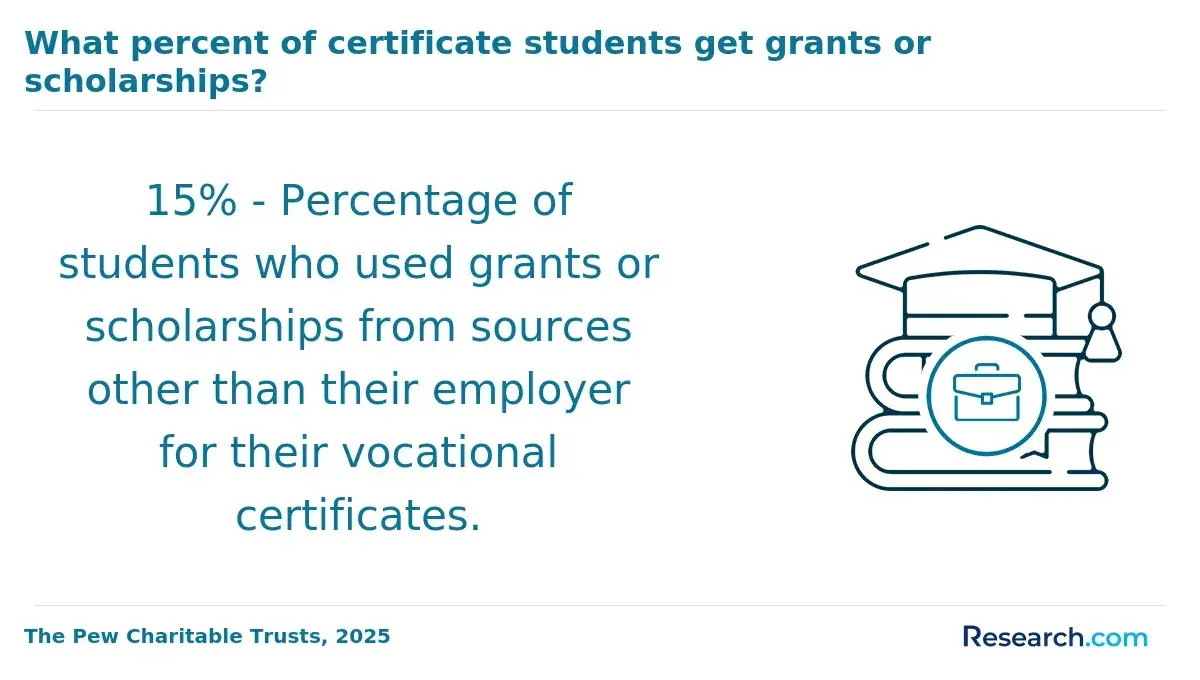
- Scholarships and grants: Available based on merit, financial need, or criteria related to pediatric nursing, these funds do not require repayment. Scholarships and grants for pediatric nurse practitioner students can substantially reduce out-of-pocket costs.
- Employer tuition reimbursement: Some healthcare organizations provide tuition support to employees pursuing nurse practitioner degrees, often requiring a commitment to work with the employer for a specified period. This can be a valuable means of lowering education costs while maintaining employment.
- State and private grants: Numerous states and private foundations offer grants aimed at expanding the pediatric nursing workforce. Eligibility depends on residency and program specifics, so students should research options available in their region.
Taking advantage of financial aid options for online pediatric nurse practitioner programs can help reduce financial barriers and allow students to focus more fully on their studies and eventual careers.
For those earlier in their nursing education path, exploring the cheapest bsn programs can be an important first step in minimizing long-term costs.
What Jobs Can You Get With an Online Pediatric Care Nurse Practitioner Degree?
Knowing what career options are available after completing an online pediatric care nurse practitioner program helps prospective students make informed decisions about their education and future.
Employment for nurse practitioners specializing in pediatrics is projected to grow by 45 percent over the next decade, reflecting strong demand in healthcare. This highlights promising opportunities for graduates.
Below are common career paths for those with an online pediatric care nurse practitioner degree:
- Primary Care Pediatric Nurse Practitioner: Provides comprehensive healthcare to children and adolescents, focusing on preventive care, diagnosis, and treatment of common illnesses. This role often serves as the first point of contact and offers opportunities to advance into clinical leadership or specialized pediatric care.
- School Health Nurse Practitioner: Delivers healthcare services within educational settings, managing chronic conditions, administering medications, and promoting wellness programs. The degree equips nurses to address unique pediatric health needs in schools and coordinate with families and healthcare providers.
- Hospital-Based Pediatric Nurse Practitioner: Works in pediatric wards or intensive care units, assisting with acute care and monitoring critically ill children. This position requires strong clinical skills and may lead to specialization in areas such as pediatric oncology or cardiology.
- Pediatric Specialty Clinic Practitioner: Focuses on treating specific conditions like asthma or diabetes within outpatient settings. Graduates are prepared to collaborate with multidisciplinary teams to provide targeted care and educate families on disease management.
- Community Health Pediatric Nurse Practitioner: Engages in public health initiatives, outreach, and education to improve pediatric health outcomes in diverse populations. This role can expand into program development or policy advocacy to address community health disparities.
What Is the Average Salary for Online Pediatric Care Nurse Practitioner Graduates?
Knowing the salary outlook for online pediatric care nurse practitioner graduates helps prospective students make informed decisions about their education investments and career paths. The median annual wage for nurse practitioners in pediatrics is around $110,000, with anticipated growth near 3% annually over the next ten years.
Several key factors influence this earning potential.
- Level of education: Those holding advanced degrees, such as a Doctor of Nursing Practice (DNP), typically earn more than master's degree holders. This difference stems from the greater clinical expertise and leadership skills gained through higher-level programs.
- Specialization: Subfields like neonatal care or pediatric oncology often offer increased salaries due to the specialized knowledge required and the demand in these areas. Focusing on a niche can therefore boost compensation prospects.
- Experience: Salary generally rises with years of clinical practice. Seasoned nurse practitioners demonstrate enhanced skills and reliability, which employers commonly reward with higher wages.
- Geographic location: Compensation varies widely depending on where one works. Urban centers and states with elevated living costs tend to provide better pay to attract skilled pediatric nurse practitioners.
- Work setting: Employment environments such as hospitals, specialty clinics, or private practices affect earnings. Typically, hospital positions offer higher salaries, while outpatient clinics might give a preferable work-life balance but with somewhat lower pay.
What Graduates Say About Enrolling in an Online Pediatric Care Nurse Practitioner Degree
- Joey: "When I first looked into enrolling in an online pediatric care nurse practitioner degree program, the reasonably affordable cost was a big draw for me. The flexibility of the online courses allowed me to balance my work and studies effectively, and the interactive learning platform made the material engaging. Since graduating, I've noticed a significant boost in my confidence and competence when treating young patients, which has truly advanced my career."
- Morgan: "Choosing to invest in an online pediatric care nurse practitioner degree was a thoughtful decision influenced by the average cost being manageable compared to traditional programs. The comprehensive curriculum, combined with practical case studies, provided a deep understanding of pediatric care in a virtual setting. Reflecting on my experience, this program has been instrumental in opening new professional opportunities and expanding my role in healthcare. "
- Hudson: "The decision to enroll in the online pediatric care nurse practitioner program was guided by both cost-effectiveness and the convenience of remote learning. The program was intensive but rewarding, blending theory with clinical applications that prepared me thoroughly for real-world challenges. Professionally, this degree has elevated my practice and allowed me to contribute more meaningfully to pediatric healthcare. "
Other Things You Should Know About Pediatric Care Nurse Practitioner Degrees
Students should be comfortable using computers, learning management systems, and video conferencing tools, as these are essential for accessing lectures, assignments, and communication.
Basic troubleshooting skills and familiarity with software for electronic health records or clinical documentation can also enhance the learning experience. Programs often provide technical support, but proactive comfort with digital platforms improves efficiency.
By 2026, clinical site requirements for online Pediatric Care Nurse Practitioner programs are increasingly flexible, allowing students to partner with local healthcare facilities. Students should verify that the program supports site selection and provides adequate clinical placement assistance to meet state licensure requirements.
Online programs generally offer academic advisors who guide students through course selection, progression, and meeting licensure prerequisites.
Career services may include resume reviews, interview preparation, and job placement assistance specifically tailored to pediatric care nurse practitioners. Access to these supports can vary, so verifying the level of advising offered is beneficial before enrollment.
References
- Top Online Pediatric Nurse Practitioner Programs https://nurse.org/education/online-pediatric-np-programs/
- Most Affordable Online NP Programs (2026): Comprehensive https://www.npschools.com/rankings/all-affordable-online-np-programs
- Online MSN Pediatric Care Programs at UTA https://academicpartnerships.uta.edu/healthcare-nursing-online-programs/msn-pediatric-care/
- Program: Post Graduate Nursing Certificate: Pediatric Primary Care Nurse Practitioner Curriculum - Spring Arbor University https://catalog.arbor.edu/preview_program.php
- MSN in Pediatric Primary Care Nurse Practitioner https://www.online.drexel.edu/online-degrees/nursing-degrees/msn-ppcnp/index.aspx
- Master of Science in Nursing (M.S.N.) - Pediatric Primary Care Nurse Practitioner https://www.shu.edu/academics/msn-primary-care-pediatric-nurse-practitioner.html
- Online Pediatric Nurse Practitioner (PNP) Programs | Maryville University https://nursing.maryville.edu/concentrations/pediatric-nurse-practitioner-online-program
- Remote Pediatric NP Jobs https://www.nphub.com/blog/remote-pediatric-np-jobs
- Top Remote Pediatric NP Jobs: Salary, Skills & How to Get Hired https://www.nphire.com/blog/top-remote-pediatric-nurse-practitioner-jobs-your-complete-guide-to-landing-the-perfect-position
- The Demand for Pediatric Nurses and How a DNP/PNP Can Help https://onlinenursing.baylor.edu/news/demand-pediatric-nurses-and-how-dnp-pnp-can-help


![2027 Best Advanced Standing Online MSW Programs [CSWE Accredited] thumbnail](/uploads/Online_Advanced_Standing_MSW_301dbd5368.jpg)