
2027 Respiratory Care Therapy Degree Coursework Explained: What Classes Can You Expect to Take?

Co-Founder and Chief Data Scientist
Choosing the right coursework is crucial for students pursuing a respiratory care therapy degree, as it directly impacts readiness for clinical roles. According to the Commission on Accreditation for Respiratory Care, 85% of programs integrate both theoretical knowledge and hands-on clinical practice to develop job-ready skills. Many students struggle to understand how classes will translate into practical abilities required by employers.
This article clarifies the typical curriculum, highlighting key courses and their relevance to healthcare settings. It guides prospective students in making informed decisions about their education and prepares them for success in the evolving respiratory care workforce.
Key Benefits of Respiratory Care Therapy Degree Coursework
- Respiratory care therapy coursework sharpens clinical skills in patient assessment and ventilator management, essential for quality respiratory support.
- Comprehensive training in respiratory pharmacology and pathophysiology prepares students for effective treatment planning and interdisciplinary collaboration.
- Graduates gain a competitive edge in employment, with median salaries exceeding $61,000 annually and strong job growth projected through 2030.
What Types of Class Do You Take in a Respiratory Care Therapy Degree?
Coursework in a respiratory care therapy degree typically integrates scientific principles with practical skills to prepare students for careers in patient respiratory support. Trends indicate that over 70% of programs now prioritize clinical training to enhance readiness for certification and employment.
Below are the key categories students encounter while navigating respiratory care therapy degree courses:
- Core Foundational Classes: These provide essential knowledge in biology, chemistry, anatomy, and physiology, focusing on understanding the respiratory and cardiovascular systems.
- Specialization Courses: Centered on respiratory care techniques, these classes develop skills in airway management, mechanical ventilation, and patient assessment.
- Research and Methods Coursework: Students explore evidence-based practices, clinical research methods, and healthcare technology to sharpen critical thinking and adapt to medical advancements.
- Practicum, Internship, or Capstone Experiences: Structured clinical rotations and supervised hands-on training in healthcare settings offer real patient care experience, essential for professional competency and confidence.
Prospective students interested in expanding their healthcare education can view an online pharmacy school as a related field of study to complement respiratory care training.
What Are the Core Courses in a Respiratory Care Therapy Degree Program?
Core classes in respiratory care therapy degree programs provide essential knowledge and skills that prepare students for successful clinical and professional practice. These fundamental courses build a solid understanding of respiratory system functions while developing critical thinking and hands-on abilities needed in healthcare settings.
The following list outlines typical core respiratory care therapy classes:
- Respiratory Anatomy and Physiology: Covers the structure and function of the respiratory system, helping students grasp how healthy lungs and airways operate to sustain life.
- Pathophysiology of Respiratory Disorders: Explores diseases and conditions affecting respiratory health, emphasizing their physiological impact and clinical implications.
- Respiratory Care Procedures: Provides applied training in airway management, mechanical ventilation, and patient monitoring, building competence in essential therapeutic interventions.
- Pharmacology for Respiratory Care: Teaches medications used in respiratory treatments, focusing on drug actions, side effects, and safe administration practices.
- Clinical Research and Methods: Develops abilities in evidence-based practice through study design, data analysis, and critical evaluation of respiratory care literature.
- Professional Ethics and Patient Communication: Emphasizes ethical responsibilities, legal standards, and effective communication skills necessary for quality patient care.
Early-career professionals can benefit from exploring related educational pathways, such as popular DNP programs, to advance clinical expertise and leadership skills, particularly in nursing.
What Elective Classes Can You Take in a Respiratory Care Therapy Degree?
Elective courses in a respiratory care therapy degree give students the chance to tailor their education toward personal interests or desired career paths. Data shows that about 40% of students select electives focused on advanced technologies or specialized clinical areas.
Below are some common electives that expand expertise and open specialized career opportunities:
- Pediatric Respiratory Care: This course centers on respiratory disorders and treatments specific to infants and children, developing skills valuable in pediatric hospitals and neonatal units.
- Cardiopulmonary Rehabilitation: Students learn rehabilitation methods for patients recovering from cardiac and pulmonary illnesses, preparing them to create effective therapy plans.
- Sleep Medicine: Focused on diagnosing and managing sleep-related breathing problems like sleep apnea, this elective equips students for roles in specialized sleep clinics.
- Advanced Pharmacology: Explores the detailed effects of respiratory medications, supporting careers that involve medication management and patient counseling.
- Respiratory Care Management: Develops leadership and administrative capabilities for those pursuing supervisory positions within respiratory care departments.
When speaking with a professional who completed a respiratory care therapy degree, he shared that choosing electives felt like balancing passion with practicality. "I wanted courses that not only interested me but also enhanced my job prospects," he said.
He found some electives challenging because they demanded understanding complex concepts quickly, yet rewarding as they deepened his clinical expertise. Reflecting on the process, he noted, "Elective choices shaped my confidence in specialized areas and helped me stand out in the job market."
This personal experience highlights how elective classes can be both a strategic and fulfilling part of respiratory care education.
Are Internships or Practicums Required in Respiratory Care Therapy Programs?
Practical, hands-on training in respiratory care therapy programs is designed to complement classroom instruction with real clinical experience. These internships and practicums enable students to directly engage with patients and healthcare environments.
Below are key details about how these requirements are typically experienced by students:
- Program Requirements: Students generally must complete between 600 and 1,000 clinical hours, divided among several rotations. This ensures broad exposure to different respiratory care scenarios.
- Duration and Structure: Practicums usually last multiple weeks and are organized to progressively increase student responsibilities. This approach fosters growth in competence under the guidance of licensed respiratory therapists.
- Types of Experiences: Rotations take place in hospitals and outpatient clinics, involving diverse patient populations and complex respiratory conditions. This variety helps students adapt to different clinical settings.
- Skill Development: Internships focus on hands-on use of respiratory equipment, patient communication, teamwork with healthcare professionals, and strengthening critical thinking for problem solving.
More than 90% of accredited programs require clinical practicum completion for graduation, reflecting the critical role of these experiences.
Is a Capstone or Thesis Required in a Respiratory Care Therapy Degree?
Capstone projects and theses serve as key methods for students to showcase both their theoretical understanding and practical skills in respiratory care therapy. Approximately 60% of bachelor's and master's programs require one of these culminating experiences to ensure readiness for professional practice or further research.
Here is a breakdown of the differences and expectations:
- Capstone vs. Thesis: A capstone is a hands-on project that integrates clinical knowledge to solve real-world respiratory care problems, emphasizing collaboration and communication. A thesis involves original research and a formal academic document, demanding advanced investigation and critical thinking.
- Typical Requirements: Both usually require developing a project or research proposal, collecting data or conducting case analysis, writing a comprehensive report, and completing faculty assessments or mentorship.
- Skills Developed: Students hone critical thinking, clinical decision-making, and professional communication, which are crucial for career advancement in the respiratory care field.
- Time Commitment: Capstones typically require less time and may fit better with clinical schedules, while theses involve in-depth research and a longer dedication often suited for those pursuing academic or research careers.
- Career and Academic Support: Capstones prepare students for immediate clinical roles by emphasizing practical application, whereas theses provide a foundation for scholarly pursuits and higher degrees.
When asking a respiratory care therapy professional about her experience with a culminating project, she reflected on the challenges and rewards involved. "The process felt overwhelming at times, balancing clinical hours with developing my thesis proposal," she admitted.
"Yet, working closely with my advisor made a huge difference, helping me focus my research questions and manage my time effectively." She added that the critique and revisions strengthened her analysis and writing skills far beyond expectations.
Ultimately, the thesis enhanced her confidence not only in academic settings but also in clinical discussions, showing how such projects bridge theory and practice in meaningful ways.
Is Respiratory Care Therapy Coursework Different Online vs On Campus?
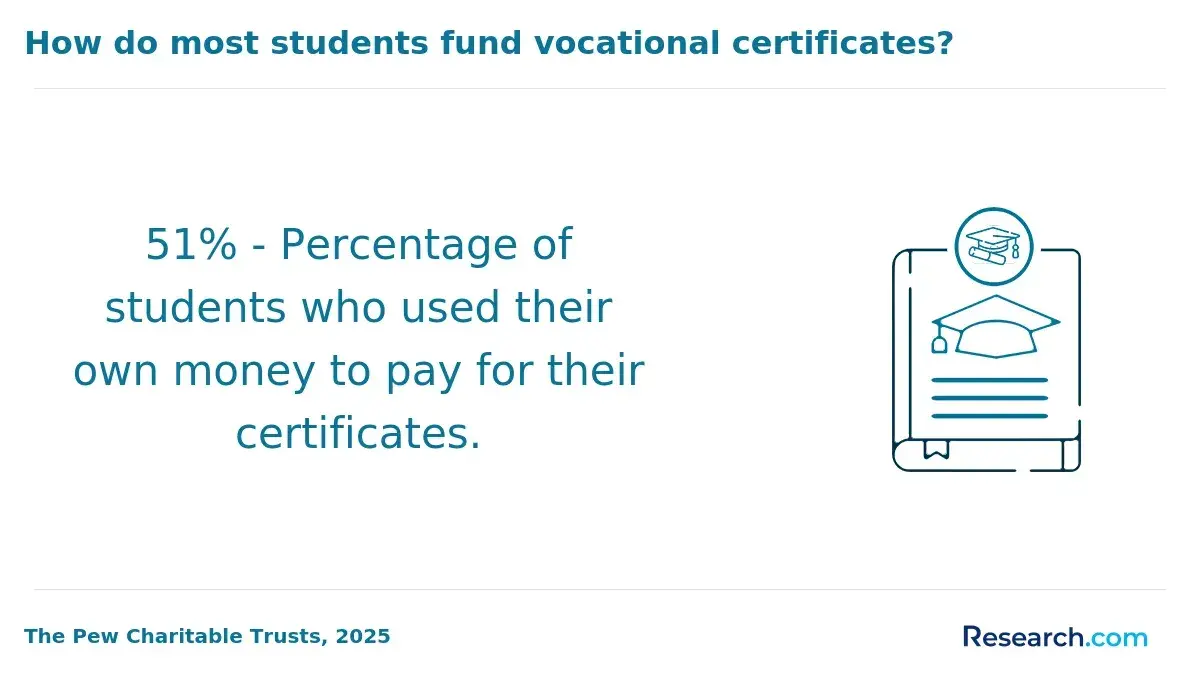
Respiratory care therapy coursework remains largely consistent whether delivered online or on campus, maintaining the same curriculum, learning goals, and academic rigor. Both formats address vital topics such as anatomy, patient evaluation, cardiopulmonary physiology, and therapeutic techniques.
The essential competencies for certification and clinical readiness do not vary between the two, ensuring students acquire the necessary knowledge and skills regardless of the mode of study.
Differences appear mainly in the delivery and student experience. Online programs rely on recorded lectures, digital materials, and virtual discussions, offering greater flexibility and self-paced learning. On-campus students benefit from face-to-face interactions, immediate feedback, and direct access to campus facilities.
Clinical training for online learners is often arranged locally or through intensive in-person sessions, while on-campus students typically complete practical labs and clinical rotations coordinated by the institution. Assessment methods also differ, with online quizzes supplementing remote evaluations versus supervised exams in person.
How Many Hours Per Week Do Respiratory Care Therapy Classes Require?
Most students in respiratory care therapy programs spend approximately 15 to 25 hours per week on coursework. This weekly time commitment typically includes 6 to 10 hours attending lectures, 5 to 8 hours completing readings and assignments, and 4 to 7 hours devoted to applied learning activities such as labs or clinical simulations. Group work and project preparation also contribute to the total workload.
Below is a breakdown of key influences that affect the number of hours students devote each week:
- Enrollment status: Full-time students generally have a higher weekly time requirement compared to part-time students, who may extend their overall program duration to balance other responsibilities.
- Course level: Introductory courses usually demand less outside study time, while advanced classes require more intensive projects and preparation, increasing total weekly hours.
- Program format: On-campus students often spend more scheduled time in labs and clinical practicums, whereas online students may need additional self-study hours to make up for fewer face-to-face sessions.
- Credits per term: The number of credits taken directly impacts weekly workload; higher credit loads mean more hours devoted to lectures, assignments, and labs.
- Practicum and projects: These hands-on components are particularly time-intensive, sometimes requiring hours beyond regular coursework commitments to gain essential practical skills.
Similarly, prospective students searching for easy nursing programs to get into might also consider how the weekly hours align with their lifestyle and goals.
How Many Credit Hours Are Required to Complete a Respiratory Care Therapy Degree?
Total credit hour requirements significantly affect the length of respiratory care therapy degree programs, student workload, and planning for graduation timelines. These requirements vary depending on the degree level-associate, bachelor's, or graduate-and the specific program structure.
Generally, credit hours in respiratory care therapy degree credit hour requirements fall into several key categories:
- Core Coursework: Typically, core courses account for a major portion of credit hours, covering essential subjects like human anatomy, respiratory physiology, pharmacology, and patient assessment. These foundational classes usually represent the bulk of credits in all program levels.
- Electives: Elective credits allow students to explore specialized topics or complementary fields related to respiratory care. Elective requirements vary but often provide flexibility in tailoring the curriculum to individual interests.
- Experiential Learning: Significant credit weight is given to practicums, clinical internships, capstone projects, or theses. Undergraduate programs usually emphasize clinical rotations as a large part of these credits, while graduate programs may focus more on research or advanced practice projects.
Associate degree programs typically require between 60 and 70 credit hours, aligning with practical training needs and foundational science courses. Bachelor's degree programs often demand 120 or more credit hours due to expanded coursework and experiential components.
Graduate programs add an additional 30 to 40 credit hours beyond undergraduate degrees, reflecting advanced clinical practice and research requirements.
How Does Respiratory Care Therapy Coursework Prepare Students for Careers?
Respiratory care therapy coursework plays a crucial role in preparing students for successful careers by equipping them with essential skills, knowledge, and practical experience. This ensures graduates are ready to meet workplace demands effectively.
According to the U.S. Bureau of Labor Statistics, employment in respiratory care therapy is projected to grow 23% from 2022 to 2032. Here are the areas in which the coursework can influence career readiness:
- Skill Development: The curriculum fosters clinical competencies such as patient assessment, ventilator management, and airway care. These skills are vital for providing high-quality respiratory support and improving patient outcomes, a core aspect highlighted in respiratory care therapy career preparation.
- Applied Projects: Hands-on training with respiratory devices like ventilators and oxygen delivery systems allows students to practice real-world scenarios. This direct application ensures familiarity with the equipment central to daily clinical practice.
- Critical Thinking and Problem-Solving: Coursework challenges students to analyze complex respiratory conditions and develop treatment plans. This hones decision-making abilities essential for adapting to varying patient needs in fast-paced healthcare settings.
- Industry Tools and Technologies: Exposure to the latest medical technology strengthens student readiness by integrating advancements into patient care. Mastery of these tools enhances technical proficiency that employers prioritize.
- Professional Networking Opportunities: Programs often encourage participation in workshops, seminars, and team collaborations, fostering connections within the healthcare community. These networks support career growth and knowledge sharing.
When considering further education, prospective students with an interest in advanced nursing can explore options such as the cheapest online DNP programs to advance their expertise and qualifications alongside respiratory care therapy coursework.
How Does Respiratory Care Therapy Coursework Affect Salary Potential After Graduation?
Completing respiratory care therapy coursework significantly influences earning potential by equipping students with essential knowledge and skills valued in the healthcare industry. The U.S. Bureau of Labor Statistics reported a median annual wage of about $62,000 for respiratory therapists in 2022, with those holding advanced certifications or specialized training often earning more.
Key ways coursework affects salary potential include:
- Development of In-Demand Technical Skills: Specialized classes in areas such as mechanical ventilation and cardiopulmonary diagnostics build expertise that employers highly seek, often leading to better-paying roles that require deeper technical knowledge.
- Completion of Advanced and Specialized Courses: Coursework focused on neonatal care or critical care techniques enhances proficiency, making graduates more competitive for high-paying positions by demonstrating mastery in complex clinical areas.
- Leadership and Management Training: Courses offering leadership and administrative skills prepare students for supervisory roles, which usually result in increased salary opportunities and career advancement within healthcare settings.
- Applied Clinical Experience: Hands-on practicums, internships, or capstone projects enable students to gain real-world experience, improving job readiness and appeal to employers who value practical expertise.
- Preparation for Professional Certifications: Targeted coursework helps students qualify for national credentials like the Certified Respiratory Therapist (CRT) or Registered Respiratory Therapist (RRT), certifications that often correlate with higher wages and better job prospects.
What Graduates Say About Their Respiratory Care Therapy Degree Coursework
- Finn: "Enrolling in the respiratory care therapy degree program was a fantastic investment for me, especially considering the reasonable cost compared to other healthcare programs. Taking most of my coursework online allowed me the flexibility to work part-time and still absorb the material thoroughly. This degree has truly accelerated my career growth, opening doors to specialized positions I couldn't have accessed otherwise. "
- Rohan: "Reflecting on my respiratory care therapy studies, the on-campus experience was invaluable despite the moderately high tuition fees. The hands-on learning and direct interactions with faculty made the relatively steep cost worthwhile. This coursework laid a solid foundation for my clinical skills and boosted my confidence as a practitioner. "
- Lumi: "The cost of the respiratory care therapy program was quite affordable, and the hybrid format of online and on-campus classes fit well into my busy schedule. Professionally, the degree coursework enhanced my understanding of patient care and respiratory systems, which has been critical in advancing within hospital settings. I appreciate how practical and career-focused the curriculum was. "
Other Things You Should Know About Respiratory Care Therapy Degrees
Yes, respiratory pharmacology is typically a critical component in 2027 Respiratory Care Therapy degree programs. These courses cover the effects, side effects, and mechanisms of drugs affecting the respiratory system, equipping students with the necessary knowledge for safe and effective patient care.
In 2027, medical ethics is an integral part of the Respiratory Care Therapy curriculum. Courses often include discussions on patient confidentiality, informed consent, and professional responsibilities, preparing students to handle ethical dilemmas they may encounter in clinical practice.
Respiratory pharmacology is a common component of respiratory care therapy coursework. Courses cover the mechanisms, uses, and side effects of medications used to treat respiratory conditions. This knowledge is essential for respiratory therapists to safely administer treatments and advise on medication management.
Programs often include training on the latest respiratory devices and monitoring equipment. Coursework may involve learning how to operate and troubleshoot advanced ventilators, oxygen delivery systems, and diagnostic tools. Staying up to date with technological advances ensures that graduates are prepared for modern clinical environments.
References
- How to Choose the Best Respiratory Therapy Program For You https://blog.methodistcollege.edu/how-to-choose-the-best-respiratory-therapy-program
- Prospective Students https://www.slcc.edu/respiratory-therapy/prospective-students.aspx
- What Is a Respiratory Therapist? Job Duties and Salary Potential https://www.saintleo.edu/about/stories/blog/what-respiratory-therapist-job-duties-and-salary-potential
- Five Benefits of a B.S. in Respiratory Therapy Online https://www.newberry.edu/admission/intro-to-bsrt
- Respiratory Care, A.A.S. https://catalog.parkland.edu/preview_program.php
- Respiratory Therapy Job Market: Growing Demand https://www.hctravelnursing.com/blog/respiratory-therapy-job-demand
- Developing an Internship Program | Respiratory Therapy https://respiratory-therapy.com/disorders-diseases/chronic-pulmonary-disorders/asthma/developing-an-internship-program/
- Benefits of Choosing Respiratory Therapy Course https://www.galaxyeduworld.com/blogs/benefits-of-choosing-respiratory-therapy-course
- Respiratory Therapist Jobs, Training, Programs, and More: The Complete Guide https://www.sjvc.edu/guides/guide-to-becoming-a-respiratory-therapist/
- Respiratory Therapy (RSTH) https://llucatalog.llu.edu/courses/rsth/


