
2027 Return on Investment (ROI) of a Criminology Degree Program

Co-Founder and Chief Data Scientist
Imagine a recent college graduate burdened by student loans yet struggling to find stable employment in the field of criminology. Despite the rising interest in criminal justice careers, only 65% of criminology graduates secure jobs related to their degree within two years of graduation, reflecting a challenging entry-level job market. This article examines the return on investment (ROI) of a criminology degree program, analyzing costs, potential earnings, and employment trends. It aims to help prospective students and career changers make informed decisions by weighing educational expenses against long-term financial and professional benefits.
Key Things to Know About Criminology Degree ROI
- Graduates with a criminology degree see a 15% higher earning potential compared to non-degree holders in related fields, with median salaries around $60,000 annually.
- The degree offers career advancement in law enforcement, research, and forensic analysis, with a 10% job growth rate projected over the next decade.
- Criminology skills provide flexibility across government, private security, and social services sectors, supporting long-term job stability and salary growth.
How Is ROI Calculated for a Criminology Degree Program?
Return on investment (ROI) in higher education measures the financial benefits gained from earning a degree relative to the time and money invested. For students considering a criminology degree, ROI helps compare the degree's value against its cost and duration, guiding informed decisions. Calculating ROI involves evaluating multiple factors that influence both the expense and the potential financial returns of the degree.
Key elements used to determine ROI for a criminology degree program include:
- Tuition and fees: This encompasses all program costs such as tuition, textbooks, and additional academic expenses. Precise estimation of these fees is vital to understanding the total upfront financial commitment.
- Opportunity cost: It reflects earnings lost by attending school instead of working full-time. The income forgone during degree completion years significantly affects the overall investment calculus.
- Time to completion: The length of the program directly impacts both direct educational expenses and opportunity costs. Longer programs typically increase total costs and delay workforce entry, influencing ROI.
- Post-graduation salary outcomes: Evaluating starting salaries and projected salary growth is essential for forecasting financial gains. Higher earnings after graduation accelerate recouping initial costs and enhance lifetime income.
- Career advancement: The potential for promotions or specialized roles gained through a criminology degree adds value beyond immediate salary, supporting long-term earning potential.
Those interested in further exploring affordable educational paths might also consider online slp degrees as alternative options.
When learning how to calculate criminology degree ROI, it's important to integrate these factors into a comprehensive return on investment formula for criminology programs to make well-informed academic and career choices.
How Much Does a Criminology Degree Program Cost?
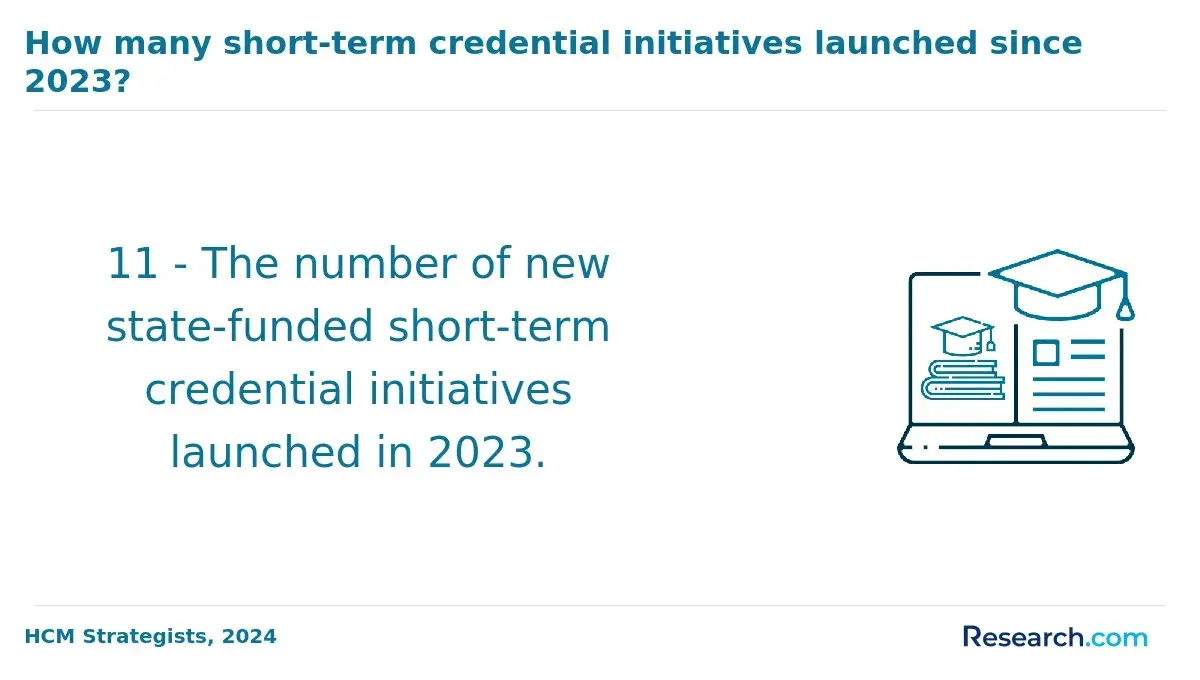
Accurately assessing the return on investment (ROI) for a criminology degree requires understanding the full cost beyond tuition alone. Graduate tuition in the U.S. has increased by about 3% annually over the last ten years, contributing to average student debts around $40,000, which significantly impacts long-term financial outcomes. Several cost factors beyond tuition influence the total investment in a criminology program.
Key expenses affecting the ROI of a criminology degree include:
- Tuition and fees: This is the largest and most variable cost depending on the type of school and whether a student qualifies for in-state tuition or must pay out-of-state or private rates.
- Books and materials: Required textbooks, software, and other educational supplies can add hundreds or even over a thousand dollars each academic year.
- Living and relocation expenses: Housing, meals, and moving costs can considerably raise the overall price tag, particularly for those attending distant campuses or living on site.
- Opportunity cost: Time spent in full-time study often means lost wages, which is a crucial consideration for employed individuals changing careers or advancing within their field.
- Indirect costs: Fees for technology use, transportation, and exams or professional certifications also accumulate, often overlooked when budgeting.
When I asked a graduate of a criminology degree program about his experience managing costs, he described it as a "balancing act" between maintaining a job and meeting academic demands. He recalled juggling part-time work while "constantly worrying about affording the next semester's textbooks" and the stress of unexpected fees.
He said, "It wasn't just tuition that challenged me-it was everything around it that added up quietly but relentlessly." This perspective highlights how the real cost of a criminology degree extends beyond what's immediately visible, shaping how students define its value.
What Financial Aid Is Available for Criminology Degree Programs?
Financial aid can significantly reduce upfront expenses for criminology students, thereby enhancing their long-term return on investment by lowering the need for costly loans. Recent statistics show that nearly 70% of U.S. graduate students receive some form of financial aid, highlighting its vital role in managing education costs and student debt.
Common financial aid options available for criminology degree programs include:
- Scholarships: These awards, based on academic achievement or financial need, directly reduce tuition costs without repayment, improving ROI by minimizing initial expenses.
- Grants: Typically need-based, grants offer free funds that help lower out-of-pocket spending and reduce overall student loan amounts, supporting better financial outcomes after graduation.
- Fellowships: Aimed mainly at graduate students, fellowships provide stipends or tuition waivers, allowing recipients to focus on their studies while lessening loan dependence and increasing earning potential.
- Employer tuition assistance: Some employers offer financial support for tuition, which cuts education costs and boosts ROI while enabling students to earn income simultaneously.
- Federal student loans: Though loans increase debt, federal programs generally have lower interest rates and more flexible repayment plans, making debt management easier and helping preserve overall ROI when borrowed wisely.
How Long Does It Take to Complete a Criminology Degree?
The duration required to finish a criminology degree significantly influences its financial return by affecting opportunity costs, earning potential, and total educational expenses. Shorter completion times allow students to enter the workforce sooner and reduce cumulative costs, enhancing overall ROI. Several important factors shape how long students spend earning their degree and how it translates into financial outcomes.
Key elements impacting degree length include:
- Enrollment status: Students attending full-time often complete their studies more quickly than part-time learners who juggle other responsibilities, but full-time attendance may entail higher immediate costs.
- Program format: Online or accelerated tracks can shorten education timelines, granting earlier workplace access and faster investment returns.
- Transfer credits: Previously earned college credits can cut down required courses, saving money and time which boosts ROI by accelerating graduation.
- Internship or thesis: Required practical experiences might extend study periods but improve job readiness and potential earnings after graduation.
- Schedule flexibility: Evening and weekend classes support working students' steady progress but may prolong the overall length of the program, delaying financial benefits.
When discussing how long it takes to complete a criminology degree, a graduate shared her perspective, highlighting the emotional and logistical complexities involved. She recalled balancing coursework with a part-time job and the stress of meeting internship deadlines, which extended her studies beyond the expected timeframe.
Yet, she emphasized that the hands-on experience from her internship significantly enhanced her confidence and employability. Reflecting on her journey, she said, "While it took longer than I planned, every extra week invested brought me closer to a career I truly value." Her story illustrates that time invested can translate to richer professional opportunities even if the path takes longer than anticipated.
Is ROI Higher for Online or On-Campus Criminology Programs?
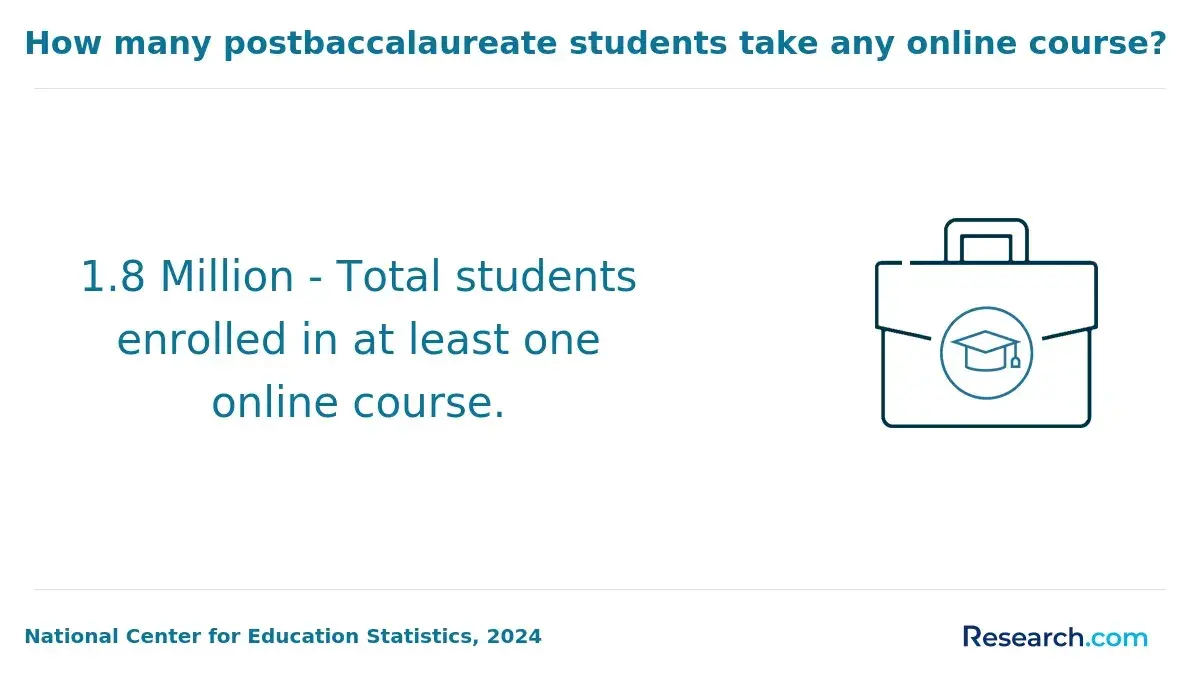
The delivery format of criminology degree programs can significantly influence their return on investment (ROI) by affecting cost, flexibility, and career outcomes. Recent data shows that 45% of U.S. higher education students were enrolled in some form of online learning in 2023, demonstrating its growing popularity despite varying employer attitudes toward online credentials in certain fields. Understanding these differences is key for those evaluating online criminology degree ROI comparison with traditional on-campus options.
Consider the following factors when comparing on-campus versus online criminology program value:
- Tuition and fees: Online programs generally offer lower tuition and fees, which reduces upfront financial burden for students. This makes online study appealing for budget-conscious learners looking to minimize debt.
- Opportunity cost: Flexible scheduling in online formats allows working professionals to maintain income streams, thereby lowering the opportunity cost often associated with taking time off to attend campus classes.
- Networking and career services: On-campus programs usually provide stronger access to networking opportunities and dedicated career services. These resources can enhance job placement success and offer employer connections valuable in criminology careers.
- Employer perception: Some employers perceive on-campus degrees as more favorable, which can influence hiring decisions and salary negotiations in the criminology field.
- Time to completion: Timeframes vary; certain online programs accelerate learning for faster degree completion, while others align more closely with on-campus schedules. Prospective students might also explore fast-track programs, such as a fast track social work degree online, for related insights on accelerated learning options.
What Is the Average Salary After Earning a Criminology Degree?
Post-graduation salary is a key factor driving the return on investment (ROI) of a criminology degree, as it determines how quickly graduates can recover the costs and time invested in their education. In the United States, the average criminology degree salary in the US ranges from $45,000 to $75,000 annually, depending on various career and location factors.
Several elements influence these salary outcomes and affect overall ROI:
- Industry: Graduates employed by federal or state law enforcement agencies usually earn more than those in local agencies or nonprofit organizations, impacting long-term earning potential.
- Geographic location: Salary levels differ significantly by region due to cost of living and job demand, with metropolitan areas generally offering higher wages.
- Prior experience: Candidates with internships or relevant work experience before graduation tend to secure better-paying roles, enhancing their salary expectations.
- Specialization: Knowledge in forensic analysis, cybercrime, or other niche fields can lead to higher earnings and more competitive positions.
- Career level: Entry-level jobs offer lower initial salaries, while advanced management or research roles command significantly higher pay.
Prospective students evaluating criminology graduate salary expectations should balance these factors alongside personal goals. Those interested might also explore related paths such as an affordable online psychology masters to complement their skills and career prospects.
Does a Criminology Degree Lead to Promotions?
Promotions contribute significantly to the return on investment (ROI) of a criminology degree by bringing salary increases, expanded job responsibilities, and enhanced career mobility. These advancements improve both the financial rewards and professional growth prospects associated with the degree. A notable workforce trend is the rise of credential-based promotion policies, where formal education increasingly plays a vital role in qualifying for leadership or specialized positions.
Criminology degree career advancement can be influenced in several key ways, as outlined below:
- Credential requirements: Many organizations now require a formal degree for supervisory or managerial roles, making a criminology degree a fundamental credential for promotion beyond entry-level jobs.
- Leadership preparation: The degree provides foundational knowledge and critical thinking skills necessary for leadership responsibilities, equipping graduates to take on more complex roles.
- Employer tuition support: Employer-sponsored tuition assistance programs can lower the overall cost of earning the degree, improving its financial ROI and making career advancement more accessible.
- Internal promotion policies: Companies that prioritize internal career growth often view advanced education as a differentiator, so holding a criminology degree increases competitiveness in promotion decisions.
- Experience and education synergy: Combining real-world work experience with a criminology degree strengthens a candidate's position to negotiate higher-level roles and better pay.
Those exploring whether promotions with a criminology degree justify the investment should also consider options like the most affordable online colleges to manage costs effectively. Aligning education with long-term career goals enhances the overall benefits of pursuing this field.
Which Industries Offer the Best ROI for Criminology Graduates?
Return on investment (ROI) for criminology graduates varies significantly by industry because of differences in salary levels, career progression opportunities, and demand for specialized skills. Industries that offer strong compensation growth, job stability, and clear promotion potential generally provide the best financial returns for those holding a criminology degree.
Below are some of the best industries for criminology degree ROI, each with distinct advantages related to earning potential and career development.
- Federal law enforcement: This sector is known for high salaries, consistent salary increments, and benefits. The strong demand for specialized skills in areas such as cybercrime and forensics enhances career advancement potential and long-term job security.
- Private security: Private security firms offer competitive pay and increasing opportunities to move into management roles, particularly as corporate and digital security risks grow. This industry's growth boosts earning potential for criminology graduates.
- Criminal justice consulting: Graduates applying analytical and investigative skills in consulting roles benefit from diverse career paths and strong earning potential tied to organizational advisory demands.
- Corrections and rehabilitation: While salaries tend to be moderate compared to federal positions, this field offers steady advancement and job stability, making it a solid choice for consistent ROI.
- Academia and research: Though initial salaries may be lower, this path can provide long-term ROI through tenure, grant opportunities, and professional recognition, rewarding sustained contributions to the field.
For those exploring further education options to enhance their career prospects, considering 1 year graduate programs can be a smart investment. Evaluating the highest paying careers for criminology graduates alongside such accelerated programs can help prospective students and working professionals make informed decisions about their educational paths and career outcomes.
Does Accreditation Affect ROI for a Criminology Degree?
In the context of criminology degree programs, accreditation signifies official approval by recognized agencies that the curriculum meets defined academic and professional criteria. This endorsement signals to employers and educational systems that the program maintains quality and rigor.
Increasingly, employers and licensing entities prefer candidates who have graduated from accredited criminology programs, reflecting a broader trend toward prioritizing workforce readiness and standardized qualifications. Such recognition can enhance the perceived value of the degree in competitive job markets.
Accreditation directly affects long-term return on investment by fostering employer confidence, which often translates into better job prospects and higher earning potential. It also opens doors to financial aid opportunities, which can reduce the burden of student debt and improve affordability.
Furthermore, credits earned through accredited programs are more likely to transfer smoothly to other institutions or support credentials required for licensure in law enforcement and related fields. This flexibility boosts career mobility and can positively impact lifetime financial returns linked to the degree.
Is a Criminology Degree Worth It?
The return on investment for a criminology degree depends largely on factors such as tuition costs, program length, and potential earnings after graduation. Most bachelor's programs take about four years to complete, though part-time and accelerated options exist to fit different needs.
Graduates typically earn between $40,000 and $70,000 annually, depending on their role and location, with steady employment growth predicted in related fields. Opportunities for career advancement and salary increases also play a crucial role in evaluating the degree's financial benefits.
Deciding if a criminology degree is worthwhile involves weighing variables like industry demand, availability of scholarships or financial aid, and personal career objectives. Online or flexible program formats may reduce lost wages due to extended study time, enhancing ROI.
However, fields with limited job openings or slow promotion prospects might lessen financial returns. Ultimately, the value depends on how well the educational investment aligns with one's goals and the evolving needs of the criminal justice sector.
What Graduates Say About The ROI of Their Criminology Degree
- Azai: "Choosing to pursue a criminology degree in a traditional classroom setting was a big decision, especially considering the average cost of attendance can be upwards of $30,000 per year. However, I firmly believe the long-term ROI is clear; the comprehensive education and networking opportunities were invaluable. Since graduating, I've quickly advanced in law enforcement, reaffirming that the investment was completely worth it."
- Russell: "As an online criminology student, I was initially concerned about whether the program's cost justified the return, knowing that fees typically range around $15,000 to $20,000 annually. Reflecting now, I appreciate the flexibility and affordability which allowed me to work simultaneously. Completing this degree significantly expanded my career options in criminal justice analysis, proving that the financial and time investment truly pays off."
- Christian: "Opting for a part-time criminology degree was a strategic choice to balance work and study while managing the costs, which averaged about $25,000 yearly for me. The experience was demanding but insightful, providing a solid foundation that has directly impacted my advancement into a policy advisory role. From a professional standpoint, earning this degree was a wise investment in my future."
Other Things You Should Know About Criminology Degrees
Gaining work experience in the field of criminology typically enhances the ROI of the degree. With relevant experience, criminology graduates can advance to higher-paying positions or roles that require greater expertise, thereby improving their earning potential and increasing the overall return on their educational investment by 2026.
In 2027, the ROI of a criminology degree varies by geographic location due to differences in job demand, salary levels, and cost of living. Graduates in urban areas with a stronger demand for law enforcement professionals may see a higher ROI compared to those in rural regions.
Obtaining certifications such as crime scene investigation, digital forensics, or law enforcement training can improve the ROI of a criminology degree by increasing employability and salary potential. These credentials demonstrate specialized skills that employers value. Certifications often require additional time and cost but can lead to better career advancement opportunities.
References
- Criminologist | Explore Careers | National Careers Service https://nationalcareers.service.gov.uk/job-profiles/criminologist
- BA (Hons) Criminology https://www.law.ac.uk/study/undergraduate/criminology/ba-hons-criminology/
- Online Master’s in Criminal Justice: Most Affordable for 2025 https://www.onlinemastersdegrees.org/most-affordable/criminal-justice-programs/
- How Long Does A Criminal Justice Program Take? https://criminaljusticecareernow.com/articles/how-long-is-criminal-justice-school
- Bachelor of Criminology https://programsandcourses.anu.edu.au/program/bcrim
- ROI Undergraduate - FREOPP https://freopp.org/roi-in-higher-education/roi-undergraduate/
- Criminology Cost https://www.stonehill.edu/programs/criminology-major/criminology-cost/
- Return on Investment for a College Degree in Criminal Justice ROI or a College Degree in Criminal Justice https://www.criminaljusticeprograms.com/articles/return-on-investment-for-a-college-degree-in-criminal-justice/
- The Economics of Accreditation: Costs, Benefits, ROI - Course Accreditation https://course-accreditation.com/blog/the-economics-of-accreditation-costs-benefits-roi/
- “Things you need to know about criminology”: A student perspective – Bonnie Middleton (2017-2020) https://thoughtsfromthecriminologyteam.blog/2020/06/21/things-you-need-to-know-about-criminology-a-student-perspective-bonnie-middleton-2017-2020/


