
2027 How to Verify Accreditation for Criminology Degree Programs

Co-Founder and Chief Data Scientist
Imagine enrolling in a criminology degree program only to discover it lacks proper accreditation, jeopardizing eligibility for federal financial aid and recognition by employers. This scenario is common, as nearly 40% of students drop out or switch programs due to such complications.
Without verified accreditation, graduates may face barriers when seeking licensure or competitive job placements in law enforcement or forensic analysis fields. This article examines how to authenticate accreditation for criminology degree programs, guiding prospective students in making informed educational choices that safeguard their academic investment and future career prospects.
Key Benefits of Accredited Criminology Degree Programs
- Accreditation ensures academic quality assurance by confirming that criminology programs meet rigorous standards set by recognized educational bodies, promoting consistent, research-based curricula.
- Enrolled students in accredited criminology programs qualify for federal and state financial aid, crucial for making education affordable amid rising college costs.
- Employers and licensure boards often require degrees from accredited criminology programs, enhancing graduates' job prospects in law enforcement and criminal justice sectors.
What Does Accreditation Mean for Criminology Degree Programs?
Accreditation is a formal evaluation process conducted by recognized agencies to ensure higher education programs meet standards of quality and rigor. For criminology degree programs, accreditation by bodies recognized by the U.S. Department of Education confirms that curricula, faculty, and institutional resources align with established academic criteria.
According to the Council for Higher Education Accreditation, over 7,000 accredited institutions in the U.S. maintain these standards, highlighting accreditation's importance for criminology degree programs as a mark of academic credibility and consistency. This validation helps students identify programs committed to offering a legitimate and recognized education.
The practical implications of attending an accredited criminology program include assurance of program quality, well-structured courses, and qualified faculty. Accreditation helps protect students by indicating that the institution engages in continuous improvement, ensuring that educational experiences prepare students effectively for careers in the field.
This is particularly relevant for those seeking programs that uphold recognized accrediting agencies for criminology programs. Additionally, prospective students might explore related fields and online options, such as an artificial intelligence degree online, to complement their criminology studies with interdisciplinary skills.
What Types of Accreditation Should a Criminology Degree Program Have?
Knowing the types of accreditation for criminology degree programs is essential to evaluating their quality and legitimacy. This understanding directly influences academic standards, financial aid options, and career prospects.
The key accreditation types to consider are:
- Institutional Accreditation: This verifies that the entire college or university complies with established quality standards. Institutional accreditation affects eligibility for federal financial aid and the ease of credit transfers between schools, which is important when pursuing advanced studies.
- Programmatic or Specialized Accreditation: Focused specifically on criminology or criminal justice programs, this accreditation certifies that the curriculum and faculty meet industry-relevant academic and professional criteria, enhancing employer recognition and graduate preparedness.
- Regional vs. National Accreditation: Regional accreditation is generally more prestigious and widely recognized by employers and other institutions, facilitating smoother credit transfers. National accreditation often applies to vocational or technical schools and may have more limited recognition within academia and professional fields.
- Licensure and Professional Practice Accreditation: Certain accreditations are tied to meeting licensing or certification requirements essential for many criminology careers. Programs with this recognition prepare students for required certification exams and ensure the degree holds credibility within law enforcement and related sectors.
For students comparing options, it is useful to consider related fields as well; for example, information about accelerated programs can be helpful. Those interested may explore opportunities through an accelerated psychology degree online, which shares some accreditation considerations relevant to social science disciplines.
How Can You Verify If a Criminology Degree Program Is Accredited?
Verifying accreditation for criminology degree programs is vital to guarantee educational quality, access to federal financial aid, and valid credentialing for careers or licensure. Ensuring legitimate accreditation protects students from investing in substandard programs and supports their long-term professional goals.
Here are effective methods to confirm accreditation status for criminology programs in the United States:
- U.S. Department of Education Database: Use the official online database managed by the U.S. Department of Education to search for recognized accrediting agencies and confirm if the institution offering the criminology program holds current accreditation. This resource provides authoritative verification directly from a federal source.
- Council for Higher Education Accreditation (CHEA): Review the CHEA website to identify approved accrediting organizations. Confirm that the accrediting body associated with the criminology degree appears on CHEA's list, ensuring the program meets national quality standards.
- Direct School Confirmation: Contact the admissions or registrar's office of the school offering the criminology program. Request official accreditation documentation or details, which legitimate institutions typically provide clearly on their websites or through direct inquiries.
- Programmatic Accreditation Review: Some criminology degrees may hold specialized accreditation beyond institutional approval. Validate these credentials separately with the specific accrediting agency to ensure the program's recognition within the discipline.
For students exploring options, information on an online masters degree psychology can offer insights into affordable, accredited online graduate programs related to criminology studies.
What Red Flags Indicate a Criminology Program May Not Be Accredited?
Spotting warning signs of unaccredited criminology programs is crucial to maintain academic legitimacy, secure financial aid, and ensure valid career prospects. Here are key indicators to watch for when evaluating program credentials.
- Claims of Lifetime Accreditation: Legitimate accrediting agencies require periodic reviews to maintain standards. Programs asserting permanent accreditation without renewal processes may be misleading or fraudulent.
- Unrecognized Accrediting Bodies: Verify accreditation is granted by agencies approved by the U.S. Department of Education or the Council for Higher Education Accreditation (CHEA). Institutions accredited by unknown organizations risk lacking academic rigor and acceptance.
- Suspiciously Low Tuition: While affordable options are important, exceptionally low costs compared to similar programs can hint at compromised quality or illegitimacy. Students should weigh cost against program reputation and outcomes.
- Vague or Misleading Descriptions: Programs that do not clearly state degree requirements, course details, or job placement rates may lack transparency. Be cautious of promises that seem too good to be true, as they might mask program weaknesses.
Careful research into accrediting agencies, transparent curriculum details, and tuition comparisons are essential steps for students prioritizing credible criminology education and career readiness.
Are Online Criminology Degree Programs Accredited?
Online criminology degree programs can be legitimately accredited, which is essential for ensuring educational quality, access to federal financial aid, and recognition by employers or certification boards. Accreditation guarantees that both online and traditional programs adhere to similar rigorous standards regarding curriculum, learning outcomes, and institutional governance.
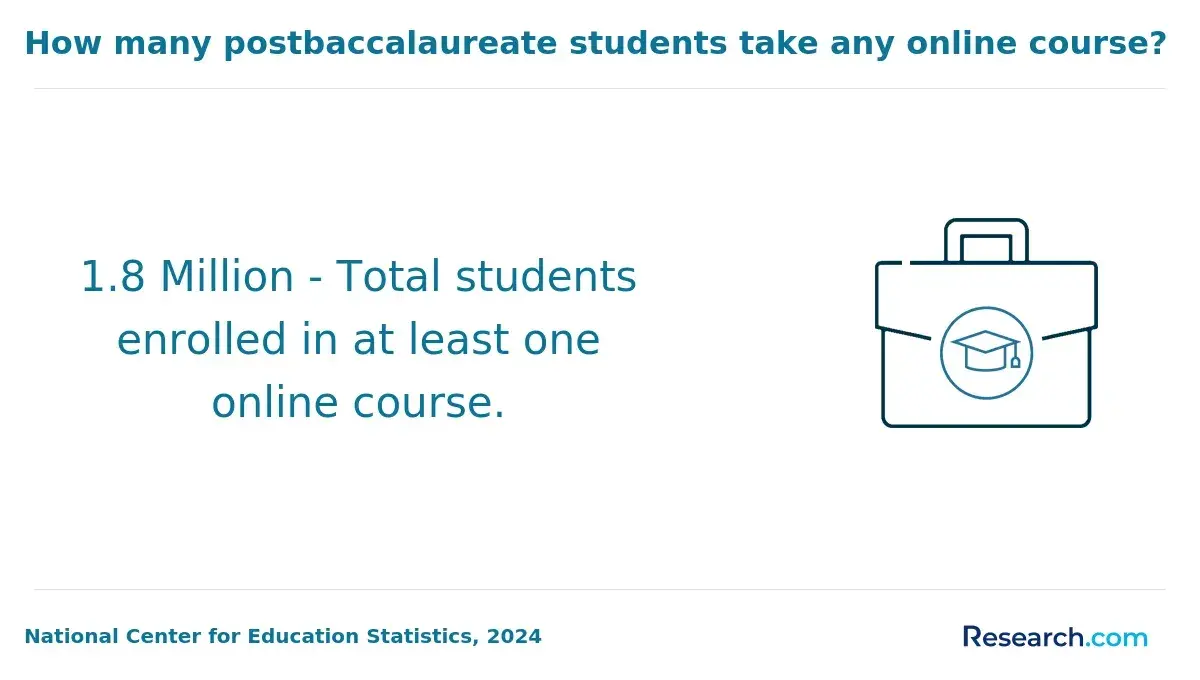
Research from the National Center for Education Statistics shows that more than 75% of distance learners attend accredited institutions, reflecting the widespread acceptance of these programs. Thus, accreditation confirms that online criminology degrees maintain credibility equivalent to campus-based offerings, supporting student confidence in their investment.
When discussing accreditation with a graduate of an online criminology program, he shared how verifying the program's accredited status was initially overwhelming, as it involved thorough research and contacting multiple agencies to confirm legitimacy. He described feeling apprehensive about employer perceptions, recalling that "knowing the degree was fully accredited helped me stay motivated during challenging coursework."
He also noted the importance of accreditation when applying for internships and jobs, saying it "opened doors that might have remained closed without that clear validation." This personal insight highlights how accreditation affects not just academic value but practical career outcomes as well.
Does Accreditation Affect Licensure Eligibility for Criminology Careers?
Accreditation is a critical factor for students aiming for licensure or regulated professions in criminology, as many licensing bodies require degrees from accredited programs to qualify candidates. This foundation impacts several important areas related to career readiness and legal eligibility.
- Licensure Exam Eligibility: Most professional certification or licensure exams mandate that applicants hold degrees from accredited criminology programs. Without this, candidates may be barred from taking these essential qualification tests.
- Licensing Board Compliance: State and regional licensing boards typically verify educational credentials by referencing accreditation status, ensuring candidates meet minimum academic and professional standards.
- Employer and Regulatory Recognition: Accredited programs are generally regarded as providing valid and thorough training, which employers and regulatory agencies use as a mark of credibility during hiring or evaluation processes.
- Program Limitations: Students enrolled in non-accredited criminology programs risk ineligibility for licensure exams, challenges securing positions in licensed fields, and limited access to critical financial aid or professional resources.
Verifying accreditation before enrollment is therefore essential for those seeking not only academic legitimacy but also long-term licensure and career success in criminology-related fields.
Will Credits From an Accredited Criminology Program Transfer to Another School?
Credits from an accredited criminology program often play a crucial role for students who plan to change schools, pursue graduate degrees, or relocate, as they impact the continuity of academic progress and reduce the need to retake courses.
Several factors influence how smoothly these credits transfer between institutions:
- Institutional Accreditation Type: Credits from regionally accredited colleges typically transfer more readily to other regionally accredited schools. Conversely, credits from nationally accredited programs may encounter restrictions, limiting their acceptability.
- Course Equivalency and Curriculum Alignment: Transfer decisions hinge on how well the original criminology courses match the receiving school's content, credit hours, and academic rigor. Close alignment increases the likelihood of approval.
- Receiving School Transfer Policies: Each institution has its own transfer guidelines, often involving careful reviews by academic advisors or department heads, who determine which credits meet their standards.
- Limits on Transfer Credits: Many institutions cap the total number of transfer credits accepted, affecting how many previously earned criminology credits can be applied toward a new degree.
When I asked a graduate of a criminology degree program about her experience transferring credits, she described the process as meticulous but ultimately rewarding. She recalled feeling anxious during the evaluation, as some courses she hoped would transfer required additional documentation and syllabi submissions.
"It was stressful to wait for approvals," she said, "but having advisors who explained the process clearly helped me stay confident." In the end, the majority of her credits were recognized, allowing her to focus on advancing her education without starting from scratch. Her story underscores that while credit transfer can be complex, understanding key factors and communicating effectively with institutions makes it manageable.
Does a Criminology Program Need Accreditation to Qualify for Financial Aid?
Accreditation plays a crucial role in determining eligibility for federal, state, and institutional financial aid, with over 85% of undergraduate aid recipients relying on Title IV programs. Several key factors highlight why accreditation is essential for students seeking financial support in criminology programs.
- Federal Student Aid Eligibility: Accreditation is required for institutions to participate in Title IV programs, which include Pell Grants, Direct Loans, and Federal Work-Study. Without accredited status, students cannot access these critical federal funds.
- State and Military Benefits: Many state-sponsored grants, scholarships, and military education programs require enrollment in accredited programs to disburse funds, safeguarding public investments and ensuring educational quality.
- Institutional Scholarships: Colleges and universities often restrict grants and scholarships to students in accredited programs. Lack of accreditation may increase out-of-pocket expenses as unaccredited programs typically don't qualify for such institutional financial aid.
How Does Program Accreditation Influence Employability in Criminology Fields?
Accreditation is a critical consideration for students aiming to enhance their career prospects and job market credibility in criminology fields. Research shows that graduates from accredited programs have a 15% higher employment rate within the first year after graduation compared to those from non-accredited institutions. This advantage underscores how accreditation influences various aspects of employability.
The following points highlight key ways accreditation impacts job opportunities in criminology careers:
- Employer Recognition: Employers in law enforcement, forensic agencies, and related sectors often prioritize candidates from accredited programs because these credentials assure the education meets rigorous academic and professional standards. This recognition directly increases the chances of initial hiring and career progression by validating the quality of education.
- Professional Credibility: Graduates from accredited criminology programs are viewed as better prepared and more competent. This helps build trust with potential employers and enhances the candidate's standing in a competitive job market, making it easier to secure desirable positions.
- Certification Eligibility: Many specialized roles in criminology require advanced certifications or state licensure, which typically necessitate a degree from an accredited institution. Without this accreditation, candidates may face barriers to licensure and certain career paths, limiting long-term professional opportunities.
- Competitiveness and Financial Support: Accreditation also improves students' competitiveness by distinguishing their qualifications and can impact access to federal financial aid. This support may be essential for students to complete their degrees and enter the workforce promptly, further enhancing career readiness.
For those considering flexible options, researching accredited criminology degrees through resources like accelerated online bachelor degree programs can provide pathways that balance quality education with convenience.
Do Graduates From Accredited Criminology Programs Earn Higher Salaries?
Accreditation significantly impacts earnings potential for criminology graduates by indicating the quality and credibility of their education. Graduates from accredited programs earn average starting salaries around $55,000 annually, while those from non-accredited programs tend to earn closer to $45,000.
Several factors explain this salary gap:
- Employer Preference: Many public agencies and law enforcement organizations require or prefer candidates with degrees from accredited institutions, reflecting a demand for verified academic standards.
- Eligibility for Advanced Roles: Accreditation often makes graduates eligible for higher-level positions that offer better pay and increased responsibility, contributing to salary growth.
- Industry Recognition: Accredited programs generally have stronger reputations, improving job prospects and providing leverage in salary negotiations through recognized academic quality.
- Long-Term Career Advancement: Graduates from accredited programs are more likely to access continuing education and professional development opportunities, such as certificate programs online, which further enhance their earning potential over time.
Verifying accreditation can therefore influence not only immediate job opportunities but also the impact of accreditation on criminology degree salary outcomes throughout a graduate's career.
What Graduates Say About Their Accredited Criminology Degree
- Audrey: "Studying an accredited criminology degree gave me a clear understanding of how crucial accreditation is for ensuring quality education. I carefully checked the program's credentials through official university websites and accreditation bodies before enrolling. Completing an accredited program not only enriched my knowledge but also opened doors to meaningful roles in law enforcement, where credibility matters immensely. "
- Grace: "When I began my criminology studies, I was cautious about accreditation, realizing its importance only after some early research. I verified each potential program by looking up its status with recognized accrediting organizations, which felt like a necessary due diligence step. Reflecting on my career, I'm grateful that graduating from an accredited institution has made a significant difference in gaining trust and respect in my field as an analyst. "
- Kelsey: "Completing an accredited criminology degree was a foundational step in my professional journey. I took systematic steps to confirm accreditation by consulting official accreditation directories and educational advisors before making my decision. This accreditation has fortified my resume, ensuring that employers recognize the rigor and relevance of my education, which has propelled me forward as a criminal justice consultant. "
Other Things You Should Know About Criminology Degrees
To confirm accreditation, students can check the U.S. Department of Education's Database of Accredited Postsecondary Institutions and Programs or the Council for Higher Education Accreditation's website. These resources verify that the institution or program is recognized by an official accrediting body in 2027.
Yes, accredited criminology programs must comply with periodic reviews by accrediting agencies to maintain their status. These reviews may include evaluations of curriculum quality, faculty qualifications, student outcomes, and institutional resources. Programs that fail to meet these standards risk losing accreditation until they address the identified issues.
To verify accreditation in 2027, students should check the U.S. Department of Education's Database of Accredited Postsecondary Institutions and Programs or the Council for Higher Education Accreditation’s directory. Students can also contact the institution directly for accreditation status and details specific to their criminology program.
References
- Online Criminal Justice Degree | Accredited Programs | SNHU https://www.snhu.edu/online-degrees/bachelors/bs-in-criminal-justice
- ACJS Program Endorsement FAQ https://www.acjs.org/acjs-program-endorsement-faq/
- Transfer Credit Opportunities for Criminal Justice Professionals https://go.tiffin.edu/blog/transfer-credit-opportunities-for-criminal-justice-professionals/
- Criminal History's Impact on Occupational Licensing - Board of Certification for The Athletic Trainer https://bocatc.org/newsroom/criminal-historys-impact-on-occupational-licensing/
- Criminal Justice - ANAB https://anab.ansi.org/industry/criminal-justice/
- Choosing an Up-to-Date Criminal Justice Program - Top Criminal Justice Schools https://www.top-criminal-justice-schools.net/faq/choosing-an-up-to-date-criminal-justice-program/
- Criminal Justice Salary Guide | All Criminal Justice Schools https://www.allcriminaljusticeschools.com/criminal-justice/criminal-justice-salaries/


