
2027 Criminology Degree vs Bootcamp vs Certificate: Which Path Leads to Better Career Outcomes?

Co-Founder and Chief Data Scientist
Choosing the right educational path poses a critical challenge for those aiming to enter the criminology field-especially when weighing a traditional degree against faster bootcamps or focused certificates. Salary disparities, employer preferences, and job placement rates vary significantly: data show that degree holders earn on average 15% more within five years post-graduation, while bootcamp graduates benefit from faster entry and strong employer connections in tech-driven roles.
However, certificates often serve niche specializations with variable networking value. This article evaluates these options through metrics like return on investment, career growth, and learner fit-equipping readers to navigate their decisions with evidence-based clarity.
Key Things to Know About Which Path Leads to Better Career Outcomes: Criminology Degree, Bootcamp, or Certificate
- Degree holders generally earn 15-20% more-employers heavily favor degree credentials for advanced roles, reflecting stronger long-term career growth.
- Bootcamps offer faster, cost-effective job placement with focused skills-ideal for career changers needing immediate ROI but limited networking.
- Certificates serve as valuable supplements-enhancing specific skills for current learners or professionals but less impactful alone on salary or employer preference.
How Does Criminology Degree Compare to Bootcamps and Certificates in Total Program Cost and Time to Completion?
Prospective students aiming for careers in criminology face a pivotal choice between a multi-year degree and faster, lower-cost alternatives like bootcamps or professional certificates-none of which is automatically best for every learner. A traditional criminology degree involves completing an associate's or bachelor's degree through colleges or universities.
Associate degrees commonly take about two years full-time, while bachelor's degrees usually require four. Data from the National Center for Education Statistics (NCES) and the Integrated Postsecondary Education Data System (IPEDS) show that total tuition and fees range widely-from $10,000 to $50,000 at in-state public schools, with private institutions costing significantly more. Part-time study options extend these timelines substantially.
Bootcamps offer an intensive, skill-focused path condensed into 8 to 26 weeks of full-time training. These programs concentrate on law enforcement technology, forensic analysis, or criminal justice applications, costing roughly $5,000 to $15,000 according to SwitchUp and Course Report.
Part-time formats exist but still remain far quicker than traditional degrees. Professional certificates, often available through platforms like Coursera, Google, or industry associations, provide a third option. These can be self-paced or instructor-led and generally cost less than $2,000, with durations from weeks to several months.
- Cost: Degree tuition and fees typically exceed $30,000 for a bachelor's; bootcamps generally fall near $10,000; certificates are the most affordable, usually below $2,000.
- Time to Completion: Degrees require 2-4 years full-time; bootcamps span a few months full-time; certificates are often completed within weeks or months, flexible for working adults.
- Study Format Impact: Part-time and flexible degree options lengthen completion time considerably; bootcamps and certificates cater to compressed and adaptable schedules.
Cost and duration data are essential when comparing these pathways, yet they do not cover all critical factors. Outcomes such as employer recognition, salary prospects, job placement rates, return on investment, and networking opportunities must also be weighed. For learners evaluating different routes, including those already enrolled seeking additional credentials, understanding how each aligns with their career goals is vital.
Those interested in supplementing a traditional degree might explore targeted certifications or bootcamps. Readers exploring related fields may also find value in resources like online SLP master's programs that apply similar cost and time comparison principles.
Average time to complete criminology degree vs bootcamp and certificate options demonstrates distinct trade-offs that inform these educational decisions-highlighting the need for a personalized approach based on individual circumstances, career aspirations, and financial considerations.
What Career Outcomes Can Criminology Degree Graduates Expect Compared to Bootcamp and Certificate Completers?
Graduates with a criminology degree generally experience different career outcomes compared to those completing bootcamps or certificate programs, though these differences vary by job market segment and employer preferences. According to data from the Bureau of Labor Statistics (BLS) Occupational Employment and Wage Statistics and the NACE Early Career Salary Survey, criminology degree holders often have higher median starting salaries and better long-term advancement opportunities, especially in traditional law enforcement, forensic analysis, and government roles.
This aligns closely with observed criminology degree graduate job placement rates, which commonly approach 85% within six months in relevant fields. Bootcamp and certificate completers tend to exhibit more variable employment rates-typically between 60% and 75%-depending on program quality and location.
- Employment Rate: Degree graduates frequently report employment within six months near 85% in their field, while non-degree pathways vary more widely based on bootcamp or certificate rigor.
- Median Starting Salary: Criminology degree holders start around $50,000 to $60,000 nationally; bootcamp and certificate completers generally start lower-between $40,000 and $50,000-but specialized certificates in cybersecurity or digital forensics can narrow this gap.
- Job Title Level: Degree holders often begin in mid-level analyst or officer roles thanks to broader academic training, whereas bootcamp completers may enter entry-level or support positions but can advance rapidly if employers prioritize demonstrated skills over formal credentials.
It is critical to note that bootcamp outcome data-often self-reported-may suffer from survivorship bias or selective disclosure, sometimes inflating success metrics. Prospective students should seek independently audited reports or third-party verification such as CIRR (Council on Integrity in Results Reporting) membership to better evaluate program reliability. This caution is important given that the comparative salary outcomes for criminology bootcamp and certificate holders sometimes rely on data that is not externally verified.
Career outcomes are shaped by more than credentials alone. Portfolio quality, networking efforts, geographic market conditions, and industry demand all interact with educational background. Notably, some employers increasingly adopt skills-based hiring, allowing bootcamp and certificate completers to gain ground in certain niches.
However, a criminology degree still provides a meaningful edge in many competitive hiring pools-especially for roles requiring deep theoretical knowledge or eligibility for government clearances. For readers seeking insight into lucrative career paths, examining what career makes the most money can offer further guidance.
Use this evidence-based perspective to ask targeted questions about how each pathway aligns with your career goals, rather than relying on premature conclusions based solely on credential type.
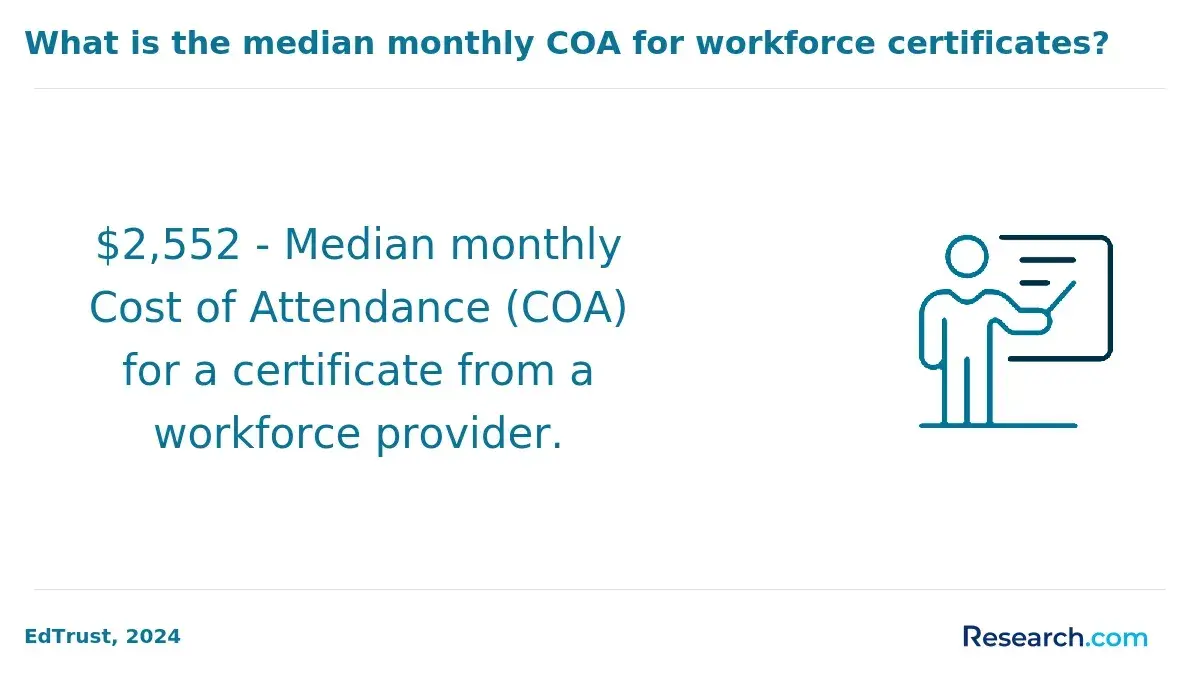
Which Criminology Pathway - Degree, Bootcamp, or Certificate - Offers the Highest Starting Salary for Graduates?
Entry-level salaries for criminology graduates vary significantly by educational background and workplace context. According to data from the Bureau of Labor Statistics, LinkedIn Salary Insights, and other industry sources, those with bachelor's degrees in criminology or criminal justice generally start with median salaries between $50,000 and $55,000 annually. Mid-career earnings for degree holders often increase to the $70,000-$80,000 range, especially within government agencies and large corporations that prioritize formal credentials.
- Bootcamp Graduates: Starting pay typically falls between $40,000 and $48,000 but depends on the bootcamp's relevant focus-such as cybersecurity or digital forensics-which may open doors at startups or tech-centric firms. However, lacking a formal degree sometimes limits upward salary potential.
- Certificate Holders: These professionals tend to earn between $38,000 and $45,000 initially and often occupy support or administrative roles rather than specialized investigative or analytical positions.
Several factors influence these compensation differences beyond educational attainment:
- Employer Type: Government and enterprise employers value degrees more highly, frequently offering structured pay scales and advancement paths, whereas startups may offer flexibility but with lower starting wages.
- Industry Sector: Roles in law enforcement, federal agencies, and corporate security command higher salaries relative to social services or research assistant roles.
- Role Specificity: Specialized criminology positions-like forensic specialists or digital crime analysts-tend to require degrees and pay more than generalist jobs common for certificate holders.
- Geographic Location: Urban and high-cost-of-living areas provide significantly higher wages than rural or less competitive regions.
Salary progression also favors degree holders. Even when bootcamp and certificate completers enter the workforce with similar pay, degree holders typically move faster into management, policy, or specialized roles due to promotion criteria tied to formal credentials embedded in many organizations.
These figures represent median benchmarks rather than guarantees-individual results vary greatly based on prior experience, program quality, specialization, and geographic mobility. For a detailed analysis of returns on investment, readers should refer to the ROI section that compares salary relative to education costs.
How Do Employers Actually Evaluate Criminology Credentials: Does a Degree Still Outrank a Bootcamp or Certificate?
Employer preferences for criminology credentials vary significantly by industry and employer type-formal degrees generally hold substantial value but face increased competition from bootcamps and certificates in specific sectors. Traditional employers, including government bodies and regulated fields like law enforcement, typically require a criminology degree as a screening and promotion baseline. SHRM surveys highlight that academic qualifications still serve as essential markers of theoretical knowledge and compliance in these roles.
- Skills-Based Hiring: Some major tech companies, along with state and federal agencies, prioritize demonstrated skills and portfolios over formal degrees. Despite this, LinkedIn Talent Insights shows degree holders maintain an advantage in mid- and senior-level criminology jobs, limiting widespread impact for non-degree candidates.
- Sector Variation: Startups and consulting entities-often those focused on forensic technology or crime analytics-are comparatively more open to hiring certificate or bootcamp completers who prove practical expertise. However, sustained career progression in these environments often still depends on foundational knowledge typically gained through degree programs.
- Policy Versus Reality: Although competency-based hiring is promoted publicly, academic labor economics research and hiring surveys demonstrate that most organizations retain degree requirements for entry and advancement due to concerns about training depth and reliability.
- Candidate Considerations: Prospective criminology professionals should align their educational choices with their targeted workforce segment-while degrees dominate public and traditional sectors, bootcamps and certificates offer competitive options for tech-focused or entrepreneurial roles emphasizing skills. Those exploring options may also consider MSW programs still accepting applications as complementary paths in related fields.
What Are the Admission Requirements and Academic Barriers for Criminology Degree Programs Versus Bootcamps and Certificates?
Admission to accredited criminology degree programs often demands a higher level of academic preparation than entry into bootcamps or certificate programs. Typical requirements include a minimum GPA-usually between 2.5 and 3.0 on a 4.0 scale-to confirm readiness for college-level study. Applicants may also need to have completed relevant coursework in fields like sociology, psychology, or English composition.
While some institutions still request SAT or ACT scores, many have adopted test-optional policies, reducing reliance on standardized exams. Letters of recommendation-typically one to three-are commonly requested to evaluate candidates' motivation and suitability for rigorous academic work. Fixed application deadlines require applicants to plan ahead well before their intended start term.
- GPA Minimums: Ensures applicants demonstrate baseline academic ability.
- Prerequisite Coursework: Prepares students with foundational knowledge relevant to criminology.
- Standardized Tests: SAT or ACT scores may be required but are increasingly optional.
- Letters of Recommendation: Gauge character, motivation, and scholarly potential.
- Application Timelines: Set deadlines demand early submission and preparation.
In contrast, criminology bootcamps and certificate programs typically have open enrollment policies, presenting much less restrictive entry barriers. Instead of selectivity, these programs focus on quality signals such as experienced instructors, curriculum rigor, measurable student success, and accreditation. This flexible approach favors non-traditional learners-career changers, working adults, and individuals facing financial, geographic, or caregiving challenges-by offering rolling admissions and frequent start dates that fit varied schedules.
- Admission Selectivity: Less emphasis on filtering; quality conveyed through outcomes and content.
- Access Advantages: Removes barriers to entry for those balancing complex life circumstances.
- Flexible Timelines: Rolling or multiple start dates accommodate diverse learner needs.
Deciding which pathway aligns best depends heavily on one's academic background and life situation. For some, degree program rigor serves as a valuable credential that employers trust. For others, the openness of bootcamps or certificates presents a practical, equitable alternative without compromising essential skill development.
How Does Curriculum Depth Differ Between a Criminology Degree, a Bootcamp, and a Certificate Program?
Degree programs in Criminology offer the most extensive curriculum, combining required general education with specialized courses in sociology, psychology, law, and criminal justice theory. Students have the opportunity to choose electives that delve into areas like forensic science or cybercrime.
Research methods and a substantial capstone or thesis project are integral, fostering analytical thinking, data interpretation, and scholarly communication skills. This broad academic foundation builds versatile capabilities that support career advancement over time, though it typically extends the duration before entering the workforce.
Bootcamps adopt a condensed, intensive approach, centering on hands-on projects designed to develop immediately applicable skills. Their curricula emphasize practical tools such as crime data analysis software and investigative methods, prioritizing job readiness in a short span. While this focus accelerates skill acquisition, bootcamps omit the wider theoretical study and research training found in degree programs, making them ideal for those aiming for entry-level positions with swift employment outcomes.
- Certificates: These are diverse and split mainly into two categories:
- Entry-Level Certificates: Usually offered by online educators or tech firms, these introduce basics or complementary areas like cybersecurity or data privacy, enhancing employability especially in tech-influenced Criminology roles.
- Professional Certifications: Granted by industry bodies, these credentials emphasize specialized expertise and industry standards. They often require prior experience and strengthen professional standing without the broader academic demands characteristic of degrees.
Each educational path balances theory and practice differently-degrees marry them deeply, bootcamps emphasize rapid practical mastery, and certificates range from foundational exposure to specialized validation. This variety caters to varied learner goals, career stages, and preferences for immediate job skills versus long-term academic grounding.
Which Criminology Path Produces the Fastest Return on Investment: Degree, Bootcamp, or Certificate?
Calculating return on investment (ROI) for criminology education requires accounting for total costs-not only tuition, fees, and materials but also opportunity cost: the income forgone while studying. A traditional two- to four-year degree entails a significant opportunity cost since students delay or forgo salary during enrollment. In contrast, bootcamps and certificates typically last weeks or months, greatly reducing lost earnings and upfront expenses. This difference markedly influences the true ROI comparison between pathways.
Using data from NCES, NACE salary benchmarks, and bootcamp outcome reports, we analyze ROI across three learner profiles based on cumulative salary premiums over five and ten years post-completion:
- Recent High School Graduate: With little or no income lost during study, opportunity cost is minimal.
- Degree: Despite higher upfront tuition, the salary premium realized by year five generally results in positive ROI, which continues to grow over ten years.
- Bootcamp: Lowest combined cost and quickest completion lead to earlier positive ROI, though total salary gains tend to lag degree holders.
- Certificate: Fastest pathway to ROI due to minimal expense and study time; however, cumulative salary increases may plateau sooner.
- Mid-Career Professional ($50,000/year income): Forgone salary during a degree program greatly raises opportunity cost.
- Degree: High opportunity cost delays break-even beyond five years despite larger long-term salary boosts.
- Bootcamp and Certificate: Typically shorter, flexible formats allow maintenance of income or part-time study, producing quicker ROI with competitive wage improvements.
- Part-Time Learner Maintaining Employment: Lower opportunity cost by studying while working, but completion times extend.
- Degree: Stretching tuition and study hours reduces financial strain, cushioning opportunity cost impact.
- Bootcamp and Certificate: Flexibility supports steady income and allows for steady, positive ROI growth.
While ROI offers valuable financial insights, it is not the only criterion. Degrees may be required by employers seeking deeper criminology expertise or advanced specialization, benefits that bootcamps and certificates usually do not provide. Individuals should weigh ROI alongside career goals, credential recognition, and personal circumstances to choose the best criminology education pathway suited to their ambitions.
How Do Criminology Bootcamps and Certificate Programs Compare to Degree Programs on Job Placement Rates?
Job placement rates for criminology bootcamps, certificate programs, and degree programs differ significantly due to variations in reporting standards and definitions. Degree programs typically rely on independently audited data from the Integrated Postsecondary Education Data System (IPEDS) and institutional career services, emphasizing employment directly connected to the criminology major within six to twelve months after graduation. This rigorous reporting offers a reliable benchmark for long-term career outcomes.
- Bootcamp Statistics: Bootcamps often provide self-reported placement figures, which can lack external verification and sometimes include any job in a broadly related field, such as security or administrative roles. This broader interpretation inflates apparent success rates, complicating direct comparisons to degree program data.
- Certificate Programs: Certificate placement rates usually fall between bootcamps and degrees in reliability. Some programs employ third-party verification, but many report aggregated employment numbers without specifying job relevance or timing, which affects interpretation of outcomes.
- Placement Definitions: Understanding how "placement" is defined is essential:
- Degree programs track employment specifically related to criminology.
- Bootcamps may include roles in adjacent industries.
- Certificates vary widely, often lacking strict job relevance requirements.
- Career Services Quality: The strength of career supports-employer partnerships, resume coaching, mock interviews, and alumni networks-can dramatically improve placement rates across all pathways. Evaluating career services infrastructure is crucial when choosing a program.
- Critical Evaluation: Prospective students should request detailed placement data broken down by job role, salary ranges, and time-to-placement rather than relying on headline statistics, which can mask important variations and make it difficult to compare criminology bootcamp vs degree job placement rates directly.
- Industry Benchmarks: Degree programs tend to report higher and more consistent placement rates, reflecting long-term career growth. Bootcamps and certificates may offer quicker entry into the workforce but often at the expense of sustained advancement.
Adult learners and working professionals might also consider supplementing a degree with certificate programs or targeted bootcamp training to optimize employment outcomes. For those researching comparable part-time study options, the MFT program provides an example of a streamlined, flexible pathway that balances duration and career relevance.
Choosing the right educational pathway requires discerning analysis of employment outcomes-certificate programs compared to criminology degrees for employment outcomes often present differing strengths depending on a student's career stage and goals.
What Role Does Networking and Alumni Access Play in Criminology Degree Programs Versus Bootcamps and Certificates?
Networking and alumni access play distinctive roles across criminology degree programs, bootcamps, and certificate pathways-often shaping career outcomes beyond the classroom experience. Professional connections serve as a durable asset, especially in fields reliant on both academic credibility and practical opportunity. These connections are crucial when evaluating criminology degree program alumni network benefits to advance long-term career growth.
- Degree Programs: Traditional criminology degrees typically offer expansive networking infrastructure. Alumni associations provide ongoing engagement opportunities nationwide, often segmented by specialization and geographic region. Career fairs hosted by universities attract established employers, and faculty members with industry ties facilitate mentorship and internship placements. Greek life or professional organizations offer additional social and professional networking channels, creating layered avenues for relationship building. The prestige and location of the institution significantly affect the network's reach-prestigious universities with large criminology departments often maintain extensive employer partnerships and a wide geographic footprint that benefits graduates seeking diverse career paths.
- Bootcamps: Smaller and newer in scale, criminology-related bootcamps emphasize cohort-based learning, fostering strong peer connections. Some well-established bootcamps have cultivated proactive alumni communities that encourage job referrals and knowledge sharing. Their employer partnerships-particularly in technology-enhanced fields like cyber forensics or criminal data analysis-offer pipelines to hiring managers seeking practical skills. Although their alumni networks remain narrower than those of university programs, they are often well tailored to regional markets or specialized niches, contributing valuable professional networking opportunities in criminology bootcamps and certificates.
- Certificate Programs: Credentials issued by prominent platforms such as Google Career Certificates bring learners into professional communities, though with varying depth. These programs typically provide access to mentors, forums, and occasional networking events; however, connection to hiring managers and sustained peer networks can be limited. Post-credential networking often requires proactive learner effort to leverage these communities for long-term advancement. Providers like Google offer valuable resources but may not match the structural support found in degree or bootcamp programs.
Those considering supplemental education might explore quick certifications that pay well as accessible options alongside formal pathways, recognizing how networking access impacts job placement rates, employer preferences, and return on investment across all types of criminology education.
How Does Geographic Location Affect Which Criminology Pathway - Degree, Bootcamp, or Certificate - Leads to Better Outcomes?
Geography significantly influences career outcomes across criminology pathways-degree programs, bootcamps, and certificates-due to varying employer demand and credential recognition. Metropolitan areas like New York, San Francisco, and Washington, D.C., tend to reward formal degree holders with higher wages and more job openings, reflecting local employer preferences for traditional education.
Meanwhile, bootcamp and certificate graduates thrive best in cities with strong technology or business sectors, benefiting from dense employer ecosystems and direct ties between programs and local firms.
- Urban Network Effects: Large metro areas offer bootcamp and certificate students superior placement prospects because many of these programs operate in cities with concentrated employers eager for specialized skills.
- Rural and Regional Limitations: Smaller markets often exhibit less familiarity with non-degree credentials, placing bootcamp and certificate holders at a disadvantage compared to degree graduates whose qualifications carry broader acceptance.
- Remote Work Dynamics: The rise of remote positions benchmarked to metropolitan pay scales has softened location-based disparities, enabling candidates from all educational paths to compete nationally - though competition has grown fiercer as a result.
- Relocation Risks: Graduates relocating away from their bootcamp's original region frequently encounter fewer job connections and diminished placement rates, underscoring the importance of local employer alignment.
- Strategic Considerations: Prospective students should evaluate area-specific employer density, credential recognition, and remote work prevalence, as success patterns for bootcamp or certificate programs can vary dramatically by location.
Recent data from Course Report indicates that 70% of bootcamp alumni secure employment within six months in their program's home city, highlighting the critical role geography plays in aligning education with opportunity.
What Do Criminology Industry Professionals and Hiring Managers Actually Prefer When Reviewing Resumes?
When it comes to landing a position in the criminology industry, understanding what hiring managers and industry professionals prioritize in a resume can make all the difference. From highlighting relevant experience to showcasing key skills, knowing what catches their eye helps applicants stand out in a competitive field.
- Degree Emphasis: Large organizations-including government entities-tend to rely heavily on traditional criminology degrees, using them as initial screening tools to manage extensive applicant pools. Despite many big employers publicly dropping degree requirements since 2020, hiring trends still favor candidates with formal academic credentials in these sectors. This pattern reflects institutional caution and the persistent value placed on standardized qualifications within established workplaces.
- Skills-Focused Recruiting: Emerging firms, smaller agencies, and niche employers prioritize proven abilities over formal education credentials. Applicants showcasing strong portfolios, success in technical evaluations, or relevant certificates alongside hands-on experience frequently gain more attention. Such employers demonstrate greater receptivity to bootcamp graduates and certificate holders, valuing adaptability and practical problem-solving skills.
- Evolving Employer Attitudes: Post-pandemic job listings increasingly soften degree mandates, yet actual hiring data reveals only modest shifts among larger employers favoring alternate credentials. Mid-sized organizations report slowly growing openness to non-degree pathways, though formal qualifications continue to inspire greater confidence during hiring decisions.
- Research Strategy: Candidates benefit from direct inquiry rather than relying solely on publicly stated requirements. Conducting informational interviews with hiring personnel and studying profiles of newly hired employees on LinkedIn provide clearer insights into prevailing credential expectations. This approach helps uncover the most effective educational routes and credential mixes leading to successful employment.
What Graduates Say About Which Path Leads to Better Career Outcomes: Criminology Degree, Bootcamp, or Certificate
- Allan: "Choosing the criminology degree was a game-changer for me-while bootcamps often boast quicker entry, the degree's strong return on investment became clear by the steady salary increases and long-term career growth I've experienced. Employers I've interacted with consistently prioritize the depth of knowledge that a degree program provides, which helped me stand out in a crowded job market. Although the job placement rate after bootcamps can be enticing, having a broad network from university connections truly opened doors to unique opportunities I wouldn't have found otherwise."
- Gunnar: "I took the certificate route in criminology because I needed a flexible option that fit my busy schedule, and honestly, it was a solid fit for my learner profile-it helped me gain key skills rapidly and get my foot in the door. However, I noticed that employers tend to prefer candidates with a full degree for higher salary roles, which means there's some limitation in climbing the career ladder long term. Still, for those focused on immediate job placement and practical experience, the certificate offers a reasonable balance that many overlook."
- Jaxon: "Reflecting on my experience graduating from a criminology bootcamp, I'm impressed by how targeted training led to some of the fastest job placements in my cohort-employers clearly value bootcamp credentials for specific roles. Salary outcomes initially lag behind those with degrees, but the return on investment was undeniable given the shorter time and cost commitment. For learners who thrive in intensive, career-focused environments, the bootcamp path is a pragmatic choice, though networking opportunities may be less extensive than traditional programs."
Other Things You Should Know About Criminology Degrees
Individuals with a criminology degree generally experience more sustainable long-term career growth due to the comprehensive academic foundation and critical thinking skills gained. Degree holders often qualify for advanced roles and leadership positions that require formal education credentials. In contrast, bootcamp and certificate graduates may find faster entry-level job placement but can face limitations in progression without further education or experience.
Recent high school graduates typically benefit from pursuing a criminology degree, which offers depth, breadth, and time to develop essential professional skills. Career changers may find bootcamps or certificate programs more practical-these shorter, focused options provide targeted skills and quicker entry into the workforce. However, career changers aiming for managerial or specialized roles should consider supplementing shorter programs with additional education.
In a recession, criminology degree holders generally benefit from greater job stability and access to government and research roles. Bootcamps and certificates may provide quick skill acquisition but might not offer the same level of job security or opportunities.
Criminology degrees are typically offered by accredited institutions recognized nationally, which ensures rigorous academic standards and broad employer acceptance. Bootcamps and certificates vary widely in accreditation-some are industry-recognized, while others lack formal validation. This difference affects perceived legitimacy, with degrees generally carrying greater weight on resumes and in professional settings.
References
- Insights from Students and Alumni: Master Programme in Criminology and Criminal Justice https://soc.fss.um.edu.mo/insights-from-students-and-alumni-master-programme-in-criminology-and-criminal-justice/
- How Long Does It Take https://www.stonehill.edu/programs/criminology-major/how-long-does-it-take/
- How To Network As A Criminal Justice Graduate https://www.northwestcareercollege.edu/blog/how-to-network-as-a-criminal-justice-graduate/
- Balancing the Scales: Pursue a Career in Criminology - UNCF https://uncf.org/the-latest/balancing-the-scales-pursue-a-career-in-criminology
- Non-Discrimination Policy https://ncmich.edu/nondiscrimination-policy.html
- Bootcamp vs College: Which Offers Better ROI in 2025? https://www.skillspire.net/post/bootcamp-vs-college-which-path-offers-better-roi-in-2025
- Undergrad Application and Transfer Guide https://www.criminaljustice.com/resources/undergraduate-application-and-transfer-guide/
- College Degree vs. Bootcamp ROI https://oboe.com/learn/college-degree-vs-bootcamp-roi-cs5335/certification-pathways-college-degree-vs-bootcamp-roi-3
- Bootcamp Certification vs. Degree: The Importance of Accreditation in Education https://www.qahe.org/article/bootcamp-certification-vs-degree-the-importance-of-accreditation-in-education/
- Bachelor Of Criminology And Justice - Study Online & On Campus | ACAP https://www.acap.edu.au/courses/bachelor-of-criminology-and-justice/


