
2027 Is a 2-Year Criminology Degree Worth It: Accelerated Bachelor's ROI & Time Trade-Offs

Co-Founder and Chief Data Scientist
Choosing to pursue a 2-year criminology degree often raises concerns about whether the accelerated pace compromises career prospects or financial returns. Recent data shows that graduates with bachelor's degrees in criminology-related fields experience a 7% faster employment growth compared to those without degrees. However, the pressure to complete a degree quickly can challenge comprehension and increase stress.
This article evaluates the return on investment of accelerated criminology programs, weighing tuition costs against potential earnings and time saved. It also explores job market trends and how these programs affect long-term career trajectories, helping readers make informed educational decisions.
Key Benefits of a 2-Year Criminology Degree
- A 2-year criminology degree offers faster entry into the workforce, reducing opportunity costs compared to traditional 4-year programs and enabling quicker salary gains.
- The accelerated format often costs less overall, improving return on investment by minimizing tuition and living expenses while maintaining essential criminology content.
- Graduates can leverage the degree for diverse roles in criminal justice, with employment growth projected at 5% over the next decade, indicating stable job prospects.
How Do 2-Year Criminology Programs Work?
Two-year criminology degree programs offer an accelerated pathway to completing a bachelor's degree by compressing essential coursework into about half the time of traditional programs. Understanding this structure is crucial for students weighing the time commitment and fast-paced learning environment typical of these programs.
Below is an overview of how these accelerated criminology degree admissions and coursework are generally organized.
- Accelerated pacing: Programs reduce the total time from four years to two by requiring students to engage in intensive study schedules, often with fewer breaks.
- Year-round enrollment: Students typically enroll continuously through summer and winter terms, which are optional or less common in standard curricula.
- Condensed course terms: Courses are shorter but more demanding, requiring swift mastery of material within compressed periods.
- Credit load expectations: A heavier credit load per term, usually between 15 and 18 credits, is common, demanding strong time management skills.
- Instructional format: These programs often blend lectures, discussions, and applied learning, with many incorporating online or hybrid courses for flexibility.
- Assessment methods: Evaluation includes exams, research papers, group projects, and practical assignments aligned with criminology principles.
- Structured progression: Students follow a defined sequence with clear milestones and prerequisites to maintain the accelerated timeline without delay.
Students exploring educational options might also consider accelerated DNP programs for comparison. Median earnings for criminology graduates hover near $60,000 annually, with growing demand expected in law enforcement and corrections. The structure of 2-year criminology degree programs balances rigorous academics with a clear focus on career readiness.
What Are the Admission Requirements for a 2-Year Criminology Degree?
Identifying the admission requirements is crucial for students considering an accelerated bachelor's in criminology, as it helps clarify eligibility and necessary preparations. This understanding also supports evaluating how these programs fit within personal timelines and academic backgrounds.
Below is a detailed breakdown of typical admission factors to anticipate.
- Prior Education: Most 2-year criminology degree admission criteria require a high school diploma or equivalent, such as a GED. Some programs prefer applicants who have completed college credits or an associate degree, particularly for accelerated criminology program pathways.
- GPA Expectations: A minimum GPA around 2.5 to 3.0 on a 4.0 scale is commonly expected, ensuring students have demonstrated consistent academic performance suitable for intensive study.
- Standardized Test Scores: SAT or ACT scores are less frequently required for associate-level or accelerated criminology degrees, varying by institution, with many programs placing less emphasis on these tests.
- Prerequisite Coursework: Completion of foundational courses in social sciences, psychology, or criminal justice often strengthens applications by proving familiarity with key subject areas.
- Work or Volunteer Experience: Relevant experience in law enforcement, social services, or related fields can enhance an application, though it is not always a mandatory criterion.
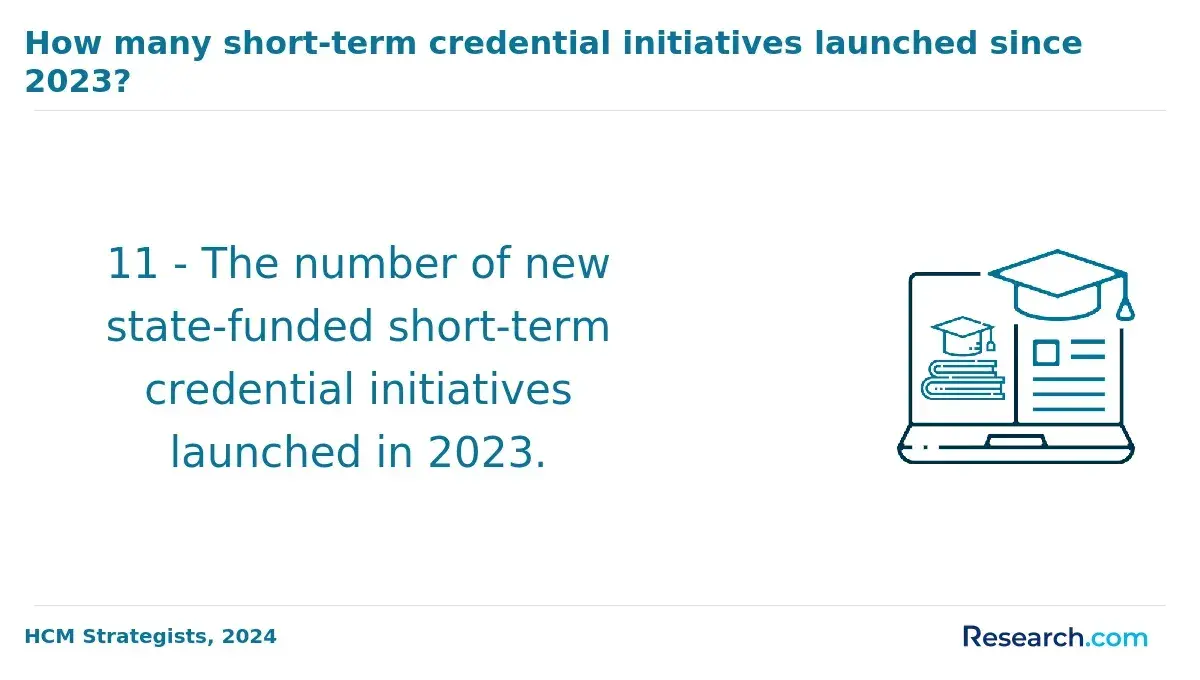
Accelerated bachelor's degrees in criminology often build on these admission basics, requiring college-level credits to reduce completion time significantly. According to the National Center for Education Statistics, such programs may shorten the path by up to two years compared to traditional four-year degrees, which is a considerable advantage for students focused on career entry and easiest DNP programs return on investment.
What Does a Typical Week Look Like in a 2-Year Criminology Program?
Knowing what a typical week entails in a 2-year criminology program helps prospective students gauge whether they can meet the rigorous demands of an accelerated curriculum. Because the pace is fast and workloads heavy, understanding the weekly rhythm is essential for balancing study, work, and personal life.
Here's a closer look at the weekly components common to such programs.
- Class Sessions and Lectures: Students attend multiple classes weekly, often blending lectures and interactive seminars. Sessions vary in length-usually one to three hours-and aim to deliver core concepts efficiently to cover a full curriculum in a condensed timeframe.
- Assignments and Assessments: Regular homework includes readings, case studies, and written reflections that require dedicated outside study. Frequent quizzes or exams help reinforce rapid learning and ensure students keep pace with the material.
- Group Work and Discussions: Collaborative projects and lively debates form a key part of the learning process, encouraging analysis of real-world criminological issues. These typically demand extra coordination and meetings beyond scheduled classes.
- Independent Study Time: Students must invest substantial time reviewing notes, conducting research, and preparing for assessments to fully grasp complex theories quickly taught in class.
- Instructor Interaction: Though limited by fast schedules, some accessibility remains through office hours or virtual meetings, offering targeted support when needed.
- Time Management Demands: Juggling coursework, group obligations, and personal life requires strong organization and foresight. Success often hinges on the ability to prioritize tasks and avoid falling behind.
When I spoke with a professional who completed a 2-year accelerated bachelor's degree in criminology, he described the experience as "intense but rewarding." He recalled how the most challenging part wasn't just keeping up with lectures or readings but managing the mental shift between subjects every day.
"Some weeks, I barely had free time," he said, emphasizing that staying organized was crucial. To prevent burnout, he developed a strict weekly schedule and relied heavily on digital planners.
He also noted that, while stressful, the program's fast pace helped maintain focus and motivated him to complete tasks promptly rather than procrastinate. "It felt like running a marathon at sprint speed-exhausting but incredibly fulfilling once you cross the finish line."
Are 2-Year Criminology Programs Available Online?
Choosing the delivery format for an accelerated criminology degree significantly influences flexibility, accessibility, and time management for students. Online options cater especially well to those balancing education with work or personal commitments, offering varied learning environments to fit different lifestyles.
Below is an outline of key features shaping the online 2-year criminology experience.
- Fully online vs. hybrid: Programs may be entirely online or blend online coursework with live sessions. Hybrid formats combine self-paced study with scheduled real-time interactions, promoting flexibility alongside community engagement.
- Asynchronous and synchronous learning: Asynchronous components allow students to access lectures and materials on their own schedule, while synchronous classes enable direct communication with instructors and peers, balancing independence with structured support.
- Technology requirements: Reliable internet, a functional computer, and familiarity with learning platforms such as Blackboard or Canvas are essential for navigating course content, submitting assignments, and participating in discussions smoothly.
- Student support services: Online programs typically offer robust resources including academic advising, tutoring, career guidance, and technical help to mirror the support available in traditional settings and enhance student success.
- Impact on pacing and engagement: Accelerated online formats often condense coursework into a shorter timeframe, demanding strong self-discipline and time management. Recorded lectures and flexible access to materials help accommodate diverse learning preferences and sustain motivation.
How Much Does a 2-year Criminology Degree Cost?
Evaluating the total cost of a 2-year criminology degree is crucial for assessing its return on investment, especially in accelerated programs that condense coursework into a shorter timeframe. This time efficiency can reduce overall expenses and opportunity costs, but understanding the detailed cost components ensures students make informed decisions.
Below is a breakdown of the key factors impacting the cost of a 2-year criminology degree.
- Tuition Structure: Tuition fees for accelerated criminology programs are typically charged per credit hour. While these programs may require a higher credit load each semester, the overall number of credits needed can be lower than traditional degrees, potentially resulting in cost savings.
- Additional Fees: Students should consider registration charges, technology access fees, and lab usage costs, all of which contribute to the total price beyond tuition. Accelerated programs sometimes have fees that reflect the intensive learning environment.
- Textbooks and Learning Materials: Costs for textbooks and specialized resources, such as criminology databases or software, are a significant part of student expenses. These materials support a deeper understanding but can add to the total investment.
- Impact of Accelerated Pacing: By finishing a degree quicker, students save on living expenses and reduce lost income from time out of the workforce. National statistics highlight that accelerated programs may save 25-50% of the usual degree duration, offering substantial financial benefits.
For those exploring budget-friendly options, it can be helpful to review programs similar in cost-efficiency, such as affordable online medical billing and coding schools, which also emphasize accelerated learning paths.
Can You Get Financial Aid for 2-Year Criminology Programs?
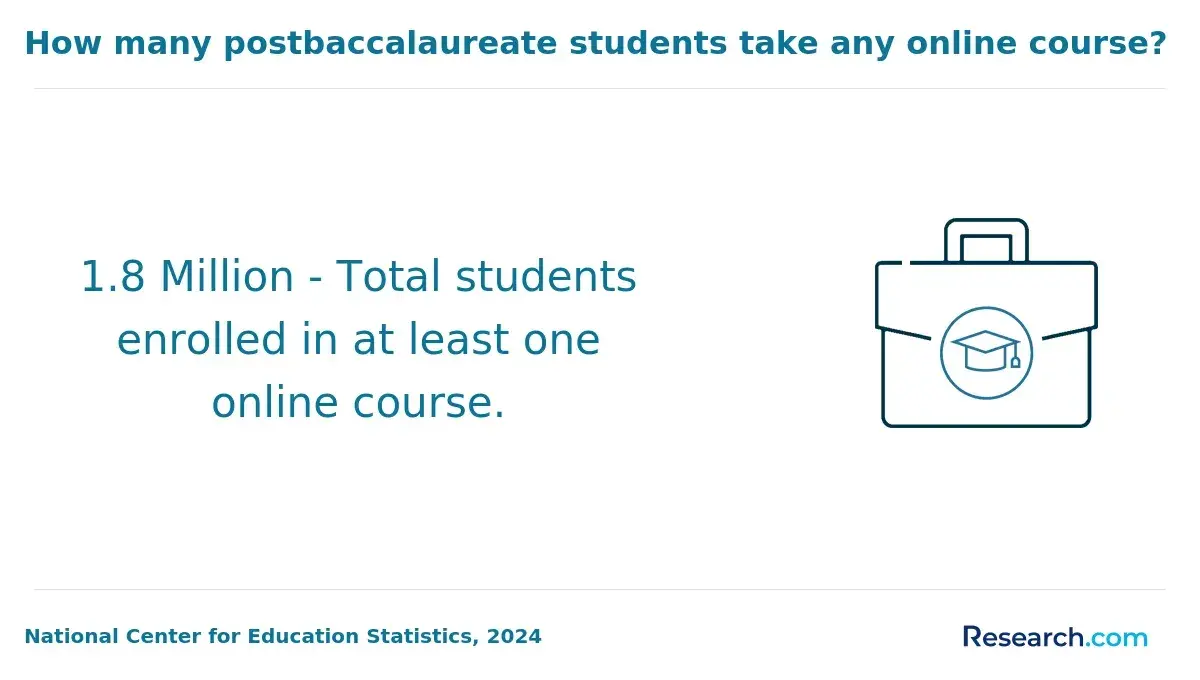
When considering accelerated criminology programs, understanding financial aid availability is crucial to manage costs and plan effectively. Access to funding can significantly influence a student's ability to commit to a compressed schedule without facing unexpected financial strains.
Below is an overview of common aid options and how the fast pace of these programs can impact funding.
- Federal Student Aid Eligibility: Most accredited 2-year criminology programs qualify for federal aid such as Pell Grants and Direct Loans. However, accelerated timelines may affect enrollment status, which in turn influences disbursement schedules and eligibility, requiring students to stay informed and proactive.
- Scholarships: Numerous scholarships focus specifically on criminology and criminal justice fields. Offered by professional associations and community organizations, these awards can provide substantial financial relief for qualified applicants.
- Grants from State and Local Agencies: Targeted grants are available in some areas to promote workforce development in criminal justice. These funds often don't require repayment and help reduce overall education expenses.
- Employer Tuition Assistance: For students who are also working adults, many employers provide tuition reimbursement for relevant courses. This is especially valuable in accelerated programs, where balancing work and study can be challenging but financially supported.
- School Payment Plans: Some institutions offer payment arrangements that allow students to spread tuition fees over shorter periods. This flexibility can ease financial pressure when traditional aid disbursement is misaligned with an accelerated course load.
When I spoke with a professional who completed her accelerated bachelor's in criminology, she reflected on the financial aid journey as both challenging and rewarding. "Navigating the timing of loan disbursements was tricky because the semesters were shorter than I was used to," she explained.
"I had to coordinate with the financial aid office frequently to ensure payments lined up with my courses." Her employer's tuition assistance played a crucial role, alleviating much of the financial stress. She shared, "Without that support, managing costs alongside a full-time job would have been overwhelming."
Ultimately, her careful planning and resourcefulness allowed her to graduate debt-manageably and confidently transition into her career.
What Jobs Can You Get With a 2-Year Criminology Degree?
Evaluating the job prospects associated with a 2-year criminology degree is crucial for anyone considering this accelerated academic path. Understanding potential career outcomes helps gauge whether the program's time commitment and educational focus align with personal and financial goals.
Below is an overview of typical roles and industries that graduates with an accelerated bachelor's in criminology often enter.
- Crime Scene Technician: Graduates can work in forensic departments assisting with evidence collection and analysis, applying foundational knowledge of criminal behavior and investigation techniques to support law enforcement agencies.
- Probation or Parole Officer Assistant: These entry-level roles involve helping monitor offenders, ensuring compliance with release terms, and facilitating rehabilitation efforts within the justice system.
- Juvenile Detention Counselor: Working in youth correctional facilities, graduates support behavioral management and counseling for juveniles, gaining practical experience in corrections and social services.
- Security Analyst: Applying investigative and analytical skills learned through accelerated criminology degree programs, graduates can assess security risks and help develop strategies for public or private organizations.
- Criminal Justice Agencies and Correctional Facilities: Many individuals find employment within public safety departments or community support organizations focused on rehabilitation and law enforcement support.
The accelerated format allows students to complete coursework in roughly half the time of traditional programs, enhancing preparedness for workforce entry while reducing educational expenses. This pacing fosters the development of critical thinking and analytical abilities essential in criminology-related careers.
Career advancement is achievable with additional experience or education, positioning graduates for supervisory or specialized roles.
Employment in protective service occupations is projected to grow 9% from 2022 to 2032, signaling strong demand for trained professionals. For those exploring cost-effective education options, pairing a criminology degree with research on cheap online nursing programs might provide valuable insights into balancing career goals and educational investments related to various fields.
The job prospects offered by a 2-year criminology degree provide a practical and efficient route to entering diverse roles within criminal justice and social services, a vital consideration when assessing careers with accelerated criminology degree programs.
How Do Salaries Compare for 2-year Criminology Degree vs. Traditional Bachelor's Degrees?
Salary outcomes are a critical factor when evaluating the return on investment (ROI) of accelerated versus traditional degree paths in criminology. Understanding these outcomes helps prospective students determine how the time and cost commitments of a 2-year criminology degree compare to those of a traditional 4-year bachelor's degree.
The following points detail how earnings typically differ between these educational routes.
- Early-career earnings: Graduates with a 2-year criminology degree often start with median salaries ranging from $35,000 to $45,000, whereas those holding traditional bachelor's degrees typically earn between $50,000 and $65,000 initially. This gap reflects employer expectations and the credential's perceived value in entry-level roles.
- Long-term earning potential: While starting salaries for accelerated programs tend to be lower, traditional bachelor's degree holders often have access to higher-paying opportunities as career advancement usually favors those with full 4-year qualifications. The potential for salary growth is generally greater in traditional programs.
- Employer perception and career progression: Many competitive or specialized roles-such as probation officers, detectives, or federal agents-require a full bachelor's degree. Employers tend to prefer candidates with traditional degrees for higher-level positions, which can slow promotional timelines for 2-year degree holders.
- Faster workforce entry effects: Accelerated bachelor's graduates often enter the workforce up to two years earlier than traditional degree holders, potentially gaining valuable work experience sooner. This head start can contribute to increased lifetime earnings despite lower initial salaries.
For students balancing career goals with time and financial resources, assessing earnings with an accelerated criminology bachelor's degree alongside traditional pathways is essential. Additionally, individuals interested in advancing nursing or healthcare education may find resources on cheapest BSN to DNP programs useful for further career investment decisions.
Which Factors Most Affect ROI for Accelerated Criminology Degrees?
Evaluating the return on investment is essential for students considering accelerated criminology degrees, as these programs require significant commitment and financial resources. Understanding which factors most impact ROI helps prospective students make informed decisions aligned with their career ambitions and financial goals.
Below is an overview of the key elements influencing ROI in accelerated criminology studies.
- Time-to-completion: Accelerated programs often reduce degree completion from four years to about two, allowing students to start their careers sooner. This shortened timeline leads to noticeable opportunity cost savings by minimizing time out of the workforce.
- Tuition and total cost: Although some accelerated options may charge higher per-credit rates due to their fast-paced nature, overall expenses tend to be lower because fewer semesters are required. This can lessen debt accumulation and improve long-term financial returns.
- Opportunity cost savings: Finishing faster means graduates can begin earning earlier, which increases lifetime income potential. The time saved also allows for earlier career advancement opportunities compared to traditional programs.
- Employment outcomes and salary growth: Criminology-related fields usually experience steady demand with competitive wages. A bachelor's degree in this area tends to offer median salaries exceeding $60,000, along with consistent salary increases and positive job growth projections around 5% to 7% annually.
- Industry demand: Stable needs in law enforcement, corrections, and security sectors support a reliable job market. This demand strengthens prospects for employment soon after graduation.
- Transferability of skills: The critical thinking, legal knowledge, and analytical abilities developed provide flexibility to pursue diverse career paths beyond traditional criminology roles, enhancing overall ROI by broadening employment options.
How Do You Decide If a 2-year Criminology Degree Is Right for You?
Choosing a 2-year criminology degree depends on several personal and academic factors. It is important to consider if you thrive in a rapid learning environment and can balance a demanding schedule. Those with limited time who aim to enter the workforce quickly might benefit from the accelerated pace.
Assess your level of readiness to handle intense coursework alongside other commitments. Additionally, consider how urgently you want to start your career and whether an accelerated program aligns with your professional timeline.
From a practical standpoint, accelerated degrees generally reduce tuition costs by saving one to two years compared to traditional programs. Examining return on investment is crucial, as criminology jobs typically offer median annual salaries ranging between $40,000 and $70,000 depending on roles and education.
Employer expectations vary, with some valuing experience over degree length, while others require a full bachelor's degree. It's also wise to think about future opportunities, such as pursuing advanced degrees, and how flexible your educational path needs to be over time.
What Graduates Say About Their 2-Year Criminology Degree
- Zach: "Choosing the 2-year accelerated bachelor's degree in criminology was a no-brainer for me since I wanted to jumpstart my career without the long wait. Managing the intensive schedule was tough but rewarding; I set clear goals and stayed disciplined to keep up with the fast pace. Graduating quickly helped me save on costs, considering the average attendance fee, and now I'm working as a criminal analyst, fully confident in my skills and knowledge. "
- Kendra: "The decision to enroll in a 2-year criminology program came from my desire to balance education with family responsibilities. Although the schedule was demanding, I appreciated the structure which allowed me to focus deeply without unnecessary delays. This degree accelerated my career progression, enabling me to secure a role in law enforcement sooner than I expected. "
- Lucia: "From a professional standpoint, completing the 2-year criminology bachelor's degree was a strategic move to reduce tuition expenses and enter the field faster. The rigorous curriculum required excellent time management and perseverance, but it ultimately paid off by equipping me with practical skills valued in my current role as a forensic consultant. Reflecting on the journey, the investment was well worth the career advancement I achieved. "
Other Things You Should Know About Criminology Degrees
The ROI for a 2-year criminology degree in 2027 can vary widely. It depends on factors such as tuition costs, financial aid availability, and the graduate's career path. Generally, accelerated programs may offer quicker entry into the workforce, potentially yielding short-term financial gains compared to a traditional 4-year degree.
In 2027, a 2-year criminology degree can provide a solid foundation for further studies, fostering critical thinking and research skills. It can streamline progression to a master's program, offering a quicker, cost-effective route to advancing one's academic and career goals in criminology.
Networking opportunities in 2-year criminology programs can be more limited due to the shorter duration and condensed schedule. Traditional four-year programs usually offer more time for internships, campus activities, and building professional relationships. Students in accelerated tracks may need to proactively seek out networking events and professional organizations to build connections effectively.
References
- Criminologist | Explore Careers | National Careers Service https://nationalcareers.service.gov.uk/job-profiles/criminologist
- Financial Aid Tips for Criminal Justice Students https://www.criminaljusticeprograms.com/financial-aid/
- BA (Hons) Criminology https://www.york.ac.uk/study/undergraduate/courses/ba-criminology/
- Forensic Science, B.S., Crime Scene Investigation Concentration to Criminology and Criminal Justice, M.A. Accelerated Program https://www.slu.edu/social-work/academics/criminology-criminal-justice/forensic-science-bs-crime-scene-investigation-concentration-to-criminology-criminal-justice-ma-accelerated.php
- Which criminology degree is right for you? https://www.surrey.ac.uk/news/which-criminology-degree-right-you
- Scholarships & Resources for Criminal Justice Master’s Students https://www.onlinemastersdegrees.org/student-resources/criminal-justice/
- Bachelor of Arts in Criminology and Criminal Justice – WP Online https://online.wpunj.edu/degrees/undergraduate/bachelor-of-arts-criminology-and-criminal-justice/
- Bachelor’s in Criminal Justice Salary Guide| University of Bridgeport https://www.bridgeport.edu/news/bachelors-in-criminal-justice-salary-guide/
- Criminology https://langara.ca/programs-courses/criminology-diploma
- Criminology https://www.abertay.ac.uk/course-search/undergraduate/criminology/


