
2027 Return on Investment (ROI) of a Library Science Degree Program

Co-Founder and Chief Data Scientist
A library science degree can be a smart investment for people who want to work in libraries, archives, information management, digital collections, research services, or knowledge organization. It can also be a poor financial fit if the program is expensive, the student must borrow heavily, or the target role does not require the credential.
The decision is more complicated because the field offers stability but not always rapid wage growth. The U. S. Bureau of Labor Statistics projects 5% employment growth for librarians over the next decade, while median annual wages for librarians remain around $61, 000. That means prospective students should look beyond whether they like the profession and calculate whether the degree fits their budget, career goals, and expected timeline.
This guide explains how to evaluate the return on investment of a library science degree, including cost, financial aid, completion time, online versus on-campus study, salary expectations, promotion potential, accreditation, and industries where graduates may see stronger outcomes.
Key Things to Know About Library Science Degree ROI
- Library science graduates see a median annual salary of $60,000, with potential growth exceeding 15% over 10 years, reflecting steady long-term earning prospects.
- Career advancement is common, as many alumni move into specialized roles like archivists or information managers, increasing earning potential and job variety.
- Job stability remains robust due to consistent demand in public, academic, and corporate libraries, with flexible opportunities across education, government, and private sectors.
How Is ROI Calculated for a Library Science Degree Program?
ROI for a library science degree compares what you spend and give up to earn the credential with what you are likely to gain afterward through salary, promotion opportunities, job access, and long-term career mobility. The calculation should include both direct costs and less visible costs, because a low-tuition program can still be expensive if it requires you to stop working or delay full-time employment.
A practical ROI review should answer three questions: How much will the degree cost in total? How much income might you lose while completing it? And how likely is the credential to improve your earnings or access to the specific roles you want?
- Tuition and fees: Include tuition, required university fees, books, software, and any program-specific expenses. These direct costs form the starting point of the investment.
- Opportunity cost: If you reduce work hours, leave a job, or delay a promotion while studying, that lost income should be counted as part of the degree’s cost.
- Time to completion: A shorter program can improve ROI if it helps you qualify for a better role sooner. A longer program may still be worthwhile if it lets you keep earning while enrolled.
- Post-graduation salary outcomes: Expected starting salary matters, but it should be compared with the jobs you are realistically targeting, not only with broad national averages.
- Long-term earning potential: The strongest ROI often comes from roles that use specialized skills, such as digital archives, metadata, data management, or leadership in library and information services.
Students comparing graduate education pathways may also look at unrelated options such as EdD degree programs, but the more useful comparison is between library science programs with different tuition levels, formats, accreditation status, and placement outcomes.
Simple ROI checklist
- Estimate the full program cost before financial aid.
- Subtract scholarships, grants, employer support, and other non-loan aid.
- Add any lost income from reduced work hours or delayed employment.
- Compare the result with likely salary growth after graduation.
- Consider non-salary value, including job eligibility, career stability, and access to specialized roles.
How Much Does a Library Science Degree Program Cost?
The true cost of a library science degree is broader than the tuition listed on a program website. For an accurate ROI estimate, students should calculate the total price of attendance, including fees, materials, technology needs, relocation or commuting costs, and the income they may give up while studying. This matters especially as graduate tuition costs rise steadily and many students face an average debt nearing $66,000.
Cost can vary substantially based on whether the program is public or private, online or campus-based, in-state or out-of-state, full-time or part-time. A lower advertised tuition rate is helpful, but it does not automatically make a program the best value if it lacks accreditation, requires expensive travel, or limits your ability to keep working.
- Tuition and fees: This is usually the largest direct expense. Check whether the program charges per credit, per term, or by enrollment status, and confirm whether online students pay different fees.
- Books and materials: Course materials, database access, software, and required technology can add meaningful costs across the full program.
- Living and relocation expenses: Campus-based students may need to budget for housing, commuting, parking, food, and moving costs, especially if the program is not near their current home.
- Opportunity cost: Students who reduce hours or pause full-time work should count that lost income as part of the investment, even if it never appears on a tuition bill.
- Indirect costs: These may include technology fees, professional association dues, conference travel, internship expenses, or practicum-related transportation.
If cost is your main concern, compare accredited programs carefully and look for options that allow you to keep working while enrolled. Reviewing affordable pathways to an mlis degree can also help you benchmark tuition and avoid overpaying for the same professional credential.
When I spoke with a recent library science graduate about the investment involved, he noted, "Balancing work and classes was tougher than I expected. The program's pace meant less income for almost two years, which felt like a hidden price." He also recalled the surprise of added fees: "I didn't anticipate how much the technology and association dues would add up, but networking through those groups turned out valuable." His experience shows why students should estimate the full cost before enrolling, not after the first bill arrives.
What Financial Aid Is Available for Library Science Degree Programs?
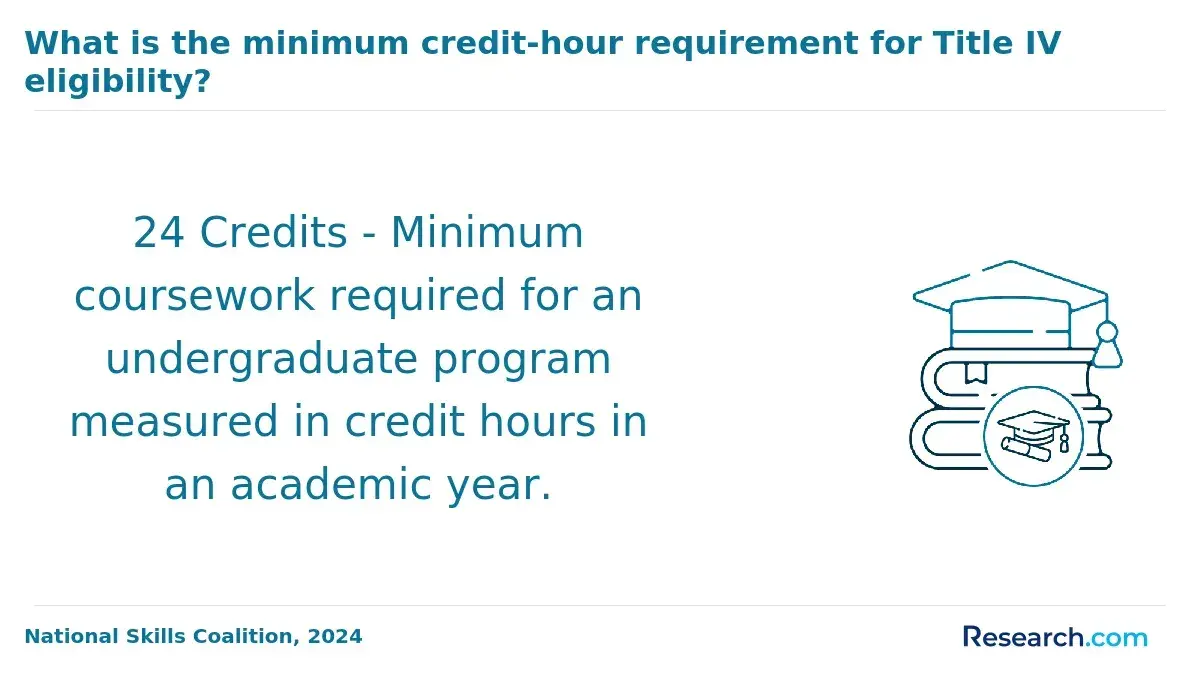
Financial aid can improve the ROI of a library science degree by reducing how much you borrow and lowering the amount of salary growth needed to justify the investment. This is especially important because graduate borrowing surpassing $70 billion nationally makes debt management a major part of program selection.
The best financial aid package is usually the one that uses gift aid first, employer support when available, and loans only after comparing repayment obligations with expected income. Students should also ask whether aid applies to part-time enrollment, online study, internships, summer courses, or accelerated schedules.
- Scholarships: Scholarships may be based on merit, need, professional goals, identity, specialization, or service commitments. Because they do not require repayment, they directly improve ROI.
- Grants: Grants from government agencies, schools, or private organizations reduce the amount students need to finance and can make higher-quality programs more affordable.
- Fellowships: Fellowships are often competitive and may include stipends or tuition support. They can be especially valuable for students pursuing research, archives, academic librarianship, or specialized information work.
- Employer tuition assistance: Students already working in libraries, schools, universities, government agencies, or information-related roles should ask whether their employer offers reimbursement or professional development funding.
- Federal student loans: Loans can help cover remaining costs, but they reduce ROI because they must be repaid with interest. Federal loans may offer lower interest rates and flexible repayment plans compared with some alternatives.
How to use financial aid strategically
- Apply early, because some scholarships and assistantships have priority deadlines.
- Ask programs for department-specific awards, not just university-wide aid.
- Compare net cost after aid instead of focusing only on published tuition.
- Avoid borrowing for expenses that can be reduced through online study, part-time enrollment, or employer support.
- Recalculate ROI if your aid package changes from one year to the next.
How Long Does It Take to Complete a Library Science Degree?
Completion time affects ROI because it determines how soon you can qualify for new roles, how long you may pay tuition and fees, and how much income you might lose while enrolled. A faster program may lead to earlier career benefits, but speed is not always the best choice if it forces you to stop working or take on more debt.
Many students should choose the timeline that produces the best total outcome, not simply the shortest path. For some, full-time study is financially efficient. For others, part-time enrollment preserves income and benefits, which may produce a stronger ROI even if graduation takes longer.
- Enrollment status: Full-time students generally finish within two years, enabling quicker entry into the workforce. Part-time enrollment can extend completion to three years or more, but it may allow students to keep working.
- Program format: Online and accelerated tracks may offer more scheduling flexibility and can sometimes reduce indirect costs such as commuting or relocation.
- Transfer credits: Previously earned credits may reduce both completion time and tuition, but students should confirm transfer policies before enrolling.
- Internship and thesis requirements: These requirements can add time, but they may also strengthen a graduate’s resume, portfolio, and job readiness.
- Scheduling flexibility: Programs designed for working adults can make the degree more manageable, though spreading courses over more terms may extend the timeline.
When asked about her experience, a graduate shared how balancing a library science degree with a full-time job made the process both challenging and rewarding. She recalled, "Managing coursework alongside work was tough, and there were moments I questioned if extending my timeline was the right choice."
However, she emphasized that the program's flexible schedule and supportive faculty were crucial in helping her persist. Reflecting on the internship experience, she noted it was "time-consuming but invaluable for real-world skills." Her journey shows that an extended timeline can still be worthwhile when it protects income, builds experience, and keeps debt manageable.
Is ROI Higher for Online or On-Campus Library Science Programs?
ROI can be higher for either online or on-campus library science programs depending on the student’s costs, work situation, learning style, and target career. Online programs often reduce indirect expenses and make it easier to keep earning income. On-campus programs may provide stronger in-person networking, access to campus employment, and hands-on professional connections.
Recent data from the National Center for Education Statistics shows that over 30% of graduate students in the U.S. were enrolled exclusively online, which signals that online graduate education is now a mainstream option. Still, students should evaluate individual programs rather than assuming that online automatically means better value.
- Tuition and fees: Online programs may reduce commuting, housing, and relocation expenses. However, students should still check technology fees and whether tuition differs by residency.
- Opportunity cost: Online formats often allow working professionals to remain employed, which can improve ROI by reducing lost wages.
- Time to completion: Both online and on-campus programs may have similar timelines, though some online degrees offer accelerated options.
- Networking and career services: On-campus programs can offer more frequent face-to-face interaction with faculty, peers, libraries, archives, and local employers.
- Employer perception and earnings: Employer acceptance of online credentials has improved, but students should still prioritize accredited programs with clear career support and strong outcomes.
Online programs may be a better fit if:
- You need to keep working while enrolled.
- You cannot relocate for school.
- You are self-directed and comfortable with digital learning platforms.
- You want to reduce commuting, housing, or relocation expenses.
On-campus programs may be a better fit if:
- You value in-person faculty access and peer networking.
- You want campus-based assistantships, internships, or library work experience.
- You learn better in structured classroom settings.
- You are targeting roles connected to a specific regional employer network.
For those exploring online education more broadly, resources on online counseling programs can provide a reference point for how affordability, flexibility, and career outcomes are commonly compared across online graduate fields.
What Is the Average Salary After Earning a Library Science Degree?
Salary is one of the strongest drivers of ROI because it determines how quickly a graduate can recover tuition costs, repay loans, and benefit financially from the credential. In the United States, the average salary for library science graduates ranges from approximately $45,000 to $75,000 annually, with entry-level roles starting near the lower end and experienced specialists earning towards or above the higher range.
Students should not treat that range as a guarantee. Pay depends heavily on the role, employer, location, specialization, prior experience, and whether the position is in a public library, academic institution, government agency, school, corporation, archive, or technology-related environment.
- Industry: Public libraries, academic institutions, government agencies, corporate employers, and specialized information settings can pay differently for similar skills.
- Geographic location: Library science degree earnings by region can differ widely because salaries often reflect local budgets, labor demand, and cost of living.
- Prior experience: Internships, paraprofessional library work, archives experience, teaching experience, research support, or technical skills can improve competitiveness for stronger-paying roles.
- Specialization: Skills in digital archives, metadata, information technology, data management, and digital asset organization may expand access to higher-paying opportunities.
- Career level: Salary potential often improves as graduates move into supervisory, administrative, systems, collections, or specialized leadership roles.
Students comparing graduate-level career investments may also review options such as an EMBA online program, but salary comparisons should account for different industries, admissions expectations, career paths, and risk levels.
Breakdown of Private Fully Online Nonprofit Schools

Does a Library Science Degree Lead to Promotions?
A library science degree can support promotion, especially in organizations where the credential is required or strongly preferred for librarian, archivist, department head, systems, digital collections, or management positions. The degree is most valuable for advancement when it fills a formal qualification gap and aligns with the employer’s promotion structure.
However, the degree alone does not guarantee promotion. Employers usually consider performance, leadership ability, technical skills, years of experience, institutional needs, and budget conditions. The best ROI comes when students choose coursework, internships, and projects that match the next role they want.
- Credential requirements: Many professional and leadership positions require or prefer a library science degree, making it a gatekeeping credential for advancement.
- Leadership development: Programs may include coursework in management, services, collections, technology, ethics, and organizational decision-making, which can support supervisory roles.
- Employer tuition assistance: Tuition support can significantly improve ROI because the student earns the credential with lower personal cost.
- Internal promotion policies: Some organizations favor candidates who combine institutional experience with the required degree, especially for internal advancement.
- Career advancement opportunities: The degree can broaden movement into archives, academic libraries, digital services, information governance, research support, or knowledge management.
Students who are still completing an undergraduate degree may also compare affordability across options such as the cheapest online college bachelor degree pathways before committing to graduate study. For working professionals, the key question is whether a library science credential is clearly tied to promotion eligibility, salary movement, or access to better roles.
Which Industries Offer the Best ROI for Library Science Graduates?
The best ROI for library science graduates often comes from industries that value information organization, digital systems, research support, compliance, records management, and specialized knowledge services. Traditional library roles can provide stability and mission-driven work, while specialized sectors may offer stronger compensation or faster advancement for graduates with technical and analytical skills.
Students should compare industries based on more than salary alone. Benefits, job security, advancement pathways, union coverage, remote or hybrid options, location, and alignment with professional interests can all affect long-term value.
- Healthcare: Healthcare organizations need professionals who can organize medical information, support records systems, manage specialized resources, and help users access accurate information.
- Corporate Sector: Businesses may hire library science graduates for knowledge management, competitive intelligence, taxonomy, research support, digital asset management, and information governance.
- Government: Federal, state, and local agencies employ information professionals in archives, records management, public information, data organization, and compliance-related roles.
- Academic Institutions: Colleges and universities offer roles in research services, digital collections, instruction, scholarly communication, archives, and subject librarianship.
- Information Technology: Digitization has increased demand for skills in metadata, content systems, digital curation, search, classification, and information architecture.
For prospective students considering online college courses, the most important step is to identify the roles they want first, then choose a library science program that builds the skills and experience those roles require.
Does Accreditation Affect ROI for a Library Science Degree?
Accreditation can have a major effect on the ROI of a library science degree because it influences employer trust, financial aid access, credit transfer, and eligibility for certain professional roles. A program may be affordable and convenient, but if it lacks the accreditation expected by employers or licensing bodies, its career value may be limited.
Accreditation indicates that a program has been reviewed against recognized academic and professional standards. For students, that matters because it can signal that the curriculum, faculty qualifications, student support, and learning outcomes meet accepted expectations in the field.
- Employer confidence: Employers may view accredited programs as more reliable because the degree has been evaluated through an external quality process.
- Licensure or credential eligibility: Many states mandate graduation from an accredited program to qualify for library science licensure, making accreditation essential for some career paths.
- Financial aid access: Accredited programs typically provide access to federal financial aid, which can reduce upfront barriers and make repayment planning more manageable.
- Credit transfer and further study: Accreditation can affect whether credits transfer into another program or support later specialization.
- Long-term career mobility: Graduates from recognized programs may have broader options if they move across states, employers, or sectors.
Before enrolling, students should verify accreditation directly with the accrediting organization or the institution, not only through marketing materials. This step is especially important for online programs, out-of-state programs, and students who plan to pursue school, public, academic, or government library roles.
Is a Library Science Degree Worth It?
A library science degree is worth it for students who need the credential for their target role, can control borrowing, and want a career in libraries, archives, information management, research services, or digital knowledge systems. It is less likely to be worth it for students who must take on high debt without a clear path to salary growth or professional advancement.
The return on investment depends on tuition costs, time in school, financial aid, work flexibility, accreditation, and expected earnings after graduation. The duration of study is usually one to two years for a master's, while median salaries for professionals in this field typically range from $50,000 to $60,000 annually, varying by role and location. Job growth for librarians is projected at about 5% over the next decade, reflecting moderate but steady demand mostly in public and academic sectors.
It may be worth it if:
- Your target job requires or strongly prefers the degree.
- You choose an accredited program with manageable tuition.
- You can keep working while studying or secure meaningful financial aid.
- You are aiming for specialized or leadership roles with better long-term prospects.
- You value stable, service-oriented work in education, government, archives, libraries, or information systems.
It may not be worth it if:
- You would need to borrow heavily for a role with limited salary growth.
- Your desired job does not require the credential.
- The program lacks the accreditation expected in your career path.
- You are pursuing the degree without a clear target role or industry.
- You cannot absorb the opportunity cost of reduced work hours or delayed earnings.
The strongest decision is one based on a specific career plan. Before enrolling, compare program costs, speak with graduates, review job postings in your target location, and confirm whether employers in your preferred sector require the degree.
What Graduates Say About The ROI of Their Library Science Degree
- Pierce: "Choosing to pursue a library science degree through a traditional program was a game-changer for me. I knew the initial cost, around $30,000 on average, was significant, but the long-term ROI with steady career growth in library management made it absolutely worth it. Completing the program not only boosted my expertise but also opened doors to leadership roles I never imagined-I'm grateful every day for that decision."
- Annie: "Opting for an online library science degree was a carefully weighed decision, especially given the cost averaging about $20,000. While the investment was considerable, balancing work and study made it worthwhile. The degree expanded my professional opportunities and allowed me to transition seamlessly into a digital archivist role, proving the program's value beyond doubt."
- Troy: "The part-time library science degree felt like the perfect fit for my busy schedule, even though the total expense, typically near $25,000, made me hesitant at first. Reflecting on the career advancement I've experienced since graduating, including roles in specialized cataloging, it was definitely worth the cost and effort. This degree has solidified my position in the field with a practical and strategic edge."
Other Things You Should Know About Library Science Degrees
In 2027, a library science degree equips graduates with skills such as information management, research proficiency, and digital literacy. These skills are increasingly valuable in various sectors, thereby potentially enhancing the degree's ROI by opening diverse career opportunities and improving employment prospects outside traditional library roles.
Yes, alternative career paths significantly impact the ROI of a library science degree. Graduates can pursue roles in digital curation, information architecture, or data management, which often offer higher salaries than traditional library positions, thus improving ROI. In 2027, exploring such diverse career options is crucial for maximizing the financial return on this degree.
In 2027, the ROI of a library science degree can significantly vary by location due to differences in salary levels and job availability. Urban areas often offer higher salaries and more job opportunities, thus enhancing ROI, while rural settings might present limited prospects and lower pay.
References
- The Most Popular College Degrees Ranked by Return on Investment (ROI) After 5 Years in the Workforce - StudentChoice.org https://www.studentchoice.org/news/the-most-popular-college-degrees-ranked-by-return-on-investment-roi-after-5-years-in-the-workforce/
- FEATURE: Accreditation, ROI, and the Online Academic Library https://www.infotoday.com/cilmag/nov11/stielow.shtml
- What To Know About Earning A Library Science Degree In 2024 https://thebestschools.org/degrees/library-science/
- 2025's Most Affordable Library Science Degrees (MLIS) Online https://librarysciencedegreesonline.org/affordable-library-science-programs/
- Accreditation and financial ROI | Woolf News & Updates https://woolf.university/news/accreditation-and-financial-roi
- Library Science Salary with Masters Degree - MLS, MLIS, MSLS https://www.mastersinlibraryscience.net/salary-outlook-masters-librarian-degree/
- Master of Library and Information Science (MLIS) - College of Information (INFO) https://ischool.umd.edu/academics/masters-programs/master-of-library-and-information-science/
- Opinion: Rethinking How We Rate and Rank MLIS Programs | LIS Education https://www.libraryjournal.com/story/opinion-rethinking-how-we-rate-and-rank-mlis-programs-lis-education
- Best Online Bachelor of Library Science Degrees, Updated for 2025 https://www.librarysciencedegrees.org/programs/online/bachelors-blis
- Library and Information Science Tuition and fees https://online.missouri.edu/degrees-programs/mu/education/library-and-information-science/mlis/financial


