
2027 Is a Library Science Online Degree Worth It?

Co-Founder and Chief Data Scientist
Choosing an online library science degree is not just a question of convenience. It is a career investment that should match your goals, budget, schedule, and the kinds of information work you want to do. Library science now reaches far beyond circulation desks: graduates may work in public libraries, school media centers, academic libraries, archives, digital asset management, research support, metadata, knowledge management, and user experience roles.
Online education has grown quickly, with enrollment increasing by over 30% in recent years, and library science is one of the fields where remote study can make practical sense. Many students are already working in education, public service, museums, nonprofits, or administrative roles and need a program that lets them keep earning while preparing for advancement or a career change.
This guide explains how to evaluate an online library science degree in 2027. You will learn who benefits most from this format, what to expect from virtual classrooms, how internships work, what technology you need, how long programs take, how much they cost, and what salary and career outcomes may look like after graduation.
Key Benefits of Online Library Science Degree
- Online library science programs offer flexible scheduling, accommodating working professionals and students balancing other commitments with asynchronous coursework.
- Graduates gain skills aligned with evolving digital archives and information management, enhancing employability in diverse library and information centers.
- According to BLS, librarian roles are projected to grow 9% by 2031, indicating steady demand for qualified professionals in this field.
Who Should Choose an Online Library Science Degree Program?
An online library science degree is best for students who need access and flexibility without giving up academic structure. It can be a strong fit if you are self-directed, comfortable using digital tools, and clear about the type of library or information career you want to pursue.
This format is especially useful for the following learners:
- Working professionals: Library assistants, teachers, nonprofit staff, records coordinators, and other employed adults can build graduate-level credentials without leaving their jobs. The key is choosing a program with course schedules that match your work hours.
- Career changers: Students moving from education, communications, history, technology, public administration, or customer service can use an online program to gain the professional vocabulary, ethics, research methods, and technical skills expected in library and information science roles.
- Adult learners and caregivers: Students managing family responsibilities often benefit from asynchronous coursework, recorded lectures, and fewer campus visits. However, they should still plan for weekly reading, discussion posts, projects, and possible fieldwork hours.
- Learners in remote or underserved areas: Online delivery can make accredited library science education available to students who do not live near a campus. This is particularly important for students who want to remain in their local community after graduation.
- Students seeking specific specializations: Online programs may offer tracks in archives, school librarianship, digital curation, youth services, academic librarianship, data services, or information organization. Students should compare concentrations carefully because not every program prepares graduates for the same roles.
Online study is not ideal for everyone. If you rely heavily on in-person accountability, want daily face-to-face faculty access, or need a campus-based assistantship, a traditional or hybrid program may be a better fit.
What Are the Pros and Cons of an Online Library Science Degree?
An online library science degree can offer the same academic foundation as a campus program, but the experience is different. The value depends on accreditation, internship access, faculty support, specialization options, cost, and your ability to manage independent study.
Pros of an Online Library Science Degree
- Flexible scheduling: Many online programs include asynchronous courses, which means you can review lectures, complete readings, and submit assignments around work or family obligations. This flexibility is one of the biggest reasons adult learners choose online library science programs.
- More geographic choice: Students can compare programs across states instead of being limited to nearby campuses. This can help you find a better concentration, lower tuition, or a stronger fit for your career goals without relocating.
- Access to specialized tracks: Many programs offer focused coursework in digital archives, school librarianship, public library services, metadata, information architecture, or academic librarianship. Specialization matters because employers often look for practical skills aligned with a specific setting.
- Potential cost savings: Online students may reduce commuting, relocation, parking, and housing expenses. Tuition still varies widely, so compare total program cost rather than assuming online is always cheaper. If completion speed is a priority, compare workload and transfer policies against options such as a one-year online master's program.
- Stronger digital work habits: Because online programs rely on learning management systems, digital databases, collaborative platforms, and virtual communication, students often build technology habits that transfer well to modern library and information environments.
Cons of an Online Library Science Degree
- Less informal networking: Online students may have fewer spontaneous conversations with classmates, faculty, and visiting professionals. To compensate, you need to attend virtual events, contact instructors early, and participate in professional associations.
- High self-management demands: Online learning requires consistent planning. Falling behind can happen quickly when courses are asynchronous and no one is reminding you in person to attend class.
- Fieldwork may require local coordination: Internships, practicums, archives work, or school library placements may still require on-site hours. Before enrolling, ask how the program helps distance students secure approved placements near home.
- Program reputation still matters: Employers generally care more about accreditation, experience, and skills than delivery format, but a poorly supported online program can limit your opportunities. Review faculty profiles, internship support, alumni outcomes, and employer connections.
- Not all programs fit all career paths: A program strong in public librarianship may not be the best choice for archives, school media licensure, or data-intensive roles. Match the curriculum to your target job before applying.
How Do AI-Enhanced Virtual Classrooms Work in Online Library Science Programs?
AI-enhanced virtual classrooms use automation, analytics, and adaptive tools to support online learning. In library science programs, these tools can help students summarize complex readings, practice terminology, organize research, receive faster feedback, and identify gaps in their understanding. They do not replace faculty expertise, but they can make online coursework more interactive and easier to manage.
Common AI-supported features include:
- Automated content transformation: Some platforms can turn course materials into summaries, flashcards, outlines, or practice questions. This can help students review cataloging rules, information policy concepts, research methods, and archival terminology more efficiently.
- Adaptive learning tools: Quizzes and study modules may adjust based on student performance. If a learner struggles with metadata standards, classification systems, or database searching, the system can provide additional practice in that area.
- AI-supported collaboration: Virtual assistants and platform tools may help students coordinate group projects, locate shared resources, manage deadlines, or draft discussion prompts. This is useful in programs where teamwork happens across time zones.
- Learning analytics: Some systems track engagement, assignment progress, quiz performance, and participation patterns. Faculty can use this information to identify students who may need help before they fall too far behind.
- Targeted student support: AI chat tools may answer routine questions about course navigation, deadlines, or resource access. Students should still contact instructors, librarians, or advisors for academic judgment, career planning, or complex research questions.
When comparing programs, ask how AI tools are used, what student data is collected, whether use is optional, and how the program teaches ethical information practice. Students exploring flexible admissions options, including open-enrollment online colleges, should also confirm that technology support is available before courses begin.
What Technology Do You Need for an Online Library Science Degree?
You do not need an advanced home office to complete most online library science coursework, but you do need reliable technology. A weak internet connection, outdated device, or noisy study environment can make live sessions, database work, and group projects much harder than they need to be.
Prepare the following before your first term:
- Reliable computer: Most assignments involve research, writing, database searching, presentations, and video meetings. A dependable laptop or desktop is usually more practical than relying only on a tablet or phone.
- High-speed internet: A stable broadband connection is important for live lectures, recorded videos, online discussions, digital library platforms, and file uploads. If your connection is inconsistent, identify backup locations such as a public library, workplace, or campus partner site.
- Updated web browser: Keep browsers such as Chrome, Firefox, Safari, or Edge current so learning platforms, digital databases, citation tools, and video systems work properly.
- Headset with microphone: Clear audio matters in synchronous classes, advising meetings, group projects, and internship supervision. A headset also reduces background noise and helps you participate professionally.
- Webcam: Some programs require video participation for presentations, advising, group meetings, or proctored assessments. Check technical requirements before enrolling.
- Quiet workspace: A consistent study area improves focus and helps you separate schoolwork from daily responsibilities. This is especially important during research-heavy courses or practicum planning.
- Email and calendar access: Online students rely heavily on email, course announcements, shared calendars, and deadline reminders. Missing messages can lead to missed assignments or placement requirements.
- Basic productivity and citation tools: Expect to use word processing software, presentation tools, cloud storage, and citation managers. These are central to graduate-level research and information work.
Technology readiness is also a career issue. Library and information professionals increasingly work with digital collections, online discovery systems, metadata tools, and user-facing platforms. If you are still comparing academic paths and long-term earnings, resources on high-paying college majors can help you evaluate library science alongside other fields.
How Long Does It Take to Finish an Online Library Science in 2027?
The time needed to finish an online library science degree depends on credit requirements, enrollment status, transfer policies, course availability, and whether you complete an internship or practicum. Students should look beyond the advertised timeline and ask how often required courses are offered.
- Full-time online track: A standard full-time path typically requires 30-40 credits and takes about two years. This route works best for students who can reserve steady weekly study time and handle multiple graduate courses at once.
- Accelerated programs: Some programs allow completion in as little as 18 months. These options can be appealing, but they are intensive. Students should be prepared for heavier reading loads, faster deadlines, and less flexibility during busy terms.
- Part-time enrollment: Part-time students often finish in three to four years. This is a common choice for full-time employees, parents, caregivers, and students who want to reduce stress or spread tuition payments across more terms.
- Extended completion windows: Some institutions allow up to six years for degree completion. This can protect students who need to pause or slow down because of work, health, family, or financial changes.
Before choosing a pace, calculate how many hours you can realistically study each week. Also ask whether courses are synchronous or asynchronous, whether summer enrollment is available, and whether practicum hours can be completed near your home.
Can You Work Full-Time While Completing an Online Library Science Degree?
Yes, many students work full-time while completing an online library science degree, but success depends on course load, job flexibility, family responsibilities, and the program’s delivery format. The safest approach is to start with a manageable schedule, then increase your course load only after you understand the workload.
Consider these factors before enrolling:
- Flexible scheduling: Asynchronous classes are easier to fit around full-time work because you can study before work, after work, or on weekends. Synchronous sessions require more planning, especially if your job has fixed shifts.
- Program workload: Each course typically requires about 10-15 hours weekly, though reading-heavy, research-intensive, or project-based courses may take more time. Two courses can quickly become a major weekly commitment.
- Employer support: Flexible scheduling, tuition assistance, professional development funds, or permission to complete practicum hours at work can make the degree more manageable.
- Time management: Students need a weekly plan for readings, discussion posts, research, group meetings, and assignments. Waiting until the weekend often leads to rushed work and burnout.
- Course sequencing: Some required courses may not be offered every term. Working students should map the full degree plan early so they do not delay graduation by missing a prerequisite.
A former student described the first term as the hardest part because she had to adjust her work routines, study habits, and family schedule at the same time. She relied on weekly planning tools, blocked study hours, and early communication with instructors when work deadlines conflicted with class expectations.
Her biggest lesson was that flexibility does not mean unlimited time. Asynchronous courses gave her control over when to study, but she still needed firm boundaries. With careful program selection and disciplined scheduling, she found that full-time work and online graduate study were difficult but realistic.
How Do Online Library Science Degree Programs Help with Internships?
Internships and practicums help online library science students turn coursework into workplace experience. They can also clarify which setting fits best: public libraries, schools, academic libraries, archives, special collections, museums, government agencies, nonprofits, or corporate information teams.
Strong online programs support internships in several ways:
- Placement coordination: Programs may help students identify remote, hybrid, or local placements that meet academic requirements. This is especially important for distance learners who cannot travel to campus-affiliated sites.
- Faculty advising and supervision: Advisors can help students choose placements aligned with career goals, such as youth services, archives, metadata, reference, instruction, or digital collections. Faculty supervision also helps ensure the internship is educational rather than just clerical.
- Professional networking: Online programs often host webinars, virtual panels, alumni events, and employer conversations. These can lead to internship leads and future job contacts.
- Credit and stipend options: Some internships carry academic credit, and some may offer stipends. Students should ask early about tuition charges for internship credits, eligibility rules, and whether paid work can count toward field experience.
- Structured progress tracking: Learning platforms may be used for logs, supervisor evaluations, reflection assignments, and milestone reviews. This keeps students accountable and gives faculty a clearer view of skill development.
Before enrolling, ask direct questions: Who finds the placement? Can it be completed near your home? Are evening or weekend hours possible? Does the program have partners in your region? Are school library placements compatible with state requirements? The answers can determine whether an online program is workable for your situation.
What Is the Average Tuition Cost of an Online Library Science Program?
Tuition for an online library science program varies widely, so students should compare total degree cost rather than only the per-credit rate. The lowest advertised tuition is not always the lowest final cost once fees, residency rules, textbooks, technology, internship credits, and travel requirements are included.
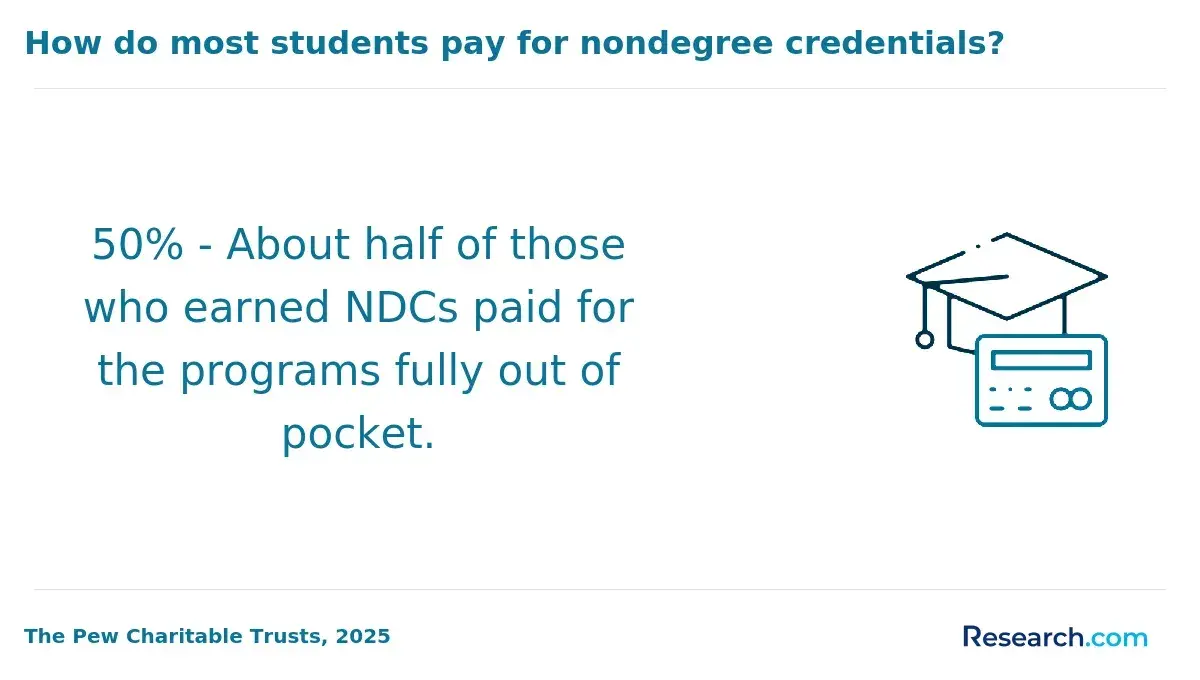
- Average tuition per credit: Tuition rates generally range from around $280 to $770 per credit hour, with most programs priced between $410 and $560. Multiply the per-credit rate by required credits to estimate tuition before fees.
- Public vs. private institutions: Public universities often have lower total costs, typically between $13,000 and $22,000 for completion, while private options may exceed this. Northeastern State University is one example noted for low annual tuition near $4,800.
- In-state vs. out-of-state tuition: Residency rules can significantly change the price. For example, UNC Greensboro charges approximately $6,400 for in-state students compared to over $21,000 for out-of-state attendees in the same program.
- Additional fees: Students should expect expenses ranging from $1,500 to $3,000 for technology, administration, learning resources, or related fees. Ask for a full cost breakdown before committing.
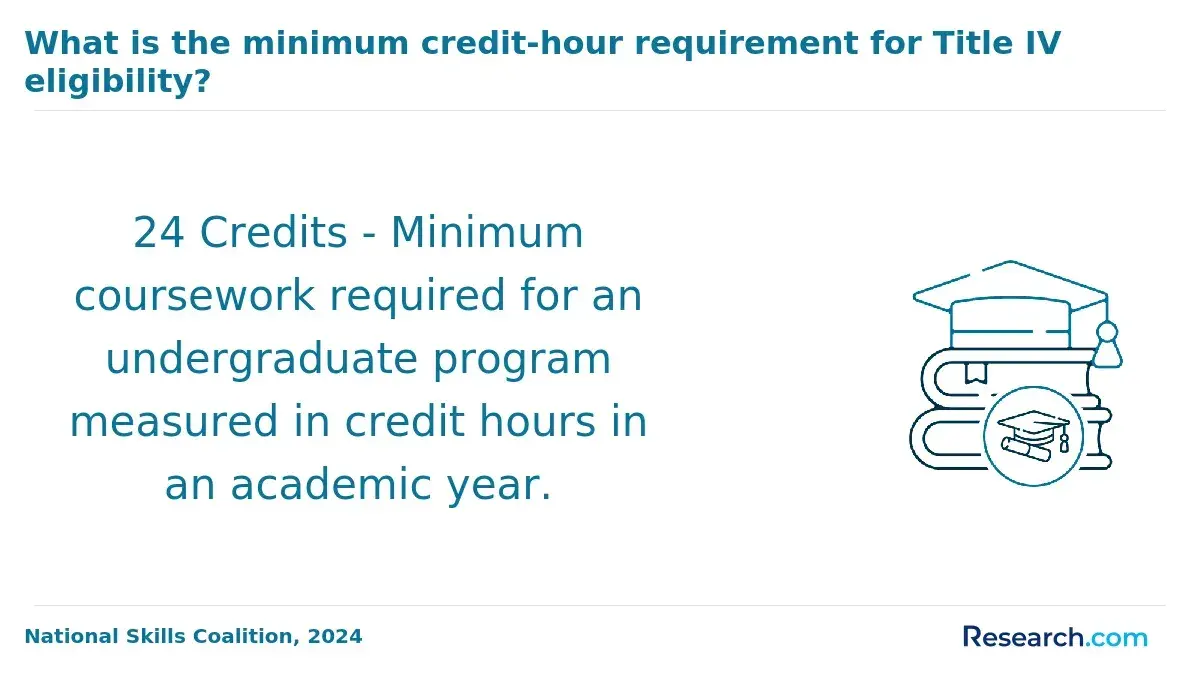
- Financial aid and payment timing: Online students may qualify for federal aid if the institution and program meet eligibility rules. Also review payment plans, employer tuition benefits, scholarships, assistantships, and whether part-time enrollment changes aid eligibility.
When comparing mlis programs, look for transparent tuition pages, clear fee disclosures, and accreditation information. A program that is slightly more expensive may still be the better value if it offers stronger advising, internship support, licensure alignment, or employer recognition.
One current online library science student said budgeting shaped his final choice more than he expected. He compared tuition, fees, payment schedules, and residency rules before enrolling. The deciding factor was not simply the lowest price, but the program that combined manageable cost with the academic support he needed to finish.
What Is the Average Salary for Someone with an Online Library Science Degree in 2027?
Salary outcomes for library science graduates depend on role, employer type, location, experience, union agreements, school district pay scales, and supervisory responsibility. The fact that a degree was earned online is usually less important than accreditation, relevant experience, technical skills, and fit for the position.
- Average entry-level salary: New graduates with an online library science degree typically start between $47,000 and $58,000 annually, depending on region and library type. Common entry-level roles include reference librarian, cataloger, children’s services specialist, archives assistant, or instruction support librarian.
- Mid-career salary growth: After three to seven years, salaries generally rise to between $60,000 and $75,000. Growth is often tied to specialization, supervisory duties, technical expertise, or movement into academic, government, or specialized information settings.
- Salary by industry: Academic librarians often earn $65,000 to $85,000, while senior faculty or directors at major research institutions may exceed $100,000 annually. Specialized work in archives, data services, digital asset management, or information architecture can vary by employer.
- Regional salary differences: Location strongly affects pay. Librarians in New York earn an average of about $70,000, with some specialized roles ranging from $68,476 to $78,144. School librarians often align more closely with teacher pay scales, earning between $45,000 and $65,000 annually.
- Cost versus earning potential: The median tuition and fees for online library science programs are approximately $7,305. Students should compare this cost with realistic salary expectations in their target region and sector before borrowing.
For students comparing institutional quality, affordability, and online reputation, reviewing accredited nonprofit online colleges can help frame broader program research. Always verify accreditation and career alignment before using salary expectations to justify enrollment.
Which Industries Hire Graduates From Online Library Science Programs?
Graduates of online library science programs can work in more than traditional library settings. Their training in information organization, research, metadata, access, user services, digital systems, and knowledge management can transfer to several industries.
- Public, school, and academic libraries: These remain core employers for library science graduates. Roles may include public services librarian, school librarian, instruction librarian, reference librarian, cataloging librarian, or collections specialist.
- Archives, museums, and cultural institutions: Graduates may work with preservation, digitization, special collections, records description, exhibit research, or digital archives.
- Technology and software development: Companies may value library science graduates for user experience, content strategy, taxonomy, knowledge organization, information architecture, and documentation roles.
- Healthcare and financial services: These sectors rely on organized, accurate information. Graduates may work as data managers, research data specialists, metadata librarians, records analysts, or compliance-oriented information professionals.
- Corporate environments: Knowledge management specialists and competitive intelligence analysts help organizations capture, organize, and retrieve internal and external information for decision-making.
- Publishing, media, and content organizations: Library science skills can support content strategy, technical writing, taxonomy development, rights management, indexing, and digital publishing workflows.
- Nonprofit, government, and education: Graduates may work in research analysis, grant support, instructional design, community information services, records management, or public access initiatives.
The U.S. Bureau of Labor Statistics projects employment growth in the field at 3 percent through the next decade, with median salaries above $64,000 as of 2023.
For students who prefer research, organization, independent problem-solving, and structured information work, library science can overlap with some of the best careers for introverts. Still, many roles require public service, teaching, collaboration, and communication, so review actual job descriptions before choosing a specialization.
What Graduates of Online Library Science Programs Say About Their Degree
- : "My online library science degree helped me move forward without leaving my job. The flexible pace mattered, but the real value was learning how to manage digital information, support users, and apply theory to daily library work. — Pierce"
- : "Studying from home gave me the space to focus, especially during courses on digital archives and information organization. The program was affordable compared with the campus options I considered, and it strengthened the skills I use in my current role. — Aryan"
- : "I chose an online library science program because it matched my schedule and career goals. The coursework was rigorous, but manageable with planning. It also opened doors to library roles I had not seriously considered before enrolling. — Jonathan"
Other Things You Should Know About Library Science Degrees
Online Library Science programs in 2027 often incorporate practical experiences through virtual simulations, on-site internships coordinated with local libraries, and collaboration on real-world projects with students and professionals. These opportunities help bridge the gap between theory and practice.
Online library science degrees often offer concentrations or electives in areas like digital librarianship, archival studies, or information management. These tracks help prepare students for specialized roles within libraries or related fields such as museums, corporate information centers, or academic research facilities.
References
- Alternative Career Paths Utilizing Library Science Skills https://www.librariancertification.com/alternative-career-paths-utilizing-library-science-skills/
- Getting an MLIS While Working Full Time | Book Riot https://bookriot.com/getting-an-mlis-while-working-full-time/
- Get a Masters in Library Science Online - Is it Worth It? MLIS & MLS https://www.mastersinlibraryscience.net/why-get-a-masters-library-science-online/
- Library Degree Programs https://www.cla-net.org/
- Master’s in Library & Information Sciences (MLIS) https://www.online.drexel.edu/online-degrees/information-sciences-degrees/ms-di/index.aspx
- 34 AI Tools for Librarians: Upgrade the Way You Work | GR Tech https://www.grtech.com/blog/top-ai-tools-for-librarians
- Reshaping the library landscape: Exploring the integration of artificial intelligence in libraries - IP Indian J Libr Sci Inf Technol https://ijlsit.org/archive/volume/9/issue/1/article/3116


