
2027 Return on Investment (ROI) of a Management Degree Program

Co-Founder and Chief Data Scientist
Consider a mid-career professional debating whether to pursue a management degree to advance their career. They face significant tuition costs and lost income during studies. Data shows that U. S. graduates with a management degree see a 25% higher median salary compared to those without one within five years of completion. However, the return varies by specialization, industry, and program type. This article explores the return on investment of management degree programs, analyzing costs, salary outcomes, and employment trends to help readers make informed decisions about the value and practical benefits of such degrees.
Key Things to Know About Management Degree ROI
- Management degree holders often see a 15-25% higher starting salary compared to non-degree professionals, reflecting strong earning potential from early career stages.
- Graduates benefit from enhanced career advancement opportunities, with 60% moving into leadership roles within five years, demonstrating greater job stability and growth.
- Management skills apply across industries, offering flexibility and long-term salary growth as individuals adapt to evolving market demands and organizational needs.
How Is ROI Calculated for a Management Degree Program?
Return on investment (ROI) in higher education measures the financial gain a student receives from completing a degree compared to the total costs and time invested. It allows prospective students to weigh whether pursuing a management degree offers strong value by considering expenses alongside potential earnings and career growth.
Several key factors are essential when calculating return on investment for management degrees; understanding these components helps in evaluating different programs.
- Tuition and fees: This category includes the full cost of tuition, mandatory fees, textbooks, and other education-related expenses. These direct financial outlays form the baseline of the investment required.
- Opportunity cost: The income foregone by attending school full time must be considered. This represents lost wages and career experience that could have been gained without pursuing the degree.
- Time to completion: Program length influences both direct costs and opportunity costs. Shorter durations can reduce expenses and minimize time away from the workforce, improving overall ROI.
- Post-graduation salary: Expected salary increases and enhanced job prospects after earning the degree significantly impact ROI. Higher starting pay and faster salary growth improve the financial return.
- Career advancement: Potential for promotions, leadership roles, and increased job stability contribute to long-term earning potential. Management degrees often expand professional networks and skills that support upward mobility.
Prospective students should carefully consider these management degree ROI factors and calculation elements alongside their personal and professional goals. For those exploring affordable options, reviewing online MSW programs affordable may provide useful insights into cost-effective pathways that balance investment and opportunity.
How Much Does a Management Degree Program Cost?
Accurately assessing the return on investment for a management degree requires a clear picture of the total program cost. With average master's tuition in the U.S. surpassing $30,000 annually and national student loan debt topping $1.7 trillion in 2023, understanding all financial commitments is crucial. Several factors contribute to the overall expense and influence future financial benefits.
Key elements impacting the total cost include:
- Tuition and fees: These are the primary charges from educational institutions, often constituting the largest portion of expenses.
- Books and materials: Required textbooks, specialized software, and supplemental case studies add to the overall financial burden.
- Living and relocation expenses: Attending programs far from home entails additional costs such as rent, commuting, and daily necessities.
- Opportunity cost: Time dedicated to studies usually reduces earning potential during the program, especially for full-time students or those cutting back on work hours.
- Hidden or indirect costs: These are miscellaneous expenses like application fees, technology needs, and networking event participation that often go unaccounted for.
A graduate of a management degree program I spoke with shared how budgeting was more challenging than anticipated. He explained, "While tuition was straightforward, unexpected costs often caught me off guard-from costly software subscriptions to travel for networking events." Balancing part-time work to offset these expenses meant long days and occasional burnout. He reflected, "It wasn't just about paying for classes, but managing every small cost to make the degree worthwhile." This experience highlights the importance of a comprehensive view on costs when considering the financial return from a management degree.
What Financial Aid Is Available for Management Degree Programs?
Financial aid helps reduce the initial expenses of management degree programs, which can significantly enhance the long-term return on investment by lowering debt and financial strain after graduation. In fact, nearly 70% of graduate students in the U.S. use some form of financial aid, underscoring its vital role in making advanced education more attainable.
Common financial aid options that can improve the financial outcomes of management degree students include:
- Scholarships: These funds do not require repayment and directly cut overall program costs, allowing students to graduate with less debt and improve their net financial gain.
- Grants: Often awarded based on financial need, grants reduce out-of-pocket spending and make completing the degree more affordable without adding to debt.
- Fellowships: Providing stipends and tuition coverage, fellowships lower the need to borrow, while also supporting academic growth and career-building opportunities that may increase future earnings.
- Employer tuition assistance: Many employers offer to cover part or all of degree expenses, significantly decreasing student costs and tying education directly to career advancement and higher ROI.
- Federal loans: Although loans add to debt, federal options generally feature lower interest rates and flexible repayment plans, helping students manage expenses more effectively over time.
How Long Does It Take to Complete a Management Degree?
Time to complete a management degree directly affects its return on investment through opportunity costs, earlier earning potential, and cumulative expenses. The longer the program duration, the greater the delay in entering higher-paying roles and the more tuition and living costs accumulate.
Several factors shape how long it takes to finish a management degree, influencing financial outcomes and career timing:
- Enrollment status: Full-time students typically complete the degree in two to four years, accelerating career advancement, while part-time learners take longer but maintain steady income.
- Program format: Online and accelerated courses offer scheduling flexibility that can shorten completion time, reducing income disruption and overall costs.
- Transfer credits: Applying previous academic credits or professional certifications may trim the degree timeline, lowering tuition expenses and enabling earlier workforce reentry.
- Experiential components: Requirements such as internships or thesis projects might extend duration but enhance practical skills and future job prospects, potentially increasing salary.
- Scheduling flexibility: Programs that allow pacing according to work or personal commitments may lengthen study periods but ease financial pressures by allowing continued earnings.
When I spoke with a recent graduate of a management degree, she reflected on the balance she struck between time and value. She explained, "It took me nearly three years because I worked part-time and chose an online program to fit my unpredictable schedule." Though the process was challenging-juggling deadlines and work fatigue-she appreciated the flexible pacing. "While it wasn't the fastest path, it allowed me to keep earning and gain experience simultaneously, which made the extended timeline worthwhile." Her story underscores that a longer completion time can still yield a positive return when aligned thoughtfully with personal and financial priorities.
Is ROI Higher for Online or On-Campus Management Programs?
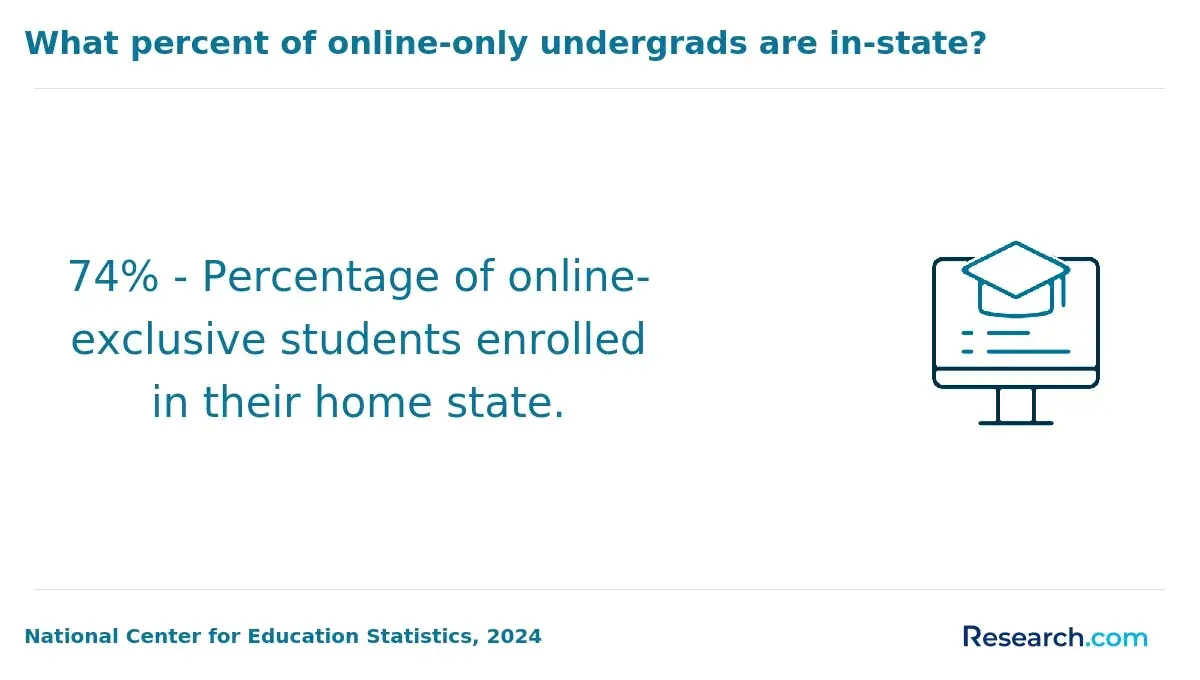
The return on investment (ROI) for management degree programs varies notably depending on whether the program is delivered online or on-campus, as differences in cost, flexibility, and career outcomes influence the overall value. Recent data from the National Center for Education Statistics highlights a significant growth in online enrollment, reflecting a strong demand for flexible learning options that can impact a student's financial and professional results.
Key comparison points between online versus on-campus management degree ROI and management program ROI comparison 2024 include:
- Tuition and fees: Online programs typically offer lower tuition and fees than on-campus alternatives, which reduces upfront financial burdens. This cost advantage is an important factor for many considering return on investment.
- Opportunity cost: The flexibility of online formats allows students to maintain employment while studying, decreasing lost wages and overall opportunity cost compared to full-time, on-campus programs.
- Time to completion: Many online management programs provide self-paced or accelerated pathways, enabling students to finish their degrees faster and enter the workforce or advance careers sooner.
- Networking and career services: On-campus programs often deliver richer face-to-face networking and access to campus career services, which can enhance job placement and long-term career development.
- Employer perception and long-term earnings: While some employers historically preferred traditional degrees, this gap is narrowing as the quality of online education improves and gain recognition. However, perceptions can still vary by industry and region.
For those weighing options, exploring the cost structures and program formats available through online engineering programs can also provide insight into affordability and program design, relevant to management degree considerations as well.
What Is the Average Salary After Earning a Management Degree?
Post-graduation salary is a major factor in assessing the return on investment (ROI) of earning a management degree, as higher earnings help graduates offset tuition costs and lost income during study. In the U.S., the average salary for management degree graduates typically ranges from $60,000 to $105,000 annually, varying widely due to multiple influences.
Several key factors affect the management degree salary outlook 2024 and ultimately impact financial returns from the degree:
- Industry: Graduates working in finance, technology, or corporate sectors often earn more than those in government or non-profit roles, affecting overall ROI positively.
- Geographic location: Salaries in large urban areas with high living costs tend to be higher, helping graduates achieve quicker financial gains compared to rural areas.
- Prior experience: Those entering the workforce with relevant background or internships before graduation tend to access higher-paying roles sooner.
- Specialization: Focus areas like supply chain management, marketing, or human resources create different market demands, influencing salary outcomes.
- Career level: Entry-level management roles usually pay less than mid- or senior-management positions reached after gaining experience over several years.
Prospective students interested in understanding the financial potential of advanced degrees might also consider options such as a library science degree online for comparative ROI insights.
Does a Management Degree Lead to Promotions?
Promotions contribute significantly to the return on investment (ROI) from earning a management degree by typically leading to higher salaries, greater responsibilities, and enhanced career mobility. These factors together amplify the financial and professional benefits of completing such a degree, making it a valuable asset in career advancement.
One notable workforce trend is the rising emphasis on credential-based promotions, especially as organizations navigate increasingly complex markets that demand refined managerial expertise. This trend reflects a shift toward formal educational qualifications as a key factor in leadership progression.
Key ways a management degree influences promotions and ROI include: Credential requirements: Many employers require a bachelor's or master's management degree as a baseline qualification for advancing into mid and senior-level leadership positions, making the degree essential for those seeking promotion.Leadership development: The degree programs focus on strategic thinking and leadership skills, which improve job performance and prepare graduates for higher-level roles.Tuition reimbursement: Holding a management degree increases eligibility for employer tuition assistance programs, which can reduce the net cost of education and improve overall ROI.Promotion policies: Companies often prioritize degree holders in their internal promotion criteria, giving an advantage to those with formal management education.Experience synergy: While practical experience remains vital, combining it with a management degree strengthens candidacy for higher roles and accelerates career growth.For professionals weighing options about financing their education, exploring fully funded EDD programs online may offer insight into alternative educational funding paths. Incorporating a management degree into your career strategy aligns well with today's emphasis on management degree career advancement and can enhance opportunities for promotions after earning management degree.
Which Industries Offer the Best ROI for Management Graduates?
The return on investment (ROI) for management graduates varies significantly across industries due to differences in salary levels, career progression, and demand for specialized skills. Industries that offer rapid growth in compensation and structured promotion paths tend to provide stronger financial returns for those holding a management degree.
Industries known for delivering the best ROI for management graduates typically include:
- Technology: This sector offers rapid salary growth driven by innovation and a strong demand for skilled managers, particularly in product development and operations roles, making it one of the highest ROI industries for management graduates.
- Healthcare: Combining solid job stability with expanding leadership needs due to industry growth and increased regulatory complexity, healthcare rewards management graduates with lasting career opportunities.
- Financial services: Known for its high earning potential, financial services offers clear career progression in areas such as corporate finance, consulting, and risk management, making it a best paying sector for management degree holders.
- Manufacturing and supply chain: This industry values operational excellence and continuous improvement, rewarding effective management with increasing responsibilities and competitive compensation.
- Consulting: Offering versatile problem-solving challenges and diverse industry exposure, consulting provides fast career advancement and is attractive for management graduates seeking dynamic roles.
Choosing a sector with strong demand for management expertise and tangible growth potential significantly impacts the overall ROI of a management degree. Prospective students should also consider options like online schools that accept FAFSA to help finance their education cost-effectively.
Does Accreditation Affect ROI for a Management Degree?
Accreditation signifies that a management degree program has met rigorous quality standards set by an independent agency, ensuring its curriculum, faculty, and resources are aligned with industry and academic expectations. This endorsement is crucial because it affects the perceived value of the degree in the eyes of employers, who increasingly prioritize candidates with credentials from accredited programs. Additionally, accreditation can determine eligibility for financial aid and influence the ability to transfer credits smoothly, both of which play important roles in a student's overall return on investment. A growing trend in the workforce is the emphasis on verified educational qualifications as a key factor in hiring decisions and professional certification eligibility.
Accreditation enhances long-term ROI by building employer confidence in a graduate's skills, which can lead to better job prospects and career advancement. It also facilitates access to financial aid options, making education more affordable and reducing student debt burdens. Transferability of credits between institutions is another advantage, allowing students more flexibility if they choose to change schools or pursue advanced degrees. Furthermore, accredited programs often support eligibility for professional licensure, broadening career pathways and mobility across various industries.
Is a Management Degree Worth It?
The financial and career benefits of a management degree depend on factors such as tuition costs, program duration, and the potential salary increase after graduation. Individuals with a graduate degree in management-related fields typically earn 20-30% more than those holding only a bachelor's degree in business or similar areas. Additionally, many degree holders gain access to leadership positions that enhance job security and long-term income. These gains are often influenced by the speed of completion and the initial investment required for the program.
The value of earning a management degree varies based on industry demand, the availability of flexible learning options, and financial support. Part-time or online formats can ease the financial burden by minimizing lost wages during study, while scholarships and sponsorships reduce upfront expenses. Those working in sectors with strong leadership shortages, like technology or finance, may see higher returns. However, for experienced professionals or those in skill-focused roles, the degree might offer less advantage, making individual goals and market conditions key factors in assessing its worth.
What Graduates Say About The ROI of Their Management Degree
- Kathy: "Choosing to pursue a management degree as a traditional student was a strategic move for me, especially after learning that the average cost of attendance hovered around $20,000 per year. Despite the upfront expense, the long-term ROI became clear when I secured a leadership position within a year of graduating. Investing in this program truly paid off and accelerated my career growth beyond expectations."
- Aldo: "Enrolling in the online management degree program felt like the right balance between cost and flexibility. With tuition averaging around $15,000, I was initially cautious about the value, but the convenience and recognized accreditation made it worthwhile. Completing the degree enhanced my professional credibility and opened the door to several promotion opportunities I hadn't previously considered,"
- Karlee: "Balancing work and studies while pursuing a part-time management degree was challenging, yet absolutely worthwhile. Considering the aggregate cost of about $18,000, I saw it as an investment that would yield long-term returns. Since graduating, the expertise I've gained has led to improved responsibilities and a noticeable boost in my salary, confirming that the decision was professionally sound."
Other Things You Should Know About Management Degrees
In 2027, the ROI of a management degree significantly depends on factors such as program costs, industry demand, and personal career goals. Although tuition has increased, the potential salary boost and career advancement opportunities still present a considerable ROI for many students.
Networking opportunities are a significant but sometimes overlooked factor impacting the ROI of a management degree. Programs that encourage interaction with industry professionals, alumni, and peers can enhance job prospects and salary potential. Building a strong professional network can lead to mentorship, job referrals, and partnerships that accelerate career growth.
The reputation of a management program can materially affect the return on investment. Graduates from well-known or highly ranked programs often have access to more competitive job markets and higher starting salaries. Employers may view degrees from reputable schools as a marker of quality education and leadership readiness, improving both hiring chances and advancement.
References
- Admission and tuition fees - University College of Enterprise and Administration https://en.wspa.pl/admission-and-tuition-fees/
- ROI and Career Impact in Online MBA: Is It Worth It? https://www.onlinesrm.in/blog/roi-and-career-impact-in-online-mba/
- 15 Highest Paying Business Management Jobs to Look in 2025 https://www.knowledgehut.com/blog/business-management/highest-paying-business-management-jobs
- What to do after a Bachelor's degree in management? https://www.ipag.edu/en/blog/what-do-after-bachelors-degree-management
- Financial aid | London Business School https://www.london.edu/masters-degrees/financial-aid
- How Long is a Business Management Course: Detail Guide 2024 | WCC - Western Community College https://wcc.ca/blog/how-long-is-a-business-management-course-detail-guide-2024/
- Top MBA and PGDM College in Hyderabad, Telangana, India - IPE https://www.ipeindia.org/best-management-courses-after-graduation/
- What Can I Do With a Business Management Degree? https://www.gmercyu.edu/academics/learn/what-can-you-do-with-management-degree
- All Types of Scholarships and Financial Aid for MBA and Master’s Students https://www.accessmba.com/articles/view/all-types-of-scholarships-and-financial-aid-for-mba-and-master-s-students
- Business Management Degree How Many Years - Oreate AI Blog http://oreateai.com/blog/business-management-degree-how-many-years/f428c862cf8cceae3444a1f1efa33e4e


