
2027 Return on Investment (ROI) of a Reading & Literacy Degree Program

Co-Founder and Chief Data Scientist
Many prospective students face uncertainty about the tangible value of investing in a reading & literacy degree. For example, educators often worry whether the time and expense of earning this degree translate into sustainable career advancement or salary growth. According to the Bureau of Labor Statistics, employment for literacy teachers and specialists is projected to grow 7% from 2022 to 2032, faster than the average for all occupations.
This article examines the return on investment of reading & literacy degree programs by analyzing career outcomes, salary potential, and industry demand to help readers make informed decisions about their educational path.
Key Things to Know About Reading & Literacy Degree ROI
- Graduates with a reading & literacy degree often see a 15% higher earning potential compared to those with general education degrees within five years of employment.
- The degree supports career advancement into specialized roles such as literacy coaching, boosting long-term salary growth and leadership opportunities in education.
- Demand for literacy specialists remains steady, offering job stability across schools, nonprofits, and educational publishing sectors with flexible career paths.
How Is ROI Calculated for a Reading & Literacy Degree Program?
Return on investment (ROI) in higher education evaluates the financial benefits a student gains relative to the total cost and time commitment of their degree program. This measure helps students compare the value of a reading & literacy degree against its expenses and duration.
Several key factors contribute to the calculation of ROI for reading & literacy degree programs, including:
- Tuition and fees: This includes all direct costs such as tuition, books, and additional program fees, which are essential to accurately assess the initial financial outlay.
- Opportunity cost: The income a student foregoes while studying-particularly those enrolled full-time-represents a significant factor in overall cost analysis.
- Time to completion: The length of the degree program impacts total costs and delays the point at which graduates can begin earning, influencing the overall return.
- Post-graduation salary outcomes: Median starting salaries and the potential for salary growth in literacy education affect expected financial returns, making earnings a core component of ROI.
- Long-term earning potential: Career advancement opportunities, such as leadership roles or specialized education positions, contribute to lifetime earnings and enhanced ROI.
Evaluating a reading and literacy degree through a cost versus earnings analysis for literacy education degrees involves weighing these factors carefully. For students considering further education in related fields, reviewing comparable msw programs can also provide insight into the financial implications of graduate study.
How Much Does a Reading & Literacy Degree Program Cost?
Accurately assessing the total cost of a reading & literacy degree program is vital to determine its true return on investment, especially as average graduate tuition in the U.S. now exceeds $19,000 annually, fueling a national student debt crisis that tops $1.7 trillion. Several major expenses contribute to the overall financial commitment.
The following key factors influence the cost and, ultimately, the ROI of such programs:
- Tuition and fees: This represents the bulk of expenses, covering classroom instruction, technology platforms, and administrative services required throughout the degree.
- Books and materials: Specialized reading and literacy resources, including textbooks and software, often add several hundred dollars annually beyond tuition costs.
- Living or relocation expenses: Students attending full-time or moving for school face added costs for housing, utilities, meals, and transportation, which vary widely by location.
- Opportunity cost: Time devoted to study frequently leads to reduced work hours or temporary loss of income, significantly impacting finances during the program.
- Hidden or indirect costs: Fees for applications, required certification tests, and commuting expenses also contribute to the total price tag and are sometimes overlooked.
When I spoke with a recent graduate of a reading & literacy program about the real costs, he shared how challenging it was to balance work and classes. "I underestimated how much time studying would cut into my job, affecting my paycheck and daily routine," he said. He also mentioned unexpected expenses like certification exam fees and the cost of replacing worn-out books. Despite these hurdles, he emphasized the value gained, noting, "It was a financial strain at times, but seeing the career doors this degree opened made it worthwhile."
What Financial Aid Is Available for Reading & Literacy Degree Programs?
Financial aid reduces the initial expenses of reading & literacy degree programs, directly enhancing the return on investment by minimizing the need for borrowing and easing post-graduation financial pressures. More than 60% of graduate students in the U.S. benefit from some form of financial support, highlighting its crucial role in managing education costs.
Common financial aid opportunities that improve affordability and ROI include:
- Scholarships: These do not require repayment and lower tuition costs immediately, reducing overall debt and increasing net financial gains after graduation.
- Grants: Awarded often based on financial need, grants help cover tuition and related expenses without adding to student loans, which preserves future earnings.
- Fellowships: Merit-based and competitive, fellowships may provide stipends and tuition benefits, offering financial relief alongside career advancement opportunities.
- Employer tuition assistance: Many work environments offer reimbursement programs that cut educational expenses, improving cash flow and potentially boosting long-term income.
- Federal student loans: Although repayment is required, these loans typically feature lower interest rates and flexible terms, supporting manageable debt levels and sustained ROI.
Breakdown of All 2-Year Online Title IV Institutions

How Long Does It Take to Complete a Reading & Literacy Degree?
The length of time needed to complete a reading & literacy degree plays a significant role in its overall return on investment (ROI) by influencing opportunity cost, total expenses, and the timeline for entering the workforce. Longer programs mean more tuition and living costs, plus a delay before earning full-time wages, whereas shorter completion times can accelerate career growth and income potential.
Several key factors affect how long it takes to finish this degree and consequently impact ROI:
- Enrollment status: Full-time students often complete their degrees faster by dedicating more hours to coursework, but may sacrifice income or other commitments, while part-time enrollment extends study duration but allows continued work.
- Program format: Online or accelerated programs can reduce time to completion by offering flexible schedules and condensed courses, which benefit students balancing education with other responsibilities.
- Transfer credits: Utilizing previously earned academic credits decreases the number of required classes, speeding up graduation and reducing tuition costs.
- Practical requirements: Internships or thesis projects add valuable hands-on experience but may lengthen the program, impacting when students can start full-time employment.
- Flexibility in scheduling: Programs that accommodate working professionals with evening or weekend classes may extend the duration but enable students to maintain their income during studies.
When I spoke with a graduate of a reading & literacy degree about her experience, she emphasized how balancing a full course load with family and work commitments shaped her journey. "Choosing a part-time path was tough because it stretched my timeline, but it allowed me to keep my job and support my family," she explained. She also mentioned that the practical teaching practicum was both challenging and rewarding, noting, "It felt like a longer road, but gaining real classroom experience made me a stronger educator from day one." Her perspective highlights that while faster completion can benefit finances, the depth of learning and life circumstances often guide how long the degree actually takes.
Is ROI Higher for Online or On-Campus Reading & Literacy Programs?
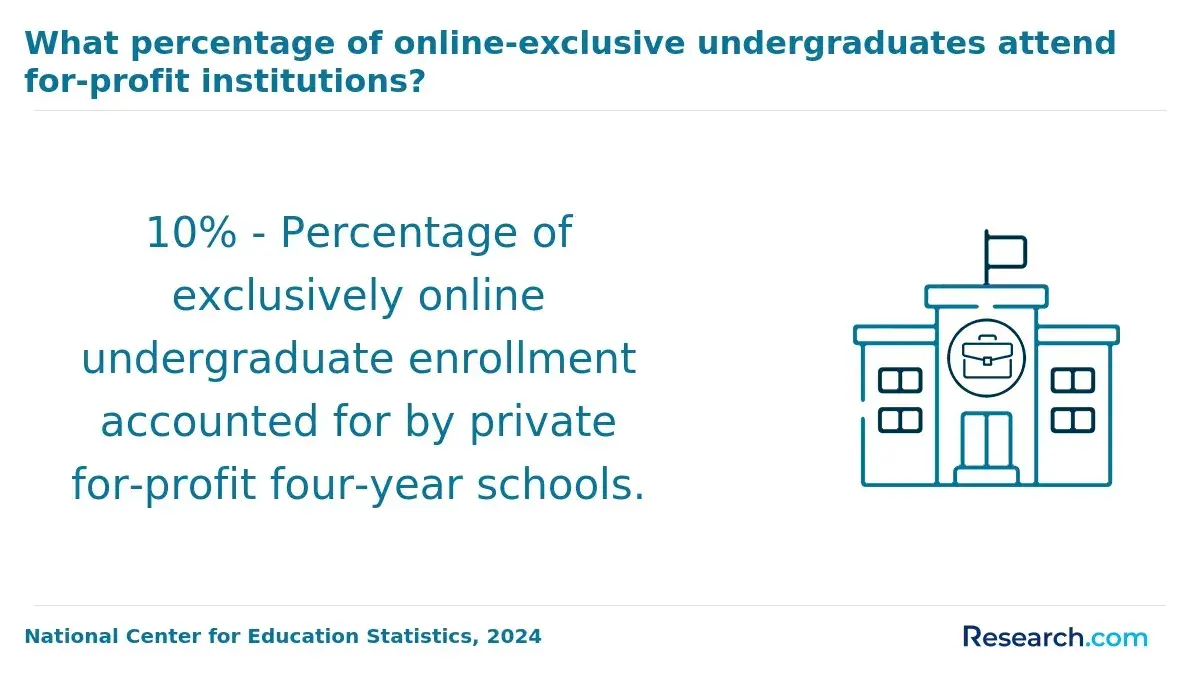
Delivery format significantly influences the return on investment (ROI) for reading & literacy degree programs due to variations in cost, flexibility, and career outcomes. Currently, over 30% of higher education enrollments occur online, highlighting the growing accessibility of these programs for working professionals. When evaluating the cost-effectiveness of online reading and literacy degree programs, it is essential to consider multiple factors simultaneously.
Key differences between online and on-campus reading & literacy programs include:
- Tuition and fees: Online programs generally feature lower tuition, reducing upfront financial barriers and making them a cost-effective option for many students.
- Opportunity cost: Flexibility in online scheduling enables students to maintain their income during studies, lowering opportunity costs compared to the often more rigid schedules of on-campus programs.
- Time to completion: While largely similar, completion timelines can vary by individual circumstances, with some students benefiting from accelerated or self-paced online options.
- Networking and career services: On-campus programs typically offer stronger networking opportunities and more direct access to career services, which can enhance long-term career development.
- Employer perception and earning potential: Although employer preference has traditionally favored on-campus degrees, this gap is narrowing as the quality of online education improves, slightly favoring on-campus in terms of long-term earning potential.
Those interested in finding affordable options should consider exploring resources focused on an online business degree as a model for cost-effective online education pathways that balance quality with affordability.
What Is the Average Salary After Earning a Reading & Literacy Degree?
Post-graduation salary plays a vital role in assessing the return on investment (ROI) of a reading & literacy degree, as it determines how quickly graduates can offset their educational expenses and begin to earn financial benefits. On average, reading and literacy degree graduates in the United States can expect annual salaries ranging from about $45,000 to $70,000. Various factors influence these salary outcomes and thus impact the overall ROI of the degree.
Key elements affecting the average salary for reading and literacy graduates include:
- Industry: Salaries differ considerably between public education, private tutoring, and nonprofit sectors. Some industries provide higher pay scales, which can improve financial returns.
- Geographic location: Variation in cost of living and regional demand causes salaries to fluctuate across states and cities, affecting how much graduates earn.
- Prior experience: Those with teaching or relevant professional backgrounds typically command higher salaries, enhancing ROI.
- Specialization: Expertise in areas like dyslexia intervention or English language learning often leads to increased earning potential.
- Career level: Entry-level roles tend to pay less, while advanced positions such as literacy coordinators or curriculum developers usually offer higher wages.
Evaluating your circumstances with these factors in mind helps gauge realistic salary expectations after completing a reading & literacy degree. Prospective students interested in related fields might also consider options like a library degree for comparison.
Does a Reading & Literacy Degree Lead to Promotions?
Promotions contribute significantly to the return on investment of a reading and literacy degree by bringing salary increases, expanded responsibilities, and greater career mobility. These factors collectively enhance the financial and professional benefits of earning such a degree. A notable workforce trend is the increasing emphasis on credential-based promotions, particularly in education, where advanced degrees often serve as key qualifiers for leadership and specialized roles.
Several key factors illustrate how a reading and literacy degree may influence promotion opportunities and improve ROI:
- Credential requirements: Many higher-paying or leadership positions require formal qualifications, making this degree essential for meeting promotion standards in education and related fields.
- Leadership preparation: The degree provides specialized knowledge that equips graduates to take on instructional leadership or curriculum development, positioning them as valuable candidates for advancement.
- Employer support: Eligibility for tuition assistance programs often improves with this credential, lowering education costs and enhancing overall return on investment.
- Internal promotion policies: Organizations frequently prioritize candidates with formal education combined with experience, aligning perfectly with professionals holding a reading and literacy degree.
- Experience synergy: Combining practical experience with academic credentials increases competitiveness in promotion decisions, maximizing career advancement potential.
Typically, advancing within educational settings requires both experience and formal qualifications, making this degree a powerful asset in career progression. Professionals evaluating career advancement with a reading and literacy degree should also consider complementary options such as online phd programs in organizational leadership to broaden their leadership capabilities and increase long-term ROI.
Which Industries Offer the Best ROI for Reading & Literacy Graduates?
The return on investment (ROI) for graduates with a reading & literacy degree varies significantly depending on the industry they enter due to differences in salary levels, career progression opportunities, and demand for specialized skills. These factors directly impact long-term earnings and job stability.
Industries that tend to offer the highest paying industries for reading and literacy graduates balance competitive compensation with strong prospects for advancement and ongoing need for literacy expertise. Key sectors include:
- Education Administration: Roles such as curriculum coordinators and reading specialists often yield higher salaries than entry-level teaching positions. These jobs also present leadership opportunities that promote sustained financial growth over time.
- Public School Systems: Although initial salaries may be modest, these systems provide reliable job security, benefits, and incremental raises linked to certifications and experience, supporting steady income growth.
- Educational Publishing and Curriculum Development: This sector leverages literacy knowledge to create learning materials and increasingly rewards skill integration with technology, leading to flexible work environments and potential compensation increases.
- Nonprofit and Community Literacy Programs: While base pay might be lower, these positions offer meaningful skill application and chances for career development into management or grant administration roles.
- Higher Education and Research: Graduates in this field may engage in postsecondary teaching or literacy research, where demand for specialized knowledge supports competitive salaries and tenure-track advancement.
Exploring the best career paths with a reading and literacy degree includes understanding these industry distinctions. For those assessing educational options, considering quick online degrees related to literacy can also inform decisions about time investment and financial return.
Does Accreditation Affect ROI for a Reading & Literacy Degree?
Accreditation in reading & literacy degree programs signifies that the curriculum meets rigorous standards established by education authorities or professional organizations. This endorsement assures employers and certification boards that graduates have received comprehensive and credible training. A notable trend is that many states increasingly mandate graduation from accredited programs for candidates seeking teaching licenses or literacy credentials, directly impacting employability and potential earnings. Such requirements highlight the importance of accreditation in shaping the financial value of these degrees.
Accreditation enhances long-term return on investment by fostering employer confidence, which improves graduate hiring prospects. It also opens doors to federal financial aid, decreasing the initial cost burden for students. Additionally, credits earned through accredited programs are more easily transferred between schools, making it faster and more affordable to complete degrees. Being enrolled in an accredited program is often necessary for obtaining professional licenses and certifications, which support career advancement and flexibility within education fields.
Is a Reading & Literacy Degree Worth It?
The return on investment for a reading & literacy degree depends on several financial and professional factors. Costs typically include tuition, fees, and materials over two to four years, with longer programs potentially delaying workforce entry and income. Post-graduation salaries for roles such as literacy coaches and interventionists tend to be competitive, with median annual wages around $60,000, which is higher than many other education positions. Additionally, specialized literacy skills can lead to career progression and leadership opportunities, further enhancing earning potential over time.
Whether pursuing a reading & literacy degree is worthwhile often hinges on individual circumstances and market trends. Consistent demand for literacy specialists supports job stability, while flexible program options, like online or part-time courses, help balance work and study. Financial aid and employer support can significantly lower educational expenses, improving ROI. Ultimately, a candidate's career ambitions and regional job prospects play a crucial role in determining if the investment in this degree aligns with their professional and financial goals.
What Graduates Say About The ROI of Their Reading & Literacy Degree
- Amanda: "Choosing a traditional reading & literacy degree program was one of the best investments I've ever made. While the average cost hovered around $15,000 per year, the long-term ROI was clear to me: better job opportunities and a chance to truly impact young readers. Since graduating, I've seen a significant boost in my career trajectory and salary, making every penny worth it. "
- Becca: "Balancing life and studies as an online reading & literacy student wasn't easy, but the flexibility justified the cost, which was more affordable than many on-campus alternatives, generally around $8,000 to $12,000 annually. Reflecting on my journey, I believe the program's comprehensive curriculum and practical approach provided skills that directly translated to my career growth in educational support roles. It was a valuable decision that continues to pay off professionally. "
- Rhys: "Opting for a part-time reading & literacy degree allowed me to manage budgeting concerns while earning approximately $10,000 a year in tuition. I approached the program with a practical mindset, weighing the upfront costs against the career benefits. Completing the degree enhanced my credentials and opened doors to specialized teaching positions, confirming that the investment was a sound strategy for future stability. "
Other Things You Should Know About Reading & Literacy Degrees
The demand for qualified reading and literacy professionals can positively influence ROI by increasing job opportunities and job security. Schools and educational organizations frequently seek experts to address literacy challenges, especially given growing awareness of reading proficiency's impact on overall academic success. High demand can lead to competitive salaries and more stable career prospects.
Yes, certifications such as Reading Specialist certification or Literacy Coach credentials can enhance a graduate's marketability and potential earnings. These certifications often require additional coursework or exams but provide specialized expertise that employers value. Holding recognized certifications usually leads to higher salaries and better job advancement opportunities.
References
- Literacy-Reading and ESOL Tuition https://www.loyola.edu/department/financial-aid/graduate/tuition-charges/literacy-reading-tell.html
- Q&A With Dr. Scott Bailey: Ed.D. and Ed.S. in Literacy | ACE Blog https://ace.edu/blog/qa-with-dr-scott-bailey-ed-d-and-ed-s-in-literacy/
- Really Great Reading Careers https://www.reallygreatreading.com/really-great-reading-careers
- GCQ360 - Study Abroad Consultants in Bangalore, Karnataka | Your Gateway to Global Education https://gcqstudyabroad.com/blog/finland-top-universities-roi-international-students
- The ROI of Accreditation: Why It Matters More Than Ever https://www.kramah.com/the-roi-of-accreditation-why-it-matters-more-than-ever/
- Reading and Literacy Program - Bank Street Graduate School of Education https://graduate.bankstreet.edu/academics/academic-programs/reading-and-literacy-program/
- Do College Credentials Pay Off? The Data-Backed Answer to Degree ROI · The Hunt Institute https://hunt-institute.org/resources/2025/12/college-credentials-degree-roi-value/
- Reading/Literacy Specialization - Careers https://www.maryville.edu/ed/graduate-programs/reading-literacy/career/
- How Can I Advance My Teaching Career with Literacy Education? https://www.sacredheart.edu/news-room/news-listing/how-can-i-advance-my-teaching-career-with-literacy-education/
- Why You Should Get a Master’s in Literacy - Graduate Programs for Educators https://www.graduateprogram.org/blog/why-you-should-get-a-masters-in-literacy/


