
2027 Part-Time vs. Full-Time Reading & Literacy Degree Programs

Co-Founder and Chief Data Scientist
Many students face difficulty choosing between part-time and full-time reading & literacy degree programs, especially when juggling work commitments, financial challenges, and academic ambitions. Recent data shows that nearly 40% of reading & literacy students opt for part-time enrollment to better balance these demands, reflecting a growing preference for flexible learning options in the field.
This article explores key differences between part-time and full-time reading & literacy programs, including workload and pacing, to help readers make informed decisions aligned with their personal and professional goals. Understanding these distinctions is crucial for selecting the path that best supports academic success and career development.
Key Benefits of Part-Time vs. Full-Time Reading & Literacy Degree Programs
- Part-time programs allow students to balance work duties with study, reducing financial strain and enabling steady career advancement while completing their reading & literacy degree.
- Full-time study accelerates academic progress, facilitating quicker entry into literacy-focused roles, which is vital in fields with growing demand for qualified educators.
- Part-time formats support work-life balance, accommodating adult learners' family responsibilities and promoting sustained engagement with coursework over longer periods.
How Are Part-Time Reading & Literacy Programs Structured Compared to Full-Time Programs?
Choosing between part-time vs full-time reading and literacy programs involves understanding key differences in their structure, which impact learning pace and student experience. Scheduling flexibility and course load can significantly affect how students balance education with other commitments.
Part-Time Program
- Course Load: Typically limited to 6 to 9 credit hours per semester to ease workload.
- Weekly Time Commitment: Students spend about 8 to 12 hours weekly attending classes or engaging online.
- Scheduling Flexibility: Evening, weekend, or hybrid options are common to accommodate working adults.
- Online Availability: Many programs offer fully online formats, such as those at Towson University, supporting learners who require remote access.
Full-Time Program
- Course Load: Enrolls students in 12 to 15 credit hours per semester for an intensive experience.
- Weekly Time Commitment: Involves 15 to 20 hours of weekly classroom time plus additional study hours.
- Scheduling Flexibility: Primarily daytime classes during weekdays with less flexibility than part-time options.
- Online Availability: Usually limited online components, focusing more on-campus engagement to meet accreditation standards in interactive literacy instruction.
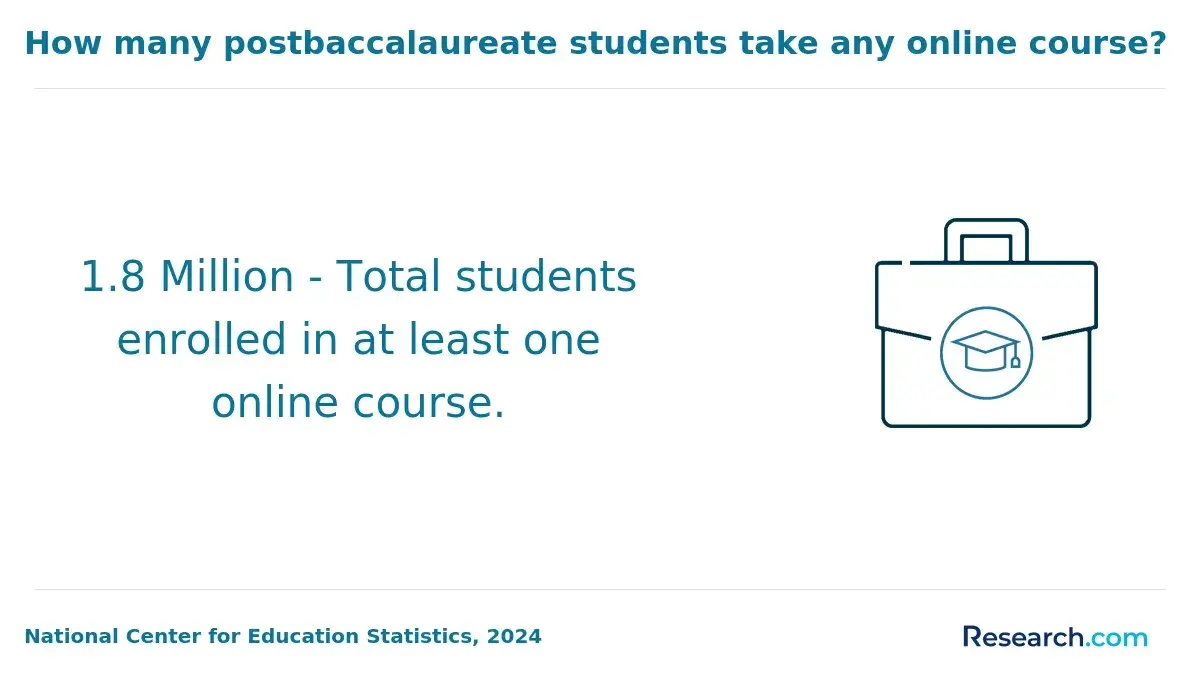
Data from the National Center for Education Statistics (NCES) shows many adult learners prefer part-time formats due to their adaptable structure. For those balancing work and family, exploring accelerated online programs for working adults can offer practical solutions. This comparison highlights how the structure of part-time reading and literacy degrees is tailored to flexibility, whereas full-time programs focus on immersion and intensity.
How Long Does It Take to Earn a Part-Time vs Full-Time Reading & Literacy Degree?
Understanding the time to complete part-time reading degree or full-time literacy degree program duration is crucial for students planning their academic and career paths. Completion times vary significantly based on study format, course load, and program flexibility.
Typical durations and influencing factors include:
- Full-time duration: Generally, full-time students complete a bachelor's degree in reading & literacy within two to four years, depending on the institution and curriculum rigor.
- Part-time duration: Part-time students often take three to six years due to lighter course loads, balancing education with personal or professional commitments.
- Course load: Full-time study usually involves 12 to 15 credit hours per semester, while part-time students take 6 to 9, impacting program length.
- Program structure: Accelerated options and summer sessions may shorten full-time completion times.
- Transfer credits: Prior postsecondary credits can reduce the overall time required for graduation.
- Format flexibility: Online and hybrid programs provide scheduling advantages, especially valuable to part-time students aiming to progress steadily.
Students should weigh these factors carefully to select a format aligning with their schedules and goals. For those considering alternatives, exploring online certificate programs that pay well without a degree may offer additional career advancement opportunities.
Are Admission Requirements Different for Part-Time vs Full-Time Reading & Literacy Programs?
Are admission requirements different for part-time vs. full-time reading & literacy programs? Generally, they share many similarities but also feature distinct expectations based on the student's availability and the intensity of the program. Both part-time and full-time formats usually demand a minimum GPA and foundational coursework, though flexibility and professional experience considerations vary.
- GPA Requirements: Full-time reading literacy programs often require a higher GPA, typically 3.0 or above, reflecting the need to keep pace with a more demanding schedule. Part-time programs tend to offer more flexibility, generally accepting students with a GPA around 2.5 to 3.0 to accommodate those balancing work or family responsibilities.
- Prerequisite Coursework: Both program formats require foundational courses in education, child development, or literacy. However, part-time students may be permitted to take some prerequisites concurrently with core courses, enabling better scheduling adaptability.
- Professional Experience: Many part-time reading literacy programs target working educators and either require or prefer applicants to have classroom experience. Conversely, full-time programs often accept recent graduates or those with limited professional background.
- Standardized Tests and Supporting Documents: While GRE scores or similar tests are common admission elements, some part-time programs waive these requirements in favor of emphasizing candidates' professional history. Letters of recommendation and personal statements remain important for both formats.
Applicants researching admission criteria for part-time reading literacy programs will find these differences valuable when choosing a study format. Understanding the contrast between full-time vs. part-time reading literacy program requirements helps prospective students identify which path best suits their lifestyle and career goals. For those also considering financial aspects, it is helpful to explore resources such as how much does an associate's degree cost to plan accordingly.
Breakdown of All 4-Year Online Title IV Institutions

How Do Tuition Fees Differ for Part-Time vs Full-Time Reading & Literacy Programs?
Tuition fees for part-time versus full-time reading & literacy programs vary mainly due to how credits are billed and the pace of enrollment. Although the cost per credit hour tends to be similar regardless of status, the total expense and timing often differ significantly. These distinctions impact budgeting and financial planning for students choosing between the two formats.
- Per-credit tuition rates: Most institutions charge the same rate per credit whether a student is part-time or full-time, typically ranging from $300 to $600 for graduate reading & literacy courses.
- Total program costs: Part-time study usually stretches tuition payments over a longer timeline, potentially leading to increased cumulative expenses, while full-time enrollment concentrates costs over a shorter period.
- Financial aid availability: Full-time students often qualify for larger loans and grants, whereas part-time students may face restrictions on certain aid programs.
- Additional fees: Some fees, like semester enrollment charges, remain constant regardless of course load, which can make per-credit costs effectively higher for part-time learners.
- Enrollment intensity effects: The number of credits taken each term affects both when fees are paid and what financial aid options are accessible, influencing overall affordability.
When I spoke with a graduate of a part-time reading & literacy program, she shared that managing tuition spread over several semesters required careful budgeting and persistence. She noted, "Though paying per credit helped me avoid a large lump sum upfront, the ongoing fees sometimes felt overwhelming, especially with additional university charges." She also mentioned appreciating the flexibility but felt that limited financial aid options meant she had to seek alternative funding sources. Reflecting on her journey, she said, "The slower pace didn't lessen the financial commitment, but balancing work and study made the part-time option worth it for me."
Which Reading & Literacy Degree Program Format Offers More Online or Hybrid Course Options?
Part-time reading & literacy degree programs provide significantly more online and hybrid course options than full-time formats. These programs prioritize flexibility to support working adults. Below is a summary of how each format typically manages course delivery.
- Program design: Part-time courses often employ asynchronous or hybrid models, allowing students to learn at their own pace without compromising work or family commitments. Full-time programs generally emphasize on-campus, cohort-based learning that accelerates degree completion.
- Institutional policies: Universities usually limit full-time students to in-person classes to foster immersive experiences. Part-time students benefit from policies encouraging remote participation and flexible scheduling.
- Student demographics: Full-time students tend to be recent high school graduates seeking a traditional campus life, which leads to more scheduled face-to-face classes. Part-time students, often older with jobs or families, prefer digital options that fit around their varied responsibilities.
- Course format tailoring: Schools design part-time programs to maximize accessibility through online or hybrid courses. Meanwhile, full-time formats focus on in-person engagement and quicker program timelines.
Can Reading & Literacy Students Switch Between Part-Time and Full-Time Enrollment?
Most colleges permit students to switch between part-time and full-time enrollment in reading & literacy programs, though policies vary by institution. This change usually requires maintaining good academic standing and securing approval from an academic advisor or registrar. Students often need to complete formal paperwork to request the change. Before switching, careful consideration is needed regarding how the change might affect financial aid, course schedules, and overall degree progress. Institutions may have specific guidelines about when and how students can adjust their enrollment status.
Common requirements include verifying academic eligibility and consulting financial aid offices to understand funding consequences, since federal aid may depend on enrollment status. Course availability can be limited for part-time or full-time students, influencing scheduling options. Approval from academic advisors is typically mandatory to ensure a smooth transition without delaying graduation. These factors collectively impact how quickly students complete their program and maintain eligibility for benefits.
In discussing this with a graduate who transitioned from part-time to full-time study, he described the process as both challenging and transformative. "Initially, balancing part-time studies with work was manageable but felt slow," he shared. "Switching to full-time required reorganizing my schedule and getting advisor approval, but it accelerated my learning and kept me more engaged." He noted that navigating financial aid adjustments was stressful but well worth the faster progress. His experience underlines that flexibility can support different life stages, though it demands careful planning and institutional support.
How Do Online, Hybrid, and Campus Reading & Literacy Program Delivery Formats Affect Part-time vs. full-time learning?
Delivery format significantly shapes the learning experience, with flexibility levels varying notably between part-time and full-time study. For students choosing between part-time vs full-time reading literacy program formats, understanding how online, hybrid, and campus settings affect scheduling and support is essential.
- Scheduling Flexibility: Online programs offer maximum flexibility, ideal for part-time learners balancing work or family. Full-time students typically follow structured schedules, while hybrid formats require more fixed attendance, which may challenge part-time students managing other responsibilities.
- Workload Management: Full-time on-campus learners adhere to consistent workloads, fostering immersion but requiring a full-day commitment. Part-time students benefit from online and hybrid options that spread coursework over time, easing weekly demands and improving workload balance.
- Accessibility and Resources: Online learners access digital libraries and recorded lectures anytime, supporting self-paced study for both full- and part-time students. Campus settings provide face-to-face mentoring and facilities critical for research-intensive reading & literacy programs. Hybrid models mix these benefits but may limit part-time students' campus availability.
- Learning Pace and Progression: Part-time students often progress slower across all formats, though online modular courses allow customized pacing. Full-time campus students, often in cohort-based models, benefit from peer interaction and faster degree completion. This impact of online hybrid campus learning on literacy degrees highlights that part-time online learners average six years to graduate versus four years full-time on campus.
- Student Support Services: Campus programs offer direct access to advising and peer groups, advantageous for full-time students needing intensive help. Online services are improving but may provide less personalized contact for part-time learners. Hybrid formats combine supports but may restrict part-time students unable to attend all sessions.
Students interested in accredited online colleges with no application cost can explore options designed to accommodate varying schedules and commitments to fit their chosen study mode.
Do Employers Prefer Full-Time Reading & Literacy Degrees Over Part-Time Degrees?
Employers generally do not show a strict preference for full-time reading & literacy degrees over part-time degrees, focusing instead on overall qualifications and skills. However, full-time programs are often perceived as more rigorous due to the concentrated study and time management they require, which can signal strong academic commitment. According to the National Center for Education Statistics, full-time education students tend to complete their degrees faster, an aspect some employers view as a sign of dedication. In contrast, part-time students benefit from flexibility, allowing them to gain professional experience concurrently, which is highly valued in many educational settings. This balance of work and study often enhances the practical skills employers seek.
Industry-specific preferences regarding employer preference for full-time reading and literacy degrees vary widely. Urban school districts, for example, may favor candidates with extended practical experience often attained through part-time study paths. Additionally, hiring managers frequently appreciate that part-time learners accumulate hands-on skills and internships, contributing to career readiness, a factor emphasized by the Council for Exceptional Children. The part-time versus full-time reading and literacy degree value debate highlights that practical experience can be as crucial as academic intensity. Candidates seeking to supplement their studies might also consider pursuing professional certifications that pay well to enhance their marketability and expertise.
Is a Part-Time or Full-Time Reading & Literacy Degree More Worth It for ROI?
Return on investment (ROI) plays a vital role when deciding between part-time and full-time reading & literacy degree programs, as it weighs tuition costs, duration, and career advantages. Full-time programs usually require greater upfront expenses but allow students to finish sooner, reducing income lost during study and enabling quicker entry into higher-paying positions.
In contrast, part-time programs let students keep working while studying, limiting immediate income loss but extending the overall time to complete the degree. This longer timeline can increase total tuition paid and delay promotions or salary boosts that depend on degree completion.
- Total program cost: Part-time pathways often accrue higher overall tuition due to longer enrollment periods, whereas full-time programs concentrate costs but shorten completion time.
- Opportunity cost: Full-time study limits income during enrollment but accelerates workforce reentry; part-time options preserve earnings but prolong time away from career growth.
- Salary potential: Graduates entering the workforce sooner via full-time programs typically gain earlier access to increased salaries compared to those in extended part-time tracks.
- Career advancement: Completing a degree full-time can open doors to quicker promotions, while part-time students may face delays despite steady employment.
How Do You Decide Between a Part-Time and Full-Time Reading & Literacy Degree Program?
Choosing the right format for a reading & literacy degree is essential to balance academic ambitions, career objectives, and personal life. The decision impacts how effectively you can manage time, finances, and learning preferences throughout your studies.
- Time Availability: Full-time study demands a significant weekly commitment, often 12 to 15 credit hours per semester, suitable for those with fewer outside responsibilities. Part-time programs allow more flexibility by spreading coursework over a longer period, ideal if you juggle work or family.
- Financial Resources: Full-time enrollment may accelerate tuition payments but can lead to quicker degree completion and earlier earning potential. Part-time study divides costs over additional semesters, potentially reducing immediate financial pressure.
- Career Goals: If rapid entry or advancement in your field is a priority, full-time study offers a faster path. Part-time routes support gradual progress, accommodating those balancing career development with education.
- Learning Style: Full-time programs provide immersive experiences, beneficial for those who thrive with steady momentum. Part-time students need self-discipline to maintain consistent advancement over several years.
- Program Duration and Flexibility: Full-time programs typically finish in about two years, while part-time options can extend from three to six years, offering adaptability to individual scheduling needs.
What Graduates Say About Their Part-Time vs. Full-Time Reading & Literacy Degree
- Armando: "Enrolling in the full-time reading & literacy degree was a transformative experience for me. The intensive coursework challenged me daily, but it was worth every penny of the average $20,000 tuition because it opened doors to exciting career opportunities in education. I'm now confident in my ability to help children develop crucial reading skills. "
- Damien: "Pursuing the part-time reading & literacy program allowed me to balance work and study without overwhelming my schedule. Although the cost was more manageable than a full-time option, around $12,000 on average, the knowledge and flexibility I gained have been invaluable for my career growth in educational support roles. It truly was an investment in my future. "
- Aiden: "The decision to undertake a full-time reading & literacy degree was both a personal and professional milestone. Despite the considerable cost, averaging $20,000, the comprehensive learning experience sharpened my instructional techniques and deepened my passion for literacy advocacy. I appreciate how the program prepared me thoroughly for the challenges in the field. "
Other Things You Should Know About Reading & Literacy Degrees
In 2027, part-time reading & literacy degree programs often allow students to extend their practicum or student teaching over multiple terms, offering flexibility. In contrast, full-time programs typically require these commitments to be completed within a shorter, more intensive period, demanding a more structured schedule.
Practicum and student teaching requirements remain consistent regardless of whether a reading & literacy student is enrolled part-time or full-time. Both formats must meet state certification standards, which specify minimum hours of supervised teaching experience. Part-time students may complete these requirements on a more extended timeline to fit their schedules.
In 2027, full-time reading & literacy degree students generally have broader access to scholarships and financial aid compared to part-time students. While part-time students may qualify for some aid, it's typically more limited, affecting their overall financial planning and resources for the program.
References
- Information for Current Literacy Education Students https://suny.oneonta.edu/information-current-literacy-education-students
- Inside Online Master’s Programs in Reading Literacy https://www.onlinemastersdegrees.org/best-programs/education/reading-literacy/
- EERE: Literacy M.Ed. FAQ https://www.jmu.edu/coe/eere/programs/literacy/med-faq.shtml
- Affordable Online Master's Programs In Reading And Literacy https://www.gradschoolhub.com/affordable/online/masters/reading-literacy/
- MA Education https://www.reading.ac.uk/ready-to-study/study/subject-area/education-pg/ma-education
- Pathways to Read - Primary School Reading Programme https://www.theliteracycompany.co.uk/pathways-literacy/pathways-to-read/
- The Essential Guide to Earning a Literacy Degree https://blog.cuw.edu/essential-guide-earning-literacy-degree-2163-1/
- Literacy Studies, M.S.Ed. https://www.gse.upenn.edu/academics/literacy-studies-msed
- Learning effectiveness of a flexible learning study programme in a blended learning design: why are some courses more effective than others? https://pmc.ncbi.nlm.nih.gov/articles/PMC9934945/
- Reading Education: M.Ed. - Master of Education | UVA School of Education and Human Development https://education.virginia.edu/academics/programs/reading-education-med-master-education-online


