
2027 Return on Investment (ROI) of a Sociology Degree Program

Co-Founder and Chief Data Scientist
Many prospective students hesitate before committing to a sociology degree due to unclear financial outcomes and career prospects. Recent data shows the median salary for sociology graduates in the U. S. is approximately $54, 000 annually, below the national median, raising concerns about return on investment (ROI). This uncertainty challenges individuals aiming to balance education costs with future earnings.
Understanding the salary potential and employment trends specific to sociology graduates is crucial for informed decision-making. This article examines the economic value and career trajectories of sociology degree holders, helping readers gauge whether the degree aligns with their financial and professional goals.
Key Things to Know About Sociology Degree ROI
- Graduates with a sociology degree earn a median annual salary of approximately $60,000, reflecting competitive earning potential in social services, education, and research sectors.
- Sociology graduates benefit from diverse career paths in government, nonprofits, and business, allowing for upward mobility and career advancement opportunities across multiple industries.
- Long-term job stability is supported by growing demand for sociological expertise in data analysis, community development, and policy-making roles, fostering steady salary growth over time.
How Is ROI Calculated for a Sociology Degree Program?
Return on investment (ROI) in higher education measures the financial value gained from completing a degree relative to the costs and time involved. It helps students compare whether pursuing a sociology degree offers a worthwhile financial return compared to tuition, living expenses, and potential income from other opportunities.
Several key factors are considered when calculating return on investment for sociology degree programs. These include both direct expenses and long-term earning potential:
- Tuition and Fees: The total cost of attending, including tuition, mandatory fees, and other educational expenses. Accurate accounting of these costs is crucial for assessing the true investment required.
- Opportunity Cost: Represents income forgone by studying instead of working during the program. This cost reflects the salary students might have earned if they chose employment over education.
- Time to Completion: Longer program durations increase both direct costs and opportunity costs, whereas faster completion typically improves ROI by reducing these expenses.
- Post-Graduation Salary: Starting salaries and potential career salary growth for sociology graduates significantly influence ROI. Higher earning potential can offset educational costs and boost overall returns.
- Career Advancement: The degree's role in enabling promotions or salary increases affects long-term financial gains, which can substantially increase ROI over time.
For students considering advanced social sciences degrees, options such as a masters in social work online may also factor into decisions about educational investment and career pathways.
How Much Does a Sociology Degree Program Cost?
Evaluating the return on investment for a sociology degree requires a clear view of all associated costs. With the average student loan debt for graduates now exceeding $30,000, it's essential to consider expenses beyond just tuition to accurately gauge the program's financial impact. Several key cost areas contribute to the total investment in a sociology degree.
These important factors include:
- Tuition and fees: Typically the most significant expense, these vary depending on whether the institution is public or private and whether the student qualifies for in-state tuition rates.
- Books and materials: Students often spend several hundred dollars annually on required textbooks, access to online resources, and academic software.
- Living and relocation expenses: Housing costs, transportation, and food add substantially to the budget, especially for students relocating to attend classes.
- Opportunity cost: Forgone income during full-time study can significantly affect overall financial returns, particularly for those leaving jobs or reducing work hours.
- Hidden or indirect costs: Charges related to technology fees, campus services, and miscellaneous expenses can accumulate unnoticed over the course of the program.
When I spoke with a sociology graduate about how much the degree program cost him, he shared how challenging it was to anticipate all these expenses upfront. He explained, "I budgeted carefully for tuition and rent, but I didn't fully account for all the extra fees and the cost of materials until they started piling up. It was stressful at times, balancing student loans and working part-time. Definitely made me rethink the true cost beyond just classroom time." His experience highlights how the full financial commitment of a sociology degree involves more than initial tuition figures suggest.
What Financial Aid Is Available for Sociology Degree Programs?
Financial aid helps lower initial education expenses and can significantly enhance long-term return on investment for students pursuing a sociology degree. Nearly 85% of graduate students benefit from some form of financial assistance, reflecting its key role in managing college costs and debt.
Common financial aid options available to sociology students include:
- Scholarships: These awards are based on merit and do not require repayment, directly reducing the amount students need to borrow and improving overall financial outcomes after graduation.
- Grants: Usually need-based, grants cover tuition or fees without increasing debt, making the academic journey more affordable and lowering the total cost of the degree.
- Fellowships: Targeted toward graduate-level students, fellowships often provide stipends or tuition waivers for research or teaching, which lessens dependence on loans and helps maintain a positive ROI.
- Employer tuition assistance: Many working professionals receive financial support from their employers, which can decrease out-of-pocket expenses and expedite the return of education investment.
- Federal loans: Though they must be repaid with interest, federal loans offer manageable repayment schedules and sometimes lower rates, making them a feasible but costlier option if heavily used.
How Long Does It Take to Complete a Sociology Degree?
The duration needed to finish a sociology degree directly impacts its return on investment by affecting opportunity costs, total expenses, and how soon graduates can begin earning a salary. Graduating earlier allows students to enter the workforce sooner, start repaying loans faster, and reduce cumulative living and tuition costs. Several factors shape how long it takes to complete this degree, influencing its overall financial payoff.
Key elements affecting time to completion and ROI include:
- Enrollment status: Full-time students typically graduate faster, while part-time attendance often prolongs the process, increasing both direct and indirect costs.
- Program format: Online and accelerated tracks can shorten completion times, which helps to minimize expenses and enable quicker entry into the job market.
- Transfer credits: Applying previously earned college credits can reduce the number of required courses, thus speeding up graduation and improving financial returns.
- Academic requirements: Internships or thesis projects may extend study periods but can enhance employability and long-term earning potential through practical experience or research skills.
- Course scheduling: Flexible class options allow students to balance work and studies, yet this flexibility sometimes lengthens time to degree completion, potentially lowering near-term ROI.
When I spoke with a sociology degree graduate about her experience, she reflected on the balancing act it involved. Managing part-time enrollment while working full-time extended her studies by a couple of years, which was daunting at times-"It felt like an endless marathon." However, she valued the flexibility that allowed her to maintain income and avoid overwhelming debt. The added time gave her space to engage deeply with an internship, which later helped secure a job in social services. "Even though it took longer than I expected, the experience I gained felt worth every extra semester," she said. This perspective underscores how individual choices and circumstances shape not only how long it takes to complete a sociology degree but also the quality of the return it provides.
Is ROI Higher for Online or On-Campus Sociology Programs?
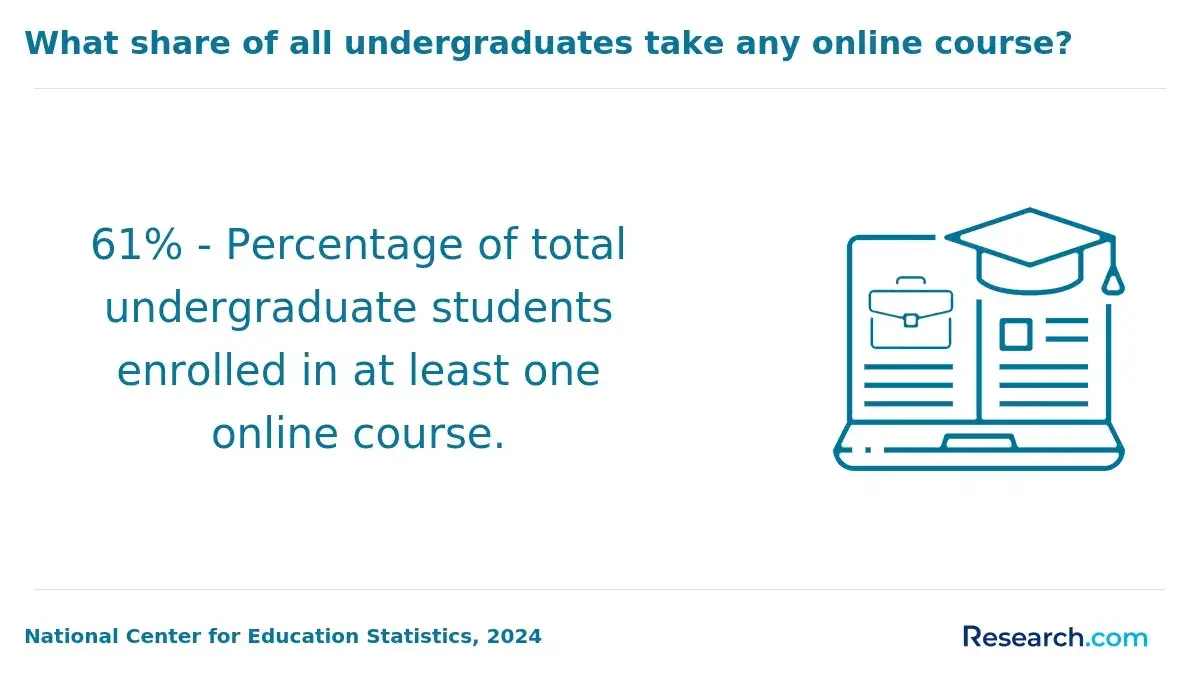
The return on investment for sociology programs can differ significantly between online and on-campus delivery formats due to variations in cost, flexibility, and career outcomes. Notably, over 40% of U.S. undergraduate students have enrolled in at least one online course, reflecting the growing acceptance and availability of digital education options.
Here are some key factors to consider when evaluating online vs on-campus sociology degree ROI:
- Tuition and Fees: Online programs generally have lower tuition and fewer associated expenses, such as housing and commuting costs, which reduces upfront financial burden. For those seeking the cheapest cacrep-accredited programs online, this can be a major advantage.
- Opportunity Cost: Greater flexibility in online programs allows students to balance study with work or family, often shortening time to degree completion and minimizing lost income during schooling.
- Networking and Career Services: On-campus programs typically offer stronger in-person networking opportunities, internships, and career support that can enhance long-term earning potential and job placement success.
- Employer Perception: Some employers may still prefer traditional on-campus degrees in sociology, considering them more rigorous or credible, which can influence initial job prospects.
- Completion Time: While variable by individual, students enrolled online may finish degrees faster due to flexible scheduling and accelerated course formats.
Prospective students weighing the return on investment for sociology programs should carefully consider these factors based on their career goals, financial situation, and learning preferences.
What Is the Average Salary After Earning a Sociology Degree?
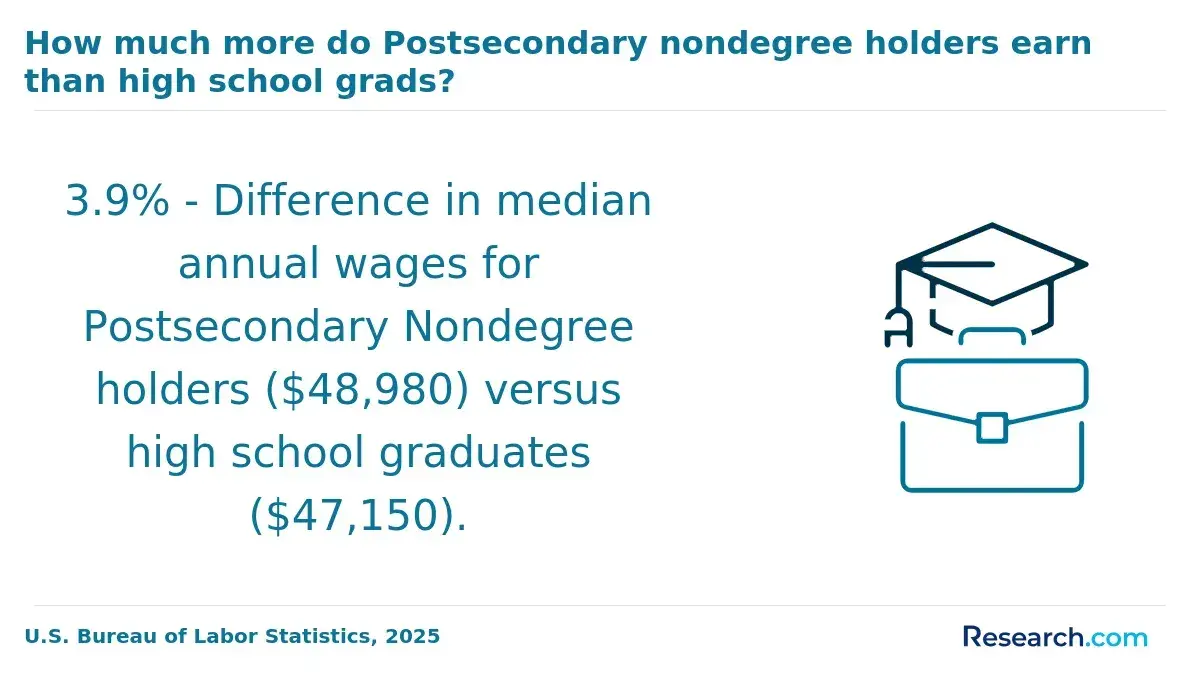
Post-graduation salary is a primary factor in evaluating the return on investment (ROI) of a sociology degree, as it determines how quickly graduates recoup their education expenses and achieve financial stability. For those considering a sociology degree in the US, the average sociology degree salary typically ranges from $45,000 to $70,000 annually, reflecting diverse career paths and opportunities.
Several factors influence expected earnings after a sociology degree and thus impact potential ROI:
- Industry: Salaries vary significantly by sector, with social services and nonprofit roles generally offering lower wages compared to government, research, or consulting positions, which tend to pay more competitively.
- Geographic location: Earnings are often higher in metropolitan areas due to increased demand for social science expertise and higher living costs, improving overall salary potential.
- Prior experience: Internships, volunteer work, or relevant job history can boost starting salaries and accelerate advancement, enhancing the financial payoff of the degree.
- Specialization: Concentrating in areas such as criminology, data analysis, or policy research often leads to better compensation, helping graduates optimize their degree ROI.
- Career level: Entry-level sociology jobs tend to offer modest salaries, while advancement into managerial and senior research roles significantly increases earning potential over time.
Prospective students assessing the average sociology degree salary in the US should also consider alternative educational paths like the emba online, which may offer different financial and career outcomes.
Does a Sociology Degree Lead to Promotions?
Promotions play a crucial role in boosting ROI by delivering salary increases, expanded responsibilities, and greater career mobility. These factors collectively improve long-term earning potential for degree holders. A significant workforce trend impacting advancement is credential-based promotion, which increasingly prioritizes formal education credentials for leadership roles. This trend particularly benefits those with a sociology degree, as they bring critical thinking, research skills, and a strong grasp of social dynamics.
Several key factors illustrate how obtaining a sociology degree can enhance promotional opportunities and overall career advancement. These include:
- Credential Requirements: Many sectors like social services, education, and public policy require formal degrees for advancement, making a sociology degree a valuable asset for meeting these criteria.
- Leadership Preparation: Sociology programs nurture foundational skills in leadership and communication, equipping graduates for supervisory and management positions.
- Tuition Assistance Eligibility: Holding a sociology degree often increases eligibility for employer tuition assistance programs, facilitating further education and career development.
- Internal Promotion Policies: Organizations frequently prefer promoting employees who hold academic credentials, giving sociology degree holders an advantage in internal advancement.
- Experience Enhancement: Combining prior work experience with a sociology degree enhances the value of an applicant's profile, supporting stronger candidacies for promotions.
For individuals assessing the ROI of a sociology degree in relation to promotional opportunities, exploring accelerated online degrees can also provide pathways to faster career advancement and improved financial returns. Overall, sociology degree career advancement prospects tend to align positively with promotional opportunities across diverse fields.
Which Industries Offer the Best ROI for Sociology Graduates?
Return on investment (ROI) for sociology graduates varies significantly across industries due to differences in salary levels, career progression opportunities, and demand for specialized skills. While the cost and time investment of earning a sociology degree is relatively steady, financial returns depend greatly on the industry where graduates build their careers.
Several fields commonly offer some of the highest paying industries for sociology graduates by combining competitive compensation with strong career growth potential and steady demand for sociological expertise. Below are key sectors that tend to provide the best ROI careers with a sociology degree.
- Healthcare and Social Services: This sector values sociology graduates for their insight into social determinants of health, which contributes to job stability and growth as healthcare needs expand nationwide.
- Market Research and Data Analysis: Utilizing skills in research and statistics, graduates can secure well-compensated roles with consistent industry expansion and advancement opportunities.
- Government and Public Policy: Agencies depend on sociological knowledge for developing effective programs and engaging communities, offering steady employment with reliable salary progression.
- Education and Academic Research: Initial pay may be modest, but long-term ROI arises from tenure possibilities and access to research funding that support career longevity.
- Nonprofit Management: This field rewards expertise in social program design and advocacy, providing opportunities for leadership and meaningful impact alongside career growth.
Prospective students interested in comparing degree pathways should consider online college programs that offer flexible options for completing a sociology degree while maximizing ROI potential.
Does Accreditation Affect ROI for a Sociology Degree?
Accreditation for sociology degree programs signifies formal approval from an authorized agency that the curriculum meets rigorous academic and professional standards. This validation ensures students study key sociological theories, research techniques, and ethical practices essential for the field. Increasingly, employers prioritize candidates with accredited degrees, reflecting a broader workforce trend emphasizing verified graduate outcomes and accountability. Additionally, certain career paths, such as social work or counseling, often require graduation from accredited programs to meet licensure standards.
Accreditation plays a critical role in enhancing the long-term return on investment by fostering employer confidence in the degree's value, which can translate into better job prospects and higher salaries. It also opens the door to federal financial aid, reducing educational expenses and easing financial burdens. Accredited credits typically transfer more smoothly between institutions, saving time and cost for students pursuing additional qualifications. Overall, attending an accredited sociology program supports greater career flexibility and increased financial rewards over time.
Is a Sociology Degree Worth It?
Evaluating the return on investment for a sociology degree involves analyzing several factors such as tuition costs, duration of study, and potential earnings after graduation. Typically, sociology graduates earn median starting salaries between $40,000 and $50,000 annually, which are generally lower compared to STEM fields. The length of time to complete the degree can vary, with full-time students finishing in about four years while part-time students take longer but can maintain employment concurrently. Career advancement opportunities exist but may differ based on the chosen path and sector.
The value of a sociology degree depends on multiple elements including demand within industries like public policy, social research, and nonprofits. More affordable options such as public and online programs can reduce financial burdens, especially when combined with scholarships or grants. Personal motivations also play a significant role; individuals driven by social justice or community service may find the degree more rewarding despite a modest salary range. Employment rates fluctuate, with a 7% unemployment figure reported for sociology graduates, slightly above average, but advanced degrees often lead to improved job prospects.
What Graduates Say About The ROI of Their Sociology Degree
- Paxton: "Choosing to pursue a sociology degree on a traditional campus was a calculated investment for me. Considering the average cost of attendance, which can exceed $30,000 per year, I weighed the potential long-term return and knew the deep understanding of societal trends would open many doors. Today, working in community development, I'm confident this degree elevated my career trajectory far beyond the initial cost. "
- Ameer: "As an online sociology student, I often reflected on whether the cost-typically around $20,000 to $25,000 total-would justify the effort and time. The flexibility allowed me to work while studying, softening the financial strain. Now, with a role in social research, I see how the degree built critical analytical skills that pay off beyond dollars and cents. "
- Nathan: "Balancing a part-time sociology degree program with full-time work was challenging, but the approximately $15,000 total tuition felt like a manageable investment in my future. Reflecting back, the career doors this degree unlocked in human resources strategy affirmed every late night spent studying. The professional growth I've experienced confirms the cost was absolutely worth it. "
Other Things You Should Know About Sociology Degrees
Soft skills learned in sociology programs, like communication, critical thinking, and empathy, are valuable for ROI in 2027. They enhance employability across diverse fields, potentially leading to better job prospects and salaries, thus improving ROI.
Yes, internships can significantly improve the ROI by providing practical experience and networking opportunities. Internships help students develop relevant skills and increase employability after graduation, which can lead to higher starting salaries and better job prospects in sociology-related fields.
In 2027, the Return on Investment for a Sociology Degree Program varies greatly, influenced by industry demand, and employment opportunities. On average, sociology graduates can expect moderate ROI, although those who pursue careers in high-demand sectors may see higher returns, especially if they gain relevant skills and experience.
References
- Collegium Civitas https://study.gov.pl/collegium-civitas-6
- Studies pick college programs with best investment returns https://www.insidehighered.com/news/2021/09/16/studies-pick-college-programs-best-investment-returns
- Sociology Degree Timeline | ValidGrad https://validgrad.com/blog/how-long-does-it-take-to-get-a-sociology-degree/
- Is getting a sociology degree worth it? https://www.careervillage.org/questions/1060131/is-getting-a-sociology-degree-worth-it
- Sociology (BA) | Learn to Observe, Investigate & Analyze Societies | Undergraduate Admissions - Apply Here - Concordia University https://www.concordia.ca/academics/undergraduate/sociology.html
- Online Sociology Undergraduate Tutors Spires | Is a Degree in Sociology Worth It? https://spires.co/online-sociology-tutors/undergraduate/is-a-degree-in-sociology-worth-it
- What Can You Do With A Sociology Degree? https://www.immerse.education/career-exploration/sociology/careers-in-sociology/
- 5 Things Every Sociologist Should Know BEFORE Becoming a Sociologist https://www.bestsociologyprograms.com/lists/5-things-every-sociologist-should-know-before-becoming-a-sociologist/
- Does College Pay Off? A Comprehensive Return On Investment Analysis - FREOPP https://freopp.org/whitepapers/does-college-pay-off-a-comprehensive-return-on-investment-analysis/
- SOCIOLOGY - University College of Enterprise and Administration https://en.wspa.pl/sociology-graduate-program/


